
Hyundai i30 N | PH Used Review
Hyundai's N brand has come a long way in a short time, but it owes much to where it all started...
Back then…
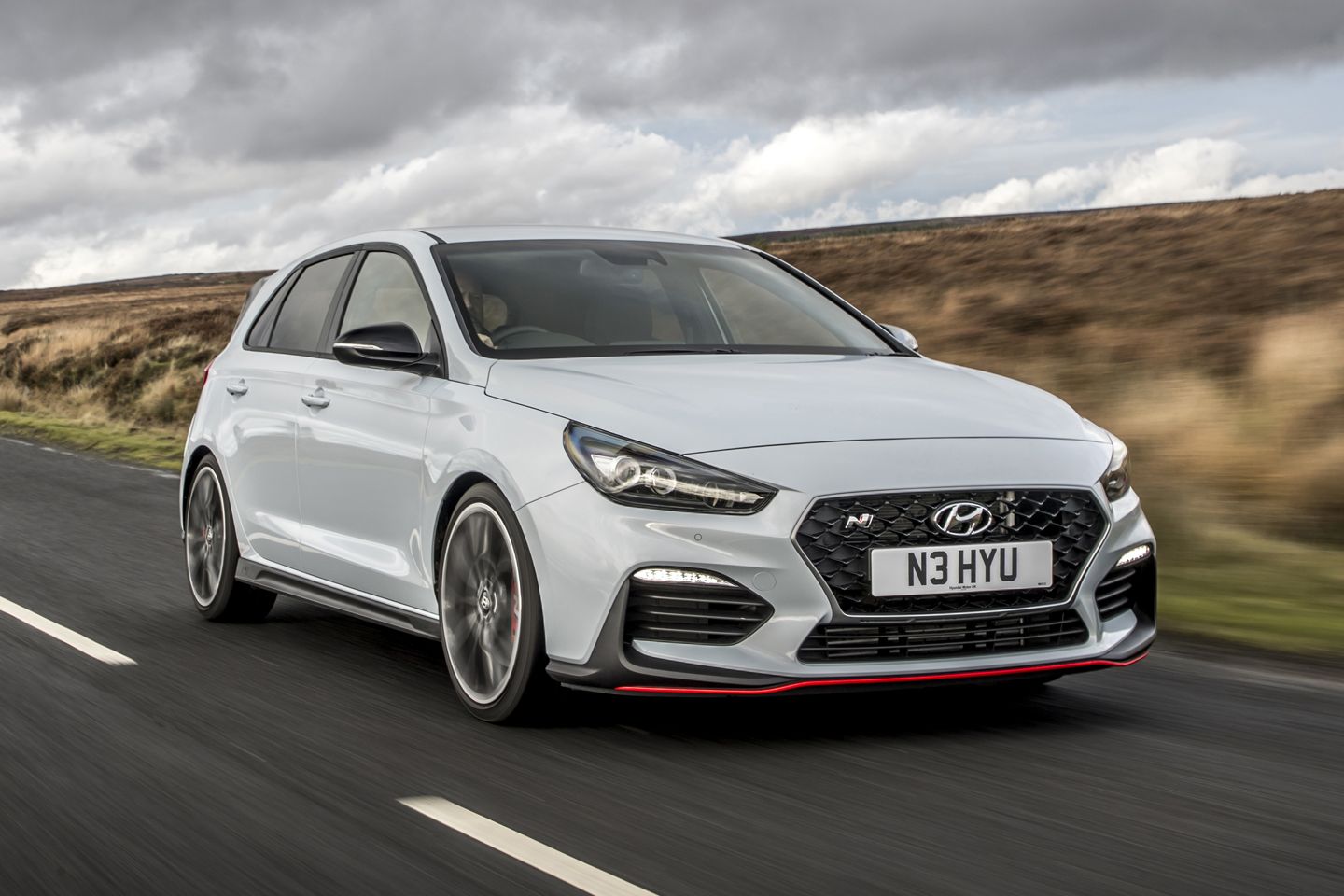
Thanks to cars like the i30 N, i20 N and Ioniq 5 N, expectations are very high when Hyundai launches a new hot hatch. Back at the i30’s introduction in 2017, however, nobody could confidently predict whether it’d be any good or not - because Hyundai just didn’t do hot hatches. The genre may have been decades old - and the South Korean brand long established - but the enthusiast sector wasn’t really one it dabbled in. Apart from that memorable era of WRC Accents and F2-spec Coupes when it first tried to break free from its white goods reputation.
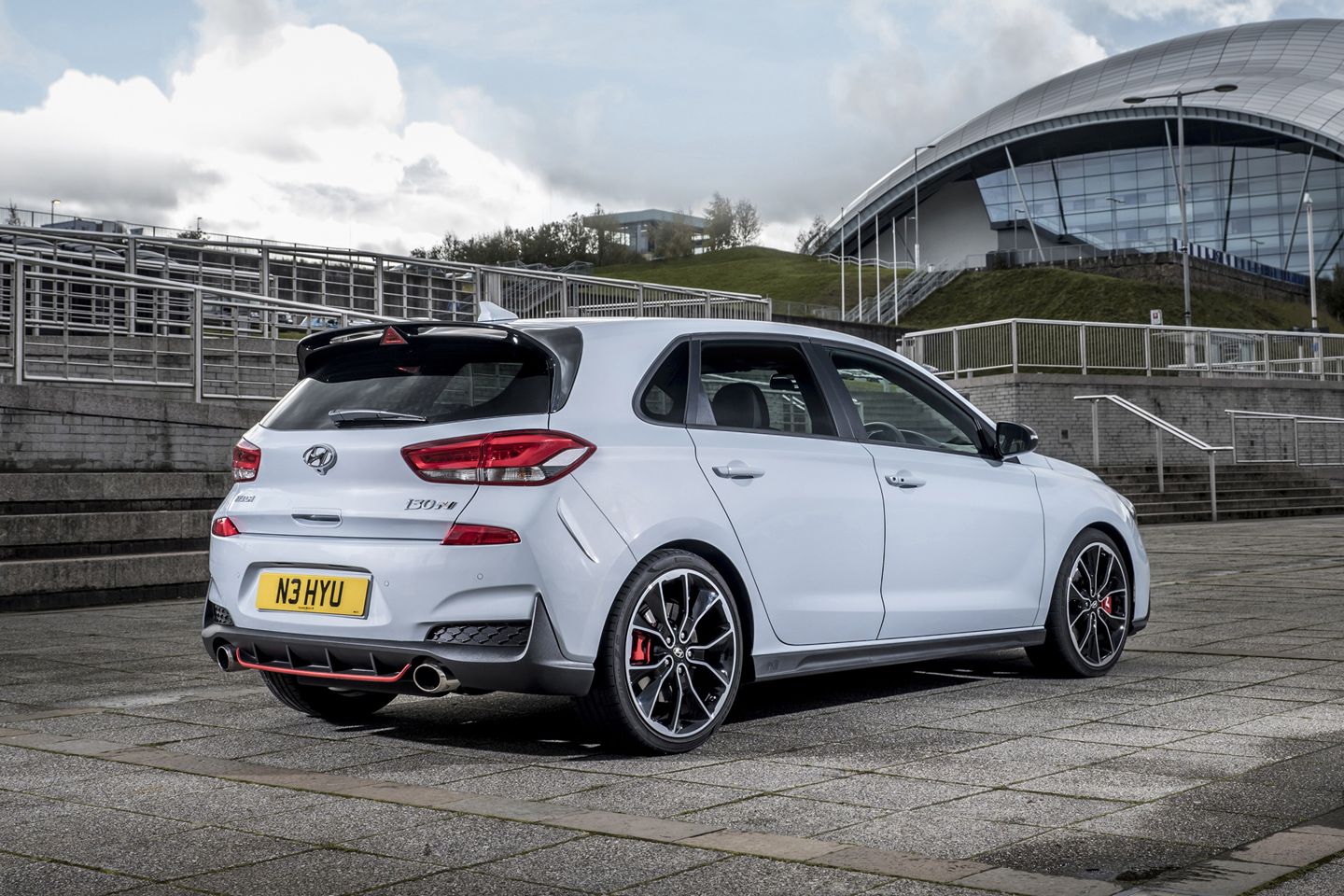
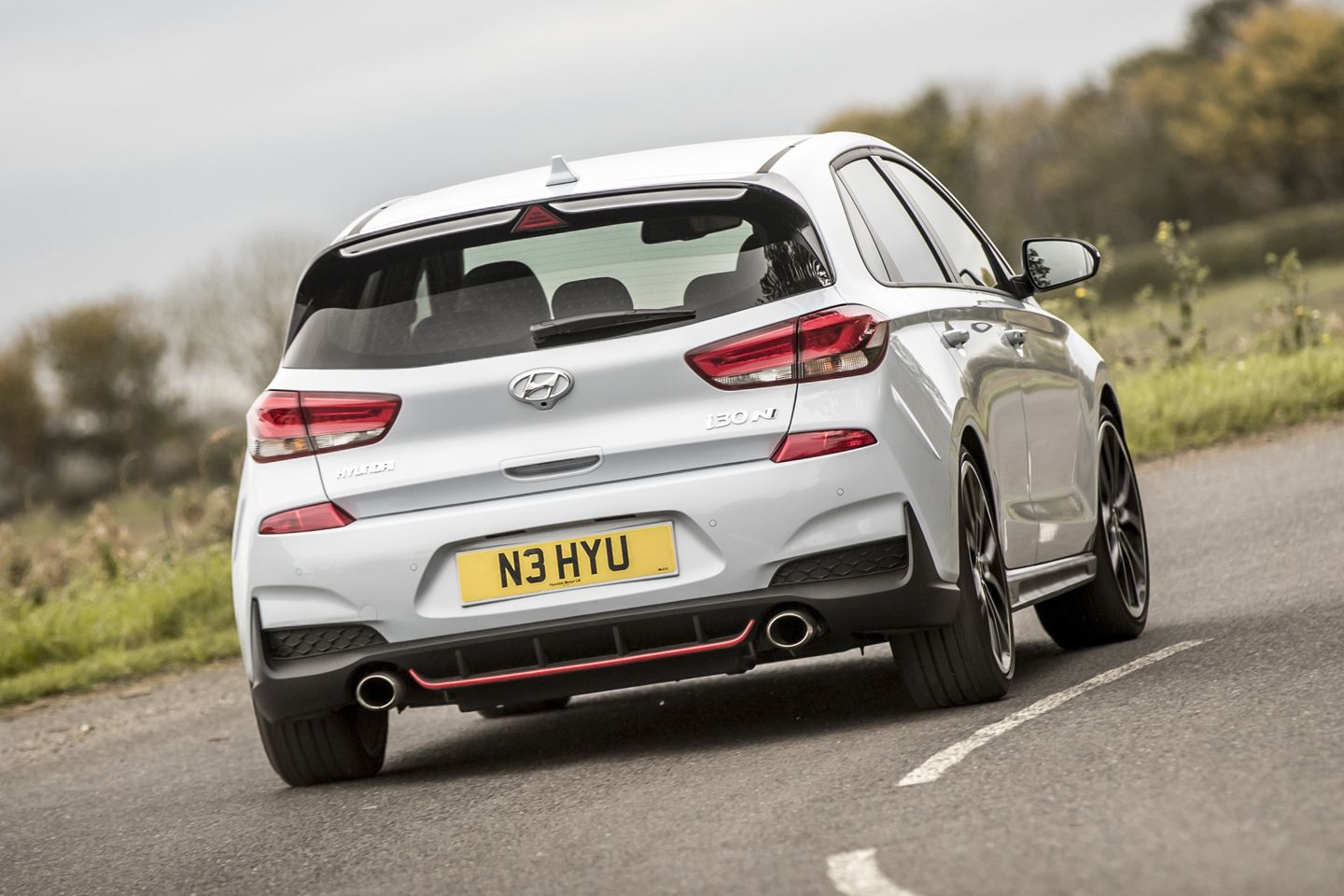
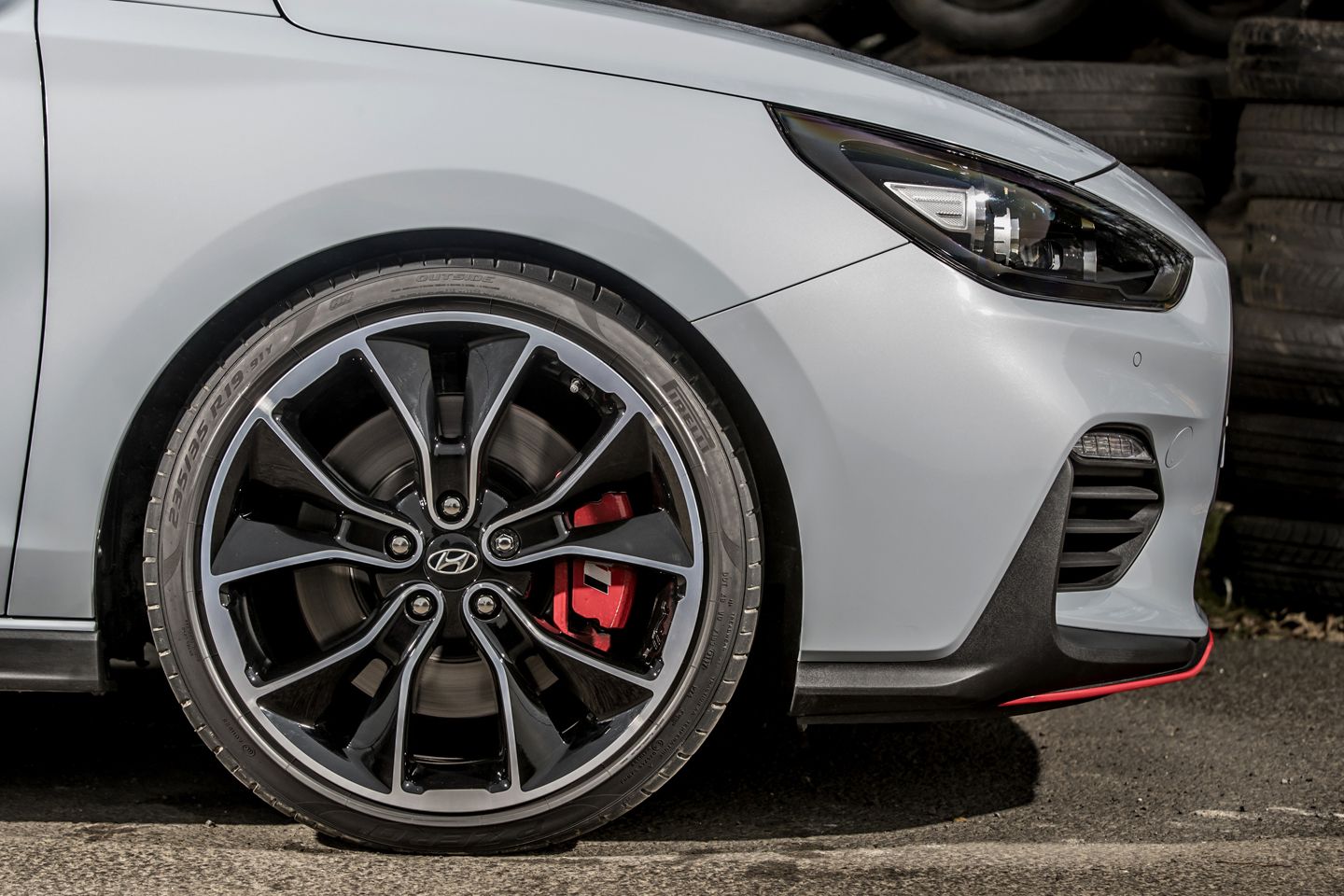
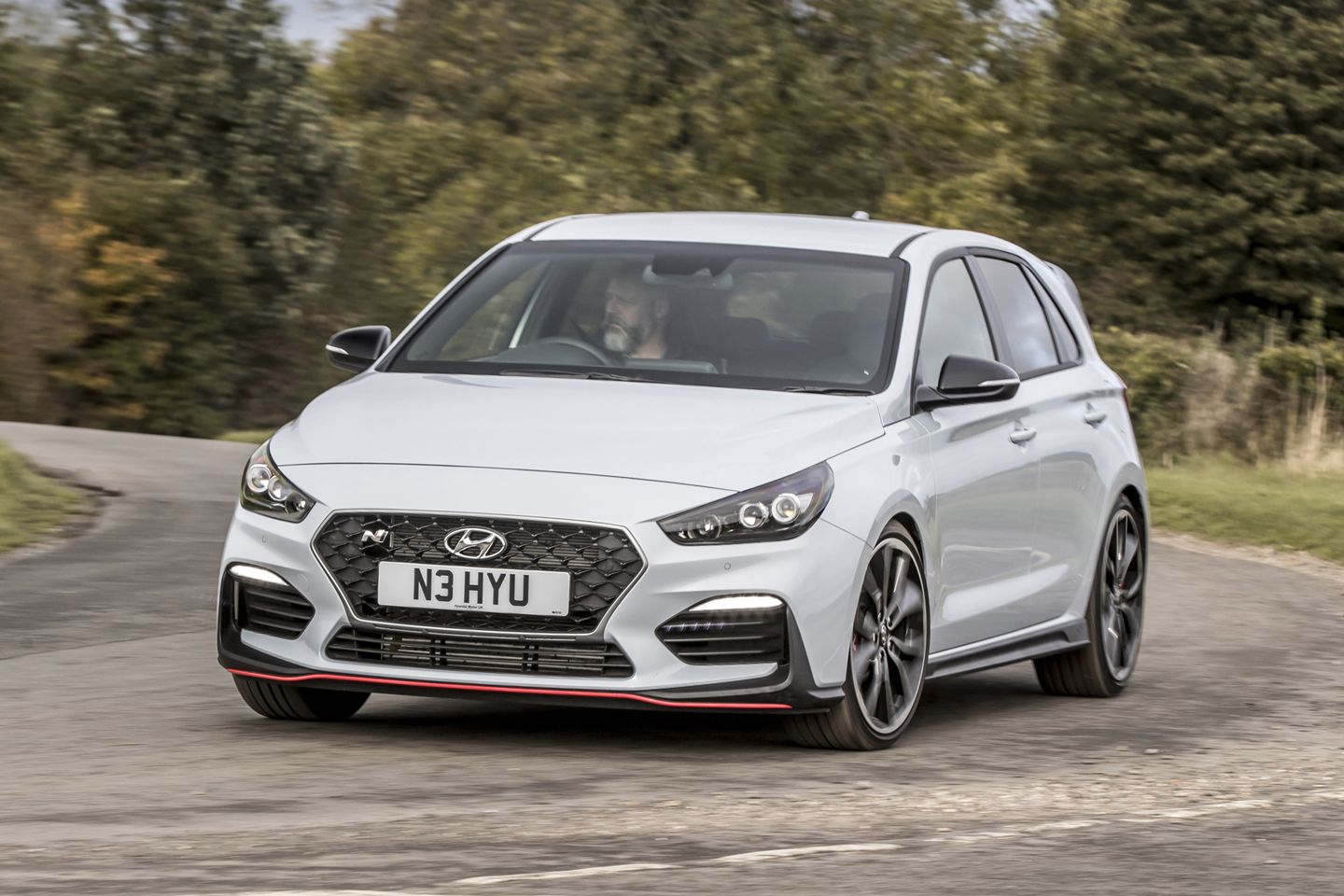
Hyundai learnt valuable lessons from the experience. To ensure the N was noticed in a hot hatch sector that, back then, still included the likes of Peugeot, Renault Sport and Vauxhall, the proverbial sink was thrown at the i30 to make a proper performance flagship of it. Including development headed up by Albert Biermann, formerly of BMW M. So power was right where it needed to be against the competition (275hp), the suspension was toughened up, bespoke Pirelli P Zero rubber sourced, a limited-slip diff fitted and the body kitted. N Performance Blue ensured this i30 would never be mistaken for any other.
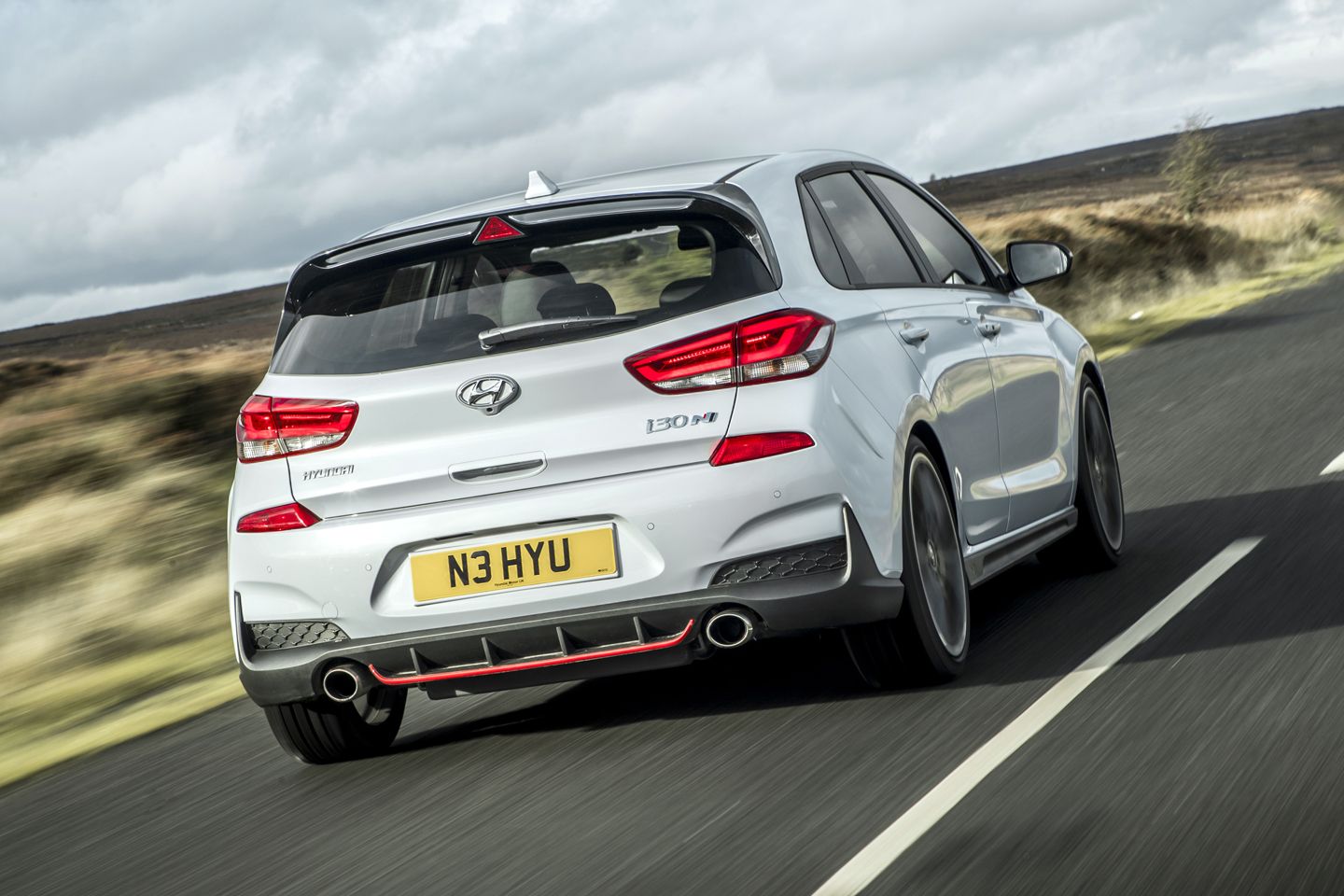
The on-paper spec was encouraging, and the reality just as good: Hyundai nailed it, everyone said. For a first go at a proper hot hatch, a car to rival Focus STs, Golf GTIs and R.S. Meganes, the N was a great effort. Its success at emulating some of its rivals' better features mirrored the developmental nous the firm had shown elsewhere, but the new model also retained a character all of its own. On track it was very good (as well as warrantied, theoretically) and perhaps even more fun on the road, brimming with the sort of old-school attitude nobody expected from clean-cut Hyundai.
Moreover, the i30 looked decent value, just as all Hyundais up to that point had been. A 250hp version without the diff or big brakes and with smaller wheels was £24,995; at launch, the 275hp model was £27,995. Subsequent price rises only served to make those original RRPs look even more attractive. Right now a 280hp i30 N isn’t available to order new, but those available in stock are priced from £35,110.
Nowadays…
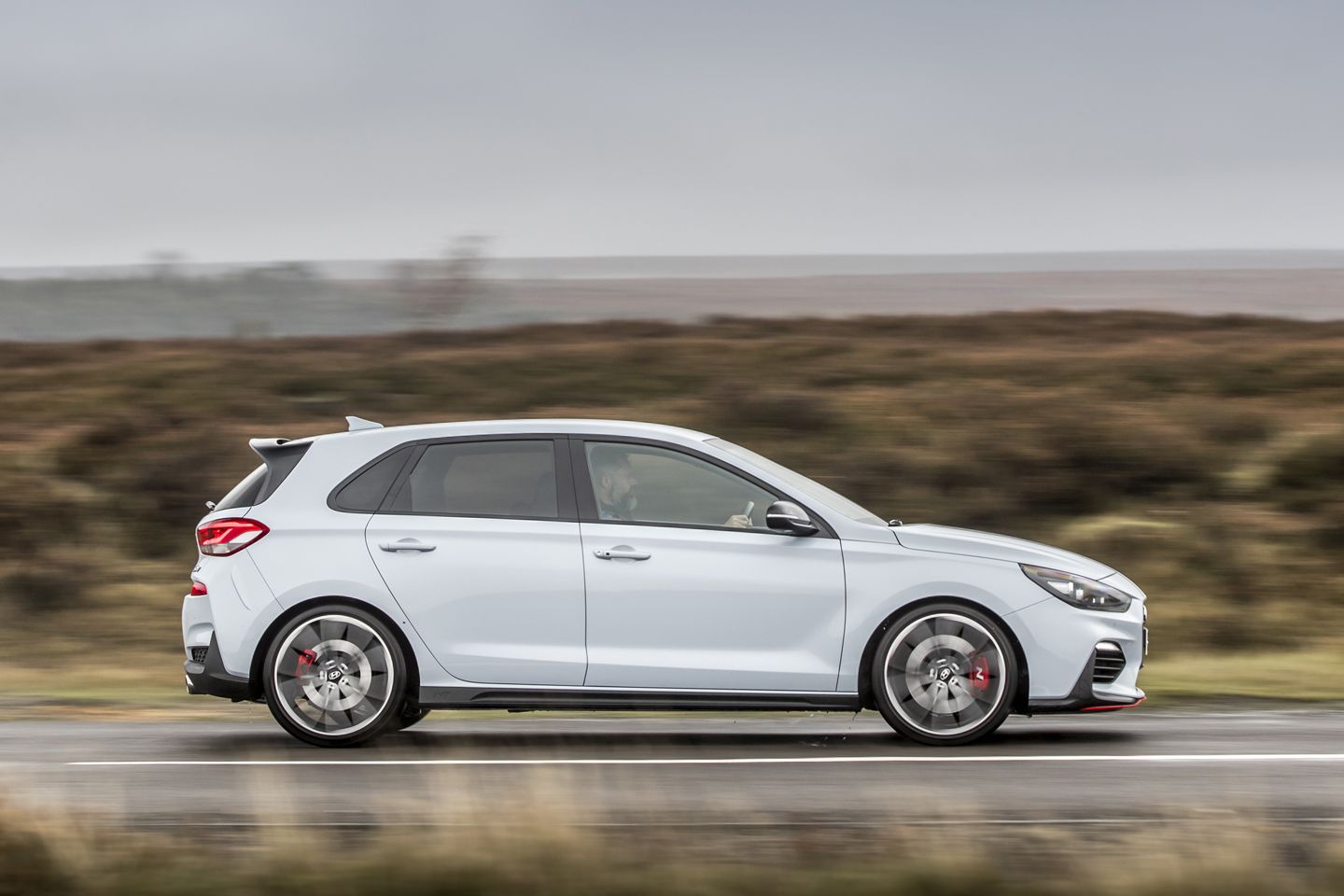
Sometimes 2017 doesn’t feel like all that long ago. Then you look at the current state of the enthusiast car market and have to force yourself to remember that back then Hyundai launched a manual-only (the DCT came with a 2021 facelift) 2.0-litre turbo hot hatch for a lot less than £30k and that was just the way things went. No real surprise, another addition to a popular segment. Nowadays it feels like the production run of such a car would be sold out for years in a desperate clamour for combustion.
Accordingly, there remains plenty to like. Most notable, in fact, is the Hyundai’s relative simplicity (yes, for a car with 1,944 possible permutations for its individual drive mode). The basics are done really well, and in a world of stupid capacitive ventilation controls and driver displays that make no sense, that resonates. The dials could have come straight from a BMW M car (funny that), complete with warming up rev limiters; the drive mode selectors are chunky and sensibly located; the steering wheel buttons are similarly logical; the gearknob is round and, partly as a consequence of all this, you don’t find yourself shouting at things that don’t work. Because everything does. Actually, the very fact the i30 still feels as durable as it does is another point of recommendation: though Hyundai's heritage car is only 11,000 miles old, those are car hack hero miles and so worth at least 50k of normal driving. The test car was squeak and rattle-free, feeling as laudably tough as the i30 N did almost seven years ago.
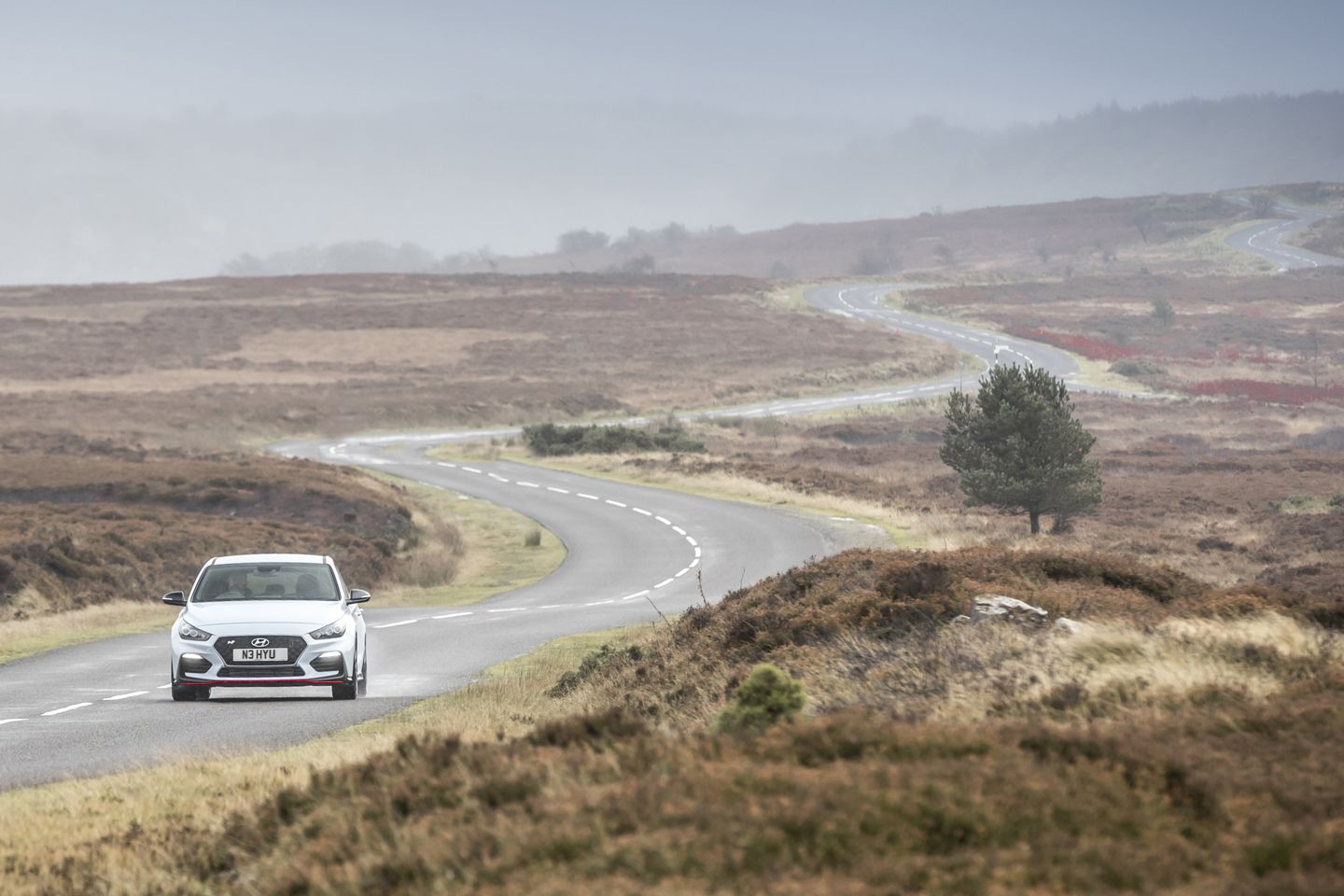
Still feels an absolute riot to drive, too. It was never quite the corner carver that the Honda Civic Type R was, and never as flamboyant as something like a Megane, but there always was a great deal of fun to be had. As with much of the interior, the basics are nailed: the brake pedal feel is very good, the manual shifts nicely and, crucially, the steering is accurate and well-weighted. The i30 immediately inspires confidence and has no quirks for you to acclimatise to.
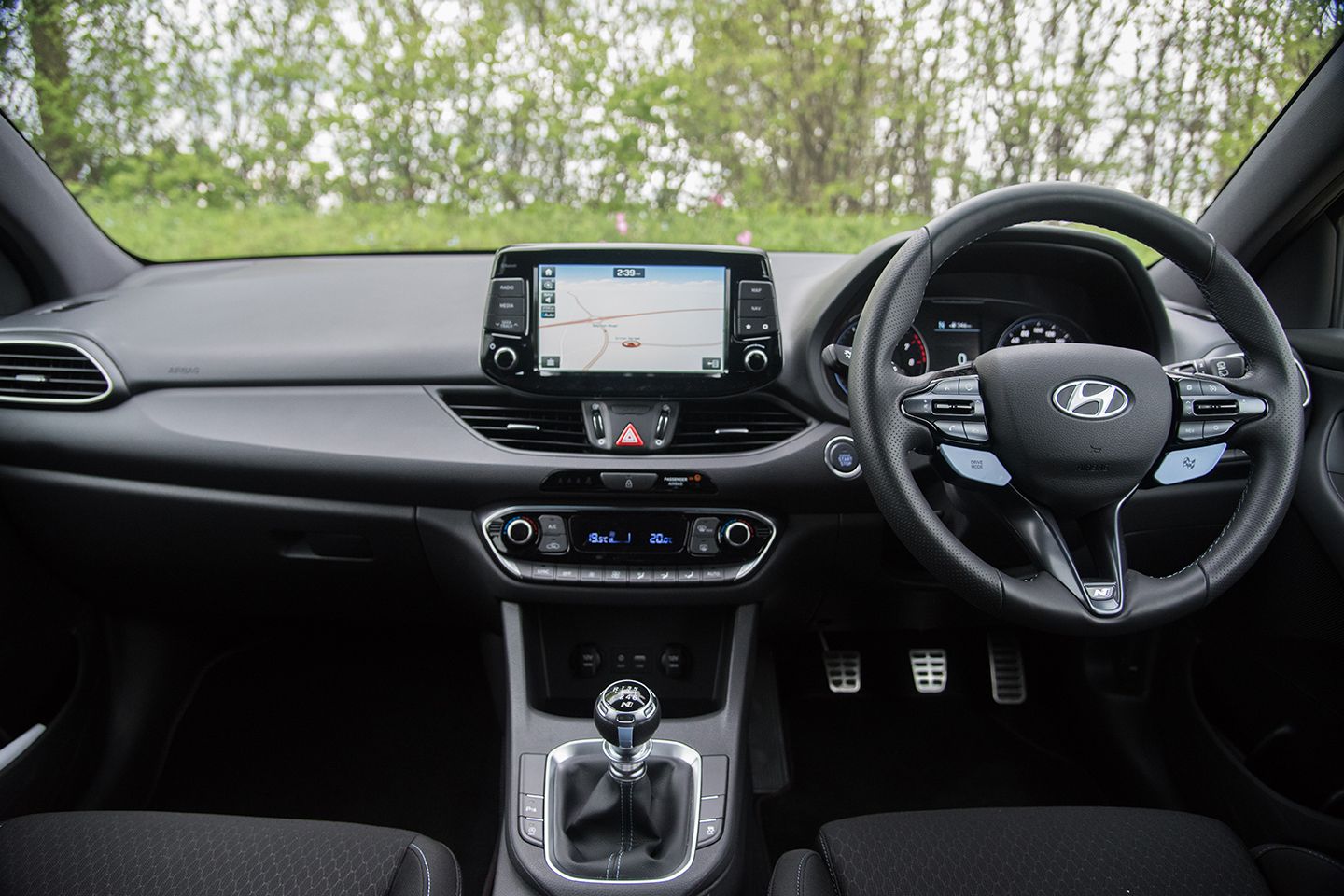
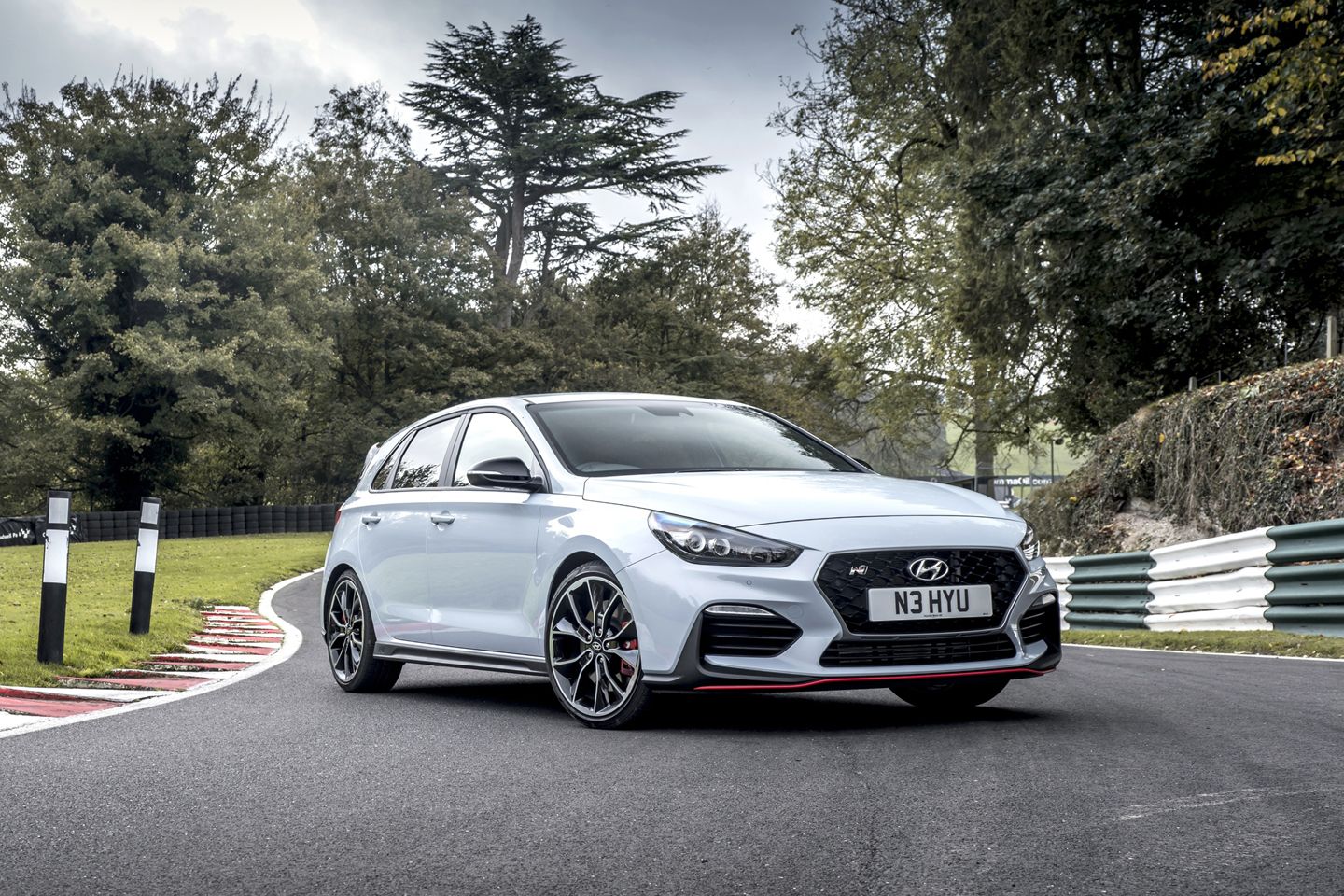
It’s an aggressive car, though, from the tautness of the ride to the boom of the exhaust. This, too, was an intentional, flag-planting part of Hyundai's plan. Granted, for some it might make the i30 less viable as an everyday proposition than something more mellow like a Golf GTI; for others the heart-on-its-sleeve vibe hit home as intended. Despite all the settings, you don’t have to delve deep to figure this car out. (Avoid the crazy firm N mode, then set your custom to normal suspension, aggressive diff, loud exhaust, middling engine and fill your boots.)
In short, it’s been designed for you to have fun - and never feels better than when you’re driving it hard. The nice thing about that is that it suggests Hyundai knew instinctively - or, more likely, was told by Mr Biermann - that a performance car is judged by the experience, not its numbers. Brake as late and hard as you like, trust that the diff will hook up and use the shift lights to gauge gear changes and the smile will be there long after the engine is switched off. Even when yet more fuel needs to go in.
Truthfully, the engine was an i30 weak spot when new, and the intervening years have done it no favours. It still sounds great (especially on an early, pre-GPF car) and has good throttle response, but it uses a heck of a lot of unleaded doing both. On a brisk test route (that did include some cruising) it averaged 22mpg. And while the shift lights are fun, they do serve to highlight that the Theta unit isn’t the revviest four-cylinder in the whole world. Which was always unfortunate given its rivals.
Should you?
As the first Hyundai N derivative, the i30 was always going to be significant - good or bad. That they’ve all turned out so well only enhances the status of the original model, and that’s reflected in the used values: even the earliest, highest mileage examples have barely lost £10,000 from their showroom price. The bump for used values generally since 2020 will obviously have helped, though even against that backdrop the residual showing is strong. Perhaps because N means something to people now. An i30 N is worth as much now as an equivalent Golf GTI that will have been thousands more new.
Hopefully, that augurs well for future used values, and the car can hardly be blamed for current asking prices - though it’s hard to avoid the fact that an N doesn’t look quite so attractive at almost £20k after a good few years and thousands of miles driving as it did as a brand new £27,995 car. Those bits that may once have been overlooked like some cheaper plastics and outdated graphics become harder to ignore when the Hyundai is still worth as much as a BMW M140i of a similar age.
But hey, if you’re not going to sell for a while then all those concerns about resale and prevailing market trends don’t matter so much. And the i30 already feels like one for the ages, particularly with the ordering of new ones currently restricted; hardly like there’s going to be a glut of similar cars coming from Hyundai anytime soon. Or ever.
Beyond the question of value or context, the N presents in 2024 much as did in 2017 - as an old-school hot hatch recipe brought up to date by just the right amount. Hyundai didn’t try to introduce four-wheel steer or drift mode or 200hp per litre to its boat-rocker; instead, it focused on making something fast and five-door and front-wheel drive as fun as it could be. Which is very easy to respect as an approach, and even easier to appreciate from behind the wheel as it tugs a little this way and that. There will be plenty more from N division in time - and the Ioniq 5 N appears to be early proof that electrification will be no impediment to its mission statement - though surely none with the same authentic, gritty appeal of its petrol-powered trailblazer. As it was in 2017, the i30 N should be high on any hot hatch shortlist.
SPECIFICATION | HYUNDAI I30 N PERFORMANCE
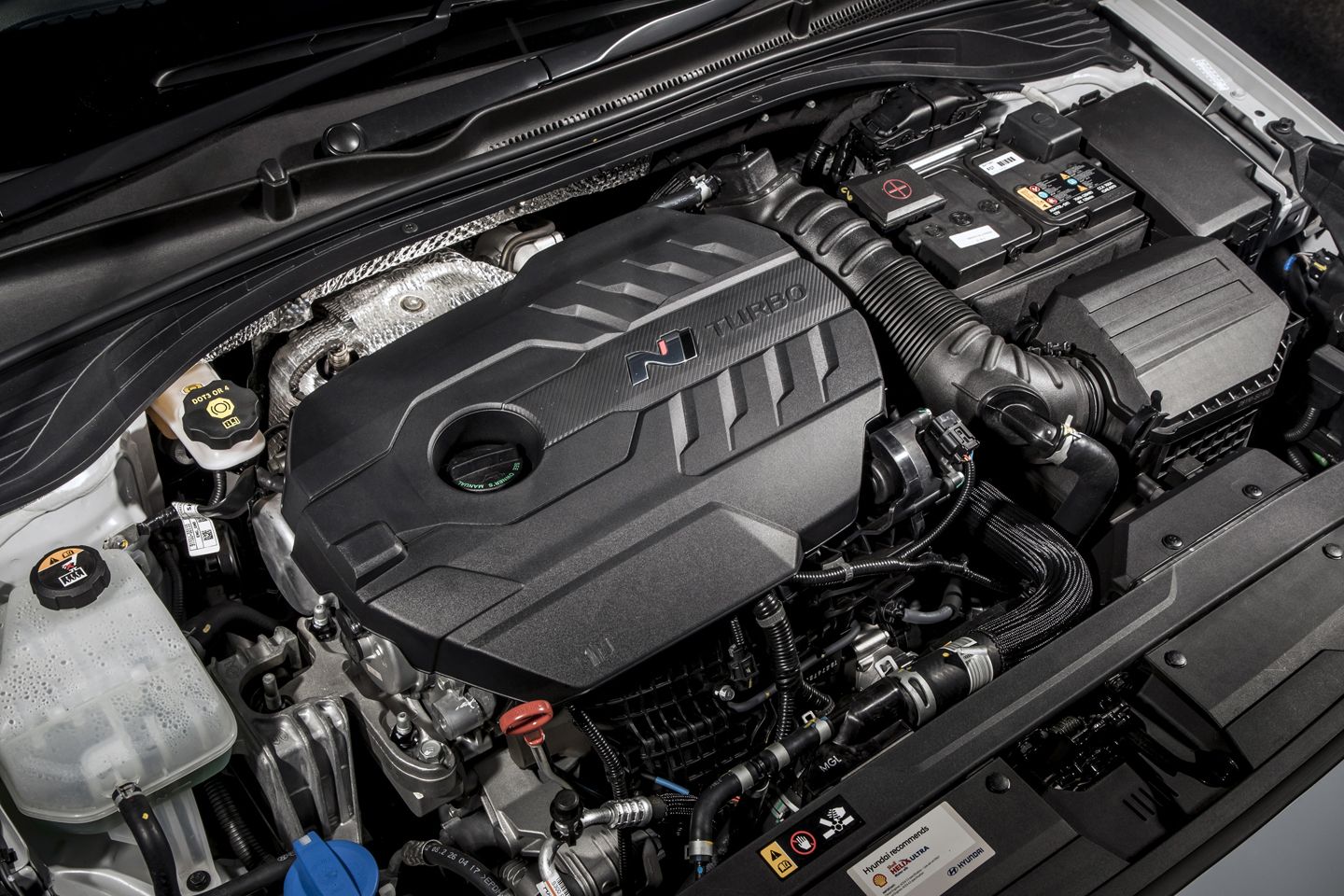
Engine: 1,998cc 4-cyl turbo
Transmission: 6-speed manual, front-wheel drive, limited-slip diff
Power (hp): 275@6,000rpm
Torque (lb ft): 260@1,500-4,700rpm
0-62mph: 6.1 seconds
Top speed: 155mph
Weight: 1,429kg
MPG: 39.8 (NEDC)
CO2: 163g/km (NEDC)
Price new: £27,995
Price now: from £17k


Well probably change it in the next year or so for something new but really can't decided what to change it with. Would like something a bit different again, with at least 250hp and the Mrs very much likes the heated seats / steering wheel.
Not test driven yet but poor fuel consumption is a pretty common criticism. What sort of daily avg numbers are owner’s actually getting? I’m sure a spirited test drive, like many other hot hatches will be pretty thirsty but who drives that that all the time!
Fun to drive, has serious presence, quite shouty, swings round B’s about brave as you should be.
The only negative for me was the interior - after a while it did feel rather… Hyundai’y
Not test driven yet but poor fuel consumption is a pretty common criticism. What sort of daily avg numbers are owner’s actually getting? I’m sure a spirited test drive, like many other hot hatches will be pretty thirsty but who drives that that all the time!
Motorway driving 35-38 at best. Sure is poor for a modern day turbo 4 pot but as people have mentioned before - if fuel consumption is a primary caller then performance based vehicles aren’t the best for achieving that milestone!

Not test driven yet but poor fuel consumption is a pretty common criticism. What sort of daily avg numbers are owner’s actually getting? I’m sure a spirited test drive, like many other hot hatches will be pretty thirsty but who drives that that all the time!
Feels a very heavy car on the road, not actually that quick in a straight line or track and its rivals all do stuff better. Interior is questionable to some but didn’t actually bother me and thought the ride was fine.
The I30N came out at a really weird time where all the previous gen (Mk7 GTI, Focus ST Mk3 or Megane RS Mk3) were all finishing and Hyundai had an extra 6 years of development for the car to be compared against.
At release when I looked the I30N was £29k. £30K got you the Mk7 Golf GTI Clubsport (non S) which was better in every way. Cupra 290 was faster, nicer inside and cheaper as well.
I’d save a large sum and get a Peugeot 308 GTI.
Liked it but certainly didn’t love it unfortunately.
Point remains, inflation the last few years has been significant, but the i30N remains one of the better value hot hatches.
Point remains, inflation the last few years has been significant, but the i30N remains one of the better value hot hatches.
Regret swapping it for a Tucson Hybrid that became problematic.
Both purchased the Christmas before lockdowns for under 23k new. Fantastic value at that point. Considering both were N performance models.
I swapped to a fk2 just because I saw it as better. Reality the i30 was a nicer car to live with. Civic just far more capable on the limit.
I’d have another tomorrow. I just can’t stomach the used values.
Forums | General Gassing | Top of Page | What's New | My Stuff