
1994 Rover 220 GSi Horsepower restoration
Discussion


Good Afternoon
I am currently attempting to restore the engine power of my 1994 Rover 220 GSi (T-Series, non turbo). I intend to do a dyno test soon, to ascertain its current figure, however when it comes to restoring bhp, I am not very well versed. I would greatly appreciate some advice in this, what have others used and found successful? I have had Terraclean recommended to me, and it certainly sounds impressive, but does it deliver?
Do these fuel additives that claim to just pop in the tank and restore bhp actually work?
I do not want to modify the car, I would prefer to keep it factory standard, and get the best out of the engine in OEM spec.
Lastly, is there any other things I should be aware of? What are your experiences with this sort of thing?
Many thanks for your time and advice
I am currently attempting to restore the engine power of my 1994 Rover 220 GSi (T-Series, non turbo). I intend to do a dyno test soon, to ascertain its current figure, however when it comes to restoring bhp, I am not very well versed. I would greatly appreciate some advice in this, what have others used and found successful? I have had Terraclean recommended to me, and it certainly sounds impressive, but does it deliver?
Do these fuel additives that claim to just pop in the tank and restore bhp actually work?
I do not want to modify the car, I would prefer to keep it factory standard, and get the best out of the engine in OEM spec.
Lastly, is there any other things I should be aware of? What are your experiences with this sort of thing?
Many thanks for your time and advice
Elatino1 said:
Why do you think it hasn't got the power it left the factory with?
Personally, I think it has got quite a bit of power in it, but it is drinking fuel quite heavily (I think its to do with the thermostat). The reason for all this is the car is part of an Extended Project Qualification that I am doing, and my project focuses on the restoration of the engine power. If the car is found to not lost significant amounts of power, then the aim of the project will change, which is ok. I acquired the car in November, as my 480ES is not in a good enough condition with which to do the project with. In addition to this, one could consider the car to be in near time-warp condition, as such, I would like to preserve this and make sure that the engine is healthy and continues to be so. In hindsight, I may have bought a car that was too good for the project, as it has been looked after well, and it seems that the engine is fine, but it has done less than 100 miles in the 13 years between its last MOT, and the MOT it had when I bought it, so it may still need to wake up a bit
Engines will lose power when they wear out. If your engine is worn out, then you'll need to rebuilt it to get the power back. That's expensive and probably not worth it.
If it's not been serviced in a while, change plugs , leads, fuel filter, air filter and all the other service items and check when the timing belt was changed. If you've not done that, forget the dyno and spend your money there. If it runs fine afterwards, forget about power. It's not a powerful car and you'll be light years ahead buying a turbo or a more powerful factory stock car.
If it's not been serviced in a while, change plugs , leads, fuel filter, air filter and all the other service items and check when the timing belt was changed. If you've not done that, forget the dyno and spend your money there. If it runs fine afterwards, forget about power. It's not a powerful car and you'll be light years ahead buying a turbo or a more powerful factory stock car.
I suggest you go to Youtube and look up "Project Farm". A guy in America tests loads of engine related things like oils, oil additives, engine cleaners and restorers, also many other things like duct tape, glues, batteries, saw blades, abrasive disks, battery chargers, fuels, nails, screws, paint. I don't know if he ever gets any actual work done but he's surely a one man testing machine. Even if you're not in the market for anything he's currently testing his videos are super informative and brilliantly done. He's really smart, does everything very scientifically. I love his channel.
Were it so easy said:
I think it has got quite a bit of power in it, but it is drinking fuel quite heavily (I think its to do with the thermostat).
Probably more to do with the driver's right foot.Were it so easy said:
The reason for all this is the car is part of an Extended Project Qualification that I am doing, and my project focuses on the restoration of the engine power. If the car is found to not lost significant amounts of power, then the aim of the project will change, which is ok.
What sort of skills and capabilities are you trying to demonstrate, and how much time / money do you have available?Really the big can of worms is how much power did it ever have, how accurate will any measurement be now...and all the usual stuff that follows.
Which basically the OP's question and venture out the window.
Because you do no know how Rover created their figure, you do not know what power it ever had, you do not know what this now has...nor can it ever truly be measured accurately, because every dyno will read different.
And on the merry go round we go.
As for Project Farm....some of the JB Weld stuff was very impressive.
Which basically the OP's question and venture out the window.
Because you do no know how Rover created their figure, you do not know what power it ever had, you do not know what this now has...nor can it ever truly be measured accurately, because every dyno will read different.
And on the merry go round we go.
As for Project Farm....some of the JB Weld stuff was very impressive.

Thank you everyone for your feedback, sorry for the late reply
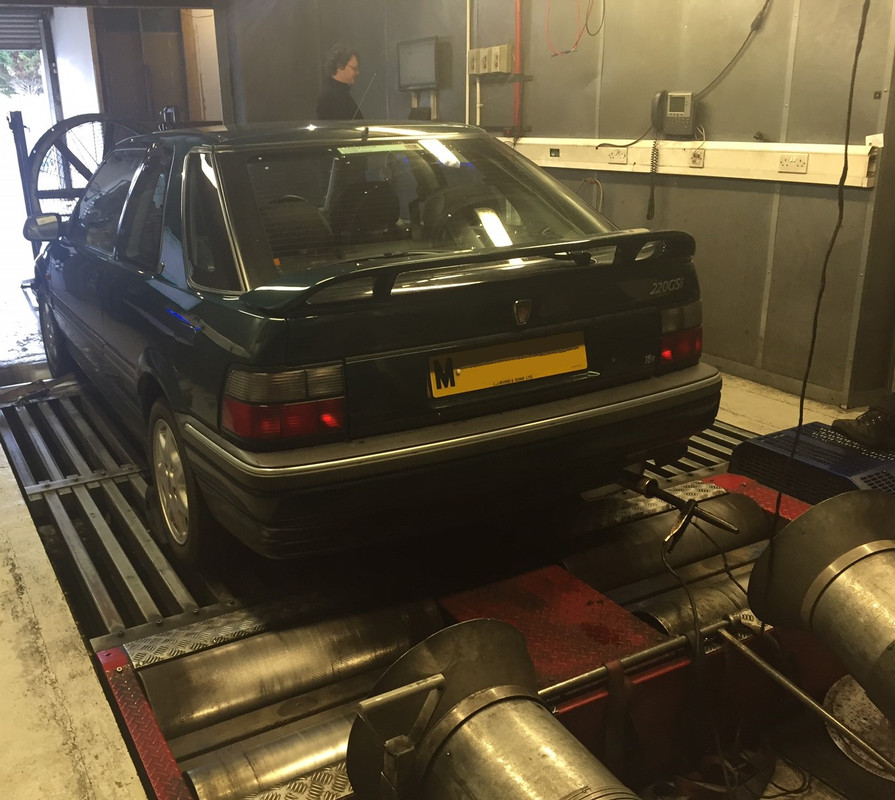
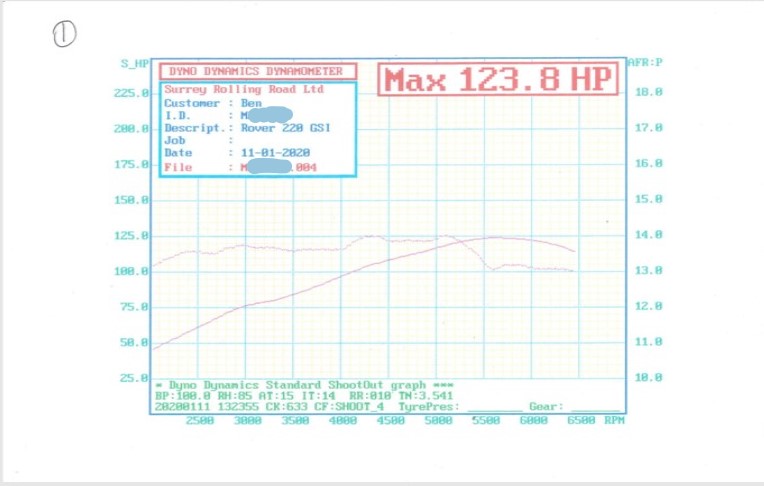
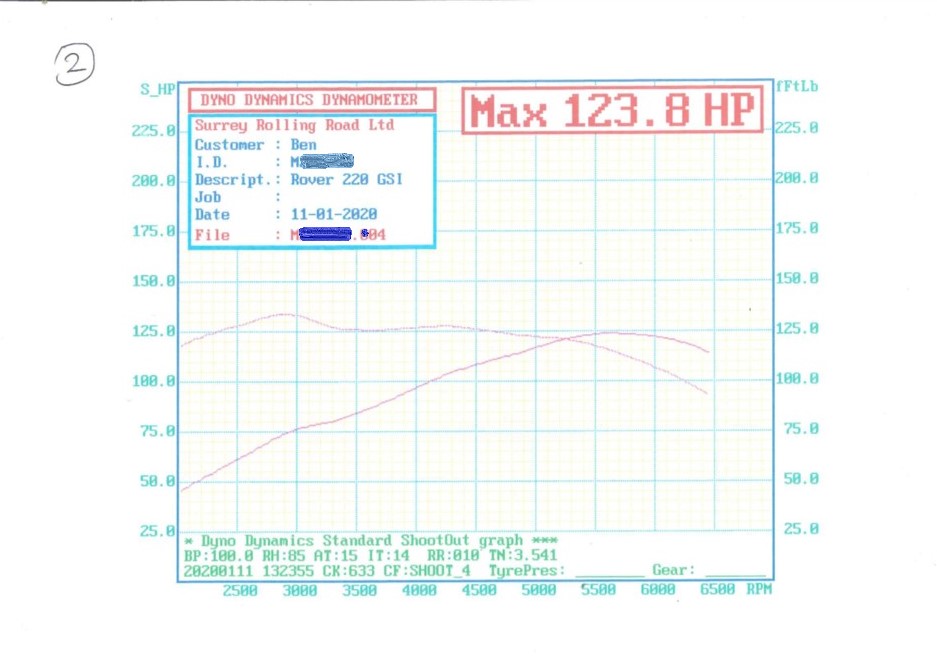
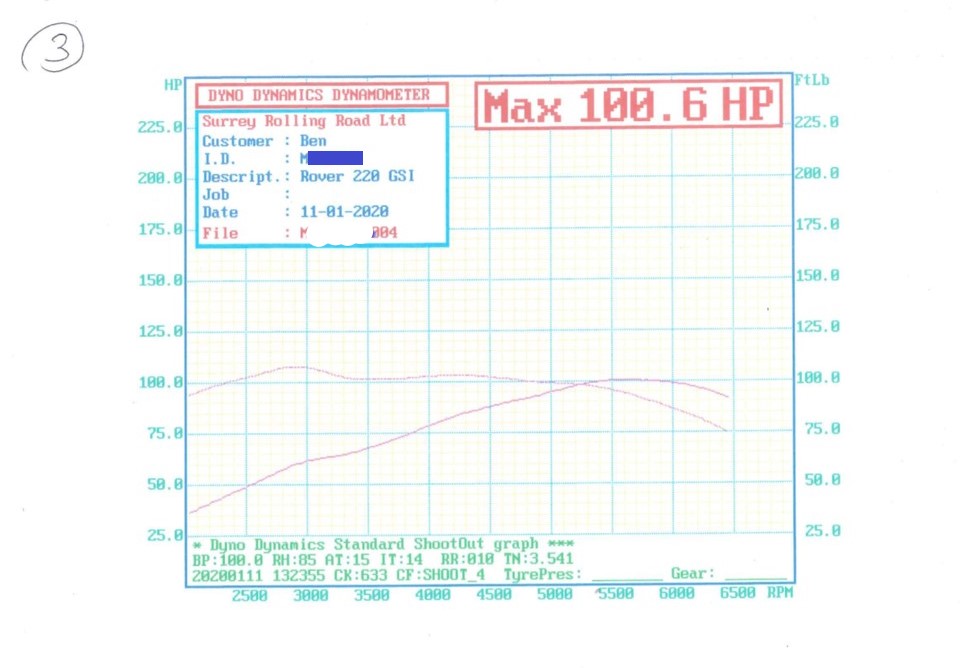
The Dyno test is booked for this weekend, after which I will publish the results here, for those who wanted to see the output
just for the record, are there any alternatives to dyno testing that measure power output, and what are their pros and cons? Why has dyno testing seemed to become the default choice to find engine power, how accurate is it and what are the drawbacks?
Many thanks
The Dyno test is booked for this weekend, after which I will publish the results here, for those who wanted to see the output
just for the record, are there any alternatives to dyno testing that measure power output, and what are their pros and cons? Why has dyno testing seemed to become the default choice to find engine power, how accurate is it and what are the drawbacks?
Many thanks

Gassing Station | Engines & Drivetrain | Top of Page | What's New | My Stuff