
PH2: electric dreams
Switchable dampers are commonplace on cars but a relative novelty for our PH2 cousins, here testing the latest Ohlins system
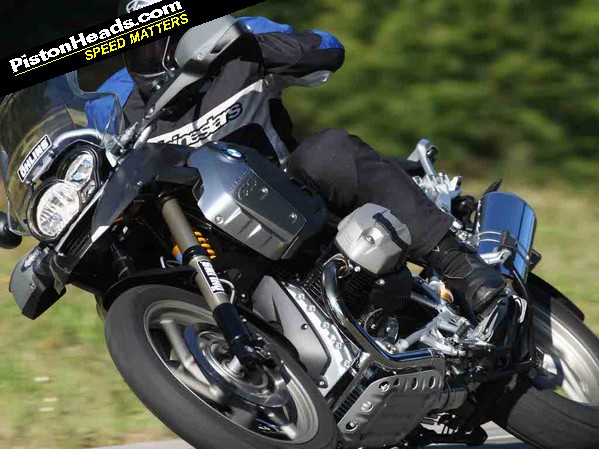
Ohlins' aftermarket electronic suspension package for the BMW R1200GS is a kind of halfway house between passive (ie, fixed, switchable modes) and semi-active suspension. Essentially it is identical to the electronic suspension on Ducati's Multistrada, but with the addition of a 'smart' feature that automatically alters the damping in relation to speed.
By accessing the BMW's CAN-bus Ohlins integrates into the BMW ESA system it replaces. So as well as three, on the fly modes via the existing ESA button you can alter the spring preload while stationary to compensate for a pillion, luggage or a particularly hearty lunch.
What is clever in the Ohlins system is that when 'comfort' mode is selected the Ohlins ECU automatically increases the damping at 50mph and 75mph, giving three different suspension settings automatically. When the speed drops the system decreases the damping to the corresponding settings. In addition, when 'sport' mode is selected, the Ohlins ECU increases the spring preload on the shock, something the BMW system can't do while the bike is in motion.
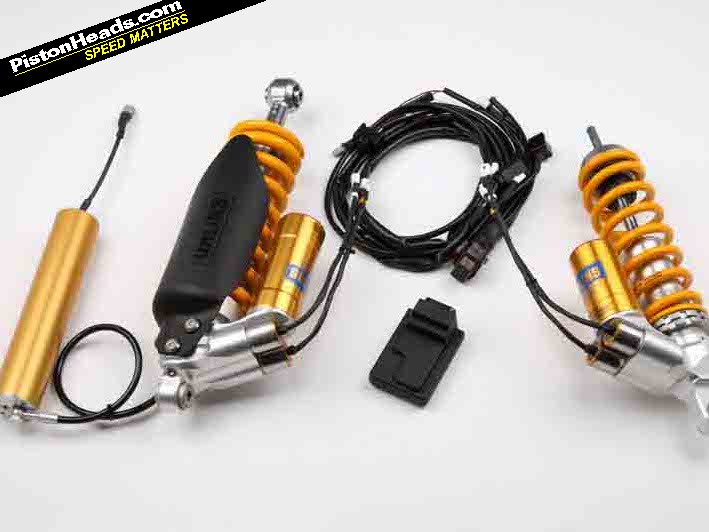
Ohlins dampers integrate with BMW ECU
Through corners the standard GS feels low at the back and soggy, squirming on the exit when the pace increases and generally set too soft. Altering the ESA to 'sport' mode does little to compensate and the only way to take some of this baggy feeling out is to stop, increase the spring preload by using a 'pillion' mode, and then carry on. Not a huge hassle, but not ideal either. It is at this point the 'smart' function of the Ohlins system shows its worth.
Despite initial scepticism, the 'smart' suspension really impresses. You can't really feel it activating and increasing the damping, but the bike has a sensation of 'right' the whole time, never lacking in damping and never set too firm. It's not unusual to find a point, be it high or low speed, where most suspension systems are compromised but with this system there isn't. Despite the enthusiastic riding of our guide, I never found any reason to switch to 'sport' mode, 'comfort' with its varying damping was perfect. It is quite remarkable - you get all the benefits of electronic suspension but without having to push a button.
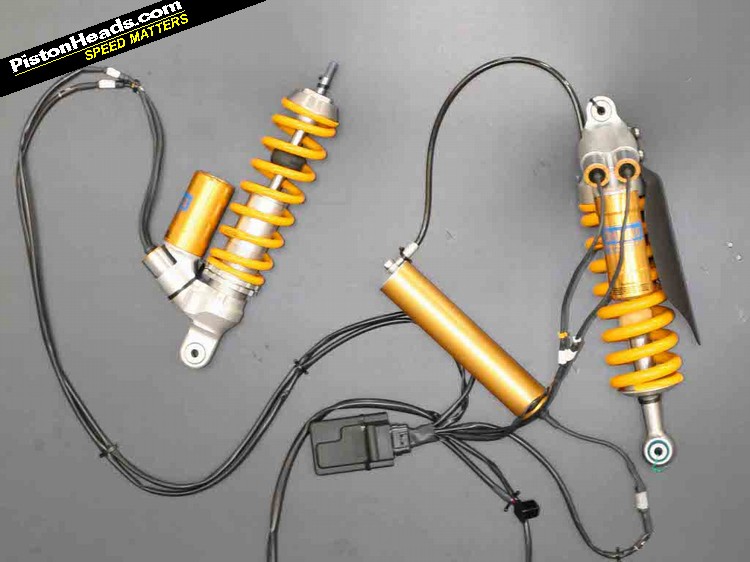
Gold anodised goodness is more than visual bling
Yes, technology like this doesn't come cheap and with a price tag of around the £3,000 mark on top of BMW's ESA cost the Ohlins system is quite a sting. However, a replacement BMW ESA shock costs nearly £1,200 while the front is £1,000. With shocks lasting around 30,000 miles, and the fact the BMW unit isn't rebuildable the Ohlins system starts to make financial sense, especially when you factor in the six-year warranty.
Ohlins won't confirm this, but there is a very good chance the next generation of GS will have virtually identical geometry to the current model. This means that if you put the Ohlins system on a 2011 GS, in three years time you could simply remove it, get the dampers re-valved if necessary and fit it to your new BMW. Also, should mid-life spread hit hard, you can always swap the spring for a stiffer unit!


So you could actually have, say, a softer setting for that really bumpy corner, then stiffen the damping up again as you come to a fast bit. Possibly even have a mess around with the rebound to help launches, if that's possible.
GPS adjustability for track users and racers will be next (if it isn't already in Moto GP). It would be especially good for the Isle of Man TT and Manx GP racers on the Mountain Course. Hopefully it will contribute to even more spectacular TT racing and better safety due to having better settings more of the time. That circuit is the greatest.
Can't be TOO hard to add some motors which clamp on to the adjusters of existing suspension.
Should be a lot easier if designing it from scratch for remote adjustment, I'd have thought.
I have ridden a K1200 with it at Brands some years ago, but didn't try adjusting on the fly.
But then even in the car world, it doesn't seem that big an aftermarket market - I've always pined over the Tein EDFC setup, but that's the only one I've seen around and doesn't seem that popular either.
Gassing Station | Biker Banter | Top of Page | What's New | My Stuff