
RM Auctions London sale round-up
With the dust settling on Frankfurt time to catch up on what else has been going on

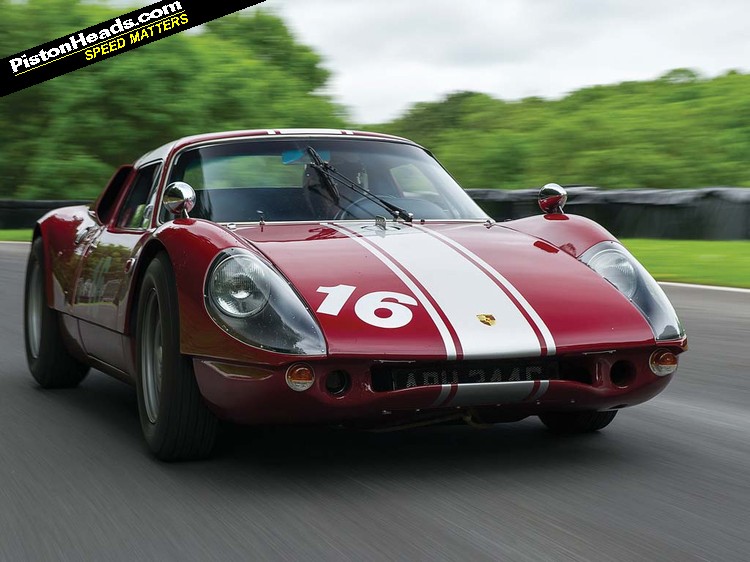
If we had a spare £1.2m...
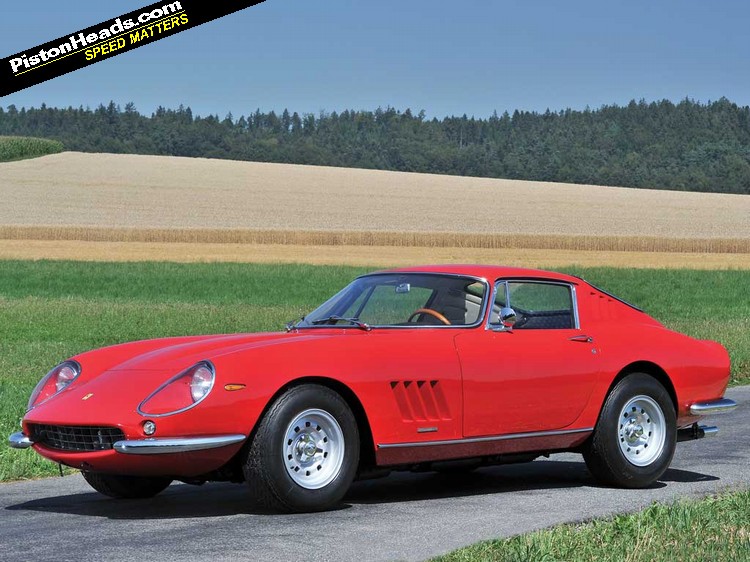
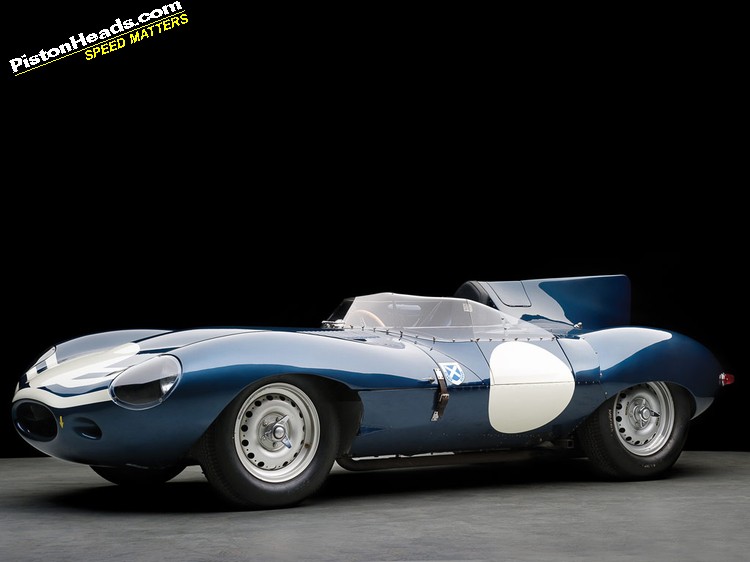
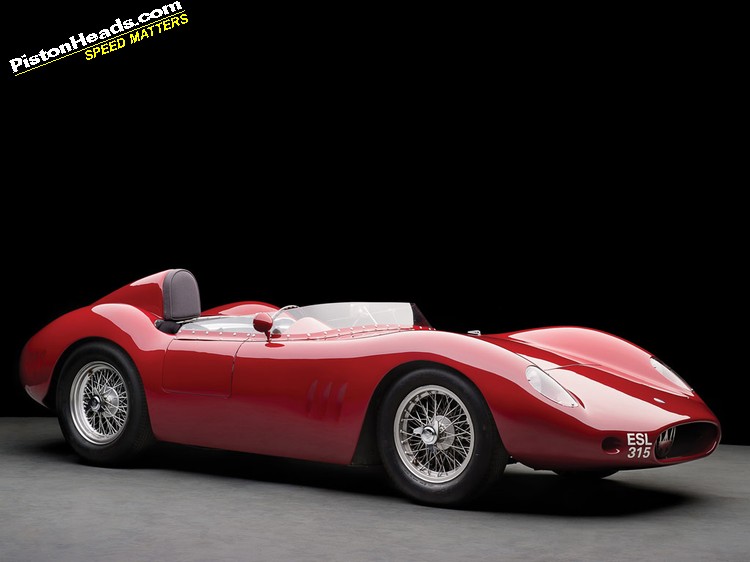
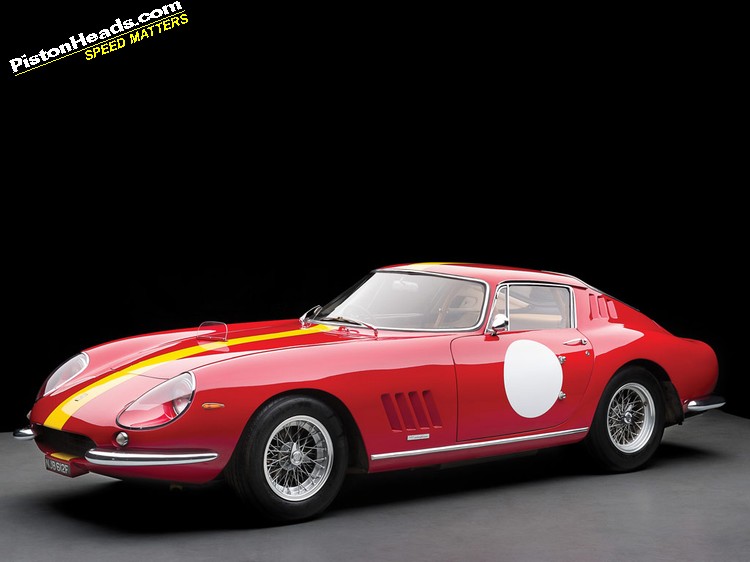
Unfortunately, just four cars from the collection sold. The D-Type (estimate £5.5m-£6.5m) failed to meet its reserve at £4m, as did the 275 Competizione at £2.1m (estimate £2.5m-£3.5m). With a guide price of between £2.25m-£2.75m, the Birdcage also remained unsold with a final bid of £1.6m.
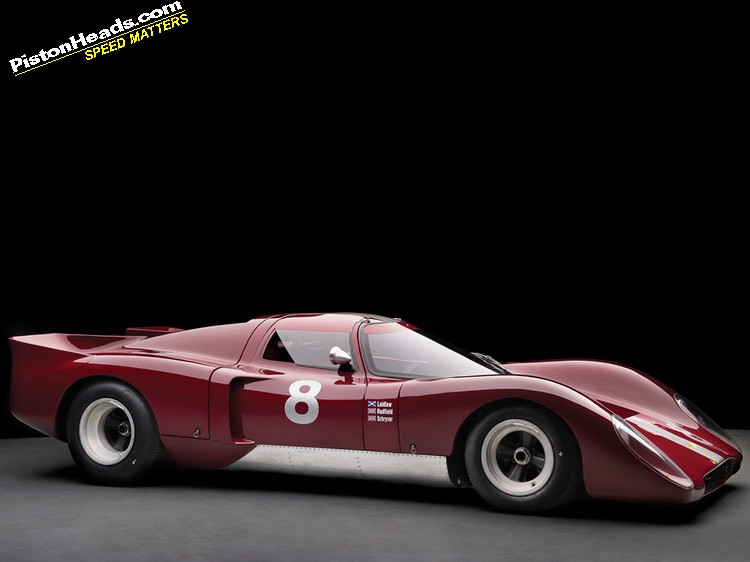
The Porsche sold for £1.2m and the 250S £2.1m. The Chevrons made £268,800 (B16) and £173,600 (B19). So £14 million became three and a half, but a great spectacle nonetheless.
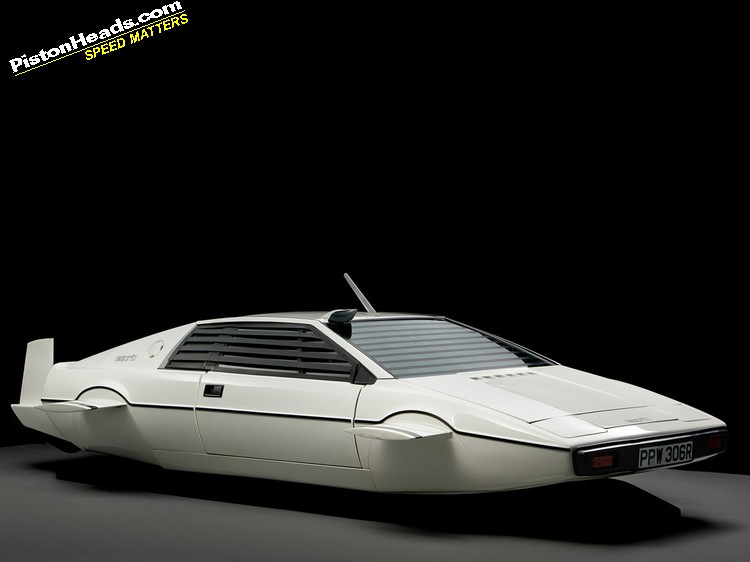
Seller says it's rust-free apparently
Speaking of Lotus, there was some considerable fanfare around another Hethel-produced lot; PPW306R, the Esprit S1 from The Spy Who Loved Me. The price for a one-off piece of cinema history? £616,000.
And the oddballs? This has to take it; a non-running 1976 Jaguar XJ12 Drophead Coupe. A snip at £3,650.
For full results on the auction, and to prevent us wittering on all day about the cars, see RM Auctions results page. And get saving for Hershey in October...
 |
 |
 |
 |
 |
 |
 |
 |
Pictures: RM Auctions


Classic cars have been rocketing in value as both black money and legitimate cash has needed to be converted into physical assets. This has taken the shape of mostly either London or NY prime property, fine art and cars. It is a bubble, as all asset class spirals are, have always been and always will be.
Now, at the same time, assets such as cars and fine art have another value and that is their transportability but also the new debt services which have grown up around these assets since 2006.
In essence, a perfect way for someone to have plenty of cash in one country but hold assets and income in offshore jurisdictions is to borrow against one of these assets. The cash then can come into the UK or US as debt and not appear on any taxable radar. It goes without saying that this exact same tax avoidance mechanism can also be used to launder money.
However, as mentioned, all bubble burst so the question has long been what will be the trigger for this one? The answer is obviously a stabilising global economy leading to a failed auction of primary classics. That, in turn, leads to a softening of book values at the lenders as they start to get jittery and then that leads to an increase in supply as lenders and borrowers seek to convert the asset to cash. Finally, the rout begins.
We have a stabilising global economy. The US is slowing its money printing, as is the UK. Other less risky quoted assets are already starting to offer superior R/R factors in comparison to art and cars. The big money landscape is shifting. Very slowly but at the same time it's strong.
In short, the macro economic reasons for cash being moved legitimately or illigitimately into transportable, collateralising assets has almost gone.
For me personally, I would lodge the failure to sell a D-Type amongst some other prime assets as a very potential red flag to a sell off. I would monitor the next prime auction and follow very closely the price action as some big misses at a Bonhams or Coys type event could precipitate the de-collaterising of these assets and flood the market with supply with the obvious consequences.
This particular event does seem a little early to me as I would put my money on the rout triggering failed auction to appear once US rate rises are underway and the value of cash is increasing in a strong upward trend. But I do think we are looking at this occuring within 36 months and will look back to an auction like this and see it is one of the tremors.
Like with all of these scemes designed for the super rich they get modded and diluted by other firms to sell to the modestly rich. Interestingly, you can spot which cars have been targetted by these lesser schemes from just looking at the price action in the lower sectors. Ever wondered why E'Types have outperformed other classics of a similar class quite impressively?

I know nothing of the DHC but surely if they were performed by Lynx that's a quality conversion and a decent future investment?
http://www.rmauctions.com/lots/lot.cfm?lot_id=1061...
http://www.rmauctions.com/lots/lot.cfm?lot_id=1061...
If nothing else, the relatively low final bid, may put these investor types off once and for all!
What will Lord Irvine do with it and his other non-sellers now? Ship them to America and try again or go for brokered private sales? Or just stick 'em up in Pistonheads classifieds?
I know nothing of the DHC but surely if they were performed by Lynx that's a quality conversion and a decent future investment?
I think it had to be described as a non-runner as the owner could not start it at the auction but it had run recently - could well be an absolute bargain if a simple fix!
I know it is a V12 but it is possible
Classic cars have been rocketing in value as both black money and legitimate cash has needed to be converted into physical assets. This has taken the shape of mostly either London or NY prime property, fine art and cars. It is a bubble, as all asset class spirals are, have always been and always will be.
Now, at the same time, assets such as cars and fine art have another value and that is their transportability but also the new debt services which have grown up around these assets since 2006.
In essence, a perfect way for someone to have plenty of cash in one country but hold assets and income in offshore jurisdictions is to borrow against one of these assets. The cash then can come into the UK or US as debt and not appear on any taxable radar. It goes without saying that this exact same tax avoidance mechanism can also be used to launder money.
However, as mentioned, all bubble burst so the question has long been what will be the trigger for this one? The answer is obviously a stabilising global economy leading to a failed auction of primary classics. That, in turn, leads to a softening of book values at the lenders as they start to get jittery and then that leads to an increase in supply as lenders and borrowers seek to convert the asset to cash. Finally, the rout begins.
We have a stabilising global economy. The US is slowing its money printing, as is the UK. Other less risky quoted assets are already starting to offer superior R/R factors in comparison to art and cars. The big money landscape is shifting. Very slowly but at the same time it's strong.
In short, the macro economic reasons for cash being moved legitimately or illigitimately into transportable, collateralising assets has almost gone.
For me personally, I would lodge the failure to sell a D-Type amongst some other prime assets as a very potential red flag to a sell off. I would monitor the next prime auction and follow very closely the price action as some big misses at a Bonhams or Coys type event could precipitate the de-collaterising of these assets and flood the market with supply with the obvious consequences.
This particular event does seem a little early to me as I would put my money on the rout triggering failed auction to appear once US rate rises are underway and the value of cash is increasing in a strong upward trend. But I do think we are looking at this occuring within 36 months and will look back to an auction like this and see it is one of the tremors.
If the classic car market could be shorted then I would be taking positions with a 3 year horizon. USD and GBP are both going to become more valuable going forward, the EU laundering is easing, the crack down on tax avoidance will be slipping away as it loses media attention and lower risk assets are looking more appealing. There is so much stock held solely for capital gains and inflation protection that just a fraction of this being released will start softenings and even sell-offs in specific fields and if you start getting the forced debt sales and accusations of fraud (let's not forget the classic car industry is absolutely riddled with fraud hence why 'provenance' is so craved) then it will be a rout.

If the classic car market could be shorted then I would be taking positions with a 3 year horizon. USD and GBP are both going to become more valuable going forward, the EU laundering is easing, the crack down on tax avoidance will be slipping away as it loses media attention and lower risk assets are looking more appealing. There is so much stock held solely for capital gains and inflation protection that just a fraction of this being released will start softenings and even sell-offs in specific fields and if you start getting the forced debt sales and accusations of fraud (let's not forget the classic car industry is absolutely riddled with fraud hence why 'provenance' is so craved) then it will be a rout.
The Birkin Bentley also made £5.5m last year so there is clearly some demand at the top end for British cars (although I believe that it and the Fangio Mercedes went to European buyers).
It will be very interesting to see where it goes from here. I'm not sure I agree with the views expressed elsewhere on here that the current surge in prices isn't speculator and debt encouraged, if not lead.
Gassing Station | General Gassing | Top of Page | What's New | My Stuff