
RAF TriStar retirement
Discussion


Sneaking quietly out of service, the RAF's fleet of TriStars is gradually retiring and will be all gone by next week. So far one has been delivered to Kemble (for scrapping), two are at Cambridge (also to be scrapped) and two have been delivered to Bruntingthorpe (one as a possible ground runner, the other plus the remaining four still in service to possibly be sold on to another operator).
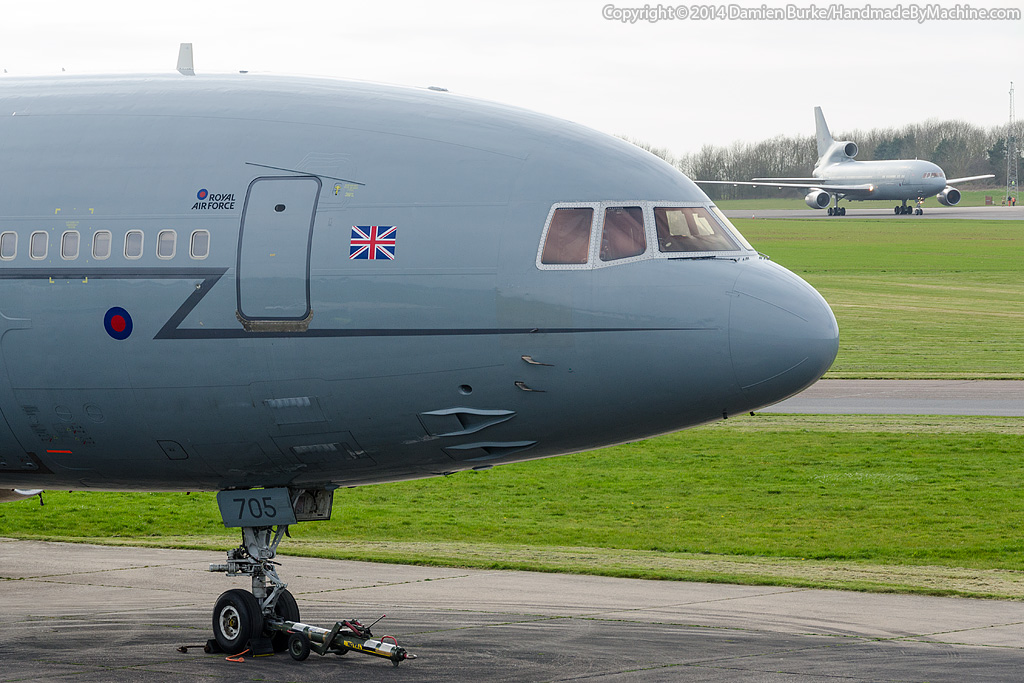
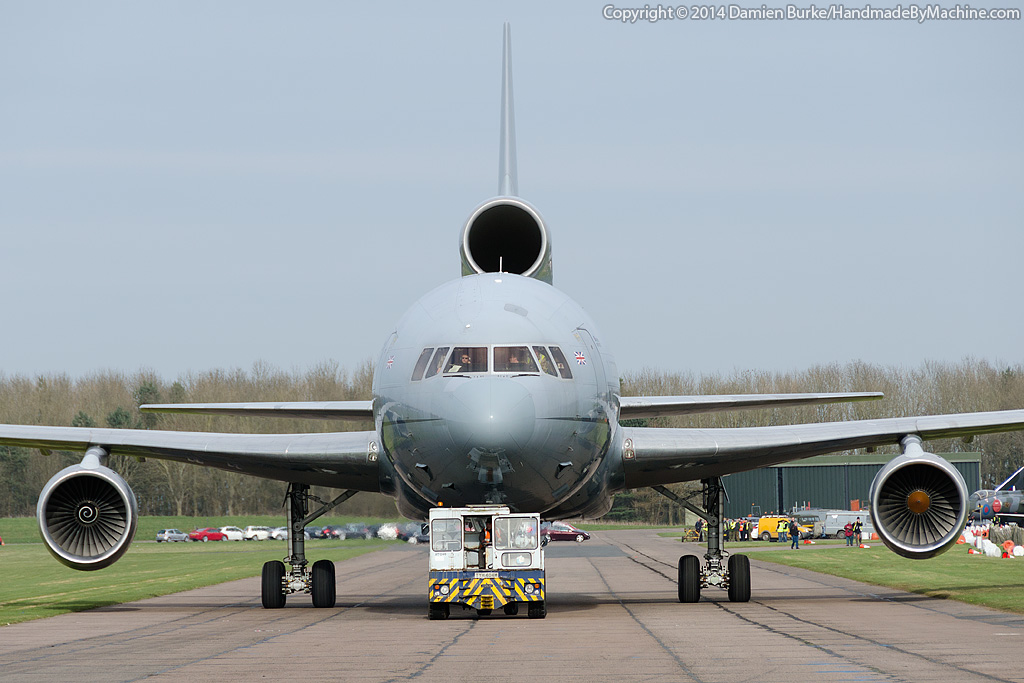
Here are the two that have been delivered to Bruntingthorpe so far...
ZE705:
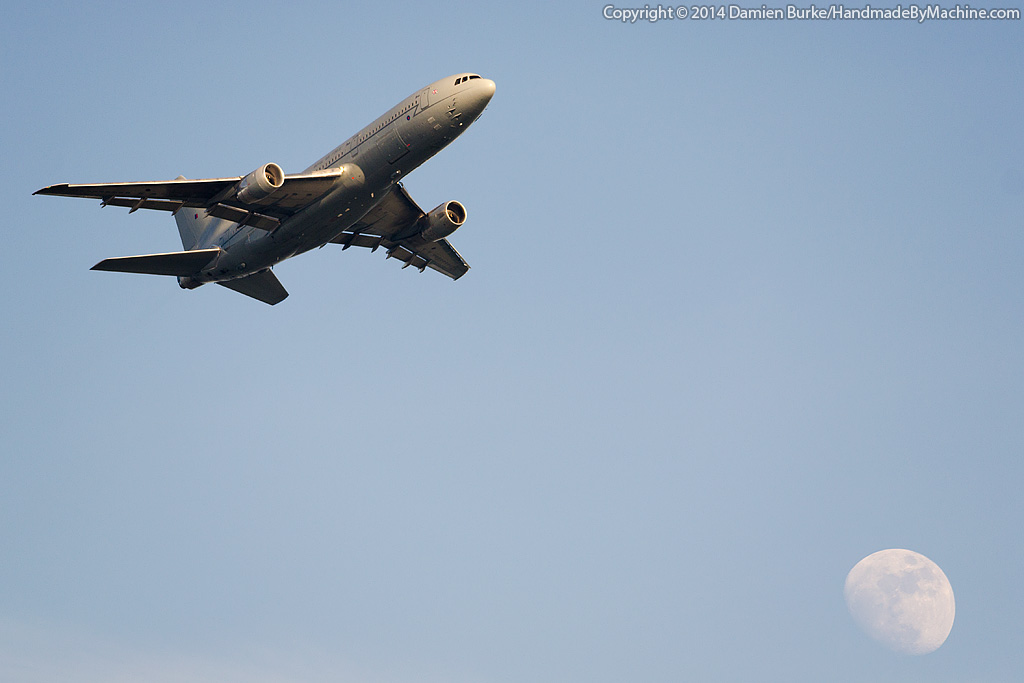
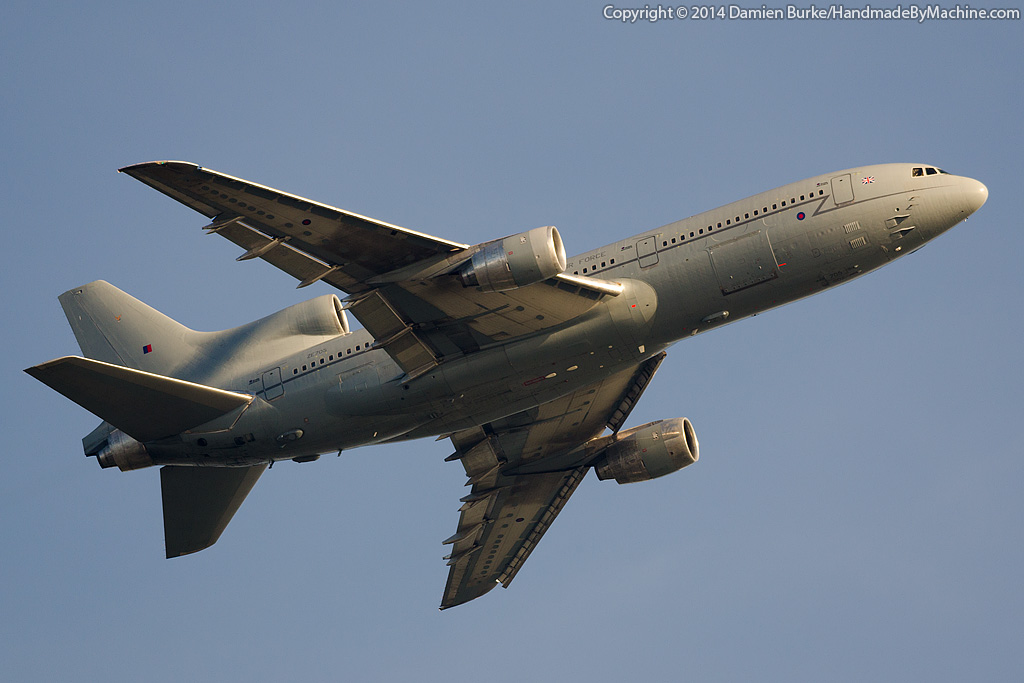
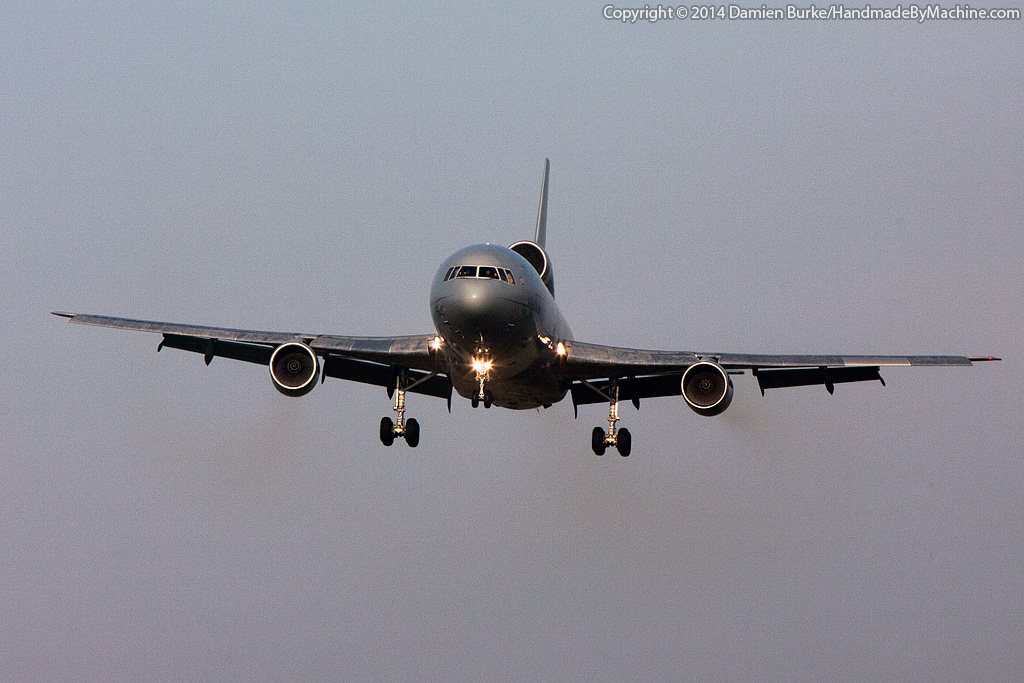
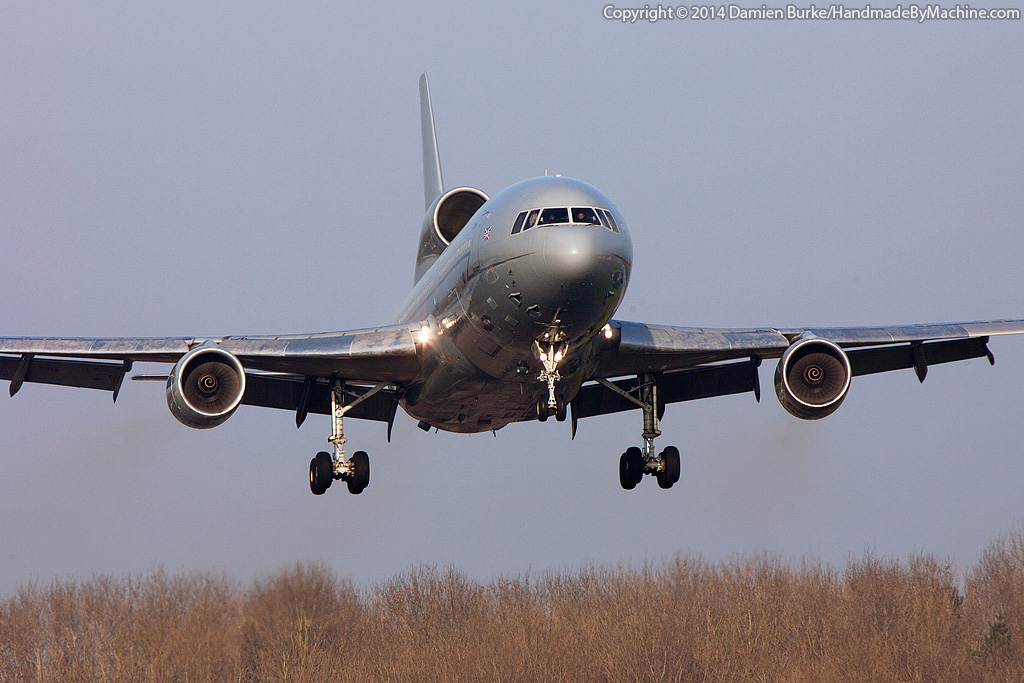
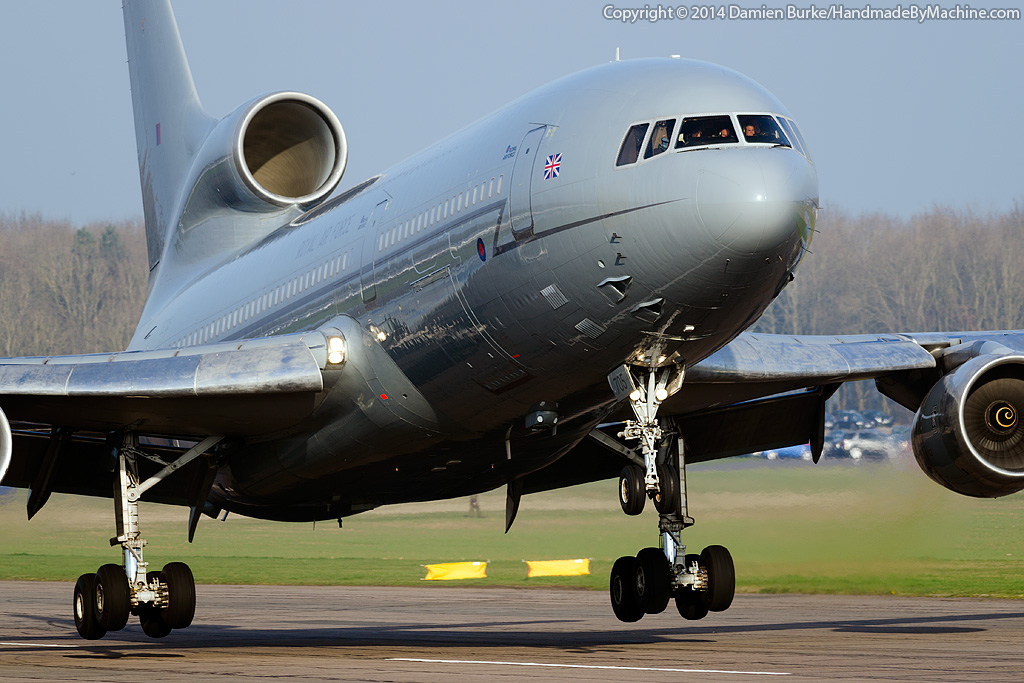
ZD953:
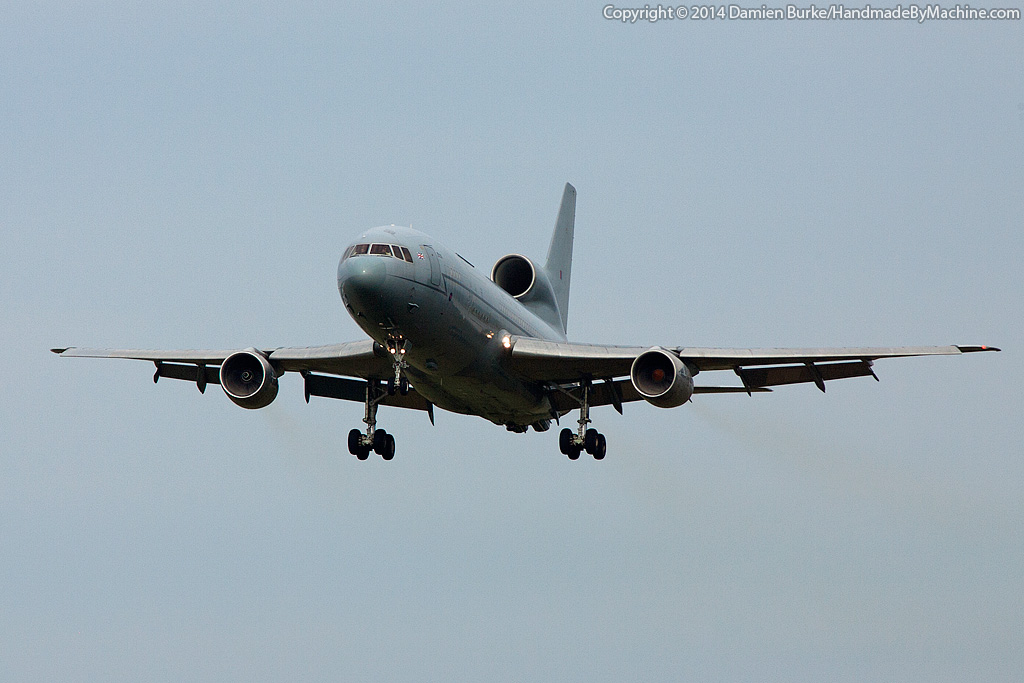
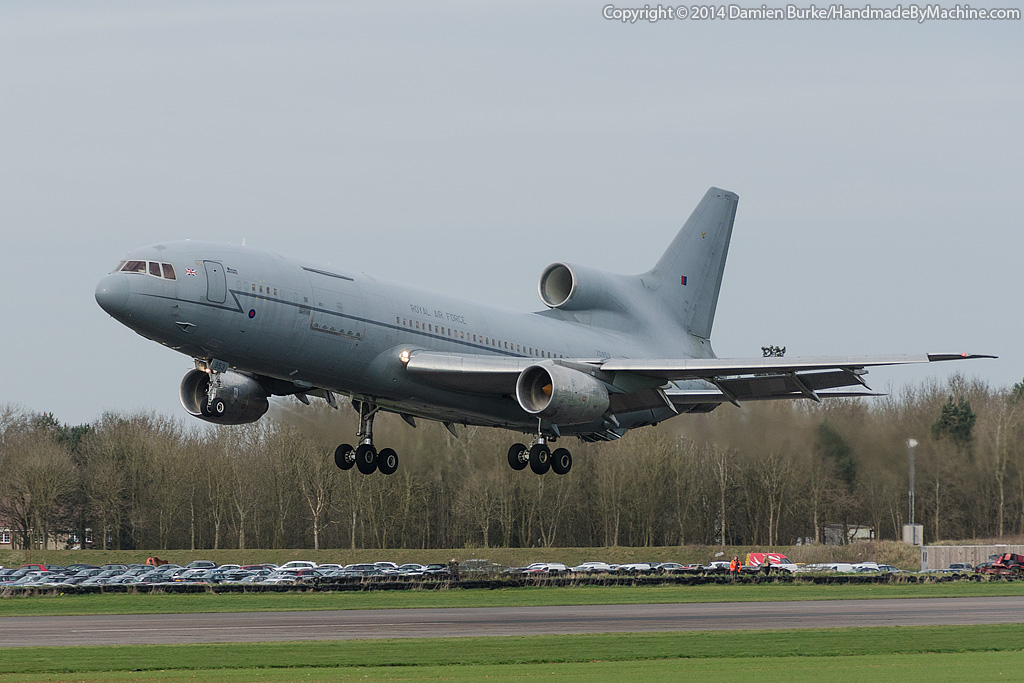
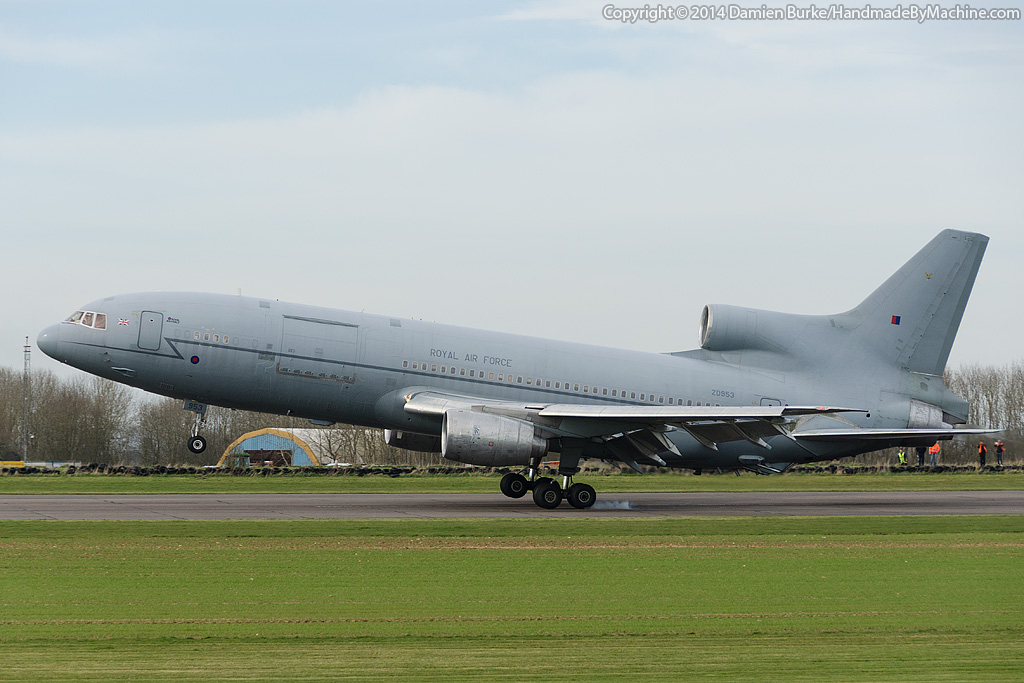
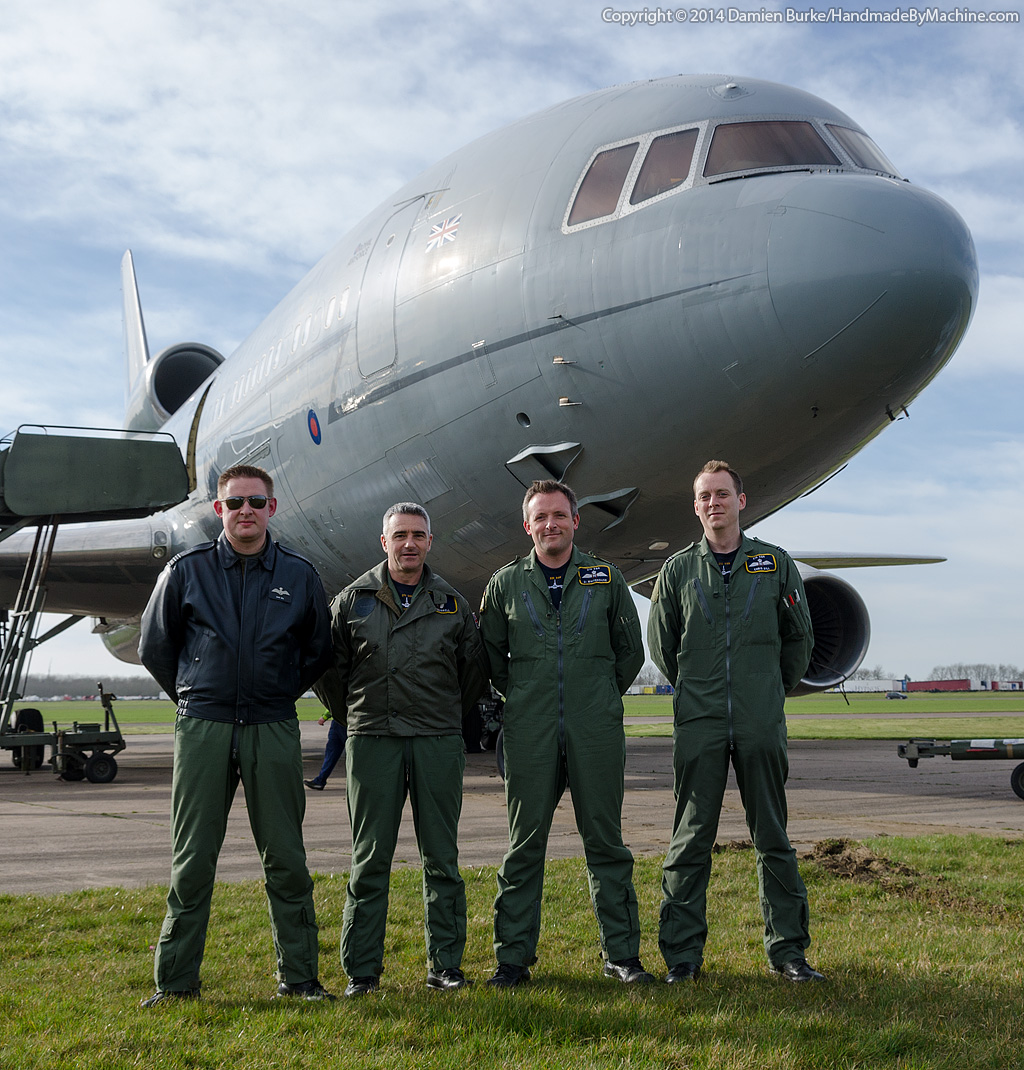
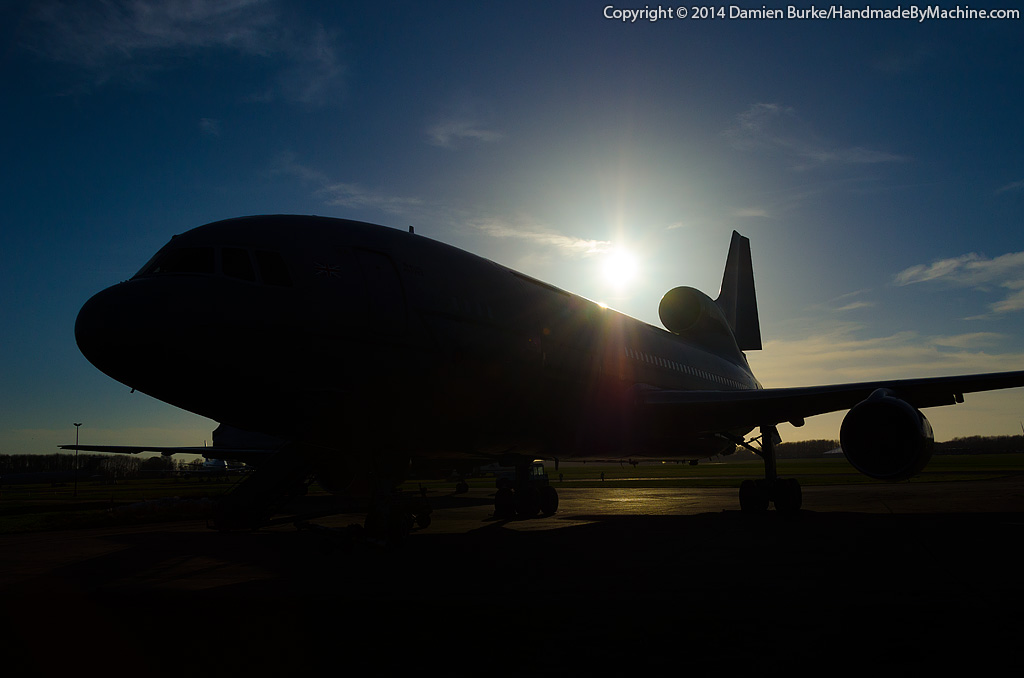
Here are the two that have been delivered to Bruntingthorpe so far...
ZE705:
ZD953:
doogz said:
hornetrider said:
What a lovely looking aircraft it is.
I agree, much nicer looking than the DC10 to my eyes.
I will miss these passing over my roof to BHX even though I am glad the reason for their visits has been reduced.
At least there is a chance for a couple of the old ladies to be flying along for a while under new ownership, so I hope they do move quietly along.
I well remember the first time I ever saw a Tristar. It was the Lockheed demonstrator N305EA which was on a sales tour of Europe in 1972 prior to delivery to its ultimate customer, Eastern Airlines and I spotted it on long finals to Dublin Airport.
It was painted in a hybrid Eastern/BEA scheme - as BEA were one of the early customers for the aircraft. Sadly, by the time their first Tristars were delivered in the Autumn of 1974, BEA had been subsumed into the new British Airways and never carried the BEA scheme. They would have looked great with red wings.
Here she is in all her glory -

It was painted in a hybrid Eastern/BEA scheme - as BEA were one of the early customers for the aircraft. Sadly, by the time their first Tristars were delivered in the Autumn of 1974, BEA had been subsumed into the new British Airways and never carried the BEA scheme. They would have looked great with red wings.
Here she is in all her glory -
Who on earth wants to buy L-1011s that are too knackered even for the RAF? Is hauling Hajj folk to Mecca or rubber dogs t out of Hong Kong that profitable?
t out of Hong Kong that profitable?Inkyfingers said:
Slightly OT, but what are the RAF going to do for AAR in the Falklands, now that the VC10s and Tristars are gone? Send a shiny new A-330? They'll have to do something.
I remember reading something about using a C130, so presumably something is being cobbled together with green string and blacknasty so a hose can be dangled out the back.hidetheelephants said:
Who on earth wants to buy L-1011s that are too knackered even for the RAF? Is hauling Hajj folk to Mecca or rubber dogst out of Hong Kong that profitable?
They're not knackered, according to the Marshalls guys who support RAF TriStar ops - far from it. Apparently the airframes are fine for a good few years yet, avionics etc. are all pretty up to date and it's only the engines that are beginning to show their age in terms of extra maintenance and some difficulty in sourcing spares. They fully expect most of the ex-RAF birds to take on new roles and colours in due course.
civicduty said:
Not financially viable to keep them in servce or so I have heard!!
Biggles has an obligation to pay for the Voyagers, a deal so terrible it makes the carriers and Nimrod look tightly managed, so is forced to bin stuff to stay in the black; what a triumph of defence procurement this is.DamienB said:
hidetheelephants said:
Who on earth wants to buy L-1011s that are too knackered even for the RAF? Is hauling Hajj folk to Mecca or rubber dogst out of Hong Kong that profitable?
They're not knackered, according to the Marshalls guys who support RAF TriStar ops - far from it. Apparently the airframes are fine for a good few years yet, avionics etc. are all pretty up to date and it's only the engines that are beginning to show their age in terms of extra maintenance and some difficulty in sourcing spares. They fully expect most of the ex-RAF birds to take on new roles and colours in due course.I view their passing with mixed emotions. I did a lot of work on them as a type, including the RAF's fleet, but as an aircraft they weren't always that nice to work on.
An old friend summed it up on another forum without any rose tinted specs....
"Bring on the mechanical excavators with those hydraulic pincers... YES!!!!
Hideous planes, hideous Skydrol, cr*ppy fastners, cr*ppy tank fit in the C1 bay, cockpit as advanced and comfy as a 1970's Bus. Hydraulic Service Centre? More like hydraulic bl**dy Lido. Rotting floor-beams, leaky bogs, iffy doors. About the only good point was their ability to swallow three RB211's into the upper fuselage cargo bay so that they could go down route to rescue fellow TriStars that had broken down!
I will not be mourning their passing and I note that Cambridge Airport is already resembling an Elephants graveyard."
eccles said:
About the only good point was their ability to swallow three RB211's into the upper fuselage cargo bay so that they could go down route to rescue fellow TriStars that had broken down!
Yes as long as you didn't mind the engines rolling around the cargo bay because as far as I am aware you could fit the engine through the door yes, but not on its transport stand as the door wasn't big enough. At the end of WW2 Lockheed were making arguably the Worlds best Airliner, and the first successful US jet fighter. Yet it took them 25 years to get around to making a jet airliner, long after they'd made jet military transports.
Then when they did it was unsuccessful and practically put them out of business.
Why did they have a problem with jet airliners? Where they out of practice with marketing to civilians?
Then when they did it was unsuccessful and practically put them out of business.
Why did they have a problem with jet airliners? Where they out of practice with marketing to civilians?
As a child though I remember those early holidays flying out on a Tristar. A bit like the VW Beetle even casual punters like me could instantly recognise one. These days it takes a more skilled eye to distinguish between planes.
A trip to the cockpit, a model of the plane, a postcard showing it in flight and one of those pads with the clear cover that you could pull away to clear your scribblings and start a new game of noughts and crosses.
Henry
A trip to the cockpit, a model of the plane, a postcard showing it in flight and one of those pads with the clear cover that you could pull away to clear your scribblings and start a new game of noughts and crosses.
Henry
A good question.
There has always been a limited space in the market for airliner manufacturers. In the 1930s to the end of the 1950s, the big players were Douglas and Lockheed (with Martin and Convair producing at a slightly lower level).
Boeing did not really feature - the airliners they built in the piston era were produced in relatively low numbers compared to their competitors.
In the mid 1950s it was obvious that the jet airliner was a technical possibility. What was not obvious was whether it would be commercially viable.
Douglas, Lockheed, Convair and Martin had no commercial imperative to gamble on building jet airliners when they were doing pretty well with their current ranges of piston engined aircraft. Boeing felt it was worth a punt as they had nothing to lose. They had already successfully lobbied the USAF for a jet tanker (the KC-135) which was based on their jet transport/airliner design (the 367-80) so they were already in profit before a single civil version of the transport (the 707) was rolled off the production line.
When the orders for the 707 began to come in, this made Douglas and Lockheed pay attention. Douglas launched the DC-8 as a direct competitor to the 707. Lockheed hedged their bets and decided that they would go down a different route with turbine power, opting for a short/medium range turboprop, called the Electra, as a less risky option. They were no doubt influenced by the success of the British Vickers Viscount.
In this case, the decision to go turboprop didn't come off. The large turboprop airliner didn't really sell as a concept (none of the airliners built to these specifications sold well - the Vanguard, Britannia or the Electra). The Electra also had some serious structural failures in its early years which didn't help sales either. The military derivative, the Orion, sold VERY well and many are still in service today.
So, by the mid 1960s Lockheed appeared to have made some seriously bad commercial decisions when it came to civilian airliners and they were looking for a project to revitalise that division. Obviously, the 707/DC-8 category was now out as these sector was now well catered for. The short/mid range jet category was also out as the BAC 1-11, Caravelle and DC-9 were now all in service.
In the end, they decided to exploit the potential of the huge new high bypass turbofans that were emerging in the mid 1960s and went for what they considered to be a widebodied airbus concept. Douglas followed suit pretty quickly with the DC-10. Both looked at twin engined designs but opted for the third engine as a security measure based on the reliability of jet engines at that time.
Even though the Tristar was announced first, it fell behind the DC-10 mainly due to the collapse of the engine supplier, Rolls Royce, whose decision to use carbon fibre fan blades on the RB211 was a technical and commercial disaster.
As a result, the DC-10 entered service first and I don't think the Tristar ever really recovered from the bad start it got in life.
There has always been a limited space in the market for airliner manufacturers. In the 1930s to the end of the 1950s, the big players were Douglas and Lockheed (with Martin and Convair producing at a slightly lower level).
Boeing did not really feature - the airliners they built in the piston era were produced in relatively low numbers compared to their competitors.
In the mid 1950s it was obvious that the jet airliner was a technical possibility. What was not obvious was whether it would be commercially viable.
Douglas, Lockheed, Convair and Martin had no commercial imperative to gamble on building jet airliners when they were doing pretty well with their current ranges of piston engined aircraft. Boeing felt it was worth a punt as they had nothing to lose. They had already successfully lobbied the USAF for a jet tanker (the KC-135) which was based on their jet transport/airliner design (the 367-80) so they were already in profit before a single civil version of the transport (the 707) was rolled off the production line.
When the orders for the 707 began to come in, this made Douglas and Lockheed pay attention. Douglas launched the DC-8 as a direct competitor to the 707. Lockheed hedged their bets and decided that they would go down a different route with turbine power, opting for a short/medium range turboprop, called the Electra, as a less risky option. They were no doubt influenced by the success of the British Vickers Viscount.
In this case, the decision to go turboprop didn't come off. The large turboprop airliner didn't really sell as a concept (none of the airliners built to these specifications sold well - the Vanguard, Britannia or the Electra). The Electra also had some serious structural failures in its early years which didn't help sales either. The military derivative, the Orion, sold VERY well and many are still in service today.
So, by the mid 1960s Lockheed appeared to have made some seriously bad commercial decisions when it came to civilian airliners and they were looking for a project to revitalise that division. Obviously, the 707/DC-8 category was now out as these sector was now well catered for. The short/mid range jet category was also out as the BAC 1-11, Caravelle and DC-9 were now all in service.
In the end, they decided to exploit the potential of the huge new high bypass turbofans that were emerging in the mid 1960s and went for what they considered to be a widebodied airbus concept. Douglas followed suit pretty quickly with the DC-10. Both looked at twin engined designs but opted for the third engine as a security measure based on the reliability of jet engines at that time.
Even though the Tristar was announced first, it fell behind the DC-10 mainly due to the collapse of the engine supplier, Rolls Royce, whose decision to use carbon fibre fan blades on the RB211 was a technical and commercial disaster.
As a result, the DC-10 entered service first and I don't think the Tristar ever really recovered from the bad start it got in life.
civicduty said:
eccles said:
About the only good point was their ability to swallow three RB211's into the upper fuselage cargo bay so that they could go down route to rescue fellow TriStars that had broken down!
Yes as long as you didn't mind the engines rolling around the cargo bay because as far as I am aware you could fit the engine through the door yes, but not on its transport stand as the door wasn't big enough. Gassing Station | Boats, Planes & Trains | Top of Page | What's New | My Stuff