
Useless operator, or useless camera ........ ?
Discussion


Apologies in advance for the long post 
A couple of years ago I replaced my trusty Sony DSC-W12 :
http://www.sony.co.uk/support/en/product/DSC-W12
with a Samsung WB150F :
http://www.samsung.com/uk/consumer/smart-camera-ca...
I owned the Sony for some 7-8 years, when I bought it originally, I think it was £135. It's lovely bit of kit, chunky, has a feeling of solidity, not too big and most importantly, simple (and thus simple to use).
With the dial set to "Green camera" (that should give you an insight as to the level of my technical wizardry when it comes to using cameras), it took wonderful pictures, be they scenery, cars, bits of cars in the garage etc. The flash flashed when it was needed, the zoom zoomed and produced clear images of the object I zoomed in on, the macro feature gave good sharp detail on objects shot close up.
But more importantly, the camera produced images that reproduced pretty accurately the prevailing light/brightness and the colours were a good representation of the cars/trees/sky I'd photographed.
In short it was brilliant camera for the first six year of its life. After that the quality of the images it took, seemed to deteriorate, basically they lacked sharpness and clarity and its ability to reproduce colours accurately seemed to disappear.
And the more I looked at images taken by mates (and images posted on PH) the more I started to think "hmm, the images shot on the Sony look a bit rubbish".
I stuck with the Sony until it got to the point I stopped taking photos, because the results were so poor.
One day whilst in PC world buying some printer cartridges, I started browsing the point and shoot cameras. I noted most of them had large megapixel counts, but also that a lot of them felt flimsy compared with my old Sony (specifically the toggle for zooming).
The Samsung felt better than most, and a quick look at its reviews at home that evening encouraged me to go out and buy one the following day.
From day one I was disappointed with the images the camera reproduced. When set to P or SMART mode the images are either too dark, over exposed or grainy. Colour reproduction is not accurate, the flash doesn't flash when you want it to. Messing with the ISO setting makes matters worse, whilst adjusting the white balance again seems to mess things up even more.
With my old Sony, I'd walk into the garage to take a picture of an exhaust component, if I wanted a close up shot of something in particular, I'd press the macro button, point, and shoot. Job done.
Not so the Samsung, in the same garage, trying to photograph items, the flash will take ages to flash, and the end result bears no relation to the colour/lightness/brighness of the subject matter.
From my amateur perspective.... the Samsung is too "clever" and has too many programmes, none of which do what I want the camera to do.
Here's an example. It's my GT3 which I spent numerous hours machine polishing over the Christmas/New Year break. It's Guards red and the paint is now like glass.
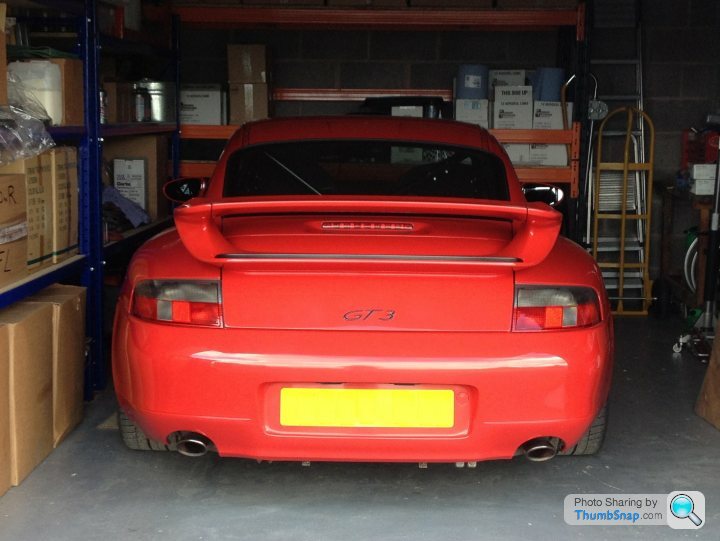
In this photo the colour looks nothing like Guards, it's bleached and overexposed, it's grainy, but most annoyingly, it doesn't look particularly shiny ! ! What's more, even when the image is reviewed in the LCD screen, it's immediately obvious that the colour is bleached/over exposed.
So, is this operator error ? or is the Samsung a useless POS ? I've tried using P and adjusting the white balance, ISO etc, but the results are hit and miss (and it totally defeats the object of having a P & S camera if I have to mess about in the menu every time I take a picture .......)
I'm fed up of not having a camera that takes decent images, so much so that I currently rely on my iPhone 4S as it produces better images than the Samsung most of the time......
I'm in the market for another camera, it needs to be really simple (like my old Sony) produce decent images with accurate colour and light reproduction but it also needs to be a true point and shoot camera (literally, no messing with dials/menus etc etc) unless I want to shoot makro.
My budget is £250, any recommendations ?
A couple of years ago I replaced my trusty Sony DSC-W12 :
http://www.sony.co.uk/support/en/product/DSC-W12
with a Samsung WB150F :
http://www.samsung.com/uk/consumer/smart-camera-ca...
I owned the Sony for some 7-8 years, when I bought it originally, I think it was £135. It's lovely bit of kit, chunky, has a feeling of solidity, not too big and most importantly, simple (and thus simple to use).
With the dial set to "Green camera"
(that should give you an insight as to the level of my technical wizardry when it comes to using cameras), it took wonderful pictures, be they scenery, cars, bits of cars in the garage etc. The flash flashed when it was needed, the zoom zoomed and produced clear images of the object I zoomed in on, the macro feature gave good sharp detail on objects shot close up.But more importantly, the camera produced images that reproduced pretty accurately the prevailing light/brightness and the colours were a good representation of the cars/trees/sky I'd photographed.
In short it was brilliant camera for the first six year of its life. After that the quality of the images it took, seemed to deteriorate, basically they lacked sharpness and clarity and its ability to reproduce colours accurately seemed to disappear.
And the more I looked at images taken by mates (and images posted on PH) the more I started to think "hmm, the images shot on the Sony look a bit rubbish".
I stuck with the Sony until it got to the point I stopped taking photos, because the results were so poor.
One day whilst in PC world buying some printer cartridges, I started browsing the point and shoot cameras. I noted most of them had large megapixel counts, but also that a lot of them felt flimsy compared with my old Sony (specifically the toggle for zooming).
The Samsung felt better than most, and a quick look at its reviews at home that evening encouraged me to go out and buy one the following day.
From day one I was disappointed with the images the camera reproduced. When set to P or SMART mode the images are either too dark, over exposed or grainy. Colour reproduction is not accurate, the flash doesn't flash when you want it to. Messing with the ISO setting makes matters worse, whilst adjusting the white balance again seems to mess things up even more.
With my old Sony, I'd walk into the garage to take a picture of an exhaust component, if I wanted a close up shot of something in particular, I'd press the macro button, point, and shoot. Job done.
Not so the Samsung, in the same garage, trying to photograph items, the flash will take ages to flash, and the end result bears no relation to the colour/lightness/brighness of the subject matter.
From my amateur perspective.... the Samsung is too "clever" and has too many programmes, none of which do what I want the camera to do.
Here's an example. It's my GT3 which I spent numerous hours machine polishing over the Christmas/New Year break. It's Guards red and the paint is now like glass.
In this photo the colour looks nothing like Guards, it's bleached and overexposed, it's grainy, but most annoyingly, it doesn't look particularly shiny ! ! What's more, even when the image is reviewed in the LCD screen, it's immediately obvious that the colour is bleached/over exposed.
So, is this operator error ? or is the Samsung a useless POS ? I've tried using P and adjusting the white balance, ISO etc, but the results are hit and miss (and it totally defeats the object of having a P & S camera if I have to mess about in the menu every time I take a picture .......)
I'm fed up of not having a camera that takes decent images, so much so that I currently rely on my iPhone 4S as it produces better images than the Samsung most of the time......
I'm in the market for another camera, it needs to be really simple (like my old Sony) produce decent images with accurate colour and light reproduction but it also needs to be a true point and shoot camera (literally, no messing with dials/menus etc etc) unless I want to shoot makro.
My budget is £250, any recommendations ?
On my screen it looks slightly over exposed, try finding a button with + - on it and taking exposure down slightly. Also worth playing with white balance settings.
Having said that I was distinctly unimpressed when I once used a samsung compact compared to the canon ixus of similar vintage/type/price that I owned.
Having said that I was distinctly unimpressed when I once used a samsung compact compared to the canon ixus of similar vintage/type/price that I owned.
Slippydiff said:
In this photo the colour looks nothing like Guards, it's bleached and overexposed, it's grainy, but most annoyingly, it doesn't look particularly shiny ! ! What's more, even when the image is reviewed in the LCD screen, it's immediately obvious that the colour is bleached/over exposed.
So, is this operator error ? or is the Samsung a useless POS ? I've tried using P and adjusting the white balance, ISO etc, but the results are hit and miss (and it totally defeats the object of having a P & S camera if I have to mess about in the menu every time I take a picture .......)
So, is this operator error ? or is the Samsung a useless POS ? I've tried using P and adjusting the white balance, ISO etc, but the results are hit and miss (and it totally defeats the object of having a P & S camera if I have to mess about in the menu every time I take a picture .......)

A very quick tweak of some sliders in the Lightroom editing program. (+ vibrance, saturation & contrast and tweaked white balance.) (ETA: only boosting the red saturation, and reddening the orange hue slider works better.)
I've not touched the exposure as the whole image looks properly exposed. Any darker and the garage would be too dark.
Some cameras will let you choose the exposure mode; Averaging the whole scene, Averaging but giving more importance to the middle, or just based on the middle. I don't know if your camera can do this, but I'd expect most 'auto' modes to automatically select one, but it may not be the result you want.
The camera settings will have been programmed by someone who has no idea what you are looking at in front of the camera. As such the large amount of bright red has probably confused it, toning it down to more neutral. If you have an option for a more 'vibrant' picture setting give it a go.
It's the ISO setting which will be causing the grain/noise. As the ISO setting increases the more noise the image will have. It's best to use the lowest setting BUT lowering it too far will likely need a slower shutter speed giving you a blurry image.
Really I'd say get to know all the settings and what each does. But then, as you say, it defeats the point of having a point and shoot.
Edited by Xerstead on Tuesday 3rd February 21:48
Good G_d that tweak would put anyone off for life, vastly oversaturated and colour far too intense, does nothing for the poor old OPs quandary!
OP try the Sony RX100, highly appreciated on here and it's only £259.00 at Cameraworld (www.cameraworld.com). I bought one recently and it's a decent camera but the menus take a bit of getting used to.
YB
OP try the Sony RX100, highly appreciated on here and it's only £259.00 at Cameraworld (www.cameraworld.com). I bought one recently and it's a decent camera but the menus take a bit of getting used to.
YB
Another option would be to replace the Samsung with another Sony. As you were happy with the functioning of your old one, it's likely a new Sony P&S would be a similar experience, just with updated sensor & programming.
We have just replaced our old little Lumix P&S with a Sony HX50 and so far the results are very promising for a P&S. We went for the HX50 rather than its replacement the HX60, as there is very little spec difference and we paid under £160 rather than a new HX60 at £230ish.
We have just replaced our old little Lumix P&S with a Sony HX50 and so far the results are very promising for a P&S. We went for the HX50 rather than its replacement the HX60, as there is very little spec difference and we paid under £160 rather than a new HX60 at £230ish.
The camera is not always at fault unfortunately. You've given it a lot of work to do under less than ideal conditions. You have a subject that is both surrounded by shadows and the focal point has bright reflections and is in sunlight.
Try thinking about what and where you're taking photos. If it is calculating exposure on the focal point (ie the car) then the darker portions are going to be underexposed. In this case it looks like it's taking a measured exposure for the whole frame. That means that the dark portions are still quite dark and the light portions are slightly over exposed.
Understanding the correct lighting for a photograph is 90% of the hard work.
Try thinking about what and where you're taking photos. If it is calculating exposure on the focal point (ie the car) then the darker portions are going to be underexposed. In this case it looks like it's taking a measured exposure for the whole frame. That means that the dark portions are still quite dark and the light portions are slightly over exposed.
Understanding the correct lighting for a photograph is 90% of the hard work.
Thankyou gentlemen, some really helpful and interesting answers here. Many thanks for the "tweaked" image, whilst it's not a true representation of the original colour, it gives me an iknsight as to what can be done.Though in all honesty I really wouldn't want to resort to photoshop to get the correct tones in a photo such as this.
The comments about possibly asking a lot of the camera are interesting too, I was aware that the majority of the car/frame was in shadow, and that the part of the subject matter I was trying to capture was in bright(tish) sunlight, (actually I was irritated that the image was clearly bleached/over exposed as the light wasn't [i[that[/i] bright), I find it strange a modern camera struggles to capture the image reasonably accurately.
Anyway, do please kep the comments coming, as an aside, I've pulled the car out of the garage and taken a host of images with both the Sony and the Samsung this morning, all have been taken in bright sunlight, I'll down load them to my PC later and post the results this evening .......
The comments about possibly asking a lot of the camera are interesting too, I was aware that the majority of the car/frame was in shadow, and that the part of the subject matter I was trying to capture was in bright(tish) sunlight, (actually I was irritated that the image was clearly bleached/over exposed as the light wasn't [i[that[/i] bright), I find it strange a modern camera struggles to capture the image reasonably accurately.
Anyway, do please kep the comments coming, as an aside, I've pulled the car out of the garage and taken a host of images with both the Sony and the Samsung this morning, all have been taken in bright sunlight, I'll down load them to my PC later and post the results this evening .......
Slippydiff said:
The comments about possibly asking a lot of the camera are interesting too, I was aware that the majority of the car/frame was in shadow, and that the part of the subject matter I was trying to capture was in bright(tish) sunlight, (actually I was irritated that the image was clearly bleached/over exposed as the light wasn't [i[that[/i] bright), I find it strange a modern camera struggles to capture the image reasonably accurately.
Modern camera, vintage film camera, you're going to have the same issues. If the camera had adjusted to the car the background would have been pitch black. So it's taken a measure of the whole picture and done the best it can. The sensor in a modern camera can't compete with your own eye in regards to adjusting for light. There are cameras that have auto HDR modes that will take three exposures in order to create a single image and hopefully reduce the chance of photos like yours. But, and I'm not being insulting here, your camera isn't exactly top end (I found it online for £99). I wouldn't have attempted that photo with a DSLR and pro-lens costing thousands without expecting to either have to bracket the shot with different exposures or muck about in photoshop to get something that resembles what I would see with my own eye.
I would recommend looking at good images taken with your old Sony and analysing them a little; where they taken with the flash, or daylight, or indoor lights? Do they have very dark and very bright areas?
If you look at a load of old photos, in all of these conditions are the colours good and did the camera manage to get the exposure correct? (without bleaching out bright items or plunging dark areas into murky blackness)
The trend nowadays for upper end P&S cameras is to provide "average" fully automatic mode, and provide all the manual modes and bells and whistles as it seems to be the number of features (regardless of if they work well) that sells.
I've got a Sony RX100 and it is a lovely camera, BUT I find that in full auto mode it always tries to blur the background far too much. It can be adjusted so I can tell it to keep just the subject in focus or everything, but like you I don't want to faff around with menus to get the style of picture I want. So I've found out that if I leave it in aperture priority mode it seems to stop messing around with everything else (too much) and produces lovely images.
Maybe look at Sony WX220 or WX350 or Panasonic Lumix DMC-TZ60?
If you look at a load of old photos, in all of these conditions are the colours good and did the camera manage to get the exposure correct? (without bleaching out bright items or plunging dark areas into murky blackness)
The trend nowadays for upper end P&S cameras is to provide "average" fully automatic mode, and provide all the manual modes and bells and whistles as it seems to be the number of features (regardless of if they work well) that sells.
I've got a Sony RX100 and it is a lovely camera, BUT I find that in full auto mode it always tries to blur the background far too much. It can be adjusted so I can tell it to keep just the subject in focus or everything, but like you I don't want to faff around with menus to get the style of picture I want. So I've found out that if I leave it in aperture priority mode it seems to stop messing around with everything else (too much) and produces lovely images.
Maybe look at Sony WX220 or WX350 or Panasonic Lumix DMC-TZ60?
fwaggie said:
I would recommend looking at good images taken with your old Sony and analysing them a little; where they taken with the flash, or daylight, or indoor lights? Do they have very dark and very bright areas?
If you look at a load of old photos, in all of these conditions are the colours good and did the camera manage to get the exposure correct? (without bleaching out bright items or plunging dark areas into murky blackness)
The trend nowadays for upper end P&S cameras is to provide "average" fully automatic mode, and provide all the manual modes and bells and whistles as it seems to be the number of features (regardless of if they work well) that sells.
I've got a Sony RX100 and it is a lovely camera, BUT I find that in full auto mode it always tries to blur the background far too much. It can be adjusted so I can tell it to keep just the subject in focus or everything, but like you I don't want to faff around with menus to get the style of picture I want. So I've found out that if I leave it in aperture priority mode it seems to stop messing around with everything else (too much) and produces lovely images.
Maybe look at Sony WX220 or WX350 or Panasonic Lumix DMC-TZ60?
Ok, here's one of the better images captured with the Sony using the point and shoot mode :If you look at a load of old photos, in all of these conditions are the colours good and did the camera manage to get the exposure correct? (without bleaching out bright items or plunging dark areas into murky blackness)
The trend nowadays for upper end P&S cameras is to provide "average" fully automatic mode, and provide all the manual modes and bells and whistles as it seems to be the number of features (regardless of if they work well) that sells.
I've got a Sony RX100 and it is a lovely camera, BUT I find that in full auto mode it always tries to blur the background far too much. It can be adjusted so I can tell it to keep just the subject in focus or everything, but like you I don't want to faff around with menus to get the style of picture I want. So I've found out that if I leave it in aperture priority mode it seems to stop messing around with everything else (too much) and produces lovely images.
Maybe look at Sony WX220 or WX350 or Panasonic Lumix DMC-TZ60?

Please feel free to critique it. So lets ignore the stuff like framing, lady pegging out her washing etc !
My take on it is : The car looks shiny, the colour looks a decent representation of Guards, it's sharp (well by my standards ! !) and to me anyhow, it's a pleasing image.
Here's the Sony again in the same mode, taken this morning in what was clearly bright sunlight (10am)

The car above is exactly the same colour as the first image. Clearly over exposed (hence the orange colour ?)
Below is the car taken with the Samsung set at ISO 1600 (me trying to get the earlier garage shot lighter), "cloudy" setting (ditto) and "EV;O" set to 0.

My summation of the above, a cr*p image ! !
Below is the car taken with the Samsung set to ISO Auto, "sunshine" setting and "EV;O" set to -2

Better, but nothing like as good as the first image taken with the Sony (IMO)
The Samsung one looks soft - maybe the ISO1600 at work on a small sensor.
If you're using Auto exposure then raising ISO may not make any difference to image brightness - the camera will merely change the aperture or shutter speed to bring the exposure back to what it thinks is right. What was the ISO on the Sony version above it?
The final photo is dark because the exposure was set to -2. So you're caught in the gap between (1) Auto not doing what you want (2) not quite knowing what makes the correct exposure/how to fix it.
NB There may be a colour space issue too, as the red from the Samsung doesn't look right. Set to 'sRGB' if it isn't already - see manual!
If you're using Auto exposure then raising ISO may not make any difference to image brightness - the camera will merely change the aperture or shutter speed to bring the exposure back to what it thinks is right. What was the ISO on the Sony version above it?
The final photo is dark because the exposure was set to -2. So you're caught in the gap between (1) Auto not doing what you want (2) not quite knowing what makes the correct exposure/how to fix it.
NB There may be a colour space issue too, as the red from the Samsung doesn't look right. Set to 'sRGB' if it isn't already - see manual!
Edited by Simpo Two on Wednesday 4th February 22:54
Simpo Two said:
The Samsung one looks soft - maybe the ISO1600 at work on a small sensor.
If you're using Auto exposure then raising ISO may not make any difference to image brightness - the camera will merely change the aperture or shutter speed to bring the exposure back to what it thinks is right. What was the ISO on the Sony version above it?
The final photo is dark because the exposure was set to -2. So you're caught in the gap between (1) Auto not doing what you want (2) not quite knowing what makes the correct exposure/how to fix it.
NB There may be a colour space issue too, as the red from the Samsung doesn't look right. Set to 'sRGB' if it isn't already - see manual!
I've suspected from day one that something wasn't "right" about the Samsung. I took some images of the brick walls across the courtyard from my barn, irrespective of what I did with the camera, I couldn't get a single image to replicate the colours of the bricks.If you're using Auto exposure then raising ISO may not make any difference to image brightness - the camera will merely change the aperture or shutter speed to bring the exposure back to what it thinks is right. What was the ISO on the Sony version above it?
The final photo is dark because the exposure was set to -2. So you're caught in the gap between (1) Auto not doing what you want (2) not quite knowing what makes the correct exposure/how to fix it.
NB There may be a colour space issue too, as the red from the Samsung doesn't look right. Set to 'sRGB' if it isn't already - see manual!
I've checked the user manual for the camera, there's no mention of the sRGB setting, or indeed the ability to adjust it. Though it does feature in the "Properties" section of the image, it appears as "Colour reference" = sRGB
The ISO setting on the Sony image above was 100.
On the face of it, it looks like the camera doesn't really meet my needs ?
Playing around with the "warmth" of the images, (though in truth I can't remember how I did this), though I suspect it was adjusting the white balance settings, gave equally poor results :
Either too cold (blue/grey) :

to ridiculously warm (red/brown) :
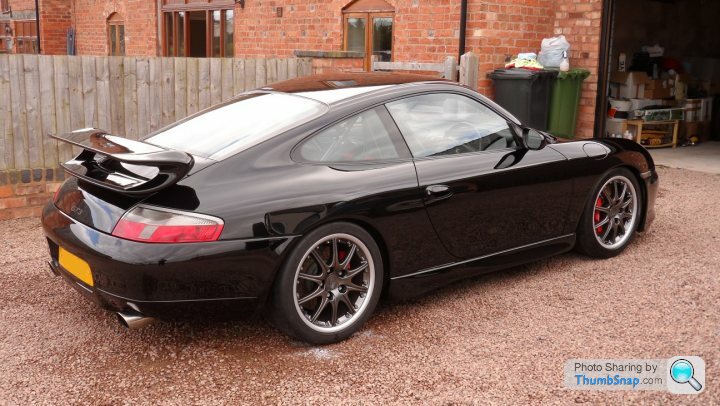
with seemingly nothing in between the two.
I wouldn't mind, but as I said earlier on the thread, this is a point and shoot camera, but left in full auto, the results are truly woeful. Having to constantly adjust white balance, swap programmes etc etc to get acceptable (though ultimately poor) images, is not what I bought the camera for (and has effectively made me "give up" taking pictures with the Samsung (as it's far easier to take images with the iphone and accept they're going to be compromised because when all is said and done, it primary function is as means of communication, not that of a camera ! !)
The Samsung ones do look "soft" i.e. not tack sharp. As Simpo has quite rightly pointed out ISO1600 on the tiny sensor in a compact is a huge huge ask. But even so it's metering does not seem to be as good as the original Sony images in the point and shoot mode. If that's what you use most of the time then it's not going to make images you are happy with.
Digital has come so far that we now expect flawless images at any old ISO setting. For those of us old enough to remember the grain that we got with Tri-X film at only ISO 400, never mind some of the Ilford XP1 you could go to ISO 1600 - grain the size of gold balls(P.S. Yes, I'm an old git in training).
My hand on heart recommendation would be to pop into your local camera shop and give a new Sony or Pansonic Lumix compact a whirl and see how you get on using one in the modes you would use. How they fit in your hand and how easy the menus are to use is just as important in your buying consideration. As there are a lot of compacts out there you will have to balance off your requirements of amount of zoom (if you want this), image stabilisation, size, flip out screen, manual modes, overall price etc. Only you will know how important these various things are to you and so what weight you'd give to each one. That should help narrow down your choices considerably and hopefully one will rise above the others as the one that works best for you. You can always then research that particular model on somewhere like www.dpreview.com to confirm there are no big nasties with it before purchasing.
Also, congrats on a lovely range of 911's you have / have had, I spent a lot of time in a Guards Red 964 Carrera 2 with my father trying to train me to be a better driver so have very fond memories of them.
Chris
Digital has come so far that we now expect flawless images at any old ISO setting. For those of us old enough to remember the grain that we got with Tri-X film at only ISO 400, never mind some of the Ilford XP1 you could go to ISO 1600 - grain the size of gold balls
(P.S. Yes, I'm an old git in training). My hand on heart recommendation would be to pop into your local camera shop and give a new Sony or Pansonic Lumix compact a whirl and see how you get on using one in the modes you would use. How they fit in your hand and how easy the menus are to use is just as important in your buying consideration. As there are a lot of compacts out there you will have to balance off your requirements of amount of zoom (if you want this), image stabilisation, size, flip out screen, manual modes, overall price etc. Only you will know how important these various things are to you and so what weight you'd give to each one. That should help narrow down your choices considerably and hopefully one will rise above the others as the one that works best for you. You can always then research that particular model on somewhere like www.dpreview.com to confirm there are no big nasties with it before purchasing.
Also, congrats on a lovely range of 911's you have / have had, I spent a lot of time in a Guards Red 964 Carrera 2 with my father trying to train me to be a better driver so have very fond memories of them.
Chris
I agree it's disappointing to replace a camera with a new one and find it's not so good. I have a similar issue with D200 vs D300 - I just don't like the 'look' of the D300 images. Tried a couple of weddings with it, scrambled over the line with lots of PP but went back to the D200.
Looking at cameras in shops is a start but for a real test you need to know how it will perform on YOUR setup. When I'm in doubt about something like this I tend to buy it from Amazon because you get a 30-day no-quibble guarantee. Currys used to do the same; not sure if they still do - but it takes away the nagging doubt that you'll be left with something that may not suit you.
A red car in full sun is quite a test for a compact on Auto so I hope you find one that matches what your old Sony did. Alternatively you could go the other way and learn more about the science and try to get to grips with a camera that you fly rather than being a passenger - but you may not want that complexity.
Looking at cameras in shops is a start but for a real test you need to know how it will perform on YOUR setup. When I'm in doubt about something like this I tend to buy it from Amazon because you get a 30-day no-quibble guarantee. Currys used to do the same; not sure if they still do - but it takes away the nagging doubt that you'll be left with something that may not suit you.
A red car in full sun is quite a test for a compact on Auto so I hope you find one that matches what your old Sony did. Alternatively you could go the other way and learn more about the science and try to get to grips with a camera that you fly rather than being a passenger - but you may not want that complexity.
Simpo Two said:
I agree it's disappointing to replace a camera with a new one and find it's not so good. I have a similar issue with D200 vs D300 - I just don't like the 'look' of the D300 images. Tried a couple of weddings with it, scrambled over the line with lots of PP but went back to the D200.
Looking at cameras in shops is a start but for a real test you need to know how it will perform on YOUR setup. When I'm in doubt about something like this I tend to buy it from Amazon because you get a 30-day no-quibble guarantee. Currys used to do the same; not sure if they still do - but it takes away the nagging doubt that you'll be left with something that may not suit you.
A red car in full sun is quite a test for a compact on Auto so I hope you find one that matches what your old Sony did. Alternatively you could go the other way and learn more about the science and try to get to grips with a camera that you fly rather than being a passenger - but you may not want that complexity.
Thank you for the comments on the cars, thank you too to all that have contributed to this thread, some really useful information and insights.Looking at cameras in shops is a start but for a real test you need to know how it will perform on YOUR setup. When I'm in doubt about something like this I tend to buy it from Amazon because you get a 30-day no-quibble guarantee. Currys used to do the same; not sure if they still do - but it takes away the nagging doubt that you'll be left with something that may not suit you.
A red car in full sun is quite a test for a compact on Auto so I hope you find one that matches what your old Sony did. Alternatively you could go the other way and learn more about the science and try to get to grips with a camera that you fly rather than being a passenger - but you may not want that complexity.
Simpo Two, back in 1985 I bought a Pentax A3, my first 35mm SLR camera.
I bought a 70-210 Tokina zoom lens along with the with the kit lens. I enjoyed using it, primarily on Motorsport events.
I chose the A3 because the reviews at the time were good, specifically for someone new to photography, and thus learning the ins and outs.
I took some "reasonsable", and I enjoyed the process.
However after several years, I got bored of viewing cars and power boats through a camera viewfinder, and basically lost interest. I still have that A3 lurking in a box somewhere btw !
My photographic ambitions died a death, and a Canon Sureshot followed some years later. I enjoyed taking photos without "the fuss", and I accepted the results would be compromised by the camera being a P & S.
The Canon gave up the ghost, and I was left cameraless for 2-3 years, at which point I bought the Sony DSC-W12 back in 2003-4.
Back then I think 5.1 Mp seemed impressive, and the images I shot with it, whilst not in the same league as a digital SLR, were for me, impressive.
As I mentioned in my original post, the images generated by the Sony started to deteriorate, to the point I didn't bother taking photos !
However back in 2011, I felt I was missing out my photography and decided to invest in a good quality digital SLR.
After doing some investigating and reading various magazines over a 3-4 month period, I decided on a new Canon EOS 550D.
I bought a second hand zoom ? lens, along with the kit lens, a fish eye lens and a telephoto lens. It wasn't cheap, but it seemed a good investment. But soon after buying the kit, I realised I wasn't that interested in taking the time to "learn" the subtle nuances of getting the best out of a digital camera, nor lugging a selection of lenses around, nor indeed constantly swapping them over !
I persevered for 5-6 months before accepting that my understanding of photography is limited, but also that I wasn't that bothered about furthering my knowledge to enable me to take decent quality images.I thus sold all the gear back to the shop I purchased it from, and at a fairly heft loss :-(
The rest (ie the Samsung) is history .......
What your comments, and others, have made me realise is that not all cameras are created equal.
Accordingly I've shot some more images this morning in more overcast conditions. It seems clear my old Sony is better suited to brighter and lower light conditions, whereas the Samsung copes better with low light, dull, overcast conditions.


All three images above were shot with the Samsung set to auto white balance, auto ISO and EV set to zero.
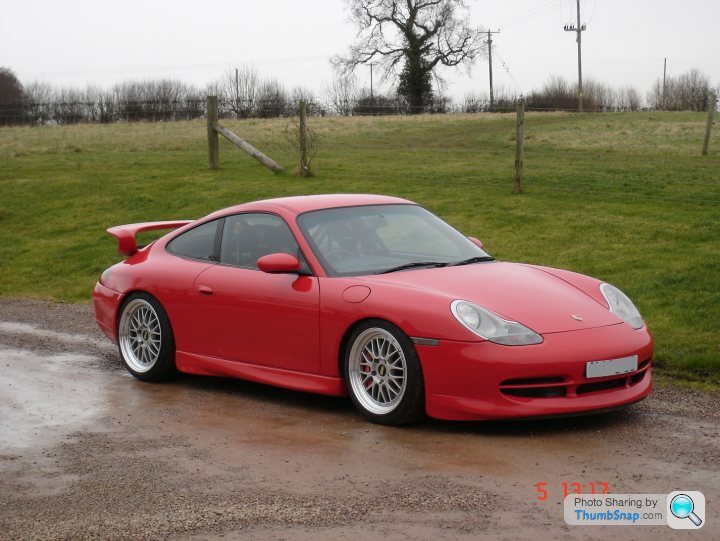


All three above images above were shot with the Sony set to full auto mode.
The light was reducing (as it started to rain) when I was using the Samsung to take the first three images.
Would I be right in saying that reducing the file size of an image using "Paint" and then hosting with Thumbsnap in a format suitable for embedding in a thread, does little for image quality ? I ask as the last image shot above with the Sony, looks "reasonable" when opened full size in Thumbsnap.
Resizing/compressing makes a massive difference. Just resizing actually (counterintuitively) makes a photo look soft - it needs to be resharpened and by the correct amount.
There are so many stages beteeen the light hitting the sensor and the image appearing on the internet that pretty much anything can happen, for better or worse.
So did your Sony lose the plot slowly or gradually I wonder? Maybe the camera is fine but you changed software? Perhaps you unknowingly changed a setting or returned it to factory default?
There are so many stages beteeen the light hitting the sensor and the image appearing on the internet that pretty much anything can happen, for better or worse.
So did your Sony lose the plot slowly or gradually I wonder? Maybe the camera is fine but you changed software? Perhaps you unknowingly changed a setting or returned it to factory default?


 Gratuitous use of Aston Martin
Simpo Two said:
I agree it's disappointing to replace a camera with a new one and find it's not so good. I have a similar issue with D200 vs D300 - I just don't like the 'look' of the D300 images. Tried a couple of weddings with it, scrambled over the line with lots of PP but went back to the D200.
Looking at cameras in shops is a start but for a real test you need to know how it will perform on YOUR setup. When I'm in doubt about something like this I tend to buy it from Amazon because you get a 30-day no-quibble guarantee. Currys used to do the same; not sure if they still do - but it takes away the nagging doubt that you'll be left with something that may not suit you.
A red car in full sun is quite a test for a compact on Auto so I hope you find one that matches what your old Sony did. Alternatively you could go the other way and learn more about the science and try to get to grips with a camera that you fly rather than being a passenger - but you may not want that complexity.
Interesting. I love my D200 too it just feels right and the photos look right. It's trounced by newer models for ISO etc but there's just something about the old CCD look.Looking at cameras in shops is a start but for a real test you need to know how it will perform on YOUR setup. When I'm in doubt about something like this I tend to buy it from Amazon because you get a 30-day no-quibble guarantee. Currys used to do the same; not sure if they still do - but it takes away the nagging doubt that you'll be left with something that may not suit you.
A red car in full sun is quite a test for a compact on Auto so I hope you find one that matches what your old Sony did. Alternatively you could go the other way and learn more about the science and try to get to grips with a camera that you fly rather than being a passenger - but you may not want that complexity.
Gassing Station | Photography & Video | Top of Page | What's New | My Stuff