
911virgin, RSJ, Hartech et al
Discussion


Hi,
As per my other thread I'm looking for a 997.1 CS2 - unfortunately one car I thought I could do a deal on seems to have bore scoring (see here: http://www.pistonheads.com/gassing/topic.asp?h=0&a...
My question is if I buy from a specialist (such as 911 Virgin, RSJ etc.) would their 997.1 stock be bore scoring free - I'm hoping they have a policy of rejecting cars with any kind of bore scoring (irrespective of whether symptom are present or not) ?

As per my other thread I'm looking for a 997.1 CS2 - unfortunately one car I thought I could do a deal on seems to have bore scoring (see here: http://www.pistonheads.com/gassing/topic.asp?h=0&a...
My question is if I buy from a specialist (such as 911 Virgin, RSJ etc.) would their 997.1 stock be bore scoring free - I'm hoping they have a policy of rejecting cars with any kind of bore scoring (irrespective of whether symptom are present or not) ?
I would call 911 Virgin and ask but I have read numerous times they reject lots of cars and only take in the best to sell. I would be surprised if they didn't boroscope the gen 1 997s given the risk with these engines. Also I am sure you can pay £400 for warranty for year with them that definitely covers this if engine goes pop. 911V get great accolades on here as an Indy so if you want a low risk Porsche purchase they should definitely be at the top of your list
I have a 997.1 from 911virgin
They don't inspect the cylinders of their new stock, but they do look at the historical rev data and service history to make sure they are buying cars that have been looked after correctly.
The standard 3 month warranty is free, but the next 9 months cost me £500. It covers engine rebuild if needed. Terry at 911v said they'd only sold one 997.1 that later went on to have a cylinder issue. I think they sell 3-4/month 911s
I have found them to be beyond helpful both before and after the sale. Exemplary. I needed a new part fitting, and they authorised my choice of local garage to do the work ( I'm 300 miles from them) and paid the bill for me.
Almost certain I'll buy another 911 from them
They don't inspect the cylinders of their new stock, but they do look at the historical rev data and service history to make sure they are buying cars that have been looked after correctly.
The standard 3 month warranty is free, but the next 9 months cost me £500. It covers engine rebuild if needed. Terry at 911v said they'd only sold one 997.1 that later went on to have a cylinder issue. I think they sell 3-4/month 911s
I have found them to be beyond helpful both before and after the sale. Exemplary. I needed a new part fitting, and they authorised my choice of local garage to do the work ( I'm 300 miles from them) and paid the bill for me.
Almost certain I'll buy another 911 from them
Hmmm not sure that fills me with confidence - my concern is not so much failure, but the ability to sell the car privately later on.
I'm sure most will insist on a borescope inspection like I have ( http://www.pistonheads.com/gassing/topic.asp?h=0&a...
Having thought about it I think I'll pass on the 997.1 and either up my budget to a Gen 2 or try a different marque.
Appreciate the help.
I'm sure most will insist on a borescope inspection like I have ( http://www.pistonheads.com/gassing/topic.asp?h=0&a...
Having thought about it I think I'll pass on the 997.1 and either up my budget to a Gen 2 or try a different marque.
Appreciate the help.
Your links don't work for me.
Buying it without scoring won't guarantee it'll be without scoring when you come to sell. Many indies scope these and it's really a matter of how to interpret what they find.
If you are that worried, it makes sense to buy something else. Any Gen 1 997 S will carry a risk, increased if it's a Tip. I skipped them and went 996 > 997.2.
Buying it without scoring won't guarantee it'll be without scoring when you come to sell. Many indies scope these and it's really a matter of how to interpret what they find.
If you are that worried, it makes sense to buy something else. Any Gen 1 997 S will carry a risk, increased if it's a Tip. I skipped them and went 996 > 997.2.
Sorry, not sure why the links don't work - here is a copy and paste of my post:
Hi,
I'm new to this forum but hope you experts can help.
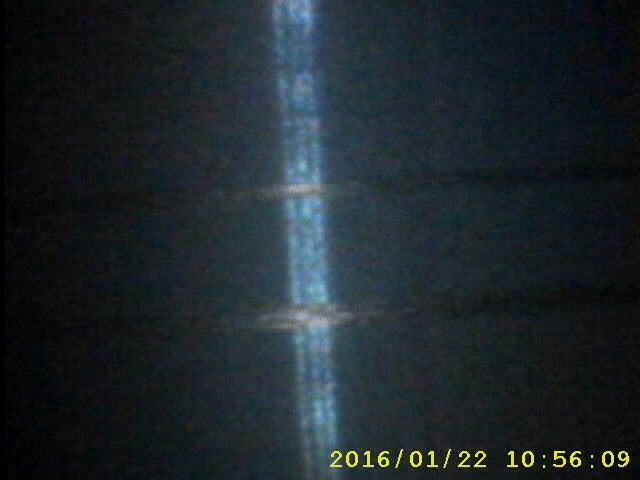
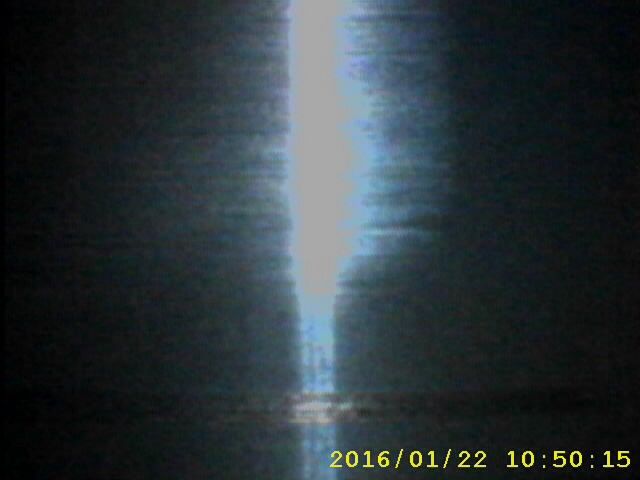
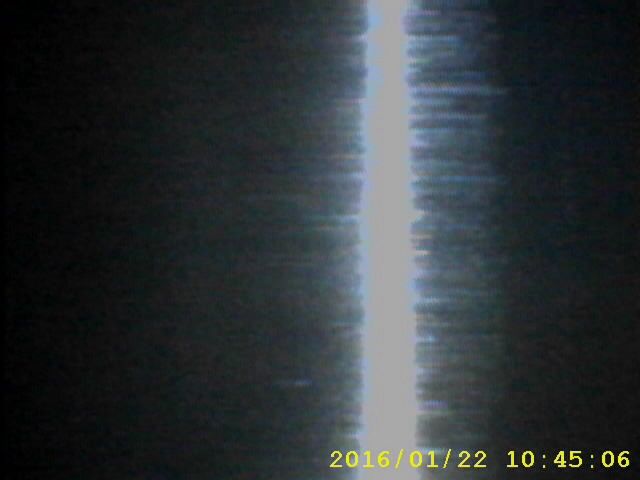
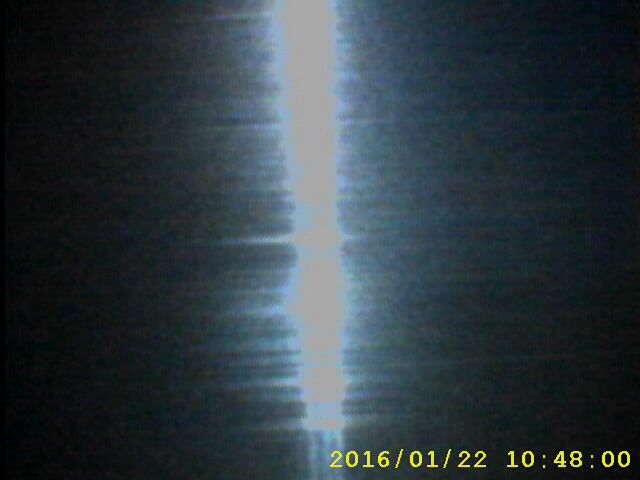
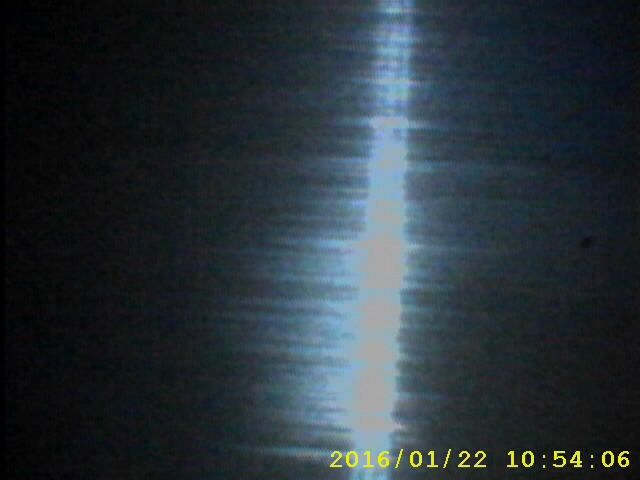
I'm on the verge of buying a 997 C4s however I got the bores inspected as part of the PPI and the specialist said they were scored. He said he had seen worse but also better - but wasn't able to tell me if this was going to be an issue.
I assume there must be some normal bore scoring - should I worry about the below ?
Currently I've told the seller I need some time to think this over as a new engine plus IMS etc. at Autofarm is £13k

Thanks
BL
Hi,
I'm new to this forum but hope you experts can help.
I'm on the verge of buying a 997 C4s however I got the bores inspected as part of the PPI and the specialist said they were scored. He said he had seen worse but also better - but wasn't able to tell me if this was going to be an issue.
I assume there must be some normal bore scoring - should I worry about the below ?
Currently I've told the seller I need some time to think this over as a new engine plus IMS etc. at Autofarm is £13k
Thanks
BL
Well i'm no expert on this but i agree with some of the other posters.... Bore scoring is a real science of a issue to detect, inspect, and understand. To a degree all bores are scored, what is okay, what is not well thats a science to understand, i would probably trust Hartech to detect it but it seems most others are just guessing and maybe they do a bit took.
Indy's dont inspect these cars because they know the findings will reject most and a fair few will be fine. its a real tricky one to know what to do, a virgin one with warranty maybe or another indy but then how long to keep the warranty, its a tricky one. But they are absolutely fantastic cars
Indy's dont inspect these cars because they know the findings will reject most and a fair few will be fine. its a real tricky one to know what to do, a virgin one with warranty maybe or another indy but then how long to keep the warranty, its a tricky one. But they are absolutely fantastic cars
Recently I traded my 997.1 for a 997.2 at 911 Virgin. I found Tom and Terry were a pleasure to deal with, they couldn't be more helpful. Although Tom didn't check the bores of the 997.1 they made thorough checks throughout my car. My car (997.1) had been checked out by Nottingham Porsche when I owned the car and was given thumbs up.
If you were looking for a good 997.1 911 Virgin have my old car for sale now, Ive just checked their web site and its up for £29,995 C2S, Manual, Midnight Blue, 39K, but no photos yet. Might be worth a look/test drive.
If you were looking for a good 997.1 911 Virgin have my old car for sale now, Ive just checked their web site and its up for £29,995 C2S, Manual, Midnight Blue, 39K, but no photos yet. Might be worth a look/test drive.
Recently I traded my 997.1 for a 997.2 at 911 Virgin. I found Tom and Terry were a pleasure to deal with, they couldn't be more helpful. Although Tom didn't check the bores of the 997.1 they made thorough checks throughout my car. My car (997.1) had been checked out by Nottingham Porsche when I owned the car and was given thumbs up.
If you were looking for a good 997.1 911 Virgin have my old car for sale now, Ive just checked their web site and its up for £29,995 C2S, Manual, Midnight Blue, 39K, but no photos yet. Might be worth a look/test drive.
If you were looking for a good 997.1 911 Virgin have my old car for sale now, Ive just checked their web site and its up for £29,995 C2S, Manual, Midnight Blue, 39K, but no photos yet. Might be worth a look/test drive.
Thanks for the comments.
I honestly don't see the value from independents with perhaps the exception of RSJ due to the warranty. I can do my own basic checks / due diligence before handing over to an expert to do the bore checks etc.
This one looks nice at RSJ but think I might need to be careful re how much I put into a 997.1?
http://www.rsjsportscars.co.uk/showroom_details.ph...
From a depreciation point of view and ease of reselling I wonder if a 997.1 S might be better ignored and instead I should look at upping my budget slightly and picking up a more higher mileage base carrera gen 2? The bhp seems relatively similar...
I honestly don't see the value from independents with perhaps the exception of RSJ due to the warranty. I can do my own basic checks / due diligence before handing over to an expert to do the bore checks etc.
This one looks nice at RSJ but think I might need to be careful re how much I put into a 997.1?
http://www.rsjsportscars.co.uk/showroom_details.ph...
From a depreciation point of view and ease of reselling I wonder if a 997.1 S might be better ignored and instead I should look at upping my budget slightly and picking up a more higher mileage base carrera gen 2? The bhp seems relatively similar...
BigLion said:
Thanks for the comments.
I honestly don't see the value from independents with perhaps the exception of RSJ due to the warranty. I can do my own basic checks / due diligence before handing over to an expert to do the bore checks etc.
This one looks nice at RSJ but think I might need to be careful re how much I put into a 997.1?
http://www.rsjsportscars.co.uk/showroom_details.ph...
From a depreciation point of view and ease of reselling I wonder if a 997.1 S might be better ignored and instead I should look at upping my budget slightly and picking up a more higher mileage base carrera gen 2? The bhp seems relatively similar...
The RSJ car is the 2005 which, possibly, according to my research has the smaller IMS bearing, so it might be more prone to bearing IMS failure. Post 2006 the IMS was upgraded giving less chance of failure. The car I sold to 911 Virgin is immaculate with the 2007 spec and had the larger IMS fitted. Id feel far more confident buying a later model 997.1(post 2006, later the better) where the weak spots have ironed out to help eliminate inherent problems. Post 2006 prices seem to be more stable too.I honestly don't see the value from independents with perhaps the exception of RSJ due to the warranty. I can do my own basic checks / due diligence before handing over to an expert to do the bore checks etc.
This one looks nice at RSJ but think I might need to be careful re how much I put into a 997.1?
http://www.rsjsportscars.co.uk/showroom_details.ph...
From a depreciation point of view and ease of reselling I wonder if a 997.1 S might be better ignored and instead I should look at upping my budget slightly and picking up a more higher mileage base carrera gen 2? The bhp seems relatively similar...
If you want to have complete piece of mind then 997.2 is a better car all round, but you have to justify the massive price increase. Nearly all of the .1 problems have been adressed in the .2 making what looks like a 997.1 on the outside a completely different car under the covers.
Me personally think chalk and cheese between the 997.1 and ,2. The .2 being a far better car, in my opinion. But don't get me wrong 997.1 is an amazing piece of machinery.
Can I just correct something mentioned above.
All engines DO NOT TO SOME EXTENT HAVE "BORE SCORING".
All engines will have vertical polishing marks that have no measurable depth and cause no problems. They are caused by different pressures and surface finishes between the cylinder surface and the piston rings (and they do not cause any problems except when the light emitted by a boroscope camera combined with the definition of the camera and screen, the angle of the lens, the magnification of the camera and the smoothing affect on the running in procedure - make them look worse than they are and they become confused with BORE SCORING.)
I accept that you could argue that if there is a visible line it is a minute score but actually it is not - it is instead a change in the light reflective properties of the surface that is still the same size when measured.
All bore surfaces have a measurable surface finish tolerance that is right to retain some oil and not wear out too quickly (you do not want them to be perfectly smooth). So a perfect new cylinder bore will have peaks and troughs in it if looked at under a microscope (we use and electronic microscope and also a surface finish measuring machine).
You can contrast a surface with these undulations so that under a microscope - they all appear to lean one way or the other and this affects how they look. You can alter the way they are honed to get the same measurable surface finish (and operational performance) but with the surface looking quite different (especially with a light reflecting on it). So it can look different visually but be exactly the same operationally (and not scored).
The rings rub against this surface and can change the appearance without altering the measurable sizes or depths of marks but making them "look different". Often the end gap area of the rings (where the spring tension pushes harder against the cylinder wall than the continuous ring surface) wears the ring edges quicker and in turn rubs harder against the cylinder surface creating the appearance of vertical lines that have no significance. Only one ring is fixed from rotating to this ring gap can appear as visible marks in different areas of the bore - none of which is scoring or a problem.
Bore scoring occurs when something is trapped in between the piston and the cylinder bore surface and is rubbed up and down with the movement of the piston and in so doing gouges a line into both the cylinder surface and the piston.
In the case of a classic piston seize it is because for some reason the piston has expanded bigger than the cylinder bore and the increased surface friction has momentarily melted the alloy piston surface that has taken away the smooth surface (resulting in lumps and bumps setting on it) and the subsequent increase in load/unit area of the bumps has broken through the oil film and cut into the cylinder wall and the piston on both sides.
The bore scoring we see is only on one side of the piston and is therefore NOT caused by the piston becoming too large for the bore but by something small jamming in between the piston and the cylinder bore.
This can be debris from somewhere else or from the actual cylinder bore itself.
In these models the debris comes from the small silicon (silicon as in glass or rock nut rubbery sealant) particles entrapped in the lOKASIL CYLINDER BORE MATRIX loosing their bonding and falling out of and/or off the cylinder wall into the gap between it and the piston.
If the particle is still small and the surface of the piston is hard enough - these particles will usually float in the oil film and eventually find a way out without causing damage. If the particle is bigger than the gap it may put a light score in a hard piston surface but still escape eventually leaving small vertical lines on the piston (that you can only see on strip down). It may also get underneath the surface of the piston coating, stick to the alloy underneath and go up and down creating friction, knocking more particles off the cylinder wall and creating a disaster.
How hard the piston is squeezing the oil film against the cylinder wall (i.e. how much torque) reduces the gap for any loose particles to float within - to escape - so more powerful versions (or those driven harder) will be more prone.
The more powerful later versions coincided with a change to a softer piston coating and we think a larger silicon particle size (to better resist creep ovality that caused cracking and "D" chunking in earlier examples) - so later engines moved the limits closer to failure sooner due to higher power, softer piston coatings and probably bigger silicon particle sizes.
The longer the time each stroke takes under load the more time there is for the oil film to squeeze thinner before the next stroke when a new oil film is splashed onto it. Low revs give more time so high torque at low revs is more likely to result in a smaller oil film gap and more bore scoring than at high revs.
The hotter the engine the thinner that oil film - so keeping things cool while under high loads extends life expectancy.
The plastic piston coating that replaced the hard ferrous piston coating in the earlier engines is no where near as hard (especially when hot) and doesn't therefore resist the affect of small silicon particles rubbing against it for as long. It can also peel of in patches, bubble up through poor adhesion and expose large piston surface areas to silicon impact without any surface protection.
It is easy to mistake polishing marks for bore scoring but the more you see first with a camera and then strip and see both the bore and piston in normal light (and the more engines that others have diagnosed as having bore scoring that do not) the easier it is to interpret.
Indeed with all and any of the problems that these engines exhibit and however qualified and skilled the technicians and engineers are (or are not) there is no better way to understand what is and what is not important and no substitute for seeing many more than someone else and in most cases the people that deal with the most engine rebuilds will be far more reliable at interpreting visual inspections (with their own camera) and identifying the replacement requirements for surface finish and component measurements - than those with less experiences of high numbers.
Baz
All engines DO NOT TO SOME EXTENT HAVE "BORE SCORING".
All engines will have vertical polishing marks that have no measurable depth and cause no problems. They are caused by different pressures and surface finishes between the cylinder surface and the piston rings (and they do not cause any problems except when the light emitted by a boroscope camera combined with the definition of the camera and screen, the angle of the lens, the magnification of the camera and the smoothing affect on the running in procedure - make them look worse than they are and they become confused with BORE SCORING.)
I accept that you could argue that if there is a visible line it is a minute score but actually it is not - it is instead a change in the light reflective properties of the surface that is still the same size when measured.
All bore surfaces have a measurable surface finish tolerance that is right to retain some oil and not wear out too quickly (you do not want them to be perfectly smooth). So a perfect new cylinder bore will have peaks and troughs in it if looked at under a microscope (we use and electronic microscope and also a surface finish measuring machine).
You can contrast a surface with these undulations so that under a microscope - they all appear to lean one way or the other and this affects how they look. You can alter the way they are honed to get the same measurable surface finish (and operational performance) but with the surface looking quite different (especially with a light reflecting on it). So it can look different visually but be exactly the same operationally (and not scored).
The rings rub against this surface and can change the appearance without altering the measurable sizes or depths of marks but making them "look different". Often the end gap area of the rings (where the spring tension pushes harder against the cylinder wall than the continuous ring surface) wears the ring edges quicker and in turn rubs harder against the cylinder surface creating the appearance of vertical lines that have no significance. Only one ring is fixed from rotating to this ring gap can appear as visible marks in different areas of the bore - none of which is scoring or a problem.
Bore scoring occurs when something is trapped in between the piston and the cylinder bore surface and is rubbed up and down with the movement of the piston and in so doing gouges a line into both the cylinder surface and the piston.
In the case of a classic piston seize it is because for some reason the piston has expanded bigger than the cylinder bore and the increased surface friction has momentarily melted the alloy piston surface that has taken away the smooth surface (resulting in lumps and bumps setting on it) and the subsequent increase in load/unit area of the bumps has broken through the oil film and cut into the cylinder wall and the piston on both sides.
The bore scoring we see is only on one side of the piston and is therefore NOT caused by the piston becoming too large for the bore but by something small jamming in between the piston and the cylinder bore.
This can be debris from somewhere else or from the actual cylinder bore itself.
In these models the debris comes from the small silicon (silicon as in glass or rock nut rubbery sealant) particles entrapped in the lOKASIL CYLINDER BORE MATRIX loosing their bonding and falling out of and/or off the cylinder wall into the gap between it and the piston.
If the particle is still small and the surface of the piston is hard enough - these particles will usually float in the oil film and eventually find a way out without causing damage. If the particle is bigger than the gap it may put a light score in a hard piston surface but still escape eventually leaving small vertical lines on the piston (that you can only see on strip down). It may also get underneath the surface of the piston coating, stick to the alloy underneath and go up and down creating friction, knocking more particles off the cylinder wall and creating a disaster.
How hard the piston is squeezing the oil film against the cylinder wall (i.e. how much torque) reduces the gap for any loose particles to float within - to escape - so more powerful versions (or those driven harder) will be more prone.
The more powerful later versions coincided with a change to a softer piston coating and we think a larger silicon particle size (to better resist creep ovality that caused cracking and "D" chunking in earlier examples) - so later engines moved the limits closer to failure sooner due to higher power, softer piston coatings and probably bigger silicon particle sizes.
The longer the time each stroke takes under load the more time there is for the oil film to squeeze thinner before the next stroke when a new oil film is splashed onto it. Low revs give more time so high torque at low revs is more likely to result in a smaller oil film gap and more bore scoring than at high revs.
The hotter the engine the thinner that oil film - so keeping things cool while under high loads extends life expectancy.
The plastic piston coating that replaced the hard ferrous piston coating in the earlier engines is no where near as hard (especially when hot) and doesn't therefore resist the affect of small silicon particles rubbing against it for as long. It can also peel of in patches, bubble up through poor adhesion and expose large piston surface areas to silicon impact without any surface protection.
It is easy to mistake polishing marks for bore scoring but the more you see first with a camera and then strip and see both the bore and piston in normal light (and the more engines that others have diagnosed as having bore scoring that do not) the easier it is to interpret.
Indeed with all and any of the problems that these engines exhibit and however qualified and skilled the technicians and engineers are (or are not) there is no better way to understand what is and what is not important and no substitute for seeing many more than someone else and in most cases the people that deal with the most engine rebuilds will be far more reliable at interpreting visual inspections (with their own camera) and identifying the replacement requirements for surface finish and component measurements - than those with less experiences of high numbers.
Baz
Spot on teabelly - it all helps but there are of course other components that are lubricated to consider and of course the oil people choose is a very emotive subject best avoided or it simply invites lots of arguments and responses.
Another important issue on this subject is that we all know bearing and piston fits gradually wear slightly over time and that clearances increase everywhere. This logically should coincide with a recommendation to increase the viscosity at some point but most service schedules never cover this - leaving it up to independents to make the point.
The oil is also cooled by the coolant so all the issues with heat soak and a rise in coolant temperature coinciding with a drop in coolant speed at hot tickover mean that not only does the coolant and engine get hot on hot tickover but the oil speed through the oil cooler also drops while the coolant rises in temperature - increasing the oil temperature as well and reducing its viscosity.
Unfortunately while a thicker oil and cooler engine combined with higher revs when more power is used will prolong life - it is not enough to eradicate the problem - just extend life span before it occurs. There is also a random quality issue about the Lokasil preform consistency that results in different cylinders failing first in otherwise identical engines - so there is unfortunately still a random unpredictable element - to handle.
Baz
Another important issue on this subject is that we all know bearing and piston fits gradually wear slightly over time and that clearances increase everywhere. This logically should coincide with a recommendation to increase the viscosity at some point but most service schedules never cover this - leaving it up to independents to make the point.
The oil is also cooled by the coolant so all the issues with heat soak and a rise in coolant temperature coinciding with a drop in coolant speed at hot tickover mean that not only does the coolant and engine get hot on hot tickover but the oil speed through the oil cooler also drops while the coolant rises in temperature - increasing the oil temperature as well and reducing its viscosity.
Unfortunately while a thicker oil and cooler engine combined with higher revs when more power is used will prolong life - it is not enough to eradicate the problem - just extend life span before it occurs. There is also a random quality issue about the Lokasil preform consistency that results in different cylinders failing first in otherwise identical engines - so there is unfortunately still a random unpredictable element - to handle.
Baz
Gassing Station | Porsche General | Top of Page | What's New | My Stuff