
Anyone know about British WW2 helmets?
Discussion


Today whilst doing some work at a derelict farm I found a WW2 tin helmet in one of the out buildings. The owner of the farm let me take it, and my sons will be interested in it, it is very very rusty but I just wondered if anyone knew much about this kind of stuff.
A quick google at lunchtime tells me that it is likely to be a Brodie helmet, and I noticed that it had 1939 stamped on a retainer for the liner. I was hoping for recommendations of good web site sources of information we can look at tonight.
Thanks
A quick google at lunchtime tells me that it is likely to be a Brodie helmet, and I noticed that it had 1939 stamped on a retainer for the liner. I was hoping for recommendations of good web site sources of information we can look at tonight.
Thanks
Cant help you with websites, but bit of info;-
Steel helmets came above in WW1 due to the high number of casualties with head wounds. Britain, France, Germany etc had statisticians analysing the wounds/deaths being found in Hospitals & the battlefields, & set about trying to reduce them.
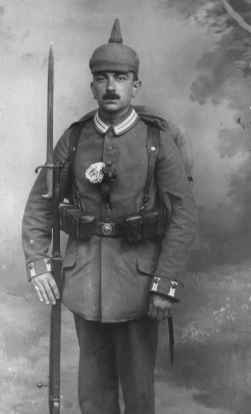
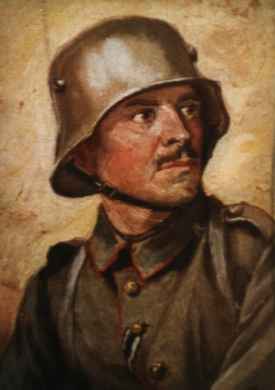
The Germans applied more scientific process to their design, which is why Nato helmets today look like the original German type, as it was most effective. From what I recall (I may be wrong), a Dentist designed the British 'pudding basin' type.
None of the troops liked them due to weight, but were ordered to use them, & it did reduce injuries.
Britain supplied the American troops in WW1 with 'pudding basin' type helmets.
French helmets had a type of crest on the top, to try and disperse any loads hitting them.
Good luck in your search for more info.
My comments are based on WW1 helmets, but I think that WW2 helmets were similar.
As has been said above the German helmets manufactured in a more scientific manner.
British helmets were made in a press. As the metal was pressed into shape, the metal became progressively thinner. So, the metal at the top of the head was much thinner than the rim.
I don't quite remember how the German ones were made. It was a multi stage process that resulted in a constant thickness all over the head.
It's a 1939 Brodie helmet? That's fairly interesting; the 1930s ones had a different liner to the older ones. Plus, they were superseded by the helmet that looks a bit like a turtle shell so it might actually be quite a rare find. Rust probably means it's worth less than either example on eBay, but does it have any markings that might suggest more history behind it?
http://www.ebay.co.uk/itm/WW2-BRODIE-STEEL-HELMET-...
http://www.ebay.co.uk/itm/1939-Marked-Mk1-Brodie-H...
What shape is the liner in? They must perish depending on the conditions they're stored in, so if it's half decent it might be a benefit.
If you're looking for other resources, you could try contacting some militaria websites and seeing what they might be able to tell you. Depending on if you'd sell it or not, they might even want to take it off your hands.
Otherwise, any idea why it might have been on a derelict farm? Would the farm's owner have a relative who served in the war? It could end up being a sort of family heirloom, or quite possibly worthless scrap to them.
TrotCanterGallopCharge said:
Cant help you with websites, but bit of info;-
Steel helmets came above in WW1 due to the high number of casualties with head wounds. Britain, France, Germany etc had statisticians analysing the wounds/deaths being found in Hospitals & the battlefields, & set about trying to reduce them.
I'm happy to be put right, but didn't the introduction of helmets actually increase the number of head injuries being treated, for the simple (albeit unpleasant) reason that prior to then any head impact from bullet or shrapnel was more likely to have been fatal?Steel helmets came above in WW1 due to the high number of casualties with head wounds. Britain, France, Germany etc had statisticians analysing the wounds/deaths being found in Hospitals & the battlefields, & set about trying to reduce them.
You may have had more people surviving/treated, but the main purpose was to reduce deaths/serious wounds. Not having any wound was better than even a small one, as wounds got infected, & you died from other causes. Having the steel helmet would have reduced some wounds to the top & sides of the skull, although bullets & close shell bursts could still go through.
Sadly, some people died becuase of wearing helmets. I've read of occasions when a shell would collapse an earth dugout, leaving just the soldiers boots showing. People trying to help would heave as hard as they could to get the soldier out before he suffocated, only to find they had broken his neck/suffocated him due to the chinstrap pulling at his neck when they tried to pull him clear.
Sadly, some people died becuase of wearing helmets. I've read of occasions when a shell would collapse an earth dugout, leaving just the soldiers boots showing. People trying to help would heave as hard as they could to get the soldier out before he suffocated, only to find they had broken his neck/suffocated him due to the chinstrap pulling at his neck when they tried to pull him clear.
Gassing Station | The Lounge | Top of Page | What's New | My Stuff