
Land Rover launches 309hp plug-in P300e
Yes, it's only a small step for a compact SUV lineup. But it's a giant leap for JLR

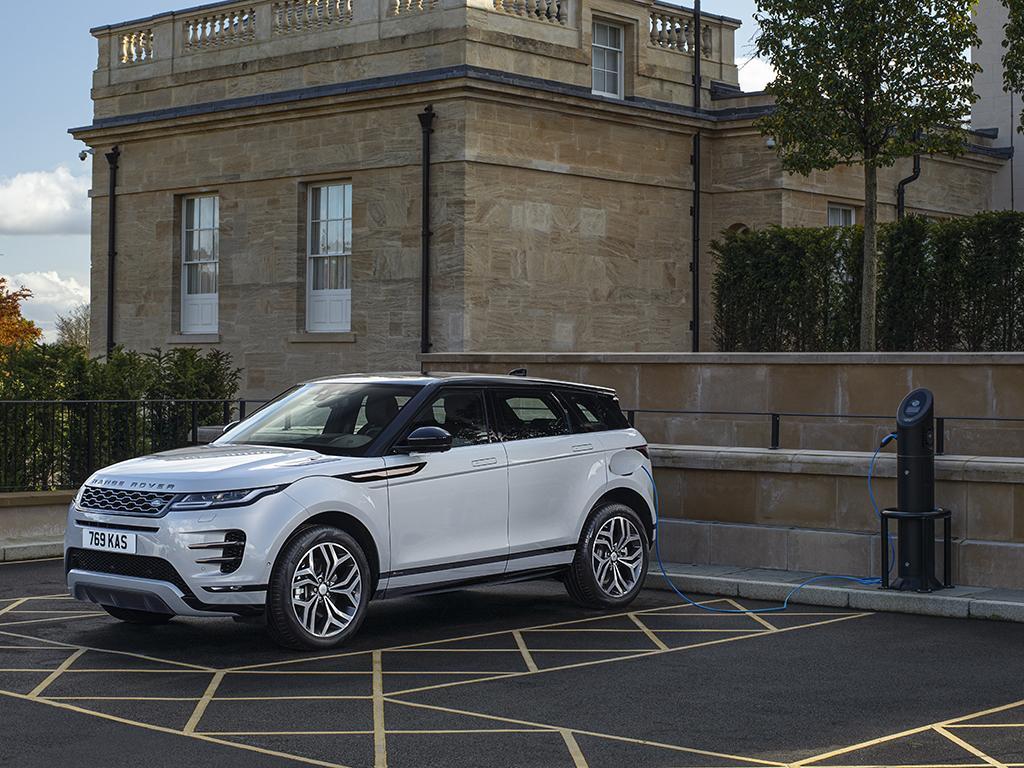
You'll have probably noticed that Jaguar Land Rover has made an impressively good job of launching an all-electric model before most of its direct rivals, yet has been woefully tardy in getting its head round the concept of a fully functioning plug-in hybrid. Well, that changes now: the new P300e - which debuts in the Land Rover Evoque and Discovery Sport, but is destined to end up pretty much everywhere - is a proper, designed-from-scratch-for-the-job petrol-electric hybrid. Not as technically ambitious as the I-Pace, perhaps - but something plenty of people have a proven interest in buying right now. And that's decidedly handy in the volume car-selling business.
Even on paper it's easily the most compelling hybrid powertrain JLR has come up with, not least because the headline figures look vaguely convincing. As the name sort of suggests, you get a combined 309hp and 398lb ft of torque - which is really the minimum you need to properly spirit a JLR platform around the place - and around 40 miles of battery range, which, as automotive industry likes to remind us, is the sort of distance that most of us do in a daily commute. Additionally, the method of getting to those numbers feels decade-appropriate: the P300e combines an electrified rear axle with a new 1.5-litre three-cylinder engine. That's right - the long-promised smallest Ingenium unit, driving the front wheels through a new eight-speed automatic gearbox.
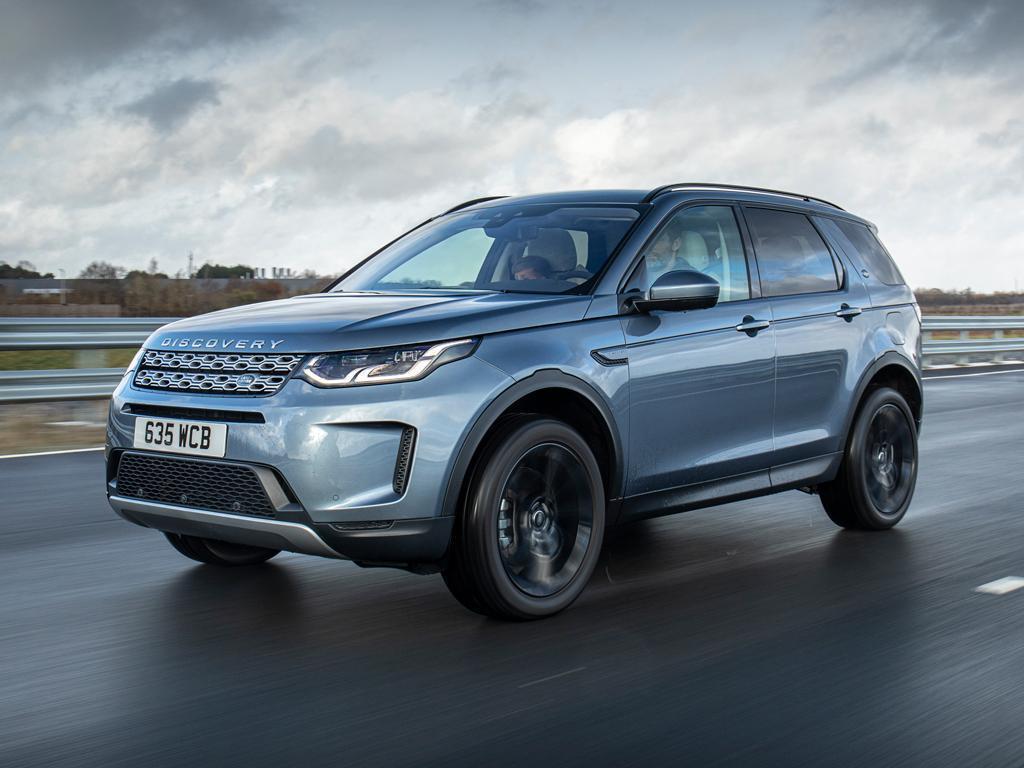
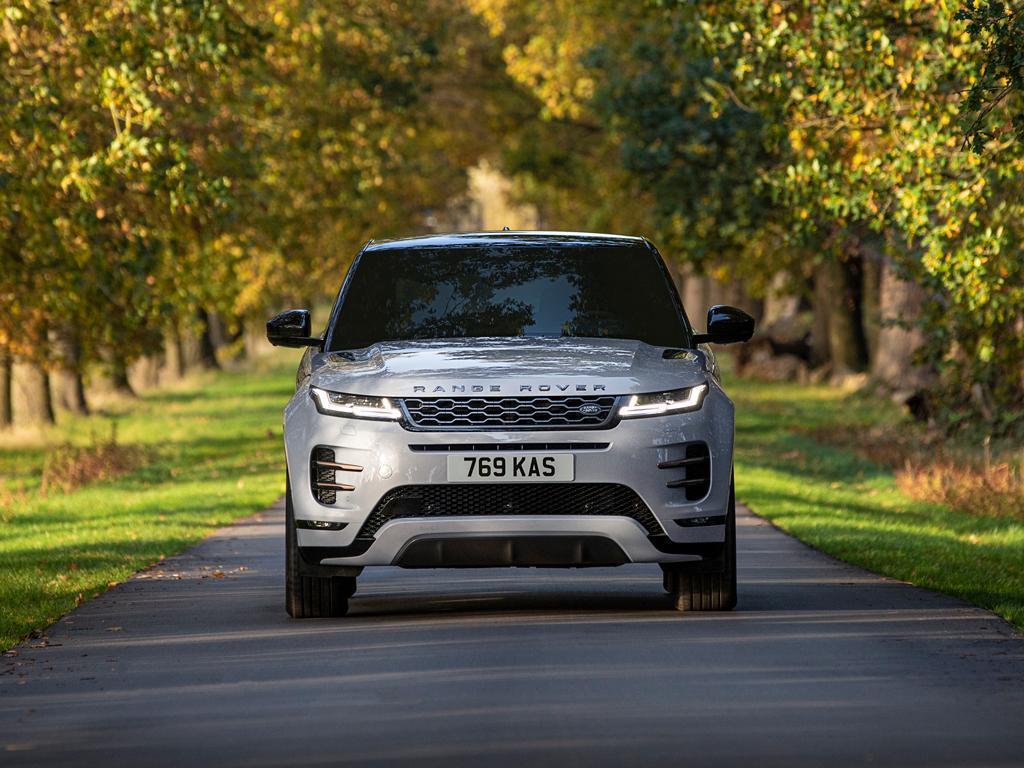
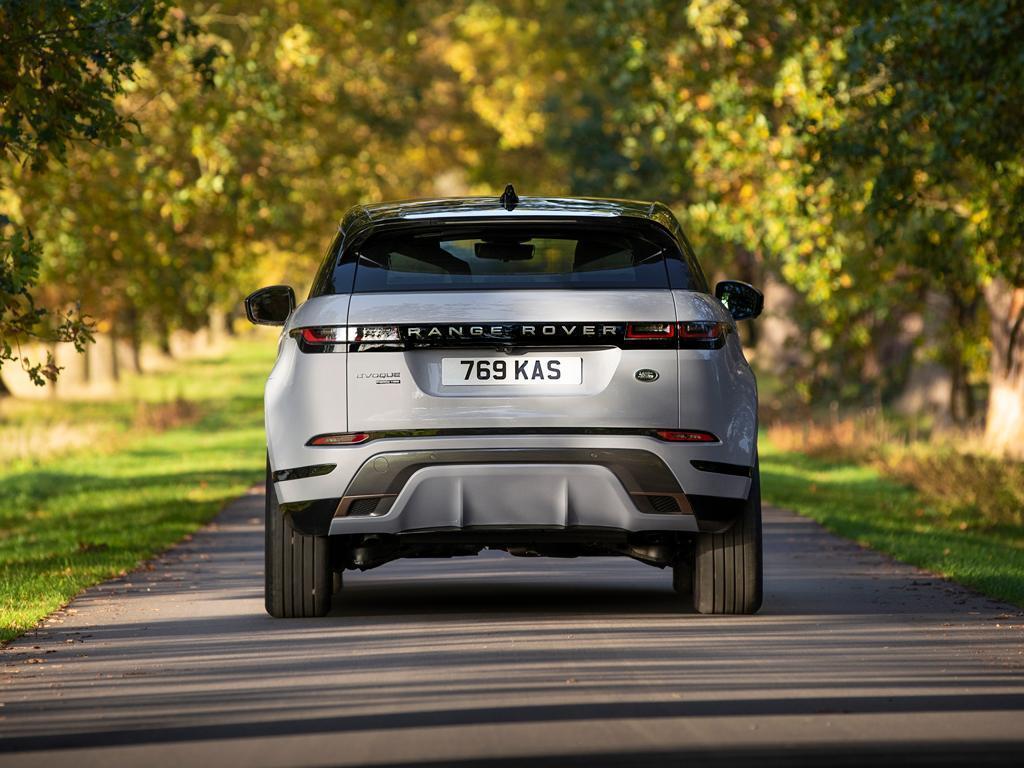
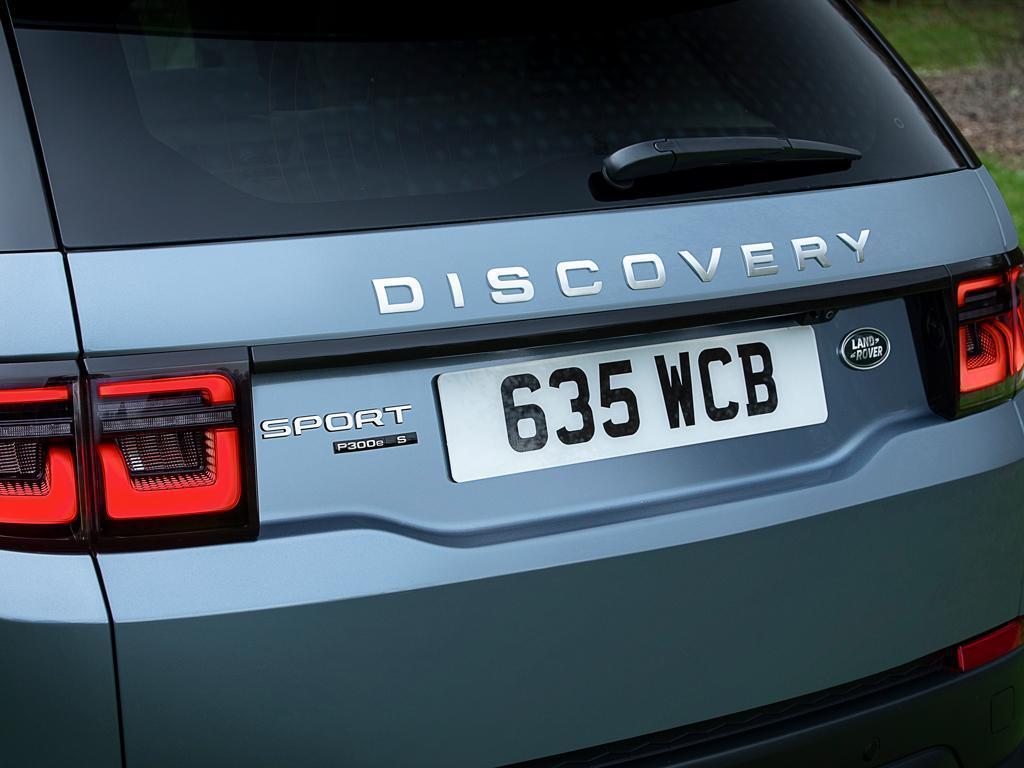
Land Rover has packaged all this newness in very familiar surroundings. The Evoque and Discovery Sport are perfect because a) the Premium Transverse Architecture beneath them was built with battery packaging in mind, and it leaves interior space largely untouched (though you can't have a P300e seven-seat Disco) and b) they are the brand's biggest global sellers. Thanks to the low-mounted 15kW lithium battery, the manufacturer claims 201.8mpg and 175.5mpg for the Evoque and Discovery Sport, respectively, alongside 32g/km and 36g/km CO2 emissions.
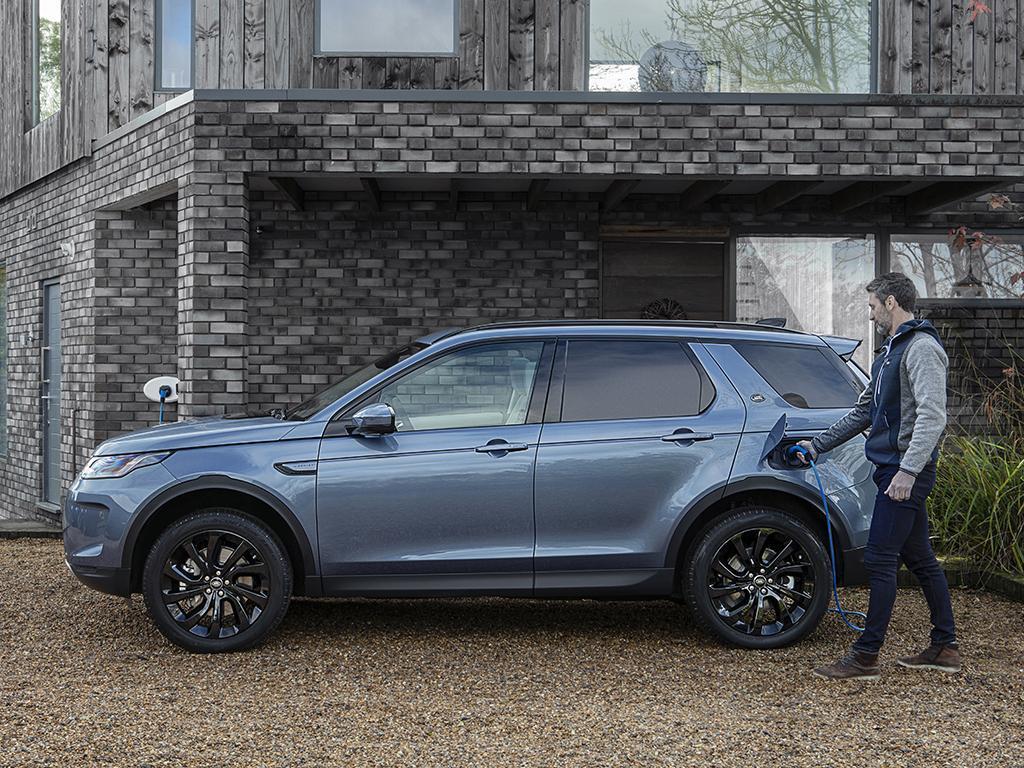
Even accounting for the usual hybrid nonsense, it's clear that those figures represent a sizeableadvantage over what is possible with JLR's combustion engines. And because the P300e PHEV battery maintains a proper hold on much more juice (when compared to the firm's mild-hybrid solution) it can more consistently enhance power and efficiency than an MHEV. With a belt-integrated starter generator to seamlessly kill and restart the engine, kinetic energy recovery hardware and an electric top speed of 84mph, the battery-powered rear axle's assistance can be prolonged and continuous, even on long journeys.
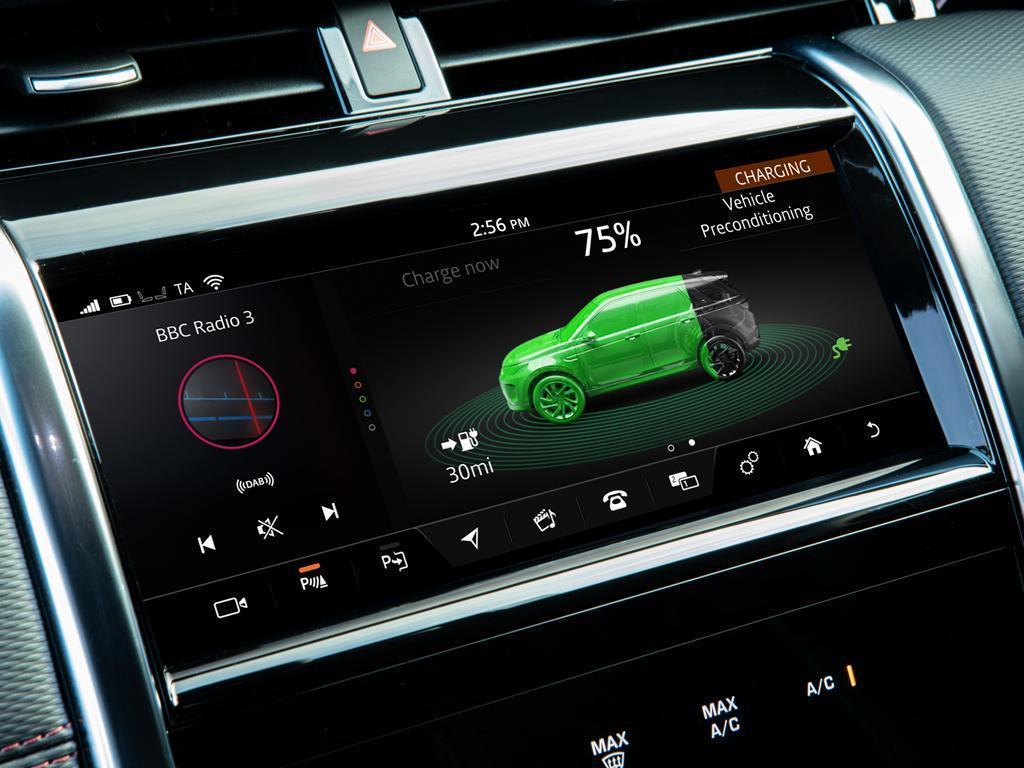
Peak output is achieved by combining the 200hp and 207lb ft of torque of the turbocharged 1.5-litre motor with the 109hp and 192lb ft of the e-axle, delivering all-wheel drive and a 0-62mph times of around 6.5 seconds for both models. The slightly lighter Evoque P300e (comparatively speaking at 2,082kg versus 2,093kg for the Disco Sport) can eke out 41 miles without waking the petrol motor, while the Disco Sport runs out of battery puff at 38 miles - not far off double what most other PHEV SUVs offer at the moment. And before you ask, rapid charging with a 50-100kW plug will get you 80 per cent capacity in just 30 mins in both cars (both convert the input to a max of 32kW).
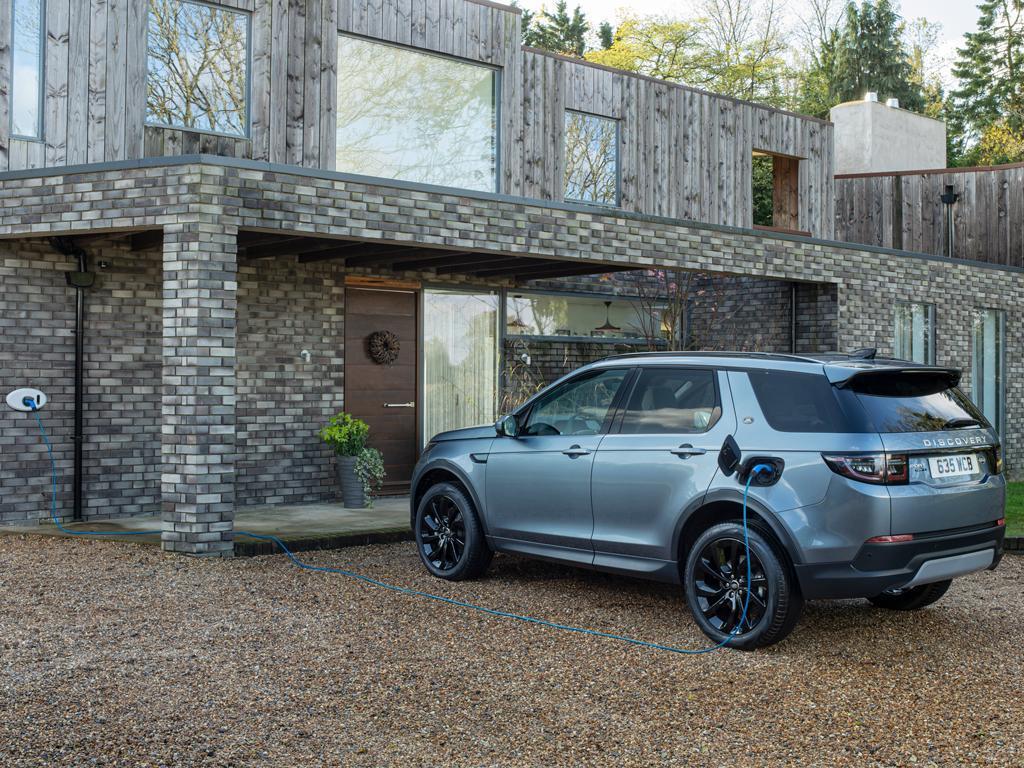
A domestic 7kW wallbox will, inevitably, take longer, but not much - Land Rover claims 80 per cent battery charge can be reached in one hour 24 minutes, while a full charge requires six hours and 42 mins, which for most of us is easily slotted into an overnight schedule. And the system is smart enough to pre-condition the batteries for maximum efficiency before you set off, with users able to remotely change settings on JLR's InControl Remote phone app. The P300e tech can even pre-set cabin temps on the climate control before you set off, so the plug power - rather than battery juice - is used.
That JLR's petrol engine looks similarly impressive speaks volumes for the technical leap made here. The three-pot, which is a cylinder and 37kg short of the modular four-pot that ranks above it, gets JLR's latest advancements including a manifold that's integrated into the aluminium cylinder head, while a water-cooled charge air cooler ensures inbound gases remain dense, boosting efficiency and throttle response. The new automatic transmission is said to be 5kg lighter and smoother shifting than the former nine-speed. And it all - even the new battery pack - remains protected so off-roading abilities are claimed to be unaffected. Land Rover has added a 6mm-thick steel undertray to be doubly sure.
Pack that all into the proven popularity of Land Rover's PTA-based SUVs and, on paper at least, things do appear promising. Neither model is what you'd call cheap - the Evoque starts at £43,850, the Disco Sport, £45,370 - but neither model has a reputation for affordability anyway. Land Rover will be betting that the claimed reduction in running costs (which ought to be significant for anyone indulging mostly in the school run) prove enticing to the established fan club. If the P300e turns out to be as convincing on the road as it appears on paper, expect the timely mix of old and new to fly from the shelves.
Read the PH Review of the new Land Rover Defender here




Seems like making a car heavier with batteries and electric motor, then fitting a smaller combustion plant that then has to drag this extra weight around is the pinnacle of inefficiency. Maybe if the engine charged the batteries but I find it commonplace that the plug in electric power is not replenished to any reasonable degree.
Also, 31 miles seems to be an almost standard figure, kudos that they gave it a bit more on this occasion but having to plug in so frequently for such a short distance to make it worthwhile doing all this seems like a pain for a lot of users.
Full electric - sure, if suits you
ICE - why not, worked for years
Normal hybrids - not having to finding a charging spot and running it like a normal car
Plug-ins - not getting it, like have electric but with more insane range anxiety or the consequence that when the electric runs out, your mpg is theoretically worse than the straight petrol/diesel version of the same vehicle
Range anxiety on a plug in? Nope.
Doesn’t sound like a Massey Ferguson. Good
Why would you want the engine to full charge the battery, it’s like soap, the more you handle energy the more you lose. The whole idea of running to empty is you can fill it back up from the grid off peak/renewable/at night on bonkers cheap EV tarriffs.
Oh and it’s got in excess of 300bhp!
Clearly the CO2 is pretty key for emerging EU requirements and as a hope on hold onto company car buyers leaving diesels for electric cars.
Seems like making a car heavier with batteries and electric motor, then fitting a smaller combustion plant that then has to drag this extra weight around is the pinnacle of inefficiency. Maybe if the engine charged the batteries but I find it commonplace that the plug in electric power is not replenished to any reasonable degree.
Also, 31 miles seems to be an almost standard figure, kudos that they gave it a bit more on this occasion but having to plug in so frequently for such a short distance to make it worthwhile doing all this seems like a pain for a lot of users.
Full electric - sure, if suits you
ICE - why not, worked for years
Normal hybrids - not having to finding a charging spot and running it like a normal car
Plug-ins - not getting it, like have electric but with more insane range anxiety or the consequence that when the electric runs out, your mpg is theoretically worse than the straight petrol/diesel version of the same vehicle
Personally, I think many of these plug ins don't ever get plugged in, I have seem many up for sale second hand with the cables never taken out of their bags.
Given the implications of battery installation (disposal and initial raw materials), I would prefer if batteries were limited to 100% EV's, and self charging cars (like Mitsubishi and Lexus to name but 2) where they are definitely going to be used, and this whole (never) plug in hybrid thing was stopped.
I’m not the target market and honestly couldn’t see myself ever buying an SUV unless I had both access, and inclination, to go smashing around off road. This will do neither.
If you don’t go off-road, why make the compromises of someone who does?!
Seems like making a car heavier with batteries and electric motor, then fitting a smaller combustion plant that then has to drag this extra weight around is the pinnacle of inefficiency. Maybe if the engine charged the batteries but I find it commonplace that the plug in electric power is not replenished to any reasonable degree.
Also, 31 miles seems to be an almost standard figure, kudos that they gave it a bit more on this occasion but having to plug in so frequently for such a short distance to make it worthwhile doing all this seems like a pain for a lot of users.
Full electric - sure, if suits you
ICE - why not, worked for years
Normal hybrids - not having to finding a charging spot and running it like a normal car
Plug-ins - not getting it, like have electric but with more insane range anxiety or the consequence that when the electric runs out, your mpg is theoretically worse than the straight petrol/diesel version of the same vehicle
Majority of my journeys are well below 40 miles, I can charge the car at home, I would love to run it around town in a quiet mode, virtually free and then at the same time if I need to go on a long journey I don't have to look for chargers, there's no range anxiety and at 70mph wind, tyre and other cars' noise is already prevalent enough for my own small engine not making any difference to sound experience.
Did Land Rover tell you it was the 11kg separation that made the difference here?
Current commute is a 30 mile round trip 4 days a week and approx 50 one day a week. Maybe once or twice a month I’ll head out and do a couple of hundred miles in a day
Price doesn’t seem too bad and I’d imagine it’s going
To be cheap in bik as a company car option
Where I work quite a few people have them as company cars and can plug in at work. If I had one I could get to and from work on a single charge so fuel costs for 90% of journeys would be very low.
However, I don't like the facelift, inside and out and the Evoque is too small. Also, to spec this to the level of my current DS, a HSE with a couple of options, I'd probably be looking at mid to late £50k. 55 grand opens up a lot of other car options.
I've a perfect potential EV charging area round the side of my house. What are the costs involved in getting one?
I live in the home counties, have a garage and I drive to work each day, about 20/25 mile round trip. Have 2 kids and some weekends i like to visit the grandparents who live 100+miles away. I do the usual short trips to the supermarket, kids clubs etc. A few times a month I also drive into London to see mates.
I want an SUV (or estate) because of the load capacity. I can do 99% of my journey's purely on EV power because every night I plug the car in. I hardly visit a petrol station. When I want to do the longer journey's, yes I'm hauling the extra battery weight but I have zero range anxiety and the slightly reduced mpg from that journey doesn't even come close to wiping out the gains I make on a daily basis.
PHEV really works for me. Admittedly I'm probably in a small minority and yes, PHEVs aren't that cheap and the EV range could be improved (I think it will, just look at the new BMW X5).
Not for everyone, sure, but a great option for some who don't want to take the full EV step. It must make sense for manufacturers or else why the proliferation of them in recent years??
BMW have been doing it better for the last 2 years.
Or you can buy and install an older unit second hand for about £200-300.
Or you could have a heavy duty, external 3-pin socket installed and slow charge every day for less than £200 considering the wiring involved (distance from consumer unit etc).
BMW 530e M Sport is a bill of £2003 per year for a 40% tax payer.
£4999 (£416.58 per month) of your hard earned stays in your pocket each year and you get a car that performs, looks and feels pretty much the same.
Seems like making a car heavier with batteries and electric motor, then fitting a smaller combustion plant that then has to drag this extra weight around is the pinnacle of inefficiency. Maybe if the engine charged the batteries but I find it commonplace that the plug in electric power is not replenished to any reasonable degree.
Also, 31 miles seems to be an almost standard figure, kudos that they gave it a bit more on this occasion but having to plug in so frequently for such a short distance to make it worthwhile doing all this seems like a pain for a lot of users.
Full electric - sure, if suits you
ICE - why not, worked for years
Normal hybrids - not having to finding a charging spot and running it like a normal car
Plug-ins - not getting it, like have electric but with more insane range anxiety or the consequence that when the electric runs out, your mpg is theoretically worse than the straight petrol/diesel version of the same vehicle
It's designed for a commute.
My commute is 18 miles each way. I then do some sporadic longer journeys in the week.
With my current ICE car, I get around 40 mpg.
With this, I could do my commute for, say, 4 days a week on electric and virtually free, especially if I can charge at work.
The longer journeys I do will be at a lower mpg than the ICE car, but when combined with my "free" commuting from the rest of the week, I should be better off.
Seems like making a car heavier with batteries and electric motor, then fitting a smaller combustion plant that then has to drag this extra weight around is the pinnacle of inefficiency. Maybe if the engine charged the batteries but I find it commonplace that the plug in electric power is not replenished to any reasonable degree.
Also, 31 miles seems to be an almost standard figure, kudos that they gave it a bit more on this occasion but having to plug in so frequently for such a short distance to make it worthwhile doing all this seems like a pain for a lot of users.
Full electric - sure, if suits you
ICE - why not, worked for years
Normal hybrids - not having to finding a charging spot and running it like a normal car
Plug-ins - not getting it, like have electric but with more insane range anxiety or the consequence that when the electric runs out, your mpg is theoretically worse than the straight petrol/diesel version of the same vehicle
Personally, I think many of these plug ins don't ever get plugged in, I have seem many up for sale second hand with the cables never taken out of their bags.
Given the implications of battery installation (disposal and initial raw materials), I would prefer if batteries were limited to 100% EV's, and self charging cars (like Mitsubishi and Lexus to name but 2) where they are definitely going to be used, and this whole (never) plug in hybrid thing was stopped.
I can't speak for all who buy PHEV's but I definitely charge my i8 regularly as it take 2 hours to fully charge from flat and only use about a tanks worth of fuel every 3-4 weeks. The battery has just about enough to runabout in for groceries etc but even on longer motorway runs the efficiency of the whole package works well as it effectively coasts on the battery at speed meaning I get much better range overall than in town. Obviously there is never any range anxiety either so I don't really have to ever plan in advance.
The fact that I pay no road tax, no ULEZ, no congestion charge and get 4 hours free parking in Central London when charging is a win for me too!
...
when the electric runs out, your mpg is theoretically worse than the straight petrol/diesel version of the same vehicle
However, even if you never charge the battery from the mains you still have an advantage. Normally you have to size the engine for the peak power demand (300hp). However, it's rare that you use the full 300hp - perhaps when accelerating up a sliproad to join a motorway, or leaving a junction on a dual carriageway, you might deploy full power for a few seconds until you reach your chosen cruising speed. Once you're at a steady 80mph, you're only using about 50hp to keep the car going.
By having a battery to supply the temporary peak demand, you can fit a smaller petrol engine which provides your 50hp more efficiently (less internal friction, lower pumping losses), and still have the peak performance you need.
And as soon as you slow down, you're recharging the batteries rather than wasting the energy as heat in the discs.
Unless you want to cruise at 155mph+ on an autobahn, or go on a trackday, you'll never achieve an average power demand over 200hp for long enough to drain the battery. Probably not a big problem for most buyers in this country.
Personally I really liked my Panamera Hybrid. Plugged it in every night, drove to work and back on electric, and put it in hybrid mode for longer runs and still had decent fuel economy, not apples and apples but it was 10% or so better than my Cayenne V8 diesel which had similar performance.
It sounded good, it went well, and unless you’re an idiot who never plugs it in or you live at the top of Grossglockner then you’ll never run the battery out far enough to experience degraded performance.
Only downside was the iffy pedal feel from the ibooster which is still pretty much universal to any mainstream vehicle with regent braking.
Genuinely regret selling it, even though I love my Jag.
Gassing Station | General Gassing | Top of Page | What's New | My Stuff