
Amphibious C-130 in the pipeline
Discussion


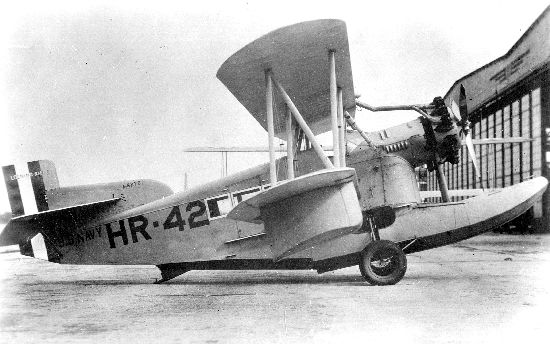

Good grief. I thought Johnny American used huge hovercraft for those sorts of missions - to run straight up the beach or across marshland.
Reminds me of the extraordinary Russian ekranoplan,
"The Lun-class ekranoplan is a ground effect vehicle designed by Rostislav Alexeyev in 1975 and used by the Soviet and Russian navies from 1987 until sometime in the late 1990s. It flew using lift generated by the ground effect acting on its large wings when within about four metres (13 ft) above the surface of the water. Although they might look similar to traditional aircraft, ekranoplans like the Lun are not classified as aircraft, seaplanes, hovercraft, or hydrofoils. Rather, crafts like the Lun-class ekranoplan are classified as maritime ships by the International Maritime Organization due to their use of the ground effect, in which the craft glides just above the surface of the water. The ground effect occurs when flying at an altitude of only a few meters above the ocean or ground, the wings push air downwards where it is compressed between the wings and ocean surface. This causes higher pressure under the wings and creates lift. This effect does not occur at high altitude."
Reminds me of the extraordinary Russian ekranoplan,
"The Lun-class ekranoplan is a ground effect vehicle designed by Rostislav Alexeyev in 1975 and used by the Soviet and Russian navies from 1987 until sometime in the late 1990s. It flew using lift generated by the ground effect acting on its large wings when within about four metres (13 ft) above the surface of the water. Although they might look similar to traditional aircraft, ekranoplans like the Lun are not classified as aircraft, seaplanes, hovercraft, or hydrofoils. Rather, crafts like the Lun-class ekranoplan are classified as maritime ships by the International Maritime Organization due to their use of the ground effect, in which the craft glides just above the surface of the water. The ground effect occurs when flying at an altitude of only a few meters above the ocean or ground, the wings push air downwards where it is compressed between the wings and ocean surface. This causes higher pressure under the wings and creates lift. This effect does not occur at high altitude."
shouldbworking said:
Are there loads of cases of needing a medium sized ground force to be deployed somewhere where there is no rough field landing but there is a massive lake nearby?
My guess would be the island hopping campaign the US expects to fight in the Pacific at some point. Each island gets a few Hercs land near a beach, ramp down and few semi-amphibious transports pop out carrying a few NSM type missiles etc.How practical that would actually be IRL I've no idea as the sea state has to be pretty calm to amphibian take-offs/landings which limits your option and makes a parachute option more likely if the island terrain allows it.
Eric Mc said:
Ekranoplans were a waste of time and effort. There's a reason why they never became operational.
How about this concept -

When I was a kid I was given an old 'Jane's All the World's Aircraft' book by a family friend who was working at British Aerospace. I distinctly remember an artist's impression of a C-130 with a hovercraft skirt in lieu of it's regular retractable undercarriage. My 8 year old self couldn't understand why it wasn't yet real. It was just like Thunderbirds!How about this concept -
They've been muttering about a C-130 on floats for many, many years. About every 10 years or so an artists impression gets released, but it never seems to get any further.
The only difference I can see compared to the old ones is this one is based on a 'J' model, otherwise very similar to what's been proposed before.
The only difference I can see compared to the old ones is this one is based on a 'J' model, otherwise very similar to what's been proposed before.
Thai Air Force already tried it - https://www.airliners.net/photo/Thailand-Air-Force...

Gassing Station | Boats, Planes & Trains | Top of Page | What's New | My Stuff