
DIY EVAP/intake smoke leak tester vape idea - will it work?
Discussion


I'm currently chasing down what I think might be an intake leak. It's not the first time and my usual garage doesn't have a smoke tester which makes getting it done elsewhere a bit of a pain (and expensive for what it is).
I've seen various DIY solutions involving jars with some sort of rag/oil in and a heat source (usually a soldering iron) but these look a bit fiddly for a so-so end result. Inspired by those that drive around exhaling huge clouds of vapour from their car windows, I want to do something similar to the below as shown by my best MS Paint skills using a compressor and vape pen/box:

As the picture hopefully shows, I want to feed in a constant stream of air (maybe 2-5psi so as not to blow apart any components), hopefully creating a venturi effect and enough pressure to activate the vape pen spiced into the line with a "T" section, creating a steady plume of smoke to hopefully identify any air leaks.
Having never vaped, I don't just have one lying around to try, but I'm willing to spend £20 or so on bits if it will achieve the desired outcome.
So, in theory, will this idea work or should I stick to the methods known to be reliable?
If so, the question is as much for vapers as it is mechanics - any recommendations on a cheap vape pen that will create enough vapour for the job in hand?
Edit - not 100% sure I mean the venturi effect... physics at school was a long time ago. But... whatever it's called where high pressure air draws in from an opening it's passing as shown.
I've seen various DIY solutions involving jars with some sort of rag/oil in and a heat source (usually a soldering iron) but these look a bit fiddly for a so-so end result. Inspired by those that drive around exhaling huge clouds of vapour from their car windows, I want to do something similar to the below as shown by my best MS Paint skills using a compressor and vape pen/box:
As the picture hopefully shows, I want to feed in a constant stream of air (maybe 2-5psi so as not to blow apart any components), hopefully creating a venturi effect and enough pressure to activate the vape pen spiced into the line with a "T" section, creating a steady plume of smoke to hopefully identify any air leaks.
Having never vaped, I don't just have one lying around to try, but I'm willing to spend £20 or so on bits if it will achieve the desired outcome.
So, in theory, will this idea work or should I stick to the methods known to be reliable?
If so, the question is as much for vapers as it is mechanics - any recommendations on a cheap vape pen that will create enough vapour for the job in hand?
Edit - not 100% sure I mean the venturi effect... physics at school was a long time ago. But... whatever it's called where high pressure air draws in from an opening it's passing as shown.
Edited by Tc24 on Sunday 20th February 11:18
Edited by Tc24 on Sunday 20th February 11:26
You'll get a lot more smoke from smoke pellets or smoke matches like used for testing the draw of domestic chimneys & leaks in drains & pipework & you won't need to mess about trying to create suction as you would with the vape pen.
Both available from various places incl screwfix where the pellet type are £4.48 for a box of 10.
Toolstation list matches as £1.98 for a box of 25.
Both available from various places incl screwfix where the pellet type are £4.48 for a box of 10.
Toolstation list matches as £1.98 for a box of 25.
Edited by paintman on Sunday 20th February 11:43
paintman said:
You'll get a lot more smoke from smoke pellets or smoke matches like used for testing the draw of domestic chimneys.
Both available from various places incl screwfix where the pellet type are £4.48 for a box of 10.
Toolstation list matches as £1.98 for a box of 25.
Good shout, I'd thought about smoke pellets but wanted something more "on demand" which is where the idea of the vape pen came from. But, if I'll get more smoke from the pellet then I'm more likely to find the leak. Both available from various places incl screwfix where the pellet type are £4.48 for a box of 10.
Toolstation list matches as £1.98 for a box of 25.
Replace the vape with a paint tin and smoke pellet then? Still draw it into the pipe with the same method?
paintman said:
Positive pressure will help the smoke to find any holes.
Guess it will depend how much oxygen the pellets need to burn.With the setup above, it'll only get whatever air goes into the tin initially. I'll experiment with a couple of holes in the bottom or similar when I try it.
steveo3002 said:
been thinking i need a smoke tester ....whats so hard about a soldering iron in a jar ? sounds pretty cheap /easy to me
They're an underrated tool.Unless I use my nice gas iron that I'd rather not silicone to a jar, trailing a cable round with the compressor hose is a pain, plus I'd have to buy a cheap iron to do it anyway.
In case anyone wants to do similar... I ended up getting the 10 smoke pellets from Toolstation, lit one and dropped it in one of these hooked up to the compressor:
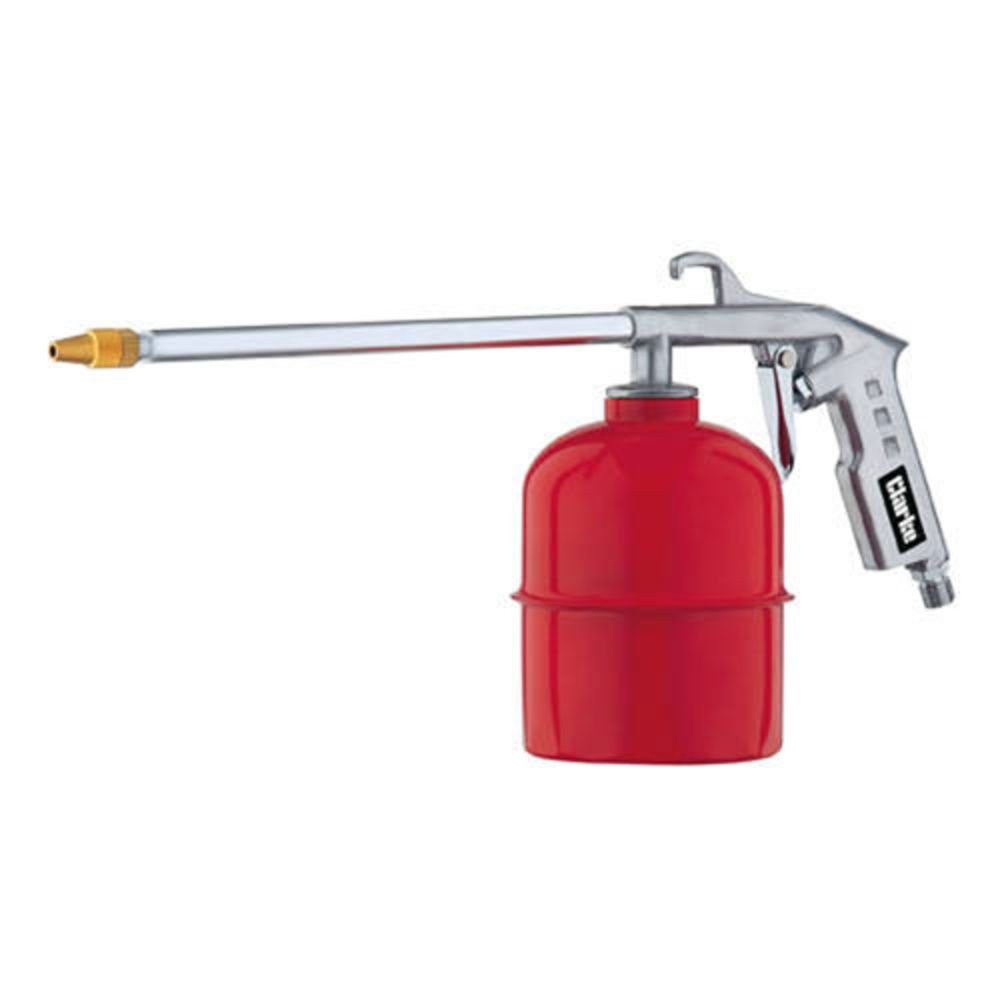
Stuck one of these over the nozzle to ensure good fit into intake:

Produced plenty of smoke in the right direction (albeit the pellets don't last long), but no leaks to be found on this occasion.
Stuck one of these over the nozzle to ensure good fit into intake:
Produced plenty of smoke in the right direction (albeit the pellets don't last long), but no leaks to be found on this occasion.
From my spanner turning days.
First choice.
Stethoscope. Cheap and it's surprising just how loud a vacuum leak can be.
Second choice.
Carb spray. Works, but to be used with caution. If possible disconnect the upstream O2 sensor so it doesn't compensate, and have the engine running at idle. Then a very, and I mean very gentle spray round the suspect area. When the engine revs rise, you're in the right area.
Third choice was the smoke machine, which always seemed to be broken at the garages I worked for.
First choice.
Stethoscope. Cheap and it's surprising just how loud a vacuum leak can be.
Second choice.
Carb spray. Works, but to be used with caution. If possible disconnect the upstream O2 sensor so it doesn't compensate, and have the engine running at idle. Then a very, and I mean very gentle spray round the suspect area. When the engine revs rise, you're in the right area.
Third choice was the smoke machine, which always seemed to be broken at the garages I worked for.

Just reviving this as im keen to try this out to find a potential air leak! Did OP have much success
I bought a manual pump where there is an inlet and an outlet pipe. I was considering using smoke pellets or smoke matches from a DIY store to produce the smoke.
They claim to not leave residue but would these be considered safe to use on a cars intake sytstem??
I bought a manual pump where there is an inlet and an outlet pipe. I was considering using smoke pellets or smoke matches from a DIY store to produce the smoke.
They claim to not leave residue but would these be considered safe to use on a cars intake sytstem??
Gassing Station | Home Mechanics | Top of Page | What's New | My Stuff