
Daimler Double-Six Series III | Spotted
The Series III was an old car even when new, but time has done little to dent its appeal
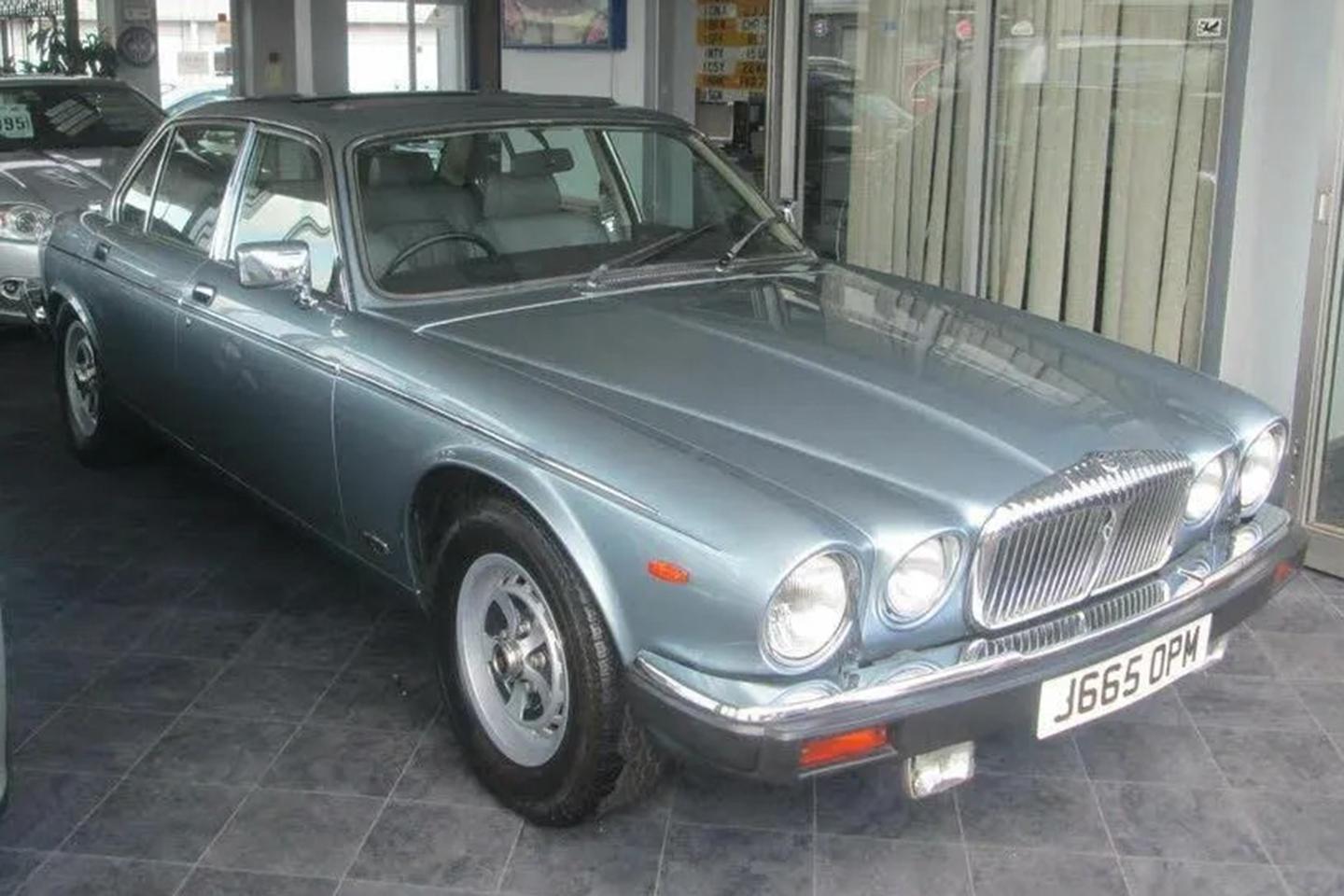
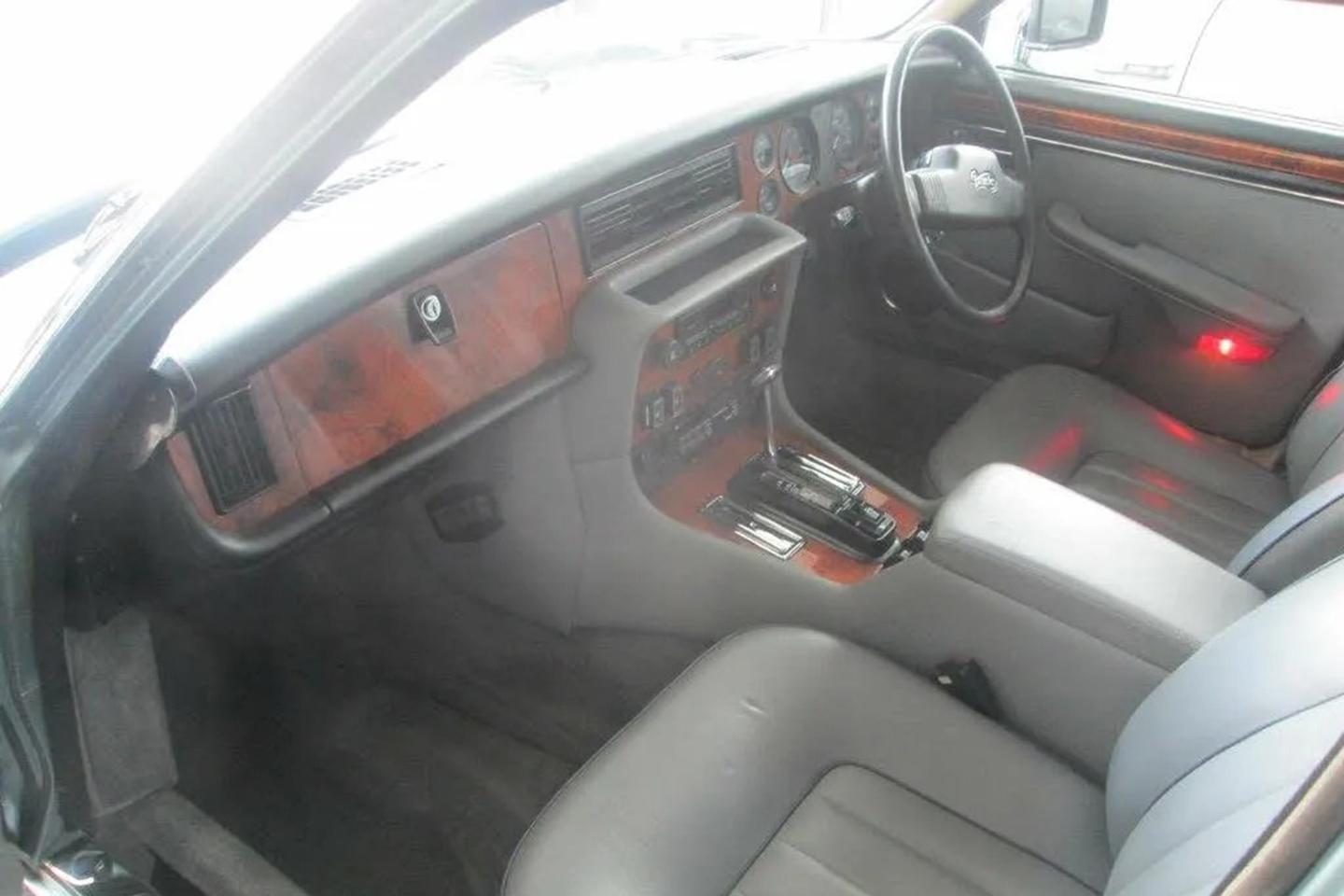
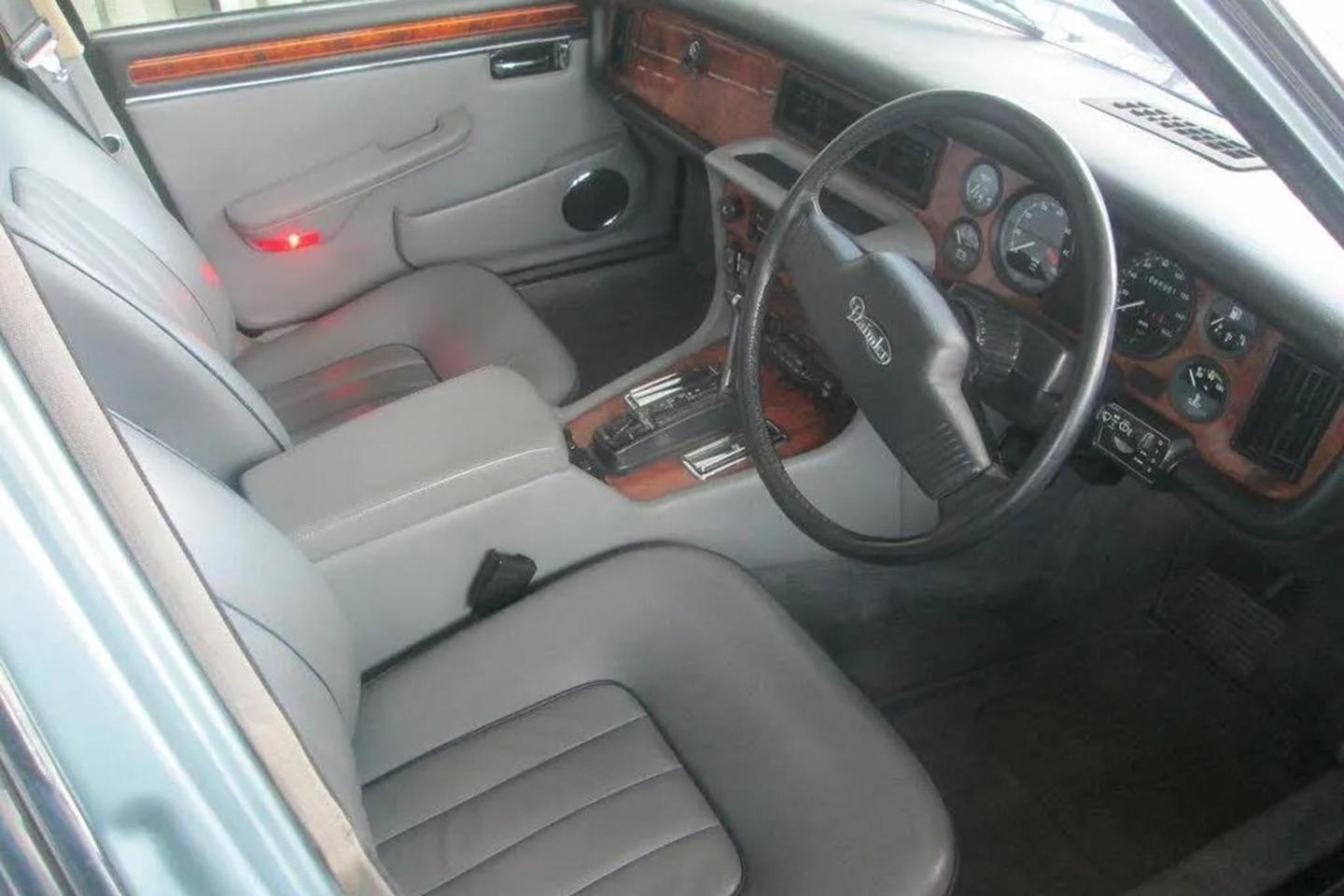
How long is the typical lifespan of a car? Eight to ten years on average? There have been exceptions, of course - most notably the Volkswagen Beetle, Citroën 2CV and Land Rover Defender, all of which soldiered on for many decades. But, as loveable as those cars were, by the time they called it a day they felt like the relics they were. Now, the same could be said of the Series III. Focus on certain aspects, like the great slab of wood across the dashboard and the mass of Smiths dials set into it, and it looks every bit the 60s creation it was. Here's the difference, though: if a luxury car is all about comfort, Sir William Lyons' last creation was still the one of the best-riding cars you could buy in 1992 - the year the last Series III rolled off the line at Browns Lane, some 24 years after the first Series I had done so.
I love the Series III. I bought one when I was 19 - much to the amusement of my mates, who were cherry-bombing about in XR2s and the like. I just loved everything about it, and my Antelope (brown) car was completely and utterly... terrible. It was, what we called in the trade, 'a proper old nail.' I'd bought it out of exasperation. After looking at a dozen or so cars that fitted into my meagre budget, when I turned up and saw my 'nightmare in waiting' it seemed like the best of a bad lot. So I thought "Oh, what the hell." It looked okay from ten feet away, mainly because the brown paint hid the other bits of brown bubbling up through the body like rusty springs, and the interior wasn't bad, either.
But mechanically it needed plenty of work. That was no problem, though. At the time, I was an apprentice with a Jaguar dealer, so I thought I could cope. And I did, just, but honestly, it was like painting the Forth Bridge - every time I thought I'd finished, something else would break or fall off. Like when my next-door neighbour asked if I would chauffeur the bridesmaids to his wedding. "Of course, I'd be honoured", I said. Then, with less than a week before his nuptials, a cam follower sleeve came unstuck signalling, with a loud tapping noise, that I had a code red. I had to rebuild the head with great haste, which I did. And I was very pleased with myself when it was parked outside the church, having got the bridesmaids there on time, right up until one of the guests strolled over casually, cast his eyes over my pride and joy, and said "That yours, is it? Seen better days, hasn't it."
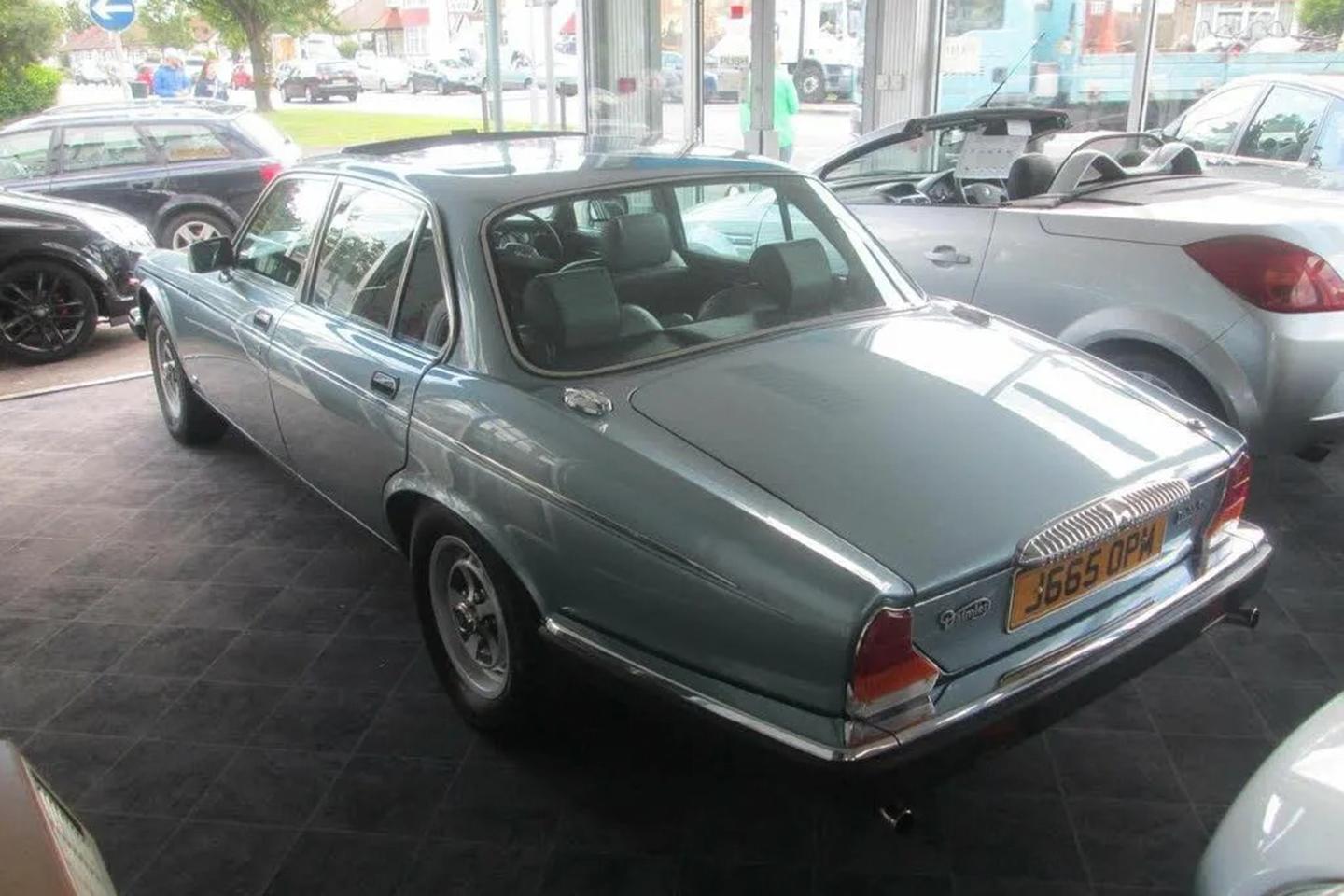
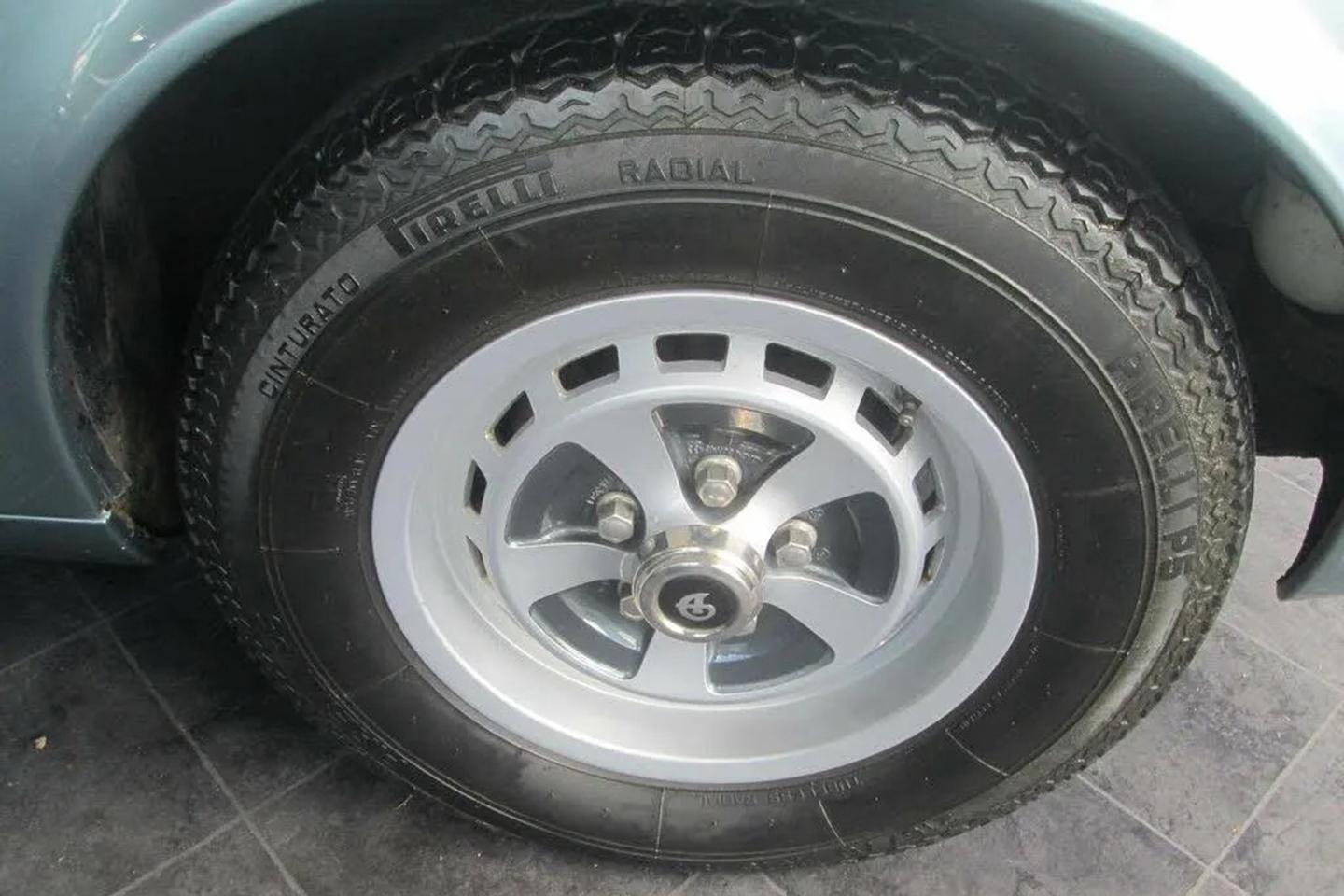
So it was far from a Pebble Beach contender, that's true. Yet when it was moving, even 'The Old Nail' could still amaze with its sublime ride. Like a wounded animal that still knows instinctively to protect its young at all costs, the Series III knew the one thing it had to do, above all else, was protect its occupants from bumps in the road. It was unfailingly comfortable, which was a testament to the great engineering that Jaguar could produce with half the budget of the mighty Mercedes.
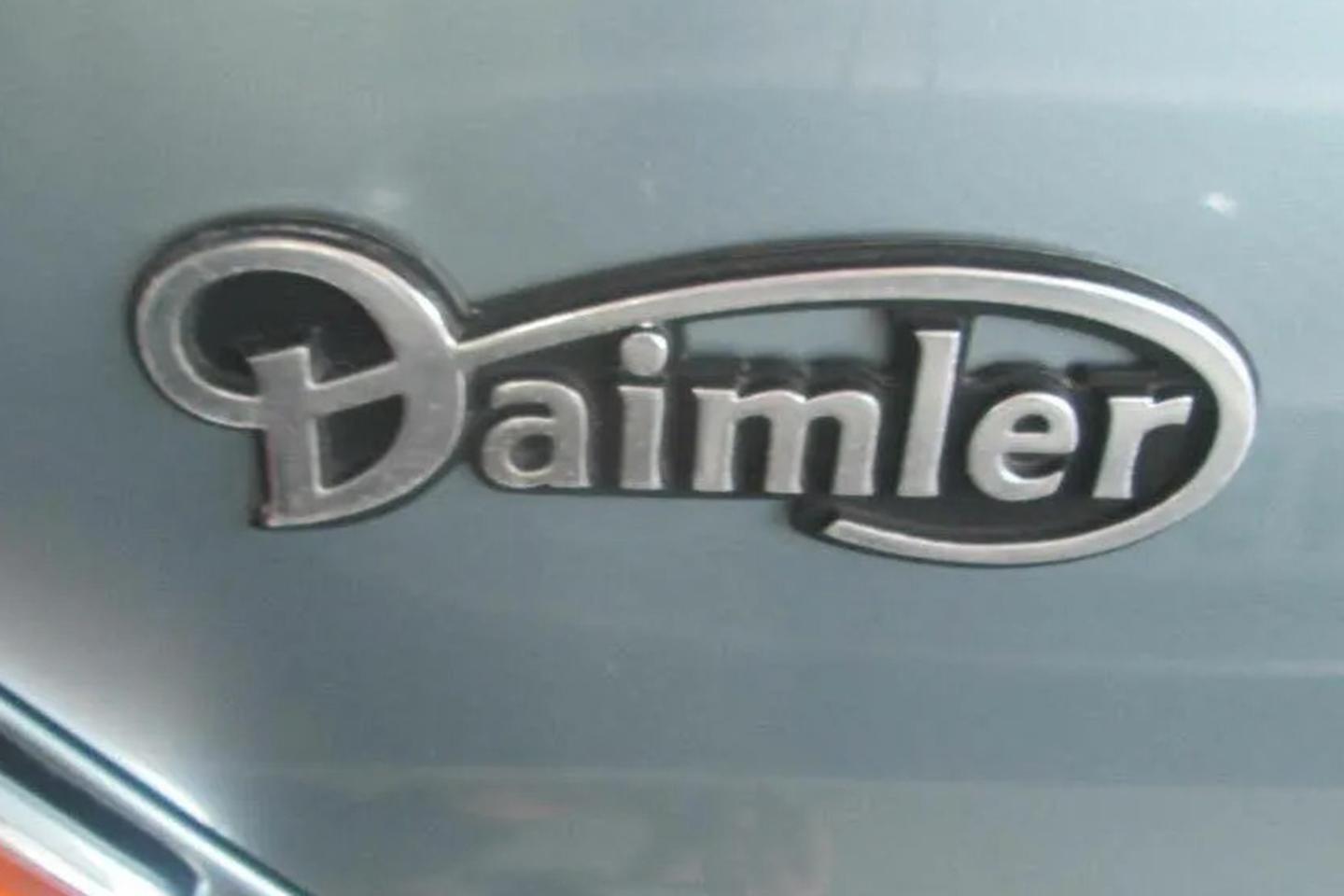
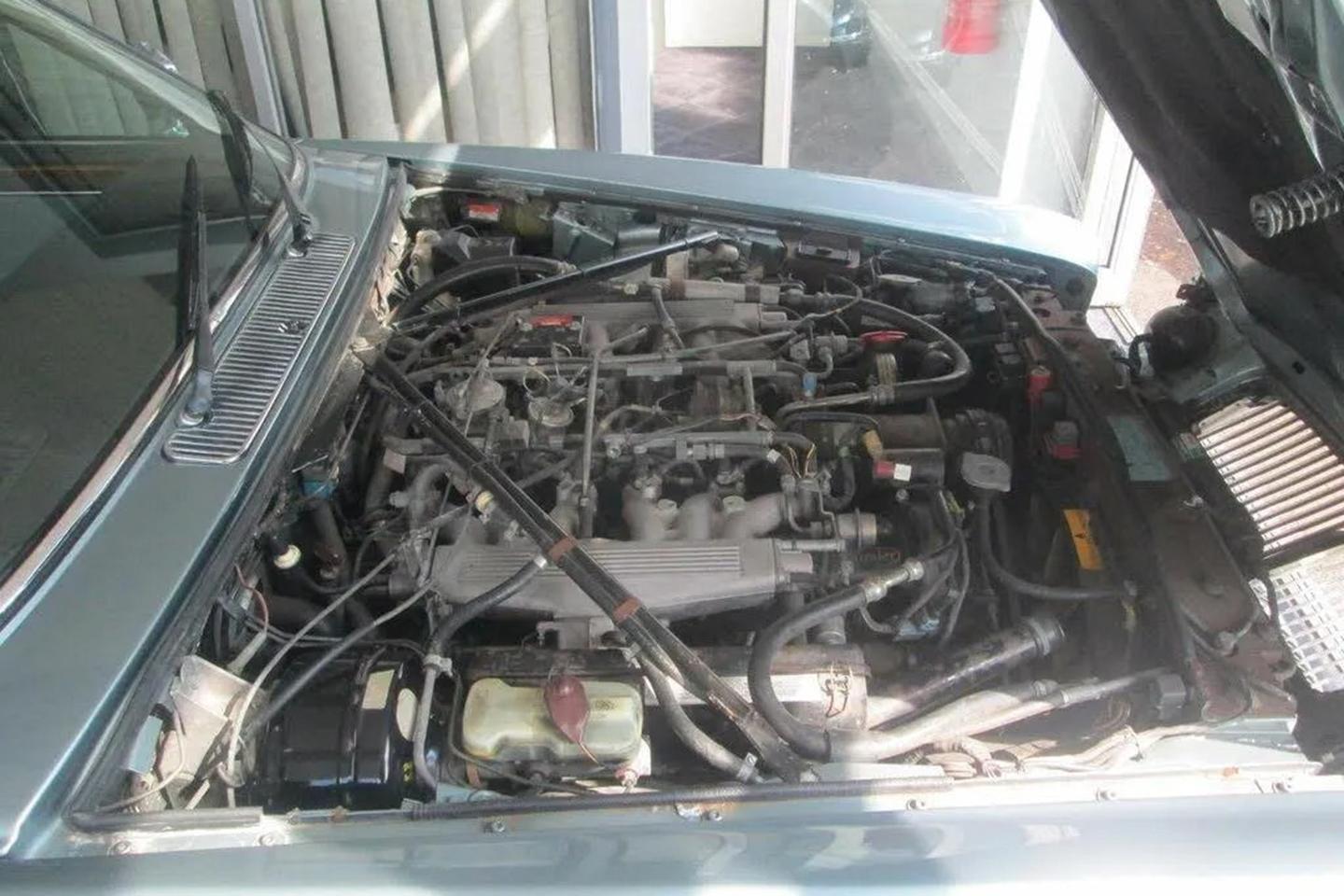
Like this car, mine wasn't badged a Jaguar. It was also a Daimler, which gave it that bit more cache. It was a 'Six' and not a 'Double Six' like this one and, as I've disclosed, it wasn't in this condition, either. This car appears to be in superb fettle. Being a 1991 car, it's not far from the end of the production run and well into the reign of the XJ40, but its way more beautiful that its more modern, angular cousin. The design, which Pininfarina so skilfully updated for the Series III, remains effortlessly elegant to this day. It's got just 64,000 miles on the clock, which is nothing for the V12 - mechanically it's dependable, as long as it's serviced well.
The main issues tend to be fuelling and ignition related, and air leaks from the vast number of vacuum pipes. The Borg Warner gearbox can be a little clunky, too, but not terrible. Just make sure you change the fluid and the filter regularly, and the same is true of the diff oil as well. Of course, the main thing is that a Series III should drive well. Don't expect sharp steering, because you won't find it. The power steering is vaguer than someone with concussion, but it should still be relatively accurate. If it's not, then you should check the rack bushes, which split. And, of course, the ride should be faultless and quiet. If it's not, check for cracked springs, broken drop links, worn dampers and expired bushes. But if you buy a good one, which this one seems to be, and keep on top of the maintenance, you'll have a wonderful, rewarding classic car to cherish.
SPECIFICATION | DAIMLER DOUBLE SIX S3
Engine: 5,343cc, V12
Transmission: 3-speed automatic, rear-wheel drive
Power (hp): 295@5,500rpm
Torque (lb ft): 319@3,250rpm
CO2: Many
MPG: Not many
Recorded mileage: 64,000
Year registered: 1991
Price new: N/A
Yours for: £19,995


Surely after buying this and taking your first road trip you are planning a manual conversion which will set you back an extra £10k.....
If you're buying a 'Series' Daimler Double Six and expecting anything other than syrupy-smooth power delivery and being almost entirely isolated from the driving experience then you're looking at the wrong car for you.
Beautiful old girl. I'd love it.
It was like driving your sofa, wonderful lovely comfortable boat of a thing. You really never got the urge to do anything other than waft around without a care in the world.
You just don't rush when you drive an SIII.
Huge capacity to drink fuel.
It was rotten as a pear 20 years ago.
So many of these for sale have remarkably fresh looking paint. Funny that.
Just like the one I bought.
It’s pretty easy to patch them up to look ok to sell.
The rust bubbles don’t appear for a year or two.
One of my favourite cars ever, but unless it has lived in Arizona all its life or there is evidence of extensive restoration work (probably costing more than the asking price) then these are a disaster waiting for the unwary.
Regarding the 3-speed auto - I have one. It's incredibly smooth and it's actually not bad in the cruise. If it has a problem it's driving around town at 30mph. The car will change into 3rd but it's not quite happy there and it will float on the torque converter. There is absolutely no issue with driveability round town, but this is where all the fuel is guzzled. It's never "good" on fuel, but it's quite acceptable on an extraurban run, especially when compared to technically similar cars rather than cars of similar cost.
I was in the Reader's Cars section the other day reading some user's thread about his 4.3 litre Aston Martin V8 Vantage with manual gearbox. That individual is averaging 16mpg in their Vantage and 20mpg on a run. That's identical to what I'm getting from my 5.3 litre XJ-S with the same 3 speed auto.
To be clear, I do still intend to convert my XJ-S to a manual. I'm not a cheque-book/credit card car owner and will do the fairly straightforward swap myself. The cost will be less than £5k. Significant scope creep or significant hourly rates for someone else to do all the work would be needed to spend £10k on it.
Lastly, increasing values are good for these. They're still much cheaper than most other stuff, but the values are getting towards the territory where bad owners are rooted out and the cars get the work/parts/attention they deserve rather than just run into the ground and scrapped.

I took it to a very reputable bodyshop and the tech said that if you can see even a few bubbles of rust on the outside you can times that by 100 in terms of the rust you can't see.
Lovely car but I would only ever dare take it out on sunny days.

In recent years I’ve had a couple of Daimler Double Six’s , the last being a lovely and very original Westminster Blue 30 odd k miles car, ran faultlessly but was almost too nice - It had lived most of it's life in the Motor House of it's second owner's small Stately Home , he had (or so the story went) bought the car from his friend and first - a Minister in Maraget Thatcher's Government - the fisrt owner on the log book was a Company in Kensington, but i never found out who the (alledged) Minister was.
Stunning car though - it was like driving an 18 month old example back when they were new , and could sit at "speed" on the M/way with all the big modern Audi's Mercs etc.
On the other hand my favourite was a slightly ratty around the edges light met blue D6 , the air boxes were a hybrid of original and TVR race car parts, and the exhaust had TVR Griffith pipes in place of rear silencers.
Just wafting it sounded a little throaty and purposeful but not out of place.
Kick it down at speed though... and it roared like a Spitfire ! (Supermarine not Triumph).
Loved that car, another one of the “should never have sold it” collection.


Regarding the 3-speed auto - I have one. It's incredibly smooth and it's actually not bad in the cruise. If it has a problem it's driving around town at 30mph. The car will change into 3rd but it's not quite happy there and it will float on the torque converter. There is absolutely no issue with driveability round town, but this is where all the fuel is guzzled. It's never "good" on fuel, but it's quite acceptable on an extraurban run, especially when compared to technically similar cars rather than cars of similar cost.
I was in the Reader's Cars section the other day reading some user's thread about his 4.3 litre Aston Martin V8 Vantage with manual gearbox. That individual is averaging 16mpg in their Vantage and 20mpg on a run. That's identical to what I'm getting from my 5.3 litre XJ-S with the same 3 speed auto.
To be clear, I do still intend to convert my XJ-S to a manual. I'm not a cheque-book/credit card car owner and will do the fairly straightforward swap myself. The cost will be less than £5k. Significant scope creep or significant hourly rates for someone else to do all the work would be needed to spend £10k on it.
Lastly, increasing values are good for these. They're still much cheaper than most other stuff, but the values are getting towards the territory where bad owners are rooted out and the cars get the work/parts/attention they deserve rather than just run into the ground and scrapped.

IMHO the 3 speed slush pump is likely to be the biggest shock for someone used to anything vaguely modern.
It's a GM TH400 in this, not a BW box I believe, the XK cars might have used a BW box though and I know the early XJ12 and V12 XJ-S did.
I had one of these slushers in a 1992 XJR-S which had a lot more torque and power than this and was just about OK with 3 speeds, but the V12s are both far livelier around town and much more sensible on a cruise (3000RPM at 80 in my 6 litre V12 with the 3 speed) with the GM4L80E 4 speed in the late factory 6 litre XJS and the XJ12 X305. The first three gear ratios are the same as this TH400 but it gets an overdrive 4th gear, and they dropped the final drive ratio so you get benefits off the line in 1st and when cruising in top.
In the factory 6.0 XJS with ~300bhp against 333bhp in the XJR-S they posted the same 0 - 62 and 0 - 100MPH times because of the less crazy tall gear ratios and faster shifts, that's how crap the 3 speeder is.
Gassing Station | General Gassing | Top of Page | What's New | My Stuff