
Space, Grace, I-Pace | PH Footnote
Why the old stager still provides hope for Jaguar's electric future
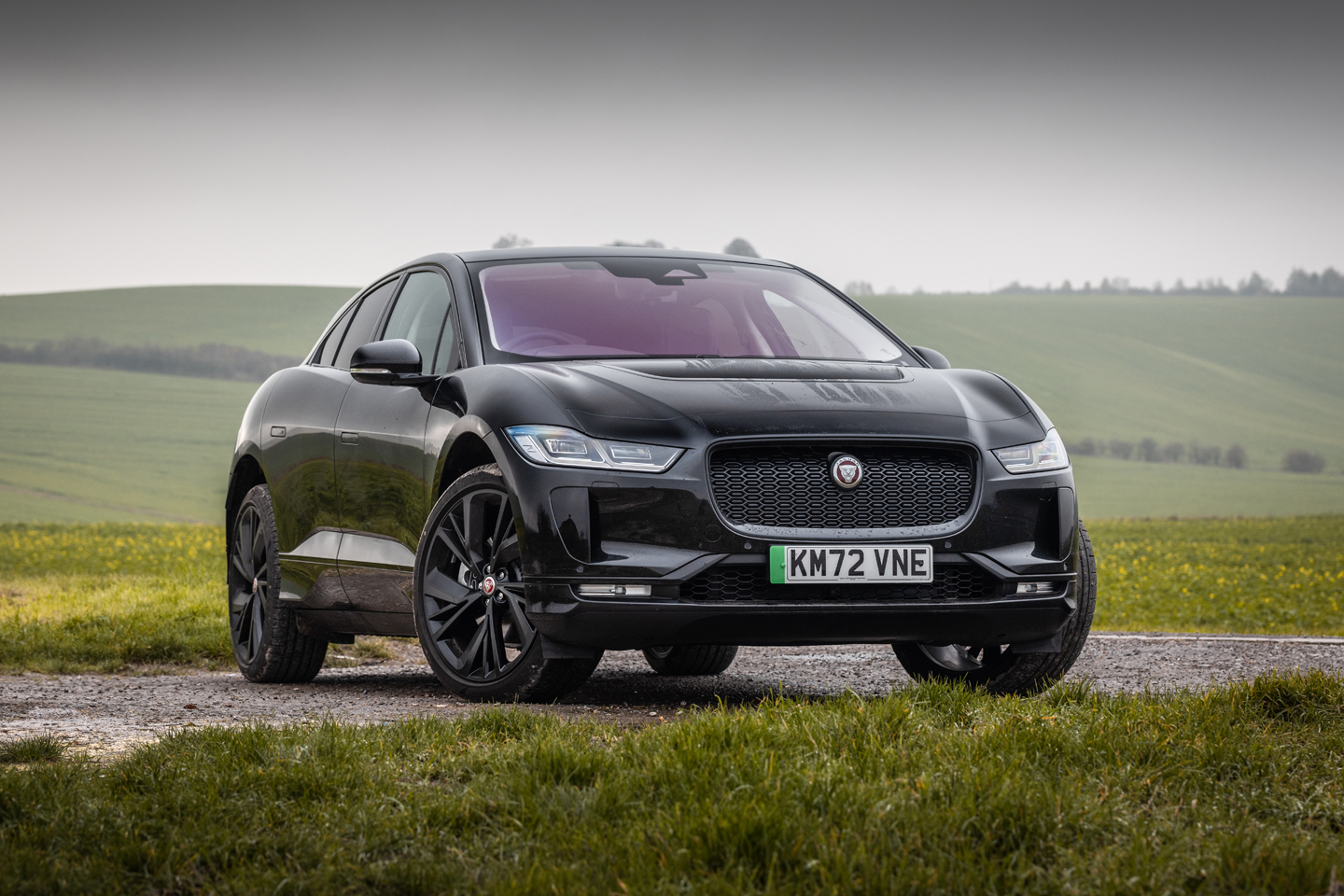
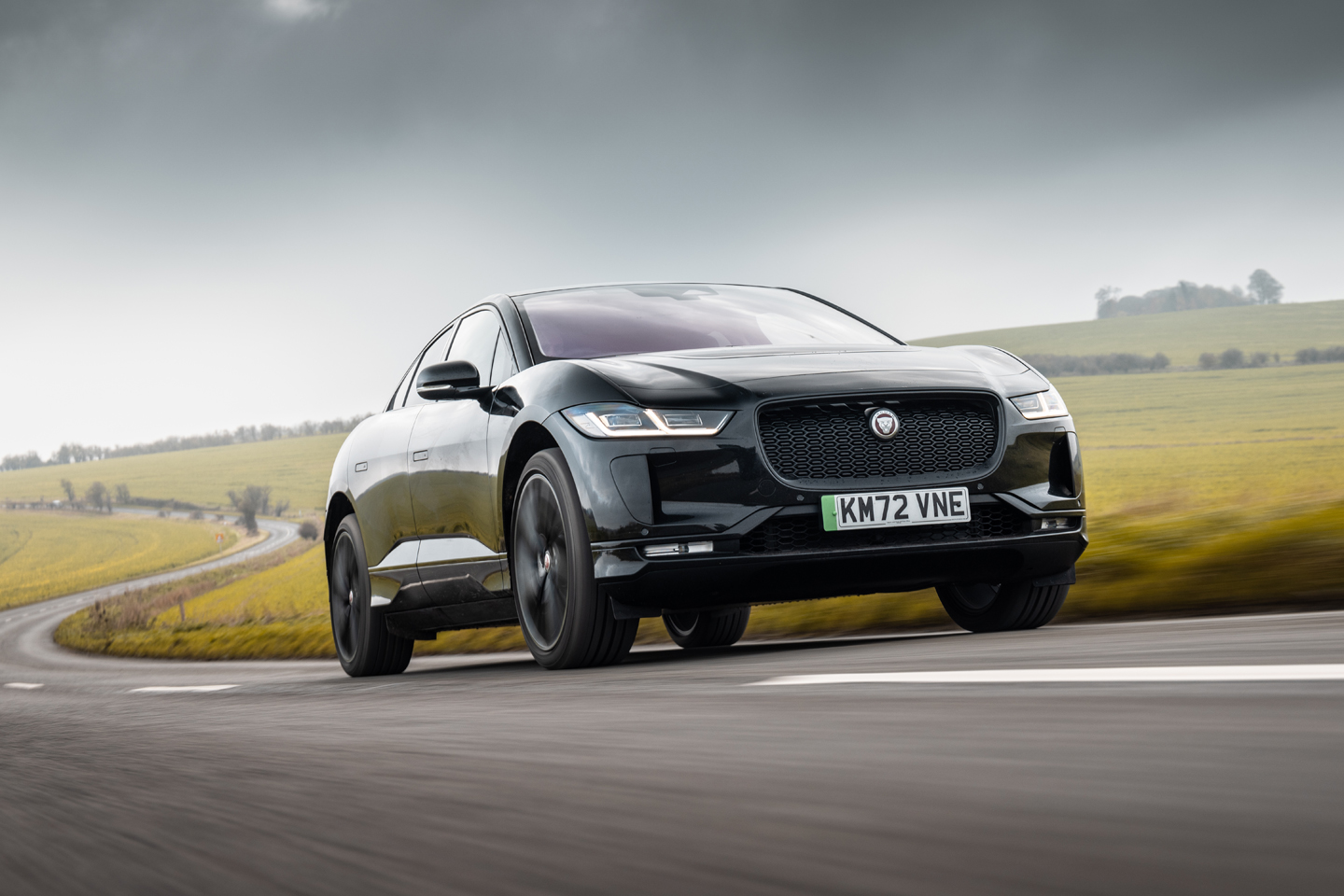
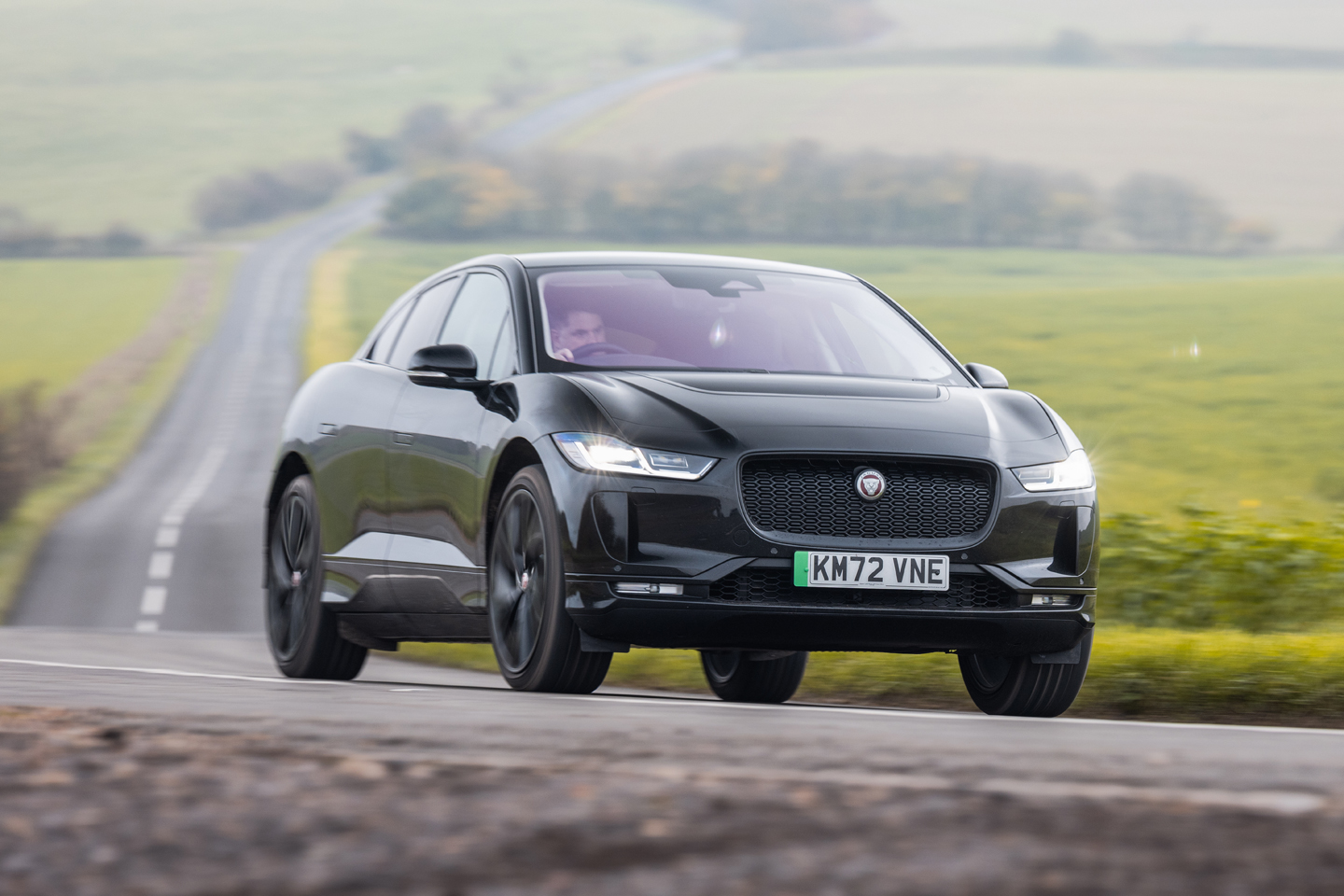
Full disclosure from the off: I really like a Jaguar I-Pace. Always have done. So much so, in fact, that a secondhand I-Pace might replace the 335i as the Bird family bus at some point soon. Therefore, the test car you see here - yes, Jaguar really did choose a press I-Pace to be Santorini Black with 22-inch black wheels - was booked partly for a bit more time with it than could be afforded by a dealer. So we’re clear from the off.
But it was also requested for a proper follow-up assessment. And that was before Thierry Bolloré’s departure. Seemingly lost in both the angst around Jaguar’s future and the industry’s obsessive excitement for electric SUVs is the fact that the I-Pace still exists. From what seemed like nowhere in 2018, Jaguar produced a genuinely game-changing, progressive, capable electric car. The range, let's not forget, comprised saloons, an F-Pace and an F-Type; then in comes this battery-powered spaceship that won every award going and made the German makers look a bit daft - or at the very least slow-footed. It even looked entirely at home in the existing lineup, too. The chances of Jaguar pulling the proverbial out of the hat in the future seem a lot more favourable when you consider the I-Pace at length, because it really was (and is) that good. Of course, the electric car landscape will look rather different come 2025. And that’s not very far away.
Being ahead of its time has almost worked to the Jaguar’s advantage - or perhaps it has just dated more slowly than most cars launched four years prior. Certainly, it has always been a hard model to pigeonhole. But it says much about what was achieved the first time round, with little more than an infotainment upgrade in 2020, it remains competitive in 2022. And desirable, too, it should be noted.
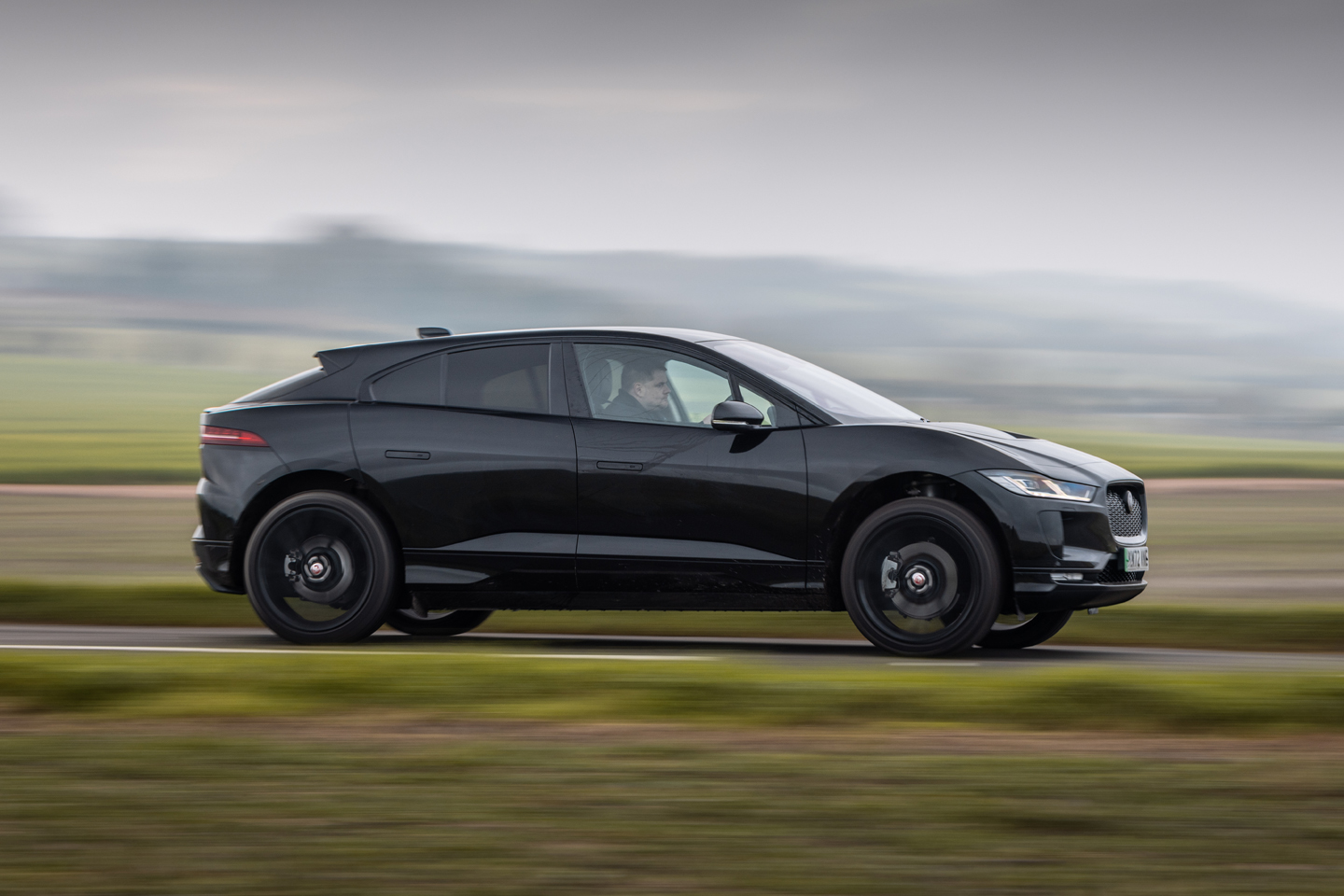
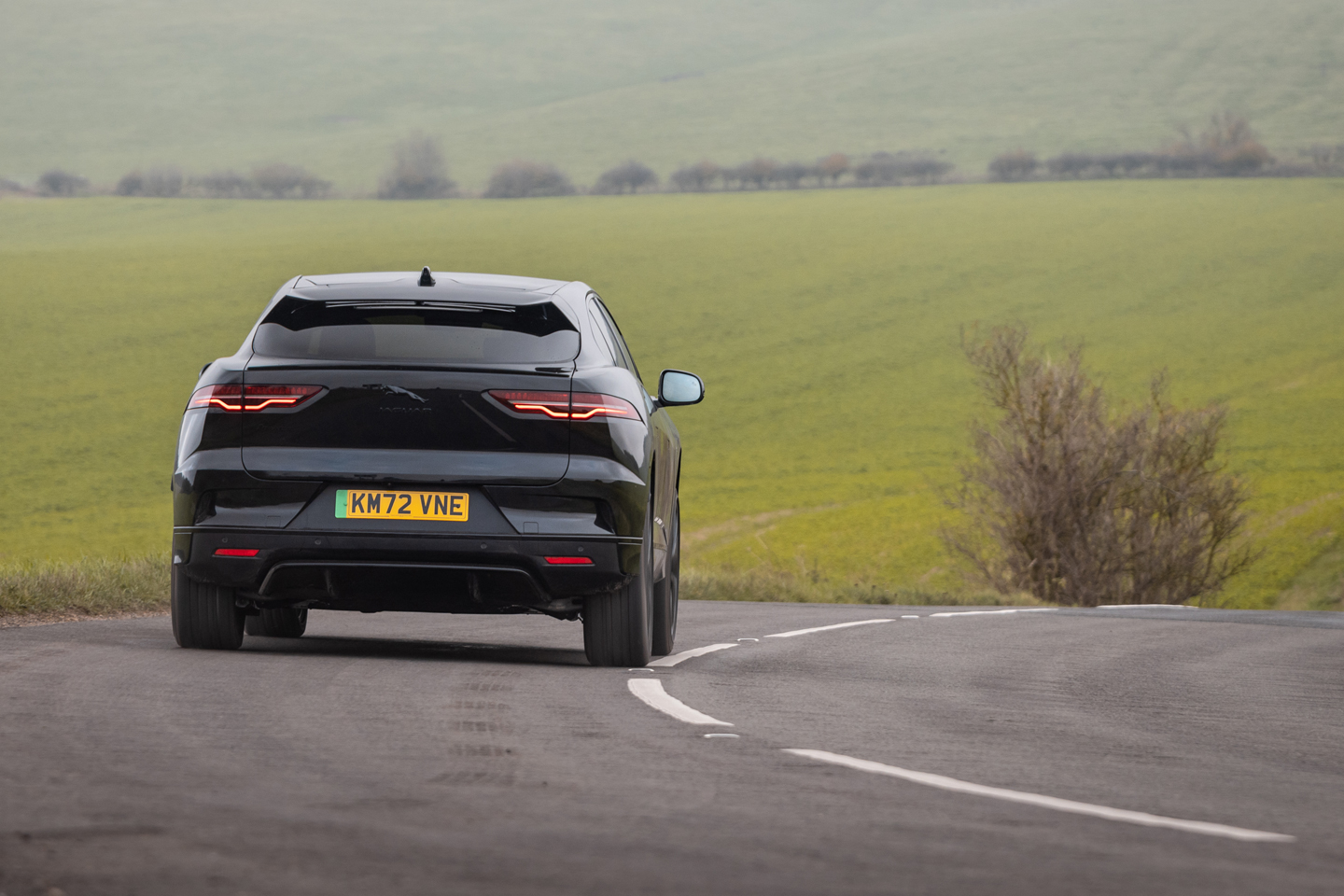
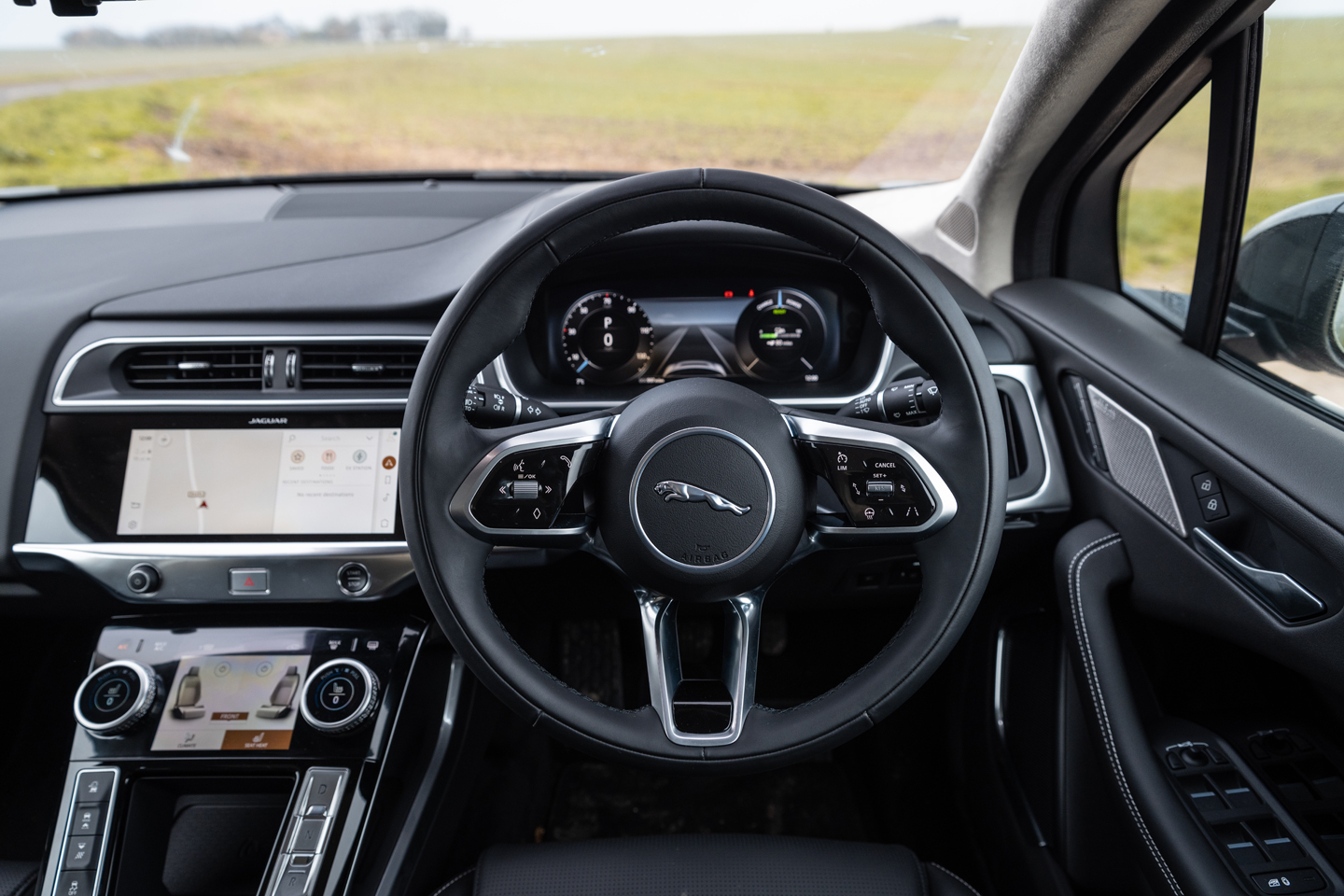
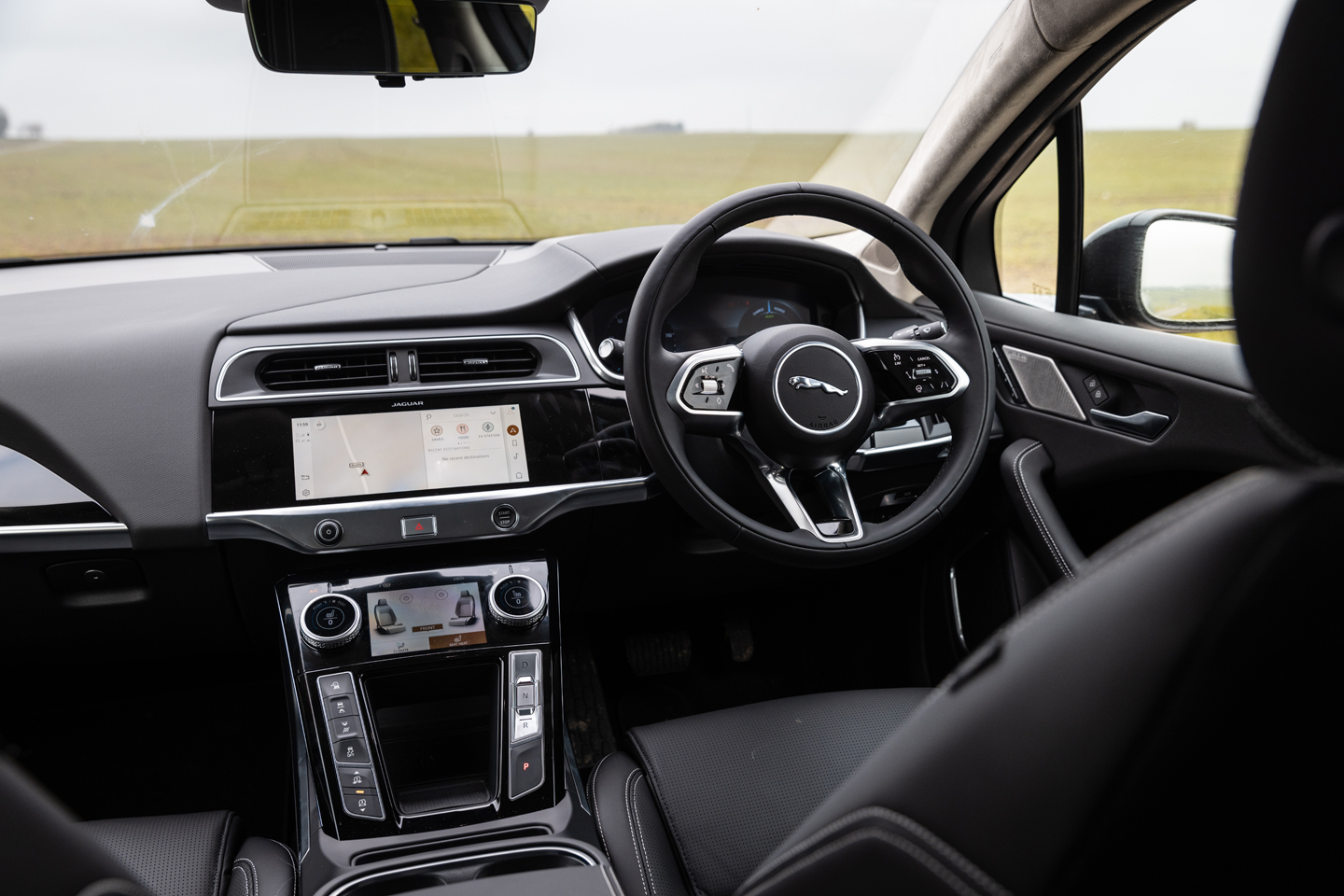
This is still a great-looking EV, making full use of that bespoke architecture to push the wheels out and maximise space but without subverting a comparatively sleek design. That doesn’t happen very often. The interior, moreover, still looks contemporary, even if a few details inevitably date it. The chunky knurled dials for ventilation are a godsend after so many screens, the mode and drive buttons are chunky, and Pivi Pro works as well here as anywhere else. Albeit on a smaller screen. It would be good to have certain EV features like the Active Sound Design and regenerative braking more accessible but, again, we’re talking about a car that’s changed not that much since 2018. This still works better than many much newer cars. And it’s a fast Jag with cabin space for more than two adults, plus many things, which still feels like a minor miracle.
There’s a proper Jaguar feel to it, as well, even without a shrieking supercharger or thundering V8. Or both. The cues are more subtle but definitely there, from the way it steers to the way it rides (once out of town), even on the largest wheels. Everything responds so slickly, and with such polish, you just know car people have spent time sweating the details. Because not everything is range and charge times and making people sick getting to 60mph when it comes to electric vehicles.
But they do make a difference, and there are bits of the EV package that age the I-Pace just a little. It’s still seriously brisk - mostly because Jaguar never offered it with anything but 400hp and all-wheel drive. However, only being able to accept 100kW of charge (at best) when cars like the Kia EV6 can take more than 200kW does inevitably make the Jag feel a bit old hat. That’s progress for you. And there are only so many cookies you should eat in 40 minutes. Undoubtedly some quicker charging would make a massive difference to long journeys. Again, though, it’s worth bearing in mind how far EV tech has come in just a few short years - 100kW is alright.
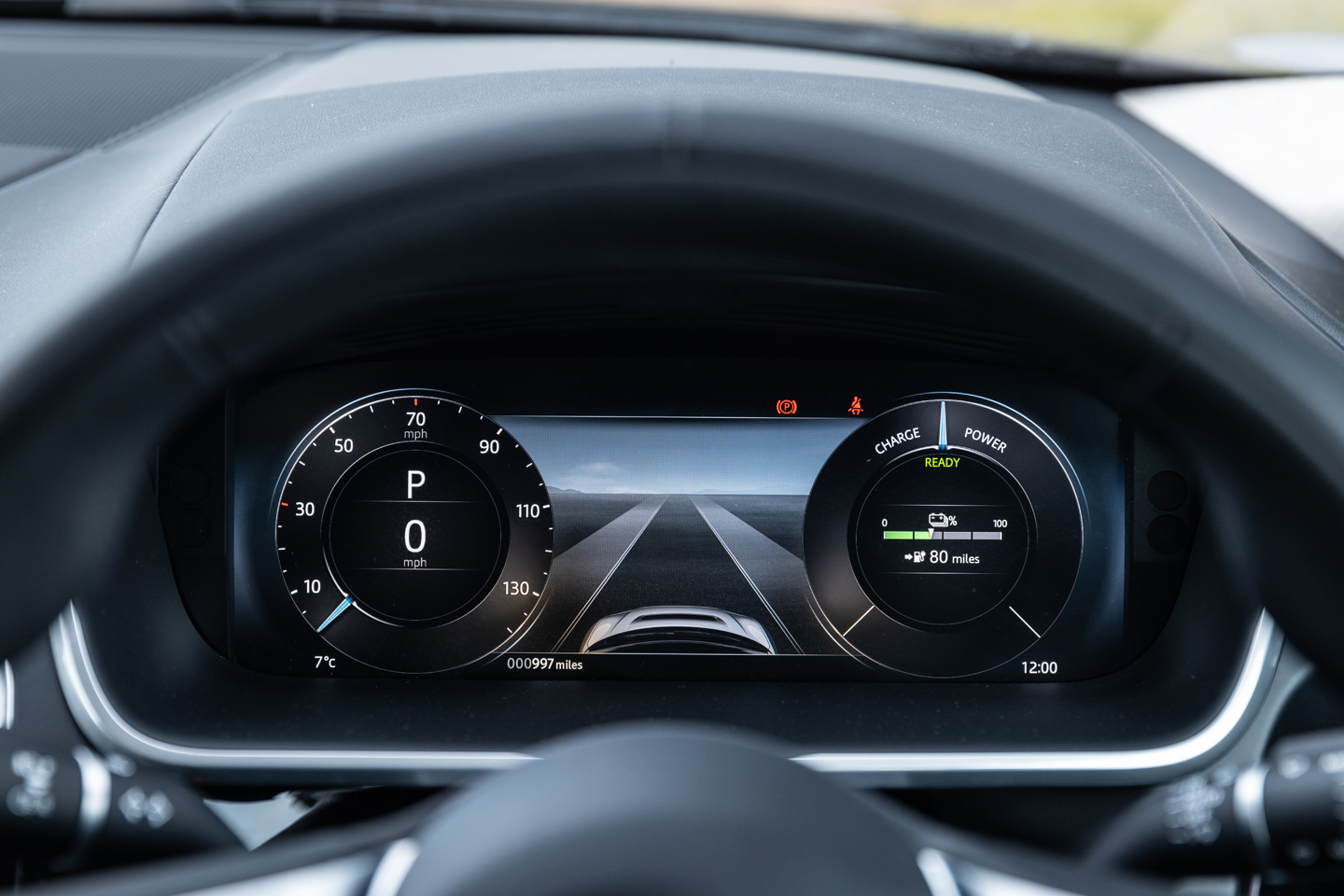
It's become boring to hear people ask for longer ranges in EVs, because the sensible, long-term solution is more charging and not more weight from yet more batteries. But the I-Pace doesn’t quite go far enough for a family with people to frequently visit on the other side of the country. It’s 155 miles from our house to my mother-in-law’s, a trip we tend to do every month. With a charge break on a daytime drive, it’s generally fine - but with the I-Pace we chose to do it in one hit (as you'd prefer to do on Friday evening). With 235 miles showing on departure, there were less than 40 showing once we were home, even with Eco mode used for a chunk of the journey, the air-con off when possible and a cruising speed around 65mph. It makes a weekend visit stressful because you inevitably fall into the trap of stressing about range, and rural Suffolk isn’t blessed with chargers. Even the journey is more of a palaver because you’re fretting about miles on the nav against miles on the range.
Clearly, this is not an issue unique to the I-Pace, and there are ways around it - using a route more favourable to EV driving would have been a start. But sometimes - quite frequently, in fact - the journey just needs to be done quickly, without stopping to avoid waking a sleeping baby. You don’t want to be concerned with regen, miles per kilowatt hour and how much energy is being drawn by ancillaries. You want to embrace what the I-Pace does best: i.e. drive with all the aplomb and panache a modern Jaguar should.
Indeed, that was the biggest frustration of a few hundred miles with Jaguar’s only electric vehicle - both my partner and I loved driving it. But short of having a wall box fitted on her mum's bungalow as well at our own home, the I-Pace isn’t yet viable as a family car. Pity. Still, the good news is that the I-Pace remains a great advert for what Jaguar can do with electric propulsion. This is a car that’ll be five years old in 2023, yet can still teach other EVs plenty about style, handling, and sense of occasion. Which ultimately means there’s hope yet for Project Reimagine, assuming the firm can harness the pioneering spirit evident in the I-Pace. Arguably, it need not break the mould: a car like this that could go a bit further and charge a bit quicker would be fantastic. But we - and the wider market - are expecting so much more from the new electric Jaguars than that. Nothing less than another ground-breaker will do. No pressure, guys.


Matt starts off saying he’s looking to buy one, but then concludes that the range and charging speed are sufficient for a journey the do every month unless a wall box can be installed at MILs, no mention of trickle charging one way or the other.
Short of a taycan there doesn’t seem to be an enthusiast option for a family EV apart from this, but I’m really struggling to gauge how limiting the range is with todays charging options. We’re not frequent cross country travellers, but maybe 4-5 times a year we’ll need to do 2-300 miles for holiday or visiting relatives, maybe even farther to Ireland or France.
When these first launched the issue was lack of 100kw chargers, and in 3 short years that’s flipped to lack of support for 350w- hard to keep up
I went to see the Lotus Eletre at Hethel yesterday, that's probably the successor to the iPace for me. However, I generally love the Jaguar, it's the slow charging that is showing its age for me.
Oh and trickle charging - 36 hours I saw once when I was using a trickle charger while waiting for my wallbox to be installed...
But it’s 2022 already, so I cannot get my head around driving for a bit - then stopping for an hour - then driving a bit more - then reaching a destination where you are forced to wait again - for a vehicle to replenish itself? You would be spending 10’s of thousands on a vehicle that is not ‘always on’? It feels like an incredibly diminished way to live your life?
What if there was a need to turn around for a critical thing (burglar alarm, family emergency, maybe the child got sick and you HAD to turn around?) or any such thing, maybe you just get fed up and want to go home / somewhere else? What do you do then? Sit in a dreary place - stuck - unable to go anywhere?
I’ve lived the sort of life where I might want to drive to London for breakfast, pick up something in Birmingham then cruise back through Wales. The. The next morning - do something else - in my car. Is this really about ‘stopping that’ mobility choice?
At no time was the car ‘being available’ even a consideration? I had paid for it - and barring a break down - it was available to be ‘always on’ if I needed it to be?
Is this just really about forcing everyone to have less spontaneous choice to do what they want? Seriously - someone please tell me how is this progress? Please don’t green splain me, just tell me: How is this better?
For full disclosure though: I went to South Wales this week and took the wife's Range Rover Sport.....
If on the other hand you want to drove 400 miles in a day without worry, you don't meet that profile and an EV is not better than what you have. It's not about forcing anyone to be less spontaneous (yet), it's about providing cars for people who are less spontaneous, or more patient, or who just don't drive as far.
I figure I'm a good 10-15 years off an EV, and hope that by then, battery life will have been increased (or I'll be too old to care).
To me this is the big question why isnt infrastructure where it needs to be?
I dont have an answer apart from maybe some people with lots of money who invest dont think it is going to be the answer ! Money has poured into a lot less meaningful business propositions in the past ...(i.e. most things on the internet 20 years ago) so why aren't we seeing charging stations pop up all over the place?
I dont want a charger in my front drive ever the things look awful in my view. My wife travels 4 miles back and forth to work so is an ideal candidate but the cost of purchasing said electric vehicle's dont make any sense when i can purchase a cheap fiesta for 1500 quid.
I like the look of the IPACE but would never own one for all the reasons above.
Maybe EV's aren't the next big thing......I remember the betamax so maybe we are in that kind of era ....
If on the other hand you want to drove 400 miles in a day without worry, you don't meet that profile and an EV is not better than what you have. It's not about forcing anyone to be less spontaneous (yet), it's about providing cars for people who are less spontaneous, or more patient, or who just don't drive as far.
I figure I'm a good 10-15 years off an EV, and hope that by then, battery life will have been increased (or I'll be too old to care).
When there I would regularly get an i3 - cool little thing, hotel - work - hotel - airport etc. nothing more than say 30-90 km journey - with an available charger at each end. Good fun - liked it.
But that was ‘just’ movement, short hop, a to b, 100% just a utility.
I cannot yet see where someone can seriously say - EV is better, except for the utility ‘use cases’.
And to say ‘no more ICE’ based on the utility use case, just looks silly. Because it’s not better!
I’d rather it just be 100% transparent and a statement like this, if the real agenda is what it looks like:
‘Look people - we think all this moving around has put us in schtum - and even if you don’t fully accept the climate emergency mantra - we think we should all move around less & that’s really why we want you all in EV’s - because we all know they are not as convenient as ICE vehicles, and the use of cobalt, lithium and other resources to make them is just as bad as ICE production - but over the longer term, less journeys - with more renewable fuel is overall a shift that, although not as good for mobility - will ultimately be better for the environment’.
If it were said like this - you could perhaps have a proper discussion and debate / logic it out?
Here it seems - you, me, more or anyone ‘just has to accept it - even though it’s not better - but you have to be a believer that it is - else you are some kind of right wing awful barbarian that needs to be ‘corrected & cancelled!’. Which is not true & silly.
I just would rather a proper statement of the push to move & some real debate about the mix of alternatives?
Because if I am going to be forced, then honestly - I am not just gonna go quietly - why should I? Why should anyone?!
Thanks for your post - I appreciate the level & even point that you make! Have a good Sunday.
We dipped our toes in with an i3S, a wonderful little car that most importantly fits our user profile perfectly (a daily 60 mile round trip commute).
It’s just that the i3 is realistically a 120 mile range car, especially in the winter.
What we’d really like is a realistic 200 mile range car.
The problem is the i3 is just so smart almost everything else feels like a half arsed attempt. Composite technology, small footprint, easily enough interior space for a family of four, quick charging as the battery is small, I sometimes feel like Gordon Murray owning the thing!
We’ve tried the Hyundai alternatives, and the Taycan but nothing hits the spot.
Part of me thinks the i3S will end up like loads of those old Audi A2s, owned for years and years by folk who couldn’t find anything that worked quite as well.
Matt starts off saying he’s looking to buy one, but then concludes that the range and charging speed are sufficient for a journey the do every month unless a wall box can be installed at MILs, no mention of trickle charging one way or the other.
Short of a taycan there doesn’t seem to be an enthusiast option for a family EV apart from this, but I’m really struggling to gauge how limiting the range is with todays charging options. We’re not frequent cross country travellers, but maybe 4-5 times a year we’ll need to do 2-300 miles for holiday or visiting relatives, maybe even farther to Ireland or France.
When these first launched the issue was lack of 100kw chargers, and in 3 short years that’s flipped to lack of support for 350w- hard to keep up
I think anyone who has come from the relative simplicity of just refuelling an ICE car (and that’s everyone at the moment) will feel this to a degree. The infrastructure isn’t there, and while recharging stops are taking 30 mins +, it never will be.
I put up with this because a) my EV is a great car and b) it is orders of magnitude cheaper to run than an ICE. However, great ICE cars are available and the running cost difference is starting to reduce.
 They don't need to do both those things once the infrastructure is there. True 200 mile range is plenty because you can charge at home/work so the mundane day to day use is charged at home.
Gassing Station | General Gassing | Top of Page | What's New | My Stuff