
New Enyaq vRS is most powerful production Skoda
Flagship gets 340hp and increased range in MY24 update
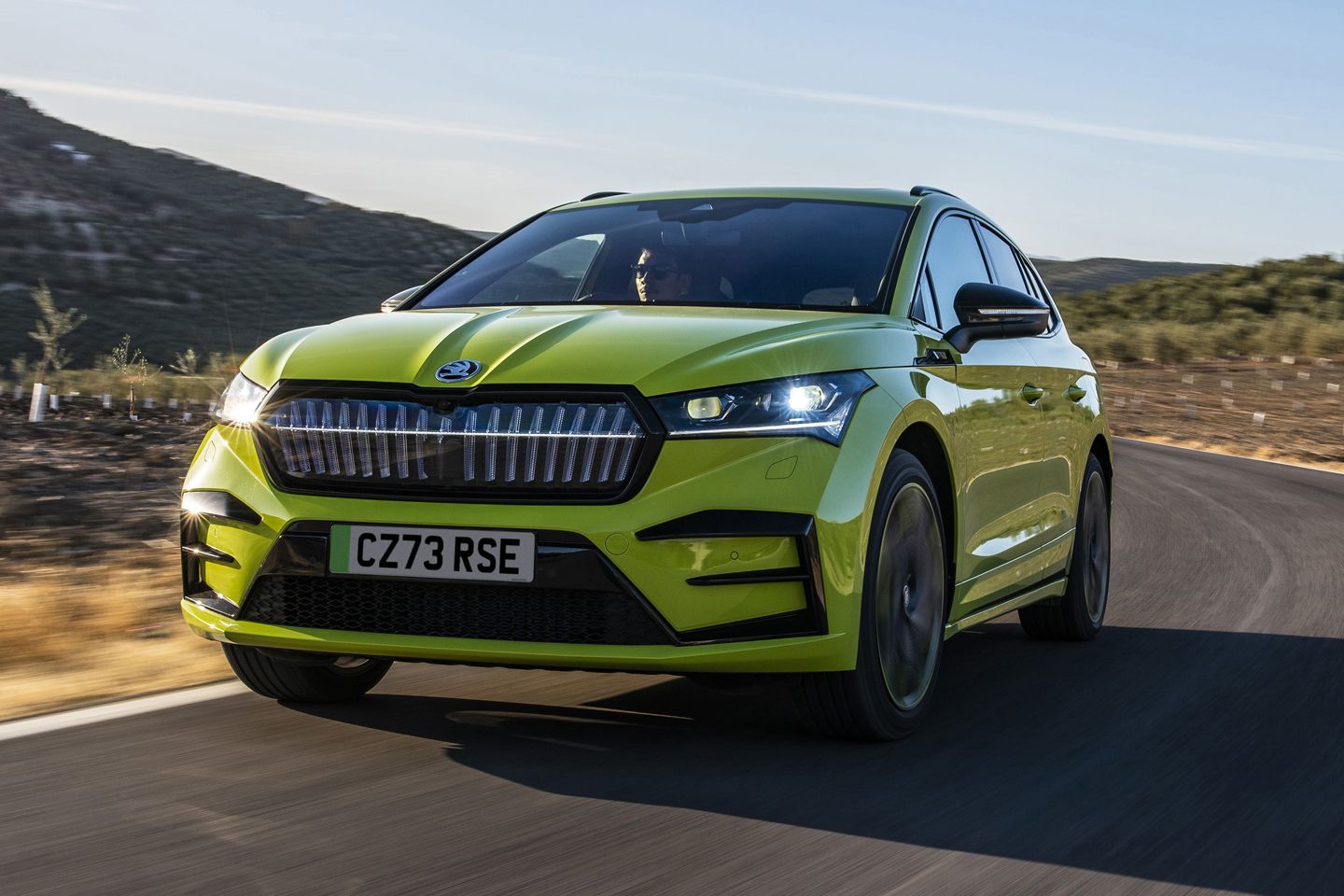
When we drove the Skoda Enyaq vRS in the UK earlier this year, Matt B noted that the flagship model wasn’t quite as spunky as perhaps you might hope from an electric car touting nearly 300hp. The reason for this (beyond Skoda’s fine-print declaration that it wouldn’t actually produce 300hp unless it were at the right temperature and had the amount of charge and the planets were aligned) was that 300hp probably wasn’t enough anyway. Not for an allegedly sporty derivative in the practical electric family car segment, which, it turns out, is roughly as power-mad as supercar makers were in the ’90s.
With nothing much to brag about and rivals cropping up from all over the place (hello, China), Skoda has evidently been beavering away at a solution - and thanks to a recalibration of the motors and some new power management software, it has found one. Consequently, as part of a wider update to the MY24 car, from the end of this month, the vRS will come with 340hp and a claimed 0-62mph time of 5.5 seconds. (No word on torque output so we’ll assume that stays the same at 339lb ft.) According to its maker, this makes it the most powerful production Skoda ever.
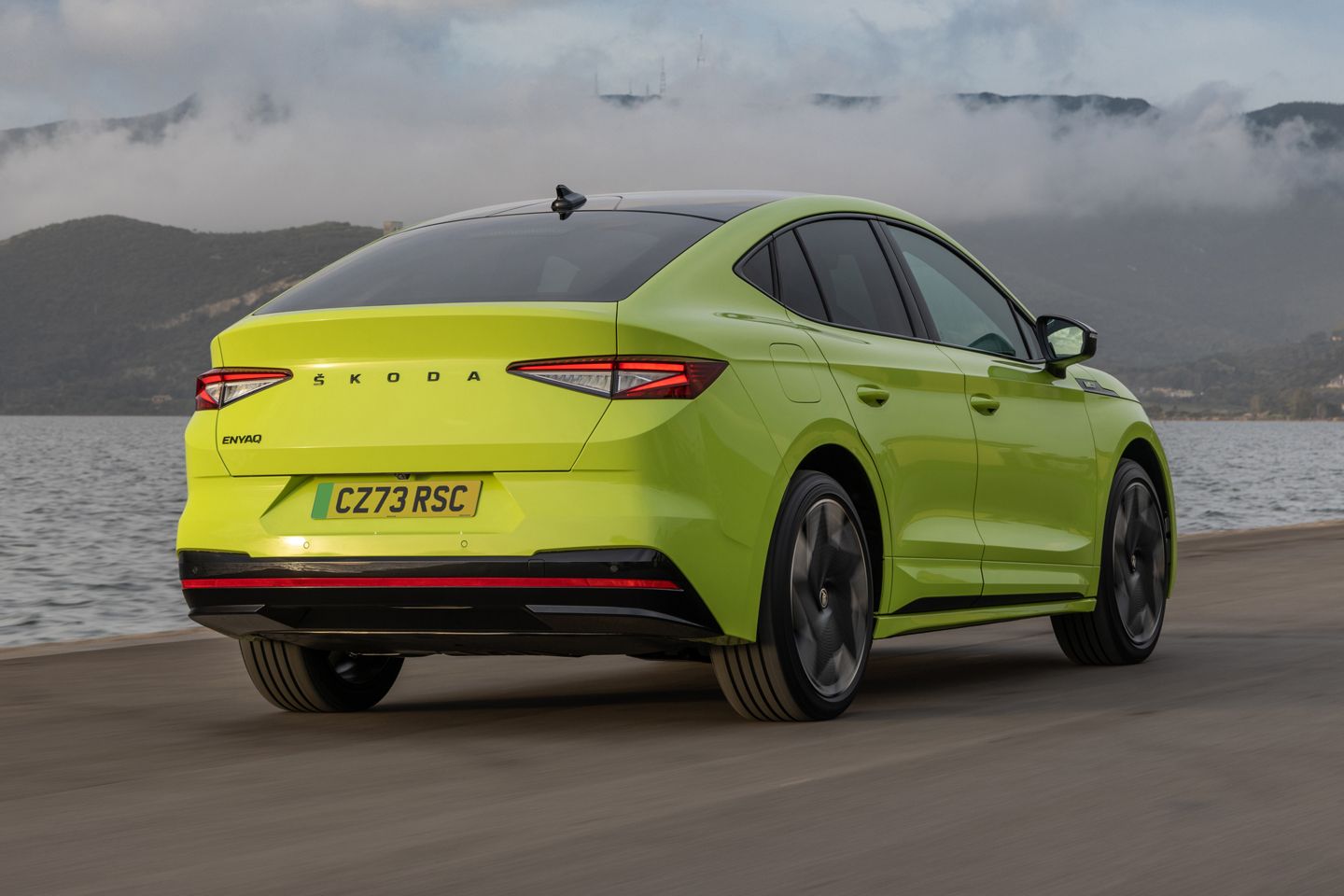
But it’s the improved sprint time which speaks to the objective of all this software fettling. The vRS previously managed 62mph in 6.5mph, which, not so long ago, would have been considered brisk for a family car weighing a good deal more than two tonnes - but now seems as interminable as a Wes Anderson film. Knocking a second off the wait ought to liven things up a bit (indeed, the manufacturer claims it sets a new benchmark for Skodas in general) even if the rest of the car plods along in that steadfast, safety-first way that tends to mark out all vRS-badged variants.
Moreover, and certainly of no less significance to buyers, is that the additional power does not come at the expense of efficiency. Quite the opposite, in fact - Skoda says its engineers' time in front of a laptop has delivered more range, not less. True, the 15/16 mile increase is not game-changing, but (trust us) every mile does count, and there’s a certain pleasing roundedness to the 340 miles the SUV will now manage between charges. And when you do make it to a vacant plug socket, the vRS will now accept 175kW on a rapid DC charger where previously it would only manage 135kW. So it’s faster there, too. Win-win. On paper at least.


The Yeti was a fine machine though, and seemed to win new customers who'd never considered such a car.
The Yeti was a fine machine though, and seemed to win new customers who'd never considered such a car.
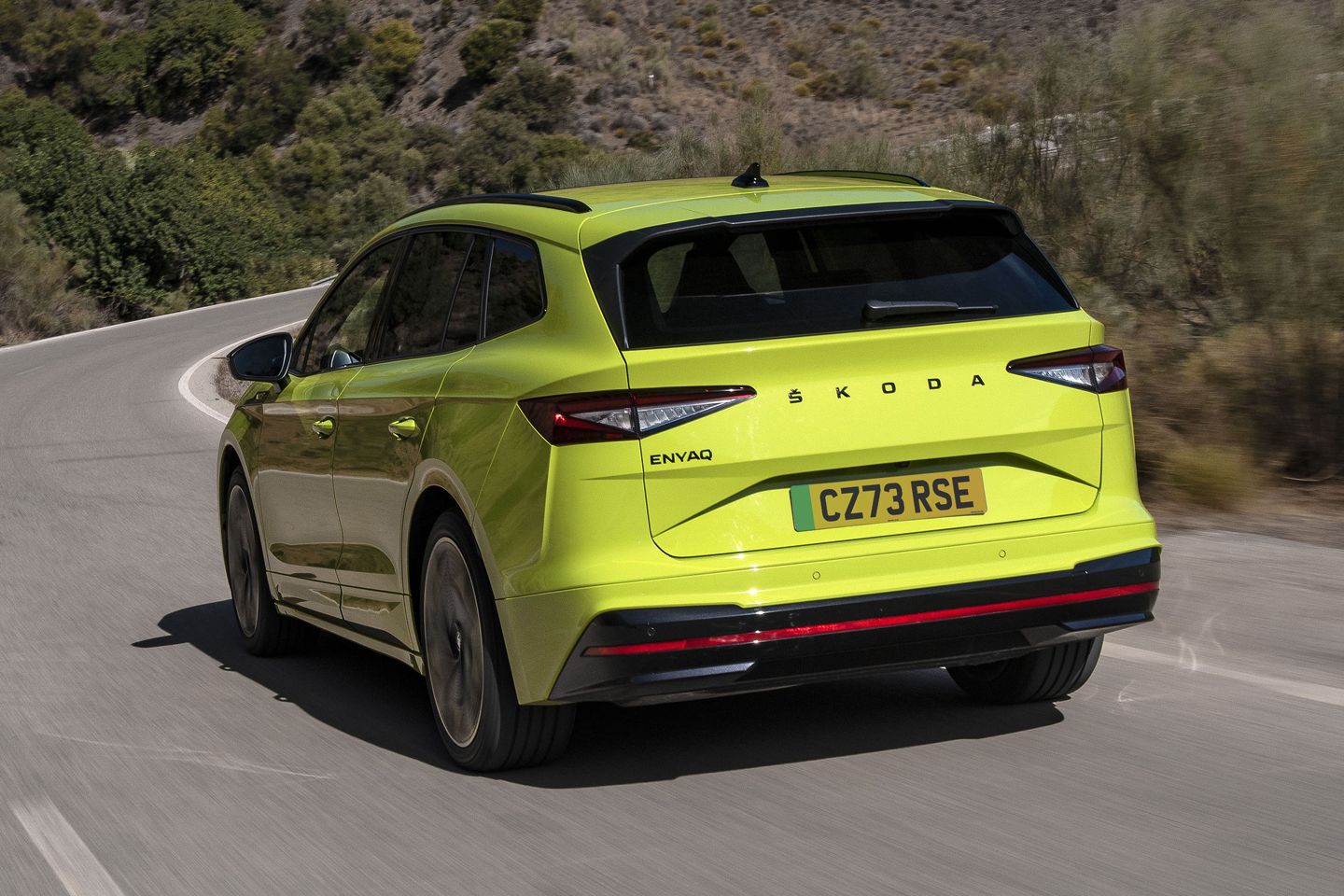
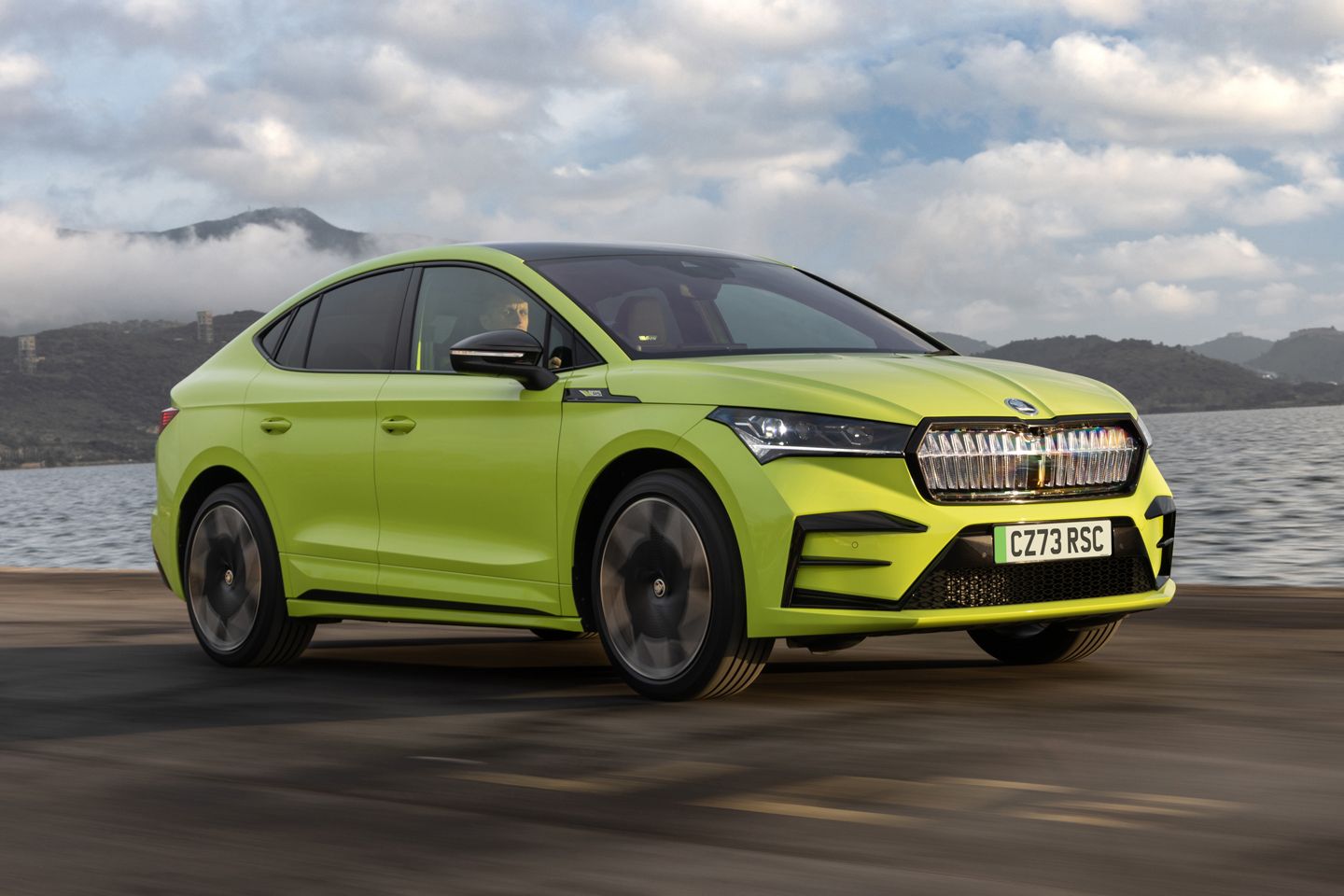
 k this coupe SUV style off. Reduced practicality and it looks s
the Yeti's biggest energy consumer is the inefficiency of the engine, which means it doesn't matter what the car looks like because the Yeti's fuel tank holds 600 kWh worth of fuel.
The Enyaq's biggest energy consumer is aero drag and its battery holds 62-82 kWh, an order of magnitude less than the stored energy the Yeti carries.
All EVs need to look like this if you want them to go further from a given battery size.
EVs and profligate wasting of energy are not a good combination.
Yeah, I know, not very PH.
So actually considering the increase in battery size its actually LESS efficient than before, which is not unsurprising given the output hike.
I do totally 'get' that even modest EVs can do the impressive "accelerating very quickly for a period of time" bit, but they do seem to be ponies in need of rather more tricks. And at £52k and up, it's not exactly a bargain.

Gassing Station | General Gassing | Top of Page | What's New | My Stuff