
Windscreen chip repair during cold weather
Discussion


I need to get a windscreen chip repaired but I’m wondering whether the current cold spell will impact on the durability of the repair?
The chip itself is under 1cm and there isn’t really a crack - Just a half-moon shaped chip on the passenger side of the windscreen.
Will the resin used in chip repairs set/dry adequately in the current cold temperatures we’re experiencing?
I’m loathed to leave it as there’s potential for the chip to crack with the frosts we’re having at the moment. Equally I don’t want to rush into a repair right now if the resin doesn’t react too well to being applied in cold temperatures.
I know you only get one opportunity to apply the resin into a chip so ideally I’d like to have the repair completed in the best possible weather/temperature conditions.
Does anyone have any experience or advice on windscreen chip repairs at this time of year when we’re having daily frosts?
The chip itself is under 1cm and there isn’t really a crack - Just a half-moon shaped chip on the passenger side of the windscreen.
Will the resin used in chip repairs set/dry adequately in the current cold temperatures we’re experiencing?
I’m loathed to leave it as there’s potential for the chip to crack with the frosts we’re having at the moment. Equally I don’t want to rush into a repair right now if the resin doesn’t react too well to being applied in cold temperatures.
I know you only get one opportunity to apply the resin into a chip so ideally I’d like to have the repair completed in the best possible weather/temperature conditions.
Does anyone have any experience or advice on windscreen chip repairs at this time of year when we’re having daily frosts?
“I don’t know why they send us out to repair chips in freezing weather, it’s way more likely the glass will crack” - Autoglass bloke after cracking my windscreen when repairing a chip a couple of years back.
Take it with a pinch of salt as he might have just been blaming the weather for a lack of anything else to blame, but that’s what he said.
Take it with a pinch of salt as he might have just been blaming the weather for a lack of anything else to blame, but that’s what he said.
charltjr said:
“I don’t know why they send us out to repair chips in freezing weather, it’s way more likely the glass will crack”
- Autoglass bloke after cracking my windscreen when repairing a chip a couple of years back.
Total BS. If he said it after attempting to repair in the summer it's more plausible, however, you still can reduce the risk if you know what you're doing. The bottom line is, if he felt he, or they are sent out to repair in less than ideal conditions, they should be taking it up with their supervisors. - Autoglass bloke after cracking my windscreen when repairing a chip a couple of years back.
Attempting to repair any chip in any climate is ultimately down to the experience and skill of the repairer. In colder months you would need to dry-out the break to remove any moisture, and in the summer, the glass would need to be cooled down (and protected from the sun) before attempting a repair in the warmer climates.
Rule of thumb: if the finished repair doesn't look much different to what it did before the repairer started it, it hasn't be done properly:
Images on a blog of a typical repair.
Edited by Glassman on Wednesday 10th January 10:22
Glassman said:
Total BS. If he said it after attempting to repair in the summer it's more plausible, however, you still can reduce the risk if you know what you're doing. The bottom line is, if he felt he, or they are sent out to repair in less than ideal conditions, they should be taking it up with their supervisors.
Attempting to repair any chip in any climate is ultimately down to the experience and skill of the repairer. In colder months you would need to dry-out the break to remove any moisture, and in the summer, the glass would need to be cooled down (and protected from the sun) before attempting a repair in the warmer climates.
Rule of thumb: if the finished repair doesn't look much different to what it did before the repairer started it, it hasn't be done properly:
Images on a blog of a typical repair.
The chip I have is pretty much identical to the half moon example in your link. It’s encouraging to see that a good competent repair would make it almost invisible.Attempting to repair any chip in any climate is ultimately down to the experience and skill of the repairer. In colder months you would need to dry-out the break to remove any moisture, and in the summer, the glass would need to be cooled down (and protected from the sun) before attempting a repair in the warmer climates.
Rule of thumb: if the finished repair doesn't look much different to what it did before the repairer started it, it hasn't be done properly:
Images on a blog of a typical repair.
Edited by Glassman on Wednesday 10th January 10:22
In your professional opinion, should I wait until the weather is less cold (but potentially expose the chip to water and contaminants for a few months) or just get it done over the next few weeks while it’s cold and frosty?
The car is leased so I suspect the leasing company will likely use Autoglass.
XDA said:
The chip I have is pretty much identical to the half moon example in your link. It’s encouraging to see that a good competent repair would make it almost invisible.
In your professional opinion, should I wait until the weather is less cold (but potentially expose the chip to water and contaminants for a few months) or just get it done over the next few weeks while it’s cold and frosty?
The car is leased so I suspect the leasing company will likely use Autoglass.
If the aforementioned repairer is involved, I'd say get it done before the hot weather. The system they use isn't suited to repairs in hot weather. They use a semi automated system called RAS123 which gives you a clue in its name about its use. The three stages means anyone can use it with minimal training and whilst it looks great in front of insurance companies on the easier repairs, it does have a distinct disadvantage (it won't allow human intervention, to manipulate the break). That said, the right person - confident person - using it *should* be able to pull off a repair to a good standard. This, I think is the other disadvantage: most of their techs are mentally conditioned to the machine's limits and they will state that it's as good it can get. A manual repair kit with an experienced repairer who understands fracture mechanics will go a step or two further and make the repair had to spot at a glance. In your professional opinion, should I wait until the weather is less cold (but potentially expose the chip to water and contaminants for a few months) or just get it done over the next few weeks while it’s cold and frosty?
The car is leased so I suspect the leasing company will likely use Autoglass.
As good a repair can be, it will never become invisible. Less visible is the general idea, but the better repairs (depending in the break complexity) will be hard to find from the outside. Looking from inside of the vehicle out you will sometimes see it more (refractive index of glass versus cured resin) plus you are looking at light *through* the glass and not at the interior of the car through the reflection of light on the glass from the outside.
Glassman said:
XDA said:
The chip I have is pretty much identical to the half moon example in your link. It’s encouraging to see that a good competent repair would make it almost invisible.
In your professional opinion, should I wait until the weather is less cold (but potentially expose the chip to water and contaminants for a few months) or just get it done over the next few weeks while it’s cold and frosty?
The car is leased so I suspect the leasing company will likely use Autoglass.
If the aforementioned repairer is involved, I'd say get it done before the hot weather. The system they use isn't suited to repairs in hot weather. They use a semi automated system called RAS123 which gives you a clue in its name about its use. The three stages means anyone can use it with minimal training and whilst it looks great in front of insurance companies on the easier repairs, it does have a distinct disadvantage (it won't allow human intervention, to manipulate the break). That said, the right person - confident person - using it *should* be able to pull off a repair to a good standard. This, I think is the other disadvantage: most of their techs are mentally conditioned to the machine's limits and they will state that it's as good it can get. A manual repair kit with an experienced repairer who understands fracture mechanics will go a step or two further and make the repair had to spot at a glance. In your professional opinion, should I wait until the weather is less cold (but potentially expose the chip to water and contaminants for a few months) or just get it done over the next few weeks while it’s cold and frosty?
The car is leased so I suspect the leasing company will likely use Autoglass.
As good a repair can be, it will never become invisible. Less visible is the general idea, but the better repairs (depending in the break complexity) will be hard to find from the outside. Looking from inside of the vehicle out you will sometimes see it more (refractive index of glass versus cured resin) plus you are looking at light *through* the glass and not at the interior of the car through the reflection of light on the glass from the outside.
I’ve now find a local independent vehicle windscreen repair company that appears to be positively reviewed. I’m going to see if they perform manual repairs and what they think is possible with my windscreen chip.
If you’re near one of said firm’s depots you could always take the car to them and get the repair done indoors.
In saying that, when my wife’s car had a repair done by them on a summer Sunday afternoon, we selected the depot, only to find that it was shut and a technician who’d been dispatched from home was waiting for us in a van! Had to park in the shade of the building to get the repair done and she took quite a few measurements of the temperature of the screen in case it was too hot.
In saying that, when my wife’s car had a repair done by them on a summer Sunday afternoon, we selected the depot, only to find that it was shut and a technician who’d been dispatched from home was waiting for us in a van! Had to park in the shade of the building to get the repair done and she took quite a few measurements of the temperature of the screen in case it was too hot.
alangla said:
If you’re near one of said firm’s depots you could always take the car to them and get the repair done indoors.
In saying that, when my wife’s car had a repair done by them on a summer Sunday afternoon, we selected the depot, only to find that it was shut and a technician who’d been dispatched from home was waiting for us in a van! Had to park in the shade of the building to get the repair done and she took quite a few measurements of the temperature of the screen in case it was too hot.
I hadn’t thought of that! That may well be an option as well.In saying that, when my wife’s car had a repair done by them on a summer Sunday afternoon, we selected the depot, only to find that it was shut and a technician who’d been dispatched from home was waiting for us in a van! Had to park in the shade of the building to get the repair done and she took quite a few measurements of the temperature of the screen in case it was too hot.
Glassman said:
Total BS. If he said it after attempting to repair in the summer it's more plausible, however, you still can reduce the risk if you know what you're doing. The bottom line is, if he felt he, or they are sent out to repair in less than ideal conditions, they should be taking it up with their supervisors.
Interesting, thanks, good to know. Edited by Glassman on Wednesday 10th January 10:22
It's not like I was in the guy's face or anything, in fact I was chilled about the whole thing, "s
 t happens" was my attitude. Maybe he was just used to getting yelled at when a screen cracked, or was just an idiot, who knows
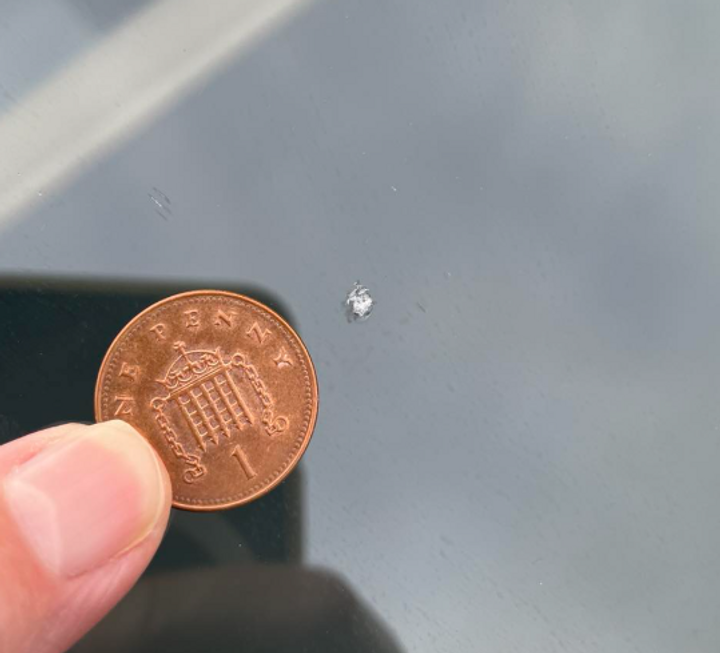
 Resurrecting this thread as I have found a small chip. Could this be fixed with a DIY kit like this, and if so is the January winter sun enough to cure it?
https://www.amazon.co.uk/tuncate-Windshield-Repair...
https://www.amazon.co.uk/tuncate-Windshield-Repair...
gmaz said:
Resurrecting this thread as I have found a small chip. Could this be fixed with a DIY kit like this, and if so is the January winter sun enough to cure it?
https://www.amazon.co.uk/tuncate-Windshield-Repair...
Probably, but the kit won't have what you need to tidy up the impact crater which will ultimately give you a better finish. https://www.amazon.co.uk/tuncate-Windshield-Repair...
Glassman said:
gmaz said:
Resurrecting this thread as I have found a small chip. Could this be fixed with a DIY kit like this, and if so is the January winter sun enough to cure it?
https://www.amazon.co.uk/tuncate-Windshield-Repair...
Probably, but the kit won't have what you need to tidy up the impact crater which will ultimately give you a better finish. https://www.amazon.co.uk/tuncate-Windshield-Repair...
Gassing Station | General Gassing | Top of Page | What's New | My Stuff