
Peugeot 508 PSE SW vs. Arteon R Shooting Brake
The mainstream fast wagon is falling out of fashion. We make the case for sticking with the old-school tie...
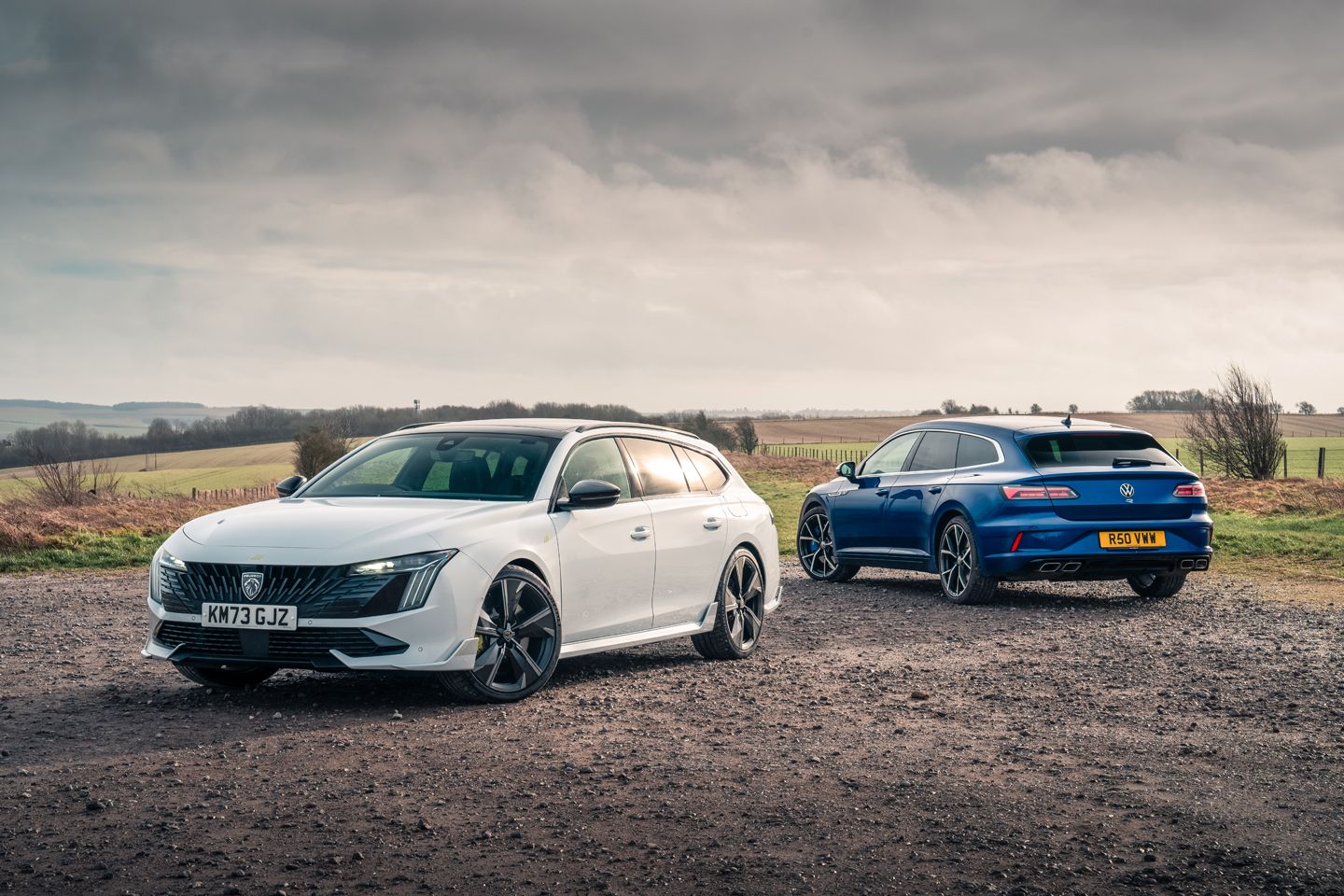
Forget mid-engined exotica, luxury saloons or stripped-out track cars - if you want a twin test of real rarities, here it is: the forgotten fast wagons. The Peugeot 508 Peugeot Sport Engineered was actually revised last year, refreshing the interior and allegedly borrowing some battery tech from the 9X8 racer; the Arteon R Shooting Brake is still here, still on sale despite the demise of similarly configured cars like the Tiguan R. We should surely be thankful for that, as it’s hard to imagine cars of such niche appeal will be around for much longer. Bring together every Arteon R and 508 PSE of both their respective bodystyles registered in the UK and you’d have fewer than 500 cars. Some days it feels like there must be more green GT Porsches in London than that.
They’re both exceptionally rare cars, then, though the scarcity is easy to explain. Most obvious, of course, is that fast estates, however handsome, have fallen out of favour, replaced by the equally fast SUV. The Peugeot’s powertrain can be had in the DS 7, for example, and the EA888 2.0-litre with DSG in VW Group offerings like the Cupra Ateca. There are rivals beyond the in-house ones, too; we’ll never get far along in a comparison like this without mentioning the 3 Series Touring, with a plug-in 330e from £50k and the suave, six-cylinder M340i from £61k. The Arteon is significantly more expensive than it was at launch, with a Golf R still offering a lot of the same thing for less money. At the time of writing, Peugeot’s webpage for the 508 SW Peugeot Sport Engineered is showing a 404 error. It’s almost like they don’t want to be sold by their respective makers, or even seen for that matter.
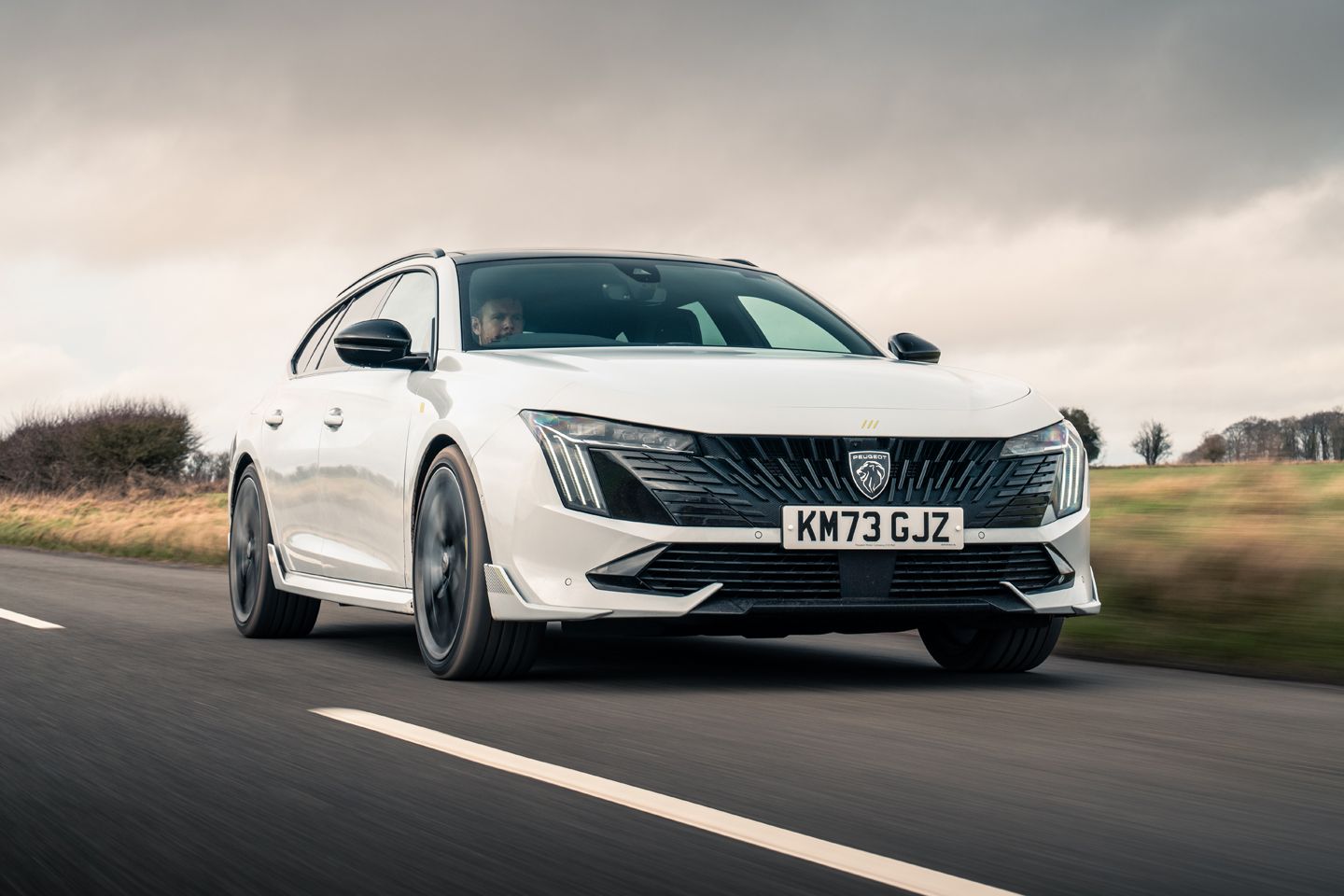
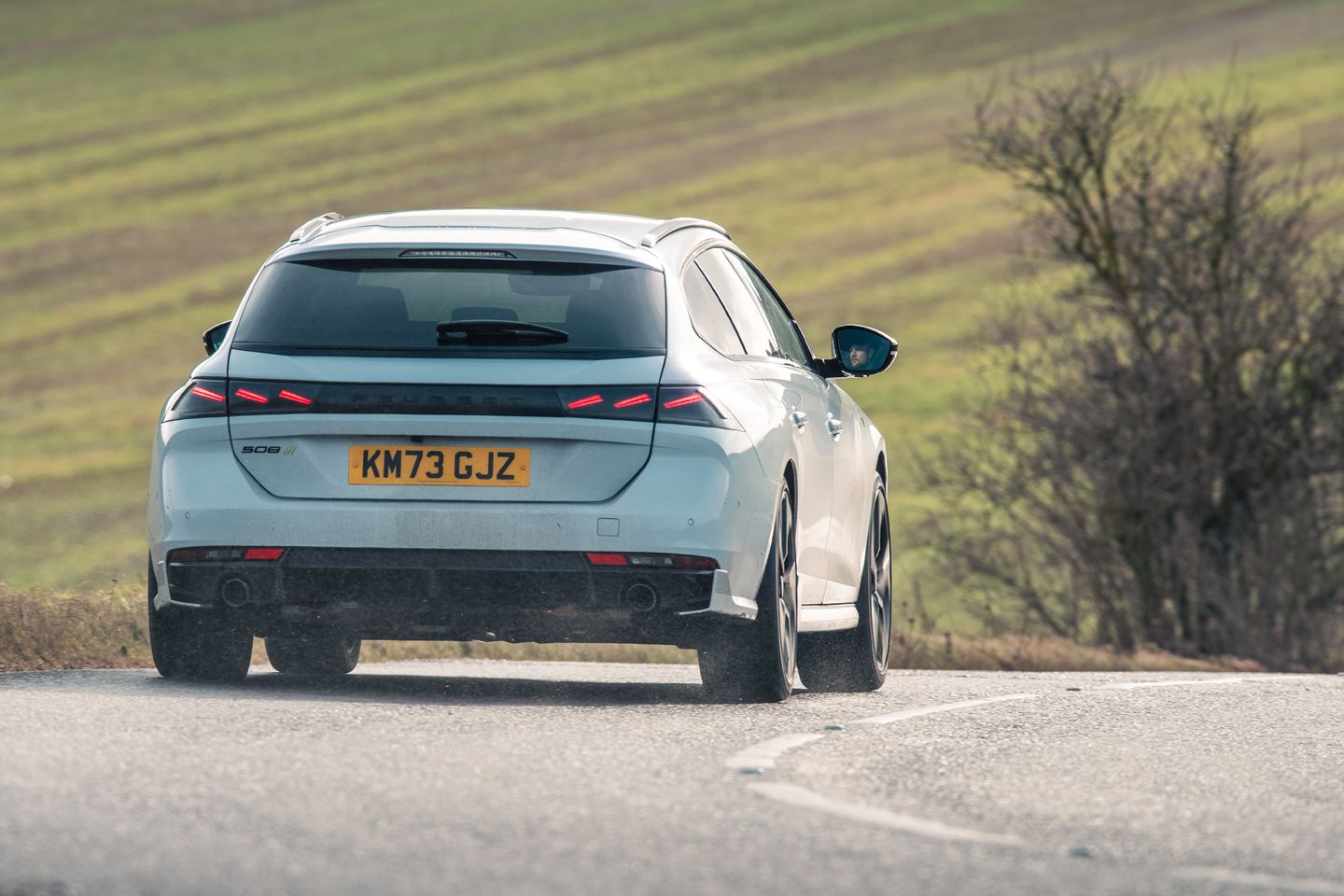
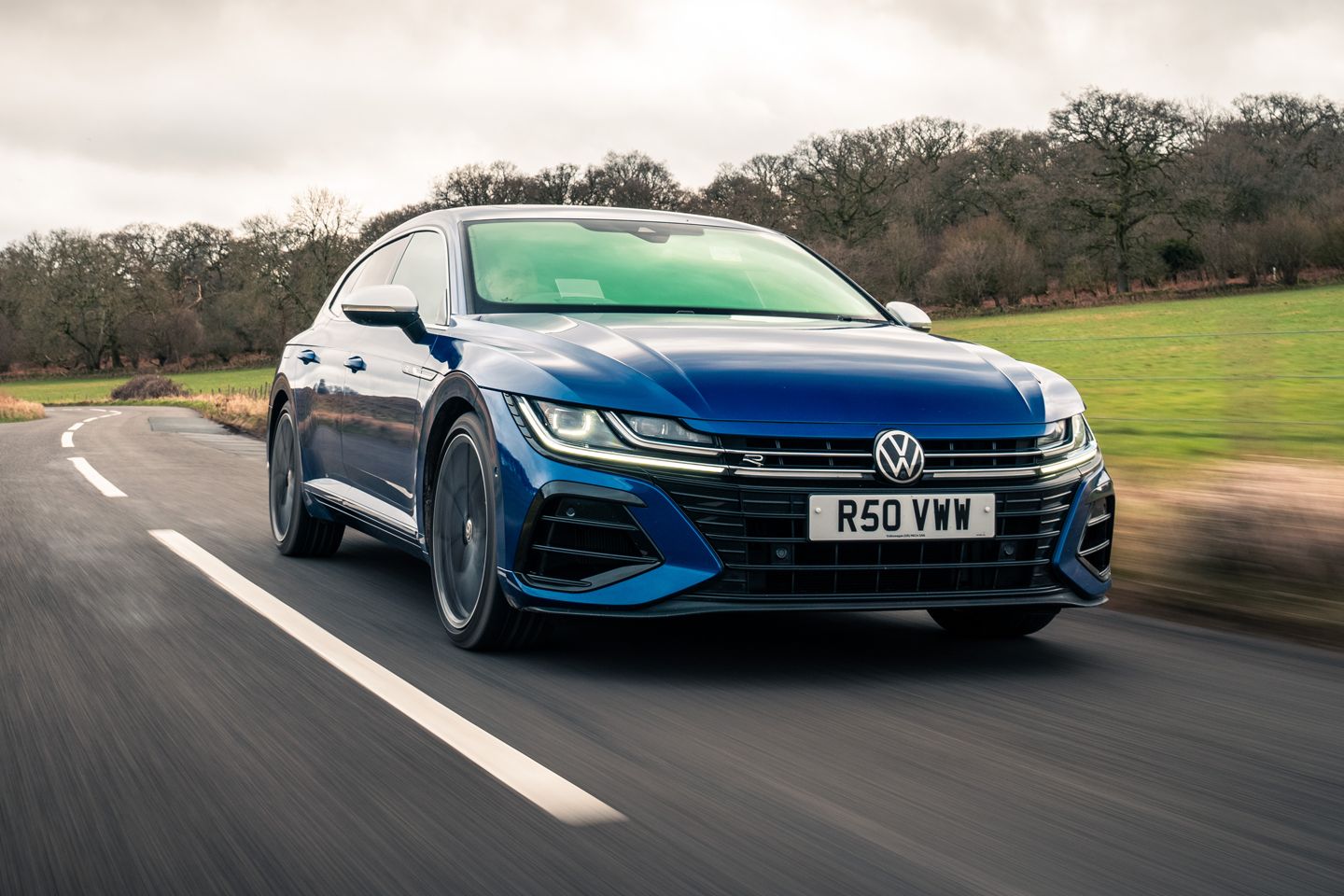
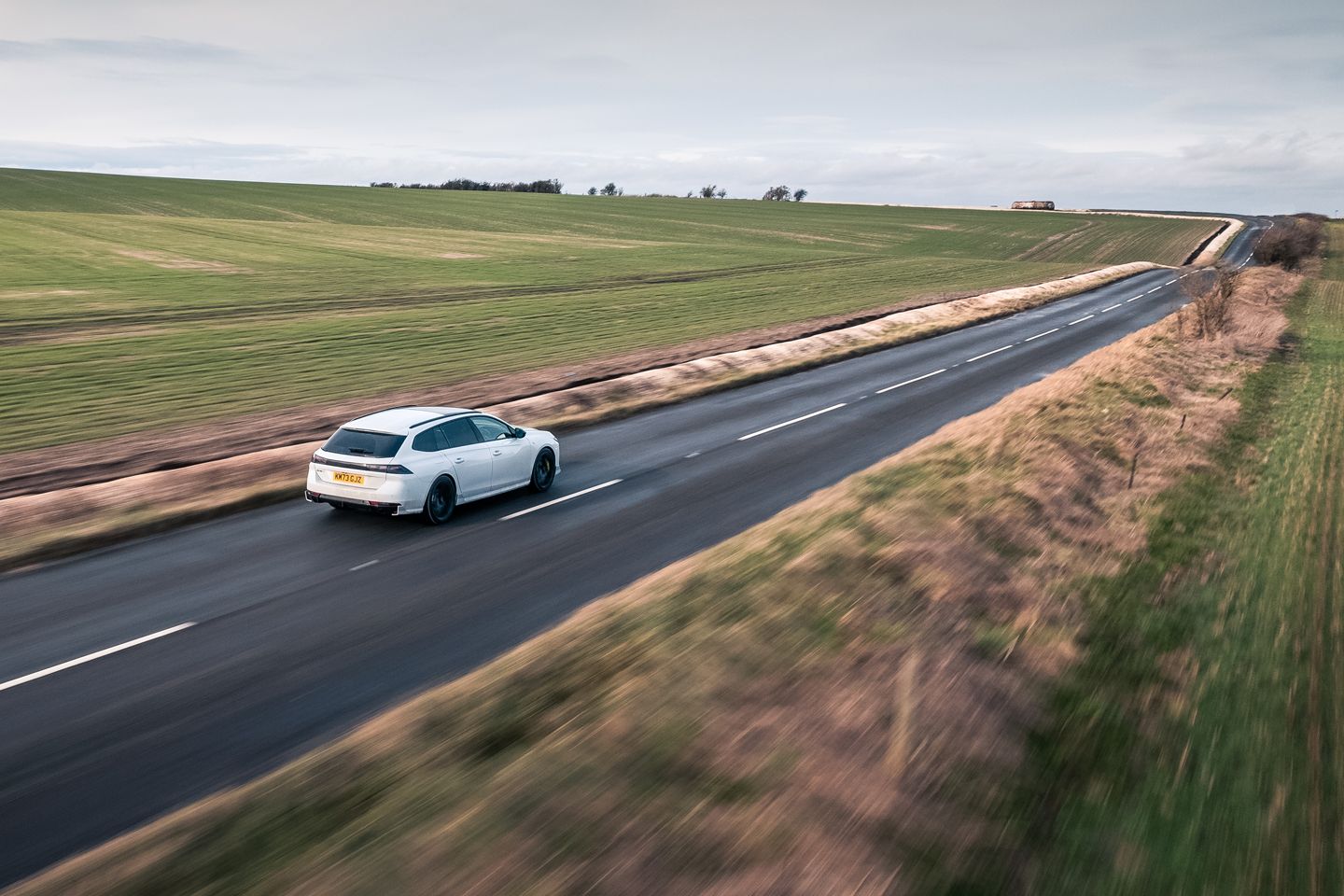
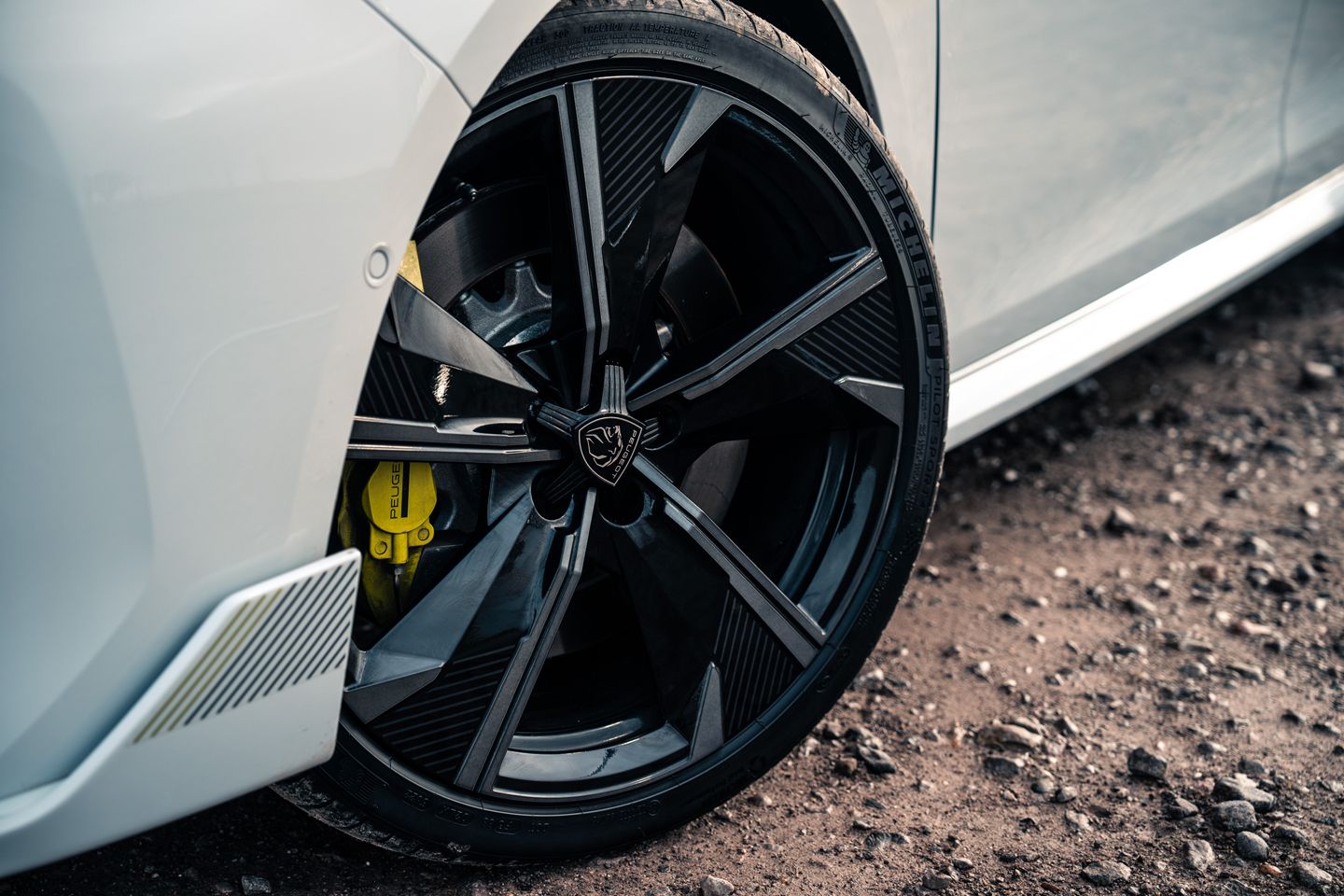
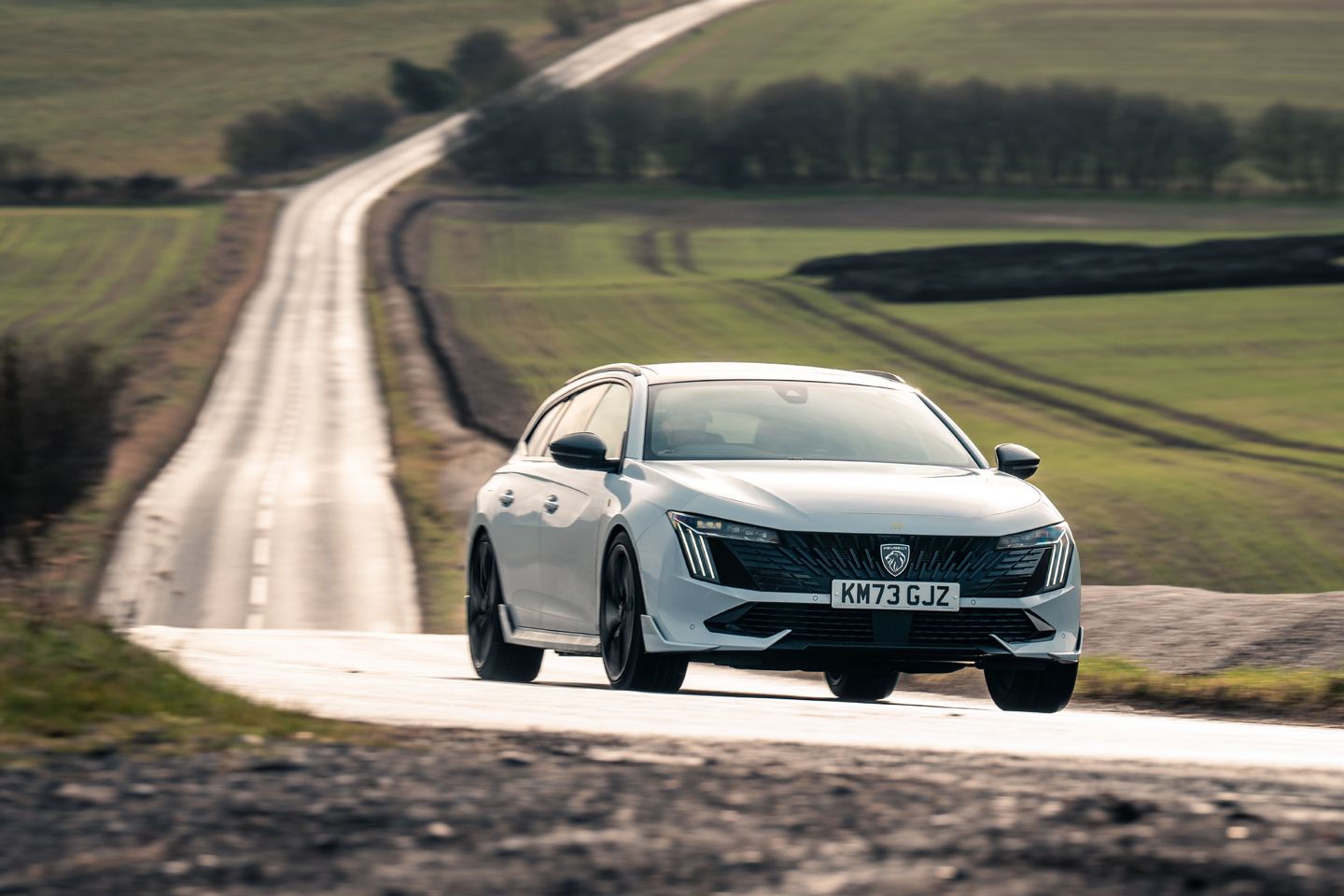
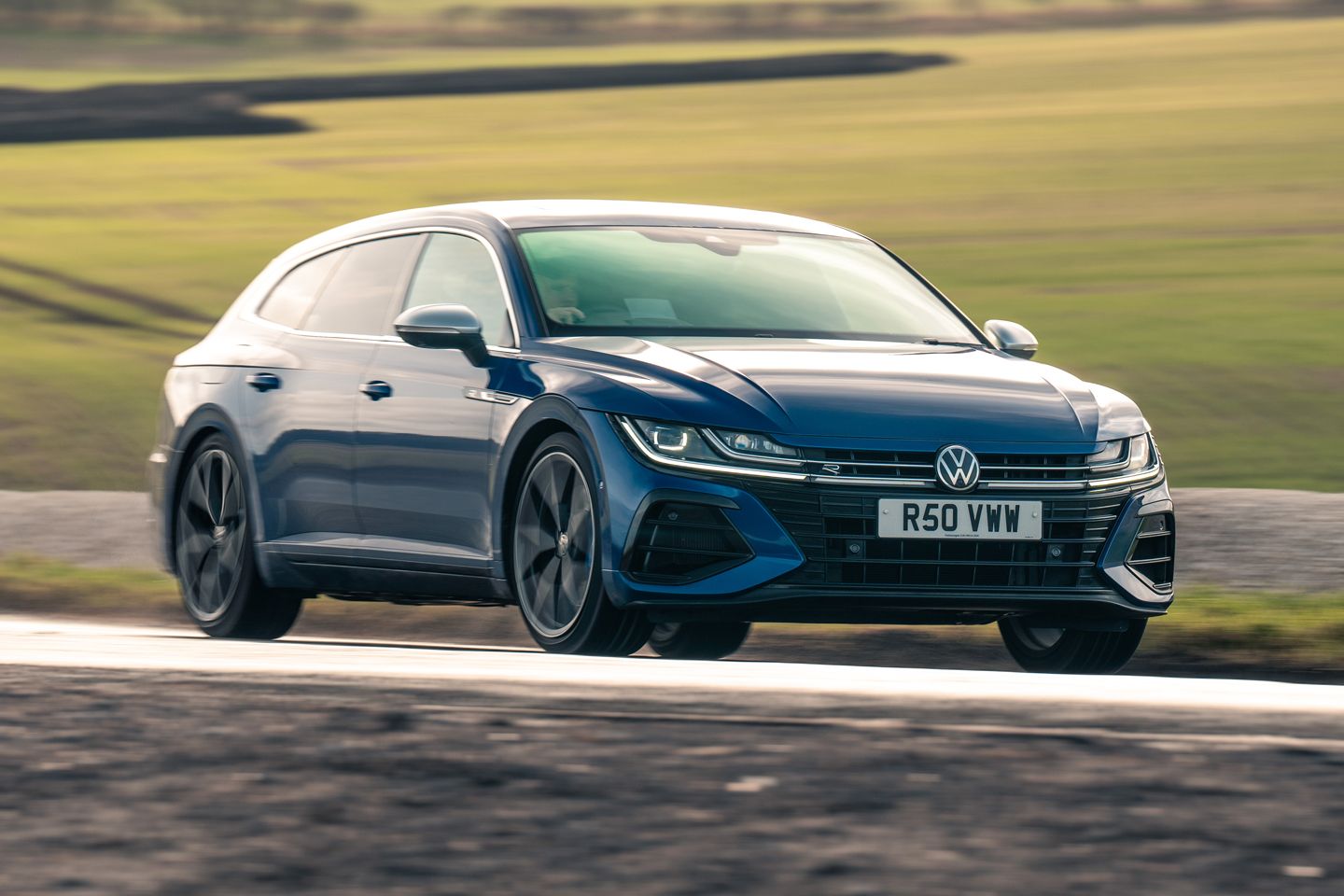
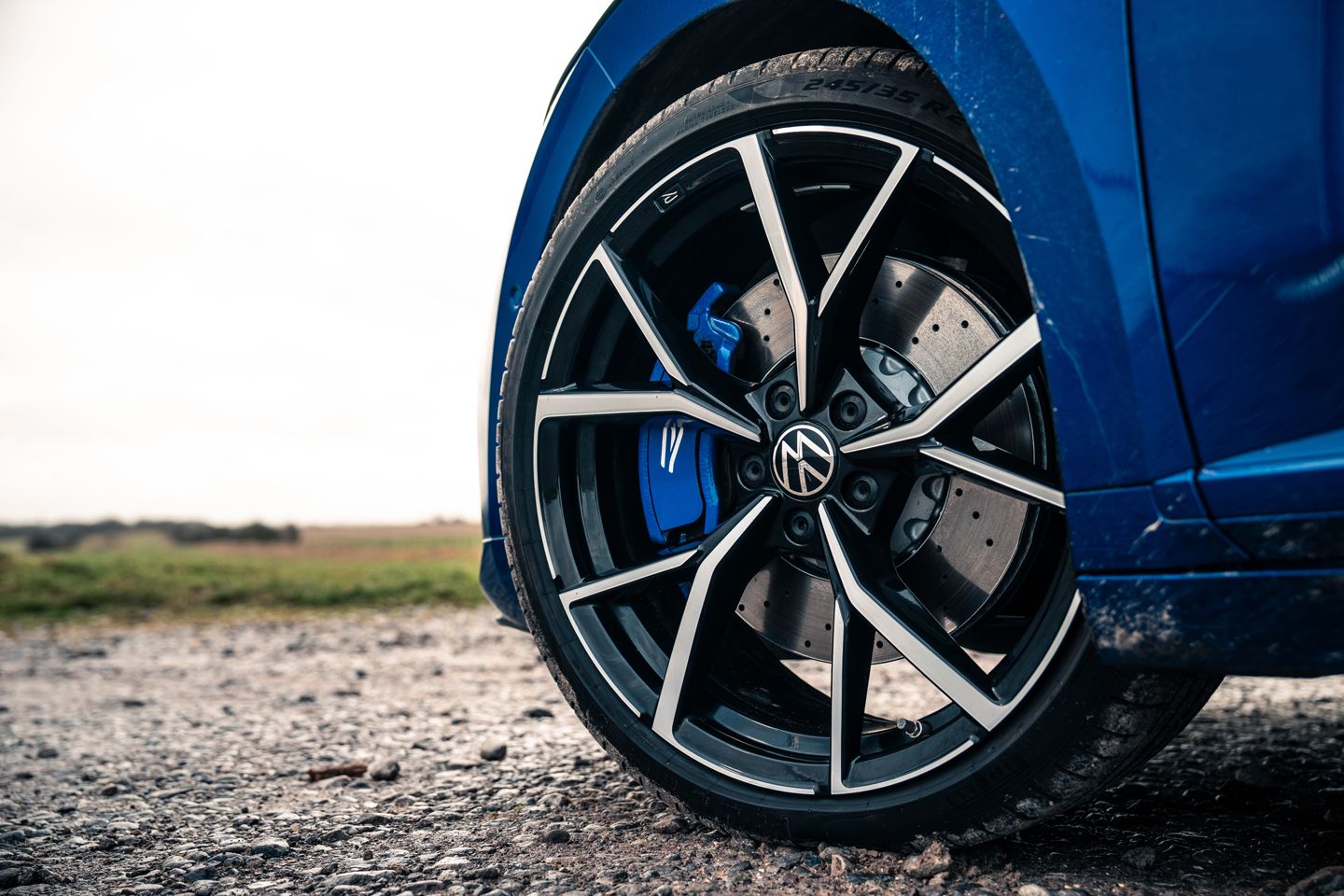
Which is a real pity, because these are two fantastic-looking cars. At a time when the appearance of so much new metal requires explanation or qualification or really favourable lighting, here is a brace of supposedly ordinary estate cars that are genuinely stop-and-stare stylish in any context. You’d be very proud to have either outside the house, admiring what a striking machine now ferries the family around. The new claw light motif of the Peugeot looks great both front and rear, the 20-inch wheels fill out the arches beautifully, the contrast accents work well and an aerokit that could look naff just about manages to avoid doing so. Long, low and lean, it’s a reminder of how the dog wagon can still cut it.
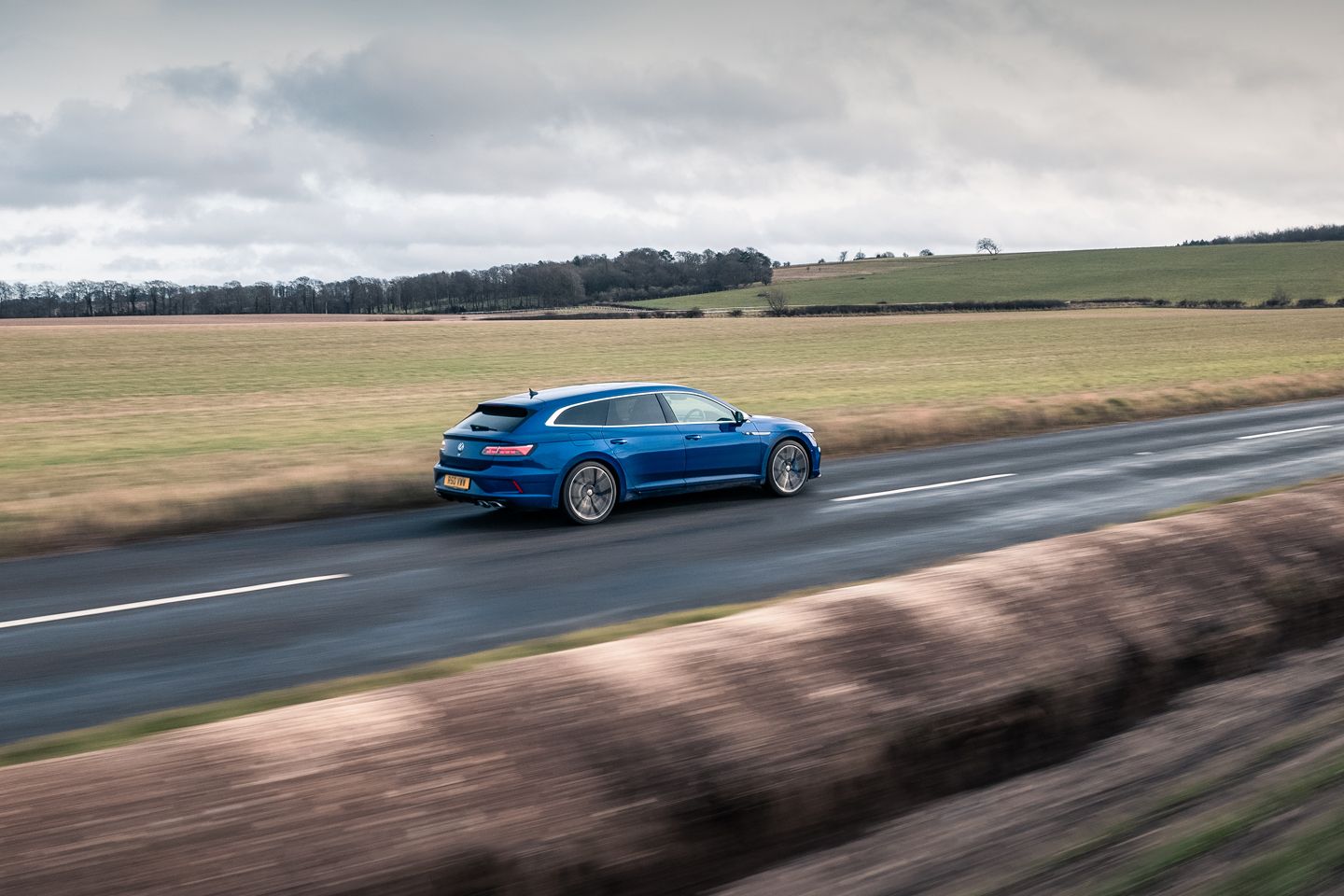
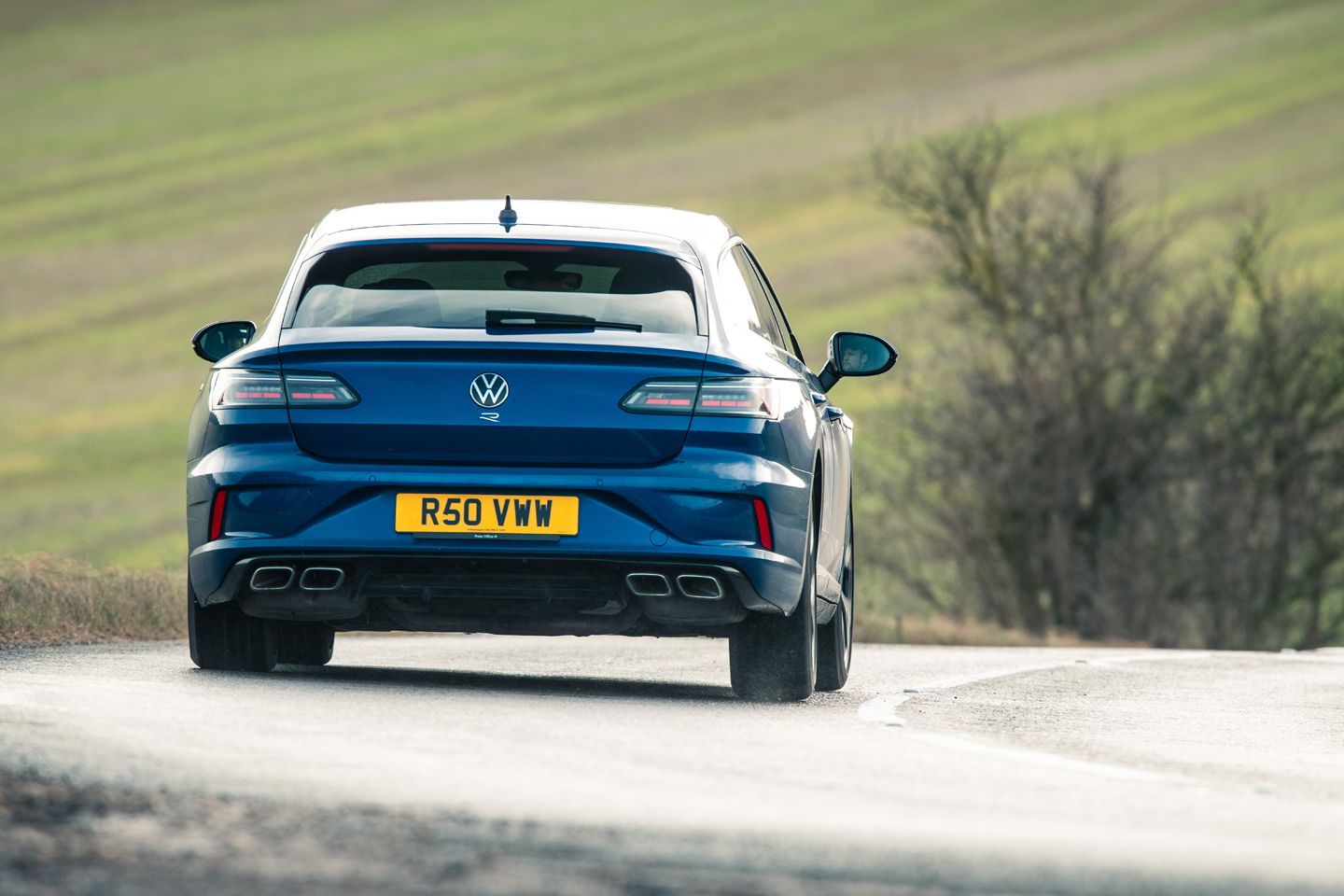
The Arteon might be even more arresting, that swoopy rear end creating something so smart that even passers-by comment on how much they like it. A Golf R might be just as fast, but it looks as cool as a Caddy by comparison. This particular car has been embellished by the R trademark paint and some bigger wheels, though there’s no denying the innate wow-factor on offer. Who cares if an SUV makes getting kids in easier when cars like this look so good?
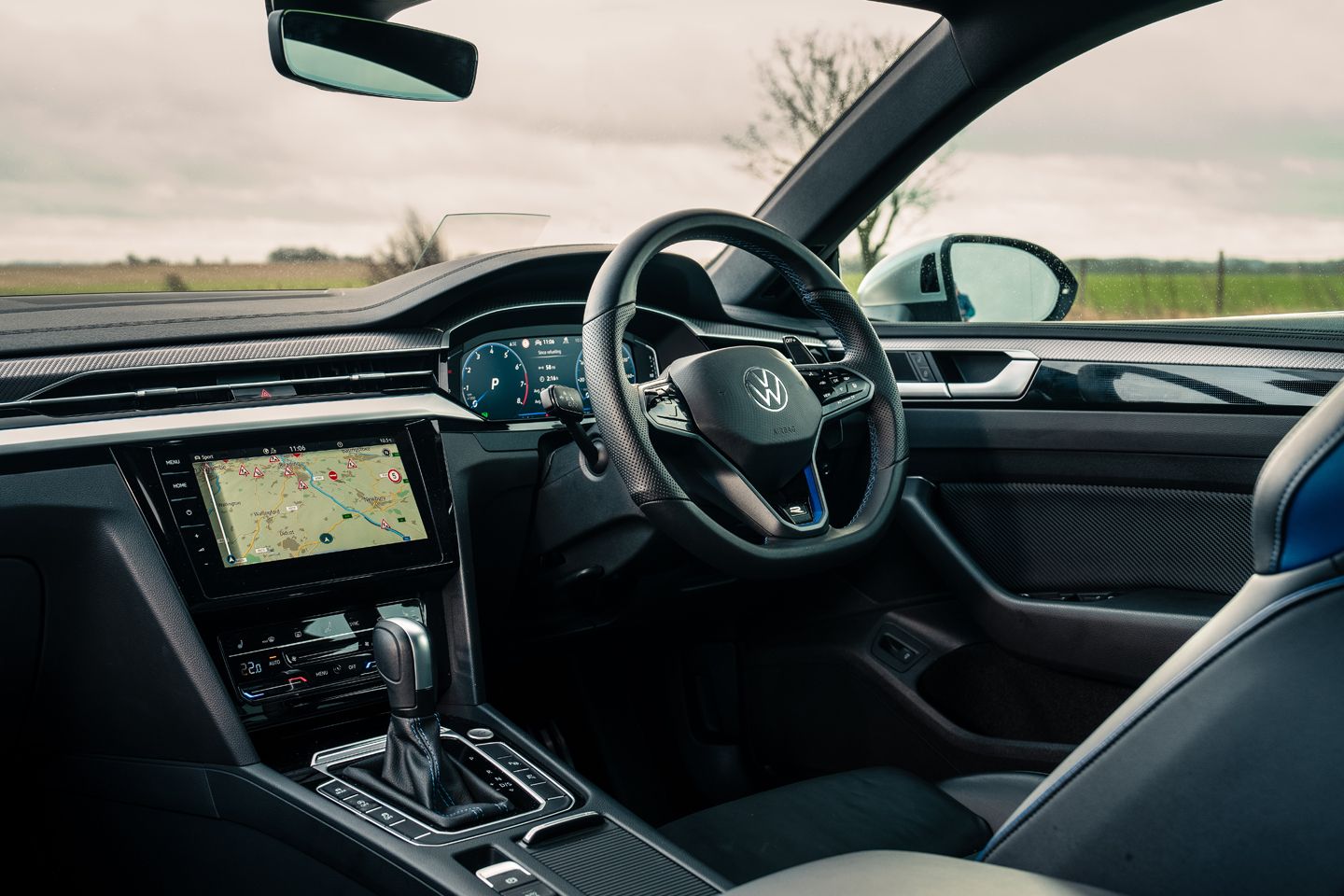
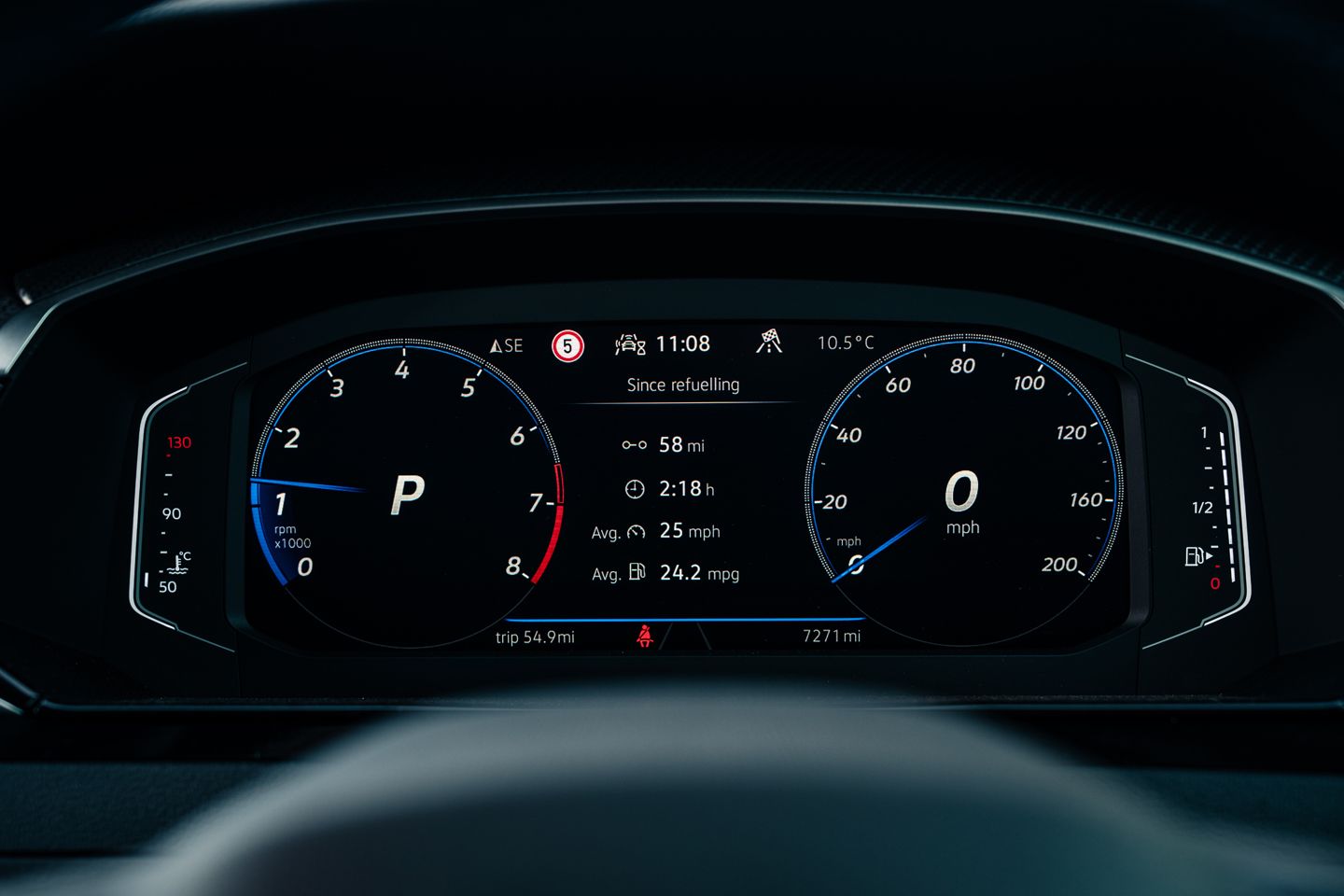
The Arteon is exactly how you might expect inside, and none the worse for it. As the Mk8 Golf is still attempting to atone for its ergonomic sins, so the old stager has a lot going for it. The screen is nicely incorporated into the dash (rather than perched on top of it) and, if still wanting for a couple of physical buttons, works without fault - the same goes for the HVAC. There’s a sturdy gearlever that’s a hundred times more satisfying to use than a switch (and still with space for a wireless phone charging pad), there are four window switches for four electric windows (looking at you, ID cars), gearshift paddles of a proper size (if not travel) and that feeling of reassurance that comes with something familiar, properly thought out, well built and stylish.
In other words, the Arteon is a new VW - and yet there’s never any cause to shout at it, which is nice. Not that anybody would hear, of course, because the Shooting Brake is ginormous; there’s more room for passengers than in the Peugeot despite the roofline, and the boot is rated at 590 litres. (The 508 isn’t far behind here, at 530 litres, extendable to 1,780. The Arteon’s seats fold as well, though nobody has seemingly measured just how huge the space is.)
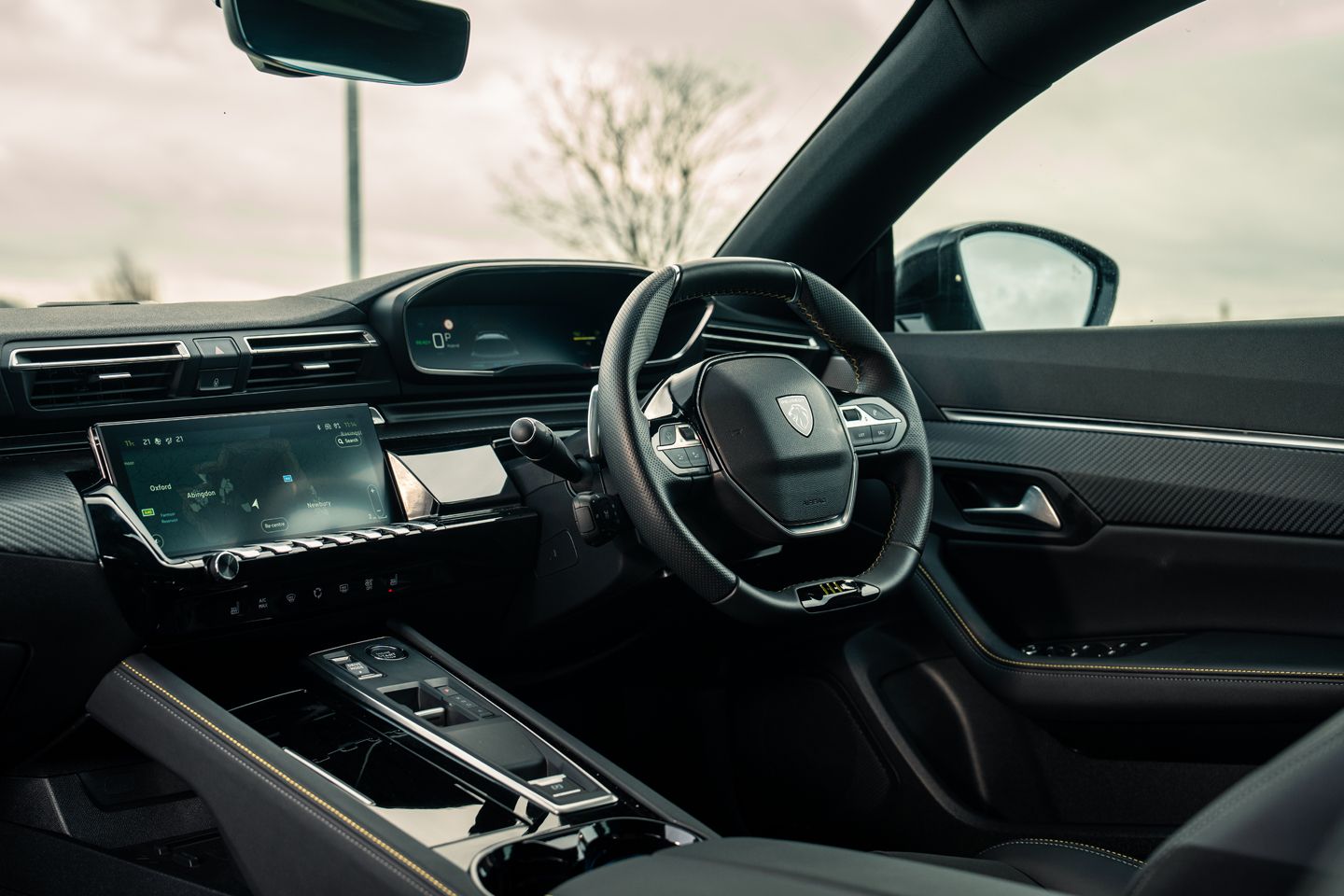
Meanwhile, the inside of the 508 is a real treat, partly because it’s something different and partly because, well, it’s just very good. Every material feels solid and expensive, there are buttons where they’re desirable and screens that boast vivid displays. The dramatic centre stack with storage underneath is a lovely solution. It’s a shame that the driving position is never quite right, the wheel the size of a wine gum never coming out or up high enough (and always impeding the view of the instruments to some extent), because it’s a cabin to enjoy otherwise.
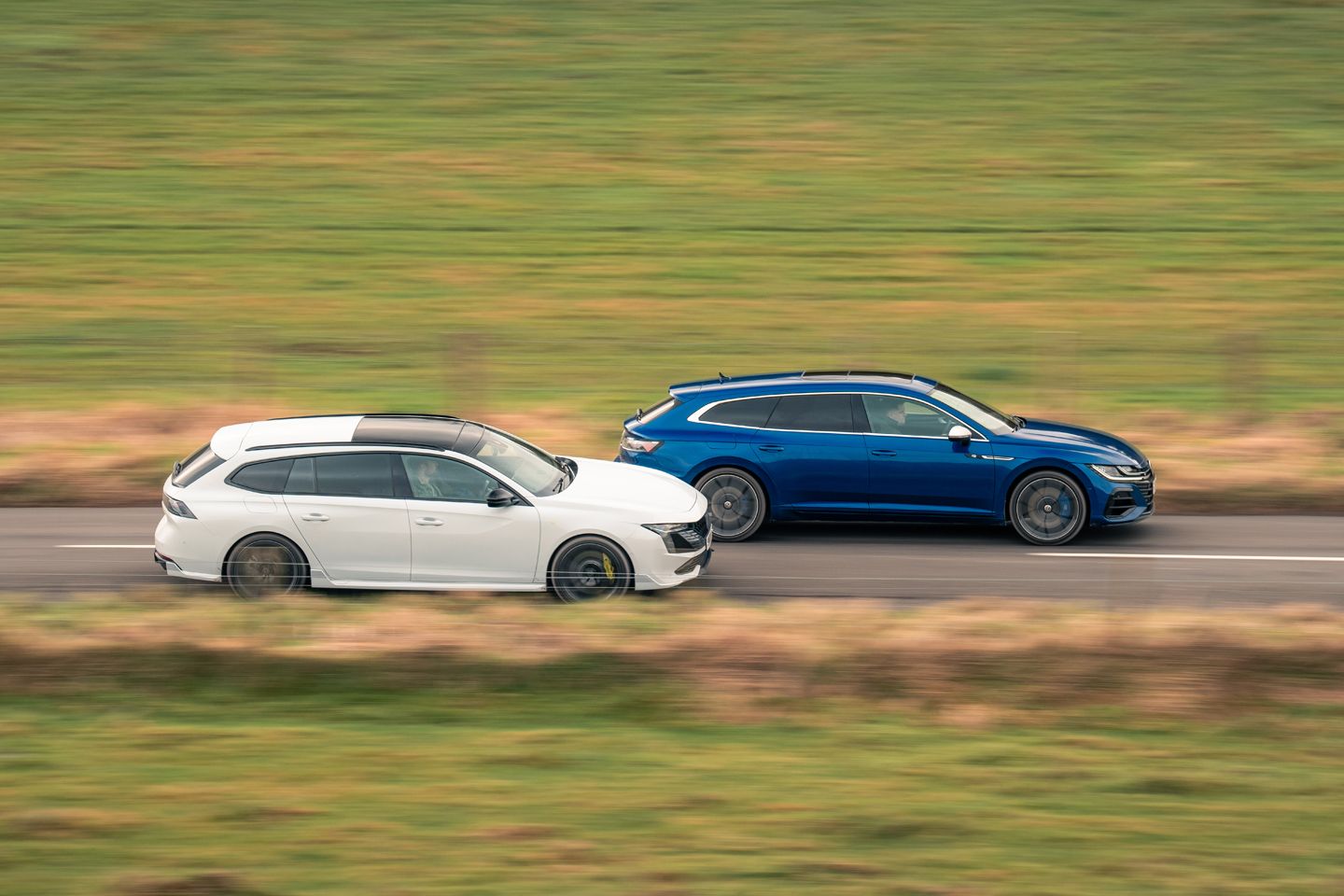
The Arteon drives just as might be expected, which is to say competently and confidently - if a little distantly. As with so many derivatives of this powertrain and chassis, there’s no real faulting the basic ability, though it’s a shame not to feel a tad more involved. The Peugeot, with its additional track width and negative camber over a standard car, delivers some meaningful weight and sensation to the steering wheel and front-end behaviour that’s both desirable and missing from the VW. Without the Drift Mode available on the Golf for the rear axle and just brake nibbling tech up front, the Arteon perhaps lacks the bite that would make corners truly enjoyable.
That being said, it undoubtedly has its strengths. Sport works well as a good mode to default to, Comfort too keen to coast and R introducing an overbearing engine sound; this can be adjusted with the Individual mode, of course, though that then introduces the angst of which of the 15 damper settings should be selected. Only to end up somewhere near Sport anyway. The preset is a nice blend of sportiness and serenity, cruising with aplomb, cornering without fuss and always accelerating that little bit harder than might be expected. The Arteon isn’t the last word in excitement, though it’s accomplished enough to be satisfying as you make swift progress on a dark, damp January afternoon. With the volume and air-con controls illuminated, no less, for easy adjustment on the move.
The Peugeout undoubtedly has its frustrations that don’t exist in the slick VW. The brake pedal is mushy, the traction control can be turned off but goes back on at 30mph, and the gearshift paddles are weird. Not that you’ll use them much anyway, because the auto is sluggish. Nevertheless, there’s much enjoyment to be had behind the diddy wheel of the 508, a sense that the name actually means what it says and isn’t just a badge with funky accent colours.
This must be a heavier car than the Arteon with its battery and motors (exactly comparable kerbweights aren’t easy to get hold of) yet never feels it; none of the drive modes are truly cosseting at low speed, though the upside is impressive, confidence-inspiring control once really moving. It corners really assuredly, weight seemingly well contained and the impression of both ends being worked equally. The sense of connection through the steering makes it feel keener than the VW yet no edgier, like the driver is having a bit more of a say, even if ultimate speed is comparable. The ability for the driver assists to be fully disabled in the VW, however, does allow old blue to let its hair down a bit when the rain comes.
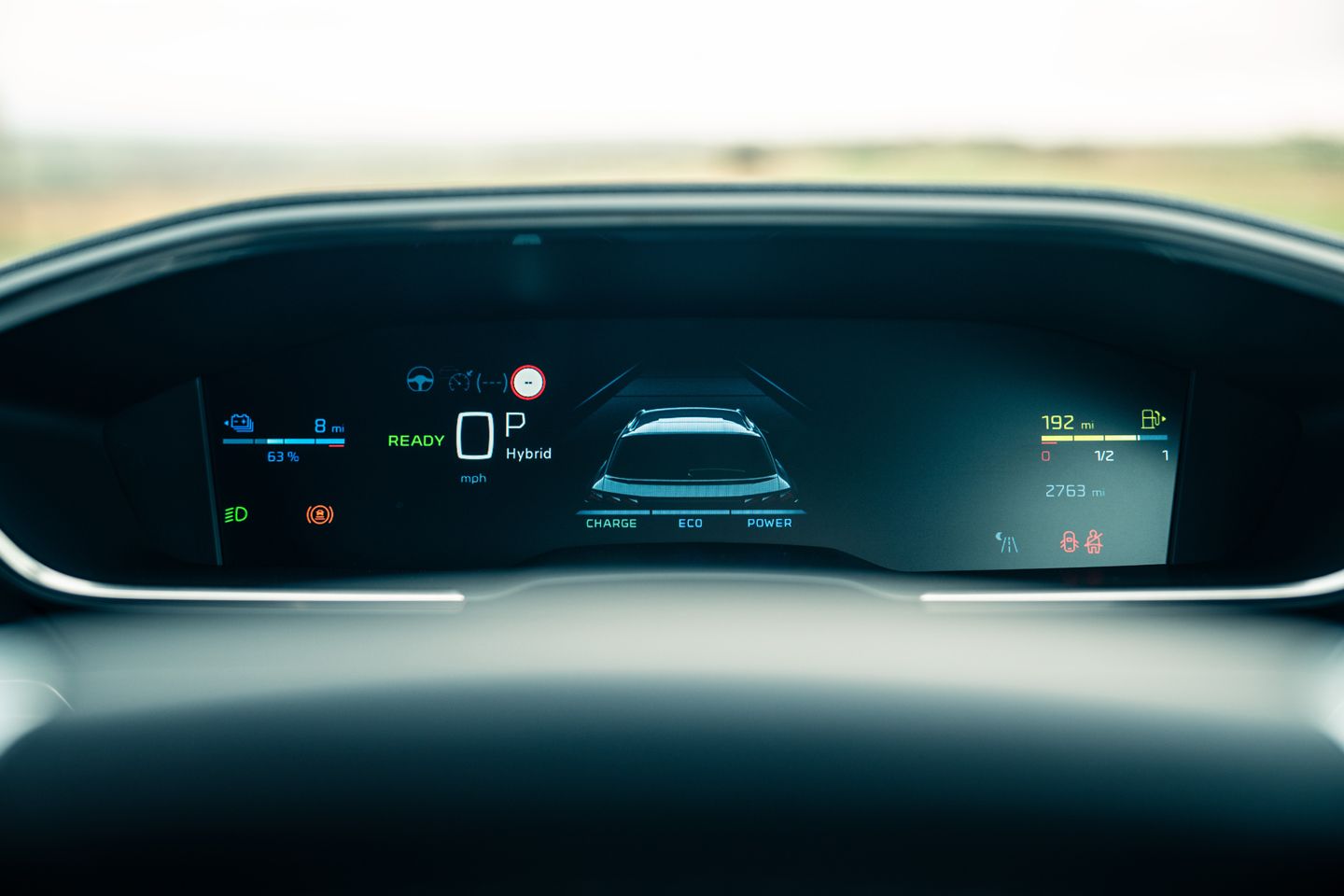
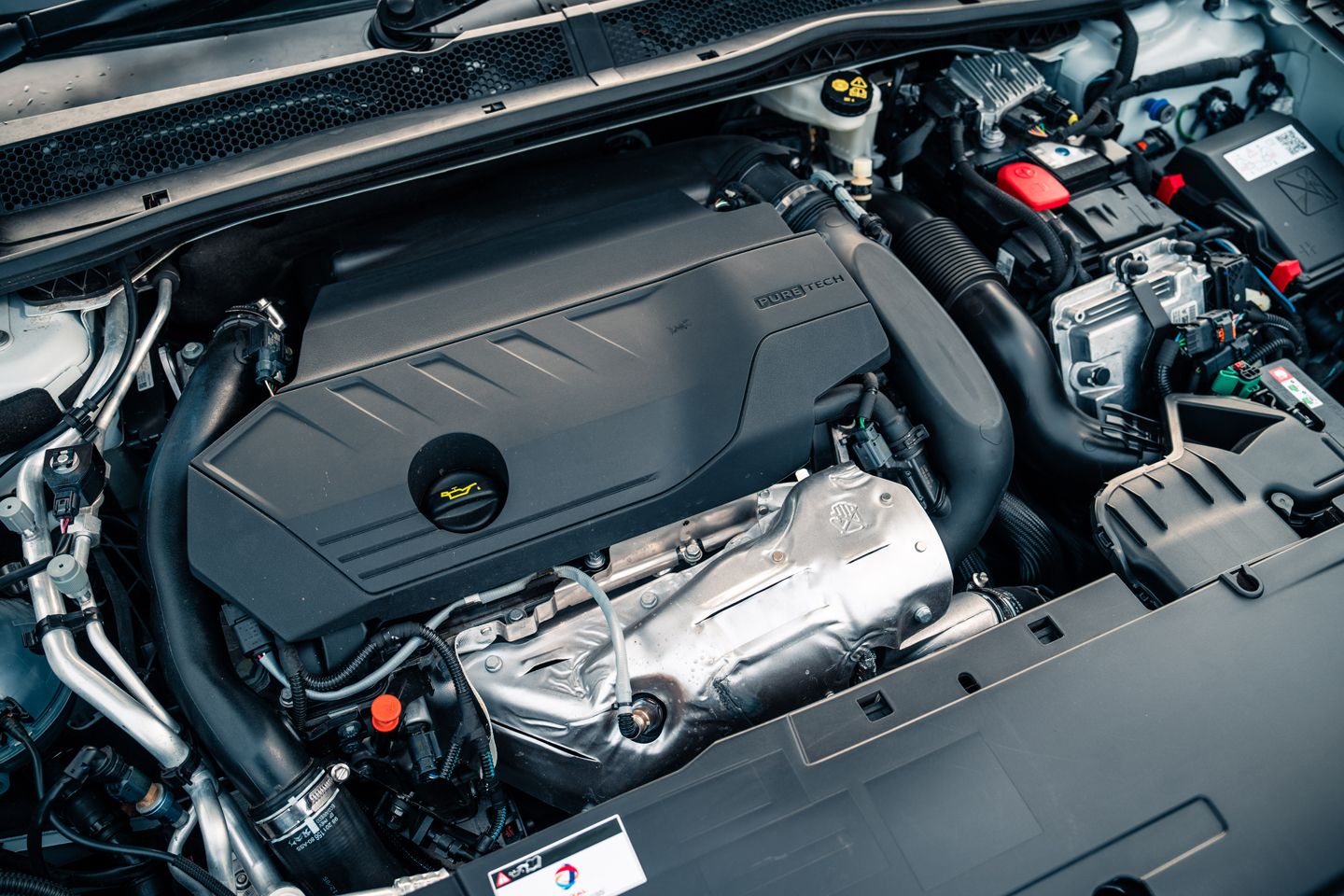
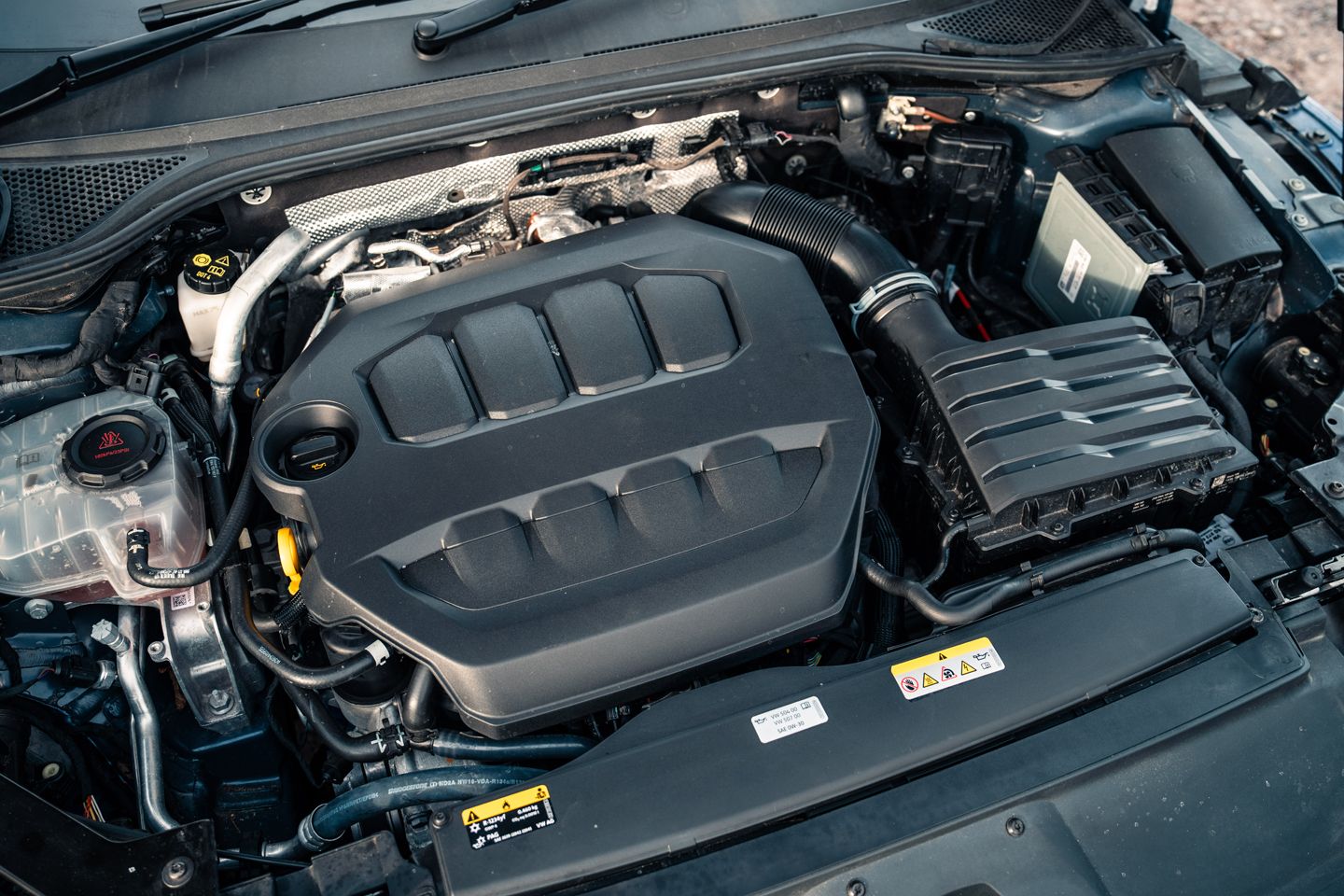
Neither powertrain is particularly inspirational, which is a shame given the asking prices. The Arteon deserves something classier than a 2.0-litre four-cylinder to do its flagship status justice, and certainly a bit more wallop to lift it above a Golf R. The Peugeot is undoubtedly more innovative, boasting some useful electric range and a meaningful boost to acceleration with the hybridisation, but it’s plain. The gearbox never shifts with much conviction, the sound is quiet and dull; turns out that an overdone four-cylinder growl might be preferable to none at all.
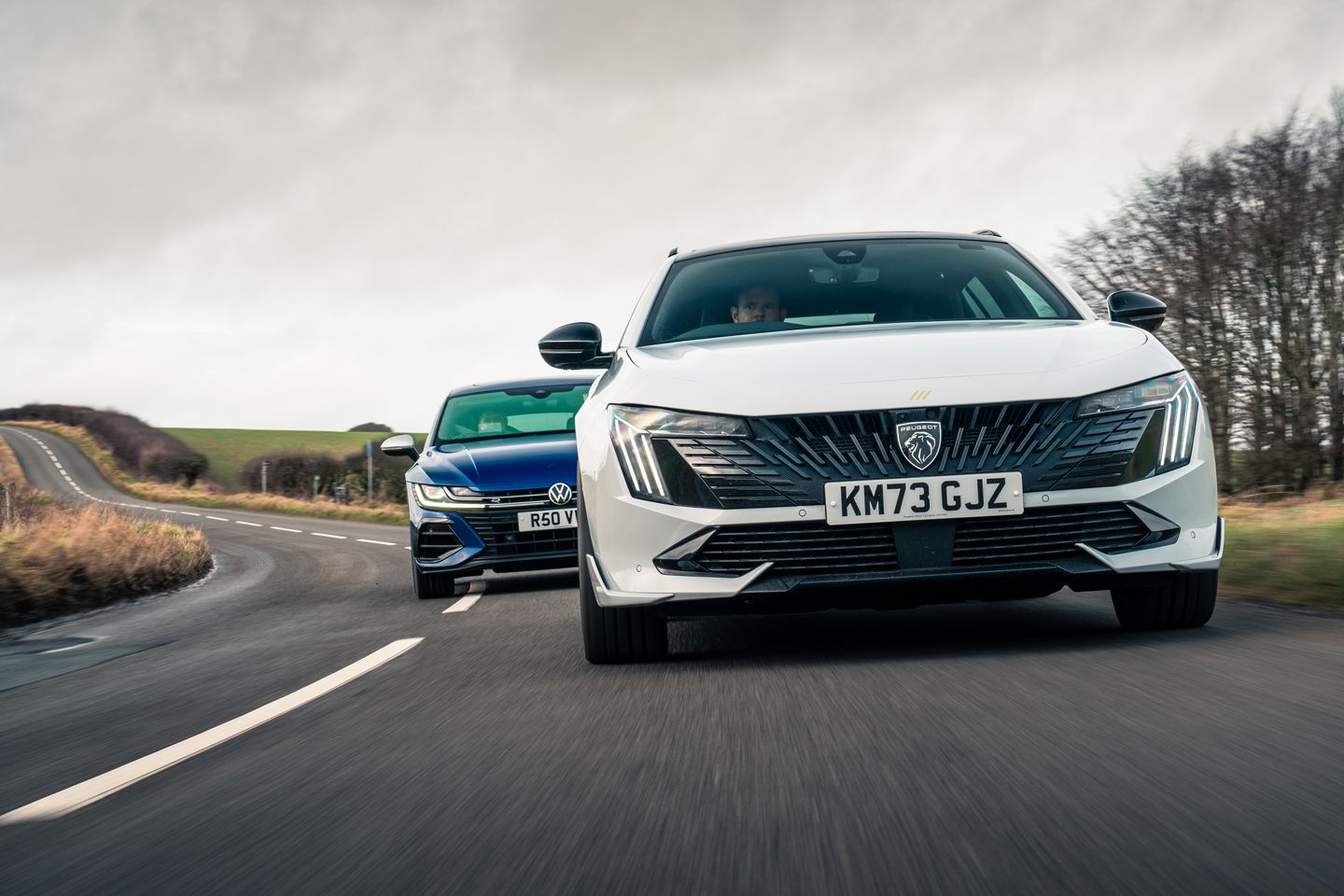
That being said, neither engine does enough to spoil the experience, and both do a very good job of convincing you that the traditional old estate is still more than valid. They both cruise adeptly (the VW with perhaps less tyre noise, the Peugeot’s engine more subdued), they both cocoon you in the driving environment better than anything higher riding tends to, and, despite 20-inch wheels and sporting aspirations, they both lope along very agreeably when required. They’re just nice, basically. Without trying too hard.
Ideally this sort of duel would take in a broader array of testing, the Swiss Army knife estates subjected to commuting, the fun drive home from a Sunday Service and a loaded-to-the-rafters family haul. But time simply didn’t allow, and actually even with just 24 hours under the belt, a verdict is easy enough. See VW has hoicked up the price of the Arteon quite substantially without altering the model underneath: what was a £52k car in 2021 is now a £60,000 one, and this particular example as tested is £68,420. That’s an enormous sum of money for a VW that’s good - but not that good. The Peugeot, optioned only with the paint, is £55,000. Even allowing for a soft brake pedal and less headroom, that’s a fairly unavoidable premium. The Peugeot costs the same as it did in 2021.
The 508 doesn’t win purely on numbers either (though the plug-in aspect should benefit running costs) - it’s a sporty Peugeot that’s genuinely good to drive, just as the manufacturer seems to have lost interest in doing any such thing. Notably, there isn’t a Peugeot Sport Engineered model anywhere else in the range, despite a host of suitably stylish candidates that could really benefit from a shot in the arm - even if they do have to be SUVs. Both VW and Peugeot have proven that an old formula remains relevant, and we should be grateful for both given the relentlessness of massive change, but it has to be the 508 that’s recommended of the two. Somebody has to buy new ones for there to be secondhand bargains, after all.
SPECIFICATION | PEUGEOT 508 SW PEUGEOT SPORT ENGINEERED
Engine: 1,598cc, four-cyl turbo, plus two electric motors (12.4kWh battery)
Transmission: 8-speed auto, all-wheel drive
Power (hp): 360
Torque (lb ft): 384
0-62mph: 5.2 seconds
Top speed: 155mph
Weight: 1,875kg
MPG: 158.5 (WLTP high, 34.2 miles EV range)
CO2: 40g/km (WLTP)
Price: £55,175 (price as standard; price as tested £55,825 comprising Okenite White paint for £650)
SPECIFICATION | 2021 VOLKSWAGEN ARTEON R SHOOTING BRAKE
Engine: 1,984cc, four-cyl turbo
Transmission: 7-speed DSG auto, four-wheel drive
Power (hp): 320@5,200-6,600rpm
Torque (lb ft): 310@2,100-5,350rpm
0-62mph: 4.9 seconds
Top speed: 155mph
Weight: 1,783kg (unladen weight)
MPG: 30.6 (WLTP)
CO2: 209g/km (WLTP)
Price: £60,570 (price as standard; price as tested £68,420.19, comprising Assistance pack plus including Area view and Park Assist for £365, 20-inch Estoril black diamond turned wheels with self-sealing tyres for £655, Towbar for £950, head-up display for £610, heated front windscreen for £415, IQ Light LED matrix headlights for £1,460, Discover Pro navigation system for £1,620, Lapiz Blue metallic paint for £1,235, Vodafone S5-VTS GPS tracker for £540.19


It's great that these still exist though and overall they're both good looking things. It's just a shame that people are going out and buying enormous SUVs instead. I don't buy into the line about being easier to get kids in and out, nobody owned a SUV in the 80s and even family cars were much smaller then. Most coped perfectly well with a saloon or hatch.
 k they like and it don’t make them up their own arses
 Liked the look of the Pug when it came out, but then saw the price. I was thinking more like £40k tops.
Same with the Arteon. When I bought my Golf R wagon I commented to the salesman that they won't shift many of those Arteon Rs. Seems I was right.
Stuff has gone up. Even a basic super mini can be specced to over £20k without really trying.
What a very, very strange view on life. I'd imagine you spend a lot of time unhappy.
What a very, very strange view on life. I'd imagine you spend a lot of time unhappy.
I’d say he’s shouting at the clouds- I’d happily own either of these, but I wouldn’t consider either until they were down to £10-15k.
Currently deciding between an M340i (worried about space after having a superb), a 540i or possibly a Mercedes E53 AMG, but I find Mercedes a bit cheap and glitzy inside. (All used around 3 to 4 years old)
Or do I just keep the Superb and spend the difference on an early S2 Elise?
Currently deciding between an M340i (worried about space after having a superb), a 540i or possibly a Mercedes E53 AMG, but I find Mercedes a bit cheap and glitzy inside. (All used around 3 to 4 years old)
Or do I just keep the Superb and spend the difference on an early S2 Elise?
Currently deciding between an M340i (worried about space after having a superb), a 540i or possibly a Mercedes E53 AMG, but I find Mercedes a bit cheap and glitzy inside. (All used around 3 to 4 years old)
Or do I just keep the Superb and spend the difference on an early S2 Elise?
I recently had to get a car that would carry two medium sized dogs. No way was I going to buy an SUV, so fast estate it was. The 340 was too small. I bought a BMW 540i MSport instead. Very happy with my choice, as are the dogs. Way nicer to drive and look at than fat SUVs.
If you’re keen on change, take a look at them. However, the Superb /Elise combo….very very tempting.
I really like what Peugeot are doing with styling inside and out, and how their current car drives, but from my recent experience they still have quality issues. One of my ex wives bought a 5008 people carrier faux SUV thing 2 years ago and it's been riddled with electrical gremlins and now at 2 years old and 20k miles it knocks and clunks like an old Sierra. It replaced a 2016 XC60 that she beat living hell out of for 6 years without a single issue.
Gassing Station | General Gassing | Top of Page | What's New | My Stuff