
Aston Martin DB7 GT | Spotted
Limited edition GT was the V12 grand tourer the DB7 should have been all along
Sometimes, it takes the best part of a generation for a car to reach its full potential. Pretty looks aside, the Maserati 3200 GT didn’t come good until the run-out GranSport, and even that did away with the Coupe’s uber-cool boomerang rear lights. Then there was the F80 BMW M3 and M4; far from a failure at launch, yet it took a handful of updates and a Competition version to unlock the platform’s full potential.
You could lump the Aston Martin DB7 in with that group. Like the F80, the DB7 launched to mostly positive reviews, while the Ian Callum styling would shape the company’s design language for over 20 years. But it wasn’t without flaws, namely the Jaguar XJS-derived supercharged inline-six in place of the prototype’s V12 and a cabin kitted out with bits and pieces pinched from Ford’s parts bin. Early cars sold well, but it wasn’t until 1999, when the old straight-six was replaced with an all-new 5.9-litre V12, that the DB7 truly hit its stride. Sales nearly doubled over the next four years, comfortably placing the DB7 as the highest-volume production Aston to date.
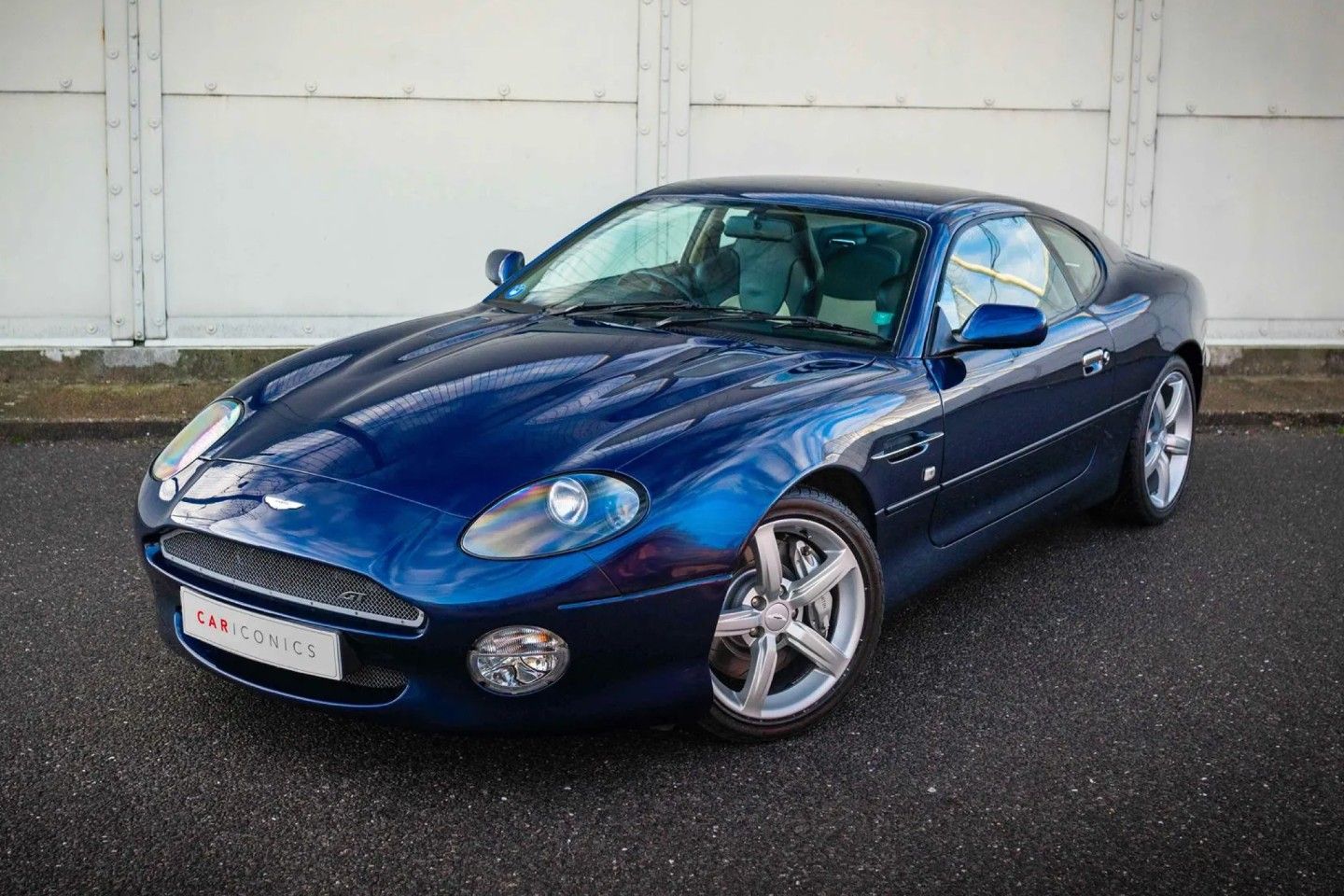
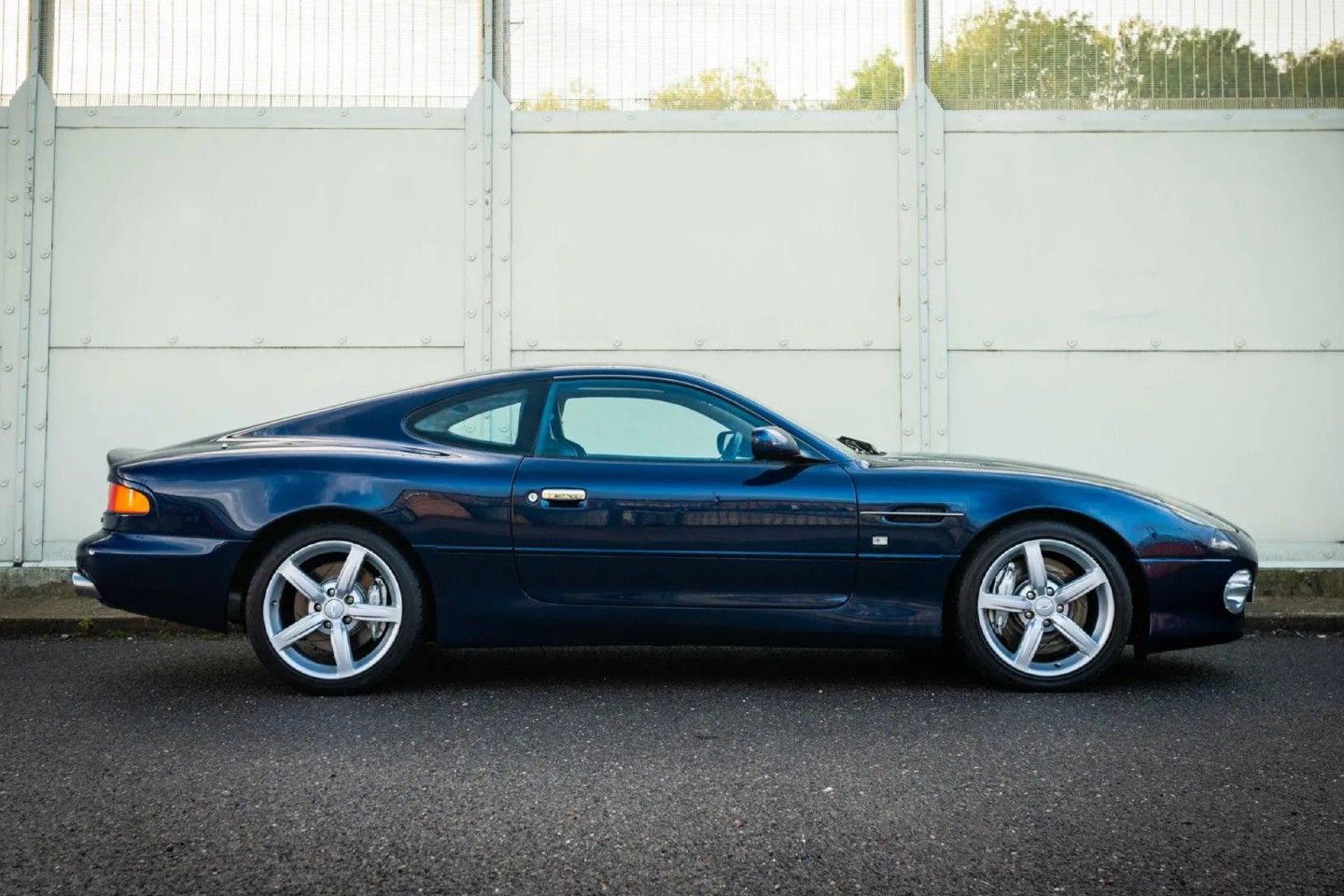
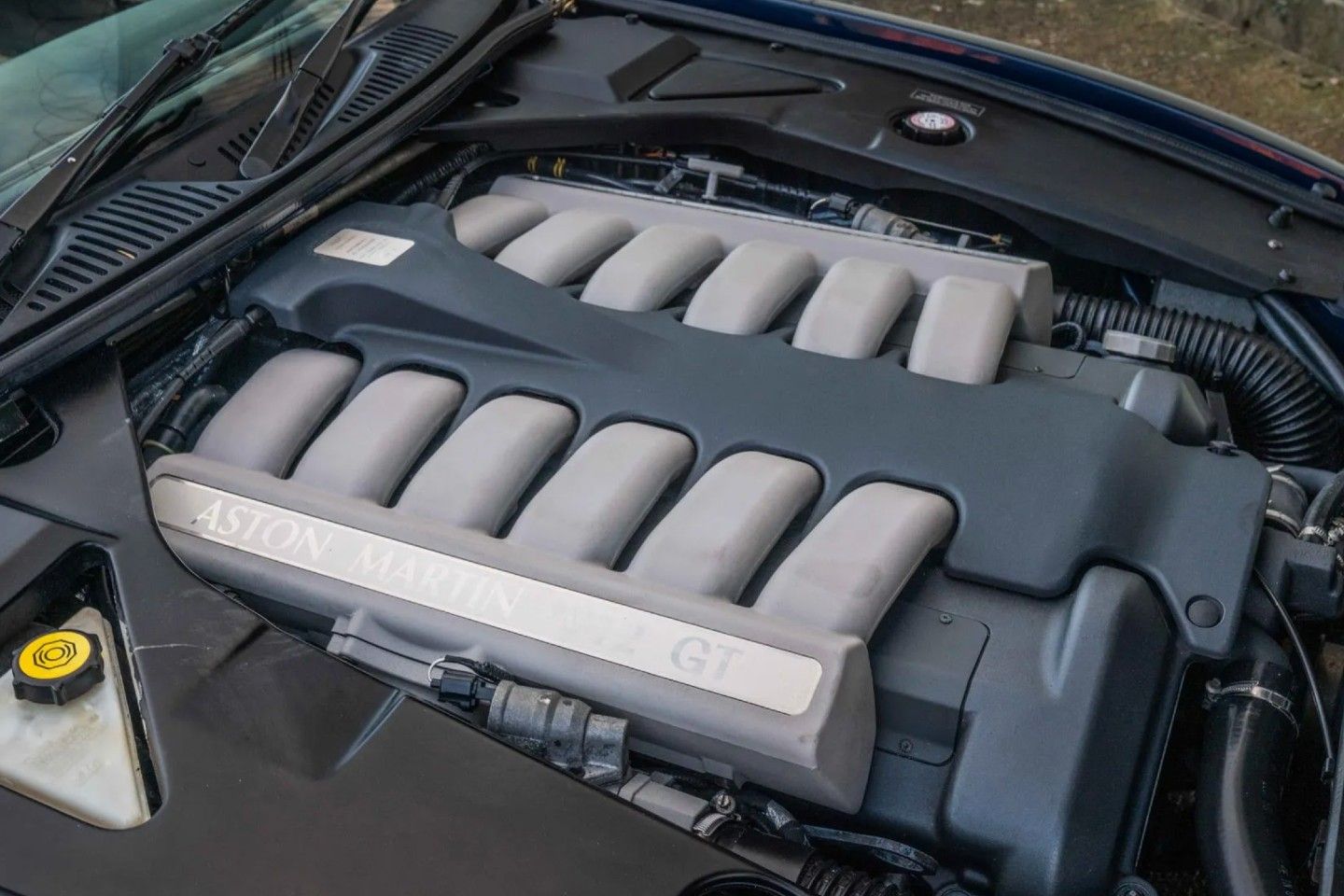
True to form, the firm saved the best till last with the DB7 GT as seen here. Though it looks like any other V12 DB7, save for a mesh grille and unique 18-inch wheels, the GT packed an extensive list of tweaks, refinements and upgrades that, ultimately, elevated it to the car it arguably should have been from the off. Power from V12 was upped from 426hp to 441hp, while a shorter final drive for the six-speed manual gearbox brought a snappier response from the engine.
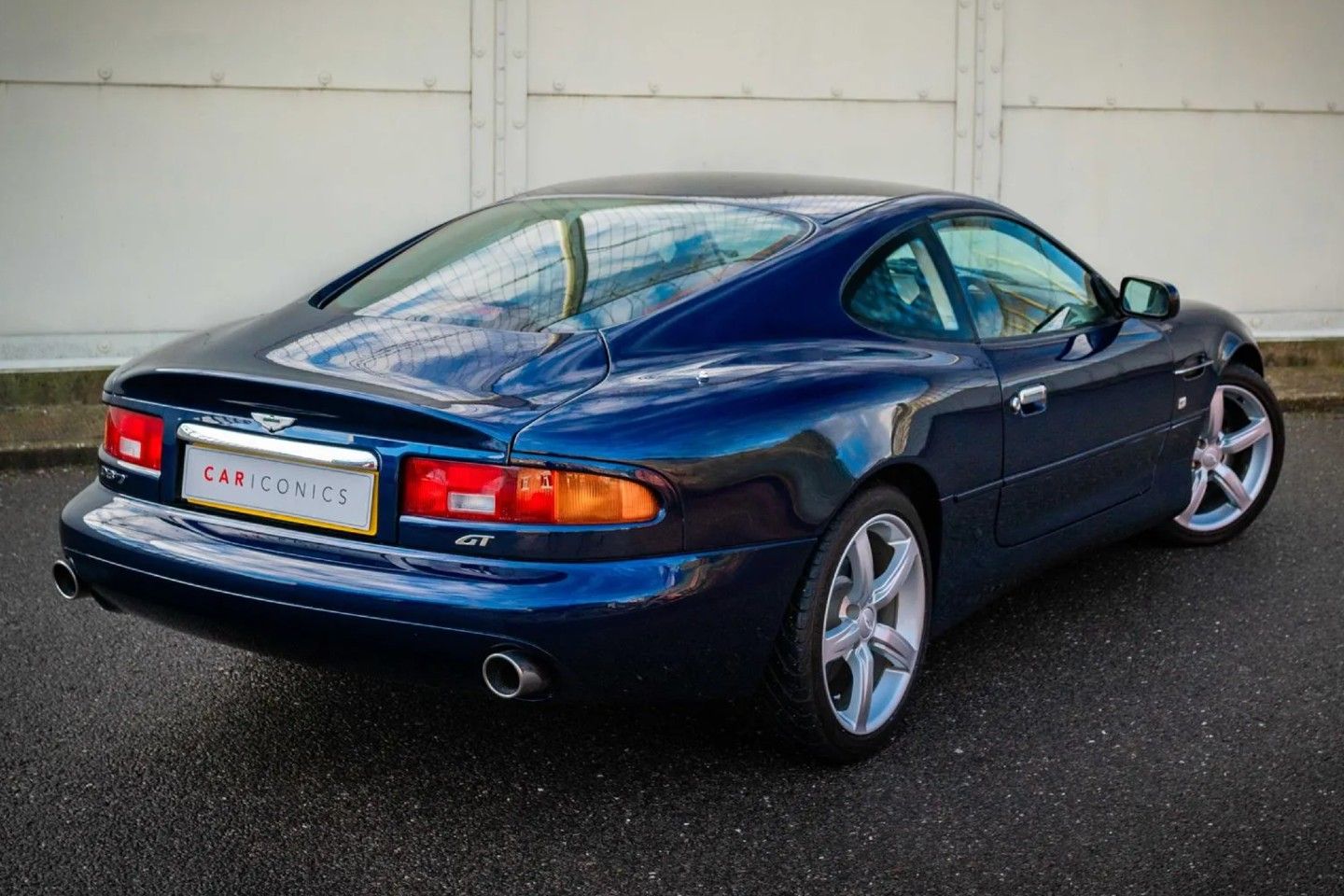
Underneath, Aston bumped up chassis stiffness by 20 per cent with a reworked front subframe and upgraded suspension. The geometry was also revised to improve stability, while the new five-spoke wheels were lighter and wrapped in lower-profile Bridgestone rubber. Clarkson heaped on the praise in his TG review and was particularly impressed by the GT’s ability to briskly cruise up to 135mph from a standstill in a single (fourth) gear.
Unfortunately, only a small portion of the DB7 buying population ever got their hands on a GT. Just 191 manual coupes were produced, with production running from 2002 to 2003. The DB9 would arrive a year later on the vastly improved VH platform and sold in considerably higher numbers. So even though the DB7 came good right at the end, it wasn’t enough to bump up the grand tourer’s street cred. The good news is that means you can still pick one up for less than a new VW Polo, and while a GT commands a hefty premium over an early inline six, we’re not talking DBS money here.
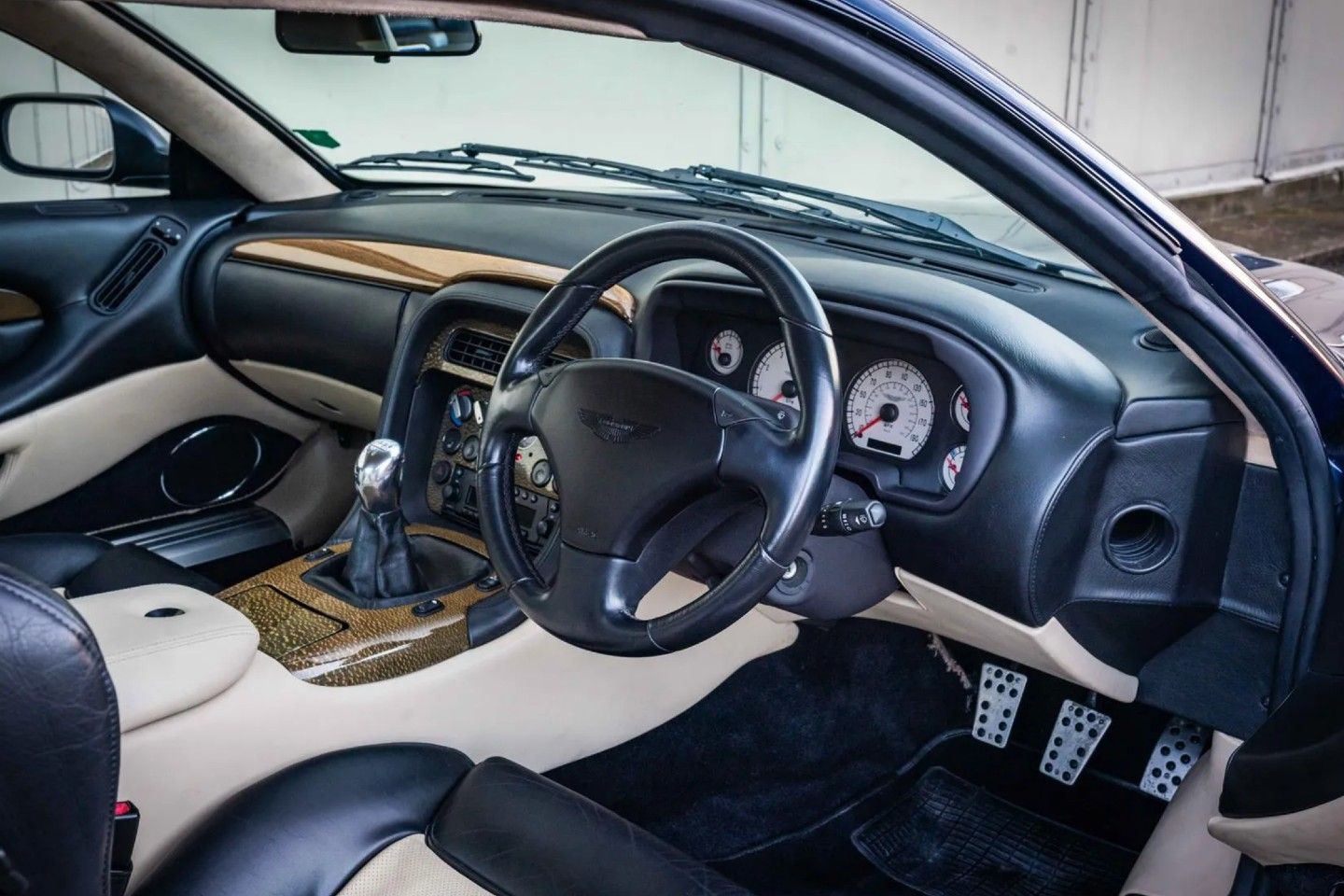
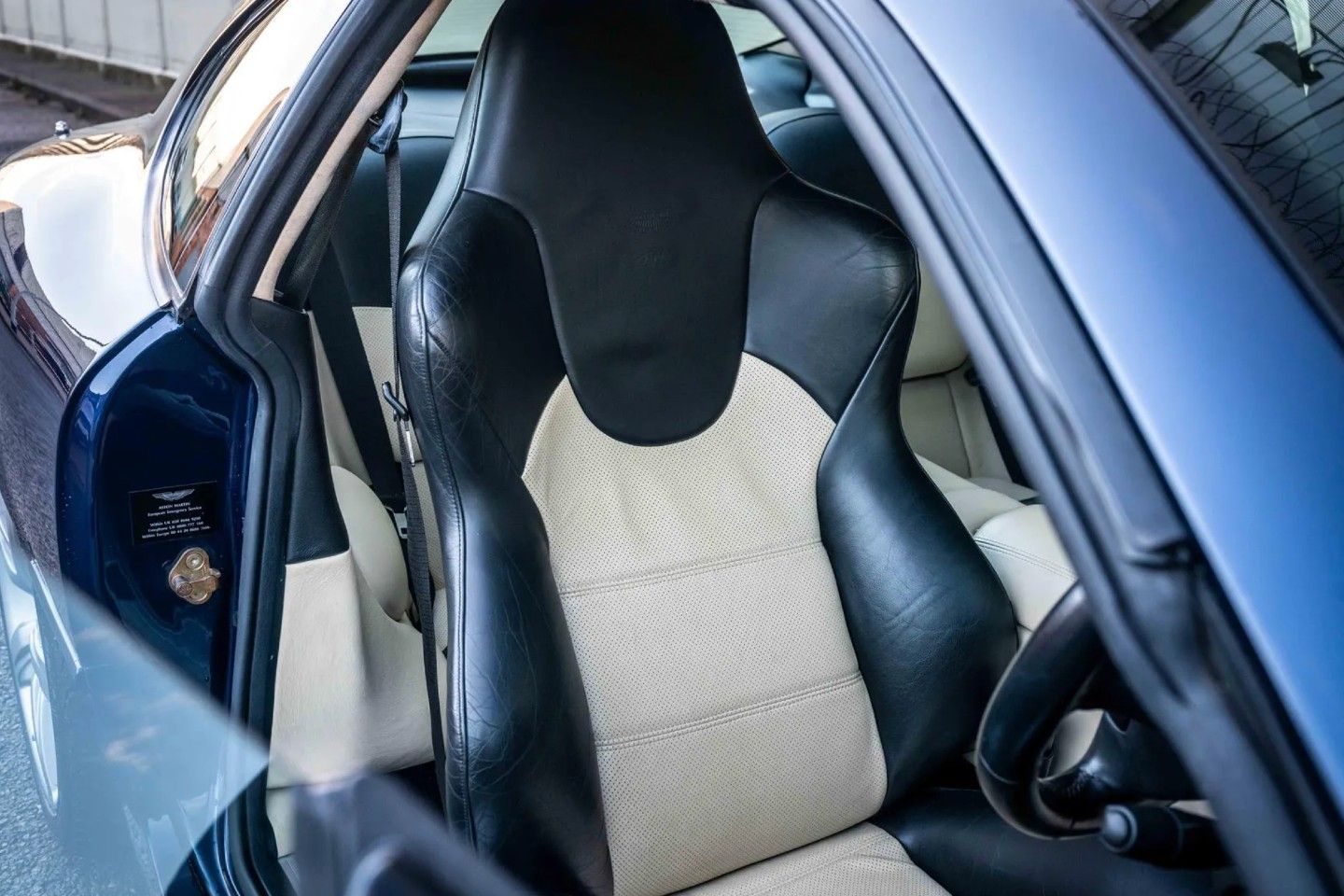
For instance, this 2003 model has 18,736 miles on the clock, a full service history and a binder stuffed with ‘general maintenance records’ as proof it’s been well cared for. You only need look at the pictures to see that, with an interior that’s in fine shape and a toolkit still stocked with all its original implements. There’s even an Aston Martin-branded fire extinguisher behind the driver’s seat! The seller will part company with it for £54,995, a good £30k more than the cheapest DB7s out there. And, sure, they’re one of the cheapest ways to scratch the Aston itch on a budget (Cygnet included), but only in the GT will you experience the DB7 the way it was meant to be.
SPECIFICATION | ASTON MARTIN DB7 GT
Engine: 5,935cc V12
Transmission: six-speed manual, rear-wheel drive
Power (hp): 441@6,000rpm
Torque (lb ft): 410@5,000rpm
MPG: 14
CO2: 476g/km
Year registered: 2003
Recorded mileage: 32,000
Price new: £104,500
Yours for: £54,995


But these days, where anything remotely interesting is expensive, £50k for 3 pedals and a v12 with "Aston" on the nose doesnt seem too bad.
You have to remember the DB7 could only have been this way- with many XJS or FoMoCo parts. The year before its launch (in 1992) the company made... 50 odd cars.
The DB7 saved Aston, as it showed there was enough interet for proper investment. Which gave us Gaydon, the DB9, V8 vantage DBR9 etc.
A very worthy car. But yes... also very hand built and compromised. Me? I'd love one. I'm old enough for a Volante now
https://www.chilternaston.co.uk/car/2004-aston-mar...
I wonder how long we are away from a DB7 restomod? I've always thought it such a beautiful car, so an update of electronics and tech would make a really desirable car...
But these days, where anything remotely interesting is expensive, £50k for 3 pedals and a v12 with "Aston" on the nose doesnt seem too bad.
https://www.pistonheads.com/buy/listing/15491926


Due to the development of the Jaguar XJ220, Ford had not been very keen on development of new Aston Martin models, considering high development costs and the market in the wake of the 1990s economic downturn. Aston Martin CEO at the time, Walter Hayes approached Walkinshaw as he had seen the potential in Walkinshaw's proposition to succeed. Development started with a project name of XX. Ian Callum was again tasked to redesign the car so it would look like an Aston Martin. Due to a limited financial backing at the time, the final product shared many components from other marques owned by Ford. The tail lights came from the Mazda 323 F, the Chrome door handles came from the Mazda 323 Estate, the turn signals came from the Mazda MX-5 and the interior door mirror switches came from the Ford Scorpio. The only foreign component would be the wing mirrors which were shared with the Citroën CX. The whole project cost US$30 million.
So 50k for one seems crazy money to me.
You could get a V8 Vantage for that which is surely much better in every respect (not a v11 of course).
I always found the DB9 didn’t know what it wanted to be; sporty or comfortable GT - it wasn’t dynamically capable to pull off the former and it didn’t ride well enough for the latter.
These last of the line DB7s are firmly in the comfortable GT camp and wasn’t trying to be anything else, and much better for it.
I love the blue one’s interior, something different
I've shared before on here about how this car influenced my love car for cars, as my father bought one just before I passed my driving test (not a a GT, but a V12 manual DB7 nonetheless).
My memories were of the any-gear torque, incredible noise and the evocative long bonnet. Back in 1999, there wasn't really anything that could touch it (in the same year, a 996 Turbo had the same power, the then new Pagani had less), and it used to get swathes of attention whether it was in a carpark, or on the M25.
I worked full-time in the family business from the age of 16 and I remember my dad proudly bowling into the office to tell me he had beaten his commute Personal Best from Otford to Sidcup. Of course, my experiences were largely limited to the passenger seat, but he hustled the car and enjoyed driving it .
What I am privileged to have experienced - which helps with the emotional attachment and loyalty to the Aston - is seeing it being built. Seeing how many people were involved, from craning in the engine, to the old ladies stitching the leather, it was incredible walking from room to room seeing what it took to "handbuild" a car.
As such, I find the constant Ford-parts-bin comment pretty insulting to those people who spent years Newport Pagnell at Bloxham honing their craft, for it to be summarised in such reductive terms.
I do agree the car hasn't aged as well as I thought it might. At the time it was declared as one of the most beautiful cars ever penned, but today I still love the front three-quarters, but the rest of the car looks a little anaemic. Perhaps this is exaggerated by the original Vanquish, which has such a more purposeful stance about it, from any angle.
Other than what I perceived to be poor interior build quality, I was struck by how much of an ‘inverse TARDIS’ it was, fairly proportioned on the outside but really small on the inside.
Gassing Station | General Gassing | Top of Page | What's New | My Stuff