
Mercedes 300-CE Sportline (A124) | PH Heroes
The '124 was a Hero in all its guises, and something very special indeed as a drop-top
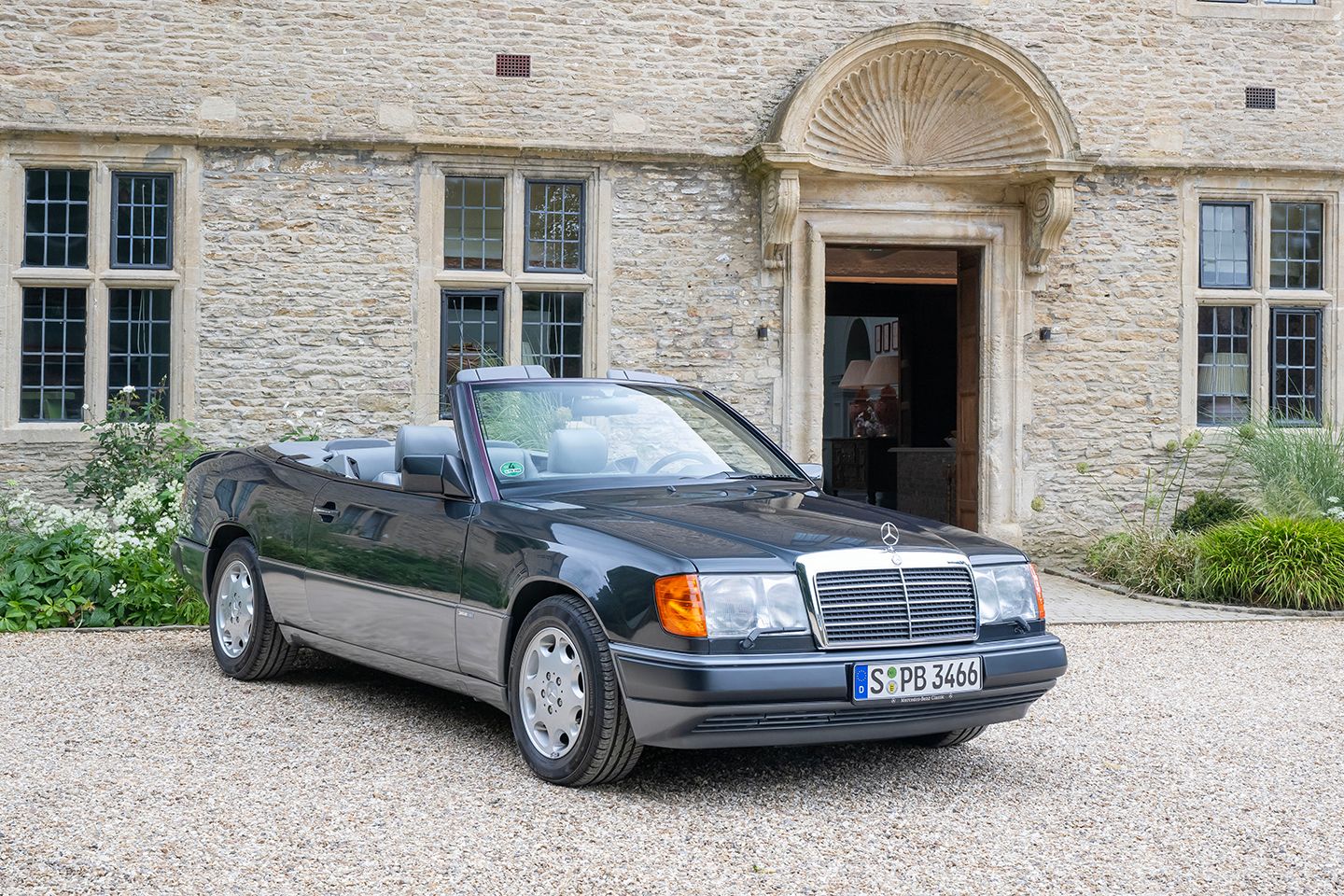
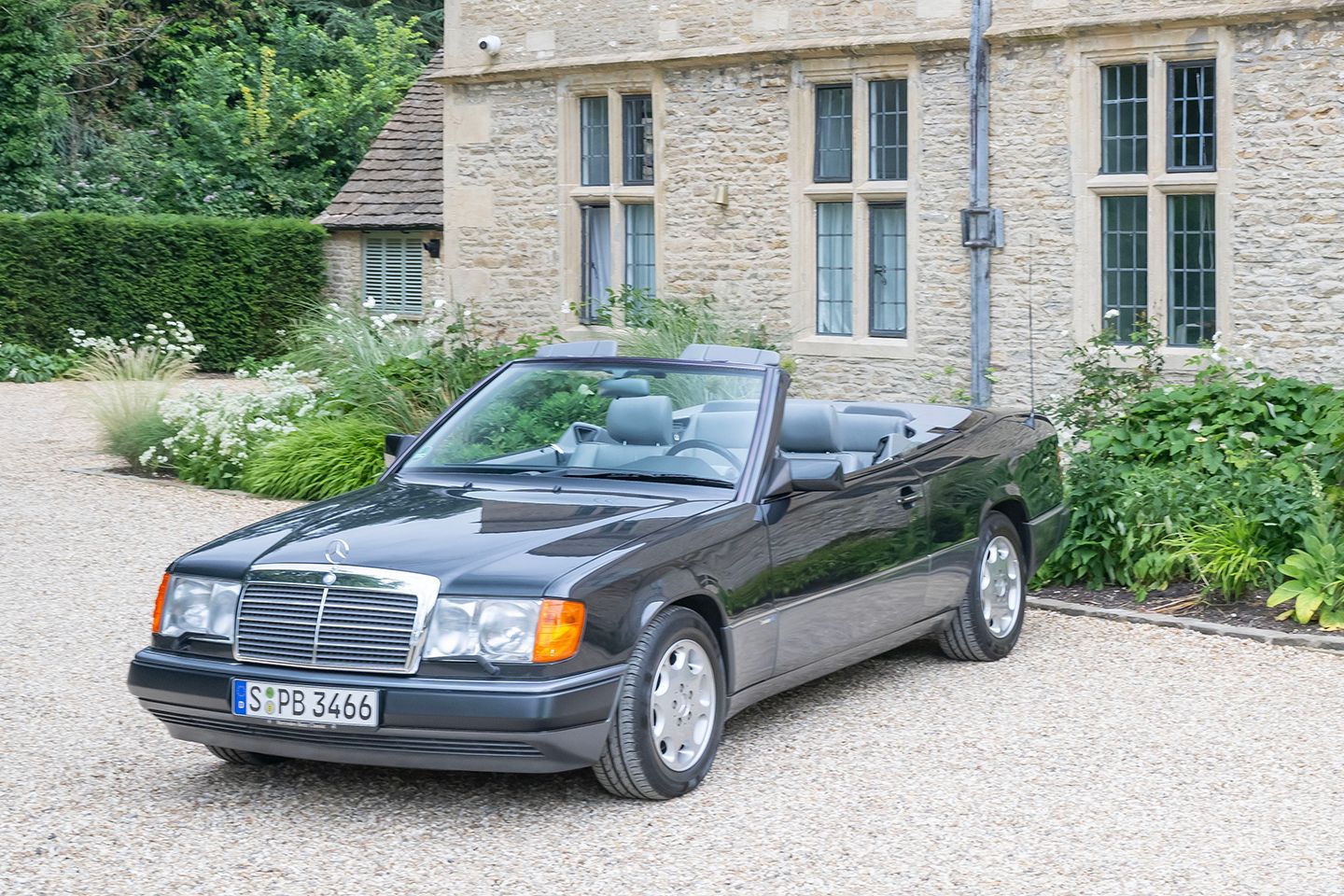
There’s a commonly accepted practice when it comes to driving old cars. In deference to their age you cut them some slack, lower expectations, try to imagine how they could have fared before time took its toll and cars just weren’t as good. They creak and they rattle and they’re vague, but those flaws can be overlooked for the sake of classic cool.
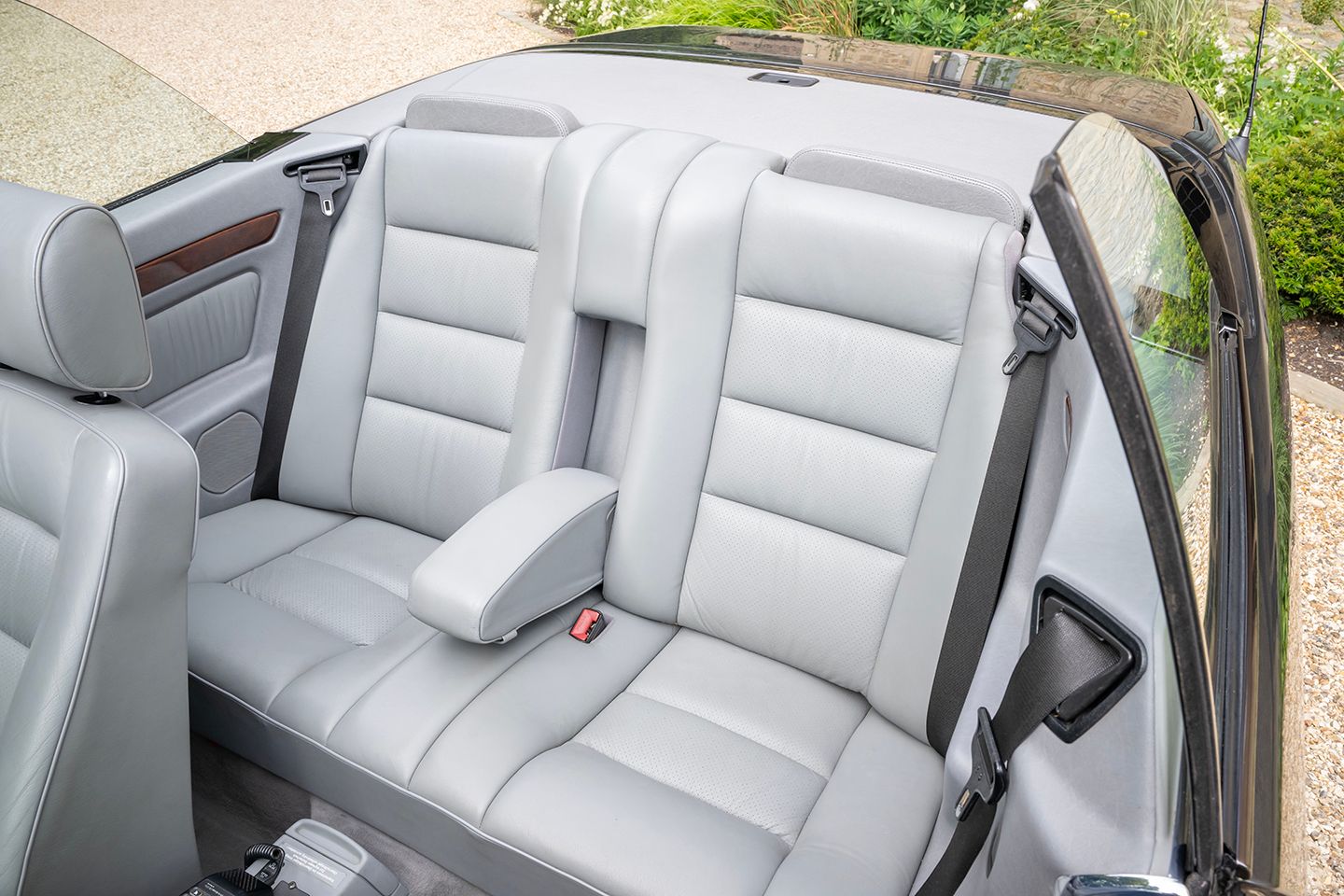
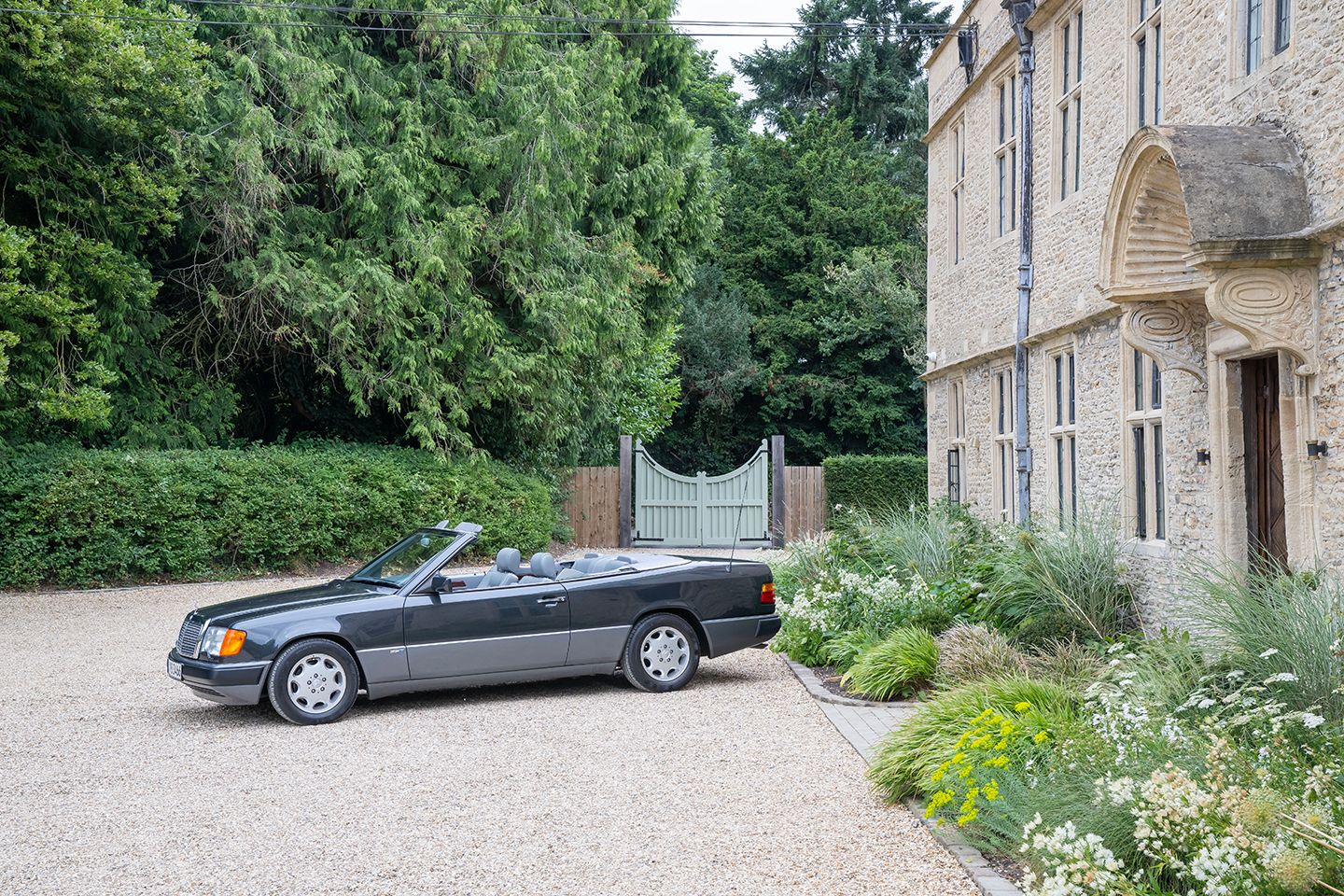
No such glossing over is required for the ‘124 era Mercedes E-Class generally, which is why they’re still loved, and in particular for the A124 cabrio you see here. Drop-tops in particular really tend to age quickly, thanks to rapid advances in roof technology and torsional rigidity. But this thing? It feels decades newer than it is. The roof erects and collapses near enough silently, quieter than throwing a beach towel over the sun bed; it could be said that the electric seats whirr obligingly, though it’s really more like a murmur; the doors are solid enough to feel like they come from a castle rather than a car. This thing epitomises solidity and quality and attention to detail, yet has been in use for more than 30 years. Alright, so it’s a Mercedes-Benz Classic car with 60,000 miles, therefore likely better than 99 per cent of the rest of the ‘124s, but you never need look far to appreciate the immense initial effort that went into this car. Maybe that does date it, in fact - it’s really hard to imagine any car short of a Rolls-Royce being assembled like this in 2024.
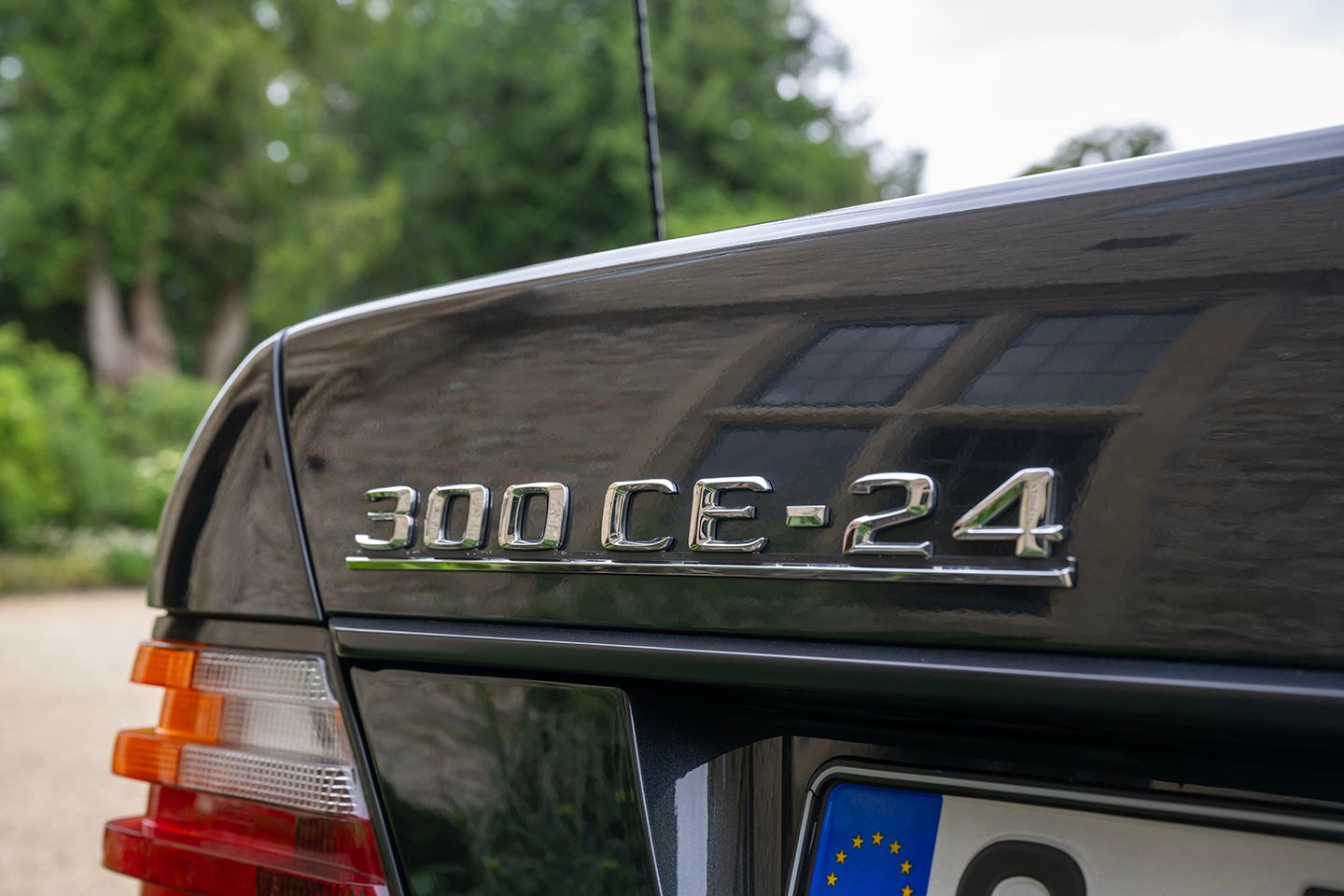
But Mercedes needed to make good on the A124. By the time of the cabrio’s introduction in 1991, the saloon, estate and coupe had already established themselves as the best a Benz could be across the globe, so the drop-top couldn’t let the side down. Not only that, but by the 1990s Mercedes hadn’t made a four-seat cab for 20 years - to return with a spudder would have been disastrous. To that end 1,000 carryover parts from the coupe were re-engineered for the A124, largely to benefit chassis stiffness and ensure this wasn’t a horrible pudding of a car to drive. Mercedes modern press material suggests that additional ‘sophisticated design features’ were utilised to ‘protect it against vibration’, though doesn’t expand on exactly what they were. Suffice it to say that just because this didn’t have a roof wasn’t going to make it any less of a ‘124 when it came to sturdiness and durability. At launch the cabrio borrowed the coupe’s engines, including the M104 straight-six used in this one. Where other ‘300’ badged models in the range still used the 12-valve M103 engine and no more than 190hp, the 24-valve brought a punchy 220hp and 140mph potential.
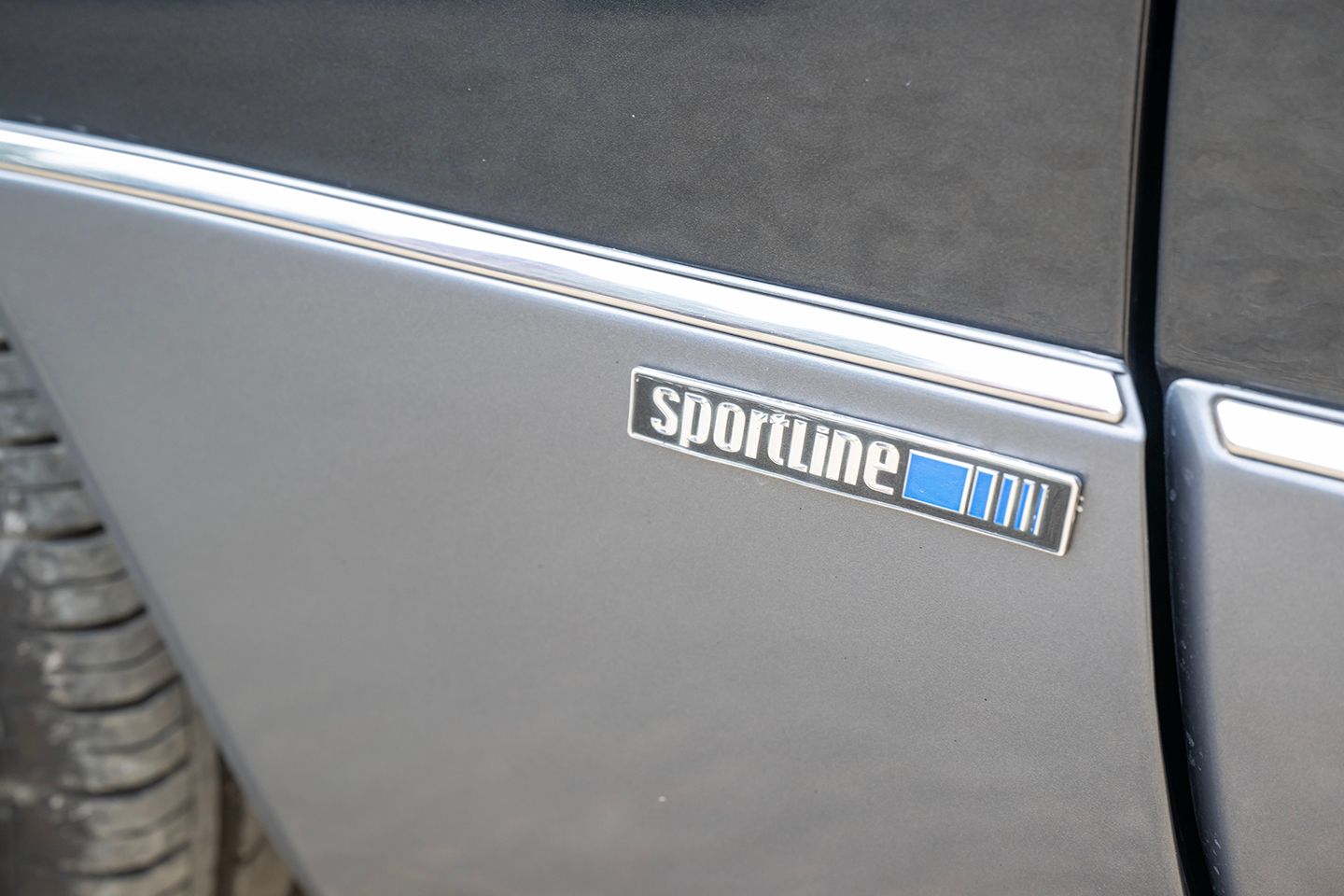
Speaking of Classic, even among the exalted company this car keeps in Stuttgart the 124s are much loved. “Alongside such performance saloons (500E and E60 AMG), the highlights of the 124 model series often also include the sporty and elegant two-door models,” said Patrik Gottwick in a 2019 press release, celebrating 35 years since launch. He was responsible for the ‘All Time Stars’ at MB Classic back then, so knows his Benz onions . The release also suggested that Gottwick reckoned the “coupe of type 320 CE with Sportline equipment from 1992 as well as a 300 CE-24 with four-valve technology from 1991 as examples of All Time Stars from recent years.” And if he’s saying that…
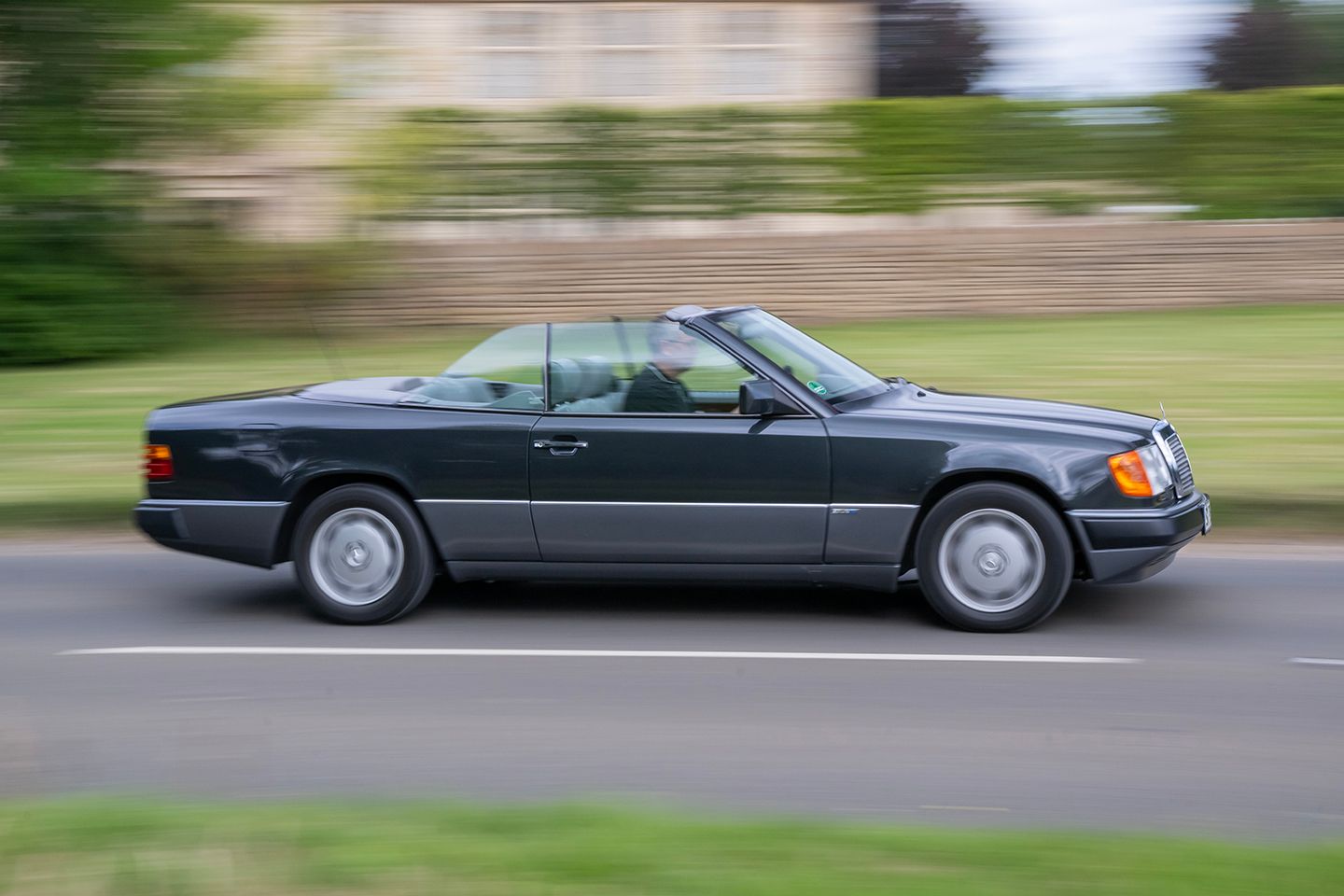
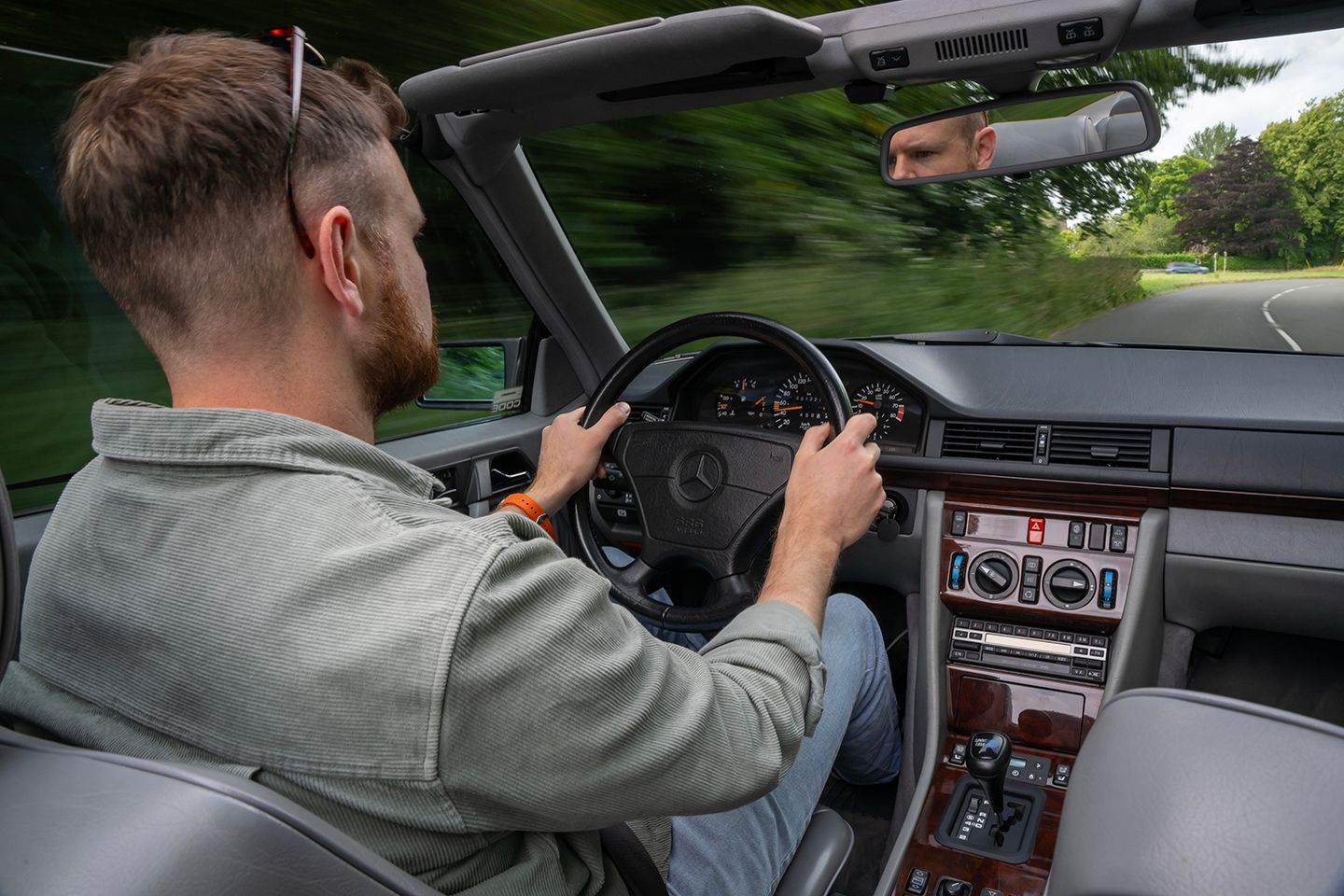
The car seen here was only offered in 1991 and 1992; ‘93 saw the range facelift that introduced the E-Class name for the very first time and a 3.2-litre version of the M104 for the E320 models. The big straight six would go on to live a very long and varied life, in fact; the 12-valve M103 was in service from 1984 to 1997, while the 24-valve M104 went all the way to 1999, with 3.4- and 3.6-litre AMG conversions along the way.
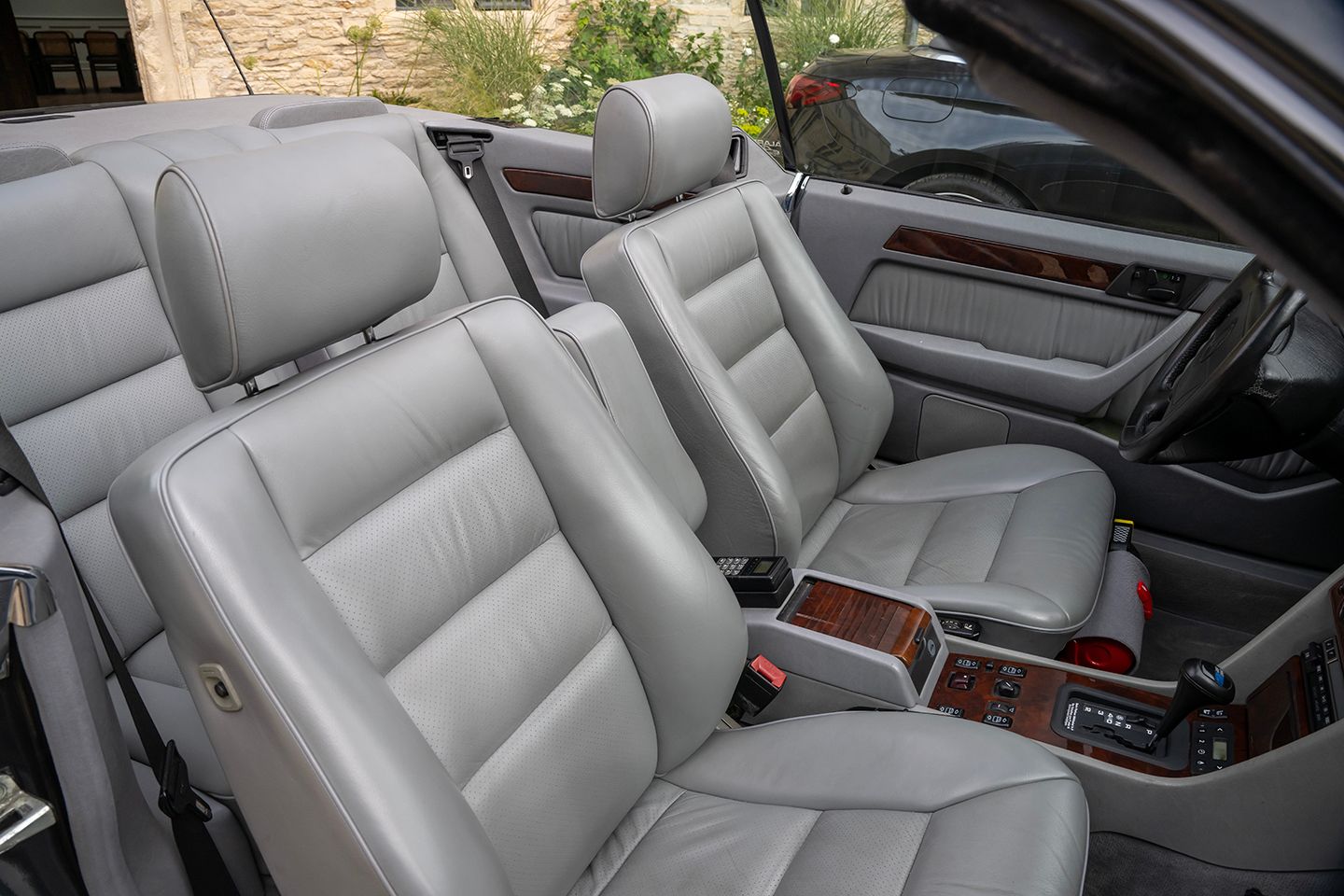
Top down and sun shining, the six feels as well matched to the ‘124 as a dollop of cream with Wimbledon strawberries. It’s silky smooth, it sounds superb - not unlike a similarly configured BMW of the era, appropriately enough - and delivers a perfect amount of performance. Never does the old Benz feel slow, though never either does it feel overpowered or overawed by its powertrain as some classics can. It all feels very cohesive and methodical, a car that requires precious few allowances to be made for it in 2024 - this must have felt like Concorde the cabriolet when it was new. But with more comfortable seats. They really are fantastic chairs.
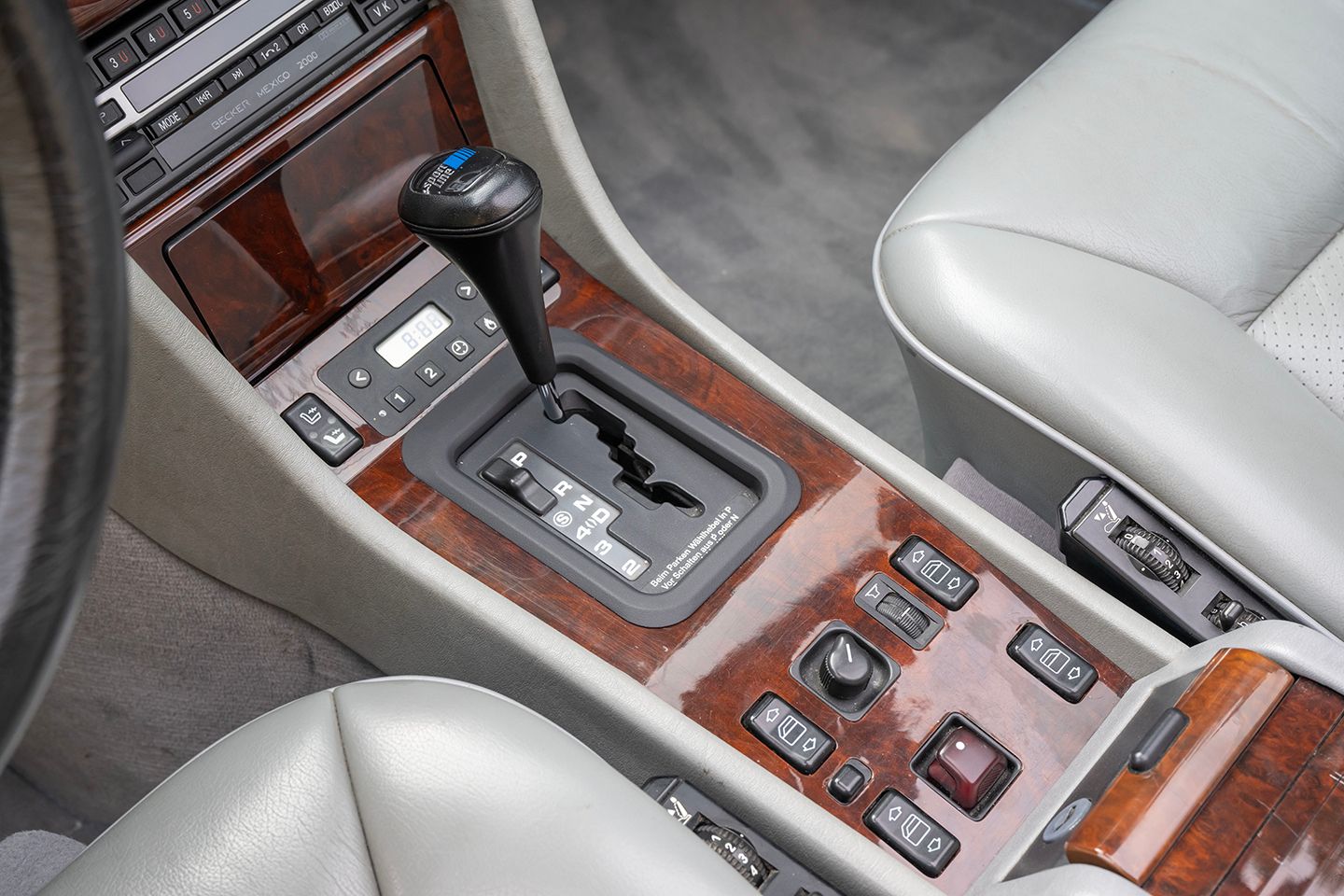
That same feeling of engineering excellence extends to the gearbox. Honest. While it’s hard to know whether just the four ratios or the great wand of a lever date it more, the shifts themselves really are pleasingly brisk and the kickdown calibration intelligent. Again rather unlike some old cars, you’re never left cursing the gearbox for strangling a great engine. It just works to a really, really high standard, still, with enough torque to overtake, enough power to be entertaining and sufficient alertness to feel contemporary. No wonder a ‘124 restomod craze hasn’t kicked off in earnest - there doesn’t really feel like much needs improving.
And what of those chassis strengthening measures? They’re impressive, no doubt, imbuing the Mercedes with proper strength and solidity even today. Obviously it’s not flawless, with the odd shudder making itself felt now and then, though given the context - this was never a sports car, and it was made the year of the Barcelona Olympics - it’s borderline incredible. Heck, there’s even some accuracy to the steering and a bit of poise about the chassis for those that go searching. Or a truly great classic cruiser experience, more appropriately. An E36 AMG version must have been pretty special indeed.
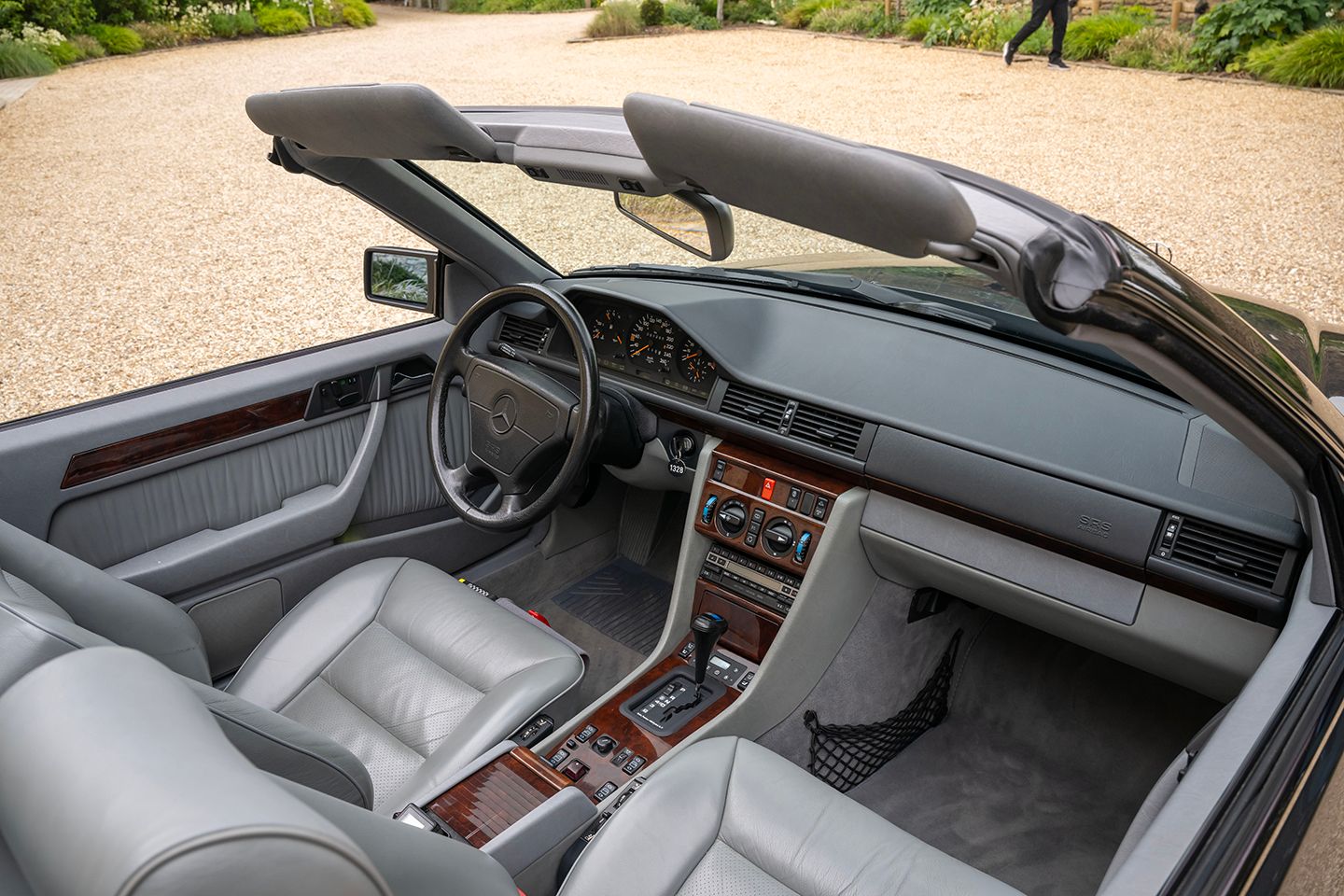
Having tried a ‘124 for the very first time, it becomes even easier to understand why these things stuck around for so long and why drivers - from families with seven-seat estates to cabbies with 500k under their wheels - were so determined to keep them. There was that famous toughness, of course, that kept them going in a fashion that their immediate successors never really managed, but also the sense of satisfaction that comes from operating one. Typically efficiency and effectiveness are dismissed as drawbacks but here they give the old Mercedes enormous character, a feeling of limitless capability and huge potential for whatever lies ahead. It’s hard to recall any car having such an effect.
The fastidiousness Mercedes applied to all the ‘124s became the model’s greatest strength as well as something of a millstone around the three-pointed star. The mid-90s E-Class wouldn’t have been good enough even without this car as its predecessor, and the first CLK didn’t quite cut the mustard, so people kept these and the reputation was burnished further. Today, with plenty of the 2.5m made having (eventually) been run into the ground over the course of 40 years, it’s little surprise to find the best of Benzes attracting a premium. Even a four-pot cabrio might cost £20k these days. But if ever a car had deservedly earned that reputation, the Mercedes W124 is it. Seldom has a decades-old car felt to meld classic and modern attributes to seamlessly and persuasively, making a drop-top like this as desirable now as it ever has - and an undisputed PH Hero.
SPECIFICATION | MERCEDES-BENZ 300-CE SPORTLINE (A124)
Engine: 2,960cc, straight six
Transmission: 4-speed auto, rear-wheel drive
Power (hp): 220@6,400rpm
Torque (lb ft): 195@4,600rpm
0-62mph: 7.8 seconds
Top speed: 145mph
MPG: c. 28
CO2: N/A
On sale: 1991-1992 (300CE, then E320 1993-1997)
Price new: N/A
Price now: from £10,000


Certainly when you lift the carpets and inspect the floor of my W124 coupe, the strengthening (almost girders) in built is something else.
They all blow head gaskets around 100k, our 3 petrol engined 124s have all done this at similar mileages, our NA Diesel was bomb proof, nothing ever failed and one of numerous cars we should never have sold.
For this reason, even adding a design crease to an otherwise flat door panel reinforces the material against bending. It also has acoustic benefits compared to a smooth, flat panel as it helps to break up natural resonances introduced by the road surface when driving.
Mercedes engineers paid an awful lot of attention to vibration damping in the A124 Cabriolet structure. One innovation was moving the battery from the engine bay to the right rear corner of the boot, where it acted as a mass damper to counter vibrations unique to the cars open bodyshell.
As these road induced vibrations were different in the RHD version due to the mass of the steering coloumn and other components being on the other side, a dumb weight was added in another part of the structure to counter this.
Ran it for a year or so as partly a daily. Faultless apart from a water leak into the cabin, which was an easy fix. However, whilst I could see the quality of the engineering and it was a fantastic gt car, I never quite gelled with it.
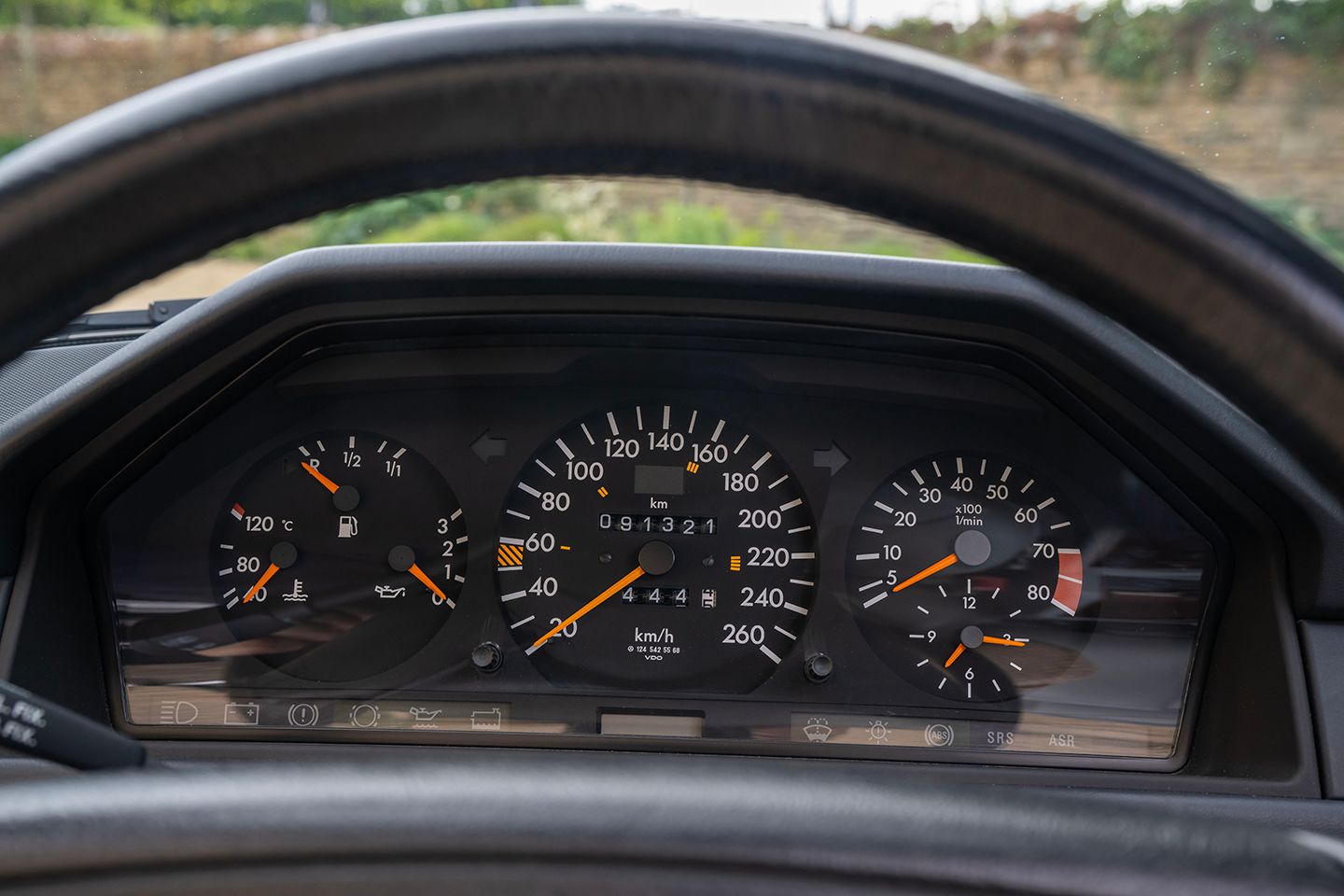
I kept telling myself that I should bond with it but liked it not loved it. The quality of construction and build was epic for a car that had done 90+ thousand miles and 20+ years old when I had it. Rode beautifully and such a nice place to sit in mushroom leather, I think the colour was.
Sold it to a bloke in Exeter, who also had a BMW 635csi. And last year whilst at Le Mans, he called and offered it back to me. Sorely tempted because all logic said it was probably one of the best useable modern classics, but just couldn’t say yes. Sort of preferred the Alfa Spider I bought all of a rush instead. In every way a worse car but …………
Sofia Lorain vs Angela Merkle.
I helped a mate buy a 280 TE four or five years ago. I had a quick go and it felt just as smooth and solid as my 212 E500 which is two generations on and half the age. I love 124s. But the coupe's where it's at for me. Pillarless coupe = peak car to my eyes anyway.
A car you could work on, everything was accessible, well engineered.
Was still in its GT element some 35 years after introduction, effortless high speed cruising with closed top, no nonsense interior, great.
Only gripe was its really small boot, simply inadequate.
Still possible to daily it today, parts dirt cheap, but has to have good rust prevention.
They don't make them like they did, the only more modern interpretation IMO are the Audi A4 and A5 cabs until '17, quiet, restrained, effortless, reliable.
I’ve owned the 300-24 5-speed auto combination in my r129 for the past 13 years or so (and a 3.6 AMG M104)
All that is said is true - it’s turbine smooth and sounds so good - cultured and mellifluous.
The engine is a little at odds with the W124’s (and R129s) sensible nature. It’s red-lined at 7000 plus and (like all multi-valves of the era) comes alive at the top of its range.
I can’t see many of the intended first owners exploring the cars ability.
I don’t think I’ve heard of a head gasket “letting go” - they will seep a bit of oil out above the alternator, but it’s not usually a big issue.
The A124 is the only body style (well, apart from the limo version (V124?)) I haven’t owned. Agree with the previous posters that the coupe is my favourite. They’ve all aged well though - and will continue to prove a satisfying ownership prospect.
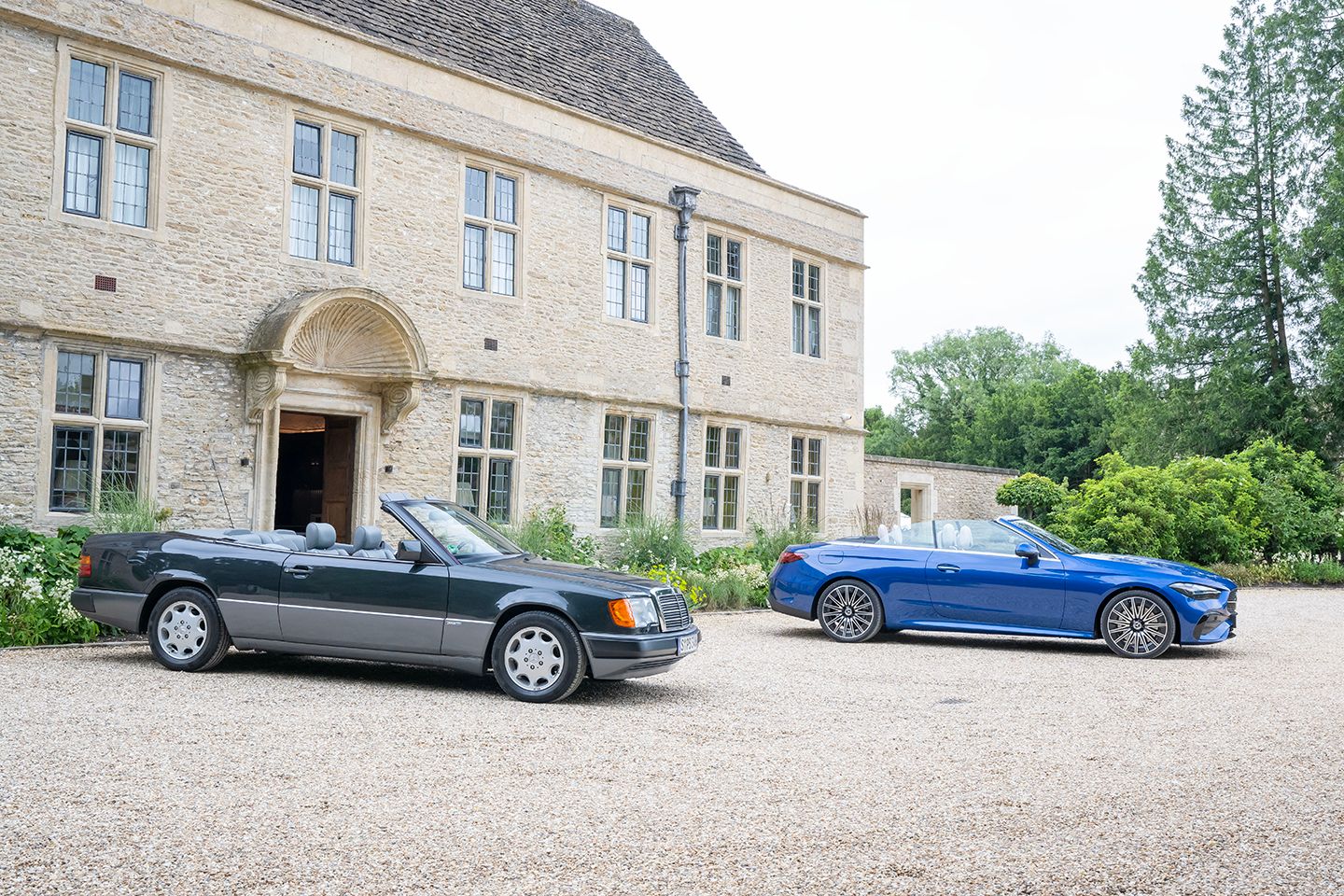
There’s something so ‘right’ about these that the current Mercedes convertibles lack imho, the design both inside and out is less fussy and more….pure?


Some light tinkering to bring them up to modernish standards for brakes, cooling and ICE, plus a visit to an upholsterers and https://www.scotlandshop.com/fabric-guide/car-upho... for interior retrims and I would be a happy, yet divorced, man.
Gassing Station | General Gassing | Top of Page | What's New | My Stuff