
2025 Porsche Cayenne Turbo E-Hybrid | UK Review
A V8 plug-in ought to be the best of both Cayenne worlds - is it?
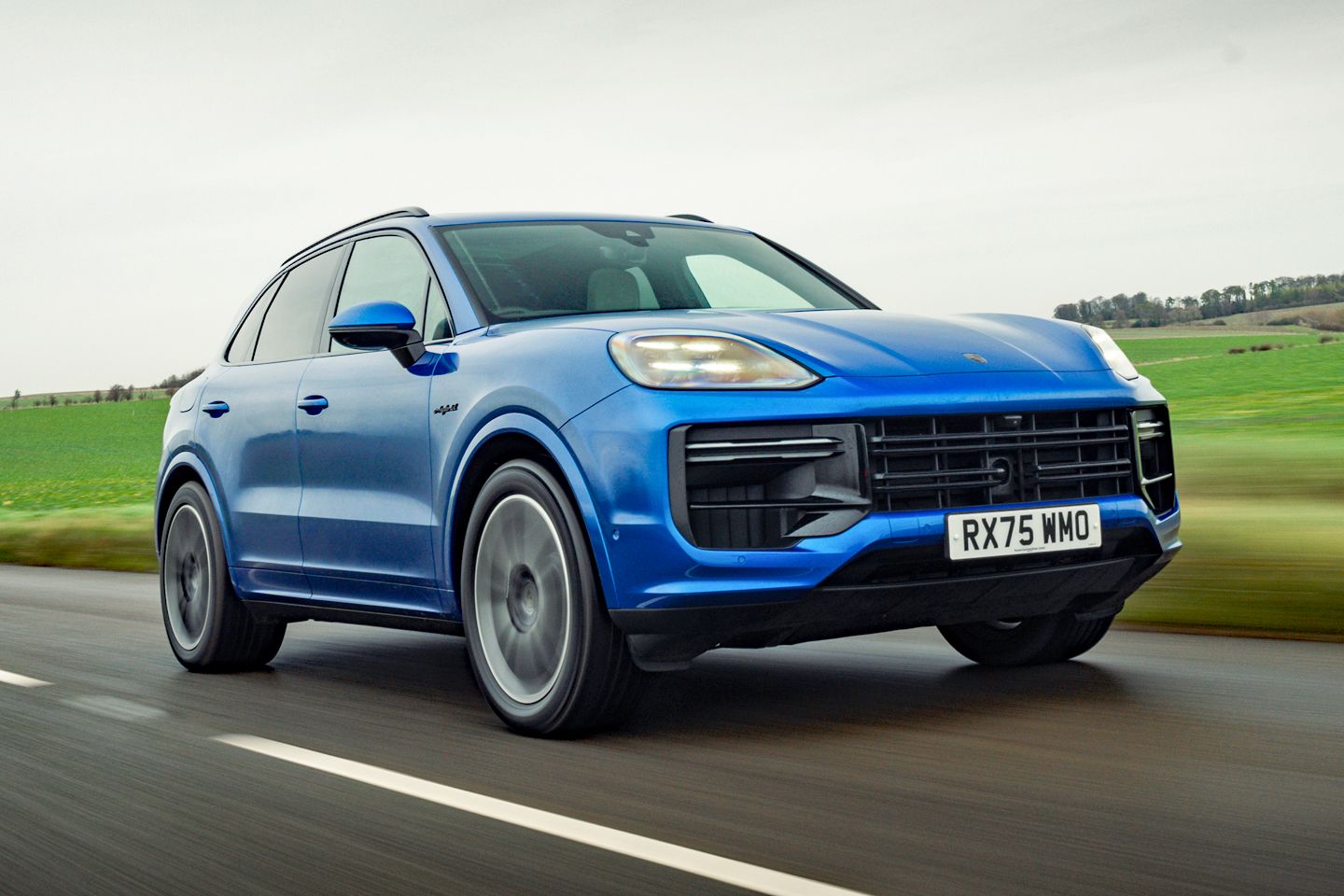
For a long time, Porsche has been pretty good at offering its customers anything and everything they might desire. In the past decade and a half there have been manual Panameras, Macans with Golf GTI engines in, seven-speed, three-pedal, naturally aspirated 911 Targas, the Taycan Cross Turismo and plenty more besides. Before you even get to thinking about colour and trim choices. Not everything Porsche tries is a resounding success, though they certainly couldn’t be accused of not exploring all avenues.
That’s an approach likely to be embraced all the more fully from now on, with a multi-powertrain approach to cater for ever-changing legislation and demand. For the first time in history, in fact, the Cayenne configurator now features purely petrol (six- and eight-cylinder), purely electric, and plug-in hybrid (six- and eight-cylinder) powertrain offerings. At this rate, the diesel will be back soon. If there isn’t a Cayenne in the current line-up that suits your requirements, then it really isn’t the car for you.
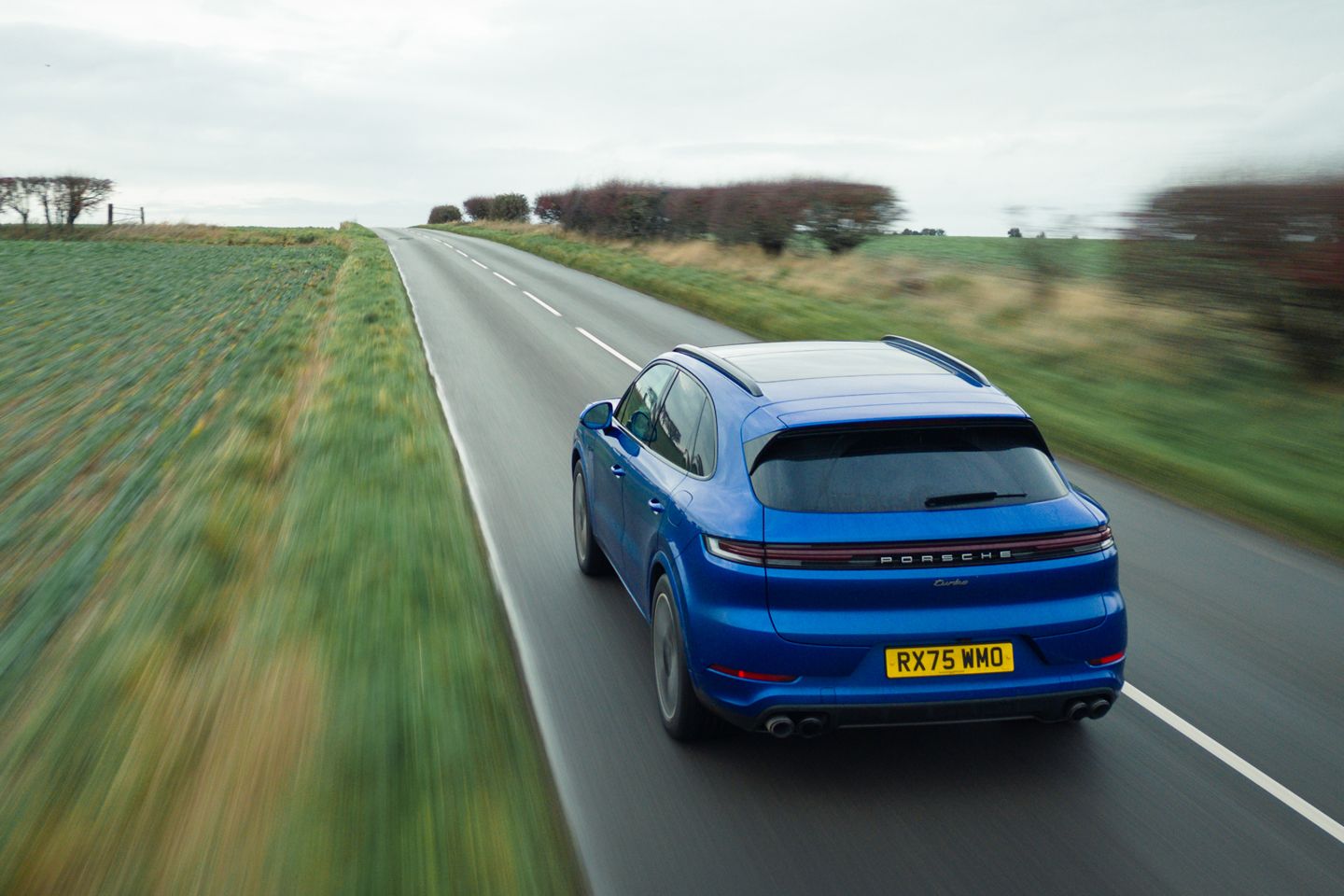
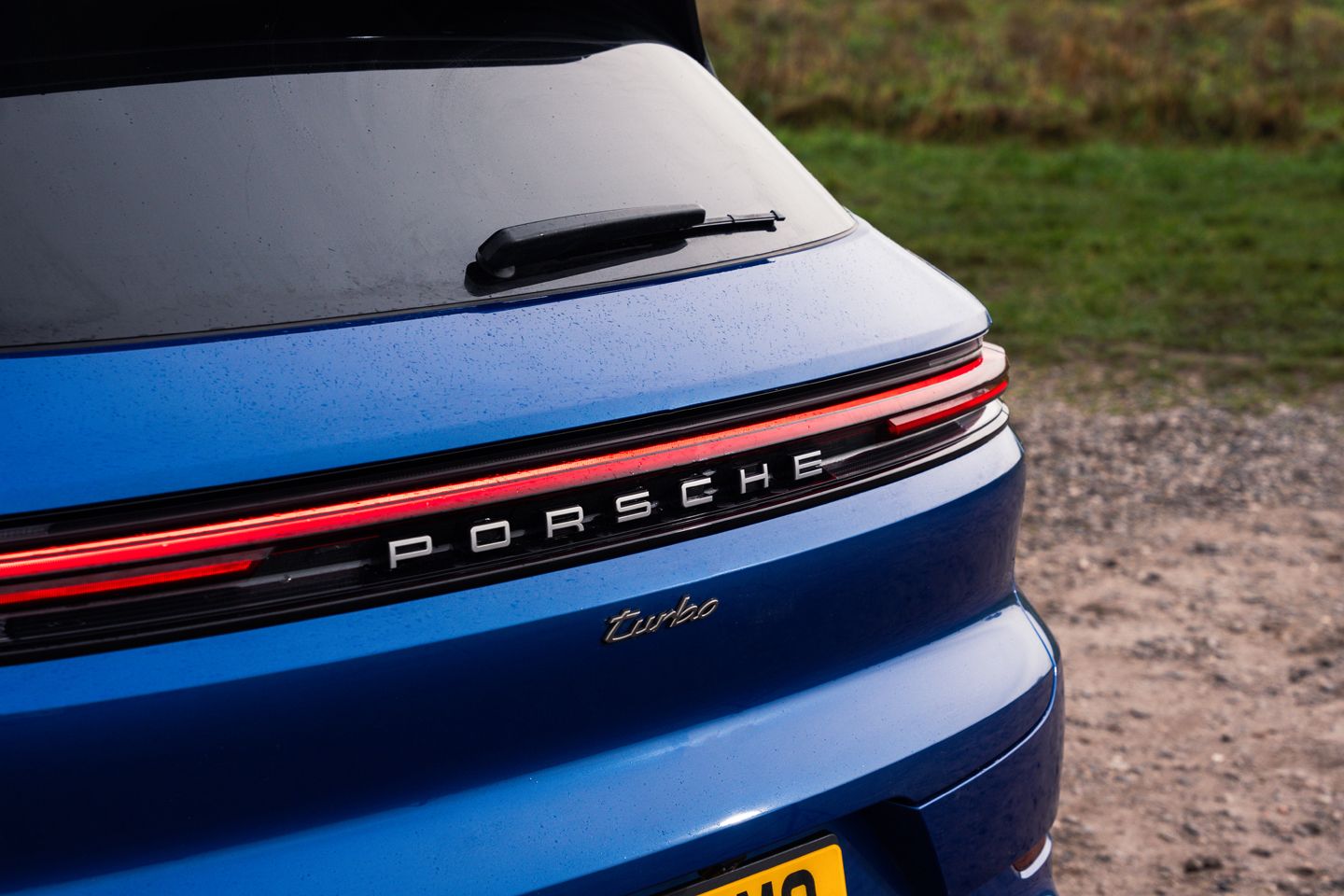
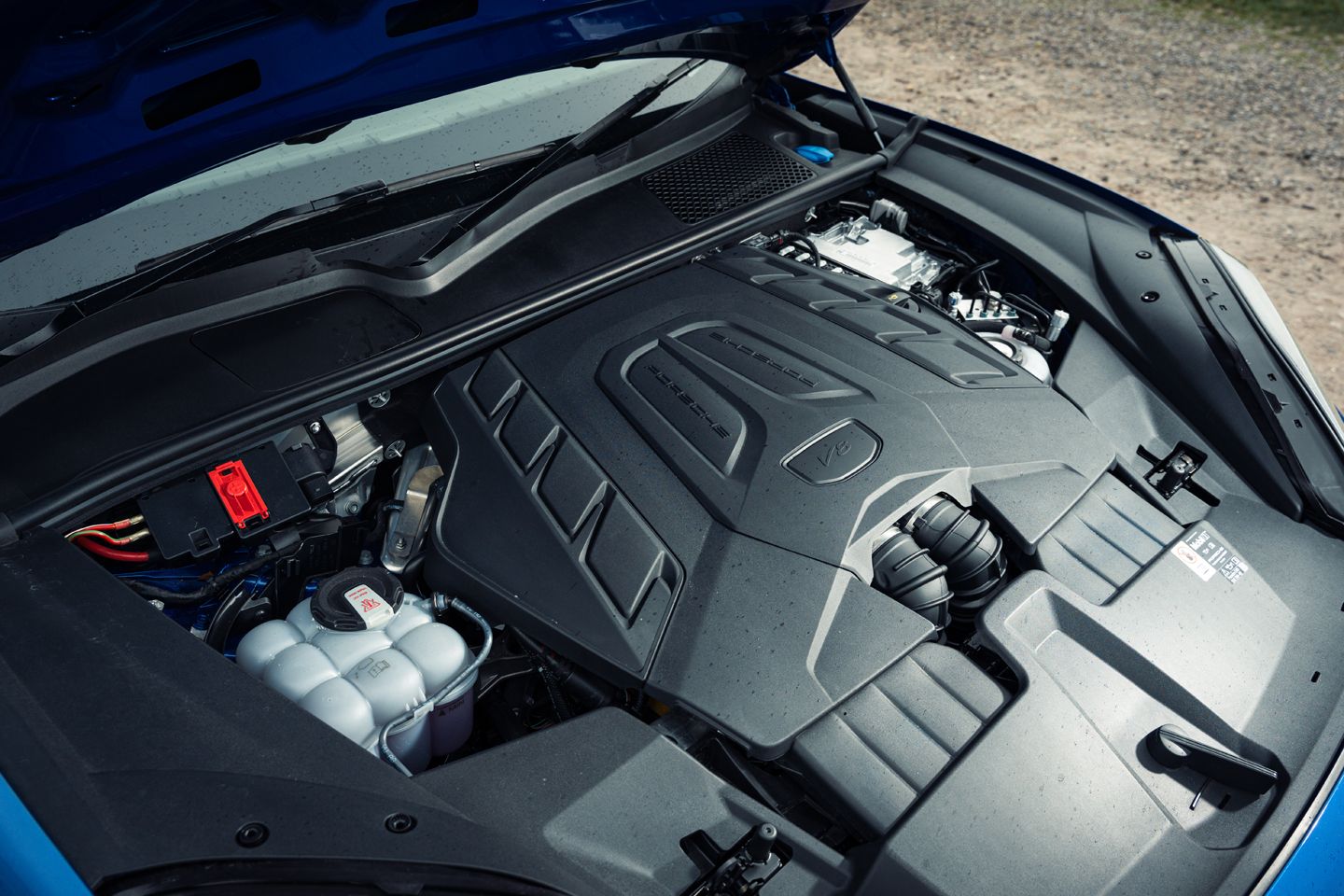
The one you see here ought to be most persuasive to PH types, the Turbo E-Hybrid. Because it has everything. There’s the V8 familiar from the GTS, but with a peak system output almost 50 per cent stronger thanks to electrification. A 25.9kWh battery pack obviously can’t offer the range of the 108kWh beast in an Electric, yet it doesn’t impose the same charging requirements either. And it’s all presented in a rather less shouty package than the GT Package Cayenne, an upgrade that’s only offered on the Turbo E-Hybrid Coupe.
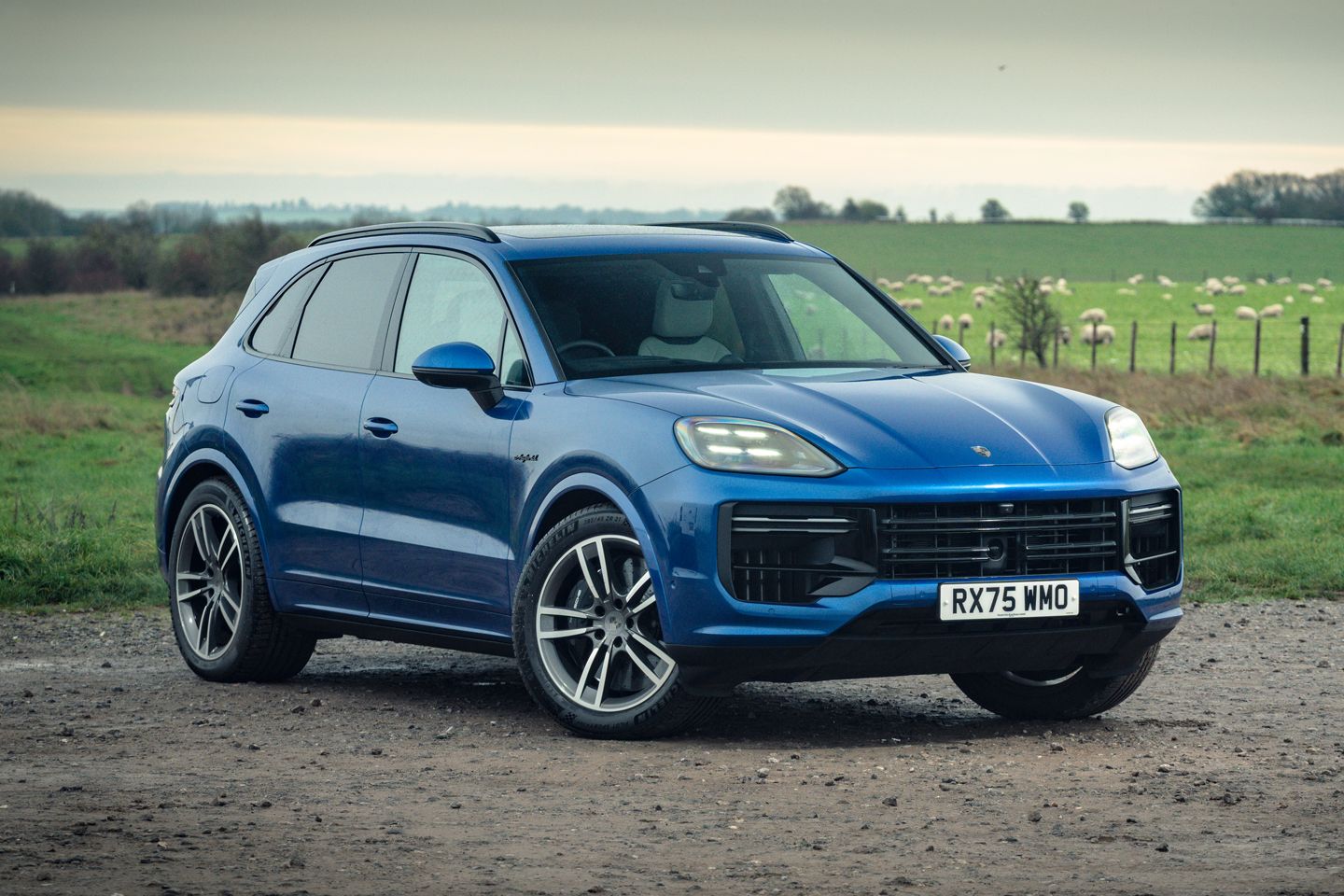
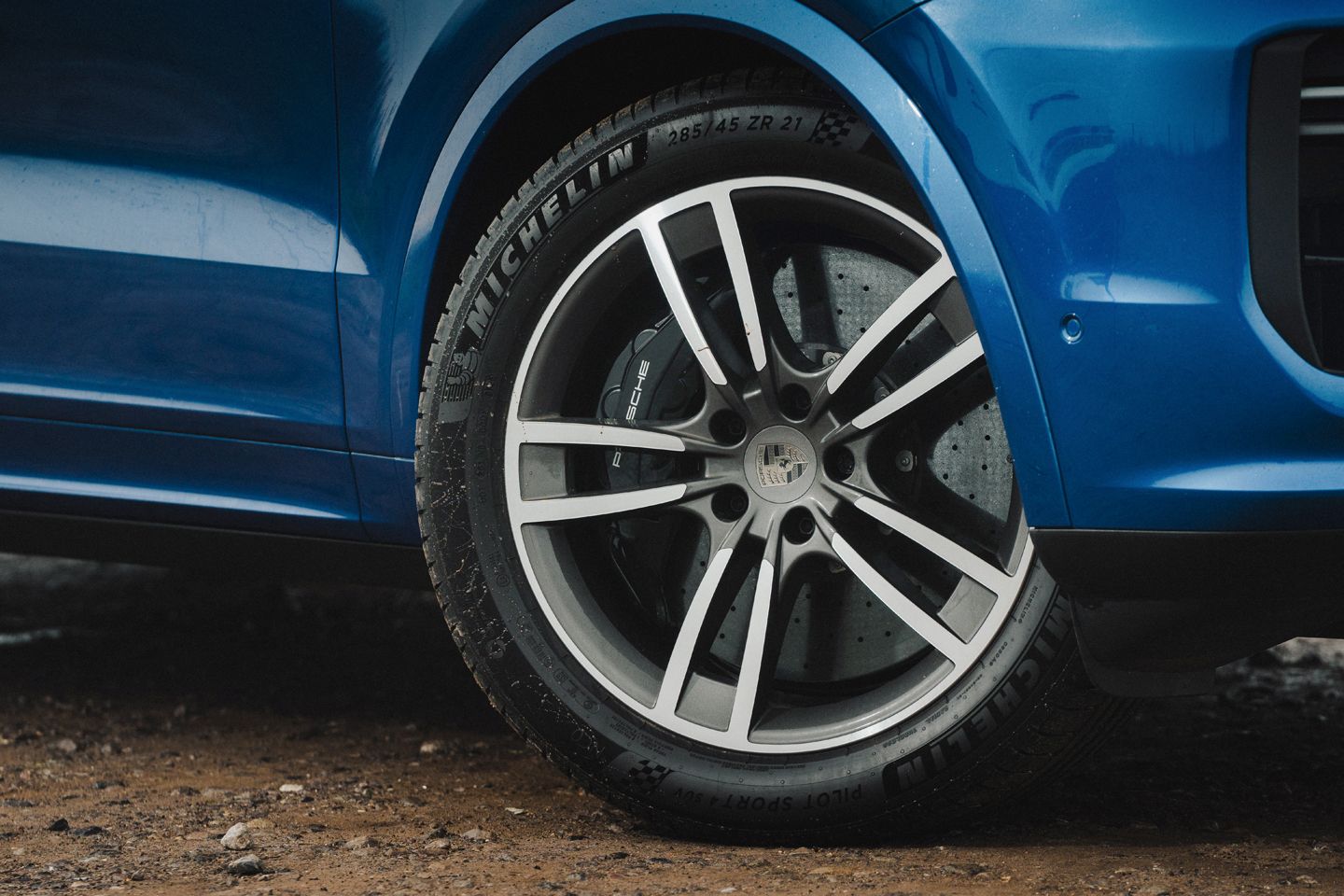
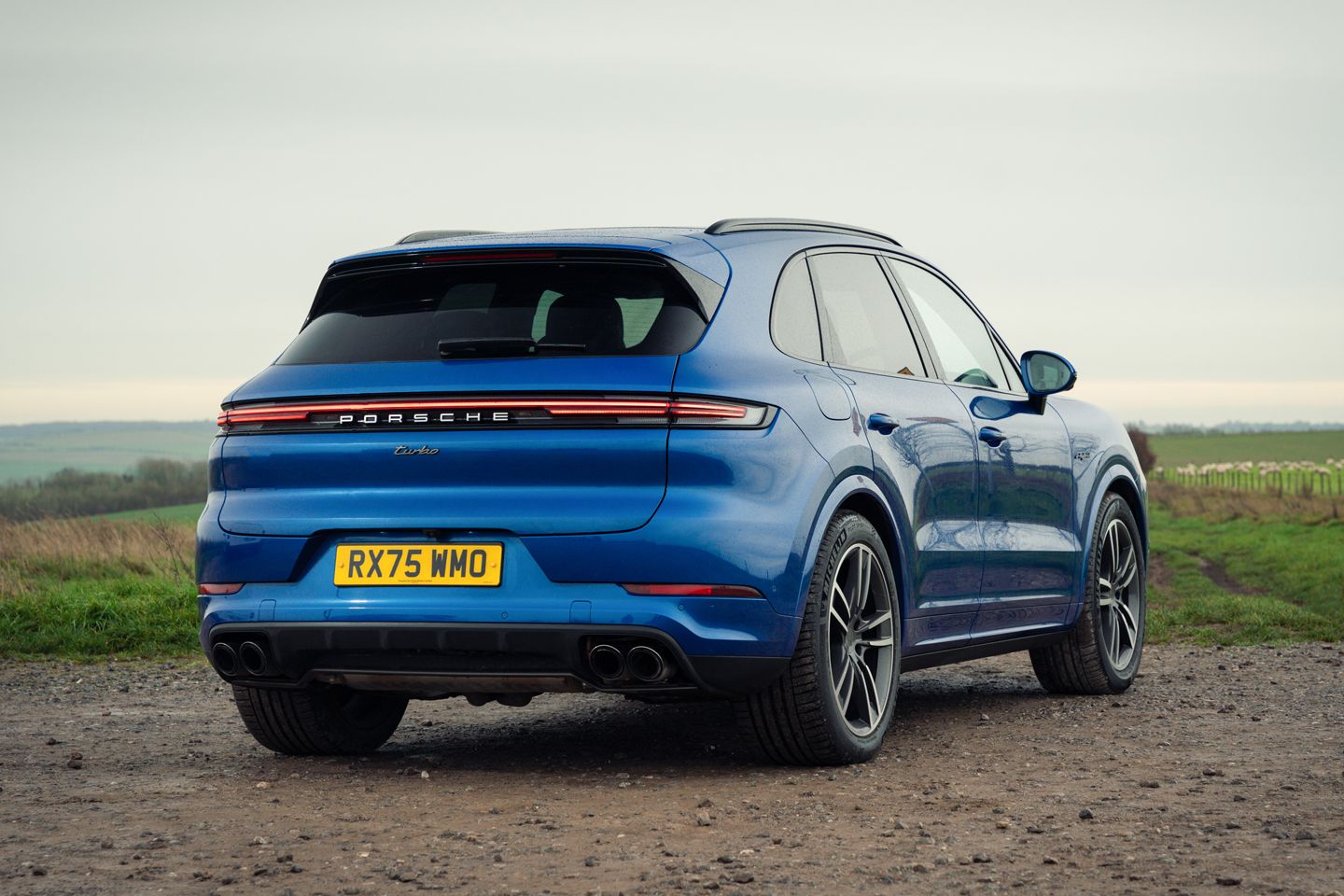
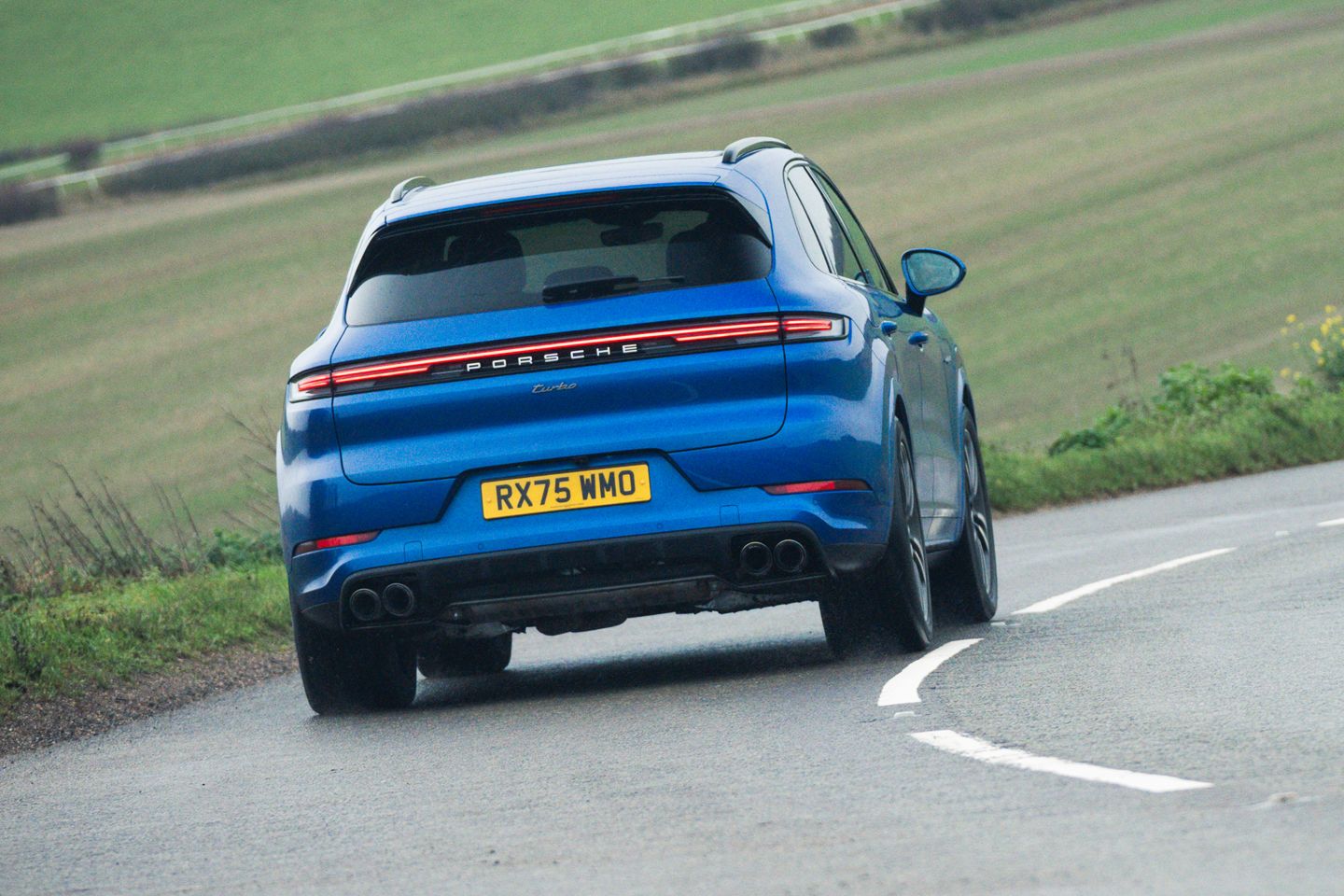
Indeed, this particular Turbo looks a model of restraint in the 700hp+ SUV ranks, modest (by Cayenne standards) 21-inch wheels and optional Sepang Blue paint not really doing anything to hint at the performance potential. When most other SUVs, most other cars in fact, are specced to the total opposite - cloaking modest performance in an outlandish exterior - it’s nice to see. And something that could be easily repeated by a customer. A Range Rover Sport SV, by contrast, is also going to be quite imposing whatever shade of grey you choose.
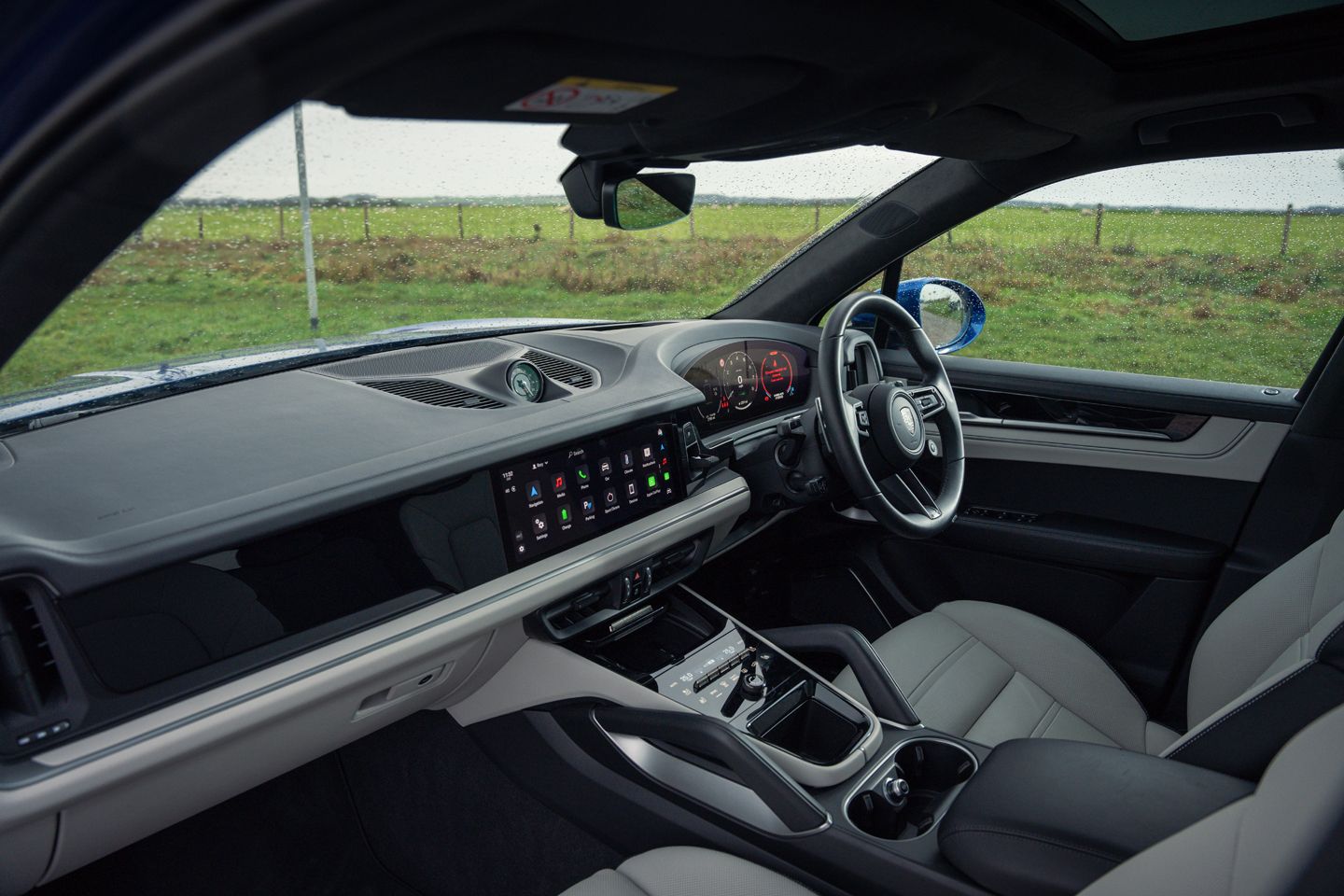
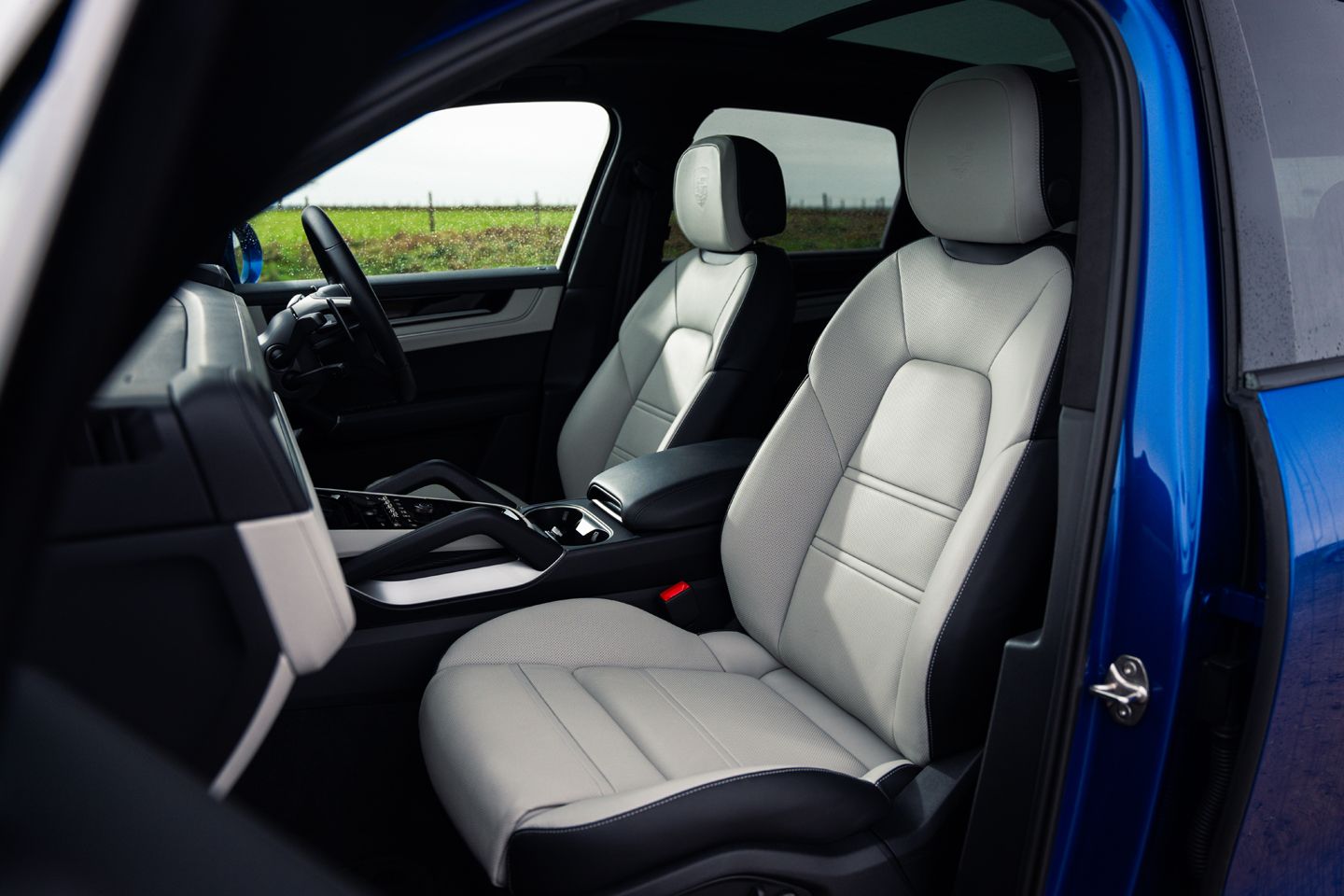
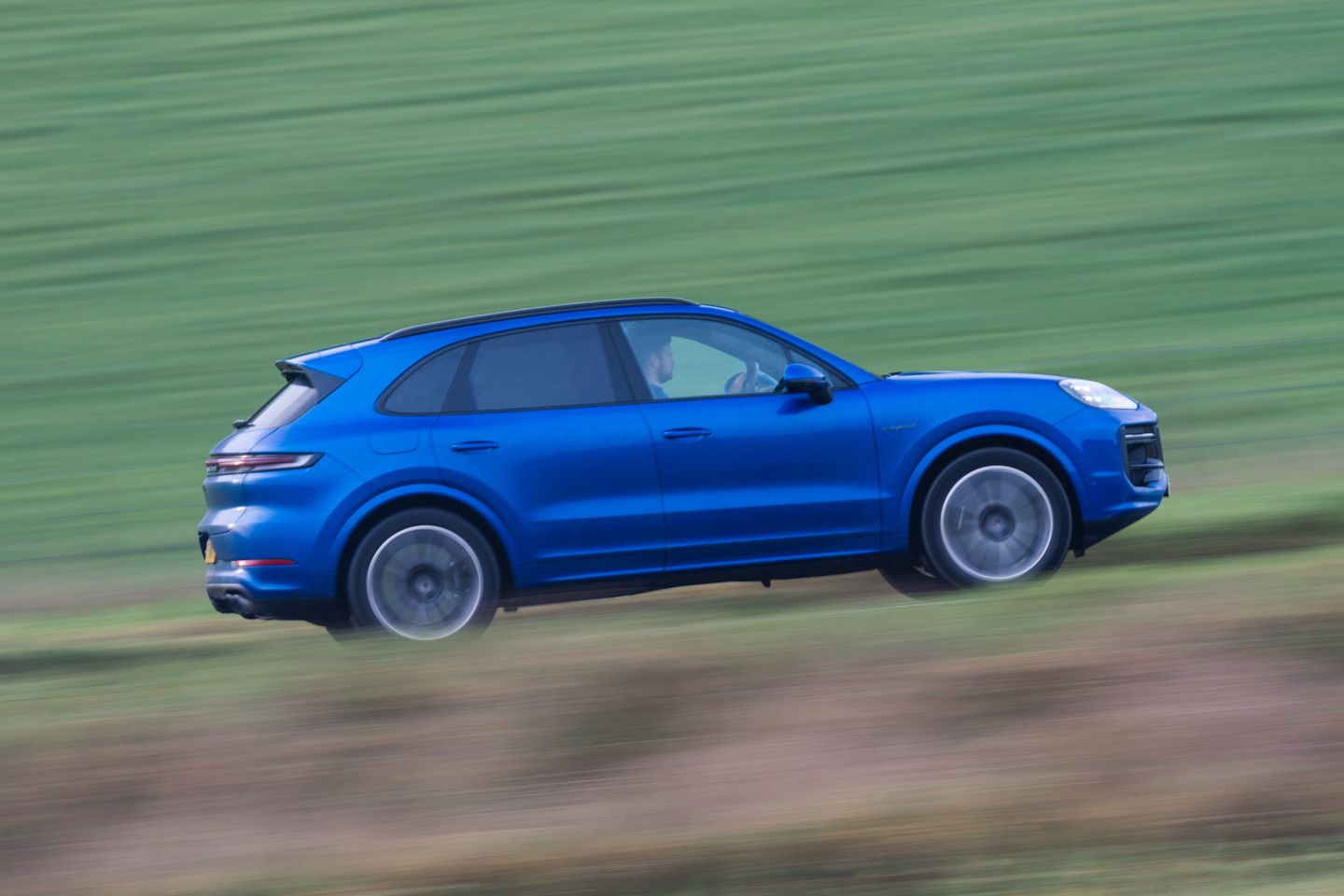
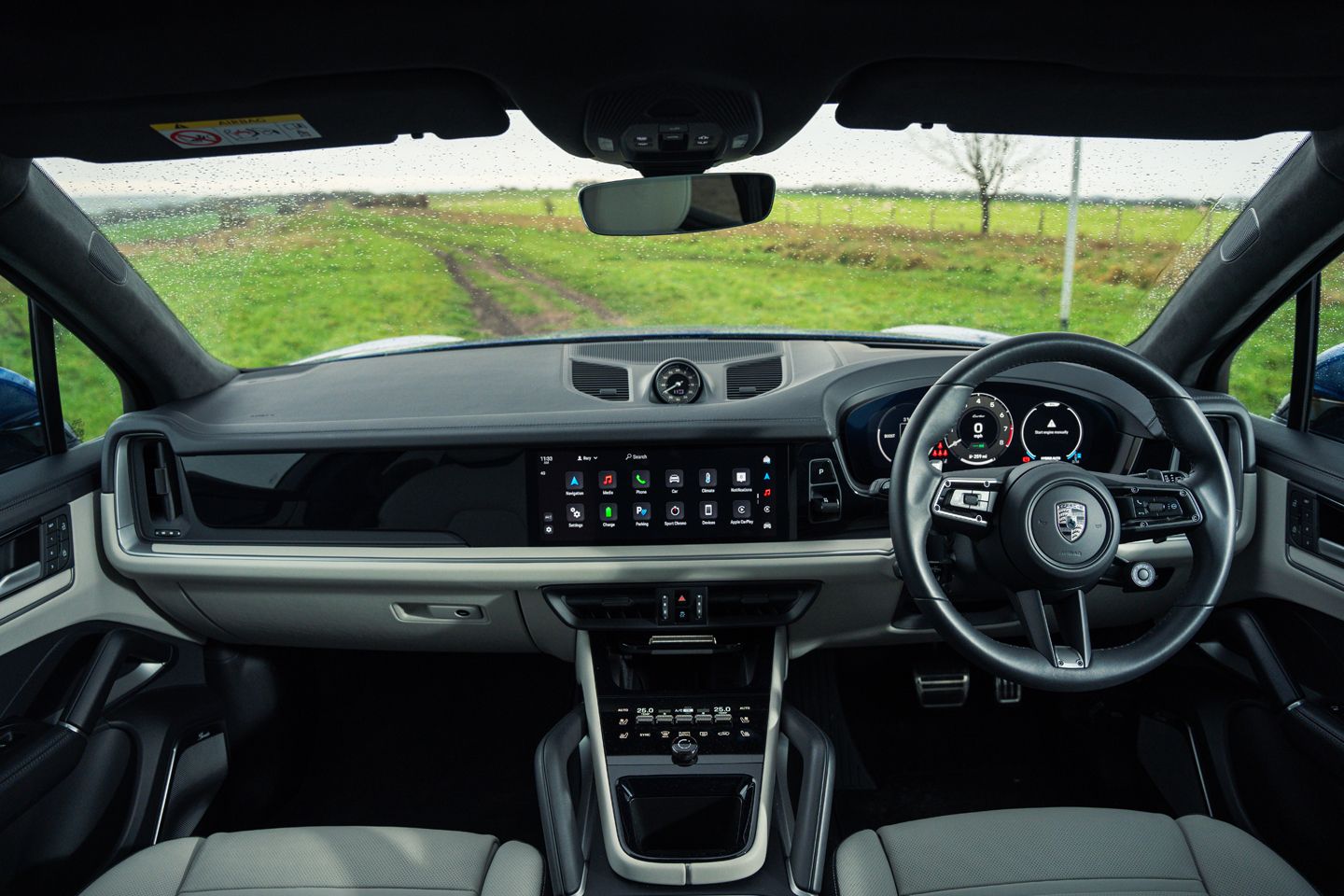
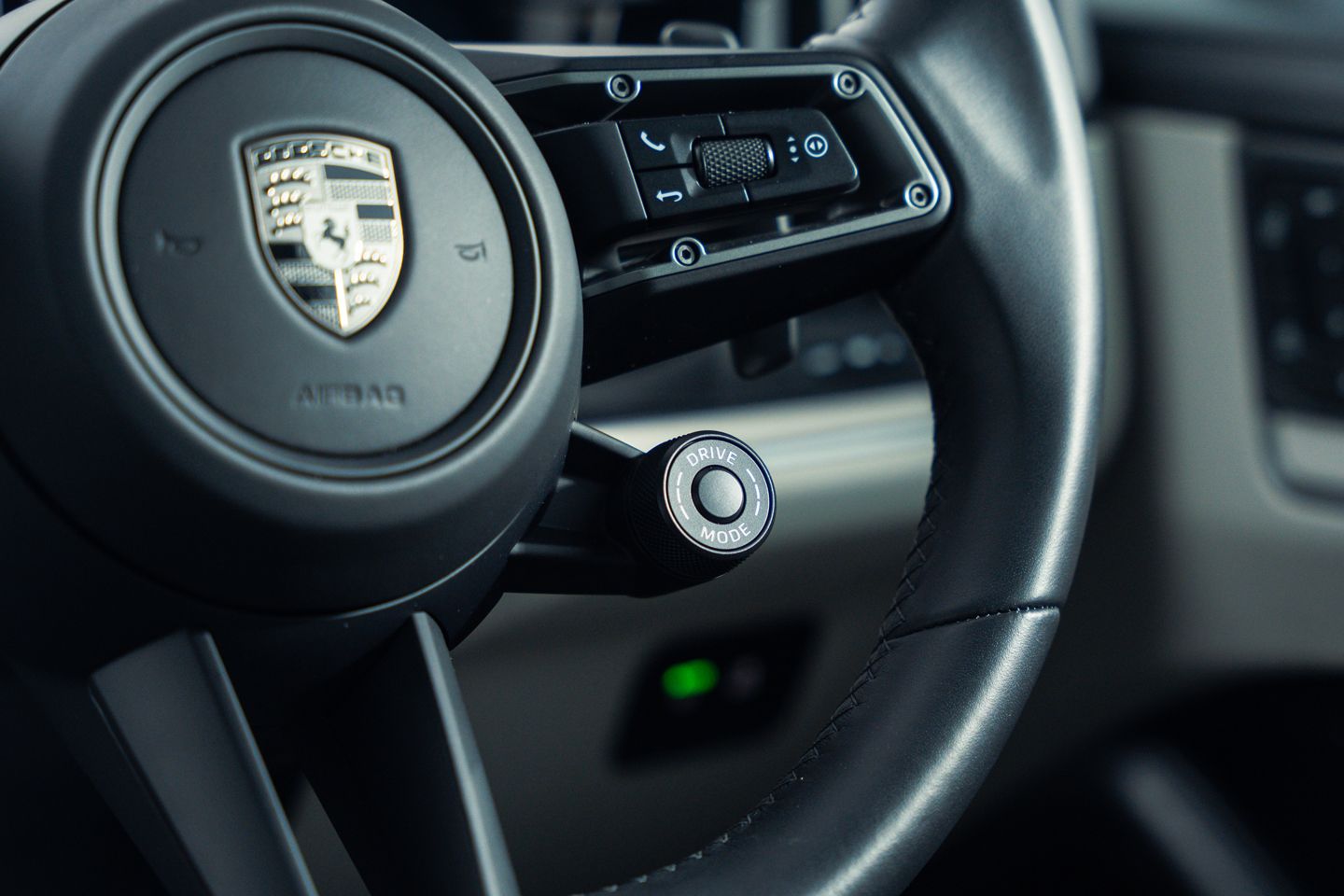
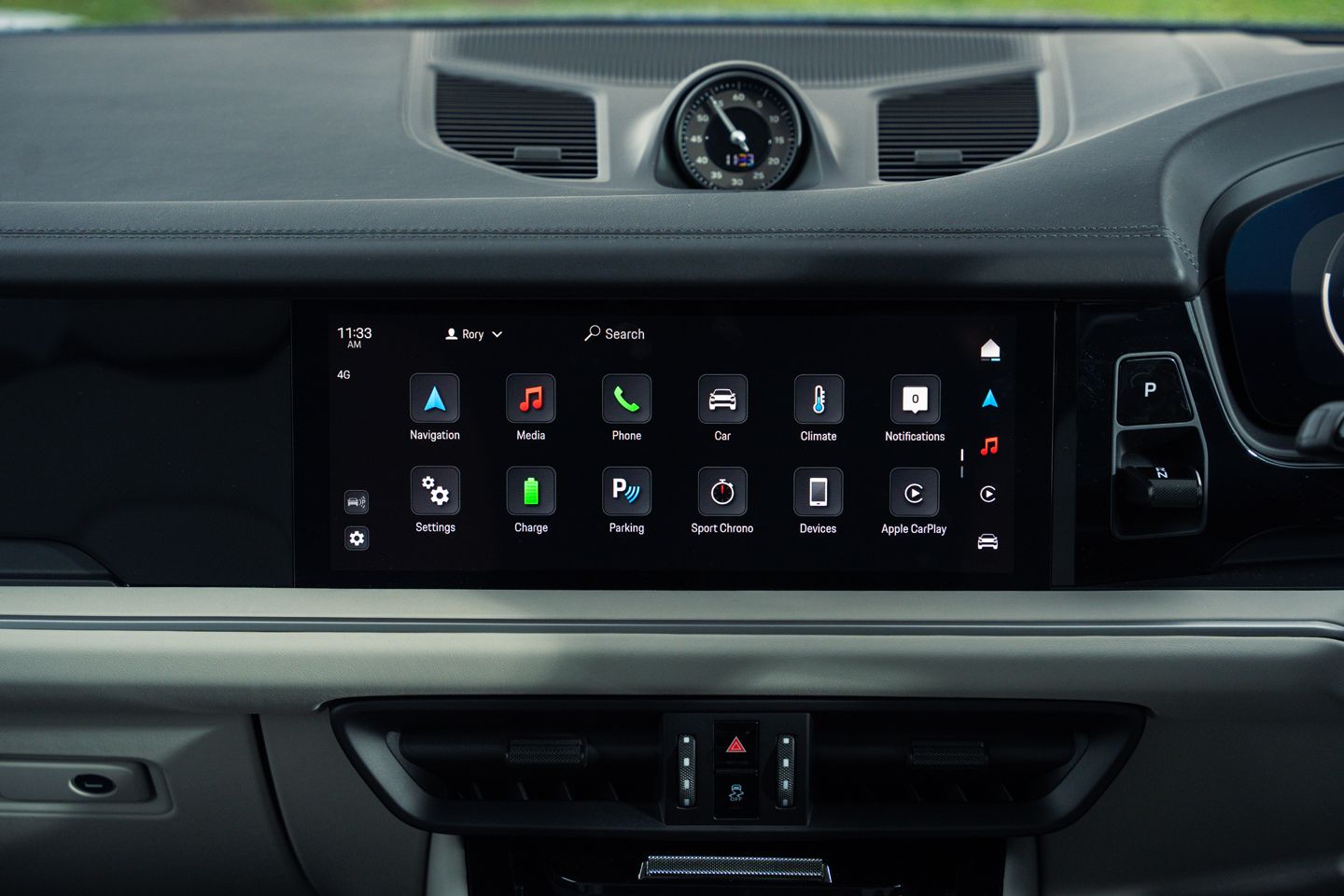
We won’t dwell on the interior too much. Against the new Electric cabin, it might seem a bit old hat, though there’s no debating how well it all works. Like so many Cayennes, this is a sturdy, satisfying, spacious SUV interior. The driving experience, moreover, feels broadly like any other Porsche 4x4 as well - this isn’t an electrified Turbo flagship totally dominated by a prodigiously powerful engine. In normal driving, the handover between electric and petrol is near seamless, overall refinement is hard to fault, cornering is accurate and braking performance strong. It’s a lot more homogenous a hybrid than something like a Mercedes GLE, for example. Then just occasionally you’ll twist the mode switch, extend the throttle and feel like you’re launching off an aircraft carrier; almost twice the power of a 981 GT4 is there only if needed, not dominating proceedings.
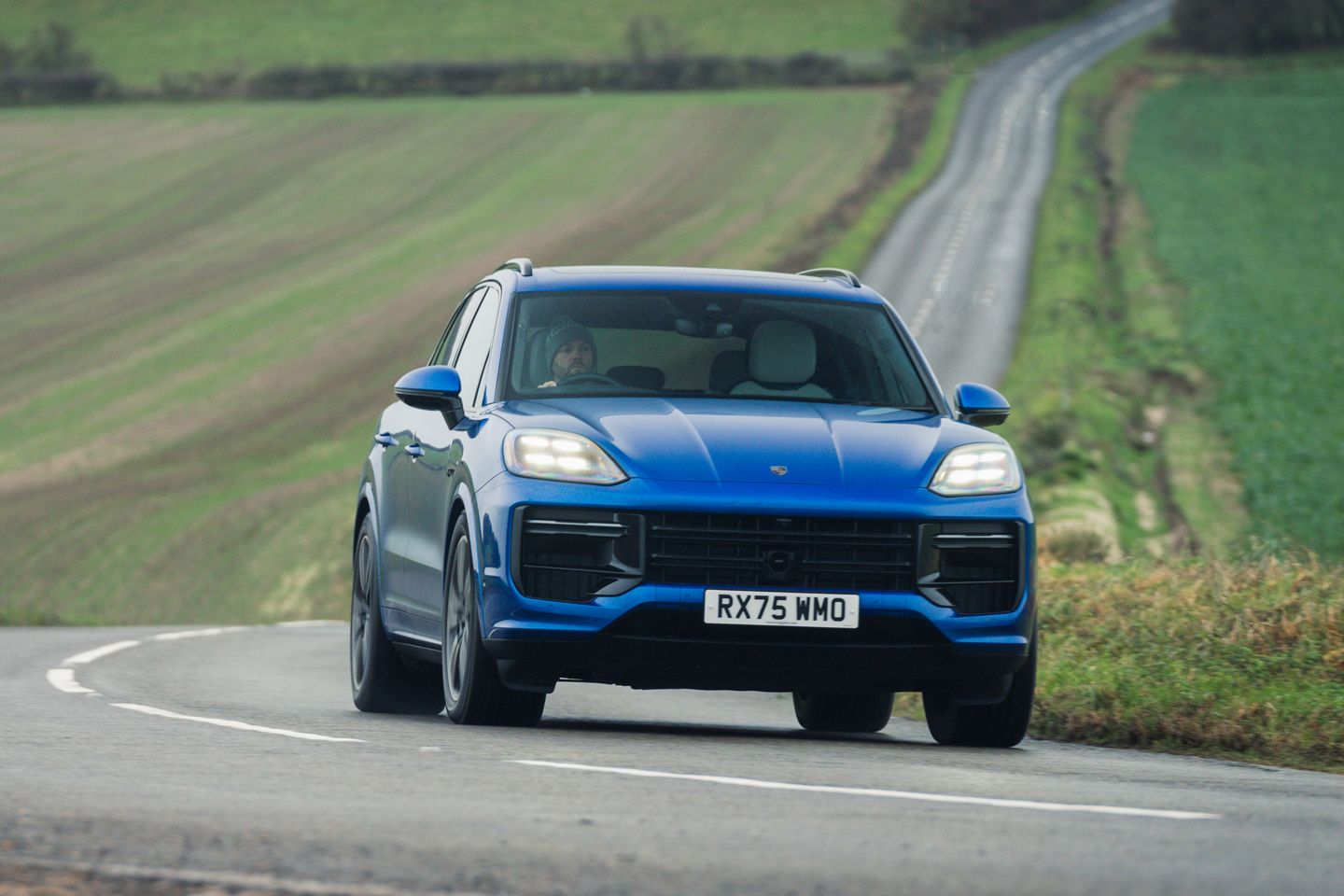
So far, so good for the Turbo E-Hybrid, then, apparently blessed with all the Porsche panache we’ve come to associate with Cayennes for 20-odd years. Only problem is, the longer you spend it, the more convinced you become that it doesn’t quite hit the spot, seemingly lacking that little bit of polish that usually elevates Porsches above the competition. It’s those details that are normally so perfect, too: the brake pedal is a bit too long, there’s a fidget to the ride even with smaller wheels and lighter brakes, and steering that’s fine - just not the model of clarity we’ve come to expect. Probably it’s unfair to draw direct comparison with the GT Package, as that’s an upgrade only offered on the Coupe, but that car was more impressive in the way that it steered and rode. It’s a pronounced difference, too.
The kerbweight doubtless plays a role. The GTP removes 100 kilos from a Turbo E-Hybrid Coupe, for 2,495kg, as well as introducing the chassis changes; while the SUV-shaped Cayenne is a bit lighter, it means that this car stands in its Michelins as a 2,570kg Porsche (minus whatever the brakes save). Which is more than the new Cayenne Electric (if not the Turbo), 380kg more than a GTS and even another 200kg over a Panamera Turbo S E-Hybrid. This is still a formidably capable Porsche, gripping and going like it has no real right to, but it’s also a bit aloof, which is less familiar. Lighter Porsches are nicer than this, and no less capable. And take a look at that options spend; not only might you expect some of that to be included as standard, it wouldn’t be unreasonable to expect a very different drive without rear-wheel steering, Porsche Dynamic Chassis Control and the ceramics.
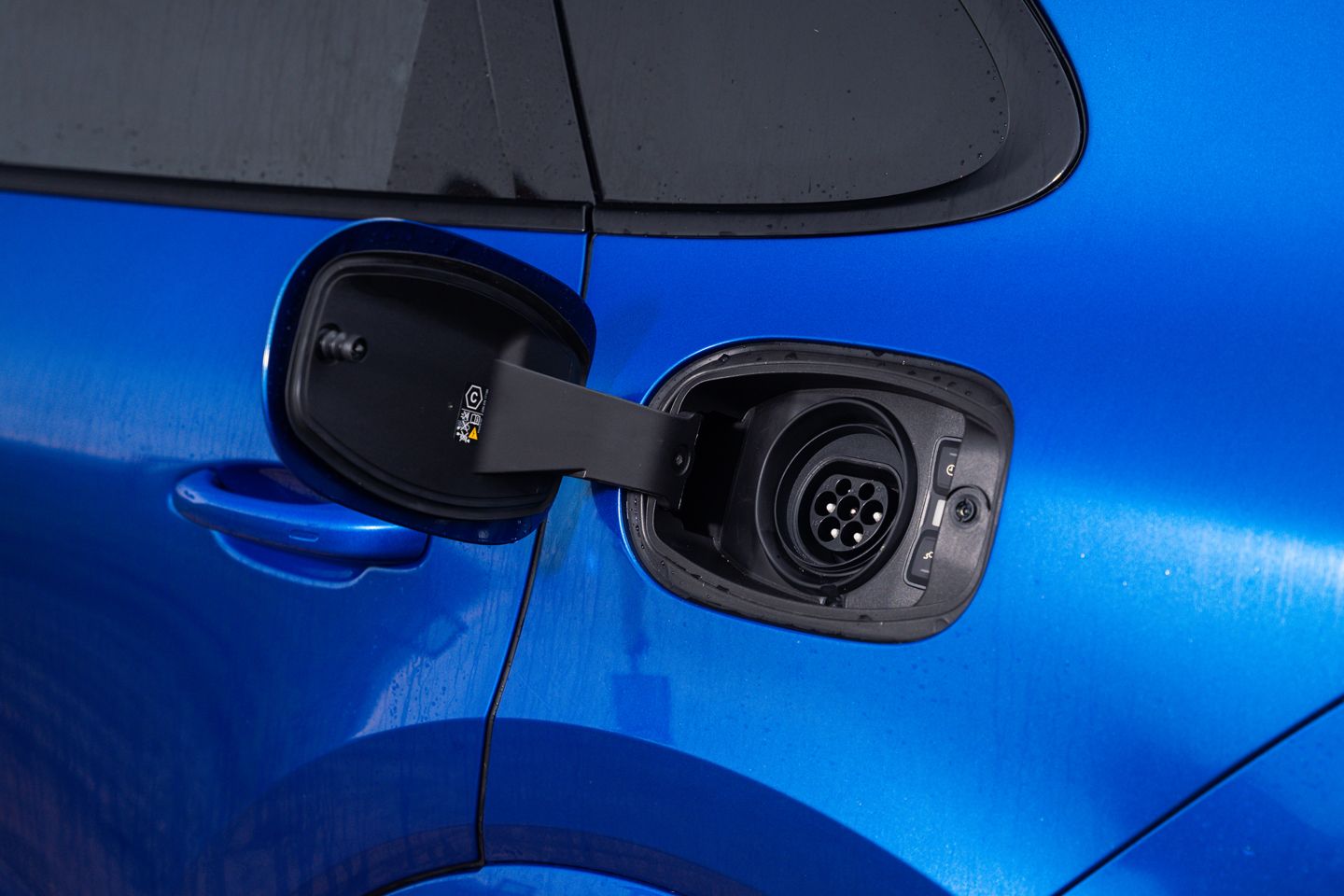
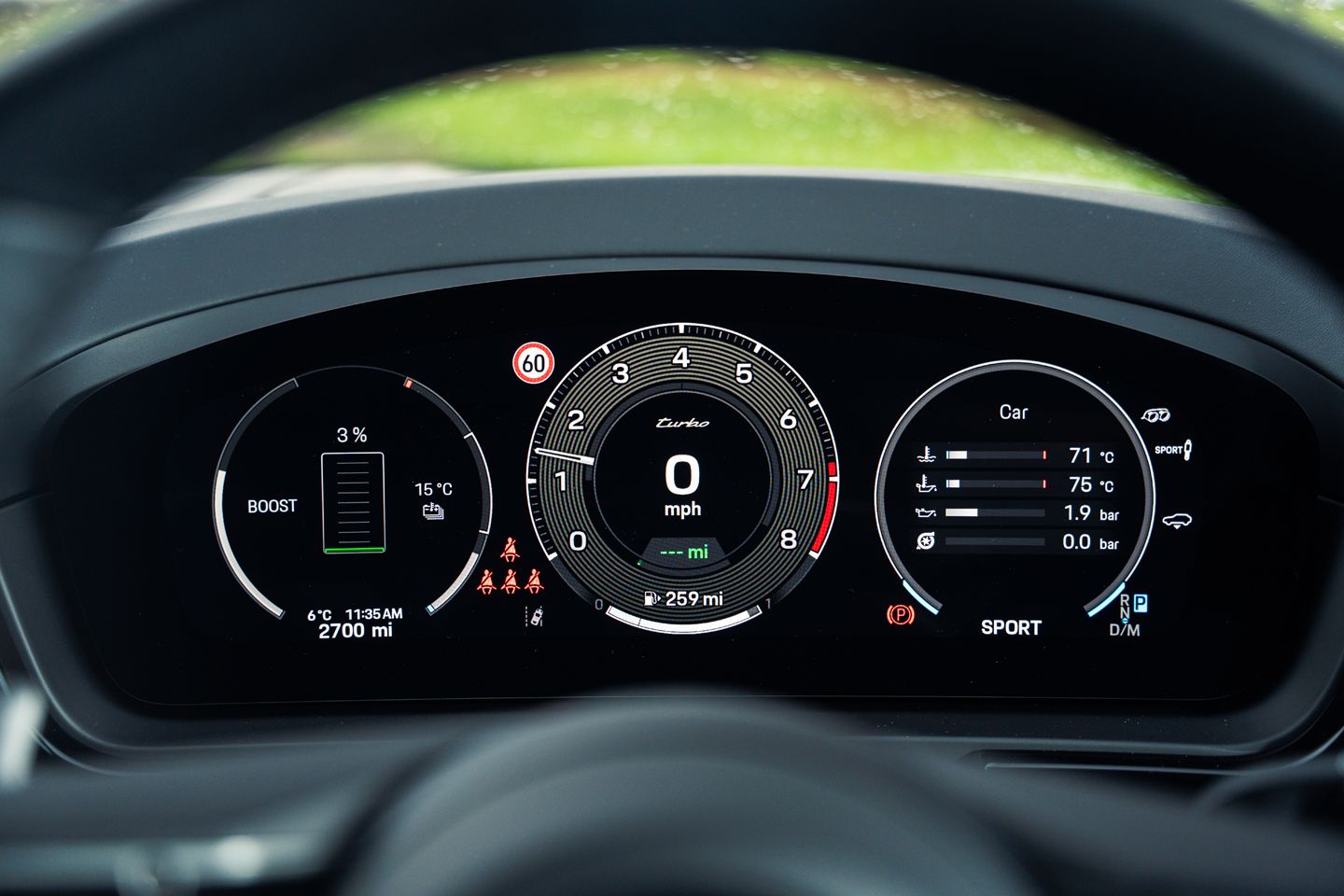
A very chunky Cayenne inevitably means a less efficient one, too. That 25.9kWh battery pack can only officially muster a bit over 40 miles, or a lot less than two miles per kilowatt hour. A predictable compromise of plug-in hybrids perhaps, but these days neither the EV range nor charging speed seem particularly impressive. When a Golf can claim more than 80 miles of electric running officially and 50kW DC charging, a flagship Porsche should at least match that. During our time with the E-Hybrid, with a little bit of home charging, some battery replenishing through the car and a whole mix of driving, it covered 250 miles at an average of 25mph, averaging 21mpg. While an inexact conclusion because of the mix of power sources, a 70-litre fuel tank at that consumption means 320-ish miles of range, plus whatever the battery contributes.
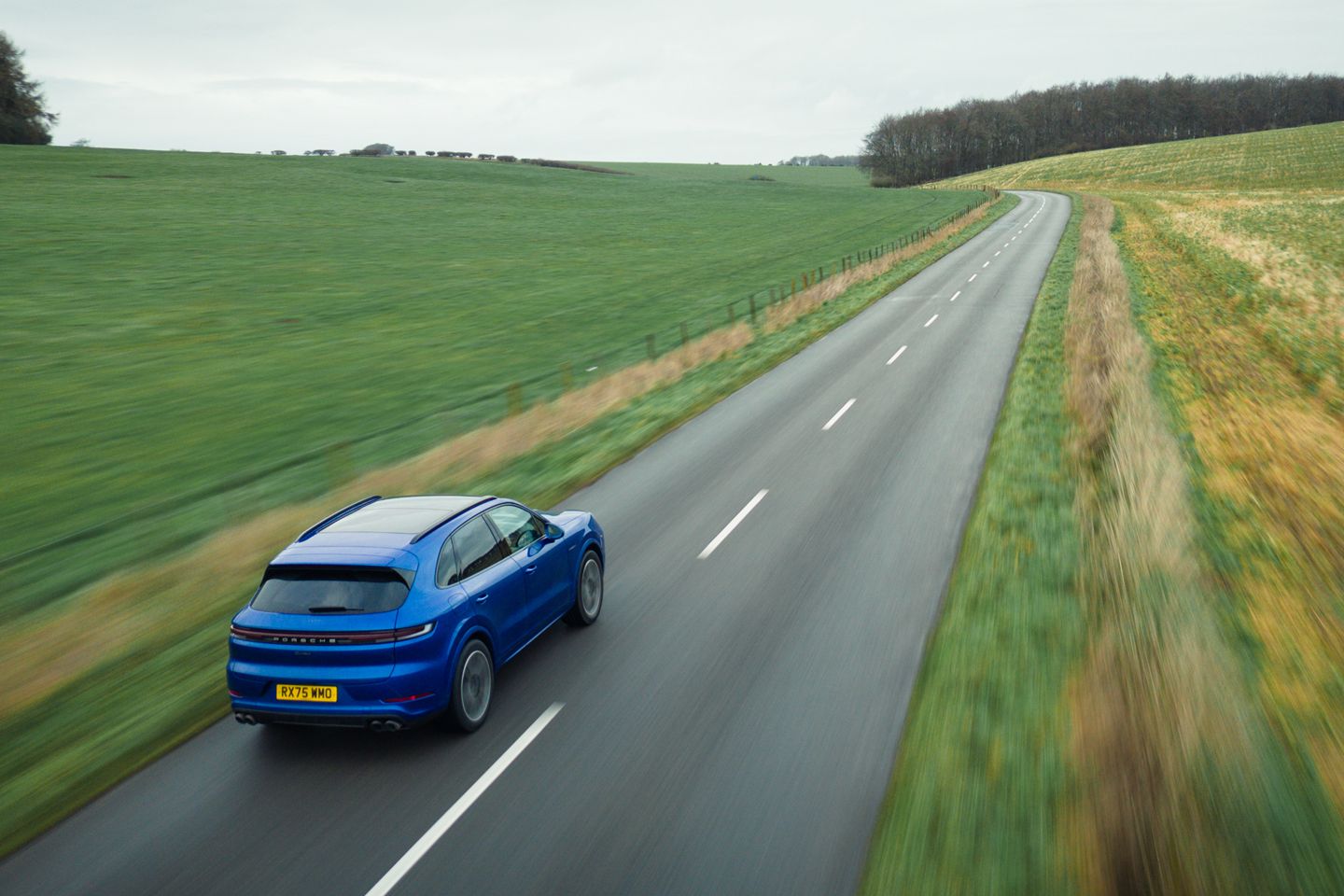
Perhaps there will be lifestyles that this Cayenne suits. People have bought far more esoteric Stuttgart sports cars than this, certainly. It’s by no means sluggish as an EV, so is eminently usable for ferrying kids and pets around wherever they need to go this week, then could be charged on the driveway every other day ready for the next round; scaring 911s could be saved for the weekend. And it’s obviously going to hoover up the motorway with less onboard angst than a pure electric car.
By general PHEV standards, this Cayenne is appealing enough, particularly with some eight-cylinder swagger that something like a straight-six Range Rover Sport plug-in would struggle to compete with; as a purely Porsche prospect, however, it isn’t the pick of the bunch. Rather than the best of both worlds, for us at least, electrification takes away more from the experience than it adds in benefits. A GTS retains the V8 charm at more than £30k less (with another 150 litres of boot space), while the new Turbo Electric is even more rampantly accelerative, cheaper to buy and more affordable to run. On this experience, they would be our picks of the current Cayenne range. This is arguably a better SUV with plug and petrol power, but it’s not a better Porsche Turbo.
SPECIFICATION | 2025 PORSCHE CAYENNE TURBO E-HYBRID
Engine: 3,996cc, V8, twin-turbo, plus 25.9kWh battery and 176hp electric motor
Transmission: 8-speed auto, four-wheel drive
Power (hp): 599@6,000rpm (engine only; total system output 739hp)
Torque (lb ft): 590@ 2,400-4,500rpm (engine only; total system output 700lb ft)
0-62mph: 3.7 seconds
Top speed: 183mph
Weight: 2,570kg (DIN)
MPG: 53.9-59.9 (WLTP; electric range 42-45 miles WLTP Estimated All-Electric Range)
CO2: 112g/km
Price: £140,600 (price as standard; price as tested £180,992, comprising Paint to Sample Sepang Blue Metallic for £7,913, 21-inch Cayenne Turbo wheels with wheel arch extensions in exterior colour for £447, Two-tone leather interior, smooth-finish leather Black/Crayon for £486, 14-way electric Comfort Seats £NCO, Massage (front) and seat ventilation (front and rear) £ 2,322.00, Exterior package Black (high-gloss) for £185, Panoramic roof system for £1,585, Roof rails in Black aluminium for £477, Electrically extending towbar system for £1,041, Thermally and noise-insulated glass incl. privacy glass for £1,351, Leather interior package in interior colour for £389, Accent package Silvershade £NCO, Porsche crest on headrests for £389, Rear-axle steering for £1,389, Porsche Dynamic Chassis Control (PDCC) for £2,673, Sports exhaust system including sports tailpipes (dark) for £2,322, Porsche Ceramic Composite Brake (PCCB) with brake calipers painted in Black (high-gloss) £8,261, Head-up display for £1,049, Lane Change Assist for £671, Porsche InnoDrive with Active Lane Keeping for £2,144, Four-zone automatic climate control for £671, Air Quality System for £344, Electric roll-up sunblinds for rear side windows for £535, Burmester® 3D High-End Surround Sound System for £3,748)


I know the parent consent are deep in the sh@t, and ALL their customers will be paying for it, but you d have to be stupid and/or loaded to sign up for that. Even on the never-never that ll be an eye watering amount per month.
The Chinese can smell blood!
Just get the new Cayenne Turbo EV - a lot cheaper, much quicker, longer range, quicker charging, more interior space and if you plan on keeping it long term likely more reliable too.

Add in SUL at 30p/mile or more as most will never get plugged in (I assume the charging lead is not an optional extra?), £50/month VED, and having ti insure and park it and you're cheaper getting a taxi everywhere.
Heavily-boosted and/or hybridised 4WD powertrains are a response to the ever increasing mass of cars combined with the economic and environmental cost of covering decent distance in these cars.
For a decade or so now these solutions have sat in the middle ground and don't do anything particularly well.
The ultimate incarnation is to ditch the engine altogether and just use electric propulsion to deal with the mass and cost in an extremely efficient, effective and, if necessary, powerful way.
Heavily-boosted and/or hybridised 4WD powertrains are a response to the ever increasing mass of cars combined with the economic and environmental cost of covering decent distance in these cars.
For a decade or so now these solutions have sat in the middle ground and don't do anything particularly well.
The ultimate incarnation is to ditch the engine altogether and just use electric propulsion to deal with the mass and cost in an extremely efficient, effective and, if necessary, powerful way.

A Cayenne is a car I'd never buy regardless of how its fuelled but this looks inoffensive enough.
It’s very nice but it looks like half that kind of money, and I know that doesn’t matter but it already looks like it’s five years old. Maybe the new Electric one has just made this look a bit last gen.
It’s amazing how many cars out there that are in that price bracket, think the Cayenne suffers a bit as it’s been around so long, depreciates heavily and though it changes, it doesn’t change that much. I think in our heads we know you can get an ancient one for a grand and any number of quite smart looking ones for sub 30.
Would imagine you can hear the value ebbing away on this day by day, would love one when someone richer than I has run it in and taken the hit for me !
Gassing Station | General Gassing | Top of Page | What's New | My Stuff