
EV sales falter despite new car market growth
By 2026, the government decreed that EVs should account for 33 per cent of sales. Guess where they are currently?
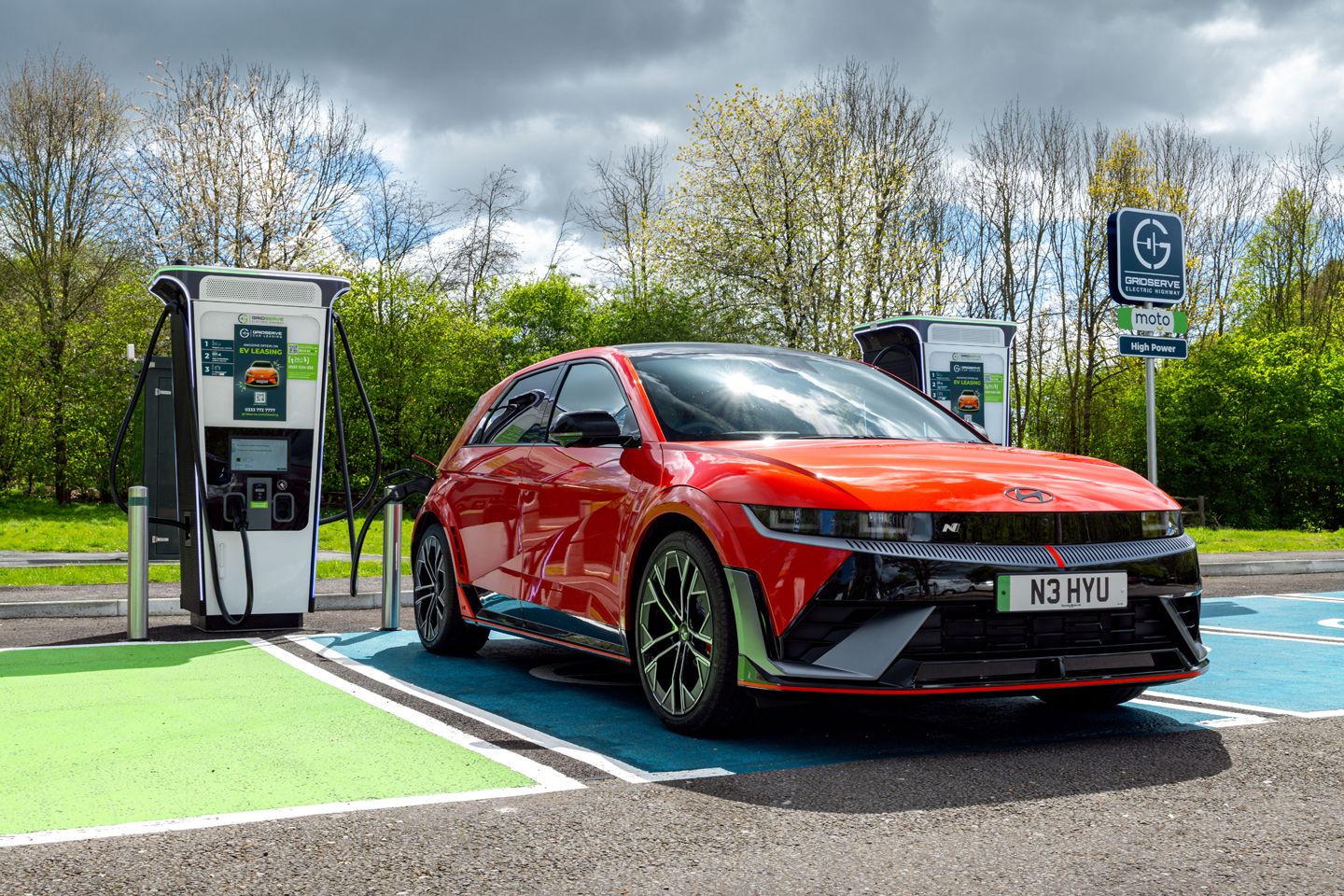
January is typically a slow month in every regard, but especially when it comes to car sales. The last thing on most people's minds, having spent a fortune that they said they wouldn’t at Christmas, is getting a new car. The weather’s gross (which would spoil that fresh paint), a reg change is coming in a couple of months, and unless you’re going to order a car, the process is going to mean leaving the house. Nobody wants to do that in January.
So the fact that last month saw a really strong 31 days of sales is encouraging for car companies and consumers. In January 2026, 144,127 new cars found homes in the UK, up from 139,345 in ‘25 and the most for a Jan since 2020. Which feels like about a decade ago now. While no trends were drastically different to recent reports - fleet sales are the majority, as are purely petrol cars - it does suggest that the upward trajectory of new sales might continue. Because January is never a good month, and we’re nearing 150k units - so imagine when those ‘26’ plates come in for March.
The news for sales of electric cars continues to be less positive, however. While vehicles under the ‘electrified’ umbrella continue to do well - plug-in hybrids were up a whopping 47 per cent against last ‘25, with 18,557 shifted, and hybrids nudged up nearly five per cent - the EV market was basically static. In January last year, 29,634 sold; this January, 29,654 sold. Yep, 20 more, or a 0.1 per cent increase. Not even negligible, just essentially unchanged. With those increases elsewhere, it actually meant a similar number of sales equated to a reduced market share for EVs, at 20.6 per cent compared to 21.3 per cent this time 12 months ago. So one in five new car sales, as it stands, is purely electric; the ZEV mandate for 2026 is one in three…
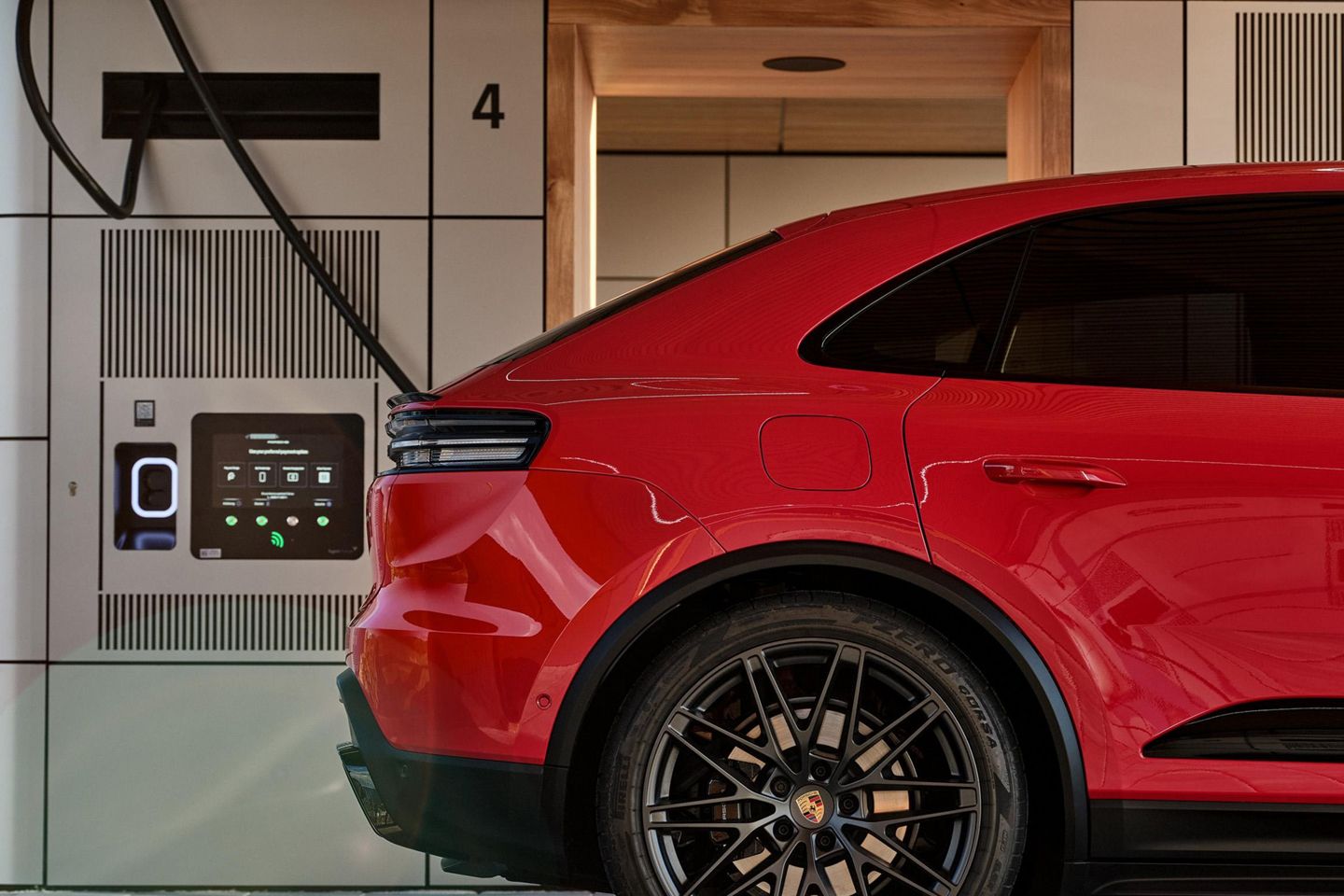
Clearly, something is amiss when almost every electric car on sale now is offered with a grant of some description, be it government-funded or manufacturer-backed. They’re in place specifically to drive sales, along with all the other incentives you see, from finance offers to free chargers. While the SMMT is optimistic about EV pick up for the rest of the year, forecasting around 28.5 per cent market share for 2026, that still falls significantly short of the mandate. And it’s light years away from making the 2030 ban on non-hybridised combustion engines (still the plan for the UK at the time of writing) anywhere close to feasible. Either something truly drastic needs to happen before the end of the decade to encourage mass adoption (chargers in every lamppost, a huge slashing of public charging costs, some kind of tax incentive) or the deadline needs to be pushed back. You can probably make an educated guess on what’s likely to happen.
Unsurprisingly, the SMMT suggests that the eVED road pricing policy, due to come into force the year after next, is making some buyers apprehensive about an electric car. It suggests that ‘the assumptions behind the creation of the [ZEV] mandate have not been borne out’, even with the enormous, unsustainable discounts that have been offered. The top ten best sellers are evidence of the fact, without a pure EV in the mix and with a lot of cars that have been there for yonks - VW Golf, Nissan Juke, Vauxhall Corsa, Kia Sportage, Ford Puma - still holding strong. There are pure electric offerings in some of those model ranges, but you can bet they aren’t the majority of sales.
SMMT Chief Exec Mike Hawes said: “Britain’s new car market is building back momentum after a challenging start to the decade. It is also decarbonising more rapidly than ever and, despite a January dip in EV market share, the signs point to growth by the end of the year. The pace of the transition, however, may be slowing and is certainly behind mandated targets. With sales of new pure petrol and diesel cars planned to end in less than four years, there needs to be a comprehensive review of the transition now, to ensure ambition can match reality.” Which sounds sensible enough, so it probably won’t happen. The good news for buyers, at least, is that new EV discounts continue to be out there for those that want them: this top-of-the-range Volvo EX90 has just 100 miles under its 22-inch wheels - and more than £15,000 off its list price.


PHEVs will be far better for others.
The answer is to offer a mix. The government knows this, but simply doesn't have the balls to have this as its plan.
BTW, going along with whatever your government decides is not 'accepting progress'.
Make a law: when you buy a car, new, you must own it for 10 years.
The manufacturer has to repair every and any issue with the car (except tyres) for those 10 years, free of charge. No exceptions.
Used cars, you can do what you like.
This would stop people constantly buying new cars. That would be the massive environmental benefit.
It would also force manufacturers to make higher quality cars - because they would be paying for repairs - which would then last longer. Another big environmental benefit.
(Please note: I don't care what happens to the 'car industry'. It's not society's job to hold up capitalism.)
Make a law: when you buy a car, new, you must own it for 10 years.
The manufacturer has to repair every and any issue with the car (except tyres) for those 10 years, free of charge. No exceptions.
Used cars, you can do what you like.
This would stop people constantly buying new cars. That would be the massive environmental benefit.
It would also force manufacturers to make higher quality cars - because they would be paying for repairs - which would then last longer. Another big environmental benefit.
(Please note: I don't care what happens to the 'car industry'. It's not society's job to hold up capitalism.)
Make a law: when you buy a car, new, you must own it for 10 years.
The manufacturer has to repair every and any issue with the car (except tyres) for those 10 years, free of charge. No exceptions.
Used cars, you can do what you like.
This would stop people constantly buying new cars. That would be the massive environmental benefit.
It would also force manufacturers to make higher quality cars - because they would be paying for repairs - which would then last longer. Another big environmental benefit.
(Please note: I don't care what happens to the 'car industry'. It's not society's job to hold up capitalism.)

Make a law: when you buy a car, new, you must own it for 10 years.
The manufacturer has to repair every and any issue with the car (except tyres) for those 10 years, free of charge. No exceptions.
Used cars, you can do what you like.
This would stop people constantly buying new cars. That would be the massive environmental benefit.
It would also force manufacturers to make higher quality cars - because they would be paying for repairs - which would then last longer. Another big environmental benefit.
(Please note: I don't care what happens to the 'car industry'. It's not society's job to hold up capitalism.)
Make a law: when you buy a car, new, you must own it for 10 years.
The manufacturer has to repair every and any issue with the car (except tyres) for those 10 years, free of charge. No exceptions.
Used cars, you can do what you like.
This would stop people constantly buying new cars. That would be the massive environmental benefit.
It would also force manufacturers to make higher quality cars - because they would be paying for repairs - which would then last longer. Another big environmental benefit.
(Please note: I don't care what happens to the 'car industry'. It's not society's job to hold up capitalism.)
Make a law: when you buy a car, new, you must own it for 10 years.
The manufacturer has to repair every and any issue with the car (except tyres) for those 10 years, free of charge. No exceptions.
Used cars, you can do what you like.
This would stop people constantly buying new cars. That would be the massive environmental benefit.
It would also force manufacturers to make higher quality cars - because they would be paying for repairs - which would then last longer. Another big environmental benefit.
(Please note: I don't care what happens to the 'car industry'. It's not society's job to hold up capitalism.)
I also hear that due to our ridiculous EV targets, our carmakers in Europe are now having to buy credits from their Chinese competitors, in effect subsidising the competition and hastening their own demise. Very soon, our government needs to wake up and smell the coffee. Although how long that will take with Comrade Starmer at the helm is anyones guess.
I won't deny the downsides, range anxiety is a thing (more than a range issue per-se) and not having a home charger (yet) makes it more expensive. I wouldn't say it's a chore as I happen to have a 300KW Public Charger (Ionity) at my Gym. Cold weather has more of an effect on them that you think anything made in the 21st century should.
IME public chargers are plentiful, I've never not found a free one, nor found one that was broken. The AC chargers (old, low power, usually found in Superrnarkets etc) are rubbish, but they really don't do what an EV needs, I mostly use them because they're great for parking, even if they don't charge enough in 40 mins to be worth it.
If you're doing mega miles in any given day, if you don't have a parking space of your own, if you regularly drive in Germany at 3 figures they're probably not for you. If you want a daily that's utterly relaxed, quiet, refined, easy to live with etc, fantastic.

Well, at least my arguments aren't that...
EVs are good for some.
PHEVs will be far better for others.
The answer is to offer a mix. The government knows this, but simply doesn't have the balls to have this as its plan.
BTW, going along with whatever your government decides is not 'accepting progress'.

Gassing Station | General Gassing | Top of Page | What's New | My Stuff