
Driven to distraction | PH Footnote
This week, we'll be mostly thinking about vans and how incredibly unsafe (i.e. good) they used to be...
A mate of mine was telling me about the new van supplied by his work. It is a Ford Transit, and to drive, he declared it very decent indeed. But he didn’t start the story there. He began by moaning about the ‘pre-flight checks’ he is forced to go through before he could get to the business of driving to his next job. The list of things that require turning off or on will be familiar to anyone who has bought a new car recently, because the rules which cover them also extend to vans. Together, as middle-aged men are wont to do when faced with minor annoyances, we mourned the passing of a simpler time.
Of course, to do so blindly or across the board would be to indulge in the worst kind of sentimentality - vans, like cars, have become much safer with the passing of time. I am just old enough to have experienced a Mark II Transit in (knackered) minibus format, a form of transport so rudimentary that you half-wondered where the coal was loaded. Hard now to yearn for a time when small children spent part of their week being driven about in a (packed, seatbelt-less) van with all the structural robustness of a clingfilm dispenser.
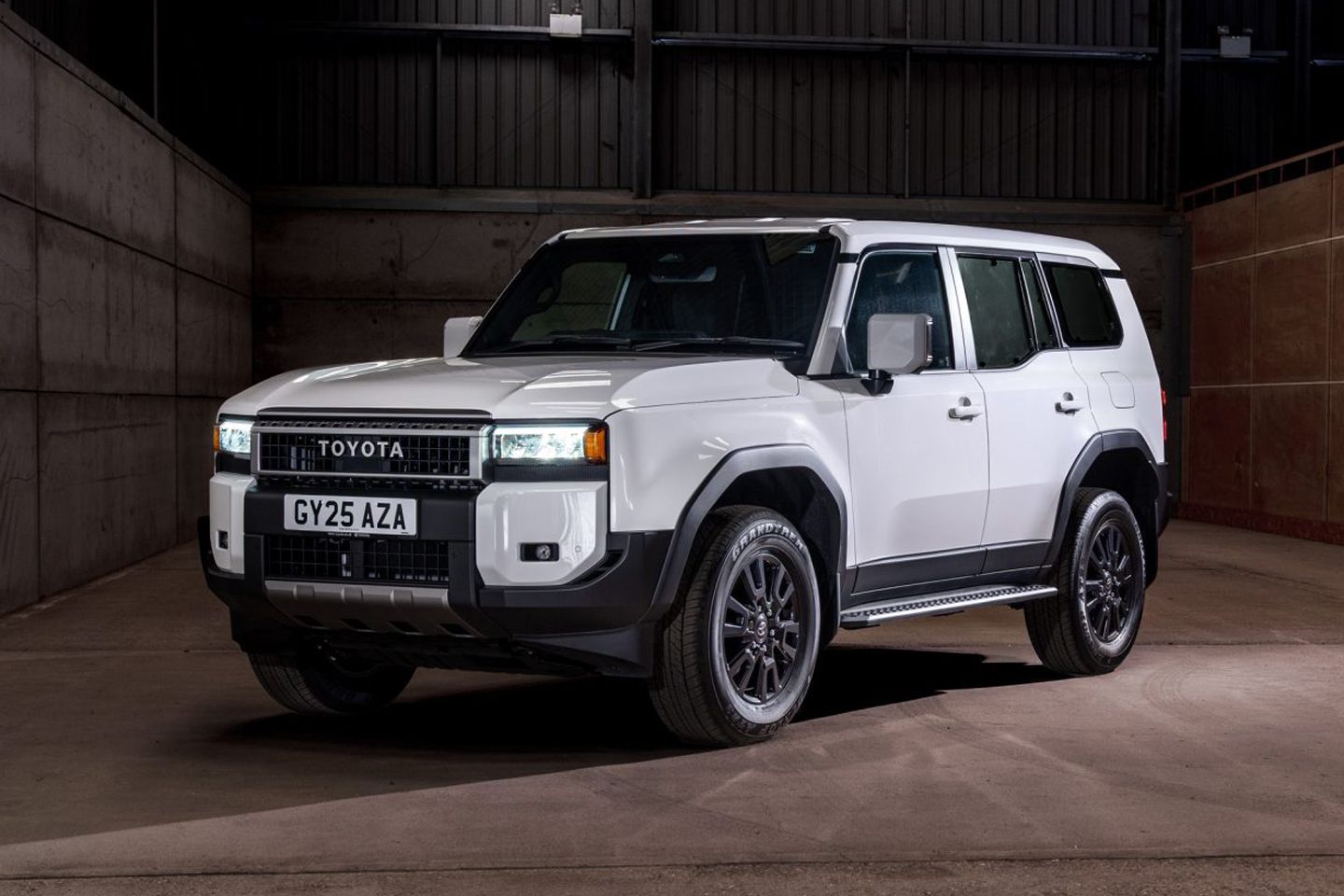
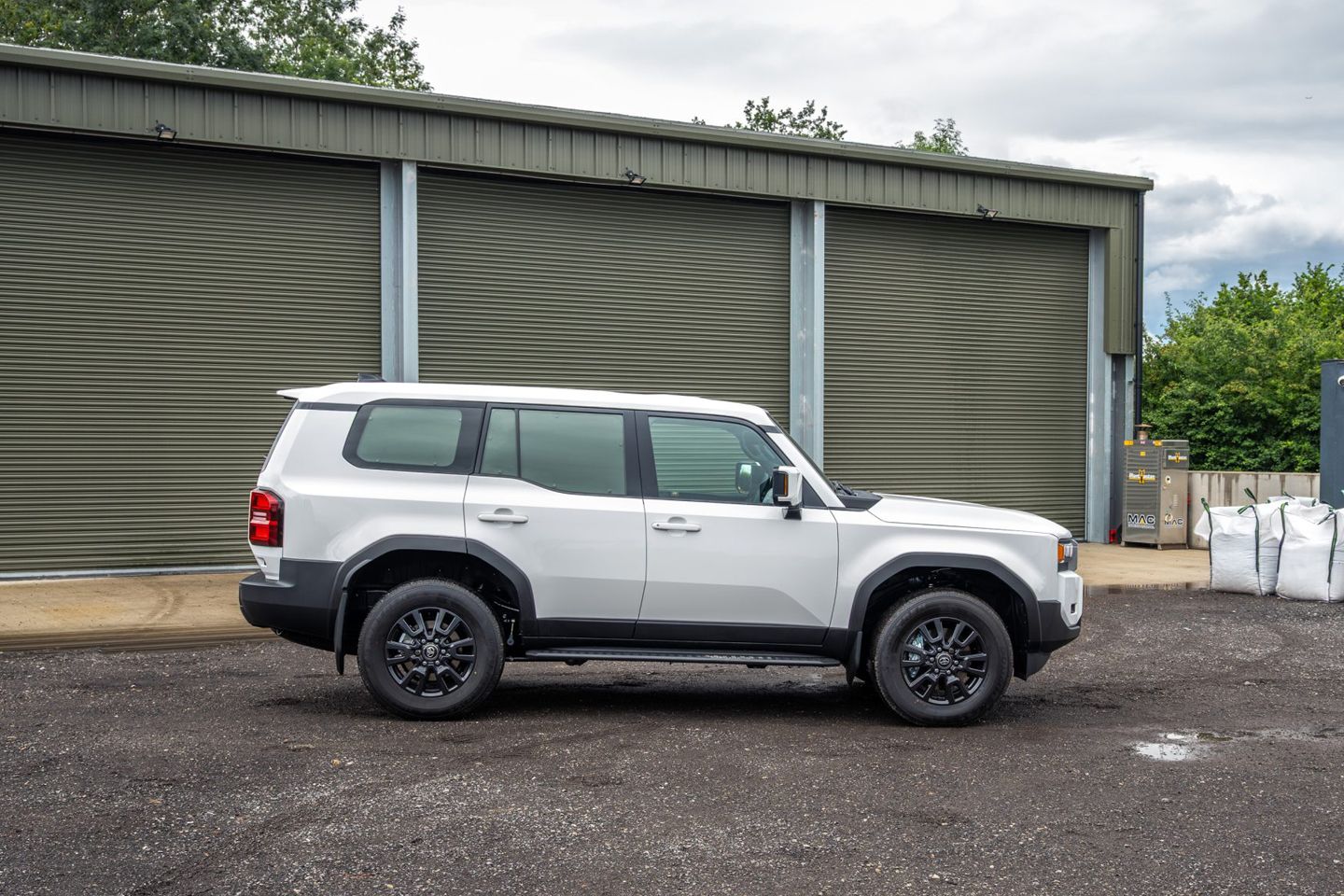
Nevertheless, we do appear to have strayed across the invisible line between well-considered safety innovations (ABS, airbags, stability control etc) and sophisticated, compulsory solutions to a bizarre long list of mostly made-up problems. Consider the Toyota Land Cruiser Commercial that visited PH this week; a car, you’ll likely recall, that is a mostly standard Land Cruiser with the back seats removed in favour of a flat floor, boarded-up windows and the sort of partition that comes in handy if you’ve taken advantage of its 730kg payload.
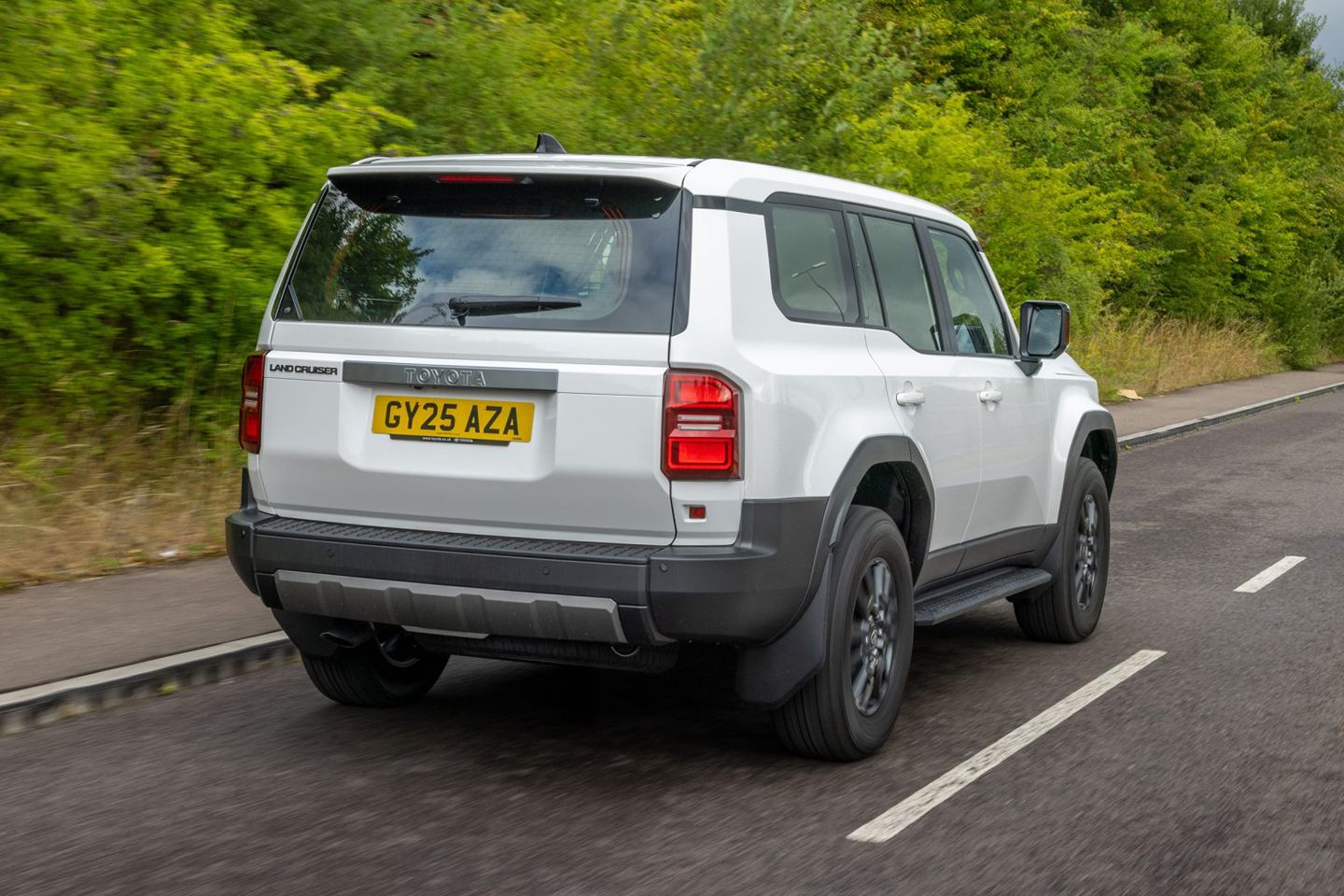
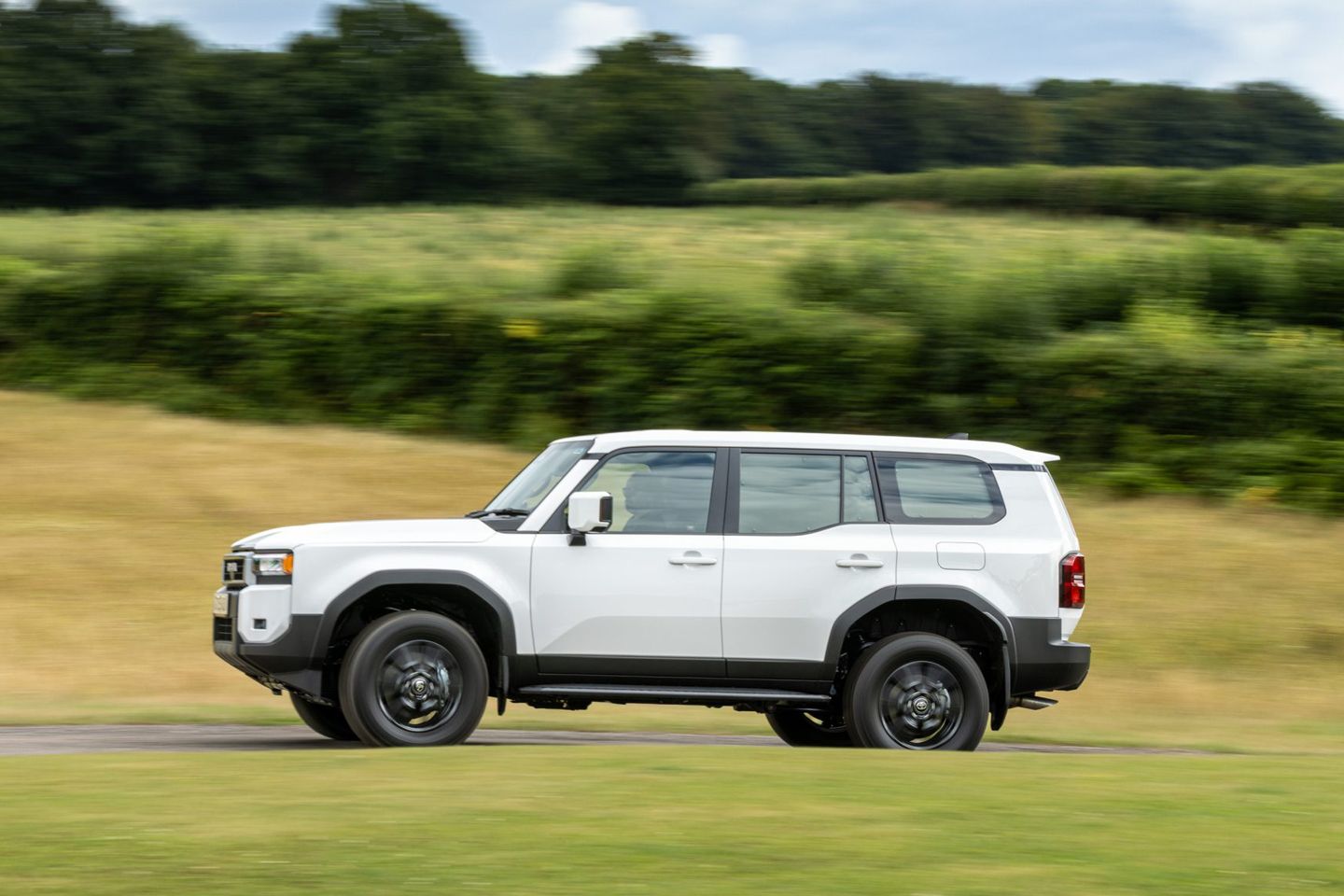
By rights, no matter the backdrop, its physical toughness and longevity ought to rival an Arabian camel, and perhaps it does - but woe betide anyone who sets off into the great unknown (or even nips to the BP) without giving due consideration to everything else going on behind the scenes. It starts well enough, if you consider the appearance of a Mercedes-aping switchable speed limit icon on the main infotainment screen an improvement (it is - massively). You definitely don’t need an amber warning in the instrument cluster to let you know the car has ceased to heed road signs, but it’s plainly less intrusive than it bonging away at you like an electric driving instructor.
Sadly, that is the extent of Toyota’s allowance for the sort of people (mostly working-age men) who drive vans. For example, if you do not know precisely where the lane departure function is, finding it on the move is about as safe as attempting to read Fermat’s Last Theorem by candlelight while navigating the north circular. But at least you can switch it off (via the instrument cluster itself this time, using the steering wheel-mounted controls, which want a long confirmatory press to make sure you’re not adjusting the settings in a fit of madness).
However, Toyota’s most galling transgression of your peace and quiet occurs when you run into the Machiavellian torture device that is the innocuously titled Driver Monitor Settings. Face-reading tech has been around for a long while now, its (theoretically very worthy) job of course to prevent you from taking an afternoon nap in the outside lane of the motorway. But, much like everything else, as the system’s ability to accurately track your face has improved, so the technology has been more rigorously deployed.
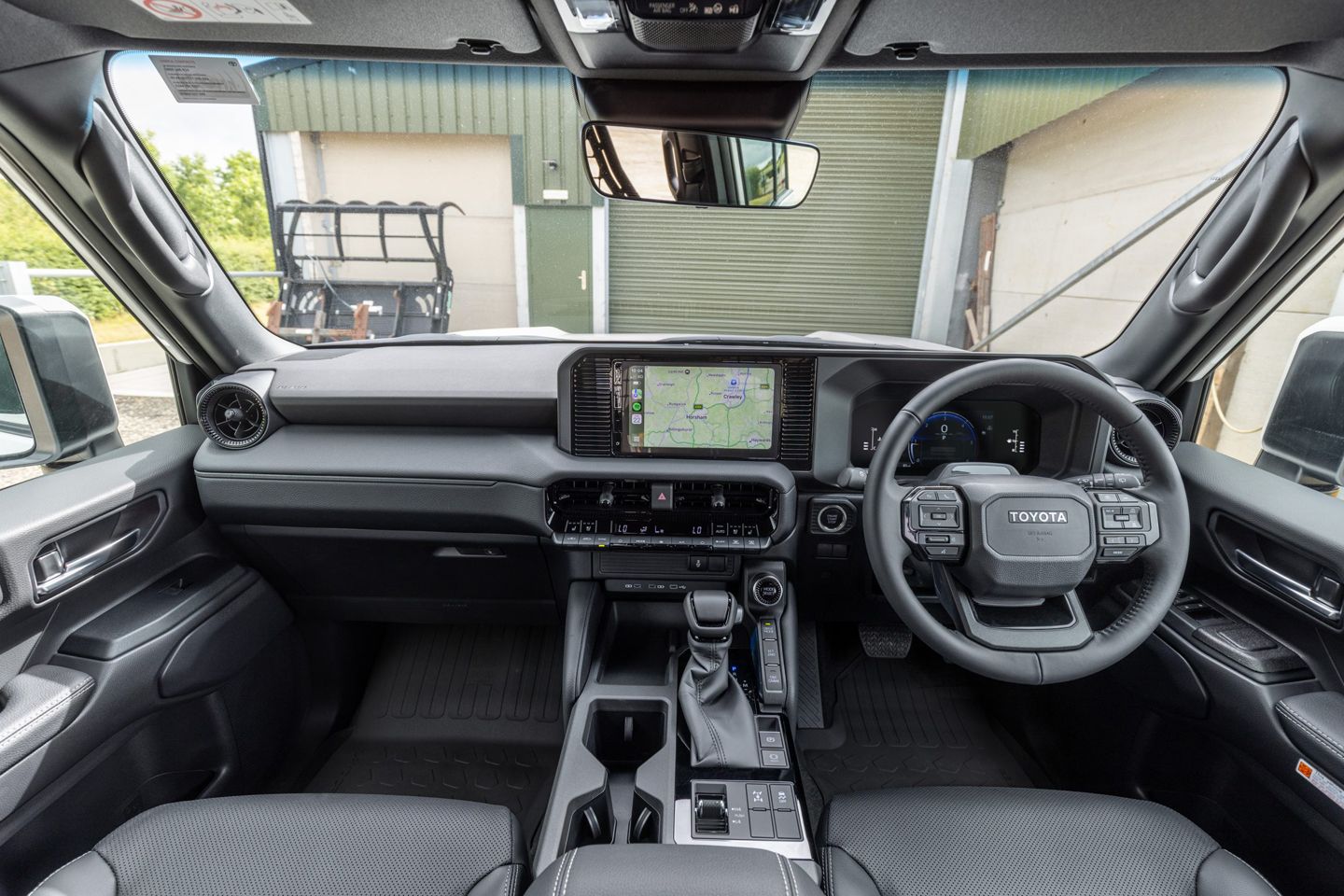
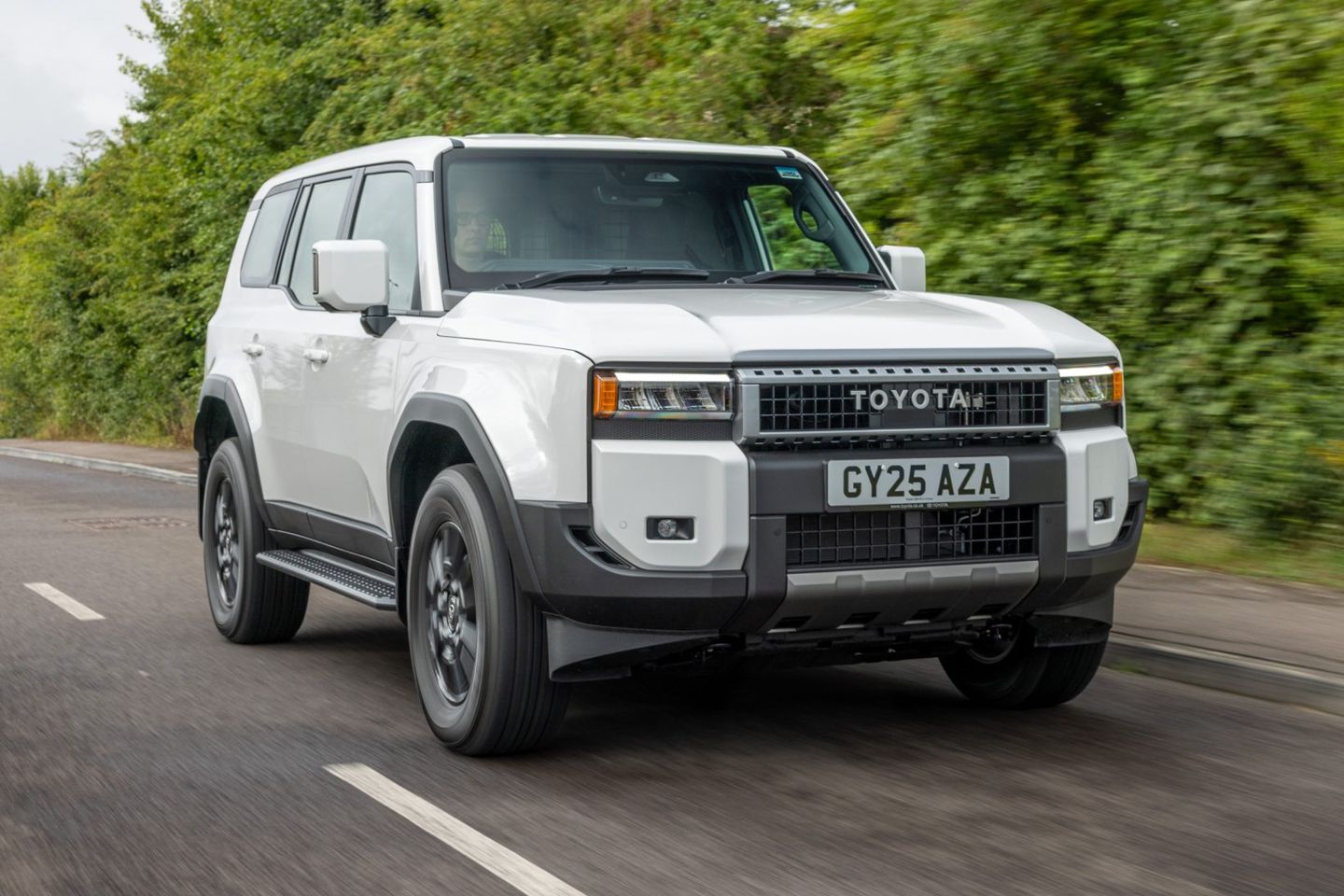
Were its parameters set correctly - or at least sympathetically - this might be acceptable. After all, given the complicated and often convoluted nature of most infotainment systems, we’re all guilty of taking our eyes away from the road for longer than we really ought to. Yet the Land Cruiser’s zeal for keeping your gaze locked permanently on the road ahead is Stasi-like in its refusal to bend. You’ve got about as much chance of finding your favourite radio station unwarned as you have of finding the Higgs boson. You can’t even give your other half a withering sidelong look without it beeping.
Worse still is the uppityness. The system will chide you if it senses a disruption to its ability to monitor your boat race, which means, of course, that you can’t lazily drive with one hand at 12 o’clock - i.e. the way most van drivers tend to. It even has the temerity to tell you to ‘sit up’ if it thinks the problem is you slouching in the seat - y’know, like you probably would do after 8 hours of actual physical work that doesn’t involve typing or zooming or designing ADAS systems.
But its coup de grace is the fact that, once in motion, no matter how much you stare incredulously at the dashboard, you cannot switch it off. If you want to put an end to the torment, you need to pull over and find the correct sub menu to disengage the system while stationary. And though it will shut off for the remainder of your journey, the Land Cruiser declines to remember your choice. Get back in after a hard shift somewhere remote - or even from taking two lonely bin bags to the tip - and you will be subjected to the same haughtiness should you need longer than a nanosecond to enter an address in the sat nav.
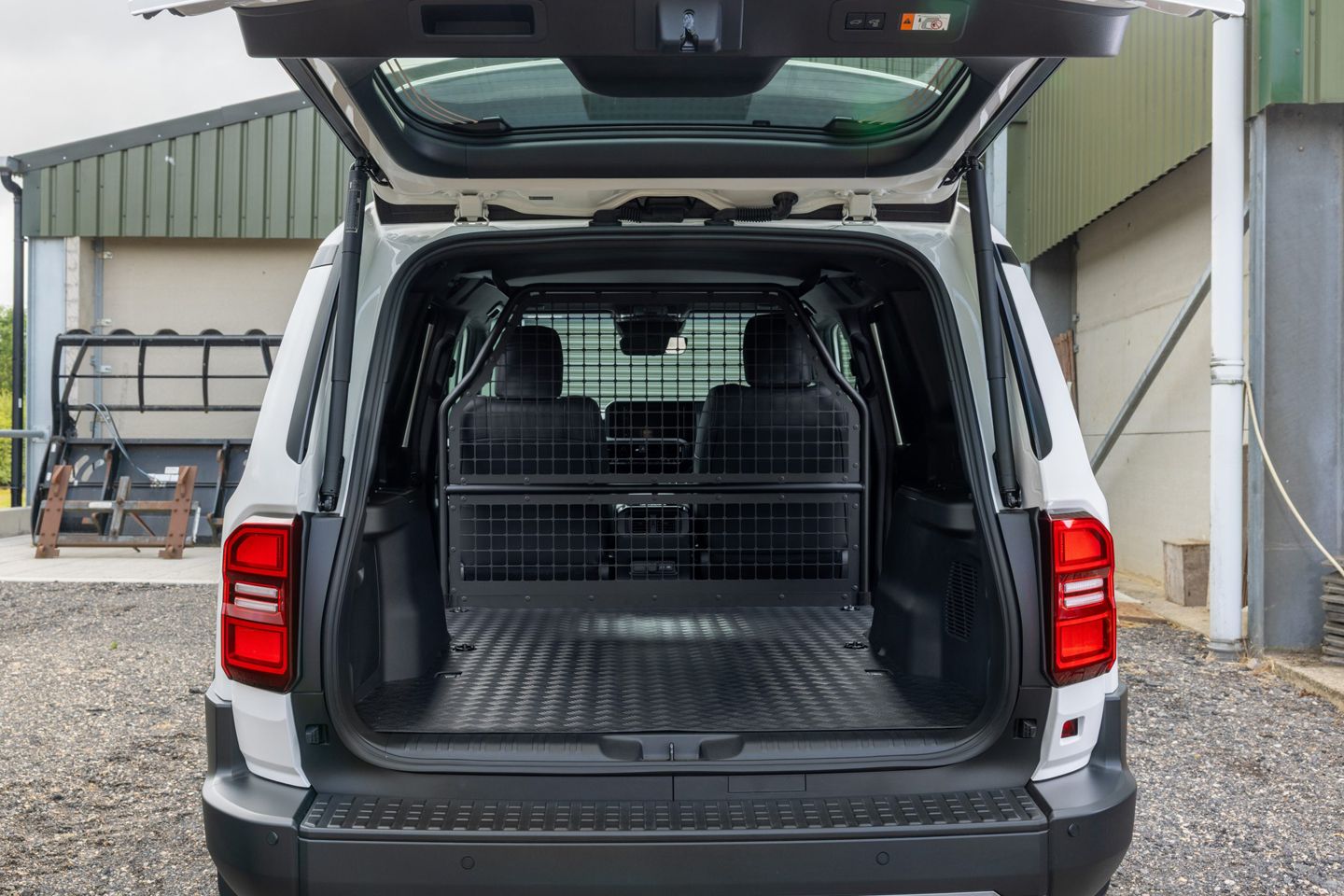
None of this, it will surprise you to hear, is very conducive to the Commercial’s broader theme, which is at the agricultural end of utilitarian. The model is set to absorb the 48-volt mild-hybrid assistance that presumably softens the response of the chunky 2.8-litre four-pot, though its gravelly tone is not something easily silenced, nor the limitations of its performance easily enhanced. Although that matters even less in a van than in the passenger version: the Land Cruiser’s squared-off forthrightness is all part of the rugged charm. As is the laidback way it takes just about everything in its stride.
Land Rover, it must be said, does a better job of making the Defender Hard Top seem like a place you’d happily spend days and weeks carting heavy things about - but the Defender is a more modern and refined vehicle than the Land Cruiser by default. A more significant difference is Land Rover’s unspoken acknowledgement that a great many of its customers don’t much like being incessantly scolded or denied the pleasure of steering where they like, and therefore make it possible to disengage the worst offenders with two presses of a single wheel-mounted button. That doesn’t necessarily make it a better commercial vehicle across the board - but I know which one I’d recommend to similarly exasperated friends.
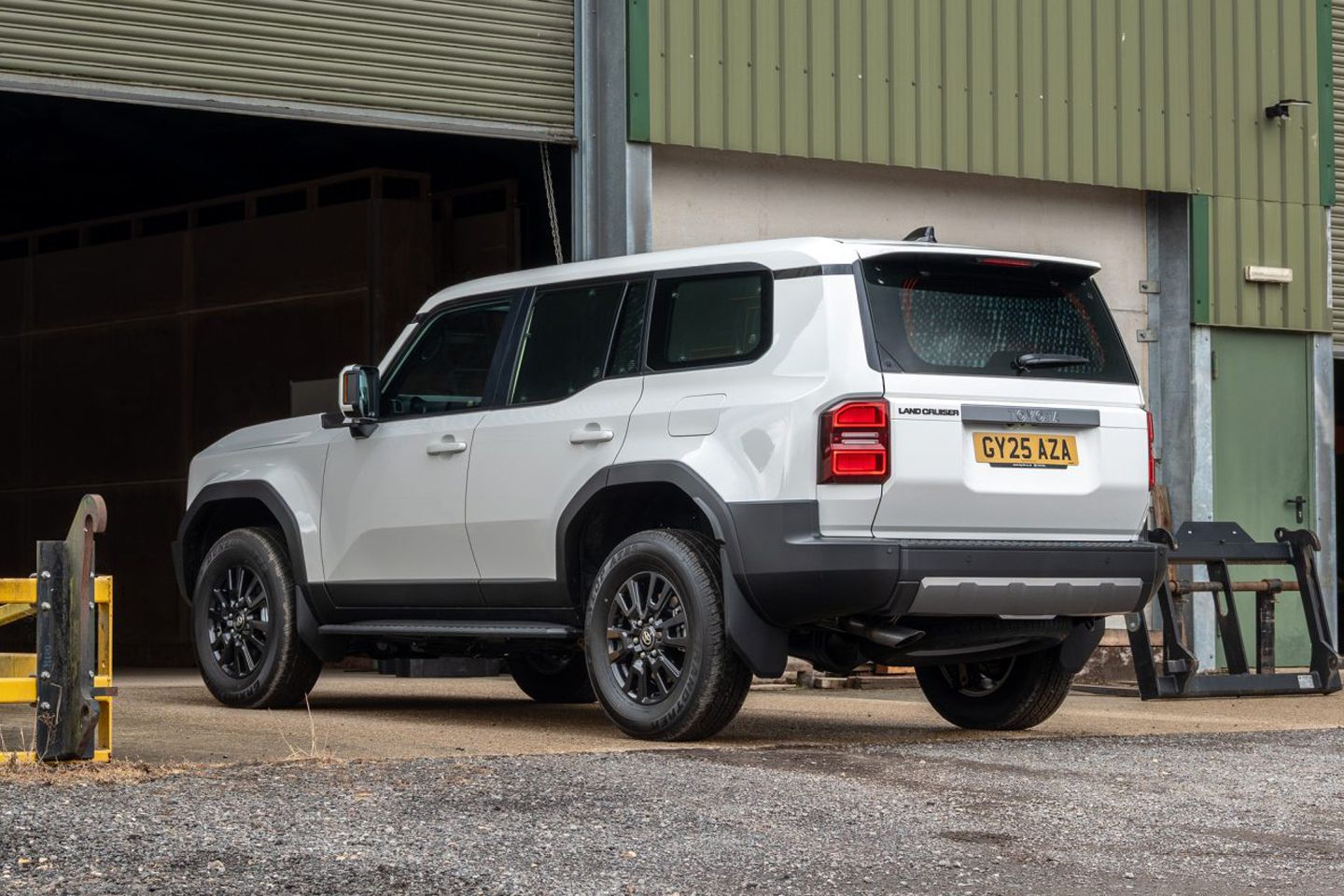
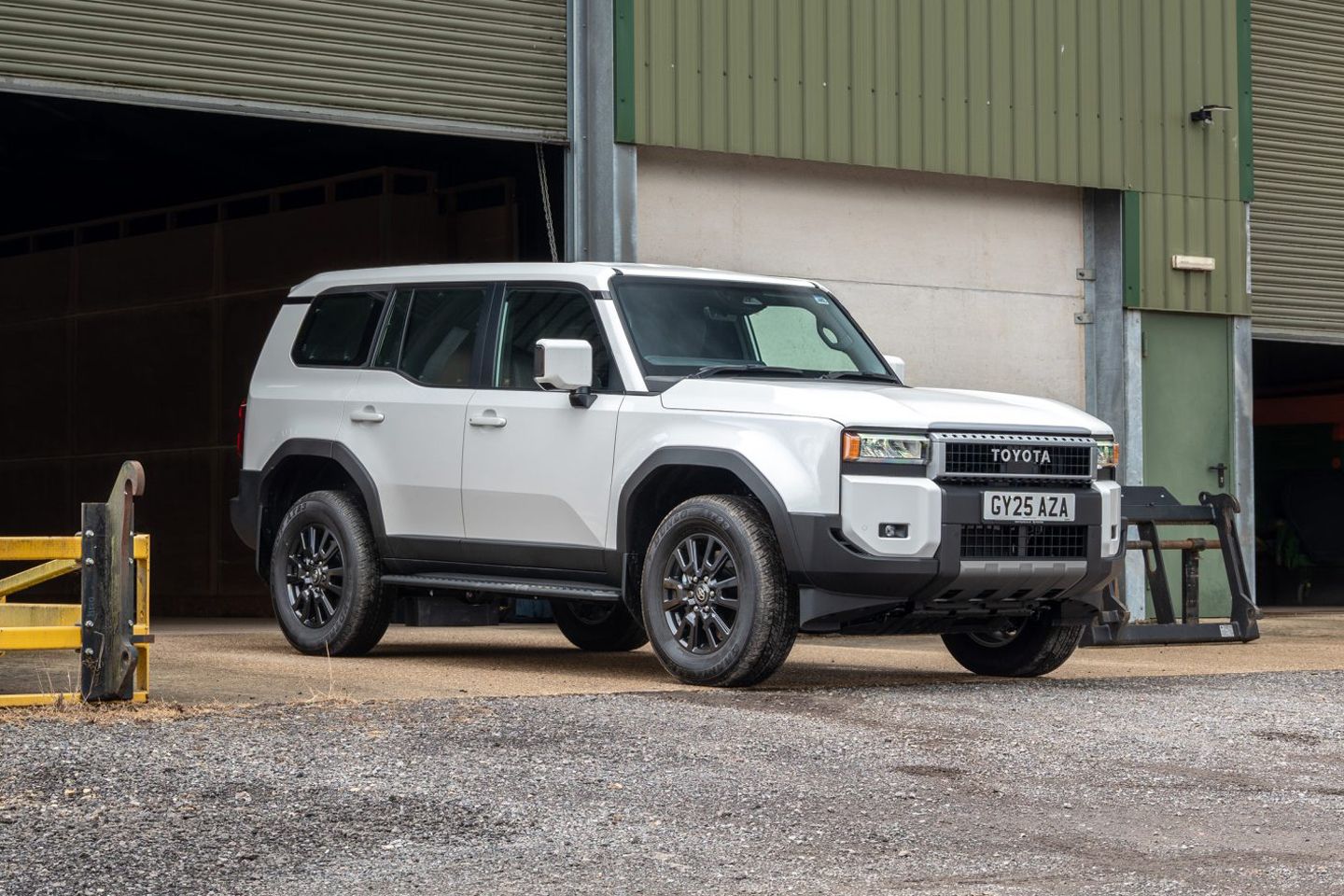


I understand that safety is important, but it seems as though there must be a better way of getting there!
Also interested in the thinking behind a 2.8 4cyl engine, not many of that size about!
Go for Mulberry red I am very happy with my T8
Lets address the elephant in the room....Why does the Landcruiser look sooo bloody ugly though?!!!!

 king annoying.
 Then it gave up resisting me, and I went left a lot more and faster than I wanted and nearly hit the barrier. I realised after if I'd indicated left it would have been fine, so perhaps we'll see a return to people in the outside lane with their indicators on.
FWIW it could be turned off by 4 or 5 presses on the central touchscreen at motorway speeds.
It does leave the lane keeping assist enabled (for regulatory reasons, I think) but it stops it and everything else bonging at you constantly and Mazda has deliberately made the feedback through the steering wheel as light as the regs allow, so if you need to move over a white line to avoid a puddle, pothole etc, without indicating you are not fighting the wheel with all your might while you do it.
Other reasons for buying include:
Physical buttons & dials for HVAC
Physical buttons & wheel for infotainment
Physical buttons on the steering wheel
No horrible laptop screen slapped on the dash
It's really nice to drive (really surprised me how good it is, coming from a Mk7.5 Golf GTD)
It has a normally aspirated 2.5 litre petrol engine (properly sized, no turbo to fail, no overstressed 1 litre 3-pot)
6-speed manual gearbox
Mazda have not doubled their prices like most other manufacturers have
6 year warranty
It's not perfect (what is?), but in the 4 months I've owned it, it has convinced me I made the right choice. It's a keeper.
I have recently had two hire cars, a 208 and a Pandina which are intrusive enough to stop me buying a new car, ever again. The 208 did finally offer up a quick access screen but to a newbie, 20-30 minutes is required to discover the ticking turd bombs.
Gassing Station | General Gassing | Top of Page | What's New | My Stuff