
New electric cars more popular than ever...
... but not nearly as popular as the ZEV mandate insists they should be, or the headlines would have you believe
Electric cars. They are everywhere. Not least in everyone’s imagination, fuelled by headlines reporting an uptick in interest roughly analogous to concerns about (very real) price increases at the pump. Given the prospect of long-term volatility in the cost of oil, this seems credible enough, especially in the secondhand market, where previously the level of interest among private buyers could be politely described as ‘zilch’ - or somewhere thereabouts. This accounted for the crazy-looking deals for anything nearly new; deals that justly become more interesting if you’re being asked to pay £2 per litre for diesel.
For those carmakers deeply invested in building electric cars (i.e. all of them, to one degree or another) this is, generally speaking - and if we ignore the myriad ways in which conflict adjacent to the Strait of Hormuz affects them - good news. Ditto the record peak achieved by BEV sales volumes last month: 86,120 registrations were recorded in March, up 24.2 per cent. This contributed to a 6.6 per cent rise overall in the crucial plate change period, making for the best month overall since 2019. Huzzah!
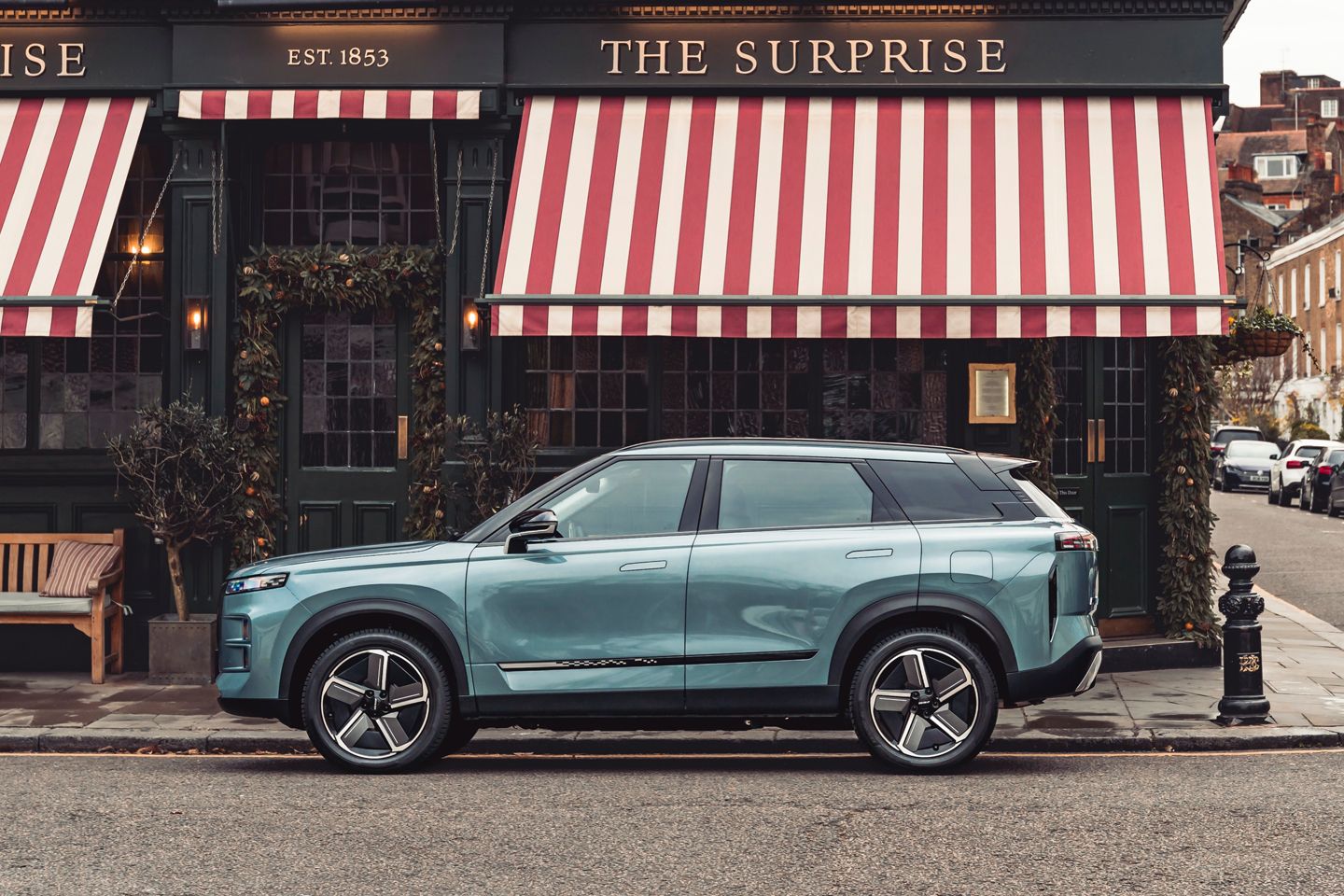
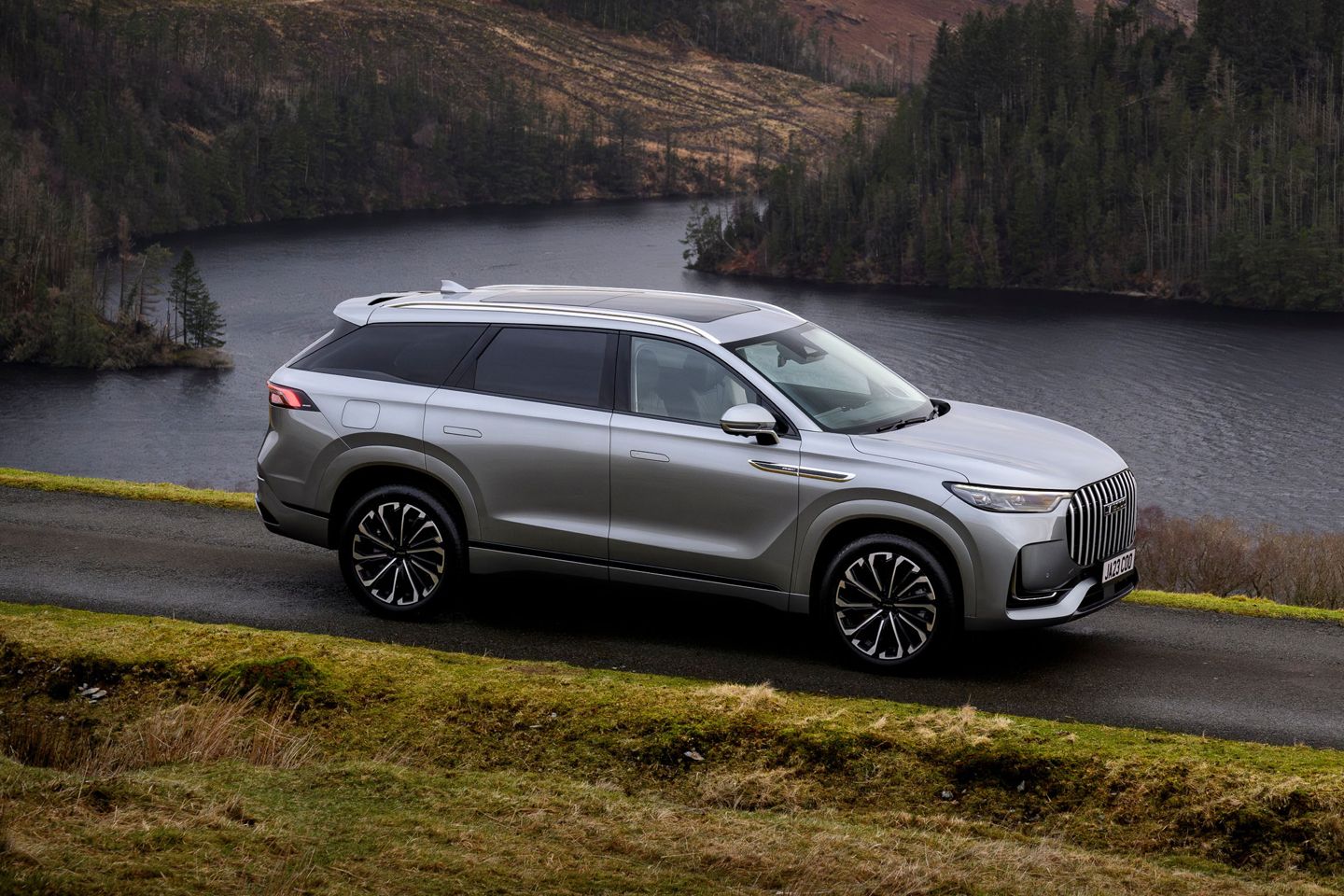
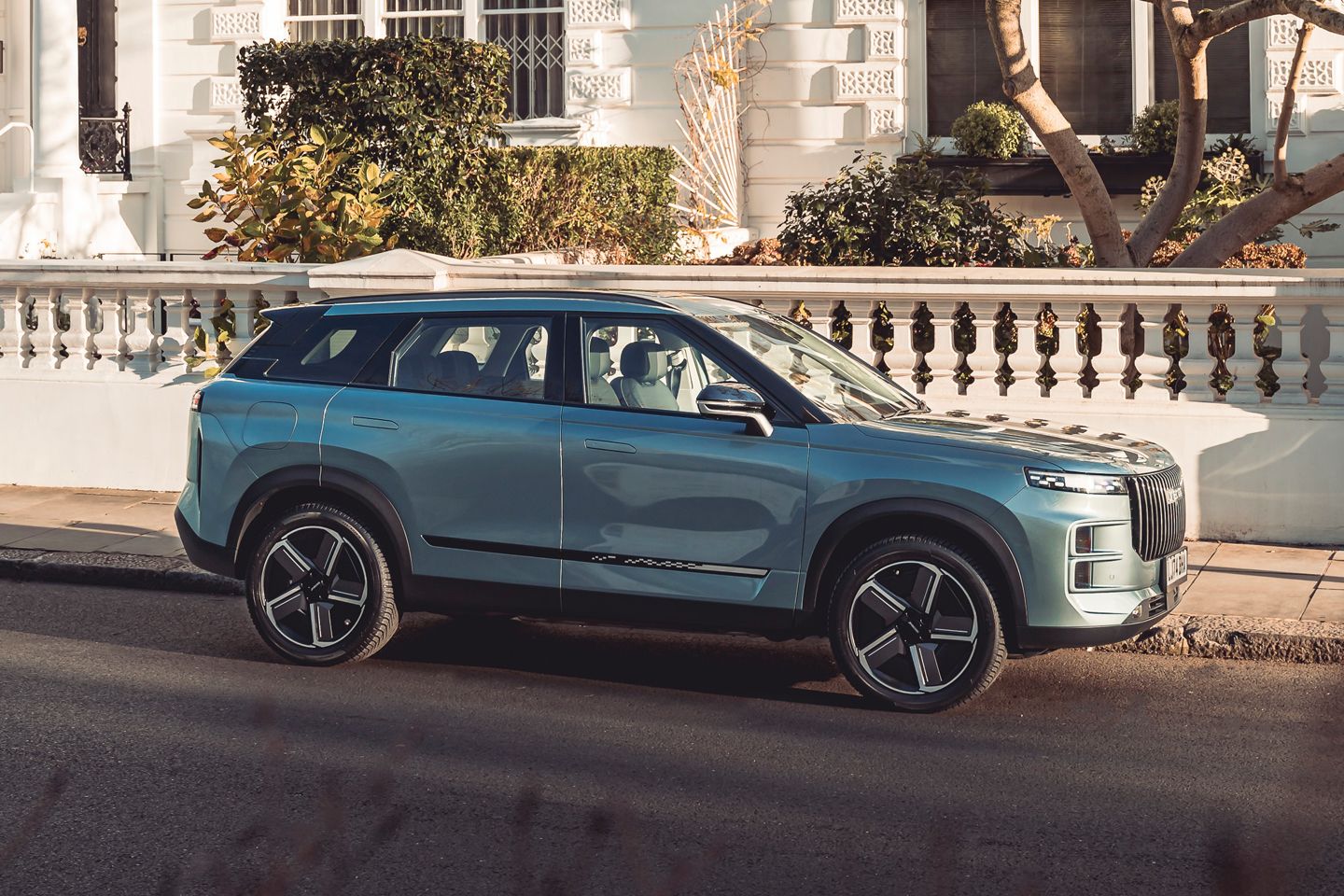
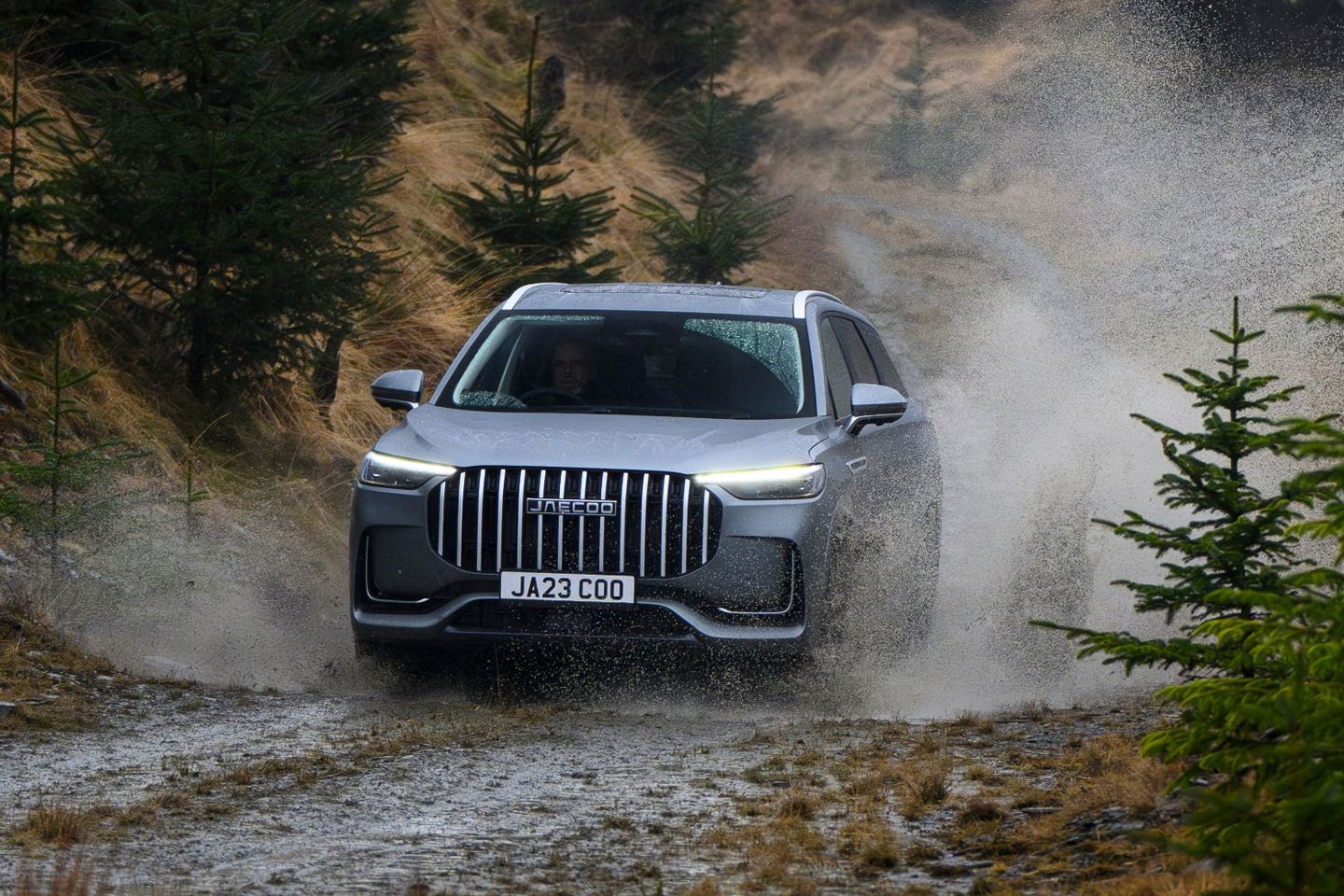
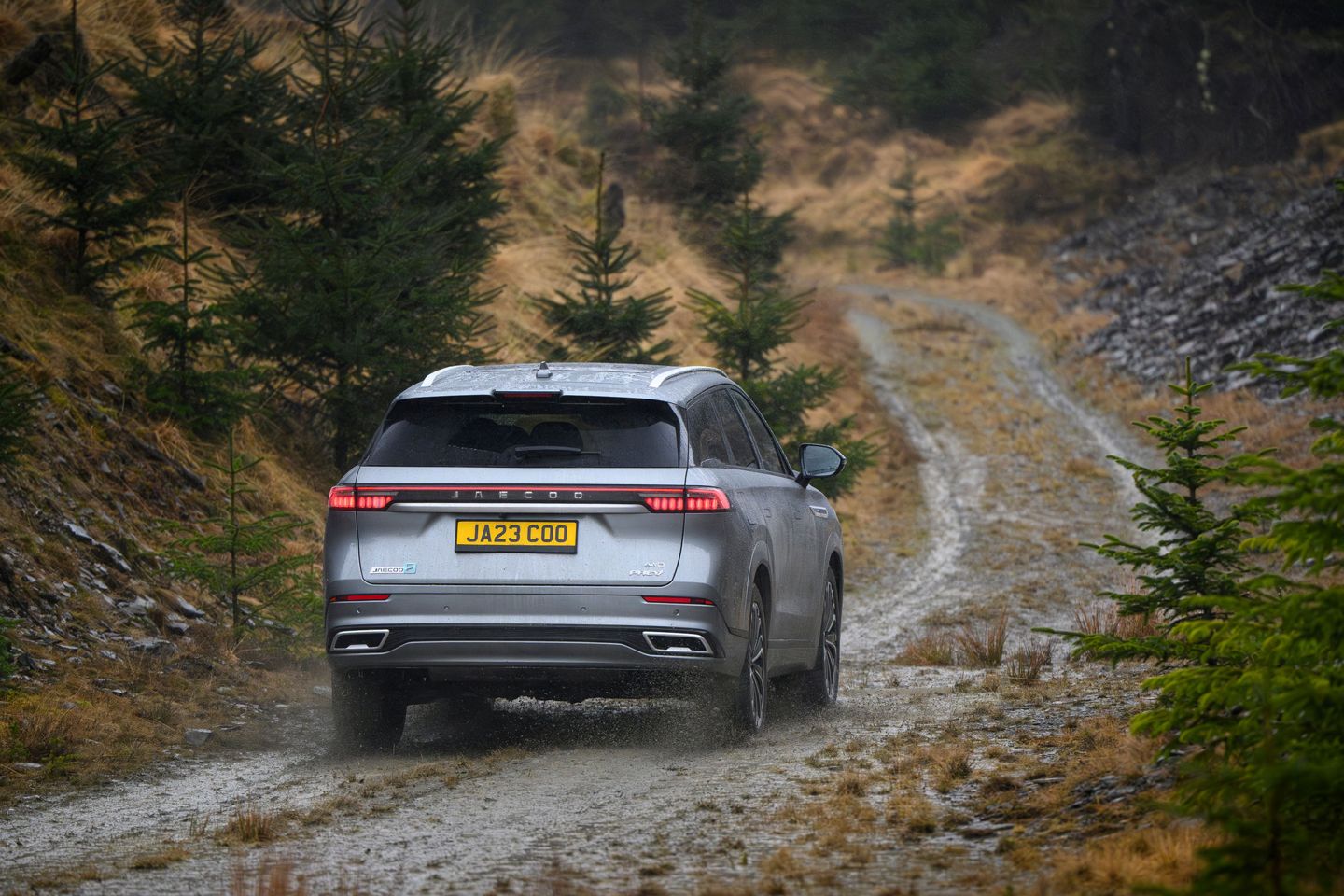
Or, more pessimistically, huzzoo. For one thing, while some European and Korean brands have prospered, it is the disruptive Chinese brands that have been high-fiving each other this morning. BYD has never sold more cars in the UK than it did in Q1, and nor has Omoda&Jaecoo - the latter, in the form of the Jaecoo 7, becoming the nation’s best-selling car in March. Given the timescale, this has less to do with the situation in Iran, and more to do with the fact that you can buy the imposing electric (or hybrid) SUV from £29k.
For another thing, even with the influx of carmakers you hadn’t heard of a year ago, the industry as a whole is still lagging miles behind the target laid out for it by the UK government’s ZEV mandate, which insists the electric cars should account for 33 per cent of the total volume in 2026. Even with a record month, it currently languishes at 22.4 per cent for the year to date. Little wonder that the SMMT - the body which reflects the concerns of the manufacturers and traders - has repeated the view that the speed of the transition to battery-powered cars must be reviewed.
It persuasively argues that the conditions facing the industry are wildly different to those assumed when the mandate was established. ‘At the start of 2026, battery costs were more than 30 per cent higher than expected and industrial energy prices around 80 per cent above 2021 levels, while public charging can cost over 140 per cent more than five years ago.’ Are any of these factors likely to be aided by an escalating war in the Middle East? No, of course not.
“The strongest new car market since 2019, with the highest ever volume of EV registrations, is a boost to the industry and the economy,” noted SMMT’s boss, Mike Hawes. “However, the headlines belie the costs incurred and the challenges involved. Much of March’s performance will be from orders placed before the start of the Iran conflict, which threatens to raise the cost of living, undermining consumer confidence.” In the short term, this might not make the prospect of a £30k Porsche Taycan seem less attractive - yet the immediate advantages, and the headlines surrounding them, bring us no closer to a sustainable or prudently governed marketplace.


Would like to see how the reliability of the Jaecoo brand holds up and also what the supply chain is like for parts, apparently the insurance is sky high due to this being an unknown factor.
Looks like there's still quite a hefty markup here compared with in China, not sure how western brands are meant to compete.
Would like to see how the reliability of the Jaecoo brand holds up and also what the supply chain is like for parts, apparently the insurance is sky high due to this being an unknown factor.
Looks like there's still quite a hefty markup here compared with in China, not sure how western brands are meant to compete.
Maybe they come later but you'd have thought that something that beats a Taycan on paper and costs 40% as much would do quite well.
Maybe they come later but you'd have thought that something that beats a Taycan on paper and costs 40% as much would do quite well.
The Denza brand (premium BYD) has Porsche in it s sights - Z9GT from summer this year : https://www.denza.com/uk
Maybe they come later but you'd have thought that something that beats a Taycan on paper and costs 40% as much would do quite well.
The Denza brand (premium BYD) has Porsche in it s sights - Z9GT from summer this year

Are petrol cars banned (assuming that's what you mean) anywhere now?

My neighbours just bought one, they told me to replace their golf with another golf was 10k more than the J7 and had less kit, they are over the moon with it
Are petrol cars banned (assuming that's what you mean) anywhere now?
It was a suggestion, and in all likelihood, a strong probability.
With regards to the comments about Japanese, Korean and Chinese brands, we are seeing a massive incursion into our markets with the intention of obliterating established brands (no, that’s not xenophobic, it’s business practice), and then when they have succeeded, the prices will go up.
Let’s not forget that Rachel from Accounts will have her eye set on the near future, because when she starts to lose duty from fossil fuels powering cars, she, or her successor, will turn their greedy little eyes to our EVs, and work out a way to tax them, most likely by a full roll out of ‘pay per mile’ which covers every single road.
It’s happening, just not nearly fast enough - the EU recognises this and is helping its industry. Our government has its eyes closed and fingers in its ears like it does on every other problem it faces.
Gassing Station | General Gassing | Top of Page | What's New | My Stuff