
Ineos officially launches new Grenadier MRLV
Contender for Light Mobility Vehicle programme is seeking to replace Land Rover as new British Army mainstay...
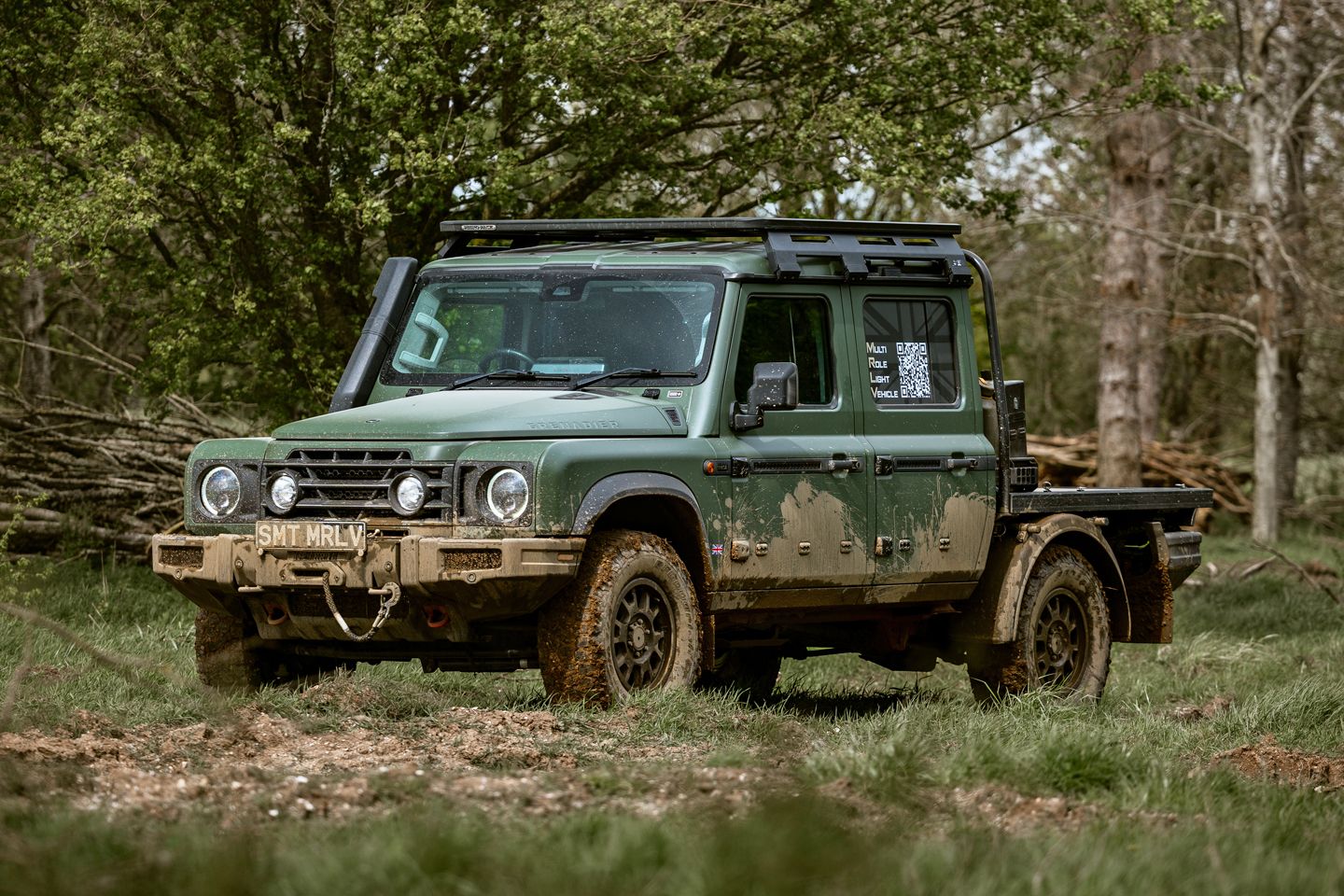
Just last month we talked about the Land Rover Defender’s (and many derivatives thereof) impending retirement from British military service. In the intervening weeks, having been asked to comment about its role in supplying a replacement, the manufacturer suggested - via Defender boss, Mark Cameron - that it would “again begin supplying UK-designed and -engineered light logistics vehicles for people and equipment transportation for the defence and blue light sectors”, while noting that the MOD offered an obvious avenue for ‘potential partnerships’.
We speculated on Land Rover’s intention to enter the bidding process for the ongoing Light Mobility Vehicle programme, where it would face stiff competition from heavyweight international consortiums, including the likes of Ford and GM. But the irony of Ineos’ entry will not be lost on the firm either: Jim Ratcliffe’s off-roader was, at its root, an attempt to prolong the ethos and rigorously analogue approach of the old Defender - replacing it in British military service (one of its most conspicuous and famous roles, albeit as the significantly altered Wolf), would be an almighty coup for the Grenadier.
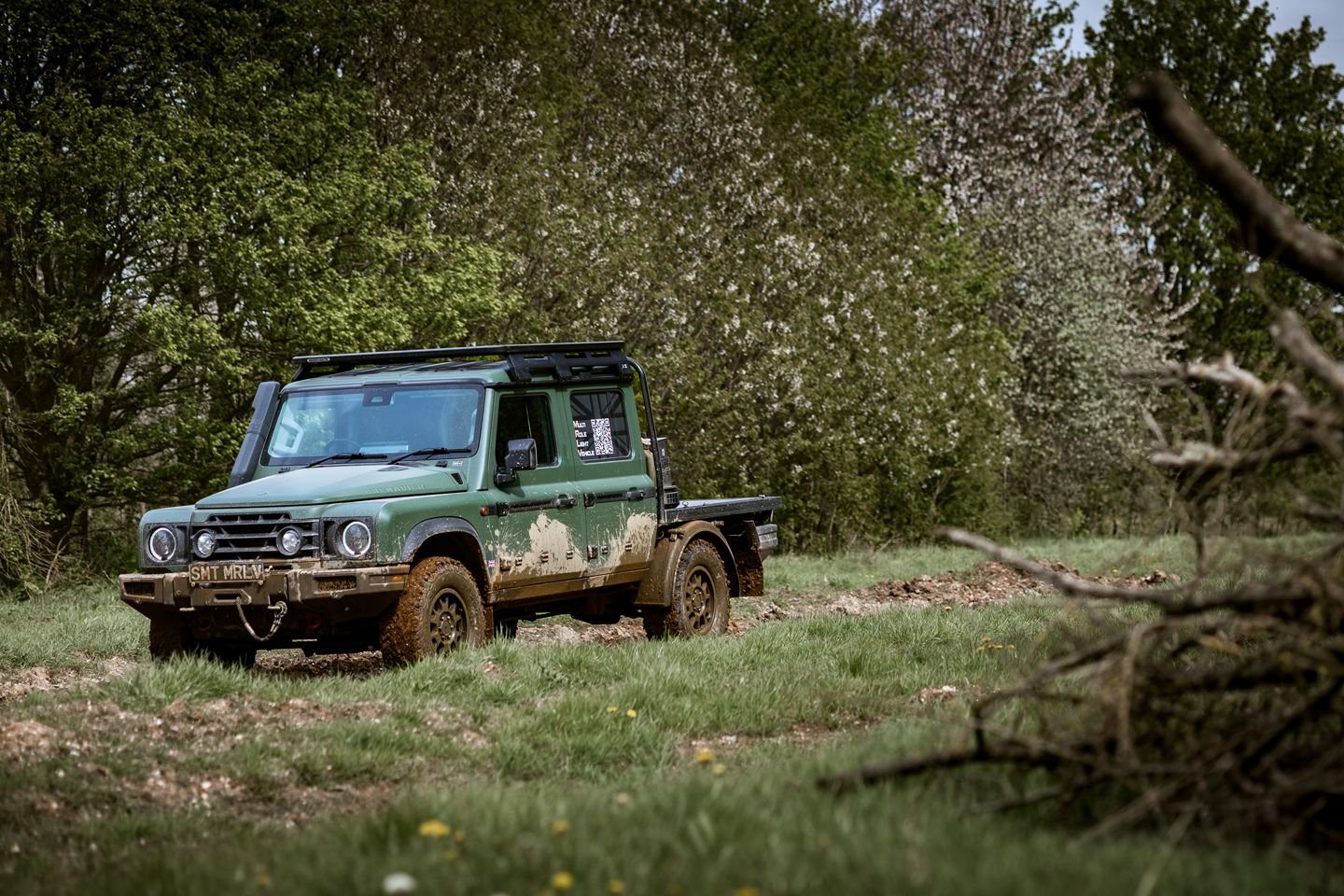
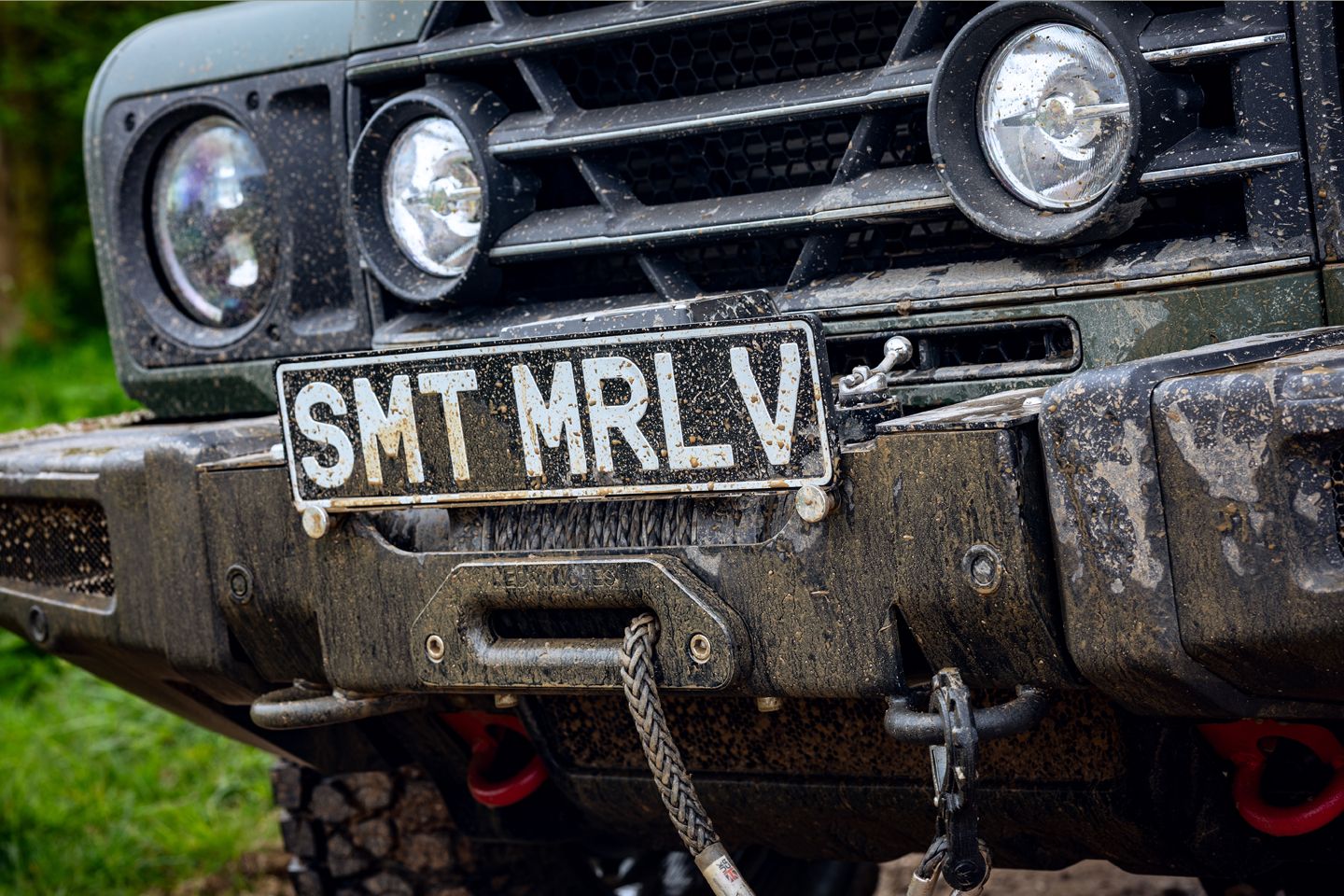
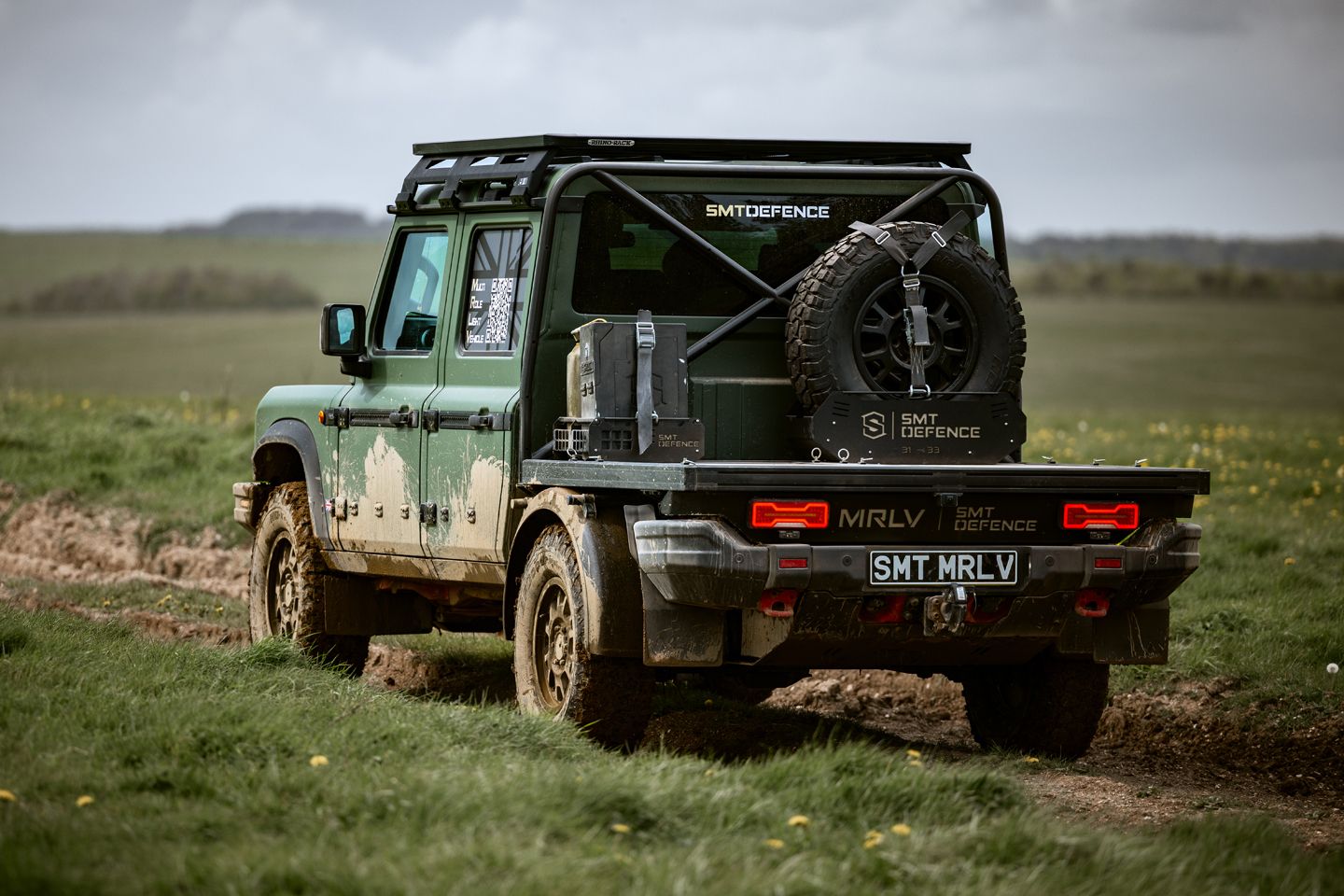
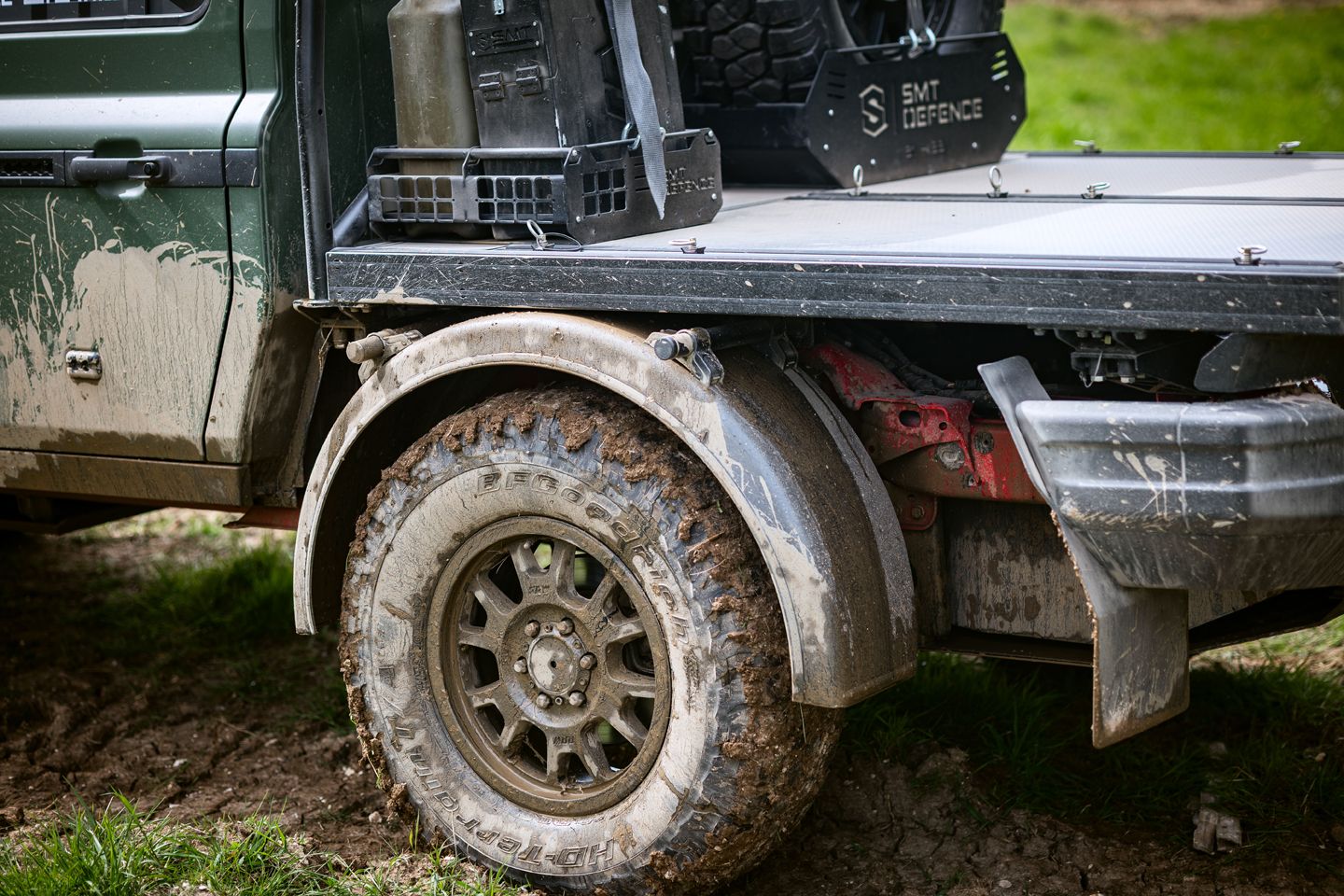
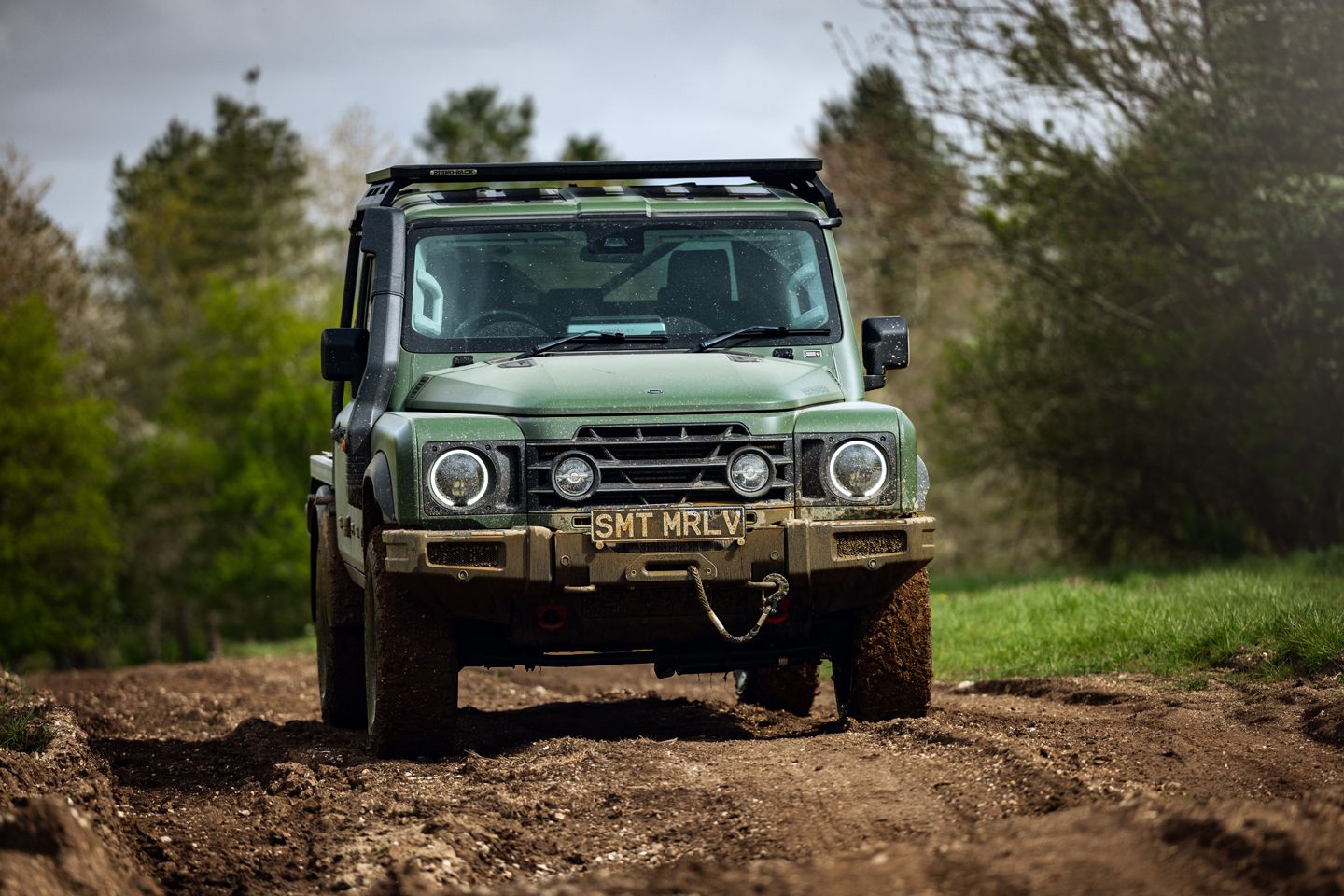
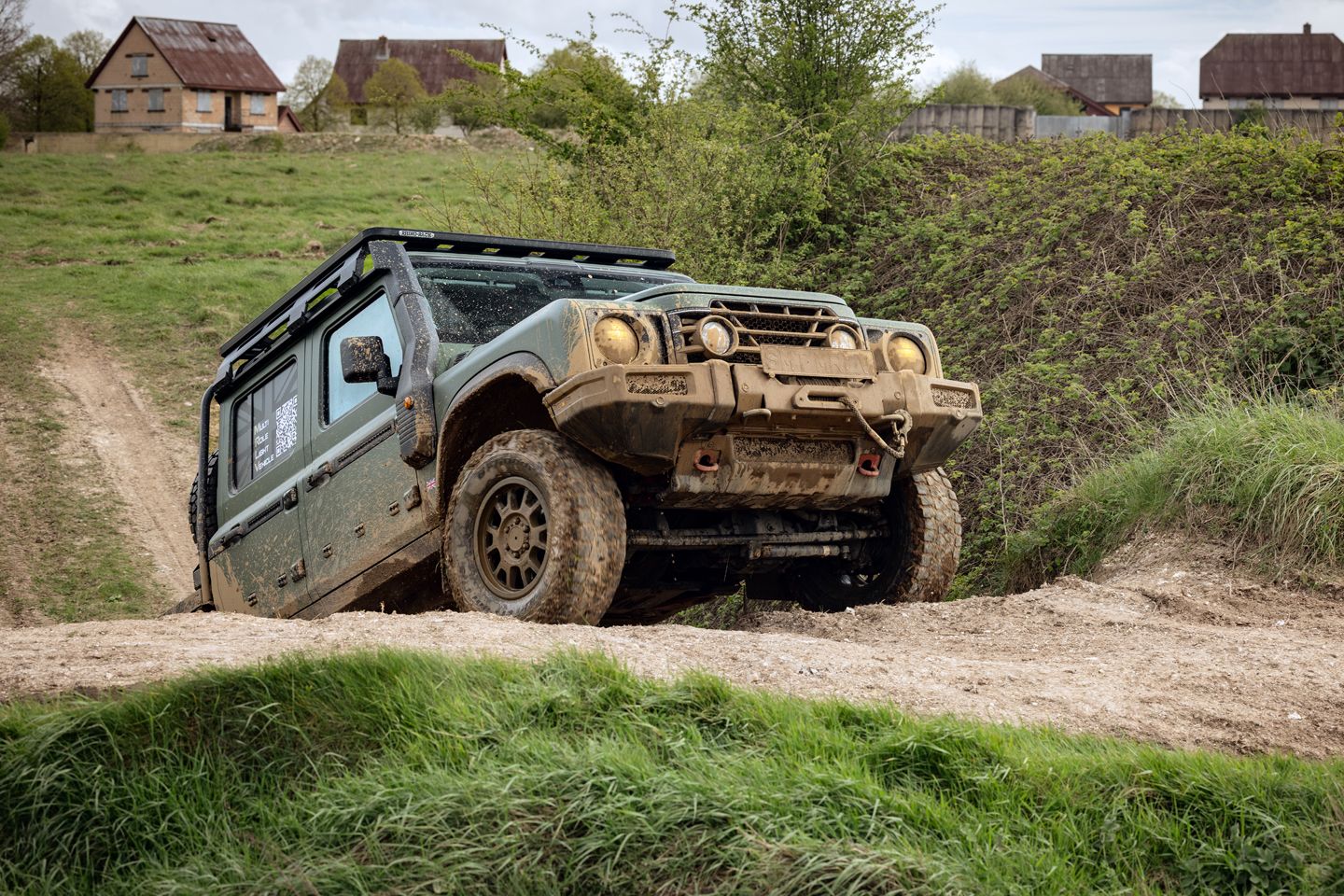
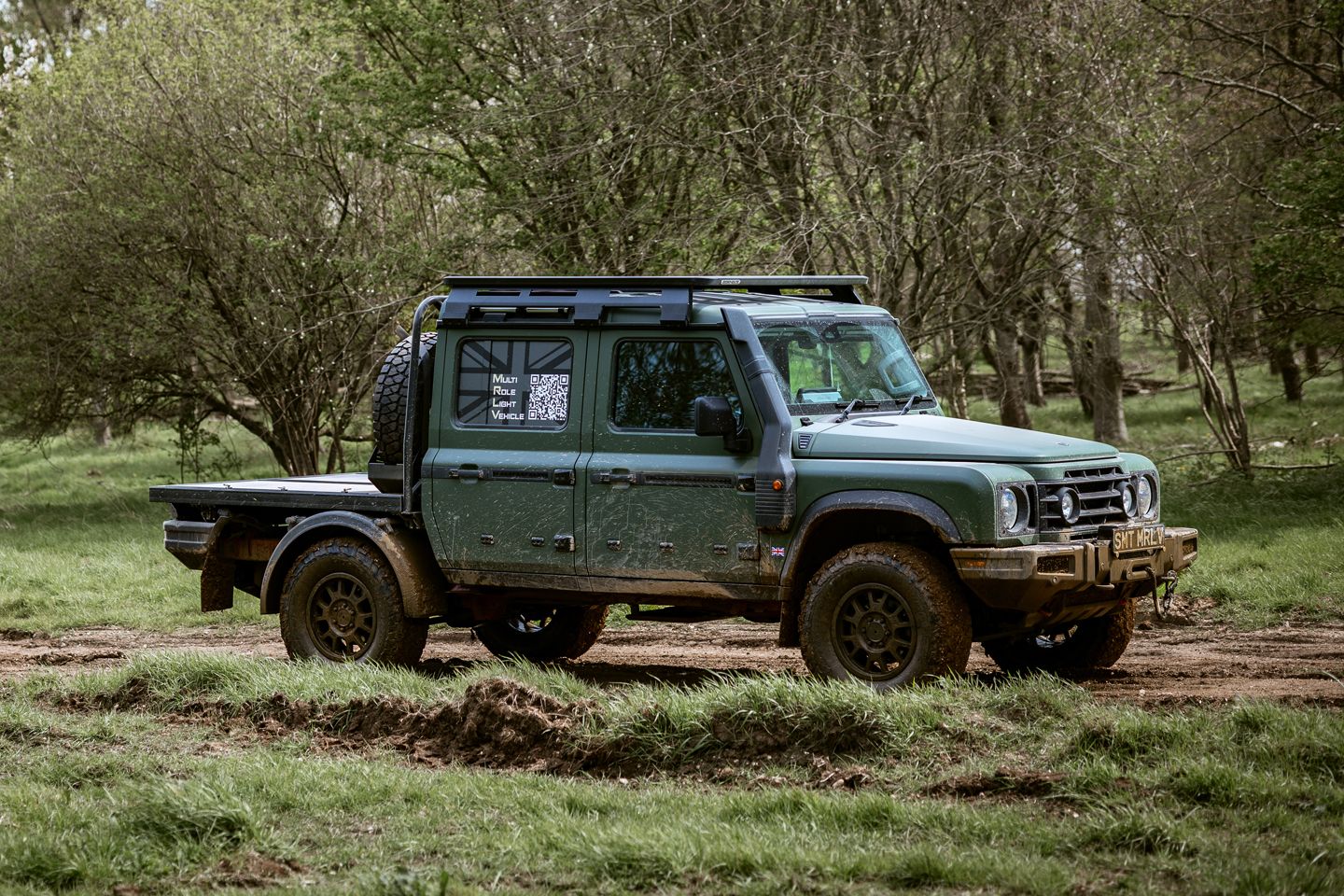
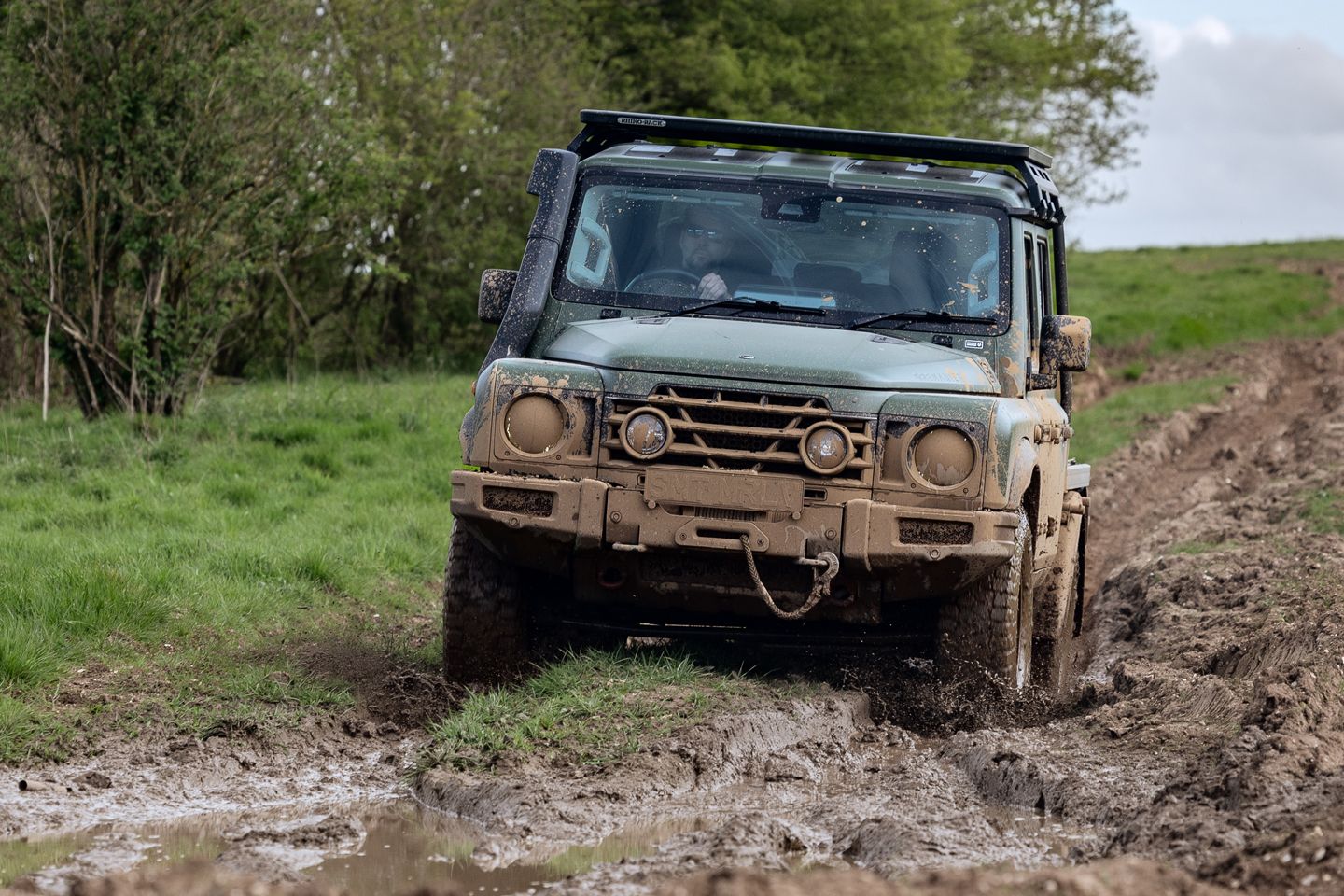
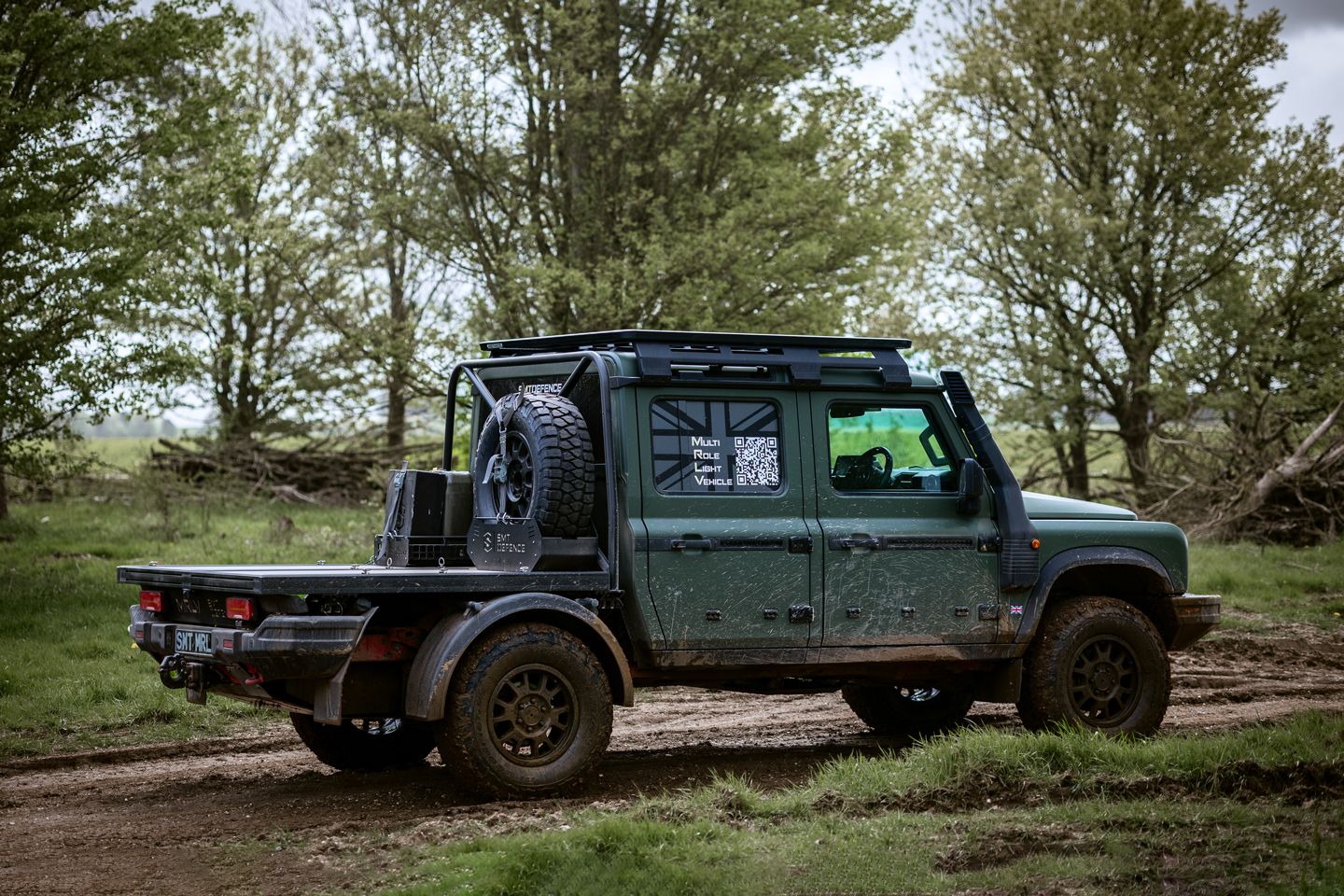
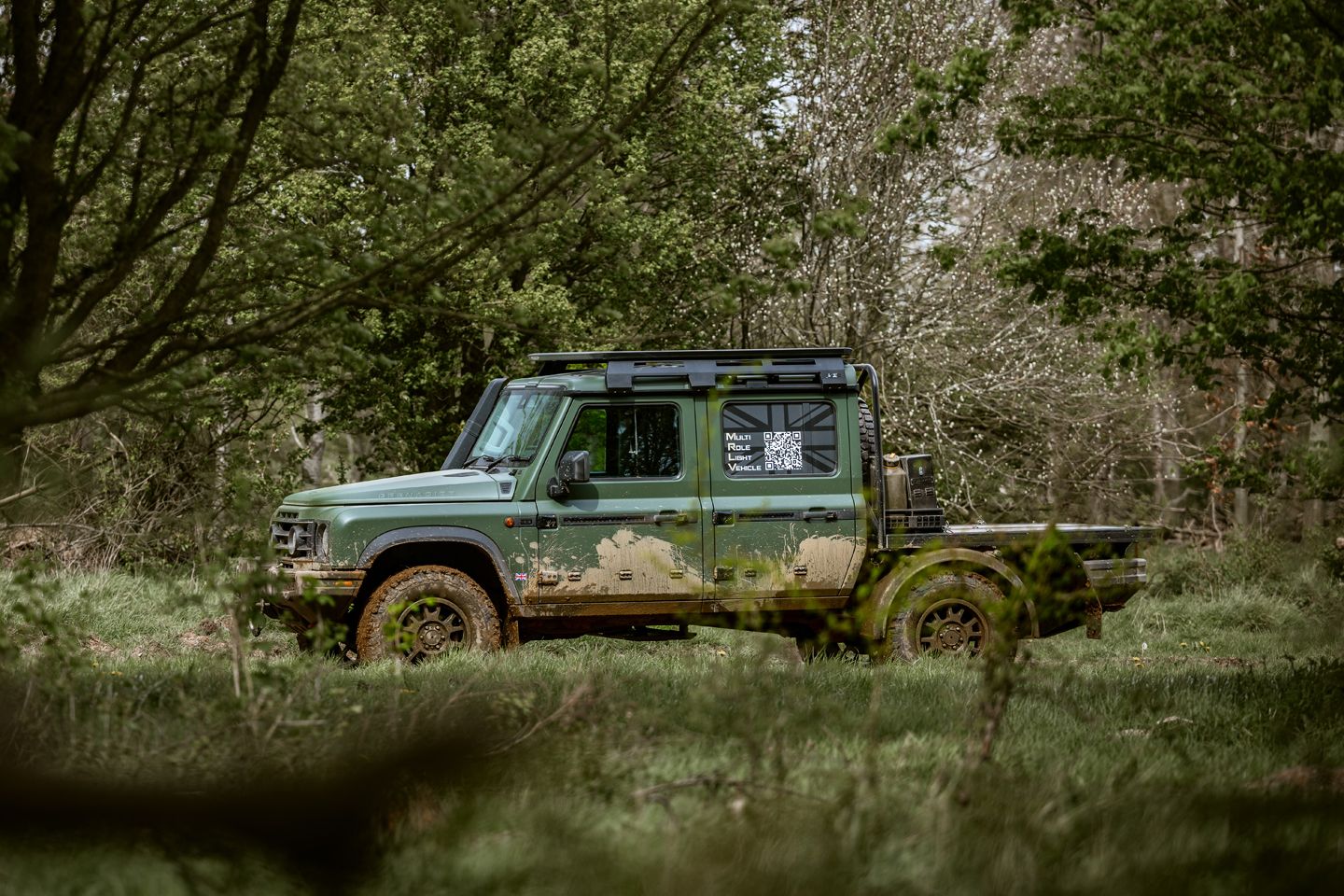
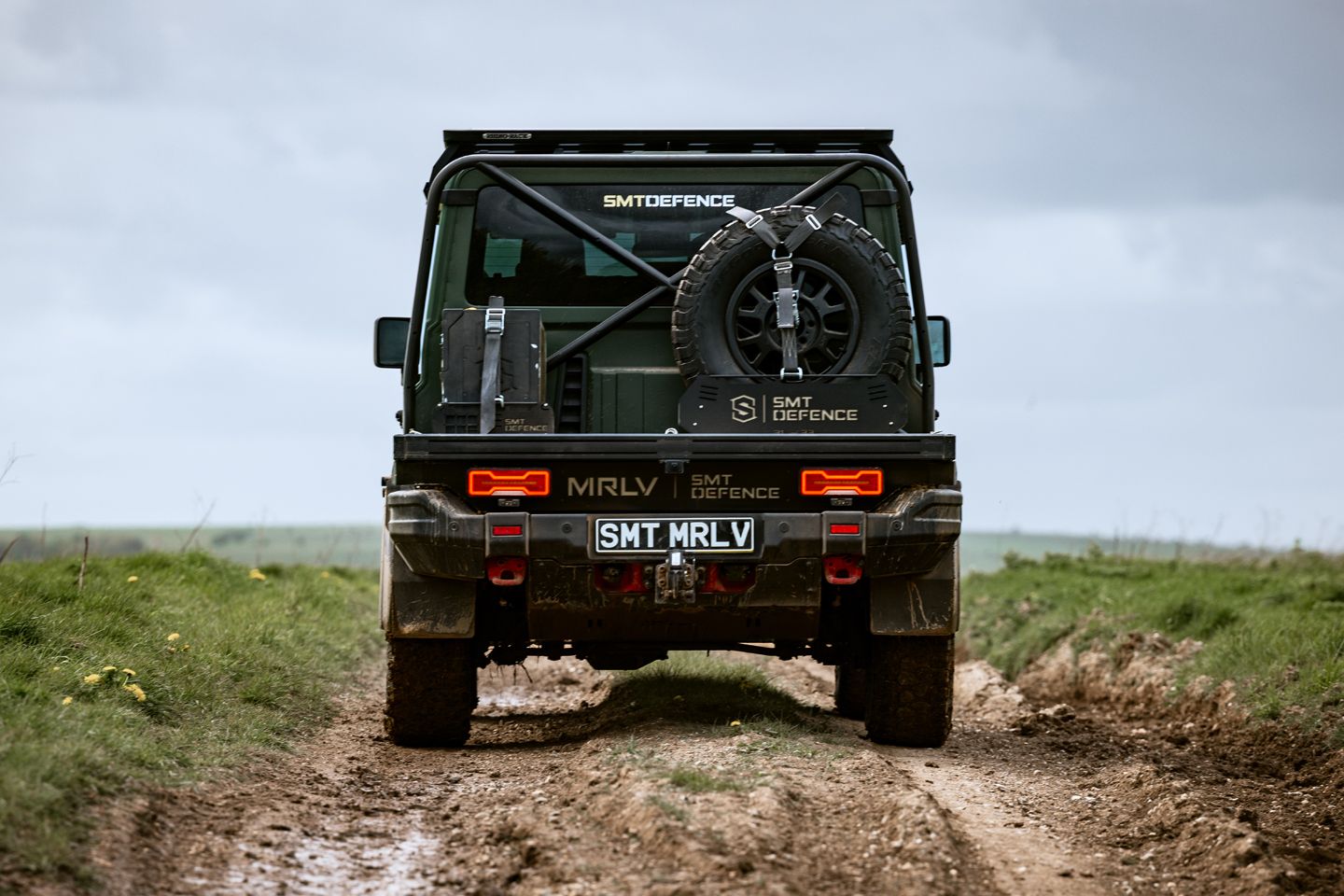
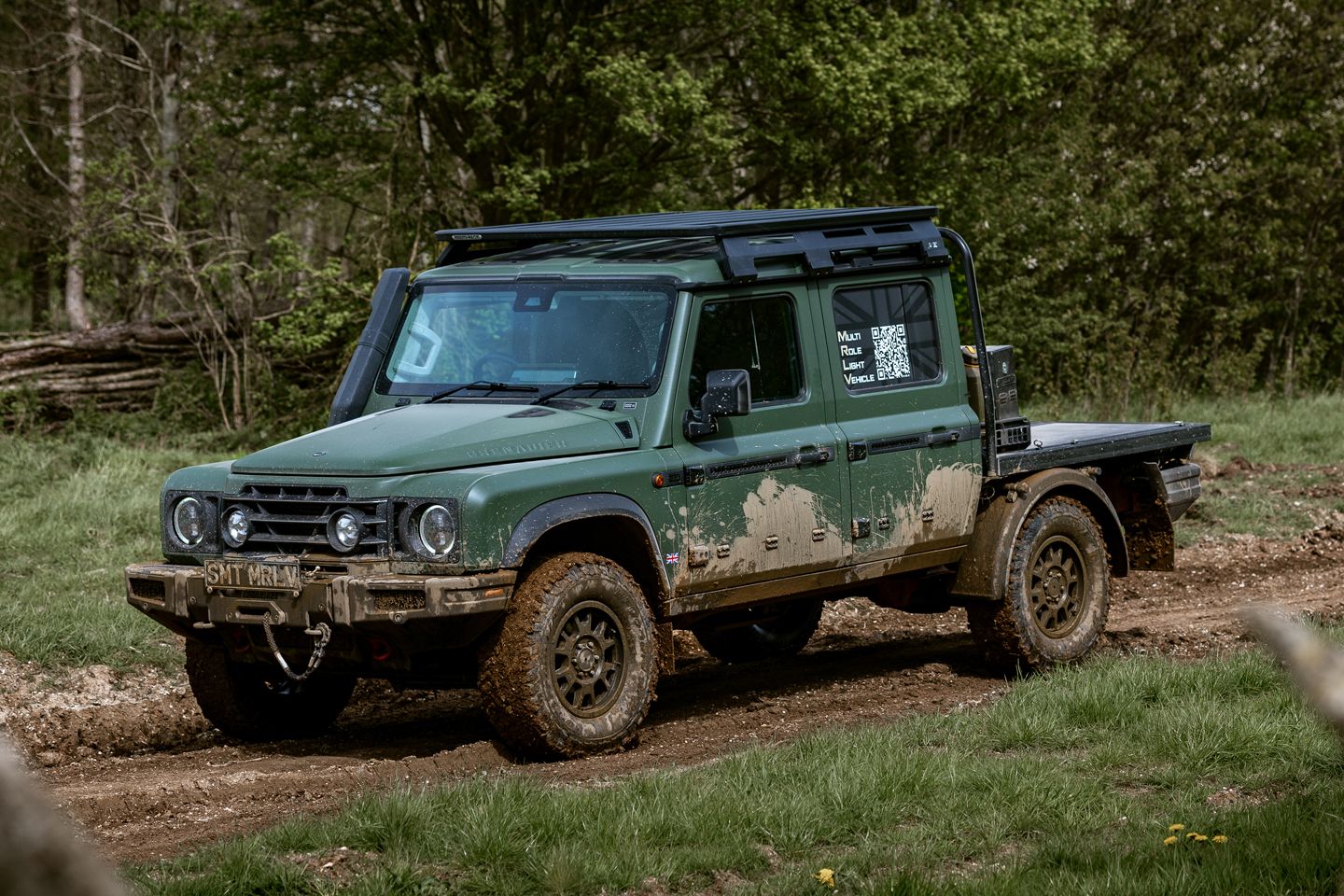
Unlike Land Rover’s proposed participation, Ineos had already acknowledged its involvement in the LMV, though today’s announcement offers a more comprehensive look at the Grenadier Multi-Role Light Vehicle - said to be one of nine modular applications that have been developed in conjunction with SMT Defence and NMS UK, a consortium now dubbed ‘Team Grenadier’.
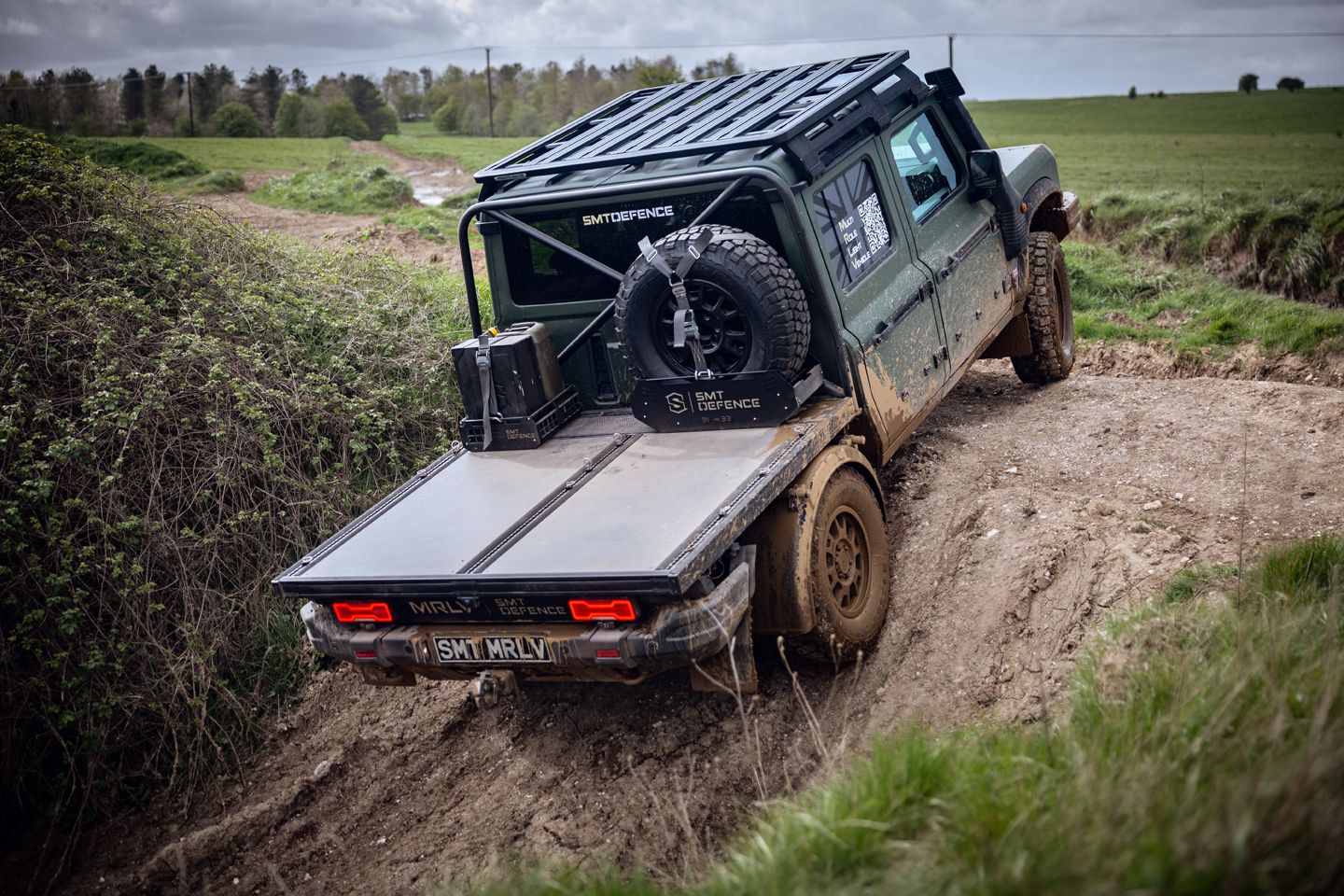
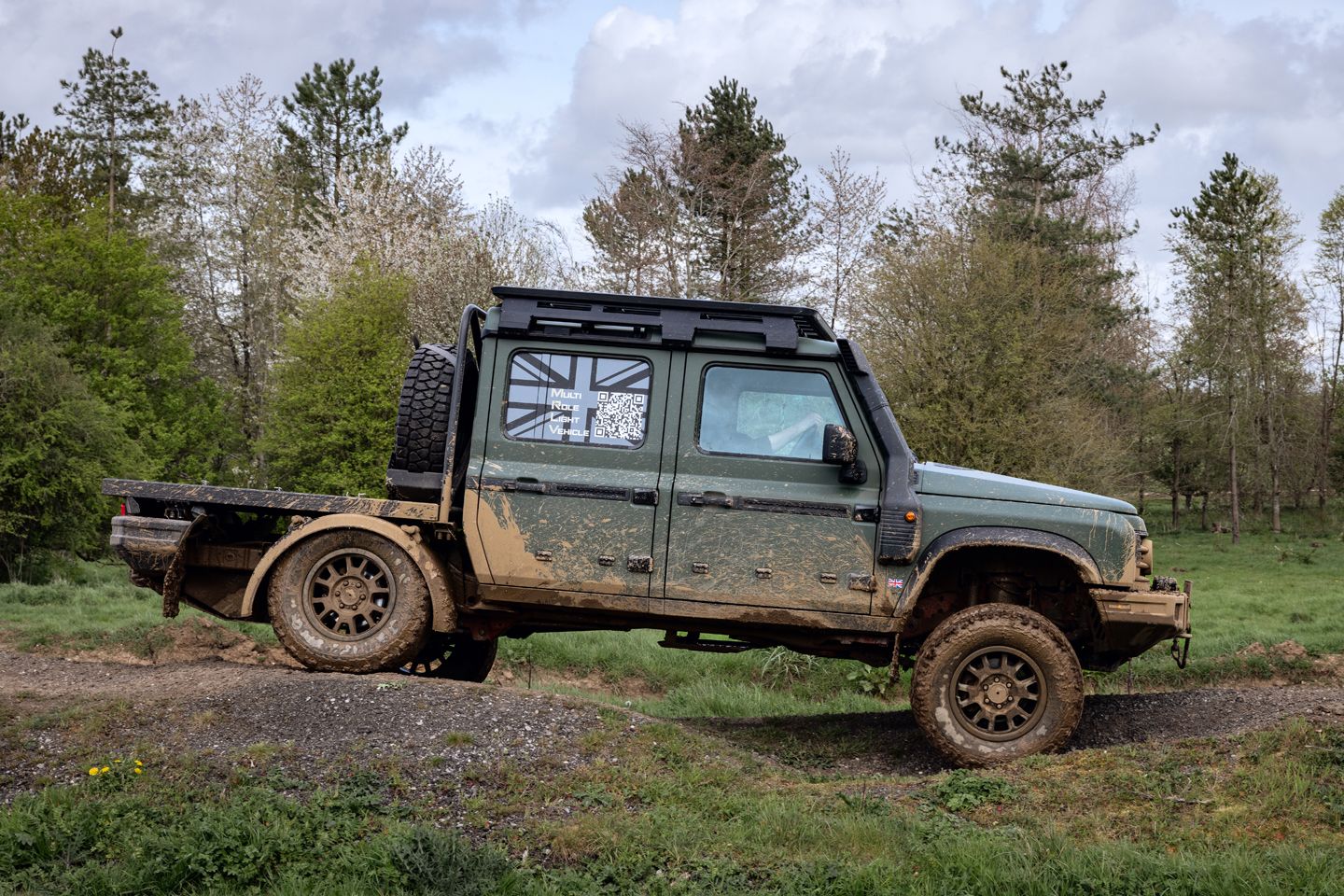
While it doesn’t go into detail about what form those additional variants take, the manufacturer is predictably keen to underline the Grenadier’s existing strengths: namely, its status as a purpose-built off-road vehicle, one that features a ladder-frame chassis, permanent four-wheel drive, beam axles and decent payload capacity. As a baseline for military adaption - which is presumably what the MOD wants to see - it does fit a familiar niche (namely, the one carved for it by Land Rover).
To hear the firm tell it, there are other benefits, too. “A defining advantage of the industrial collaboration is its British ownership, onshore assembly and local supply chain,” said Mike Whittington, Chief Commercial Officer at Ineos. “It brings strategic benefits in operational independence and resilience with security and regulatory alignment – delivering on the MOD’s core objectives. Grenadier’s unrivalled capability and inherent strength provide an obvious starting point for mission-critical transport.”
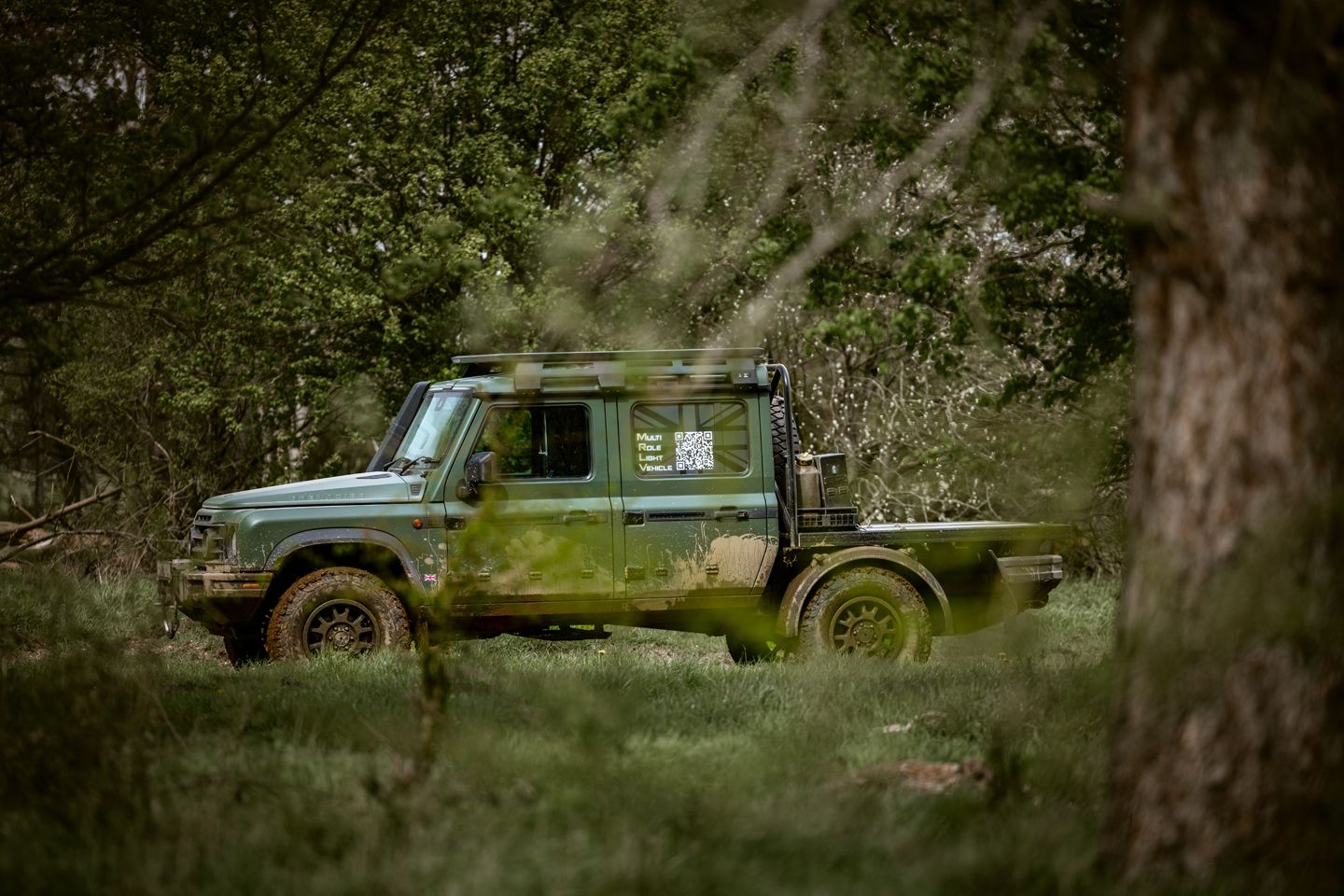
While not all of those claims should be taken at face value, Ineos has proved itself adept at taking the Grenadier to interesting places - not least the border forces of numerous European nations. But fulfilling an order of the size (and lifetime complexity) of LMV programme would represent a considerable step up in terms of ambition and scale. For obvious reasons, the new MRLV fits the traditional concept of what a light mobility vehicle ought to look like; whether the British Army thinks it’s the full ticket remains to be seen.


Not sure what (or how much) that might comprise but good luck to them.
I cannot see Landrover staying out of this opportunity. Too big a deal and too synonymous with their history not too, I would think.
You would have to rule out anything from the USA or China on grounds of political instability / not a reliable military partner.
That leaves the Ineos, Toyota LC and the Mercedes G as contenders.
Merc already offer their G class all over the world in a variety of military chassis configurations which would mean there would be less conversion work to do. Toyota probably offer similar with the 70 series LC. Ineos are playing catchup but have a good product ideally suited to this market.
Least risk option would I suspect be partnering with Mercedes for 4x4 & 6x6 G wagons and Unimogs to cover all bases up to 7.5 ton requirements.
One other thing is I have noticed several GMC trucks under test too
That said, there must be concerns with buying from the USA given the recent pivot of that country from "strong ally" to "mild adversary". Would the USA be compliant with spare parts provision and support if the UK and USA fell out? This must be a real concern for long term procurement decision-making.
The problem is that there is not much choice elsewhere. Would the Japanese manufacturers have any suitable kit? I am not sure. Maybe Toyota? As for the mainstream European manufacturers, the Germans have the G class, but that's expensive.
Not an easy task.
If you can stage 2.3 snapchat remap an M140i cuzzy? Then you can spanner on an army support vehicle ....be the best!!
Doubt the SAS will be using them on covert ops either, imagine them rolling in under the cover of darkness but given away by endless pops and bangs out the exhaust
i jest of course as i know they won't be using B58's but you could imagine it.
6/10
Has the benefit of Body on Frame and reliable engines and the Japanese government is pretty stable and reliable
LR Defender is questionable in its suitability with it not being Body on Frame
I suspect it was end up a split decision with some light duty applications going to LR and the heavier duty ones going to Ineos/Toyota
Just an educed guess - we'll see how good I am in time !!
Didn't the owner of this company renegade on his contract with the All Blacks?
Didn't the owner of this company find himself in court regarding an Americas Cup yacht?
Didn't the owner of this company pledge to make the Grenadier in the UK?
Didn't the owner of this company fire the tea ladies at a soccer club?
Didn't the owner of this company recklessly abandon the U.K. so he could pay less personal tax ands now wants a tax payer funded contract?
And if it's purely down to cost per unit then let's invite the Chinese car manufacturers to present their products.
If they did, the old Defender was already unsuitable for most military applications in the 21st century. Not durable enough, not powerful enough, the wrong mix of mobility vs. performance, insufficient payload (by volume and weight), not enough physical protection for the occupants. Poor reliability and high maintenance needs.
Anything based on the old Defender would need so much reworking that it would make taking it as as starting point fruitless. It would probably be easier to 'rugged-ise and re-content' the new Defender.
The Grenadier is potentially a better starting point, but there are still the questions about manufacturing and (especially) the supply chain of vehicles and parts. Are the BMW engines and ZF gearbox sufficiently 'hardened' for military specs? One advantage of the Grenadier's body-on-chassis engineering is that new drivetrains could be dropped in if that is not the case. Maybe Ineos could set up an assembly in the UK, matching part-built Grenadier MRLVs from Europe with the chosen drivetrain and other modifications?
But really the only sensible option is the Toyota one - a mix of Hiluxes and Land Cruisers. Proven platforms and drivetrains with a reliability record that is the global yardstick, loads of existing experience from military users across the world, off-the-shelf military variants ready to go and with a lot of specific alterations to customer specs available, backed by a huge global company that is a safe bet to still be on our side geopolitically in the long term, unmatched global support and logistics reach. Set that up with a UK-based CKD assembly/servicing operation and it's good to go. It's worked for dozens of developing nations looking to build their domestic automotive and military hardware industries - get a license to build Japanese utility vehicles, paint them olive drab.
Gassing Station | General Gassing | Top of Page | What's New | My Stuff