
Toyota not ruling out RS version of new GT3 rival
Production of 650hp GR GT road-going racer won't be limited, with hotter variants under consideration
Humiliation. That's what Toyota chairman and all-round PH hero Akio 'Morizo' Toyoda felt after being lapped countless times by purpose-built European race cars while driving a tarted-up Altezza (or Lexus IS over here) during his Nürburgring 24 Hours debut in 2007. Rivals supposedly mocked the then-company vice-president for his lacklustre effort, insisting Toyota didn't stand a chance against the European establishment. The jibing had left Toyoda so embarrassed that he vowed to return with the Japanese mega-corp’s full force behind him. Since then, the company has gone on to win Le Mans five times, dominate the World Rally Championship and rack up four wins at the Dakar Rally.
However, an outright win at the Nurburgring 24 Hours remains a box left unchecked on Toyoda’s motorsport bucket list. To its credit, the squad has amassed 11 victories around the Nordschleife, and it has done so in all manner of cars from the Lexus LFA to the Toyota GR Yaris. But to be in contention for an overall win, you need a GT3 car. Toyota already had one in the Lexus RC F: a big, luxurious GT with about as much sporting ability as a saddled-up hippo. For Toyota to be truly competitive, it needs a car that’s been built with racing in mind. And that’s how it’s wound up with the GR GT.
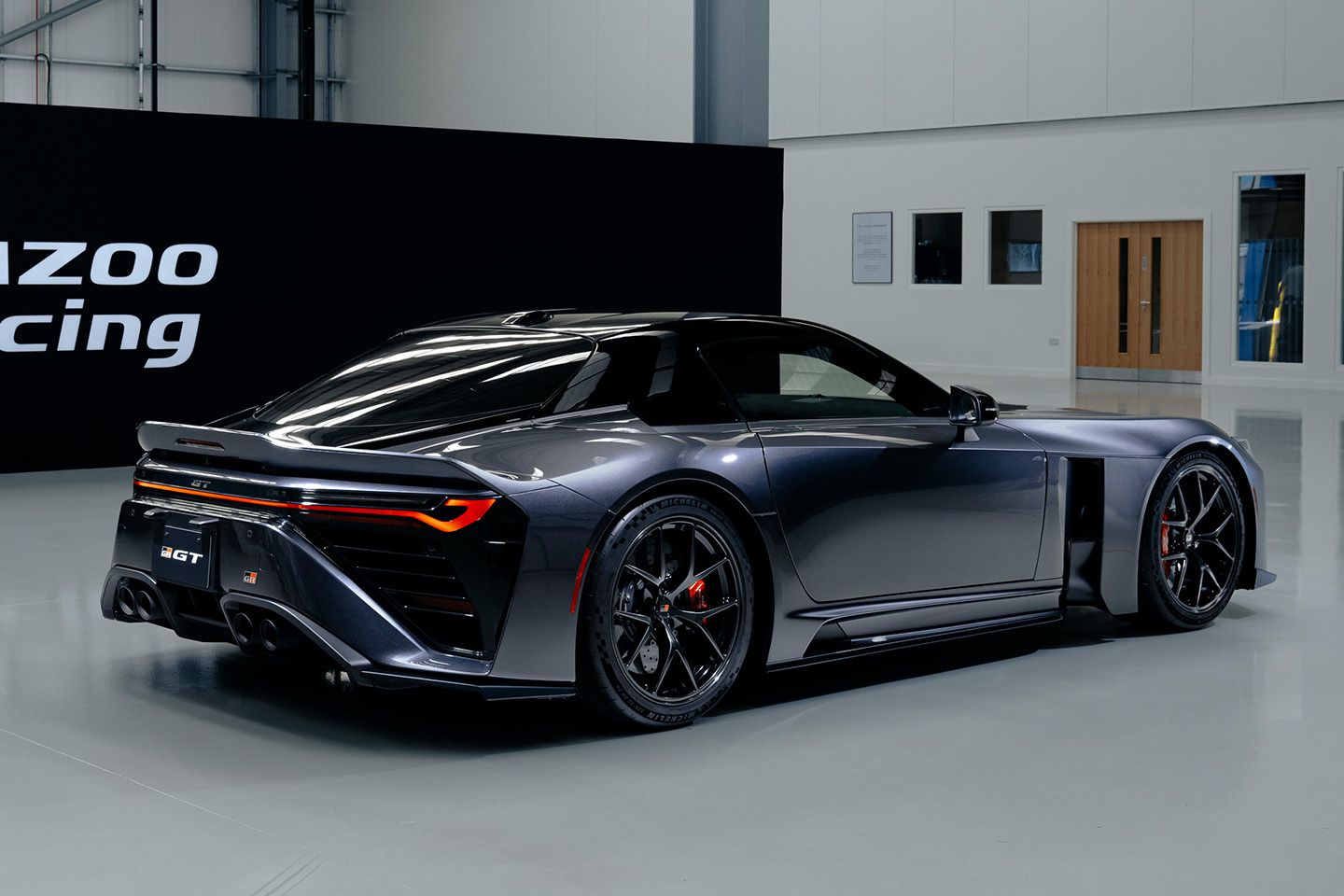
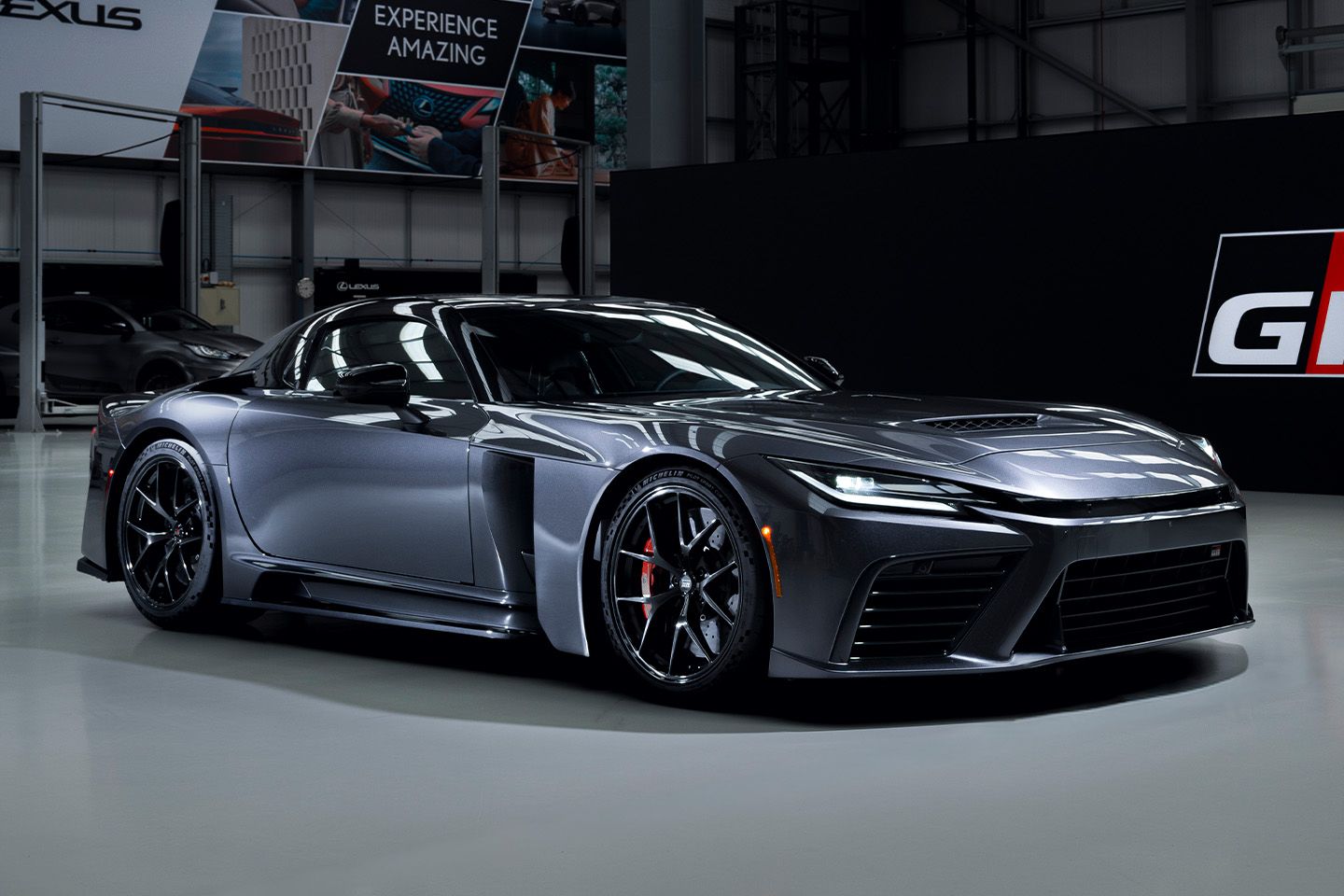
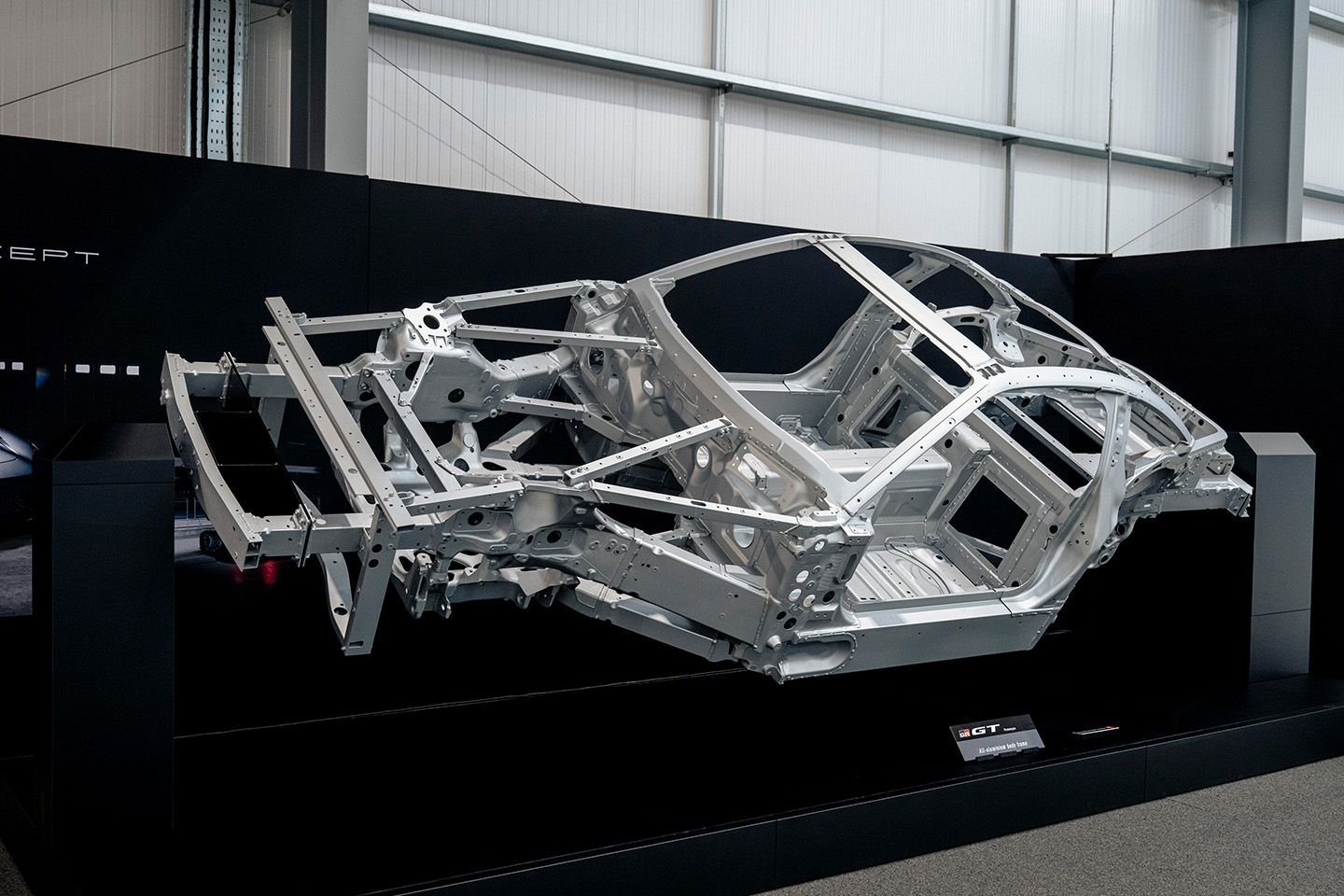
You’ll know from the car’s debut late last year that Toyota isn’t messing about with the GR GT. Designed from the ground up by Gazoo Racing, the GR GT packs an all-new twin-turbocharged 4.0-litre V8 that develops 650hp and 627lb ft, albeit with some hybrid assistance. The engine sits just ahead of Toyota's first-ever all-aluminium monocoque, with a lightweight spaceframe construction helping keep weight low and rigidity high. It’s such a thoroughbred that you won’t find a single Toyota badge on it, with the company instead using the GT to showcase what Gazoo Racing is capable of when left to its own devices.
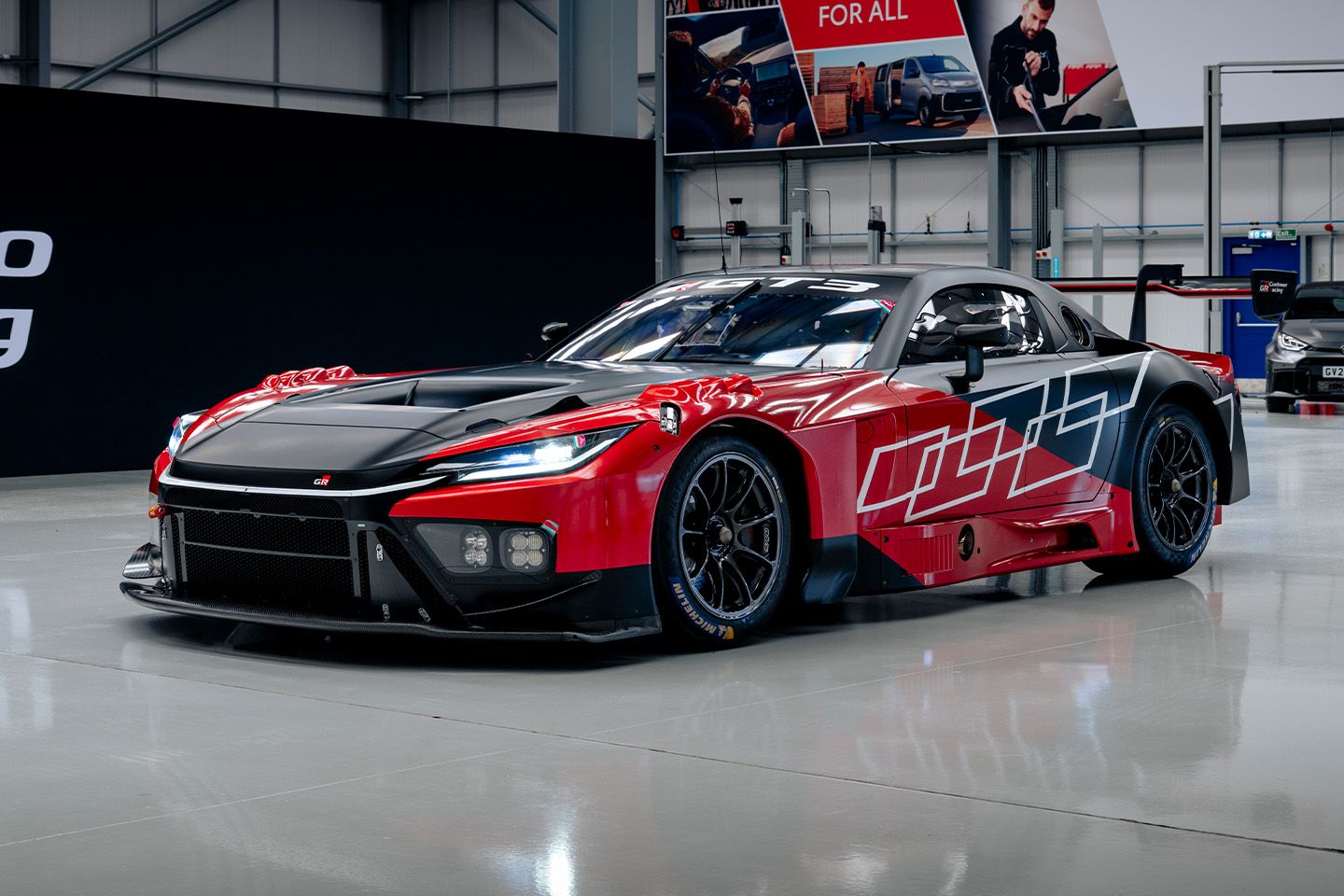
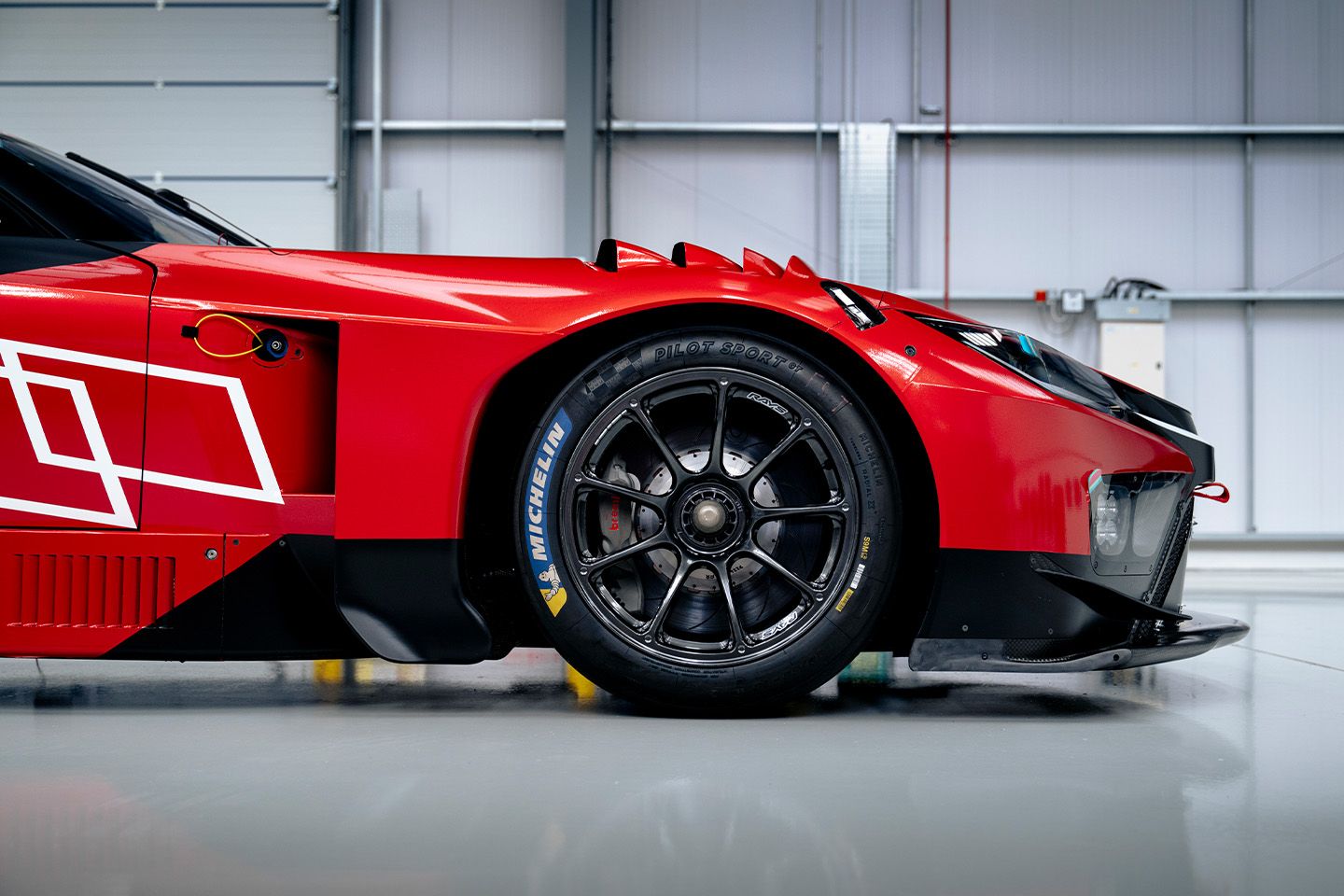
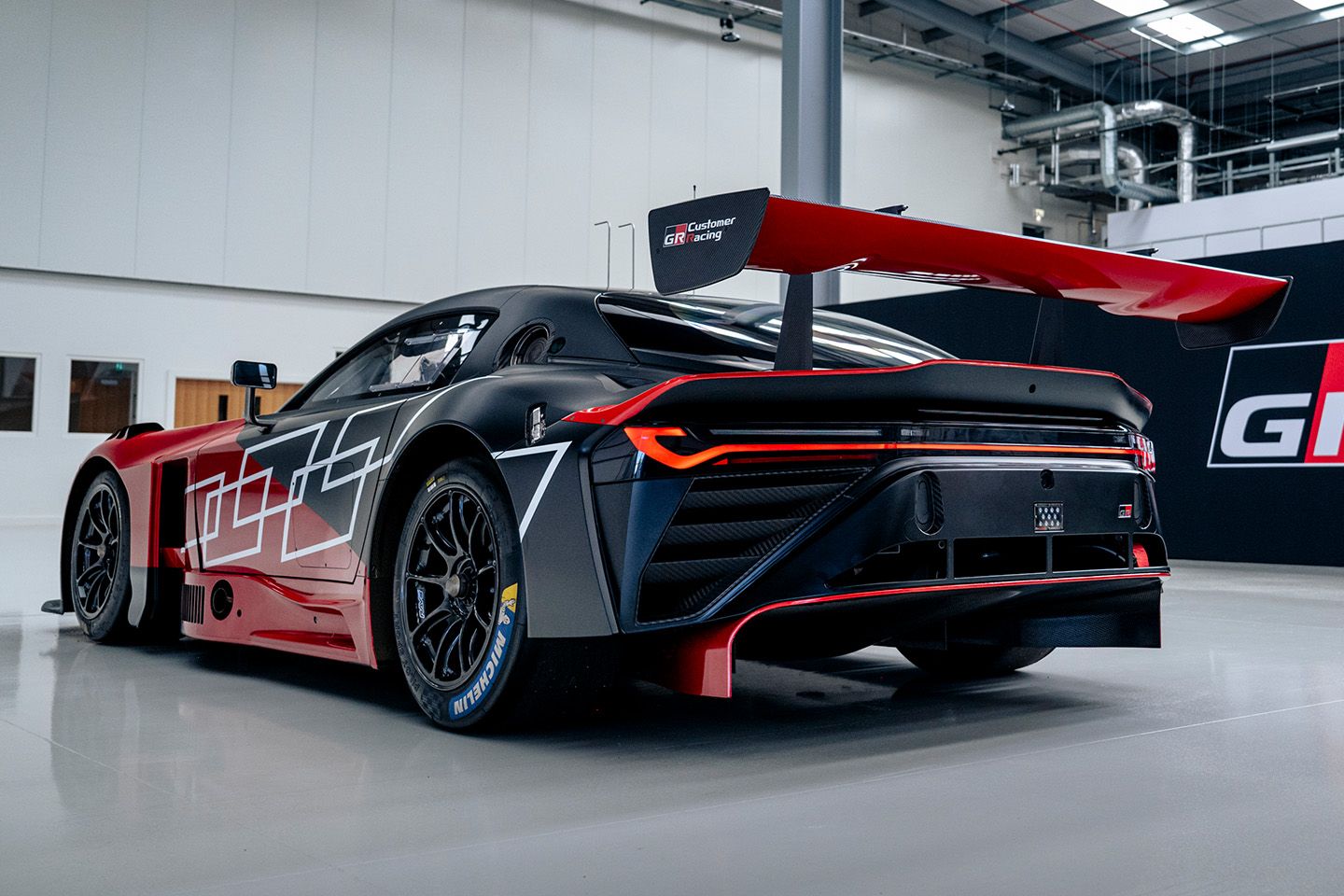
Ahead of the car’s appearance at this year’s Goodwood Festival of Speed, Toyota UK opened its doors for us to have a snoop around both road and racing versions of the GR GT, and talk to some of those involved in bringing them to life. Among them is GR GT project manager Takashi Doi, who’s quick to point out that the GR GT isn’t a racing car first and a road car second, but rather the two versions have been developed in parallel. It's the very definition of a modern homologation special, and one of the first that’s been specially developed to excel in the ultra-competitive world of GT3 racing.
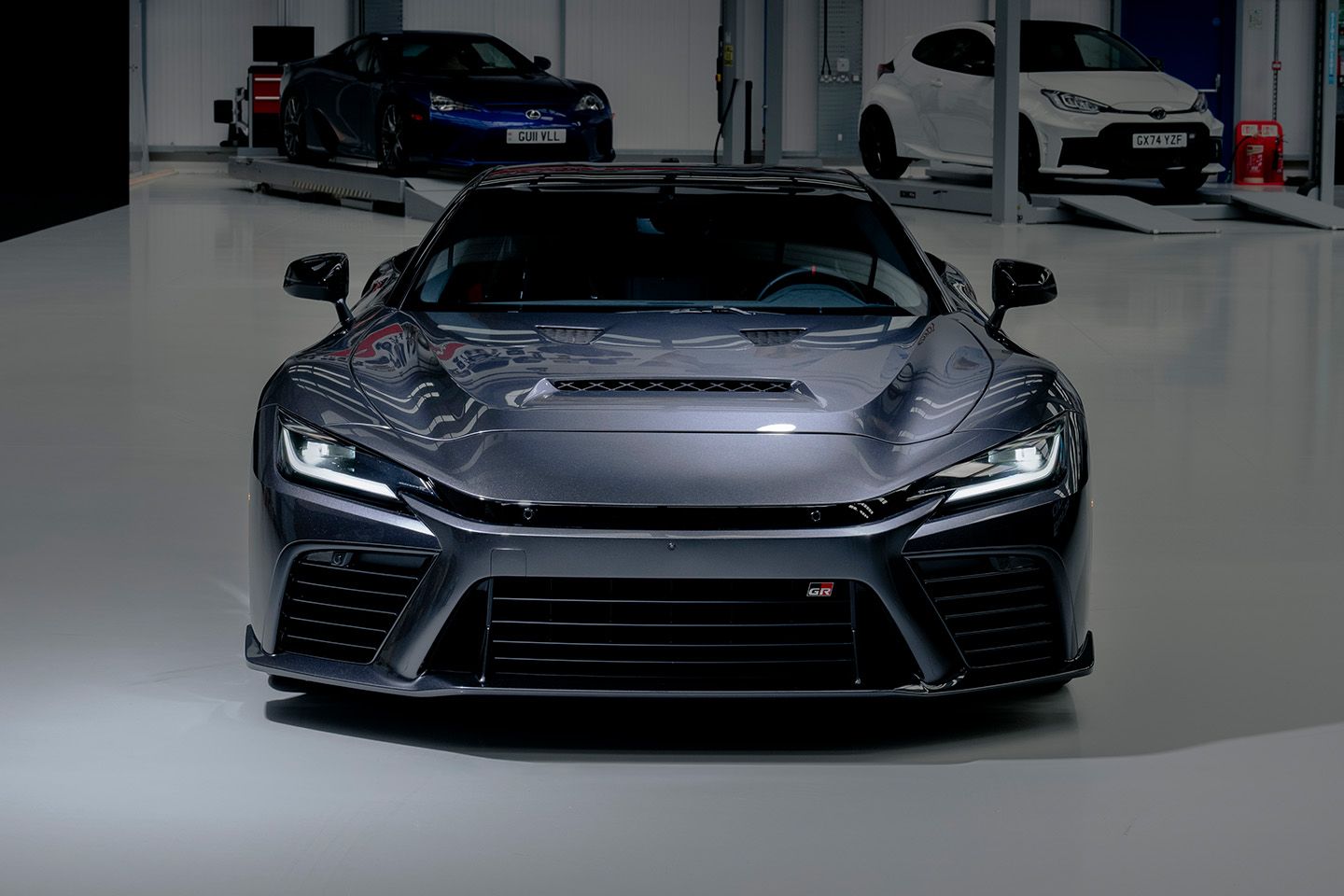
Let’s not forget that the GR GT debuted in 2022 as the GR GT Racing Concept, and was snapped by spy photographers in GT3 guise long before road car prototypes were seen. That motorsport-driven approach is reflected in the somewhat awkward design, with Doi saying that designers were forced to work around the GT’s cooling and aerodynamic requirements. Admittedly, it looks far more impressive in the metal than it does in the launch photos, looking considerably lower and wider than the respective 1,195mm and 2,000mm figures would suggest. The silhouette is dominated by a massive bonnet, and while Toyota won’t let us open it this time, a life-size cutaway shows just how far back the engine sits. Presumably, the rest of the space is used for cooling, with gigantic vents up front feeding air into the radiator and carbon ceramic brakes.
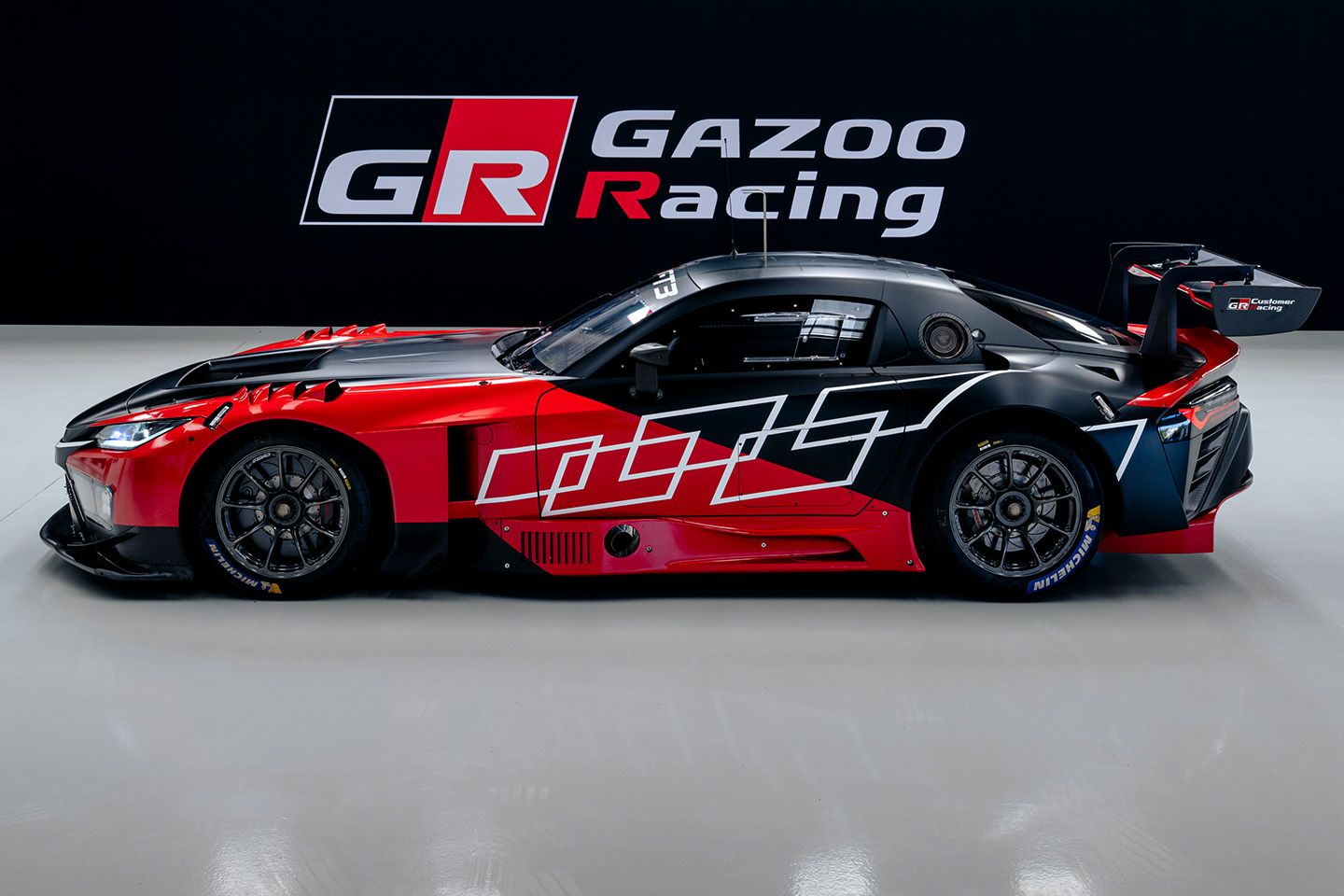
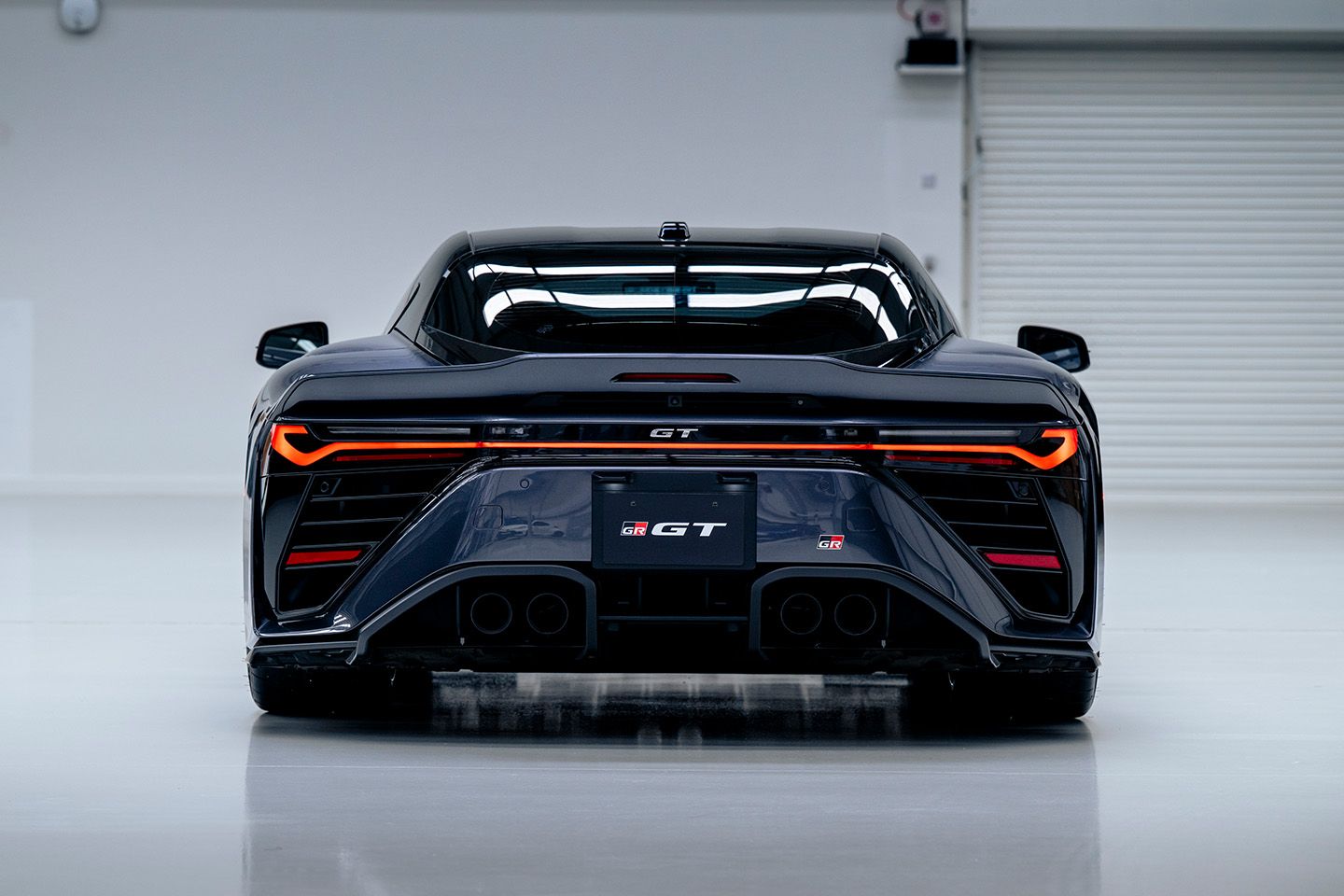
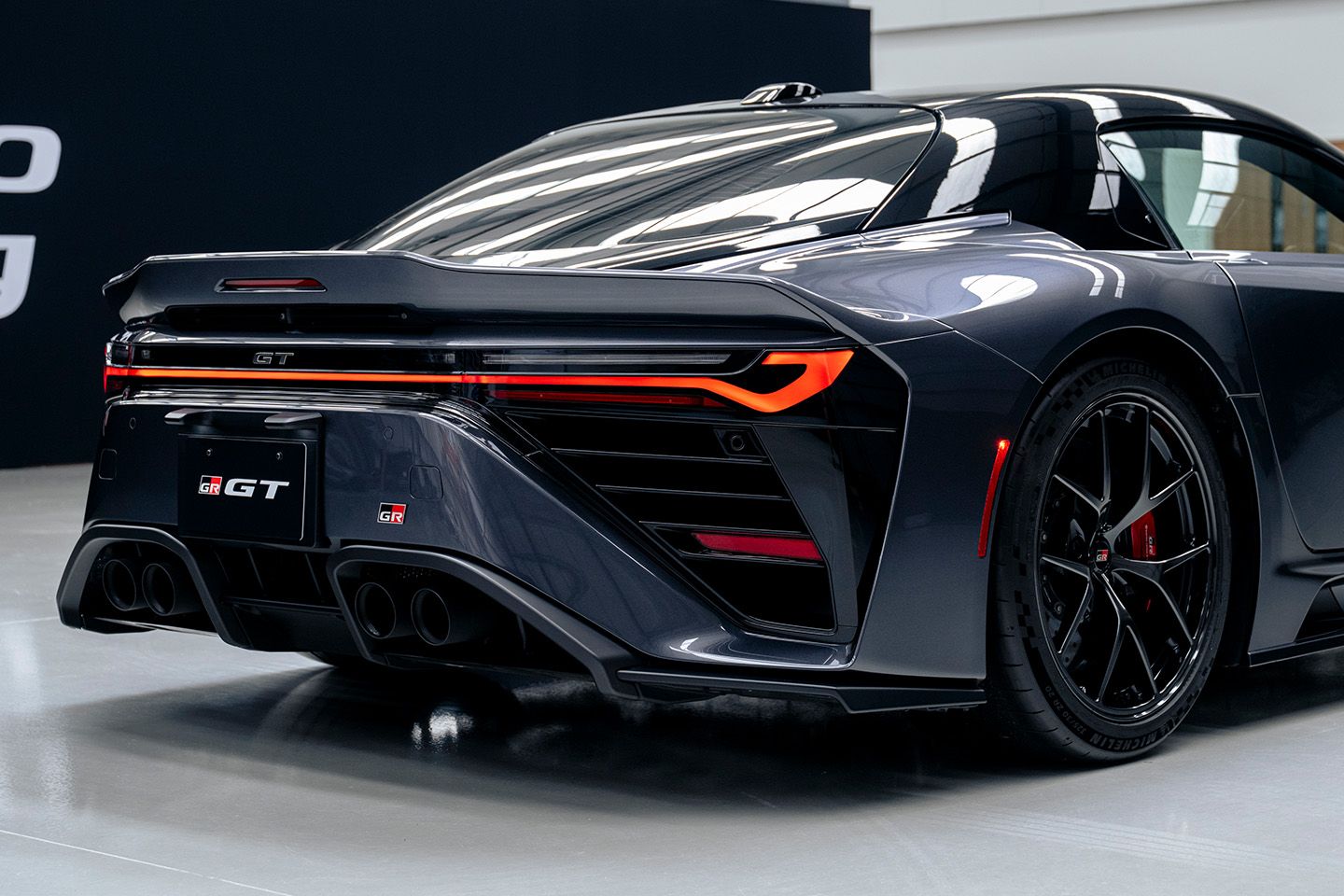
The straight lines that run down the flanks dip as they approach the rear arches, before flicking back up into a small ducktail spoiler. That’s the only real design flourish in what is otherwise a pretty utilitarian rear end, its sole purpose to house the lights, diffuser and quad exhaust tips. It’s a brutal look, and certainly not a pretty one, but what the GT lacks in stylistic flair it more than makes up for in presence.
Peel back the skin and the GR GT reveals its skeletal underpinnings. You don’t see many manufacturers mucking about with spaceframe chassis these days, let alone behemoths like Toyota, which is why it proved among the most difficult part of the car to develop. Doi says the company had to look to a third party because the firm lacked the capabilities to build an aluminium spaceframe chassis, with the last Toyota production car to have one being the Lexus LFA. The result though is a structure that’s stiffer and lighter than a conventional unibody. Put the GT3 and road car chassis together and you can barely tell the difference. Most GT3 machines feature purpose-built front and rear subframes, but the bones of the GR GT are so close to the racer’s that the only real differences are some extra bracing for the crash structure on the road car. Otherwise, they’re virtually identical underneath.
For a car that’s as motorsport-infused as the GR GT is, it’s surprisingly simple underneath. While you’ll be able to adjust the firmness of the dampers through a trio of driver modes (normal, sport and track), there’s no clever active suspension system like you’d find in the Mercedes-AMG GT and Aston Martin Vantage. That’s partly to maintain a consistent platform for the driver, says Doi, but it also means you won’t be lugging around a hefty computer to manage it all. The same goes for the lack of active aero, though he hints that movable wings aren’t off the table for future models, mentioning the DRS-style system that’s exclusive to the GT3 RS in the Porsche 911 range.
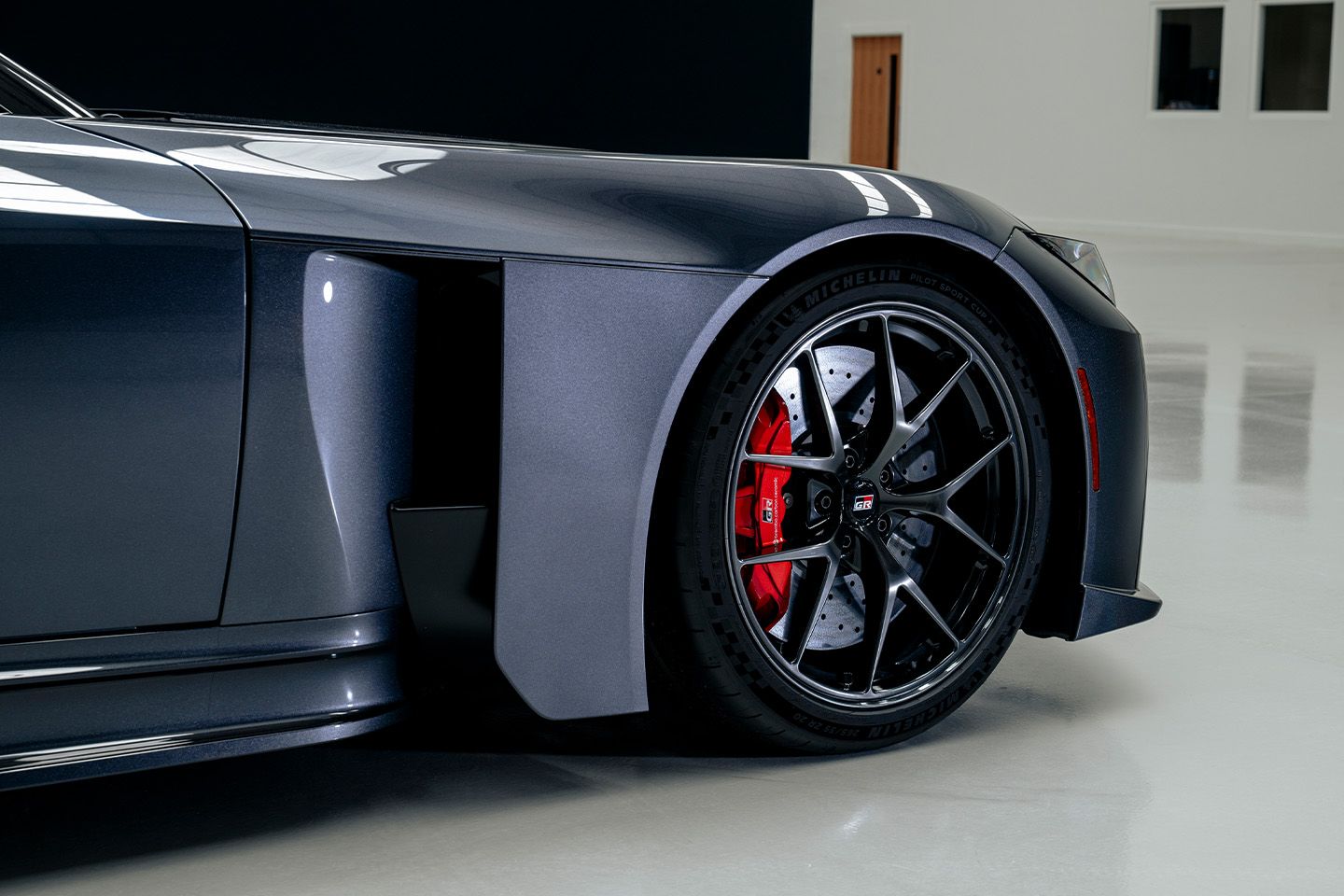
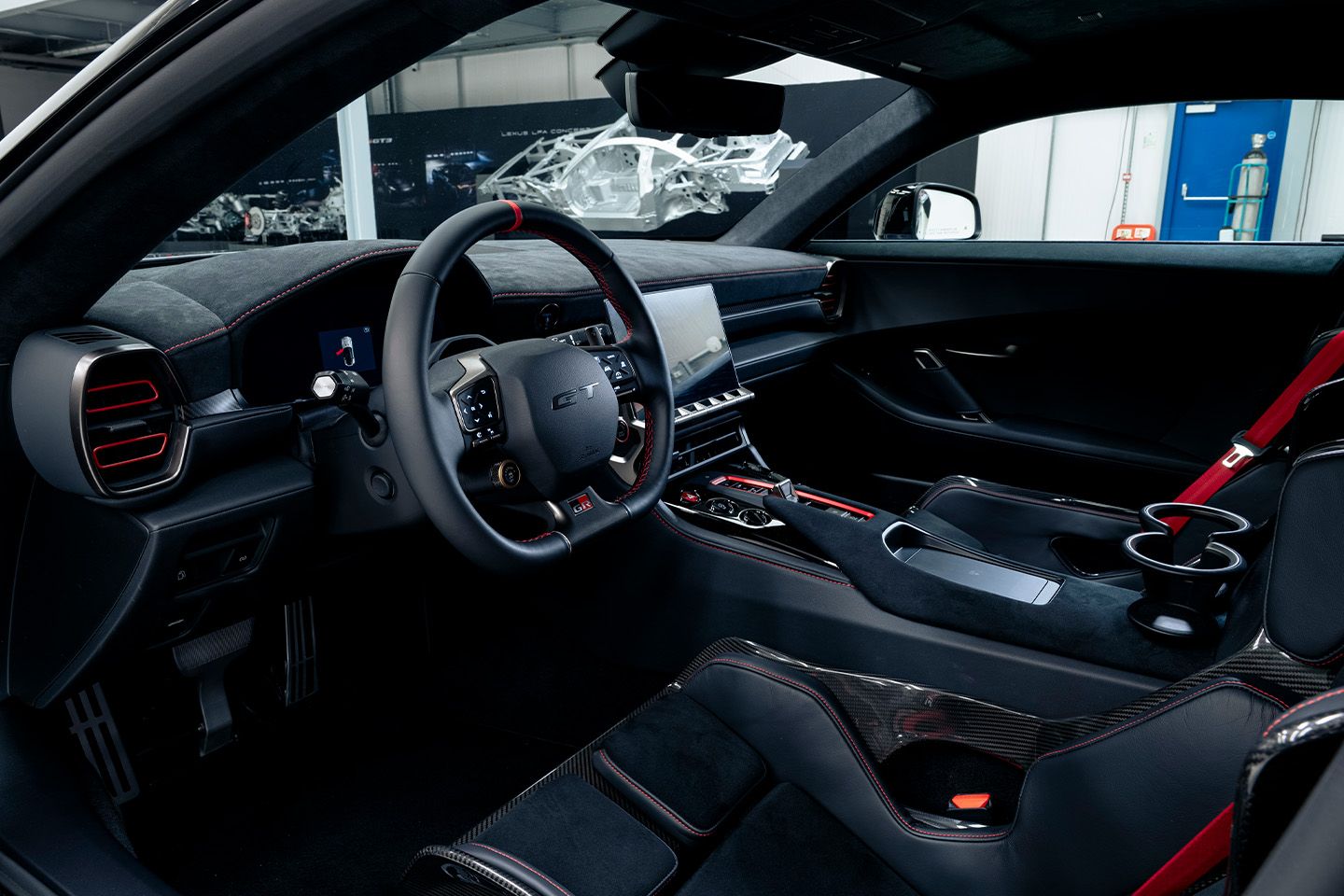
Toyota is still keeping tight-lipped on how much the GR GT will cost, but if it’s being benchmarked against the AMG GT et al then you can expect a figure well into six figures. For that, you’re getting a sports car that looks every bit as striking as its contemporaries, if not more so, and the cabin quality is at least a step up from that of the GR Supra. Granted, it doesn’t feel especially high-end, which is partly down to it being a relatively simple design. The dashboard consists of a large-ish infotainment system, but all the core functions like drive modes and the climate settings are adjusted with manual buttons. The glossy carbon bucket seats feel a bit special, mind.
This isn’t intended to be a low-volume special, either. Toyota intends to build as many as it can, and it’d come as no surprise if more variants followed in due course. How many we’ll get in the UK isn’t known yet, and the firm isn’t ready to confirm whether the GR GT’s V8 is Euro 7 compliant yet, so here’s hoping we get a few more examples than we did with the GR86. Because if this is really meant to be the absolute best GR has to offer, those order books might not stay open for very long.


Bold car from toyota, close to a homologation special.
Which is a good thing. I love this.
I want one in orange.
Gassing Station | General Gassing | Top of Page | What's New | My Stuff