
VW to axe 50,000 jobs in radical restructure
SEAT likely to go, model lines reduced and factories threatened as VW braces for the future
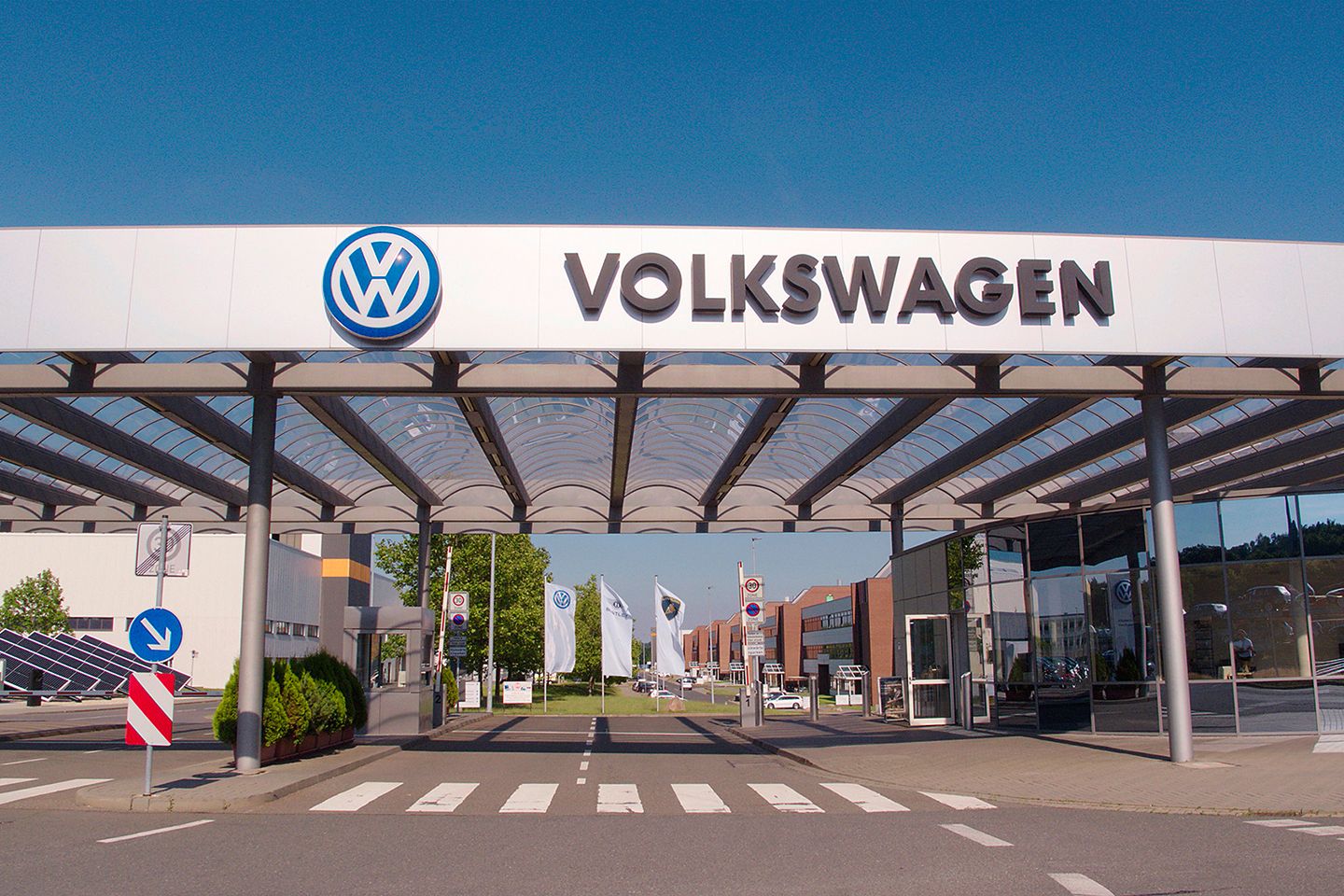
Rumours have swirled around the future of Volkswagen for a while, about just how it tackles the challenges of electrification, tariffs and China. Now there’s confirmation, at least according to Autocar: cuts are coming. Really, really big cuts, as VW aims to make its operation leaner for the 2030s.
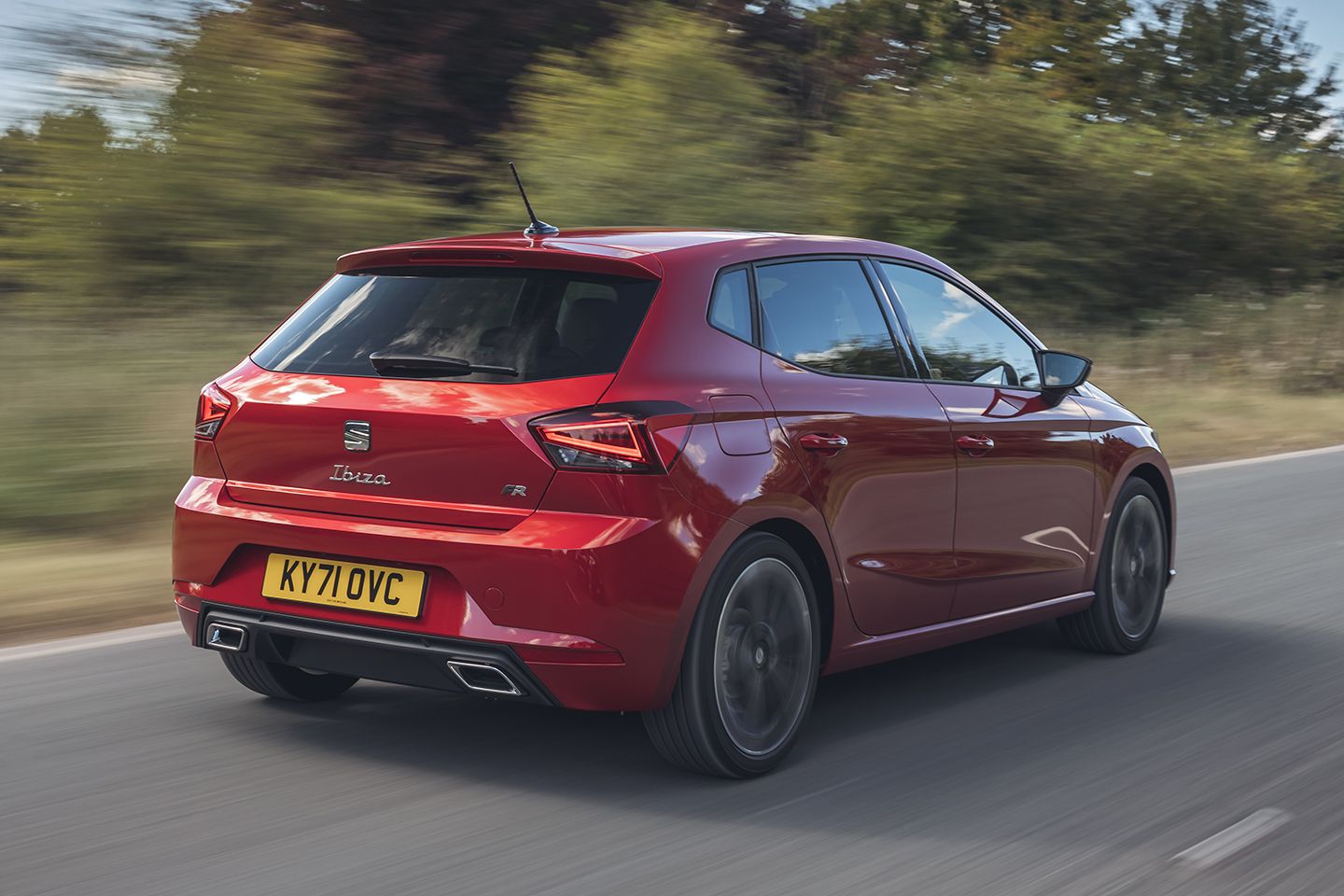
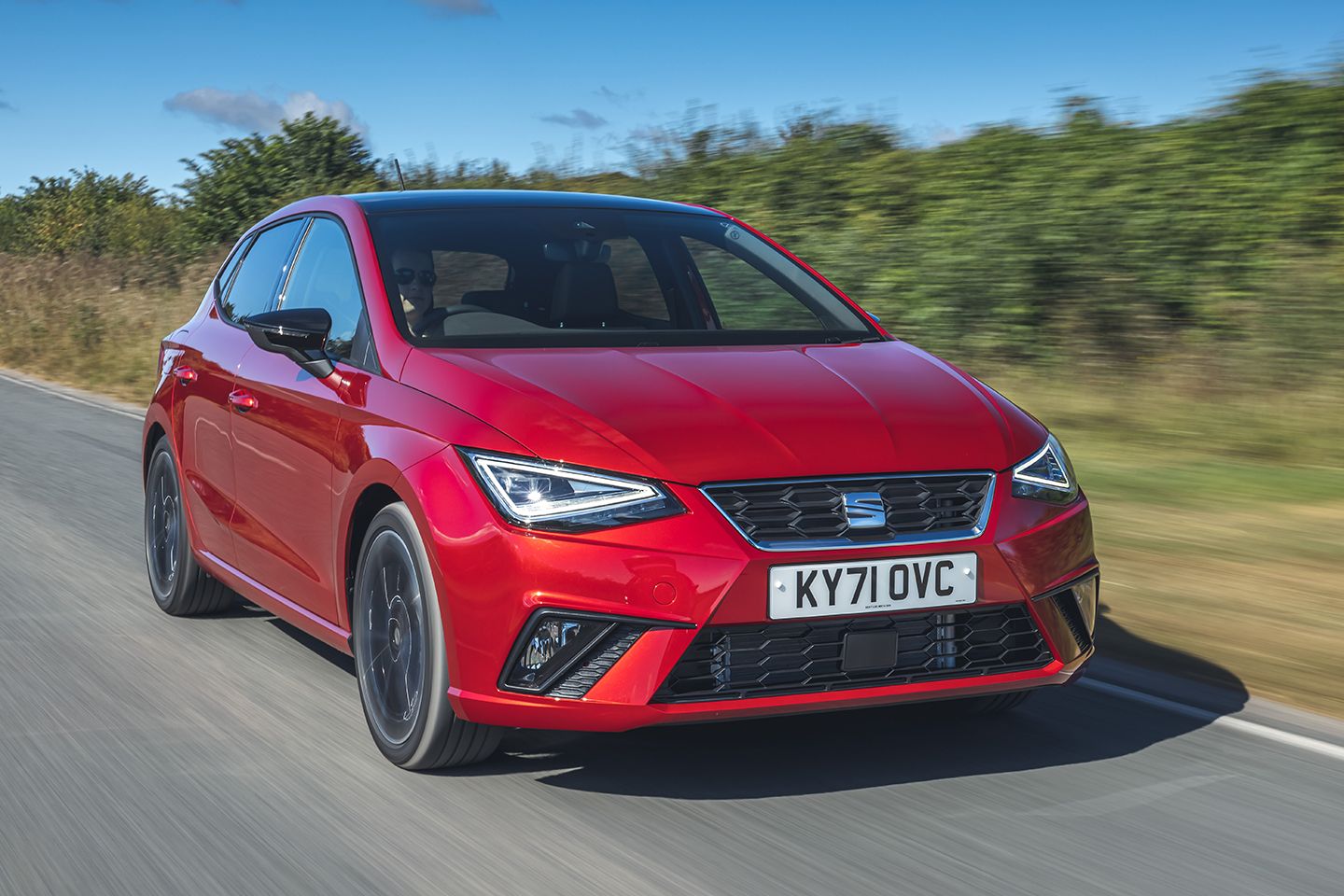
The demise of SEAT feels like the most significant - or at least the most emotive - part of Future Plan 2030, the brand set to disappear before this decade is done. Having been a wholly owned subsidiary of VW since 1990, and with the association between the two stretching back into the 1980s, losing SEAT feels like a pretty big deal alright. But the facts are hard to avoid: Cupra, once the sporty SEAT offshoot, now outsells the parent brand, and SEAT sales continue to fall. The sporty, youth-oriented brand that SEAT was once meant to be is now Cupra. The value proposition is Skoda. Which leaves SEAT in a bit of a no-man's-land, in truth, so it’s expected to be phased out in 2029 - a year from its 80th anniversary. A press release issued this afternoon said: 'Beyond the current product cycle, however, the future direction of the SEAT brand remains under assessment.'
And the bad news doesn’t stop there, either, as Future Plan 2030 - apparently already approved by a supervisory board that includes shareholders and union reps - also features 50,000 job cuts. That would take the current group total closer to 600,000, and will include management positions as well as factory workers. Reducing the number suits aims to speed up decision-making processes, to get good ideas greenlit and underway as soon as possible in a world where China has it done yesterday, rather than lost in bureaucracy.
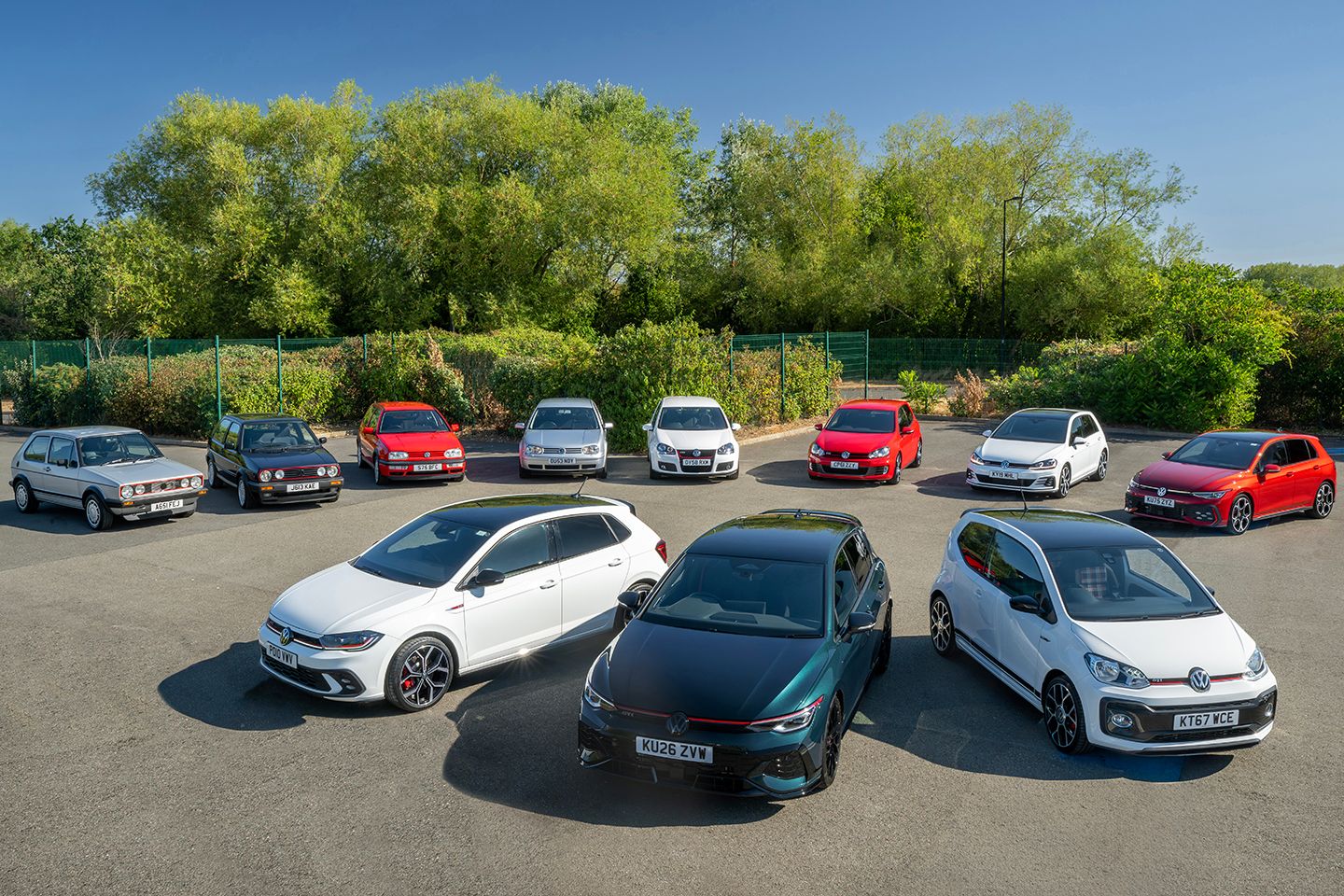
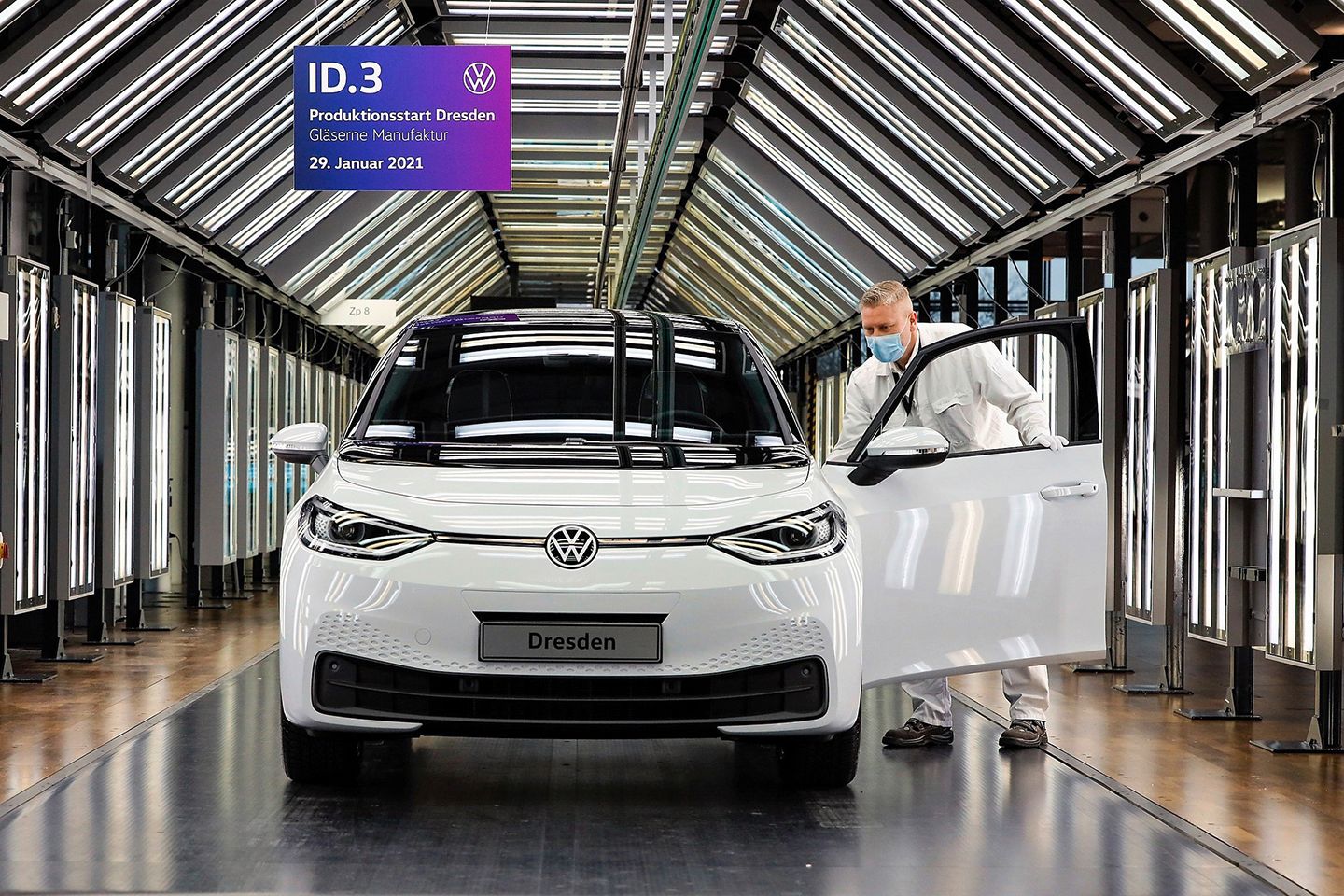
The losses aren’t limited to just brands and people, either, as VW factories could also go as it attempts to boost profits from the same number of cars. (In 2025 it made €8.9bn off nine million cars, compared to €19.1bn in 2024 - by 2030 it’s aiming for around €30bn…) According to Autocar, VW has more than 500,000 cars’ worth of excess production capacity in Europe alone, which means facilities like Neckarsulm, Emden, Zwickau and Hanover are under threat. While their future looks more certain from the new plan than the plight of SEAT, at the moment they’re only secure until the early 2030s. We all know how quickly that’ll come around, and how much can change in just a few years.
Whichever VW factories remain online, they’ll be making a reduced range of cars. Choice is great for the consumer, but it’s expensive for the manufacturer to offer such variety; once a VW hallmark of course, with a whole host of niche derivatives, though something else now consigned to the history books. While a combustion platform will remain for certain markets (the US, most notably), the future for everything else EV is to rely on just two main electronic and electrical architectures. And you thought lots was spun off MQB.
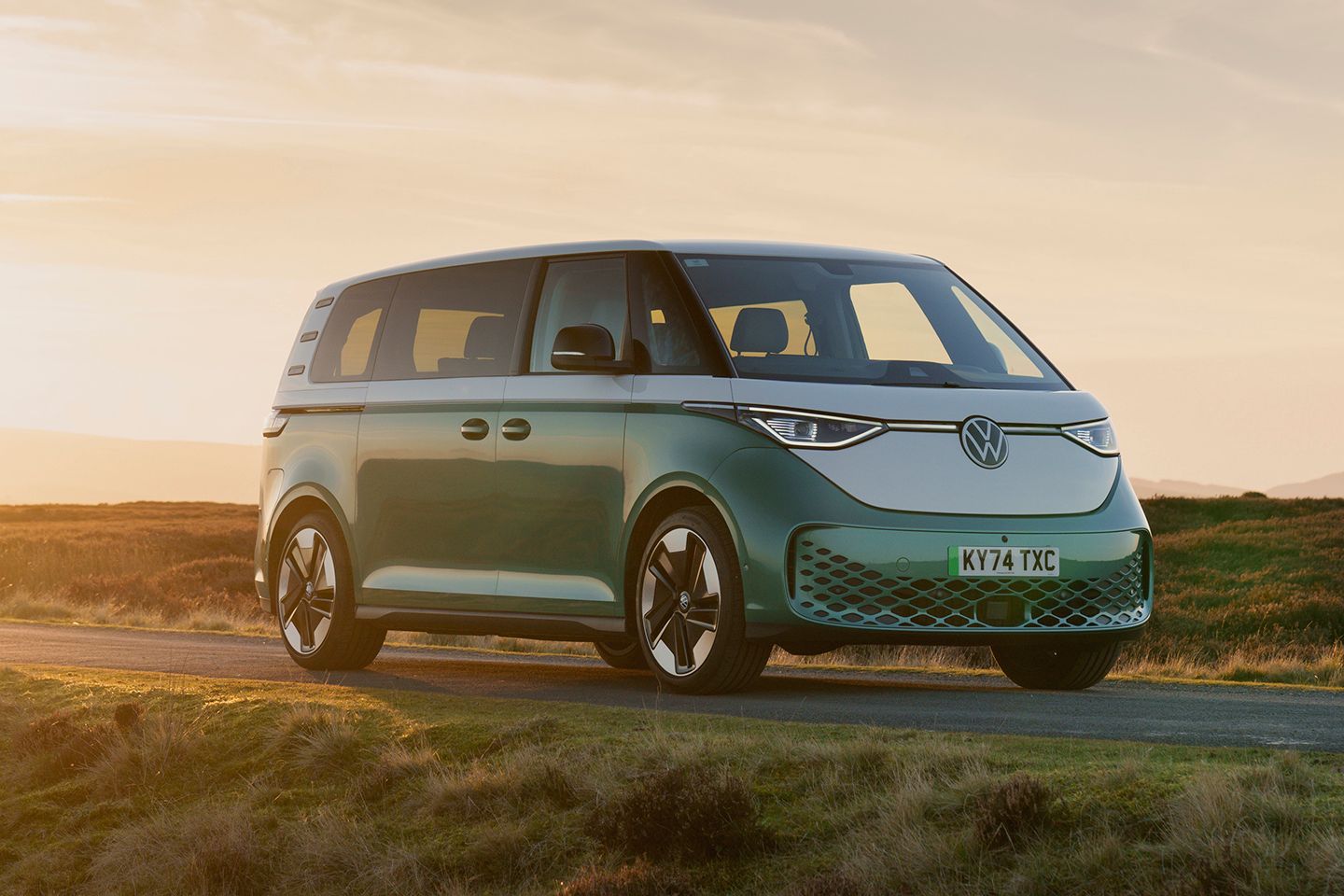
The Software Defined Vehicle toolkit and the China Electronic Architecture will underpin the majority of group products, by the sound of it, with fewer variants, more sharing of parts, and greater collaboration when it comes to developing features. So if you thought Skodas and Cupras felt a lot like VWs already, it sounds like there’s plenty more where that came from. Plus it’s hard to imagine cars like the T-Roc Cabriolet, Cupra Leon ST, Skoda Kodiaq vRS and the like lasting very much longer.
Perhaps the least surprising thing about VW’s Future Plan 2030 is the increased prominence of China in the years ahead. Autocar suggests it will be ‘taking on a different role within Volkswagen’s global manufacturing strategy’, potentially with Chinese-made models offered here rather than just sold in the home market. Recent trends (in the UK at least) have shown buyers demonstrate little hesitancy when it comes to buying cars made in China from Chinese brands, so it’s hard to see them taking issue with Chinese-made VWs. Indeed the vast majority of all buyers surely don’t know which country their car was made in, but that’s a discussion for another day…
Oliver Blume, CEO of Volkswagen Group, said: “SEAT S.A. has an important role to play in the future of the Volkswagen Group. The company has demonstrated its ability to transform, with a strong industrial base in Martorell and the remarkable development of Cupra. I am proud of what the SEAT and Cupra team has achieved over the past few years, and it gives me great confidence in what lies ahead. We are committed to building on these strengths and creating the conditions for SEAT S.A. and Cupra to continue growing and contributing to the success of the Group. At the same time, we need to remain flexible and adapt our brand and product strategies to regulation, market conditions and what our customers demand.”
So the VW of the future will look rather different to the VW of the past, basically.. No longer will it chase record-breaking numbers (almost 11 million vehicles were sold in 2019), instead focusing on greater efficiencies throughout the business to remain competitive. And as profitable as shareholders dictate. As Future Plan 2030 demonstrates, if that means less customer choice, reduced headcount, fewer factories and even the loss of an entire brand, then that’s what has to happen. Don’t be at all surprised if other European OEMs soon follow suit.


I wonder if a Chinese firm will take a stake in vw
What morons that turned such a profitable business to dust. They had the power to lobby this green taliban hysteria. But I guess they thought they can dictate customers what to like and what to get. Wrong.
A general advice: always listen to the customer!
I wonder if a Chinese firm will take a stake in vw
Poor people that got affected.
With the transition to EVs, German cars are less a luxury item and more a commodity. When that happens it's a race to the bottom.
What morons that turned such a profitable business to dust. They had the power to lobby this green taliban hysteria. But I guess they thought they can dictate customers what to like and what to get. Wrong.
A general advice: always listen to the customer!
You can see why SEAT is no longer needed when those that like them buy the probably less expensive Skoda equivalent now.
Since then they have become unreliable, cheaply made, anti intuitive rubbish.
I ve own loads of VW over the years (10+) all new and wouldn t own another. Not only have the dealers failed to change the service departments are terrible. I stayed because of the product and the salesman I dealt with. He retired and I moved on.
Sad to see but the had to cheapen the brand to recover from the diesel issues all those years ago.
Well done everyone!

Gassing Station | General Gassing | Top of Page | What's New | My Stuff