
Is my washing machine beyond hope . . . ?
Discussion


I've got one of these:
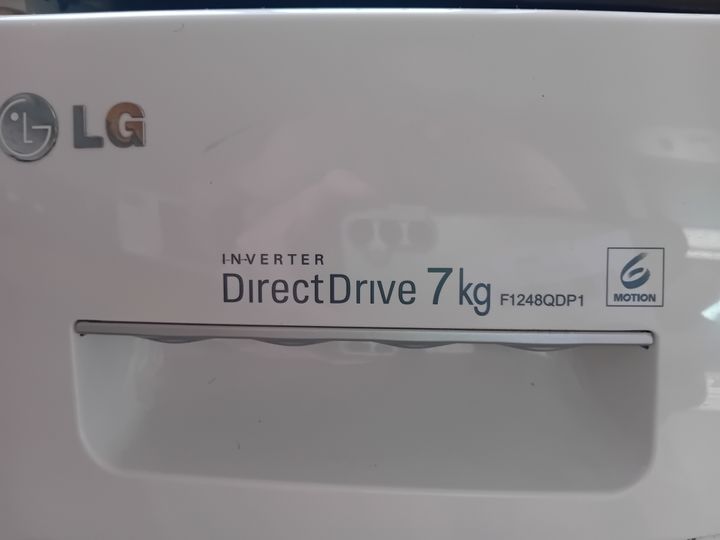
I've had it a while now, probably longer than I think I have, and at least 8 years as it moved house with us. It's been making a noise while spinning for a good few months, too. And like all conscientious householders, I've been ignoring it.
Laundry results have been OK for the most part, with the odd load here and there having "sludgy" residue on things, prompting a clean with Dr. Beckmann powder or the cleaning liquid alternative.
Today was different. One load (duvet cover, etc) OK, no marks, second load (towels, bath mat, etc) came out with a brown mark. Seems to have sponged out OK, but it prompted another clean. That left debris (fluff/sludge) so I did another 'Tub Clean' program without the cleaning powder.
With that done, I was giving the inside of the drum a wipe and spotted this:
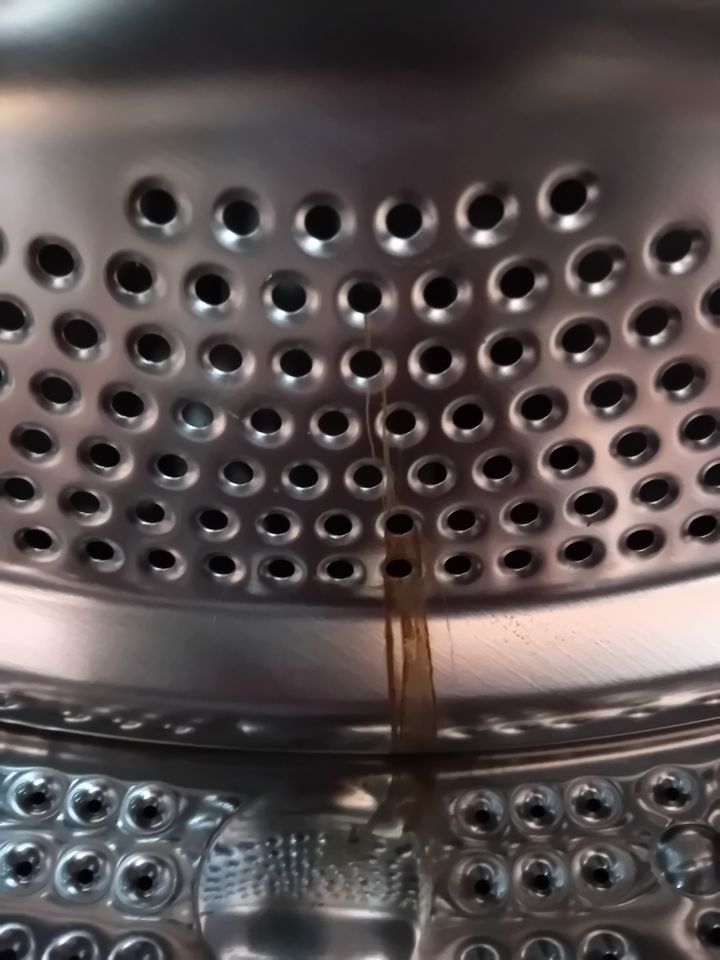
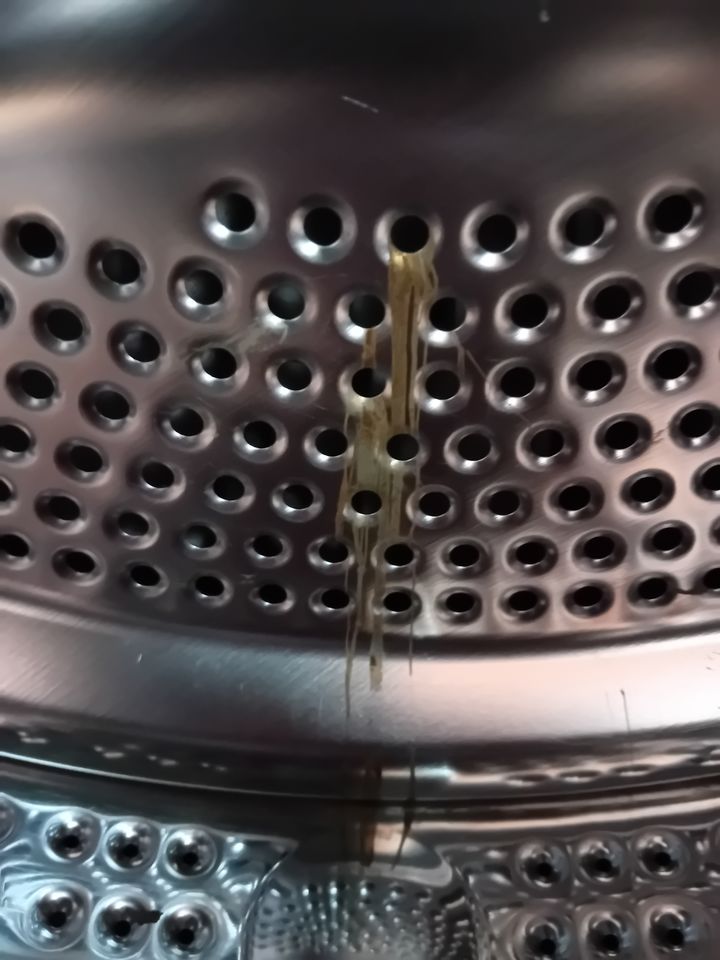
Any appliance repair gurus here? Anyone who can suggest a cause? And is it terminal, or repairable? We've got funds put aside in case a new machine is needed, or a repair needs paying for. Obviously I'd prefer to repair it but I don't want to have it break down with a load of laundry inside.
What to do . . . ?
I've had it a while now, probably longer than I think I have, and at least 8 years as it moved house with us. It's been making a noise while spinning for a good few months, too. And like all conscientious householders, I've been ignoring it.
Laundry results have been OK for the most part, with the odd load here and there having "sludgy" residue on things, prompting a clean with Dr. Beckmann powder or the cleaning liquid alternative.
Today was different. One load (duvet cover, etc) OK, no marks, second load (towels, bath mat, etc) came out with a brown mark. Seems to have sponged out OK, but it prompted another clean. That left debris (fluff/sludge) so I did another 'Tub Clean' program without the cleaning powder.
With that done, I was giving the inside of the drum a wipe and spotted this:
Any appliance repair gurus here? Anyone who can suggest a cause? And is it terminal, or repairable? We've got funds put aside in case a new machine is needed, or a repair needs paying for. Obviously I'd prefer to repair it but I don't want to have it break down with a load of laundry inside.
What to do . . . ?
This is where AI is great.
Gemini said:
This residue inside your washing machine drum is almost certainly **bearing grease** mixed with water, which points to a failing drum tub seal.
When the main tub seal behind the drum wears out, water leaks into the rear drum bearings, washing out the thick lubricating grease. The spinning drum then forces this grease/oil mixture back into the washing drum through the drainage holes.
When the main tub seal behind the drum wears out, water leaks into the rear drum bearings, washing out the thick lubricating grease. The spinning drum then forces this grease/oil mixture back into the washing drum through the drainage holes.
- Common Causes**
- **Blown Tub Seal & Failing Bearings:** The most frequent cause of brown/yellowish greasy streaks appearing through the drum holes. You may also notice a loud, roaring or rumbling noise during the spin cycle.
- **Melted Plastic / Synthetic Residue:** A misplaced item (like a plastic-backed rug, gummy candy, or glue stick) caught in the outer tub that melted and seeped through the holes.
- How to Fix It**
- **Check the Bearings:** Spin the empty drum by hand. If it feels rough, loose, or makes a grinding sound, the rear bearings and seal need replacement (or a full tub assembly depending on the model).
- **Clean the Drum:** Wipe the residue away using a cloth dipped in rubbing alcohol, white vinegar, or dish soap to break down the oil before running your next laundry load.
- **Run a Maintenance Cycle:** Run a empty hot wash cycle (60°C or 90°C) with a washing machine cleaner or washing soda to clear out grease trapped behind the drum wall.
Andy 308GTB said:
Bearing gone is my guess. They can be replaced on older machines by a competent DIY'er. On newer machines the bearing is integral to the drum, if so, it's generally not much more to buy a new machine
It's almost like they've designed them to be uneconomical to repair. Although I'm sure manufacturers would never do such a thing.Edited by Funk on Tuesday 8th September 07:03
Funk said:
Andy 308GTB said:
Bearing gone is my guess. They can be replaced on older machines by a competent DIY'er. On newer machines the bearing is integral to the drum, if so, it's generally not much more to buy a new machine
It's almost like they've designed them to be either uneconomical to repair. Although I'm sure manufacturers would never do such a thing.Labour (milliband) has sneaked this in under the radar, very few people know about it. Net zero apparently? How this is more ecologically friendly I have no idea?
I've replaced main bearings on LG direct drive myself.
It's a big long job, but technically not difficult.
Order new bearing and new tub joint seal.
They are better built and easier to fix than other machines such as Samsung, and the direct drive is much simpler (bolts onto the main shaft basically).
Paying someone is probably more than the machine is worth.
DIY is £50 max for bearing and tub joint seal.
It's a big long job, but technically not difficult.
Order new bearing and new tub joint seal.
They are better built and easier to fix than other machines such as Samsung, and the direct drive is much simpler (bolts onto the main shaft basically).
Paying someone is probably more than the machine is worth.
DIY is £50 max for bearing and tub joint seal.
Funk said:
Andy 308GTB said:
Bearing gone is my guess. They can be replaced on older machines by a competent DIY'er. On newer machines the bearing is integral to the drum, if so, it's generally not much more to buy a new machine
It's almost like they've designed them to be uneconomical to repair. Although I'm sure manufacturers would never do such a thing.Gassing Station | Homes, Gardens and DIY | Top of Page | What's New | My Stuff