
Production Jaguar Type 01 is officially here
Jaguar's new EV era begins with 1,030hp, a 450-mile range and four doors. Convinced?
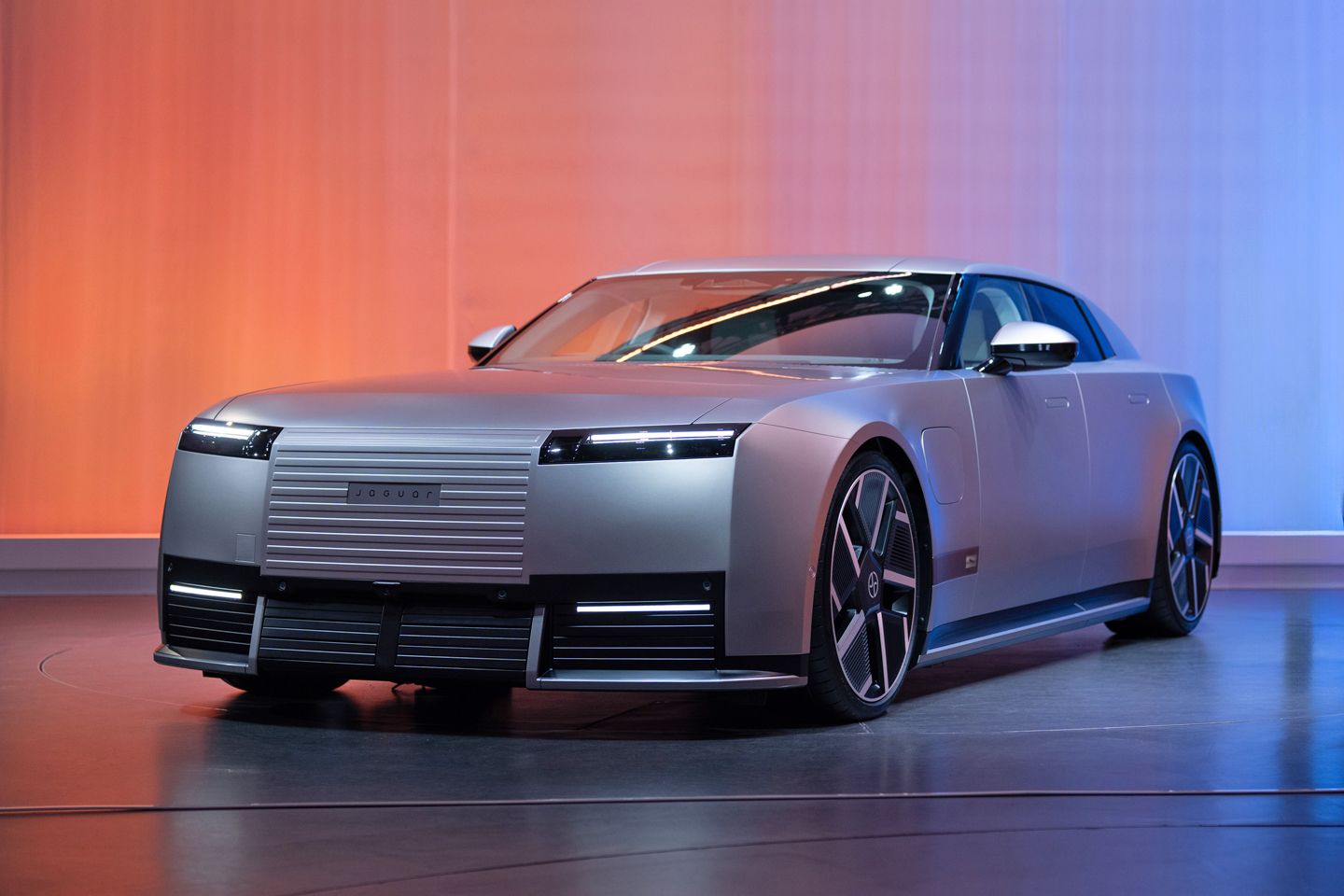
So this is it. The most hyped, discussed and debated car of the last decade has finally been relieved of its enormous robe. The Jaguar Type 01 is here, cresting a two-year wave of anticipation as it finally approaches shore. It’s a blockbuster release regardless of headlines, but inevitably there are plenty of those to bask in. The most aerodynamic Jaguar ever. The most structurally rigid. And inevitably, with 1,030hp and 1,007lb ft, the most powerful. Its tri-motor setup links up with all-wheel drive and torque vectoring to hit 62mph from a standstill in 3.2 seconds; Jag seems prouder still that it’ll double its velocity to 124mph in another 4.0 seconds. It tops out at 150mph.
Its drag coefficient is quoted at 0.23Cd, the bald number failing to tell the intensive story of active aero flaps, three-stage rear spoiler, sculptured underbody or the 4kg of net positive thrust on its rear end at 87mph – effectively a tailwind to gently push the Type 01 along. You can thank over 7,000 hours of wind tunnel testing for that.
Its suspension comprises double wishbones at the front and an integral link at the rear with dual volume air springs and twin-valve active dampers. All-wheel steer is always active, metaphorically nipping at its 5.2m length with up to 6deg of rear steering angle. A nifty 11.5m turning circle ought to prove useful if these things are to actually dwell in the luxurious corners of London, New York and beyond without creating a viral moment every time they about-turn.
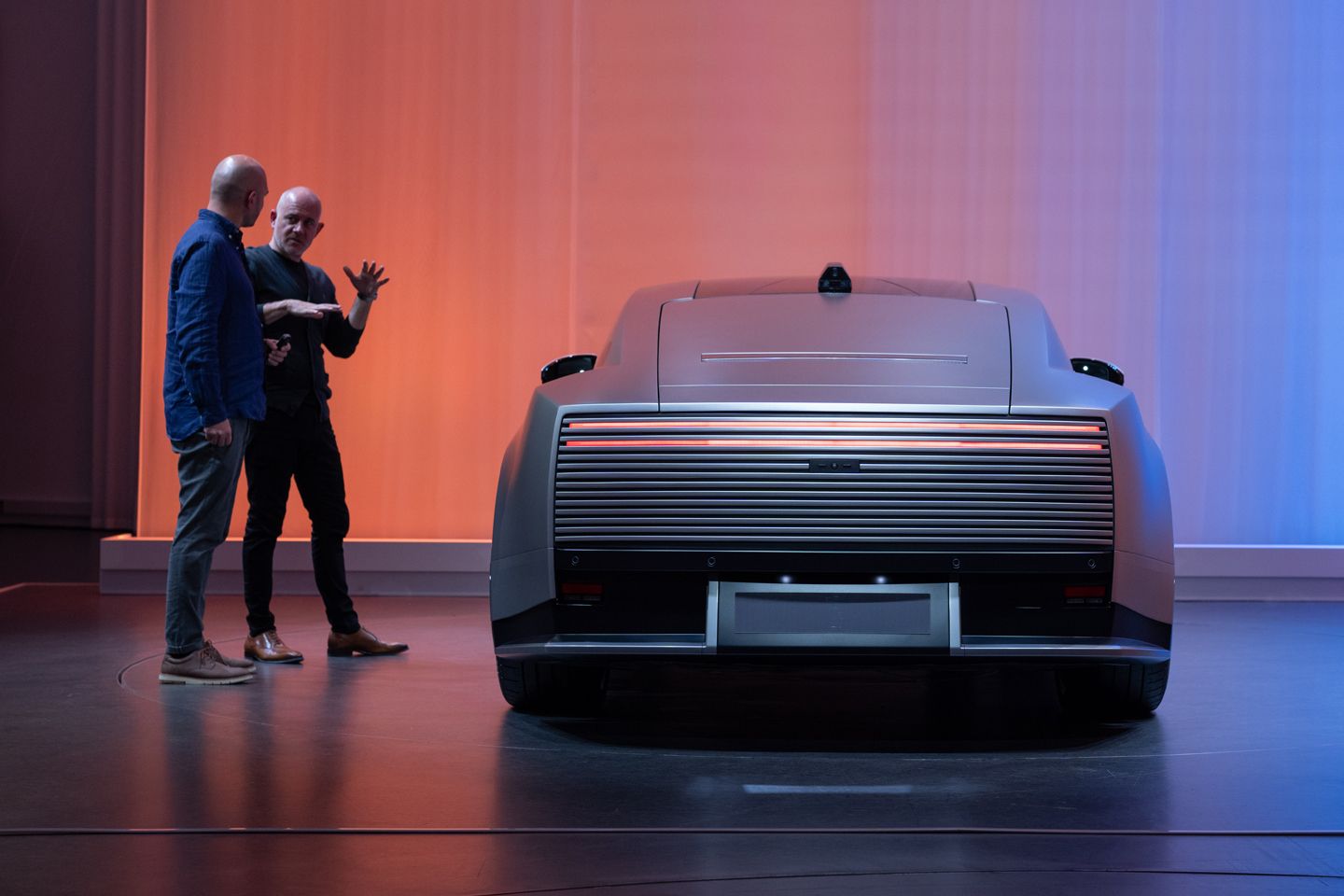
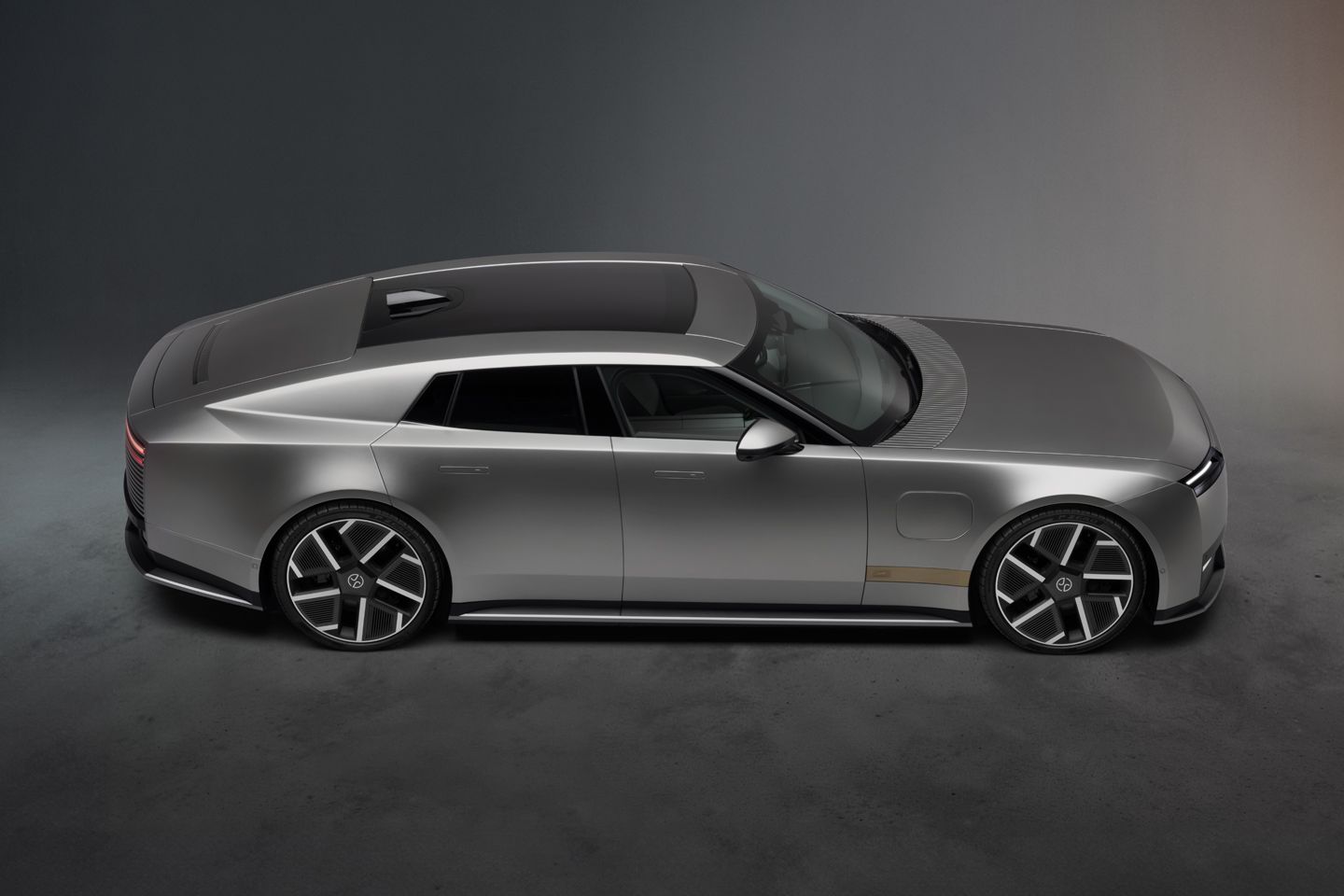
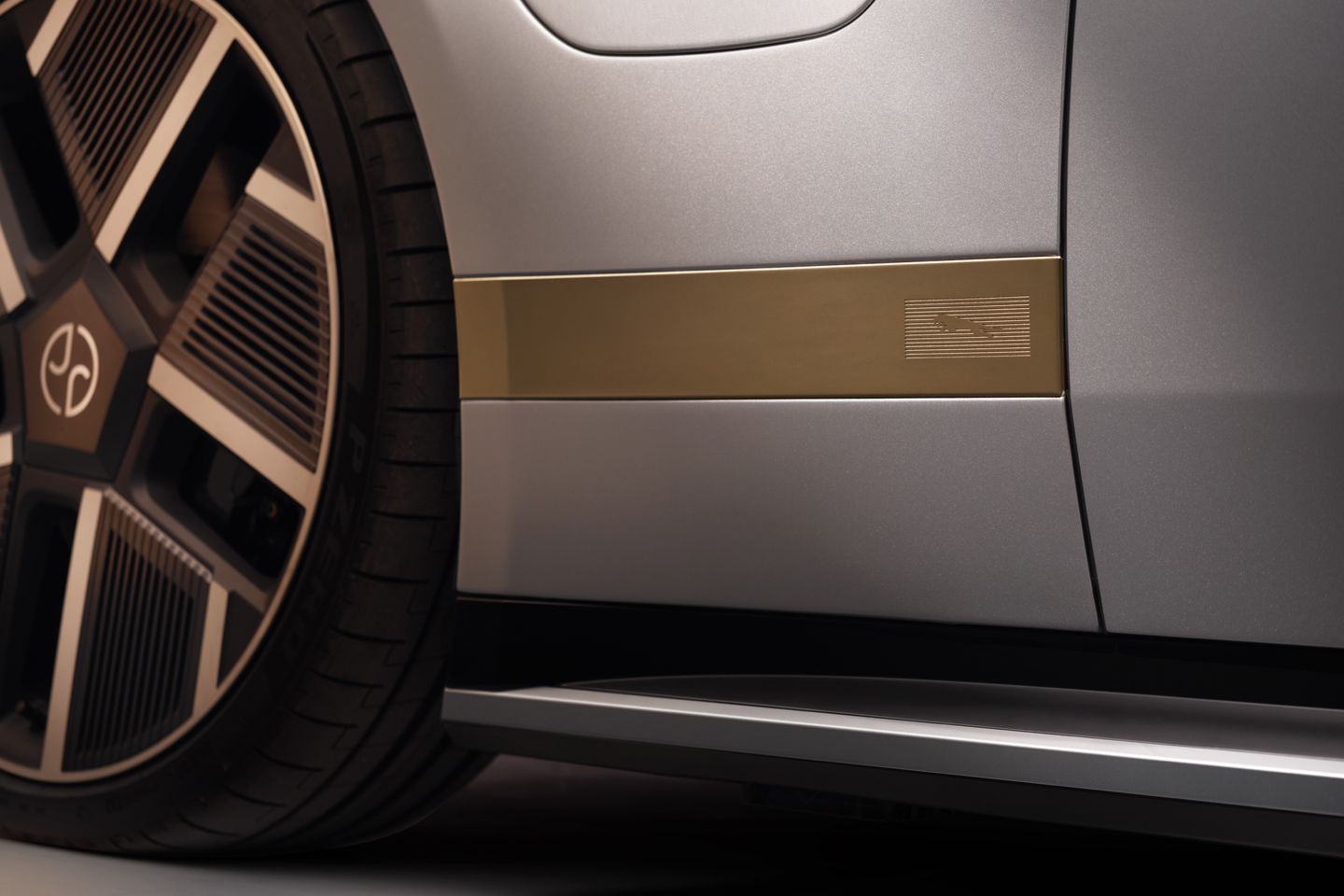
There’s a single motor up front and two at the back, combined into a compact ‘EDU’ casing to maximise luggage space, though you’ll never get more than 87 per cent of torque to the rear axle – this is unfailingly a four-wheel-drive car under power. There are five drive modes, with the stability control coded specifically for each one. That can be turned off, too – fully off, for a car that can “rotate around your hips”. Better clear some space. A bespoke Pirelli P Zero compound comes in summer, winter and all-season formats.
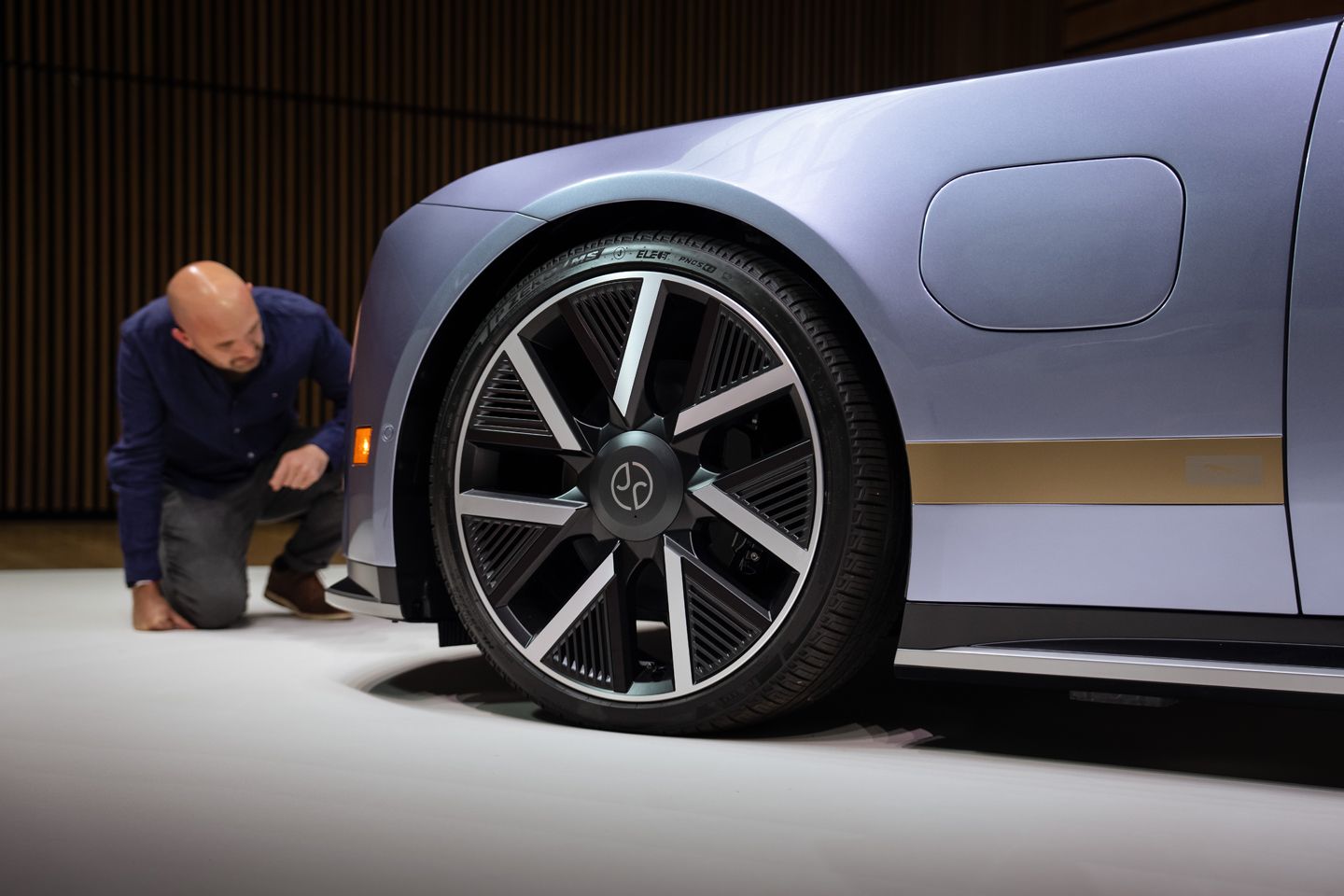
Development took place at Nardo, the Nürburgring, on the ice of the Arctic Circle (where we drove it) and – perhaps most challenging of all – the gnarly backroads around JLR’s Gaydon HQ. Its chassis is described as “relatively soft” by its engineers, and while each 23-inch wheel (as standard) represents more than 50 per cent of the car’s 1.4m height - the designers delight in revealing that - holes drilled into the front castings allow the suspension to travel right against the top of that long, brutalist bonnet. The Type 01 claims 22mm more wheel travel than an F-Type with 100mm less space to play with.
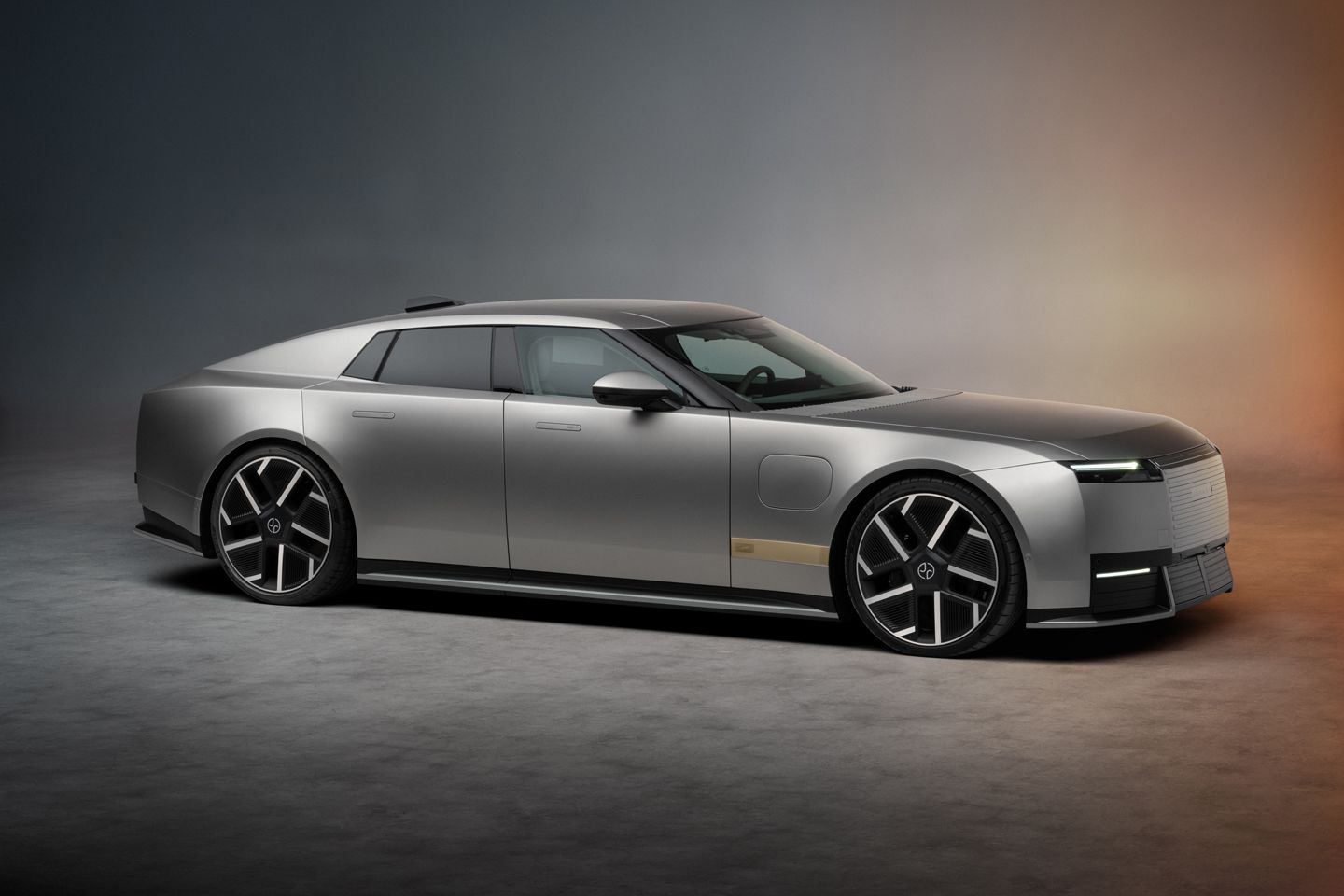
And while we’re loitering around its front wheels, the space between the bulkhead and front axle – ‘the luxury gap’ in Jag parlance – represents 17 per cent of the Type 01’s overall length, a near-as-dammit match for the proportions of the E-Type. For all the ‘copy of nothing’ bluster, there are throughlines to the past that may prove crucial in swaying folks away from a Taycan, Polestar or Bentley and into a Type 01.
Battery and range
The Type 01’s grand touring pretensions may also sway you. Its 118kWh of useable battery provides 450 miles of WLTP range and Jag reckons 99.7 per cent of the car’s journeys will be done without a charge. Fall into the 0.3 per cent club? Its 850v architecture allows top ups at up to 350kW with 200 miles of range spilling in through either of its charging ports (one per side is a subtle nod to old XJs that we rather like) in 13 minutes. Replenishing from 10 to 80 per cent takes 22 minutes at that speed.
The battery cells are spread neatly around the car to not only carve out an ideal, 50:50 weight split (of a presumably plump, as yet unspecified figure), but to allow all four seats to drop low. The centre of gravity sits a further 60mm below the driver’s hip point. Each of JLR’s lofty ambitions for the car has called upon a brand-new platform, flatly dubbed Jaguar Electric Architecture (JEA). Which makes it a wholly electric car in a market that’s not yet besotted with such things.
“We didn’t strategically say, ‘right, we're going to reinvent Jaguar and we're going to do it as all electric,’” MD Rawdon Glover tells PH. “We wanted to have a particular set of proportions. We wanted it to have a very distinctive design language. The obvious choice was to put an electric powertrain into it because that gave us those things.
“We've talked to a lot of prospective clients and asked them ‘why do you buy a vehicle at this price point?’ The most important thing to them is when you look at it, does it give you an emotional reaction? When you’re inside, what does it feel like? When you drive it, does it give you a sense of engagement? Much further down, probably eighth, is its powertrain. We didn’t start with electric. We started with all of those other criteria and it brought us back to this.” While around 20 per cent of buyers will still reject anything without combustion, “that still leaves us a lot of people.”
The design
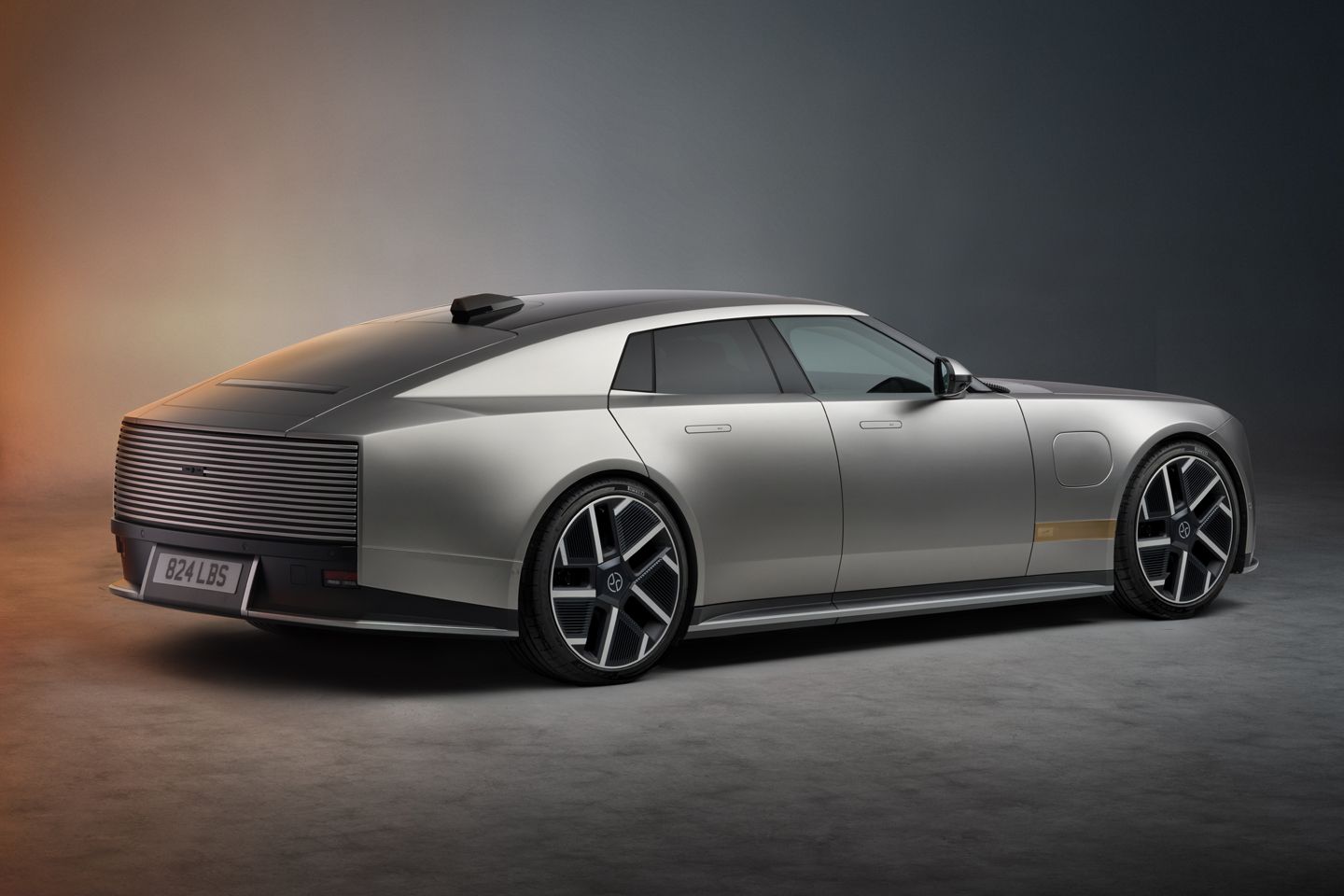
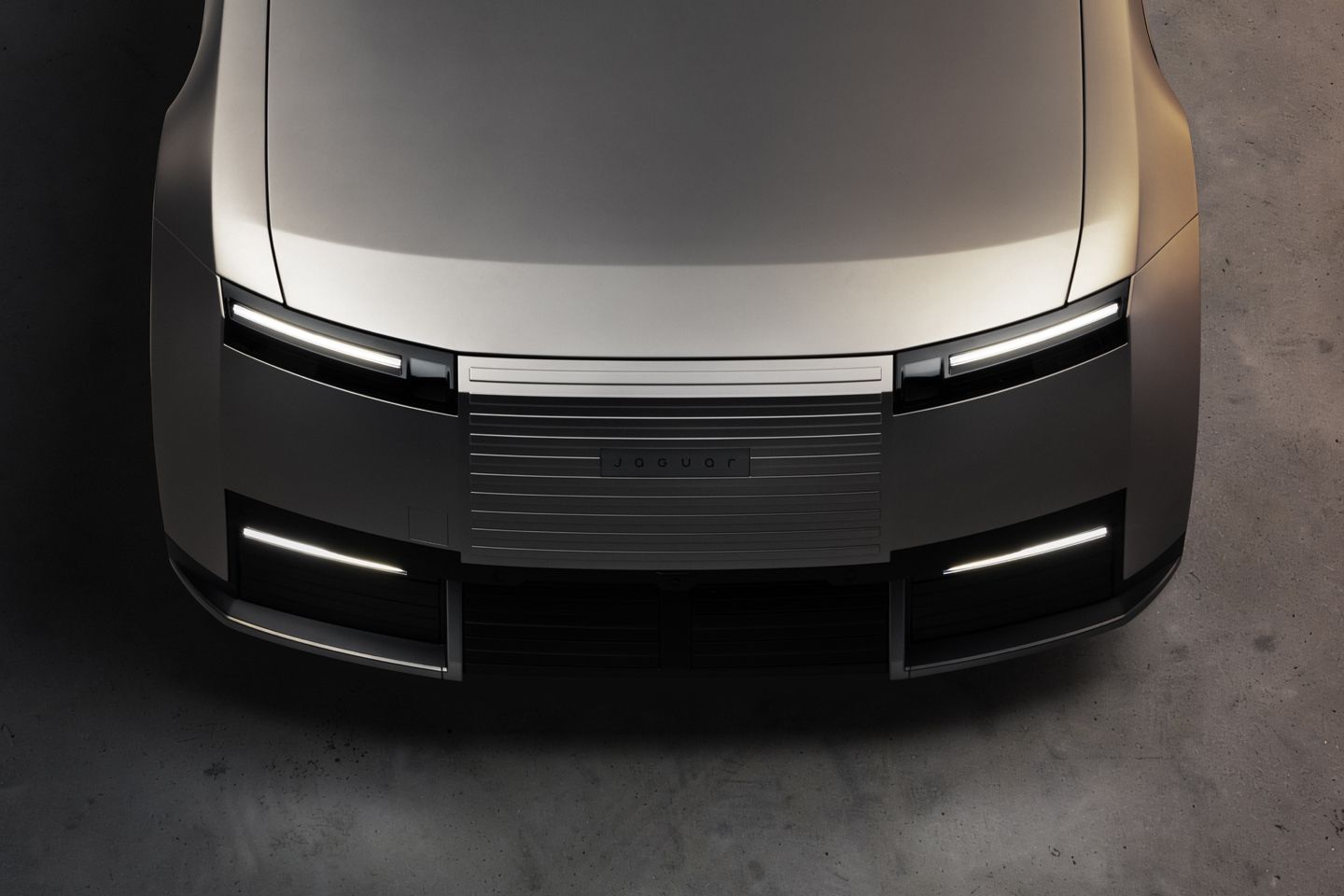
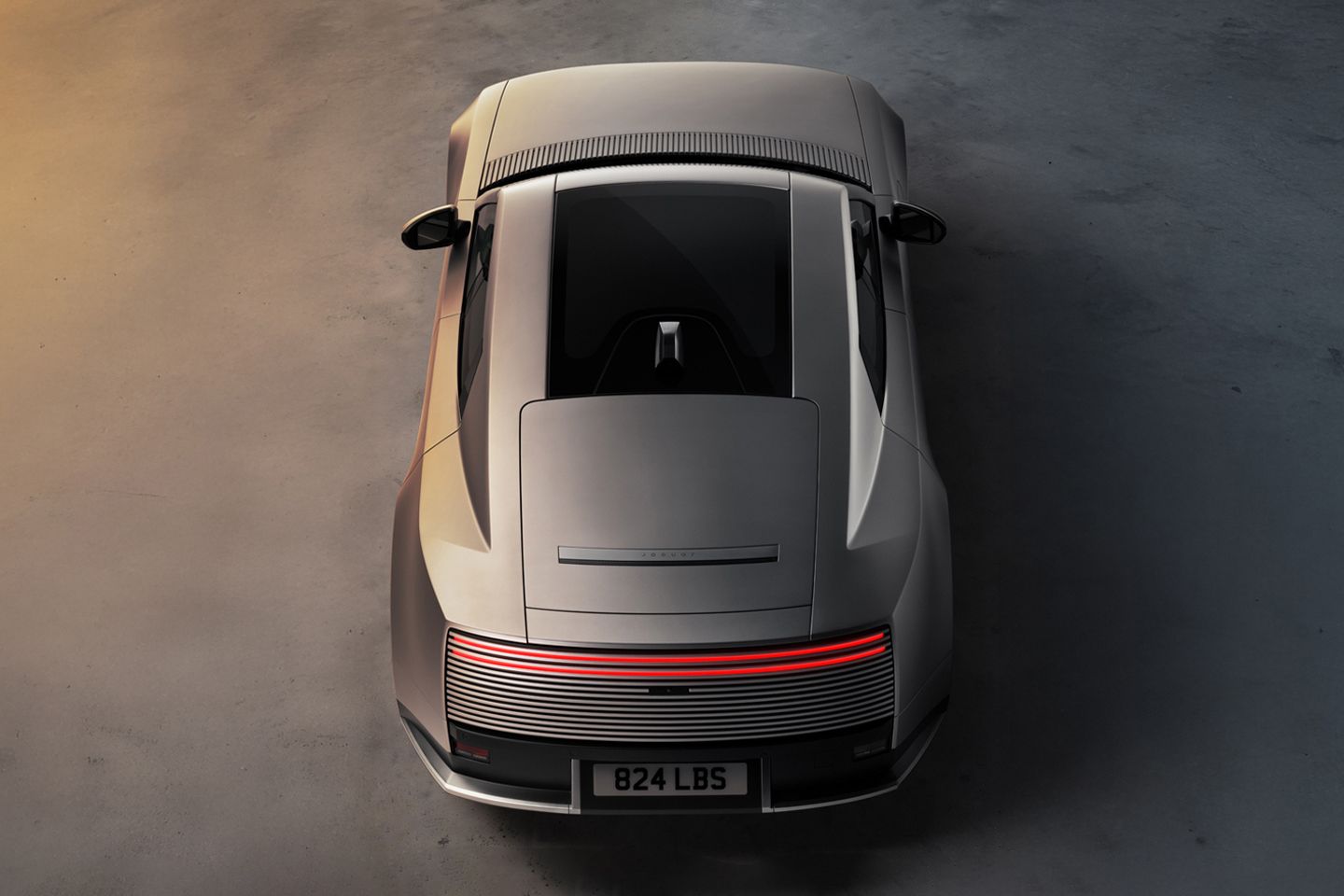
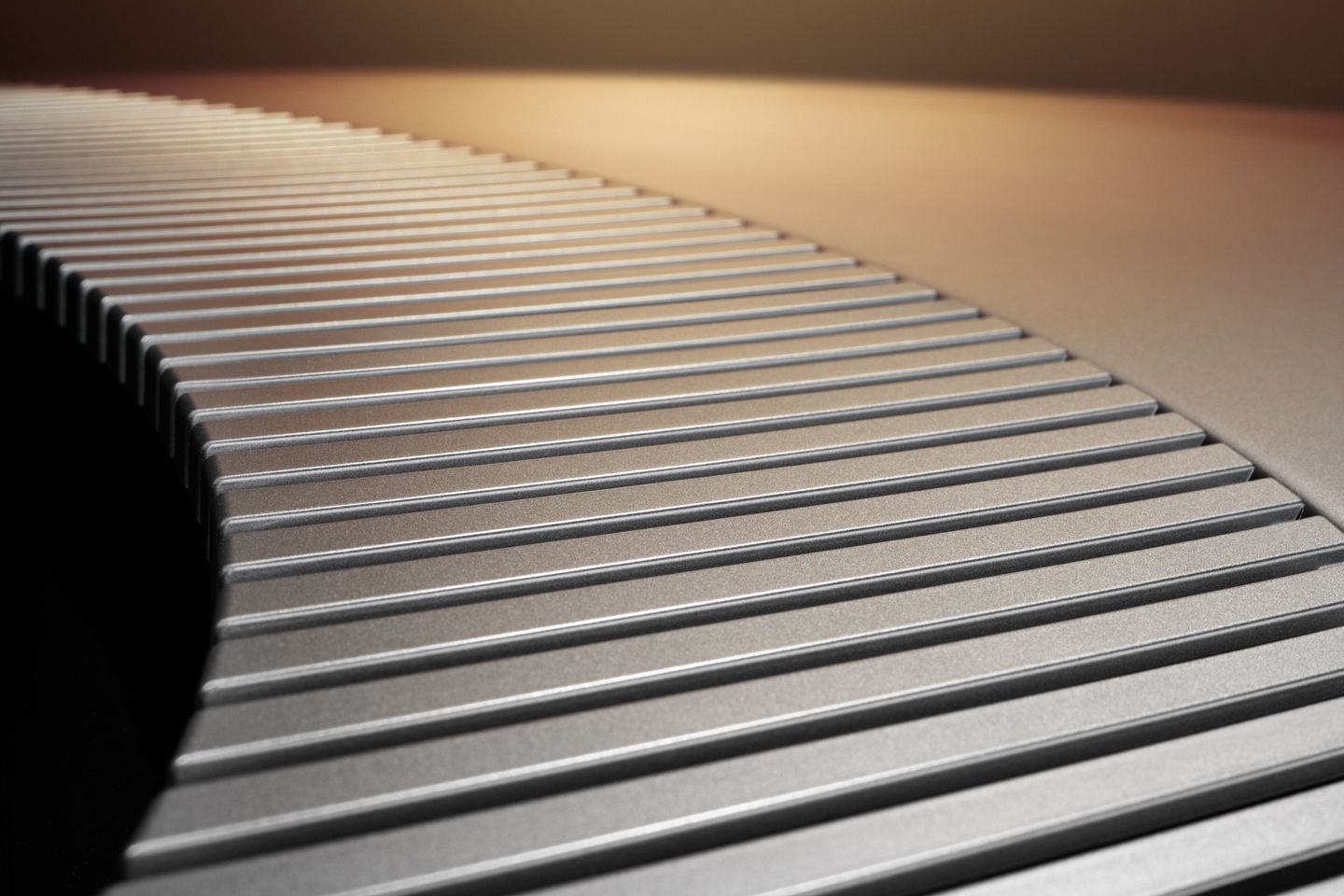
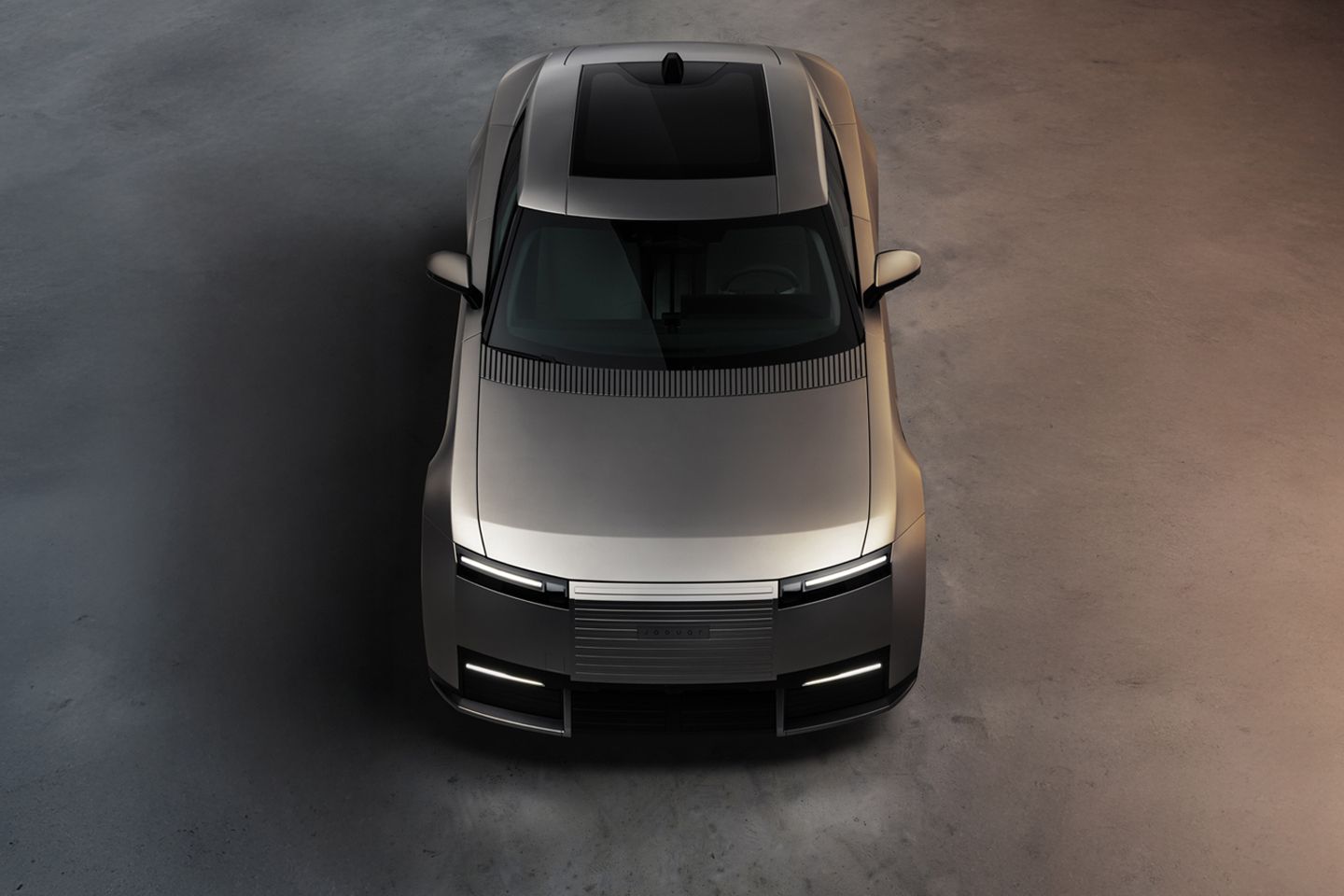
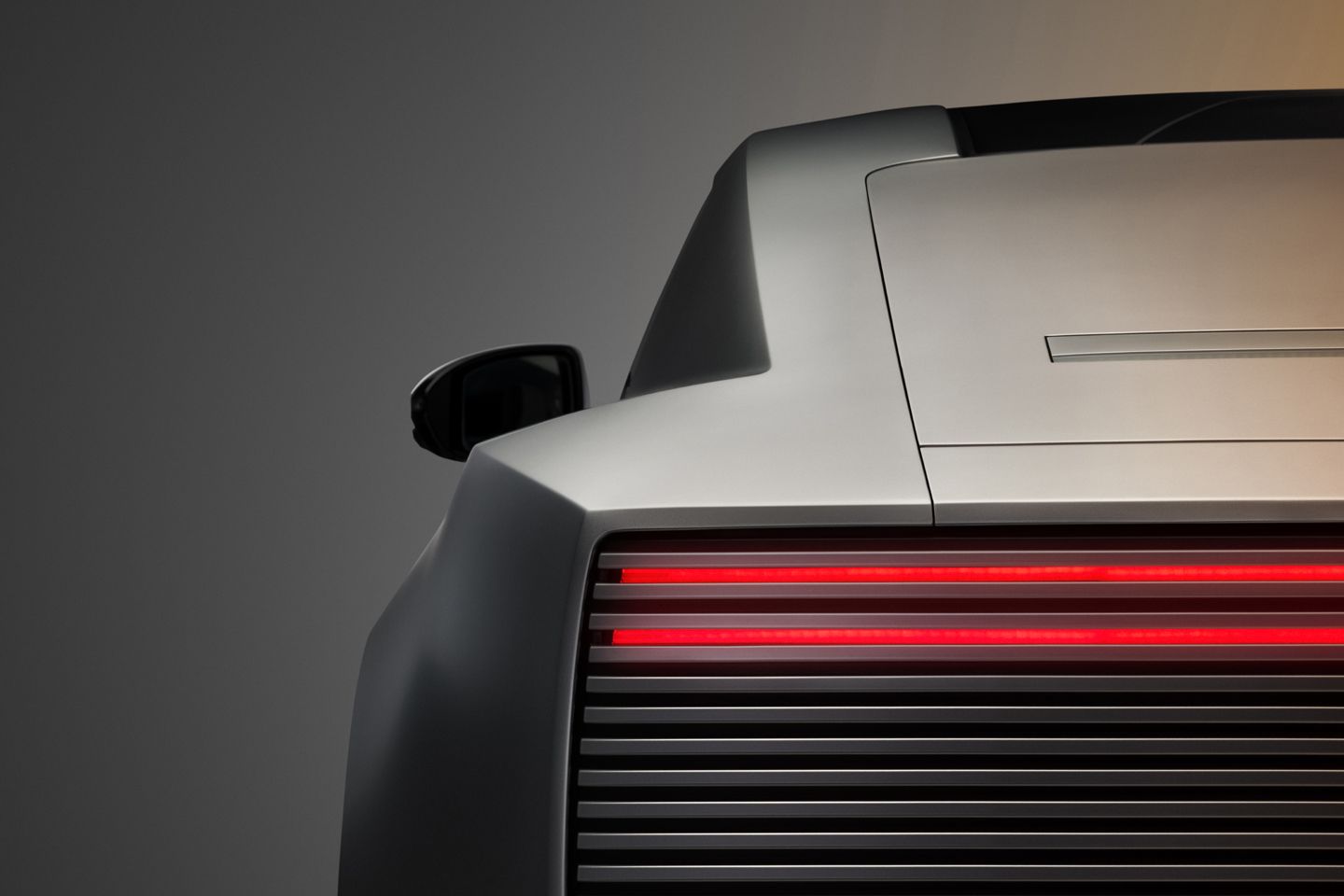
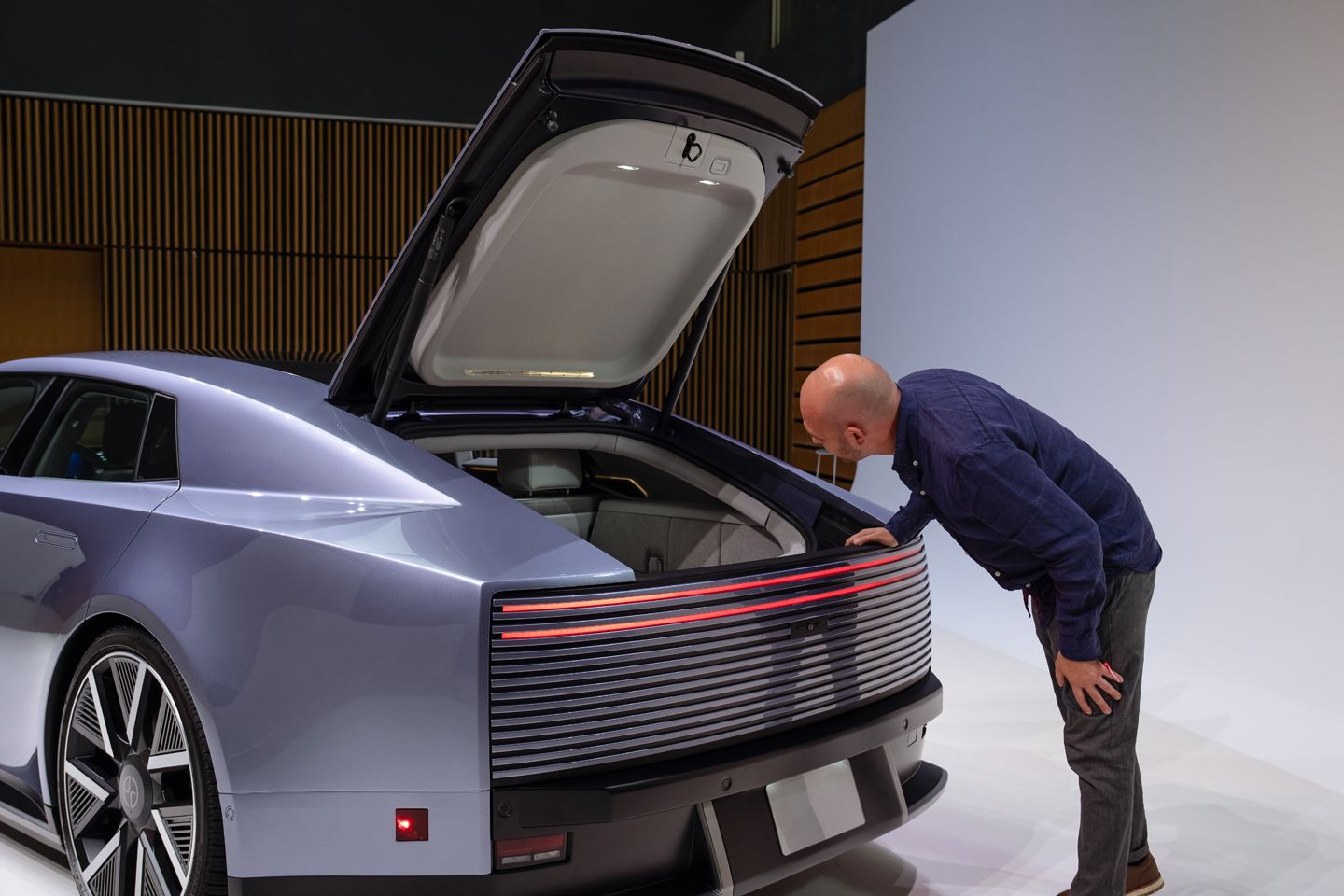
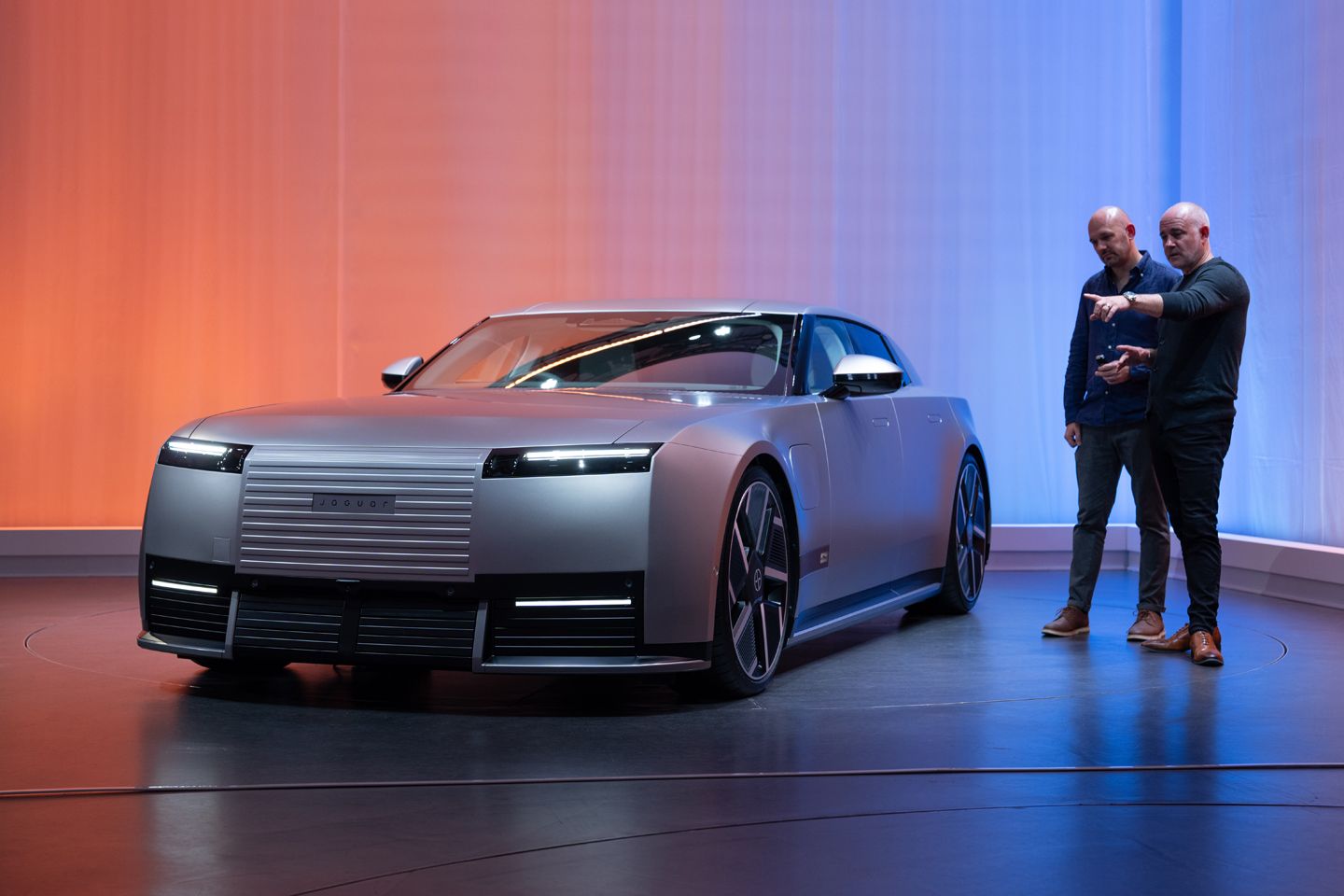
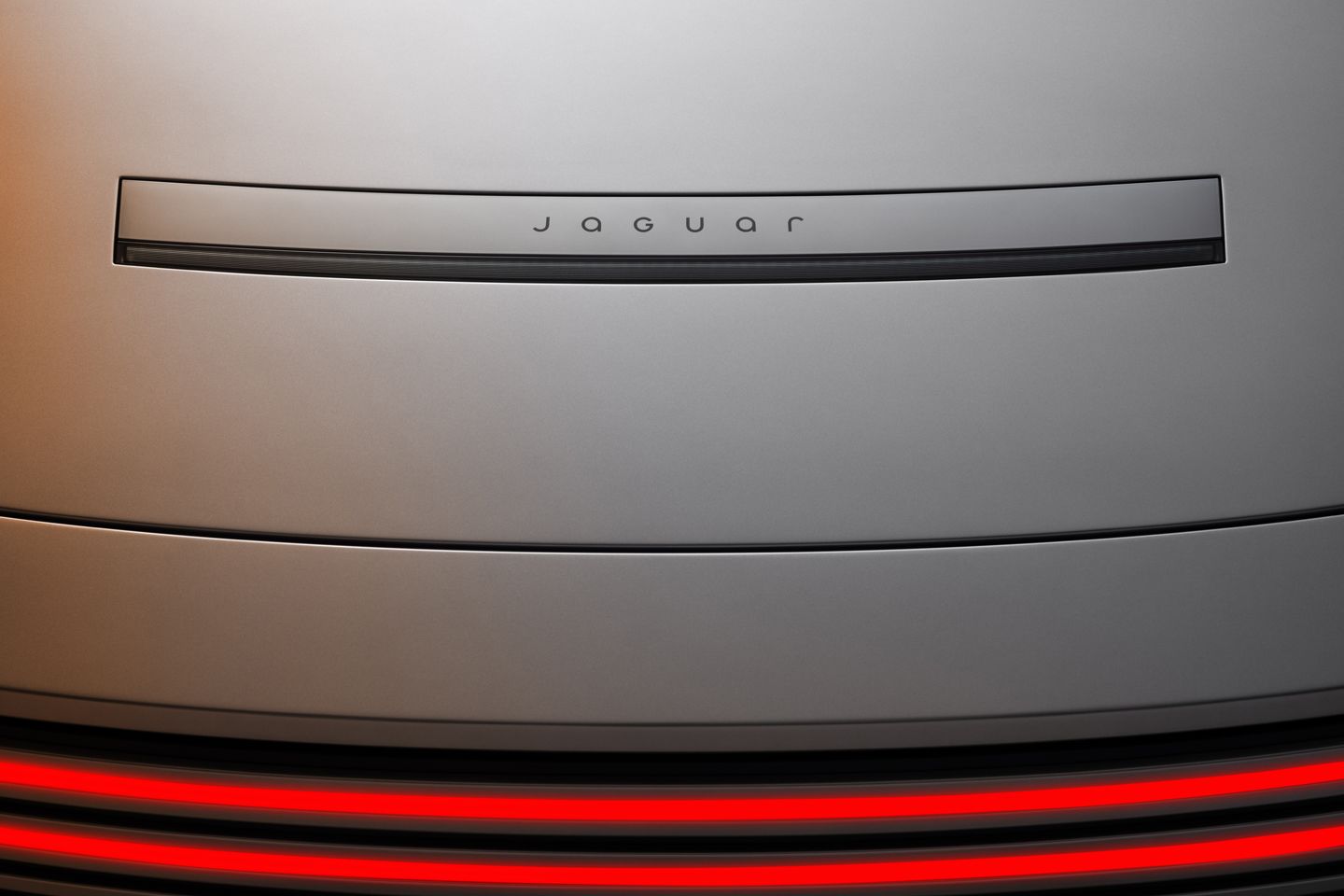
So, those looks. Its proportions look surprisingly compact in the anodyne environment of a photo studio – expect it to seem bleedin’ massive in the hustle and bustle of commuter traffic. Despite its back doors and softer edges it stays impressively close to the Type 00 concept that’s titillated us for the past two years, too. However much its bold rear signature resembles a set of Venetian blinds.
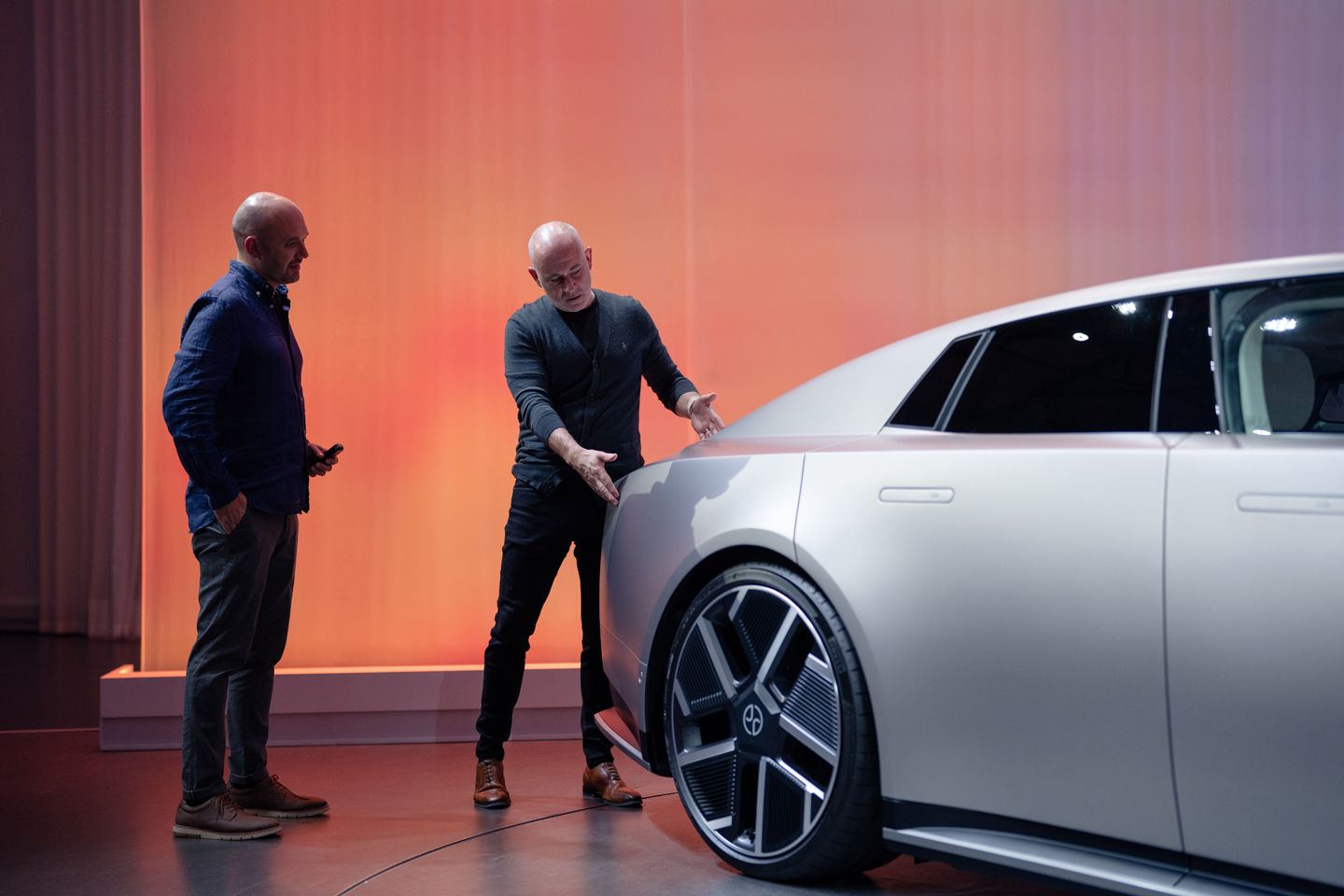
The young design team – no longer chaperoned by Gerry McGovern at a big premiere like this – speak effervescently about a car they appear to have had very few shackles bringing to life. When they talk of ‘sculpted solidity’ as a design theme, it is hard to argue no matter what you think of the final profile. This production car apparently looks miraculously similar to the initial clay model carved out in the early days of ‘Project Pantera’.
And yes, Jag (and boss Rawdon) is well aware this final product will be a love-or-hate device. “We've talked to over 2,500 people across four continents in the last three years and asked them to ‘distil it all down, give us a score out of ten.’ With Type 01 we got some ones and twos. We don’t usually get that. We’ve also had more nines and tens than in any previous clinic. Great design can polarise; arguably, great design should polarise. If you design something wanting everyone to like it, you end up with something vanilla. The car needs to have a cinematic quality even when stationary.”
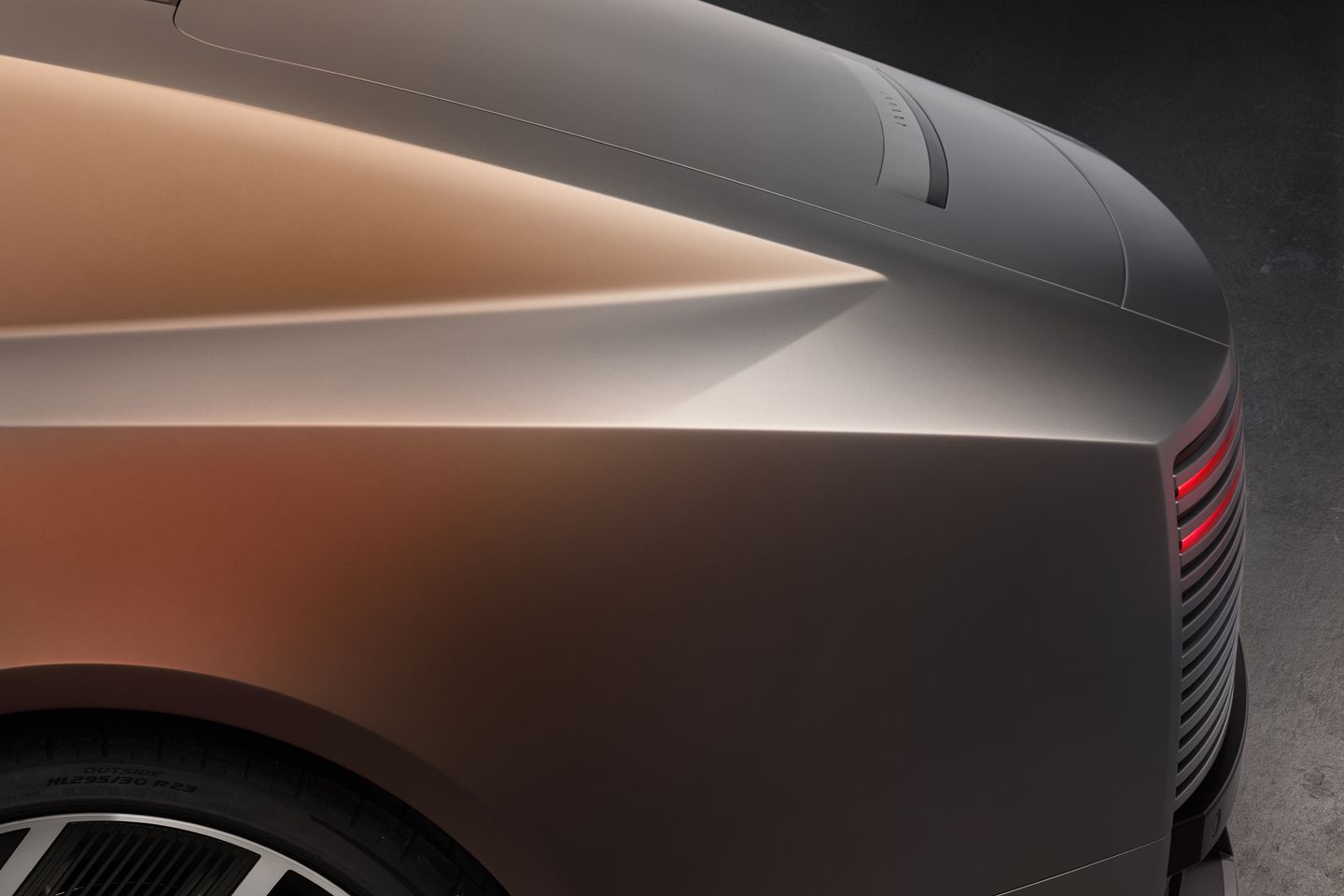
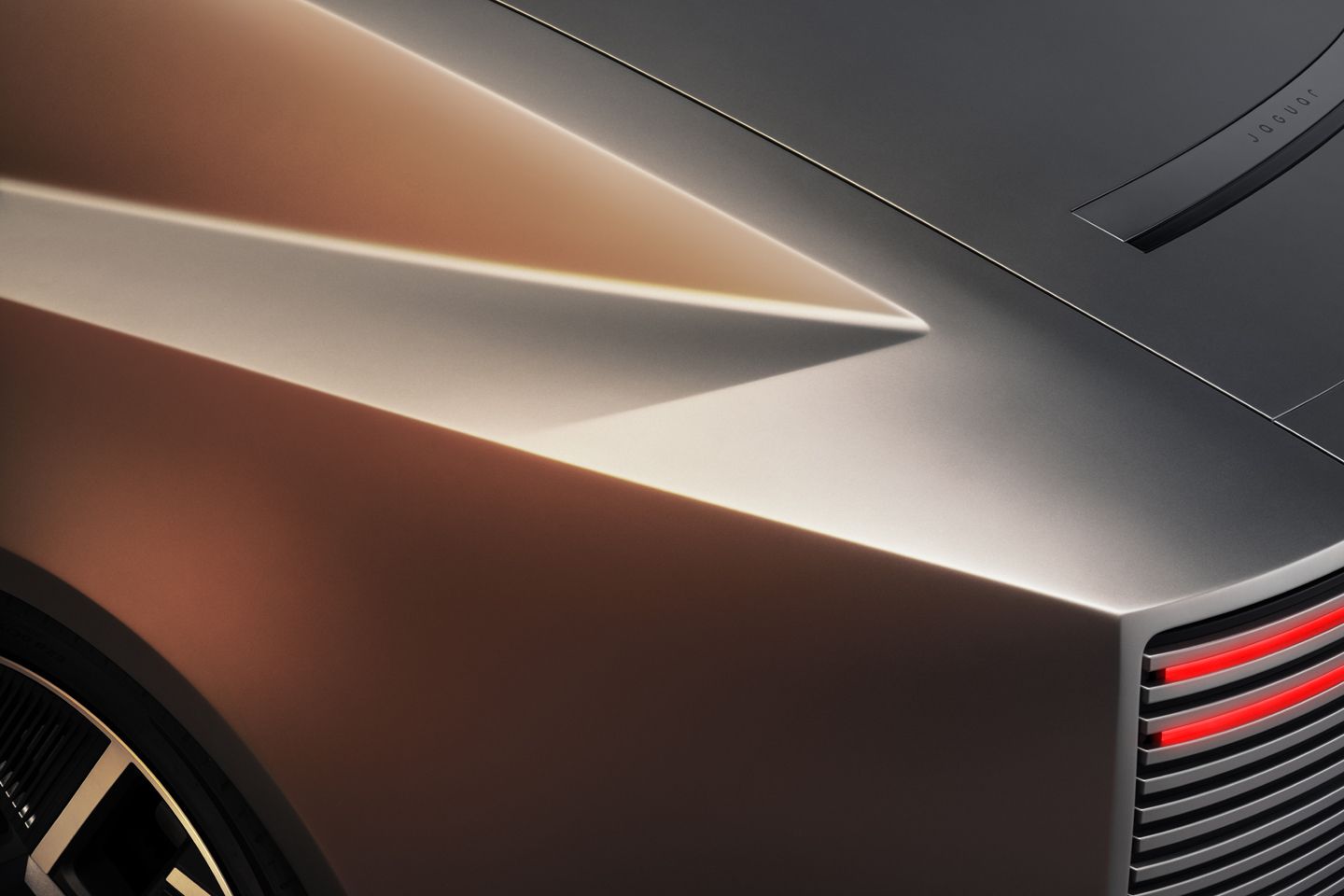
It’s worth focusing in on the rear three-quarters, too, and the so-called ‘impossible panel’, an enormous, 3m-long, single piece of aluminium that required over 1,500 hours of development just to develop the tooling that makes it, well, possible. It’s pressed in Halewood with 2,500 tons of pressure from a machine that scales four storeys. As well as contributing to the slick aero of Type 01, it keeps its surfaces clean, with the windows of its frameless doors sitting flush against it without extraneous trim.
On the inside
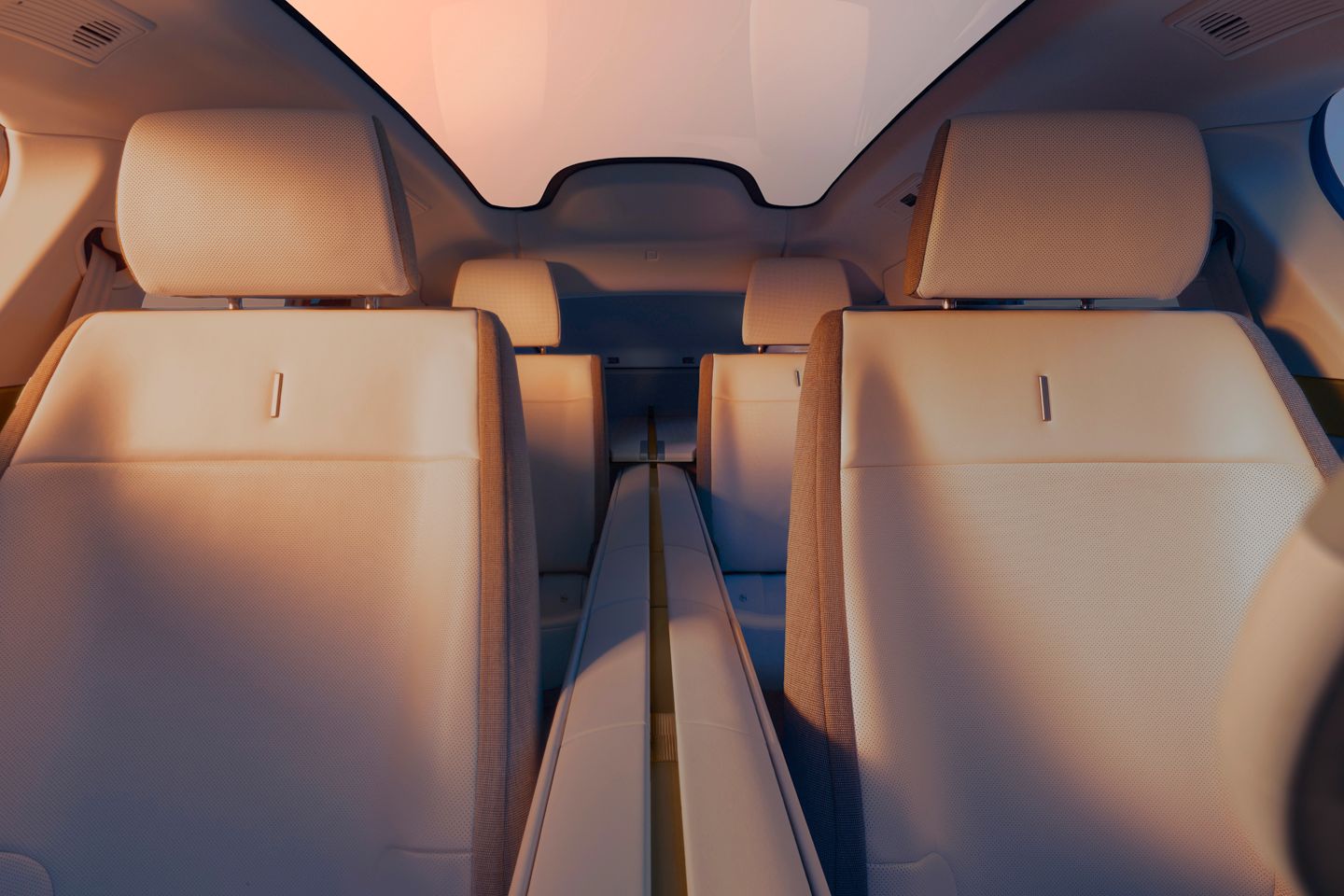
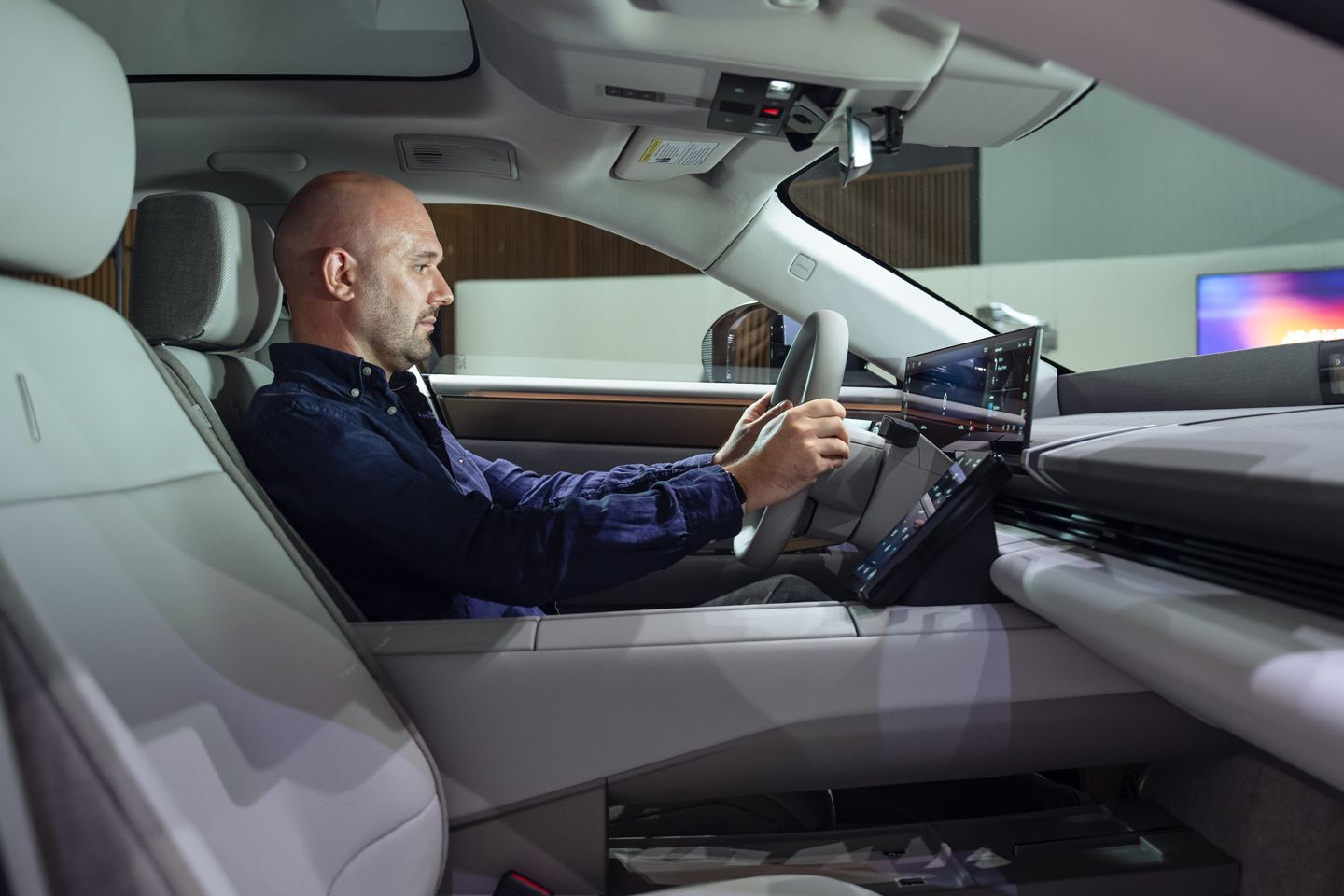
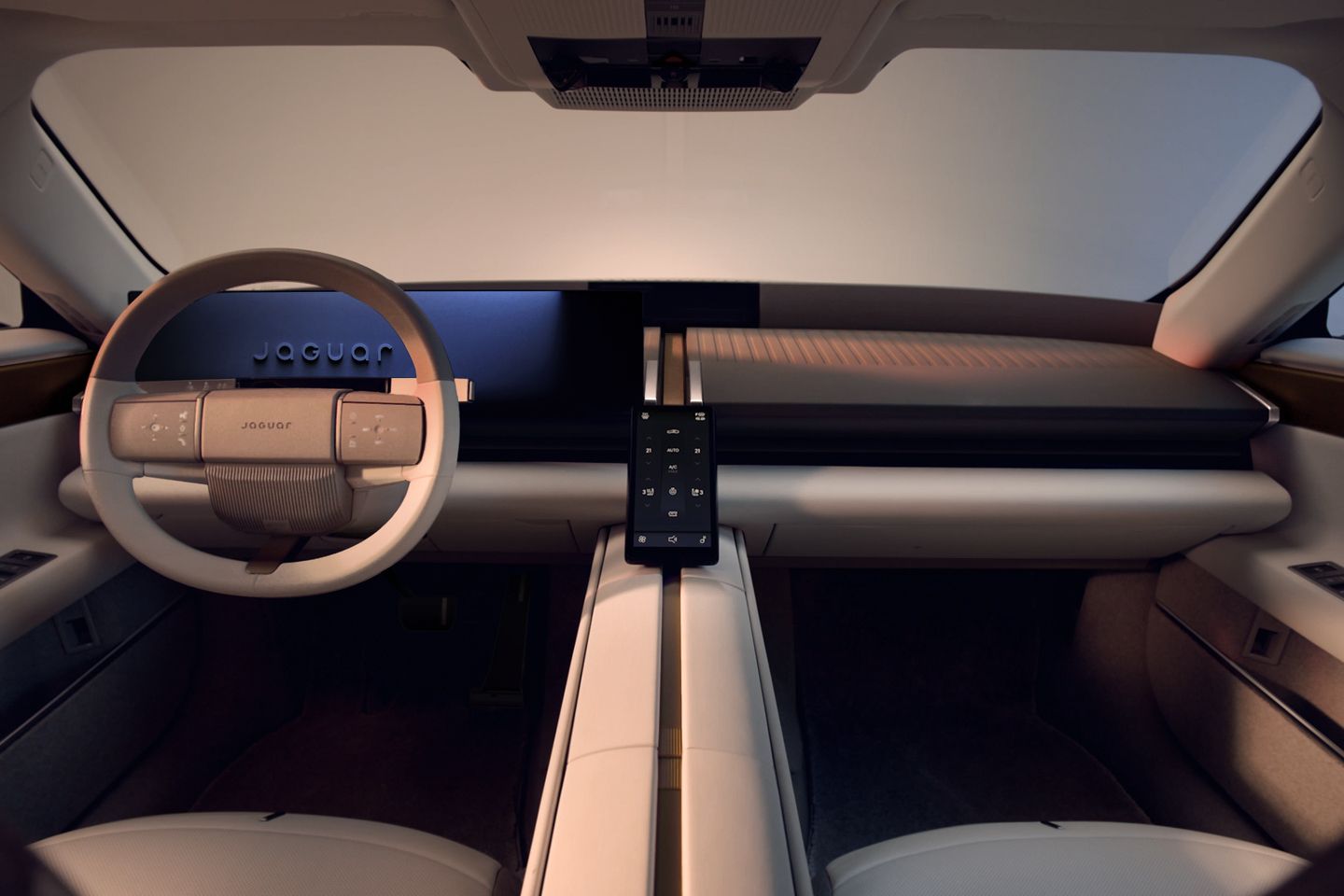
Climbing inside the Jaguar Type 01, our immediate impression is of a reverse-Tardis, the car feeling cosy and coddling in each of its four corners though most notably in the back. It feels like Type 01 drivers will do precisely that – drive.
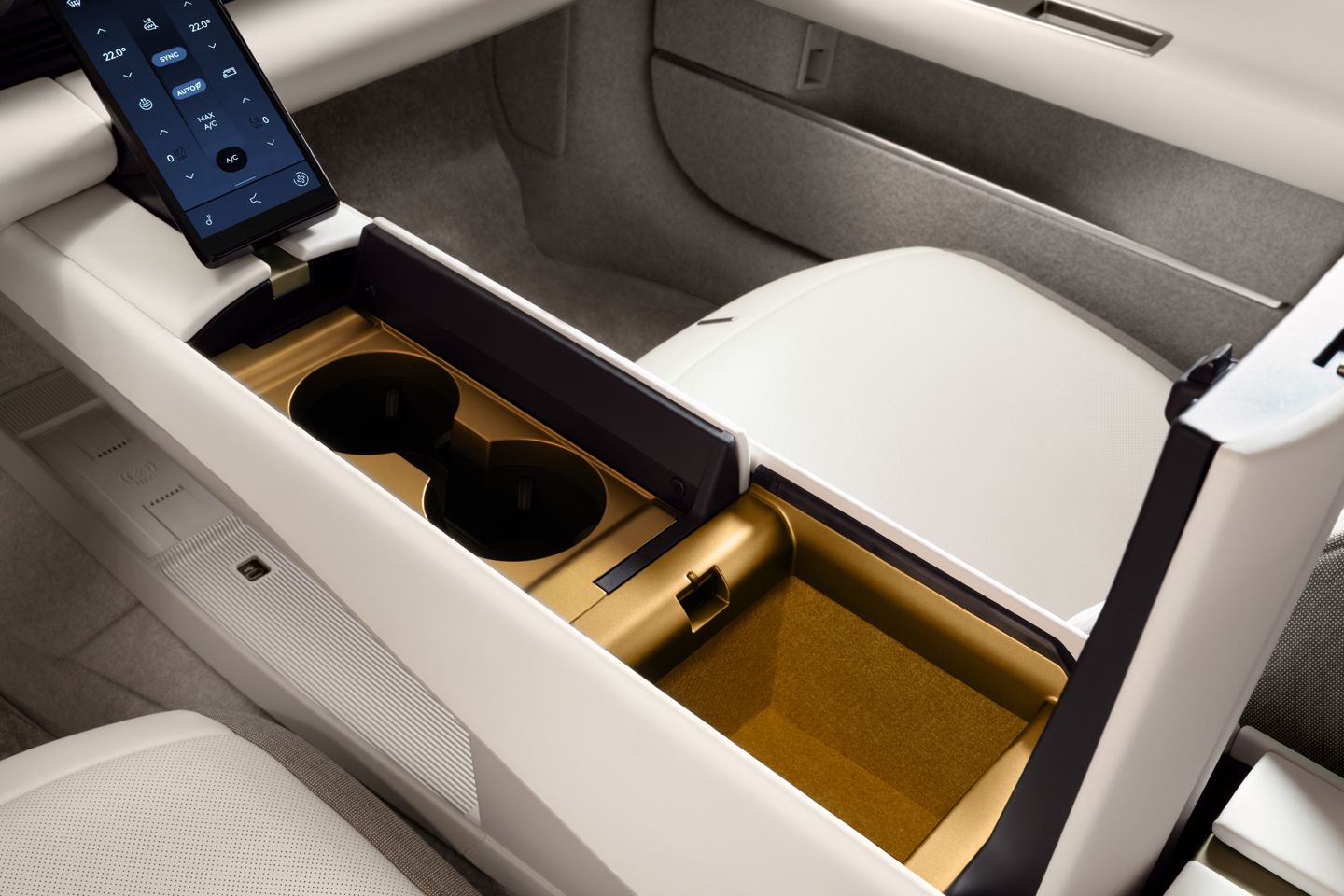
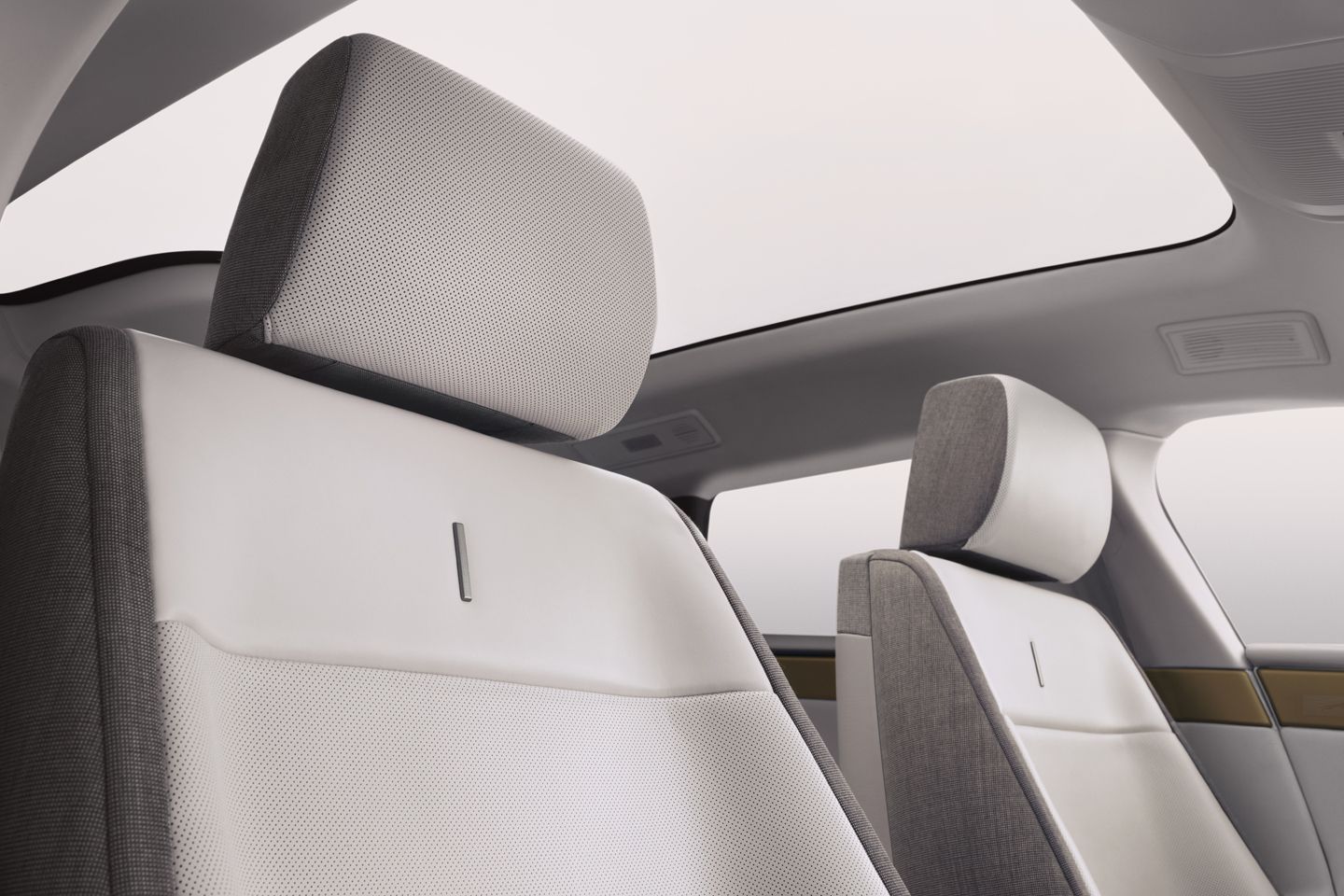
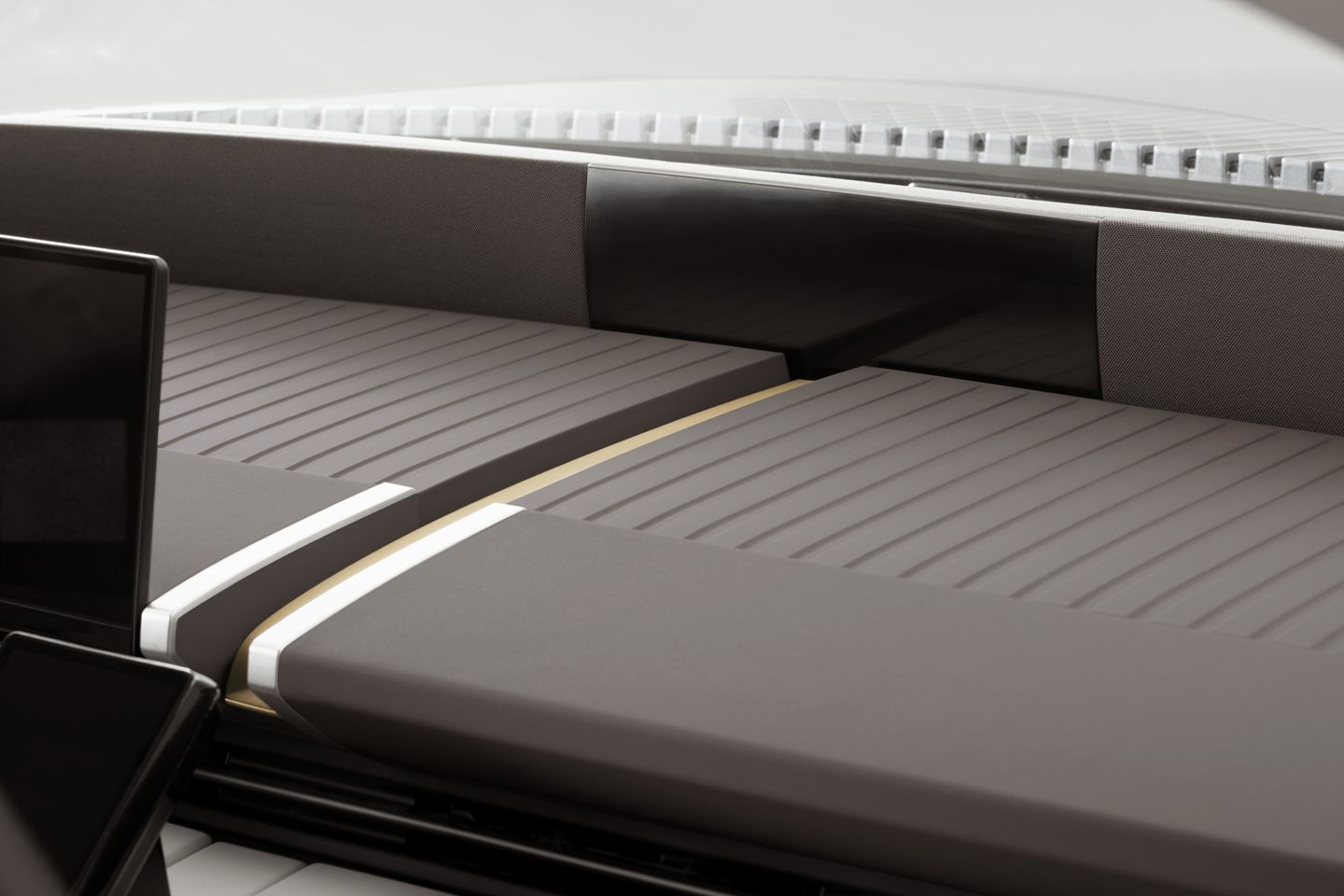
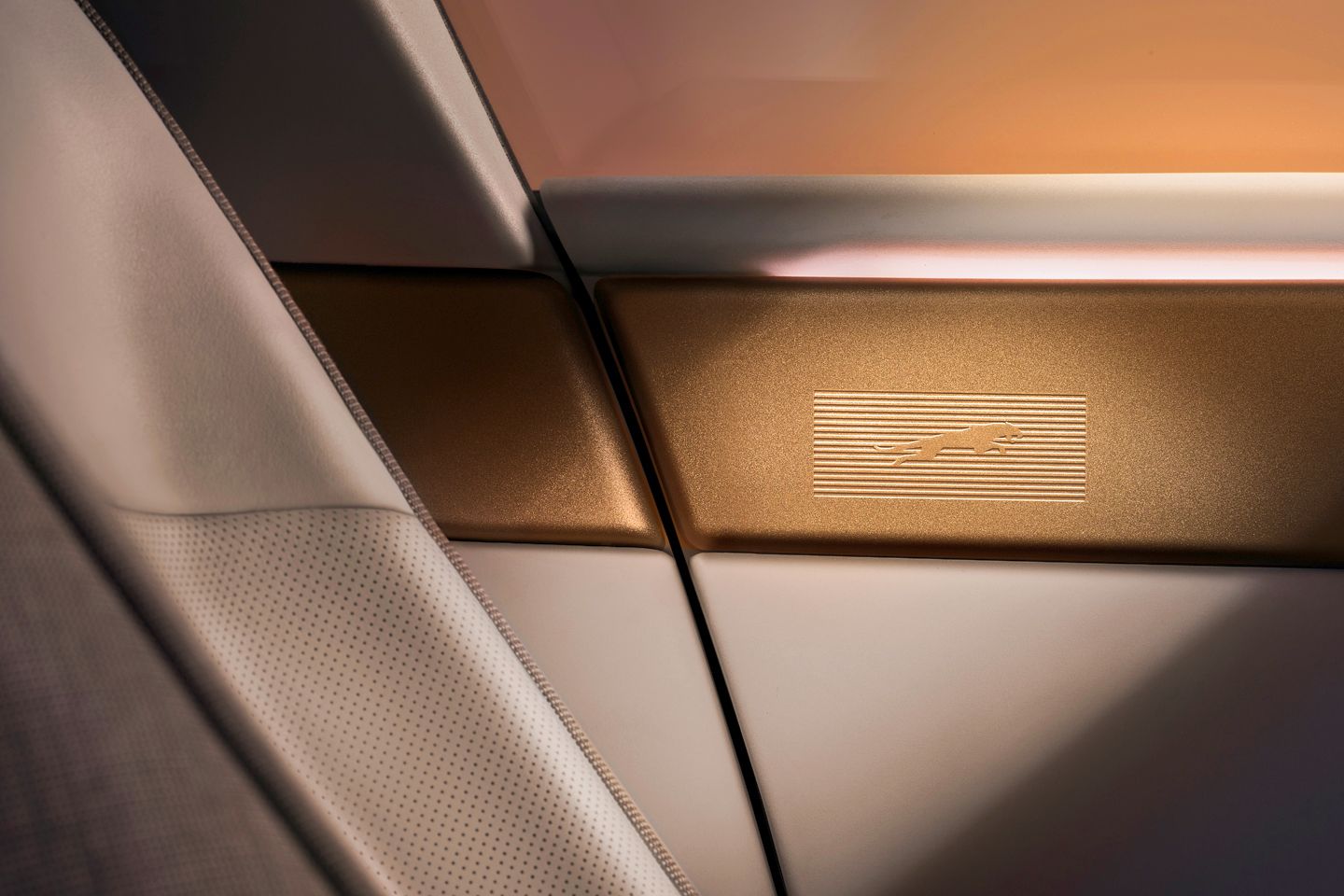
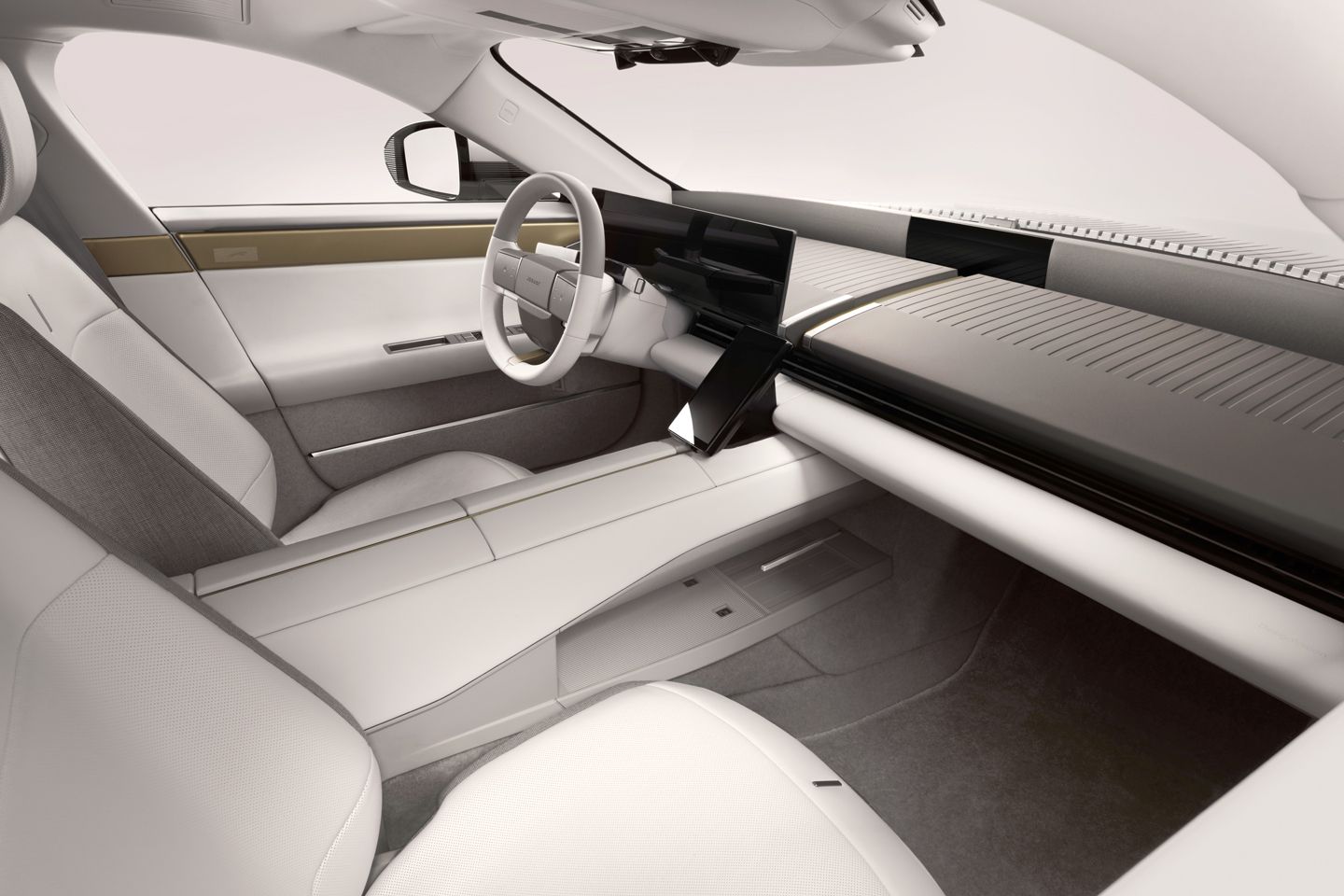
The colours and materials are all contemporary, a wool polyester blend in particular saving weight while providing a useful sustainability angle. Carpet runs up the door sill and low pillars to provide the sensation of a deep pile finish and we’re promised the highest proportion of metal finishes in any Jaguar interior. Rightly so, given it will elevate the brand to a whole new price point. Design and materials have won out over pure practicality on this evidence, though anyone who’s ridden in the back of nigh on any generation of XJ will tell you that’s nothing new. And rear passengers get a decent footwell even with the front seats dropped low.
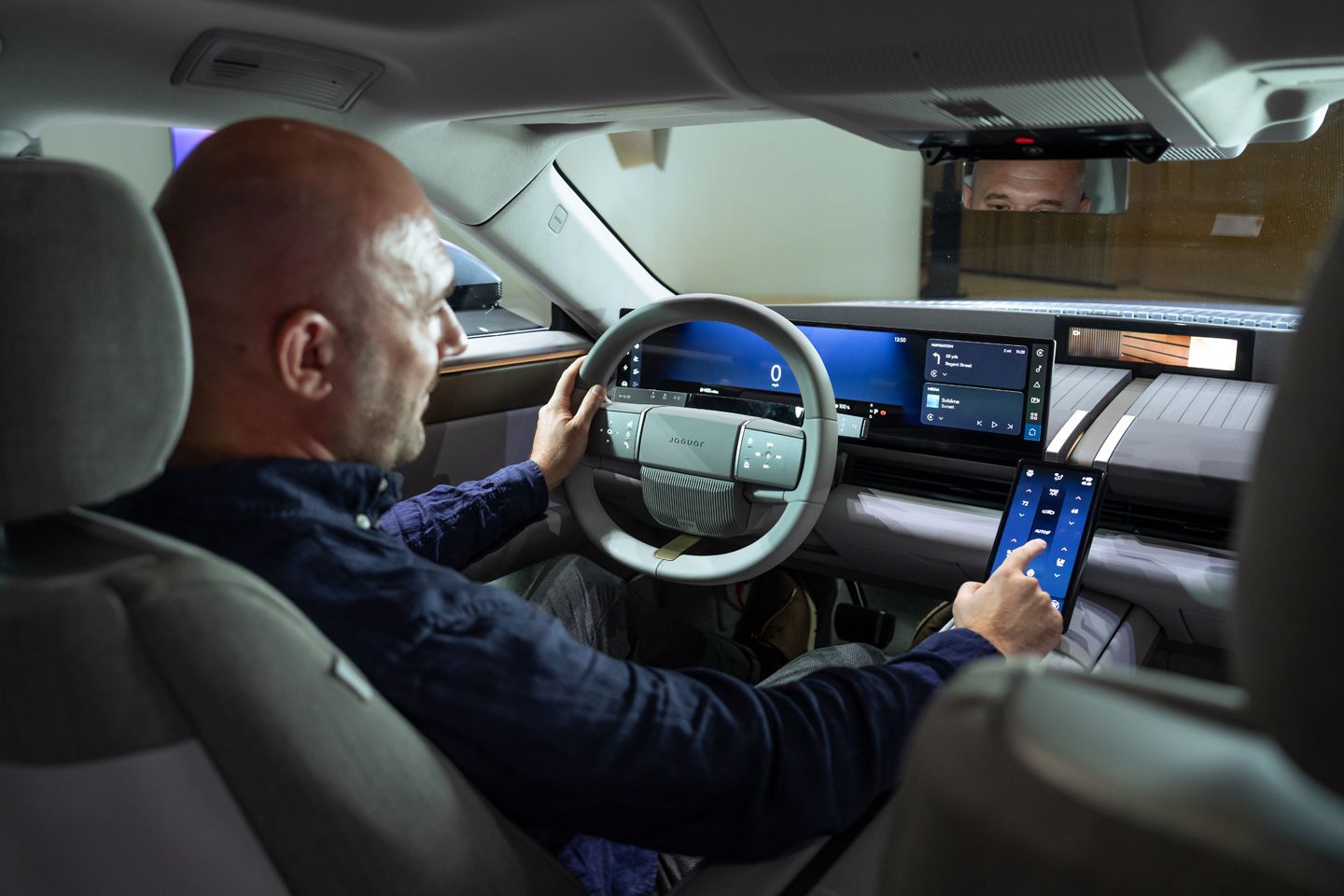
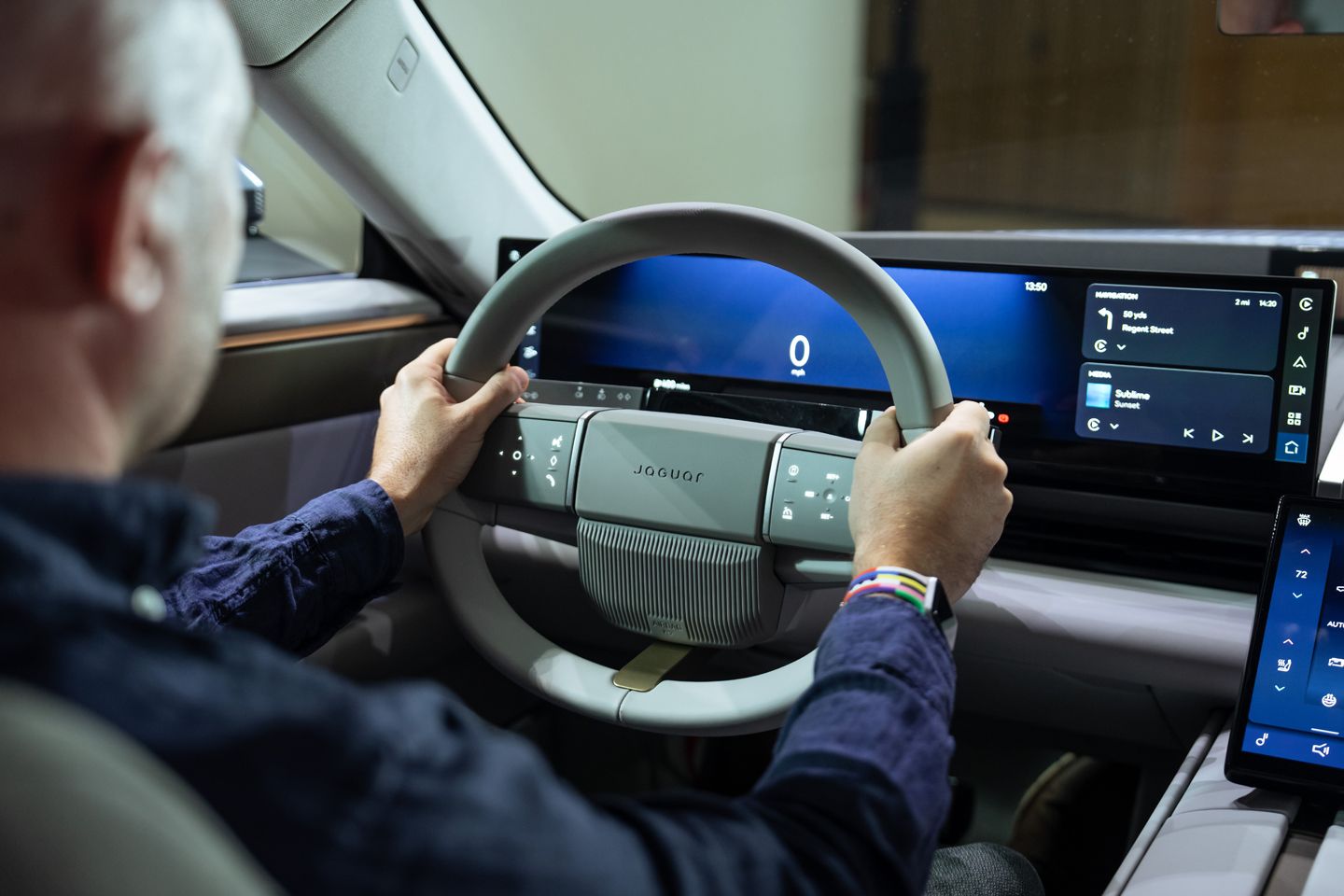
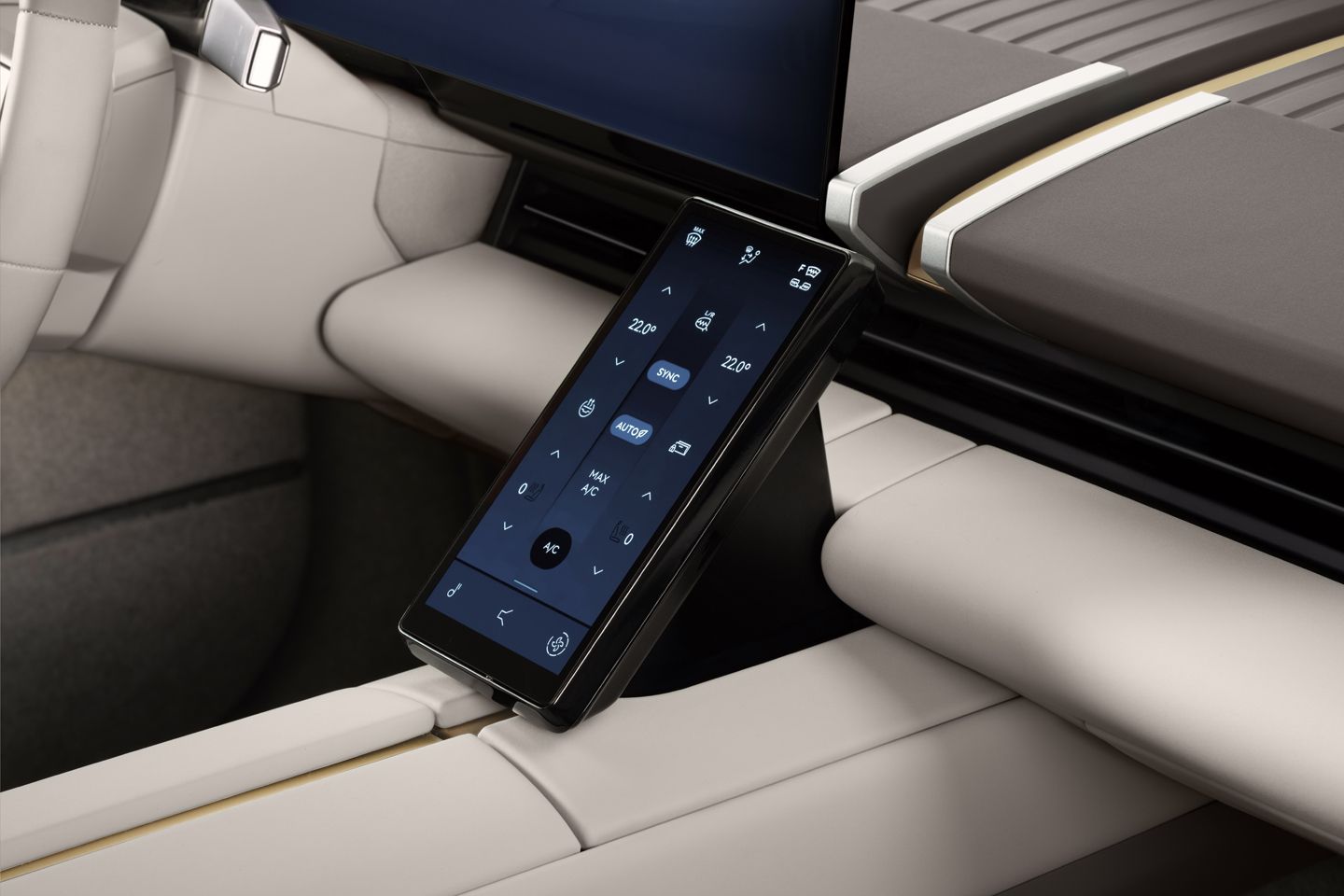
With an enormous 24-inch display, AI voice control and a slim camera feed in place of a rear window, all the ‘halo EV’ touchpoints are struck. Yet we’re promised a natural feel to it all, a project with Aachen University on ‘interaction psychology’ apparently making its tech wholly intuitive to use. And the Type 01’s promised bandwidth bubbles to the fore – active noise cancelling promises a library hush over a long haul but there’s a bombastic, ‘immersive’ Meridian stereo plus a synthesised soundtrack to accompany more spirited progress.
“That’s unique to Jaguar,” says chief engineer Jon Darlington, saying it’s linked to the brass and stone materiality of the car. “It responds to torque but it’s not emulating an internal combustion engine. It’s not picking up on any vibration points and emulating them. It changes with the drive mode but you can choose to dial up or dial it down.”
Want one?
We’re yet to hear it. Nor were there exact prices made available at the time of writing, though Jaguar is due to start taking deposits immediately, ahead of customer deliveries in the first half of next year. MD Rawdon Glover, on the eve of the car’s unveiling, suggested to PH that ‘an element of scarcity’ was an important aspect of its market positioning - and that he’d already resisted offers by some clients to buy an entire 60-car run of models in a limited paint finish.
Reflecting the decision to publicly unveil the car in New York, North America is touted as its major market, while Jag expects most Type 01 buyers will be fresh to the brand. It wants to occupy the “white space” between £120,000 and £300,000, according to Glover. The average Jag sold for £60-65k before the big reboot.
“This first job is around brand realignment,” he tells us. “The four-door GT segment isn’t the biggest. Subsequent cars on this platform will perhaps be able to access a broader segment.” (A crossover is widely expected to follow on the same platform after a year or so.) “JLR already has two very effective high-sided SUV brands, so it’s then about making sure the product is differentiated. If you were to critique our previous range, for example, the E-Pace and the Evoque did very, very similar things with different skins and different brands. We want to make sure there’s more substantive product differentiation. Our dedicated platform gives us that.”
Go on, then. What do you think?
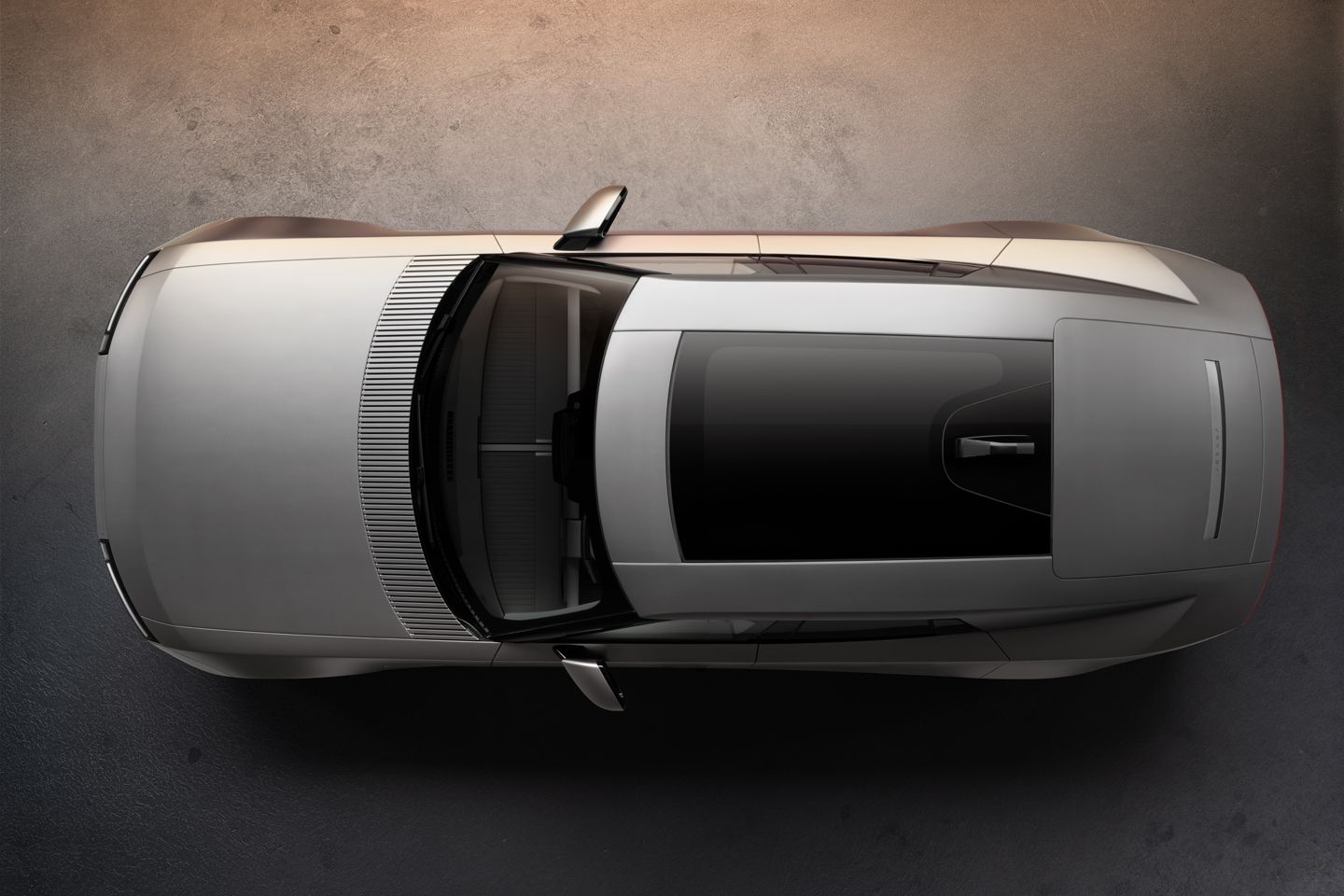


The overall shape is well balanced, but the windows look out of scale. Too small, as is the area that appears to be given over to the cockpit. The whole car seems as if a driver and passengers are an afterthought. Having a glass roof, but not a rear window seems odd.
It’s rather more appealing than I expected. Let’s see if enough people part with cash for it.
 king horrible. I suppose I’d better qualify that in the usual PH manner- to these eyes, imho.
Now that boot opening, that looks a proper pain in the arse.
Gassing Station | General Gassing | Top of Page | What's New | My Stuff