
2026 Porsche Cayenne Electric | UK Review
The least powerful EVs tend to be the nicest - does the same ring true for the Cayenne Electric?
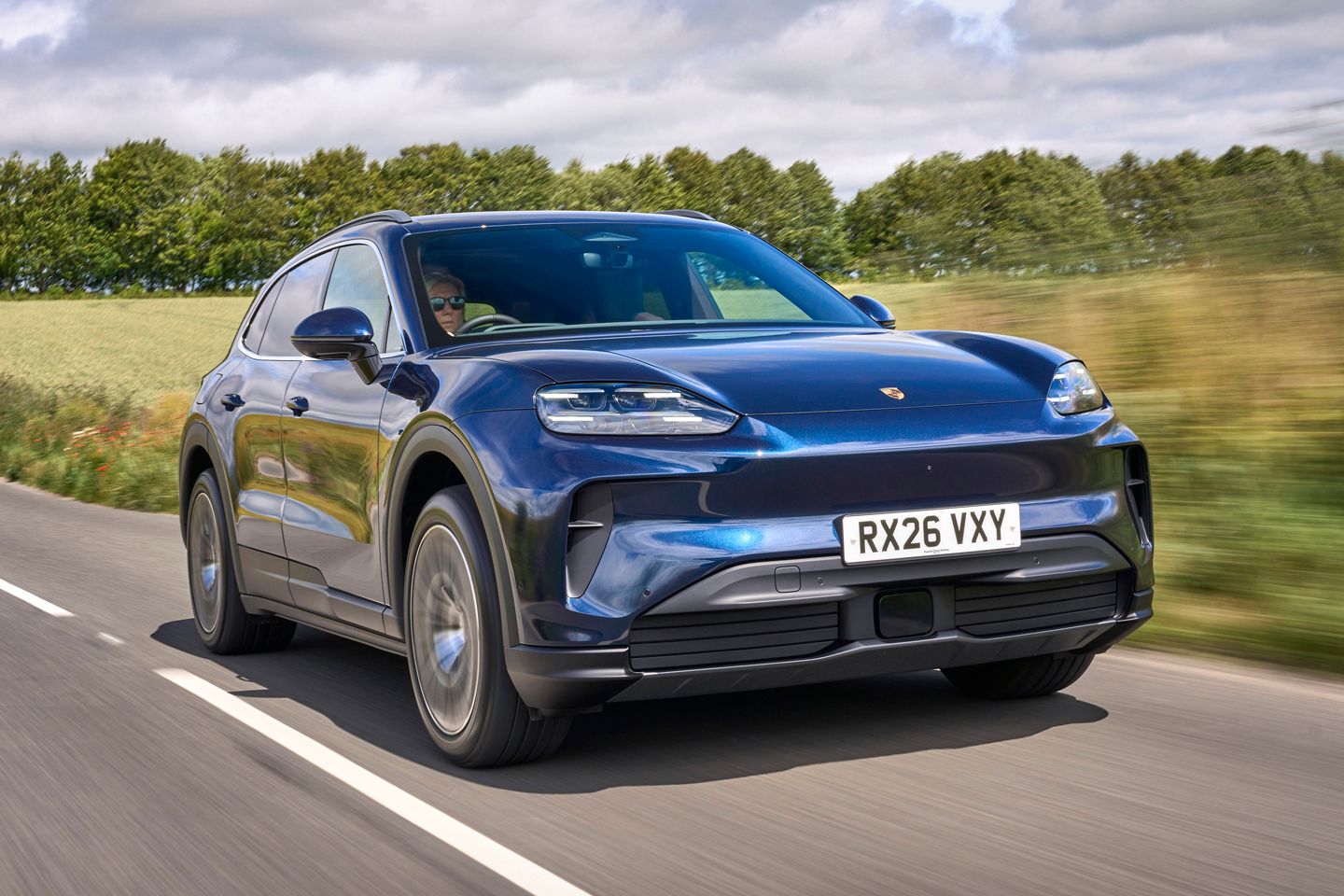
There are a few guarantees with any EV. The current WLTP test means you’ll never meet the homologated range and efficiency figures; the max DC charging rate will turn up as often as your takeaway comes early; and usually the best ones are the least powerful ones. There are some notable exceptions to that last rule, but more often than not the cheapest model in an exclusively battery-powered lineup - or ‘lead-in specification’ - tends to be preferable, offering up the best mix of performance, ride comfort and range. And maybe even a bit of fun if it’s single motor car with just one drive axle, rather than a dual motor arrangement. All while it retains the usual EV benefits of refinement and ease of use.
Certainly, the new Porsche Cayenne Electric appears to be the most interesting in its plainest form. Because this is the model, not the wild Turbo, that customers will be looking at when it comes to replacing their PHEV, given it costs barely any more than the current V6. The standout features, like the super-duper charging and interior architecture remain, and this is a family SUV that’ll beat both five seconds to 62mph and 140mph. All for more than £15k less than the next Cayenne up, meaning more money is available for that 911 project you really will finish this year. Entry-level Porsches haven’t always hit the spot, from V6 Panameras to four-cylinder Caymans, but might this actually be all the Cayenne that’s needed?
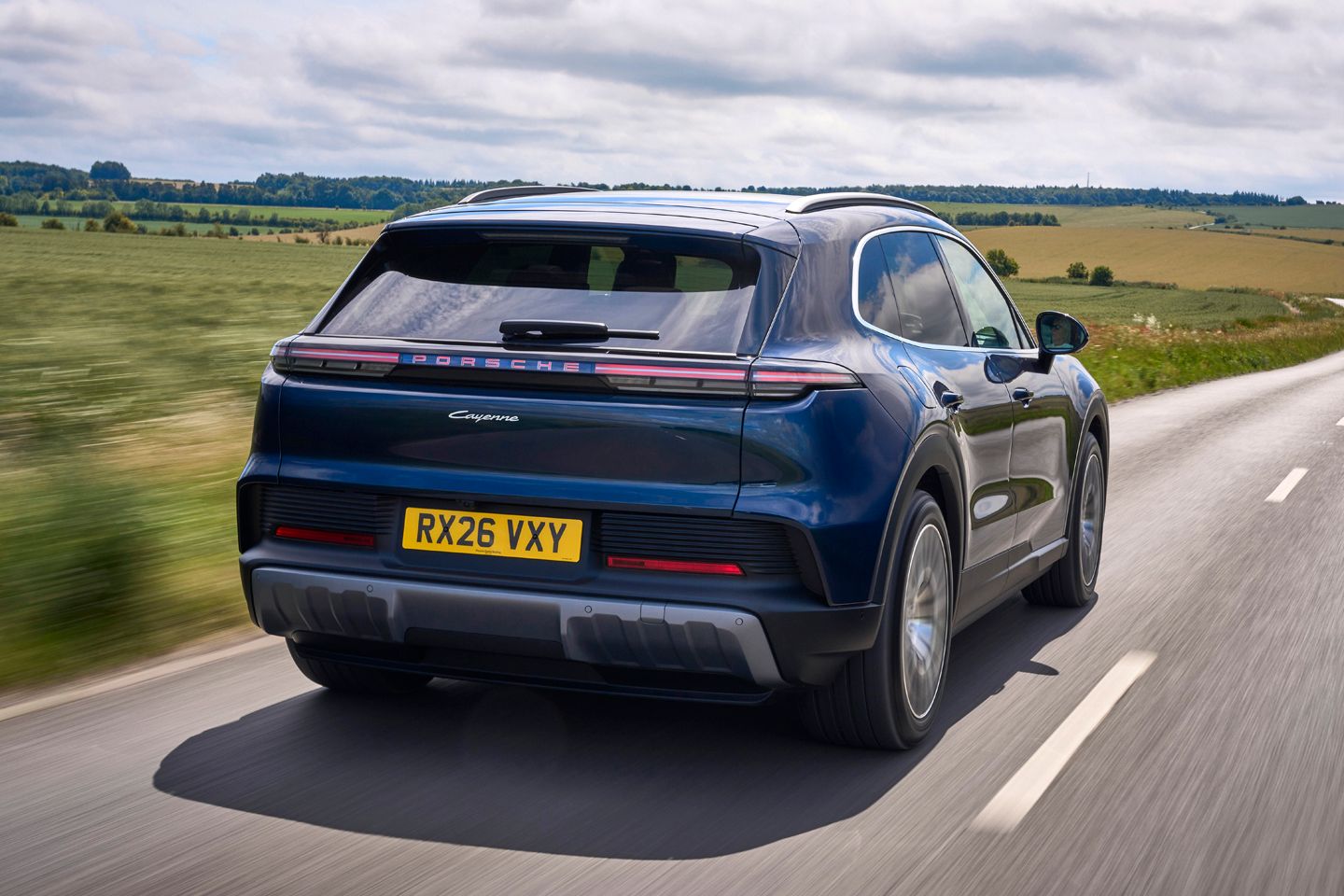
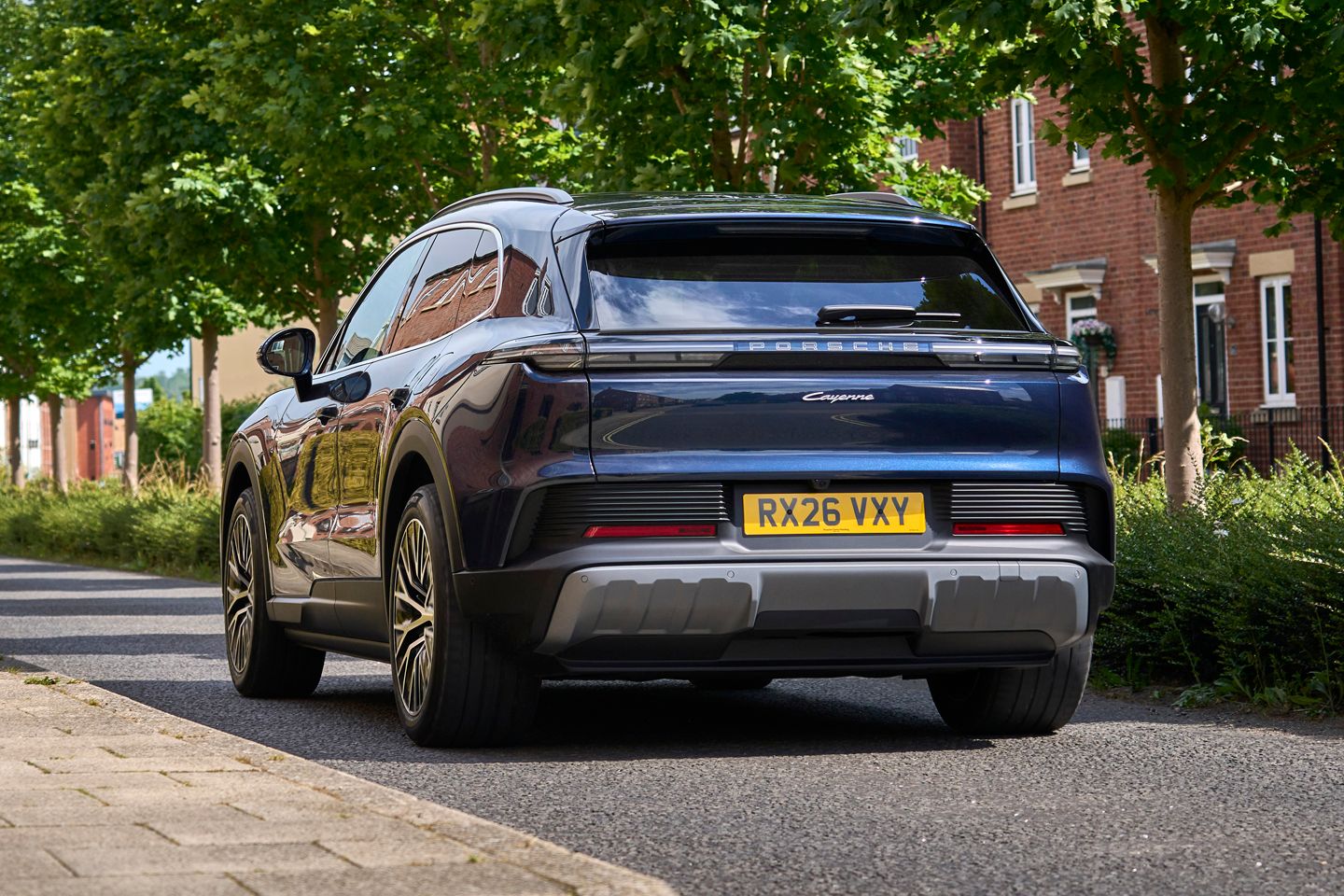
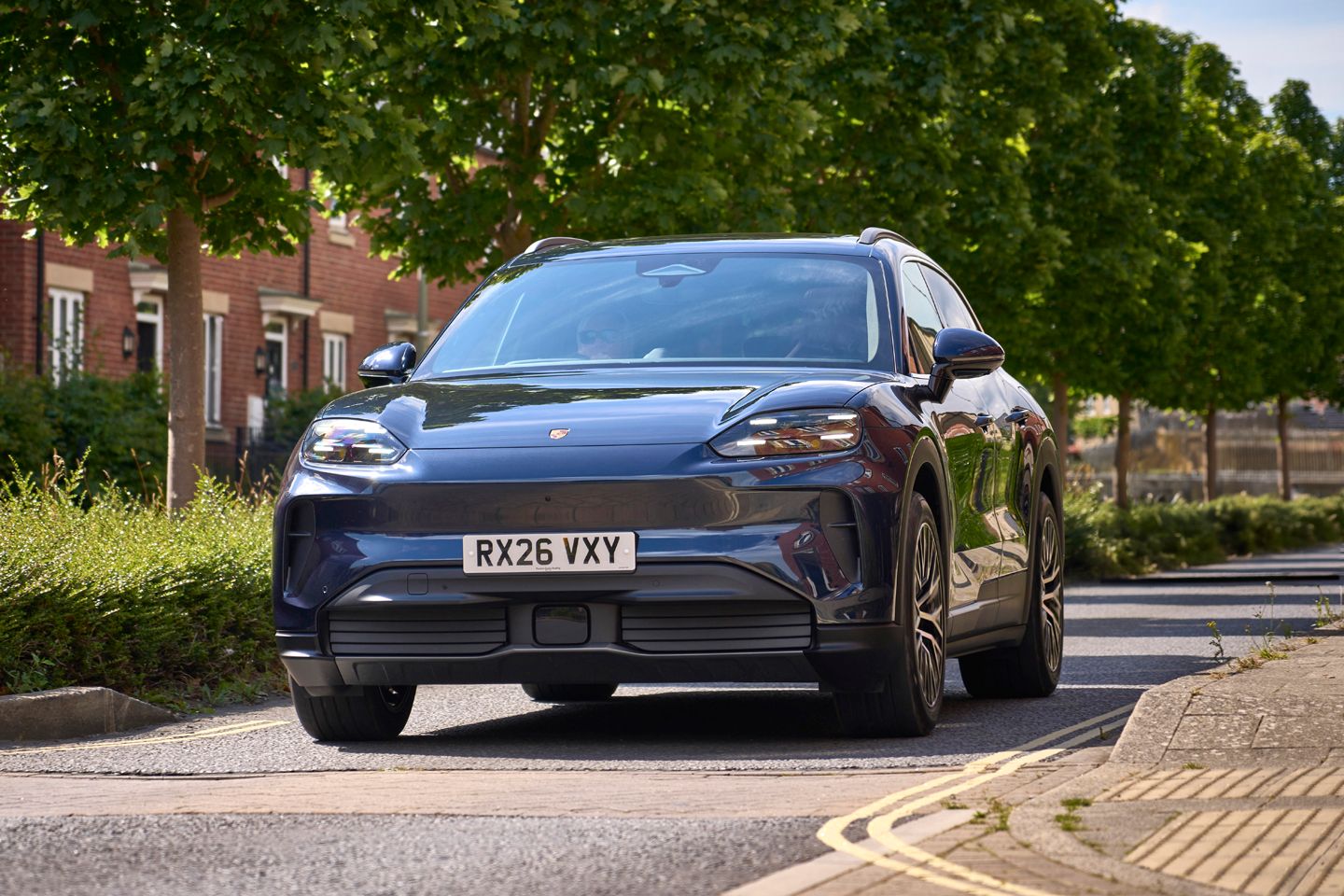
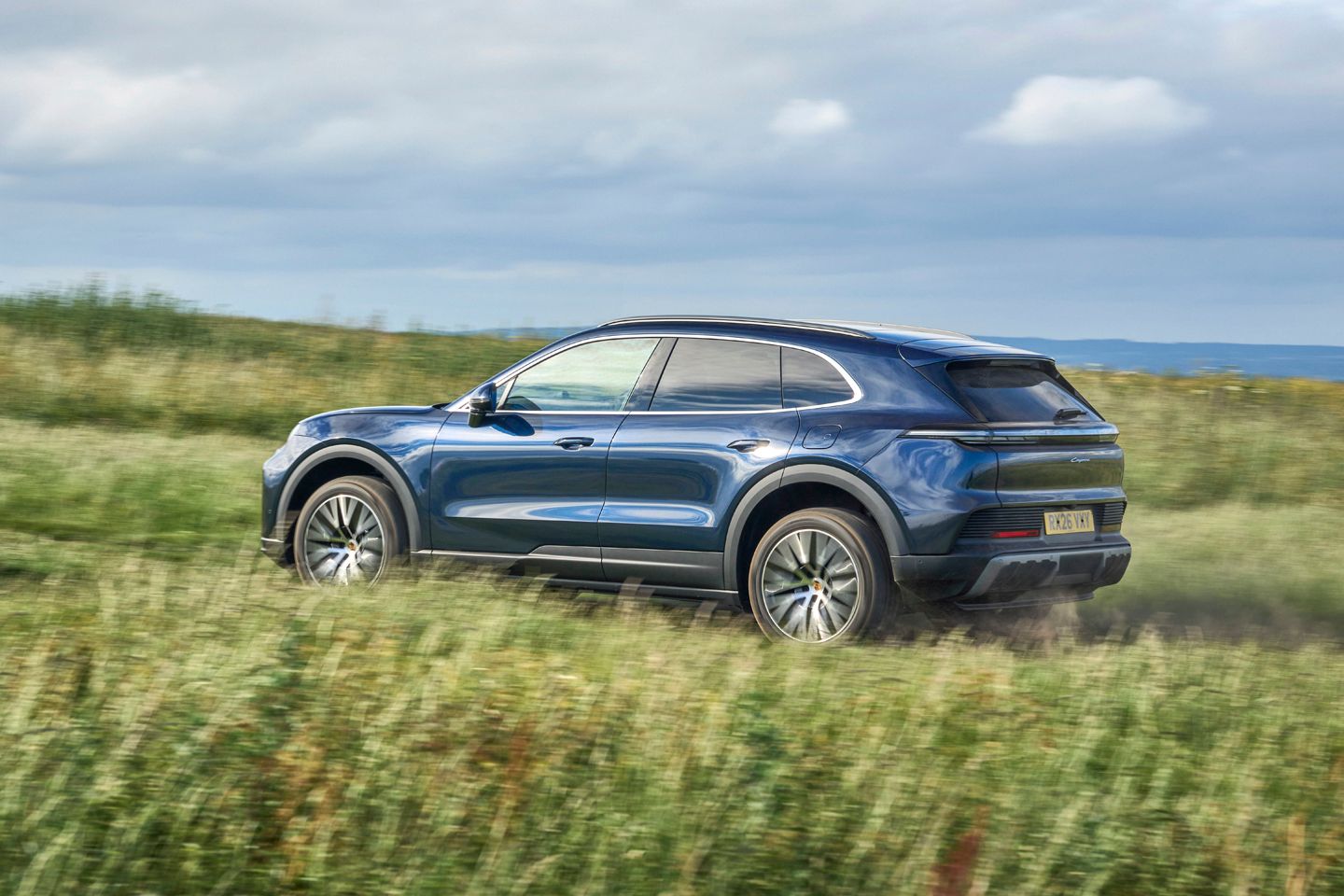
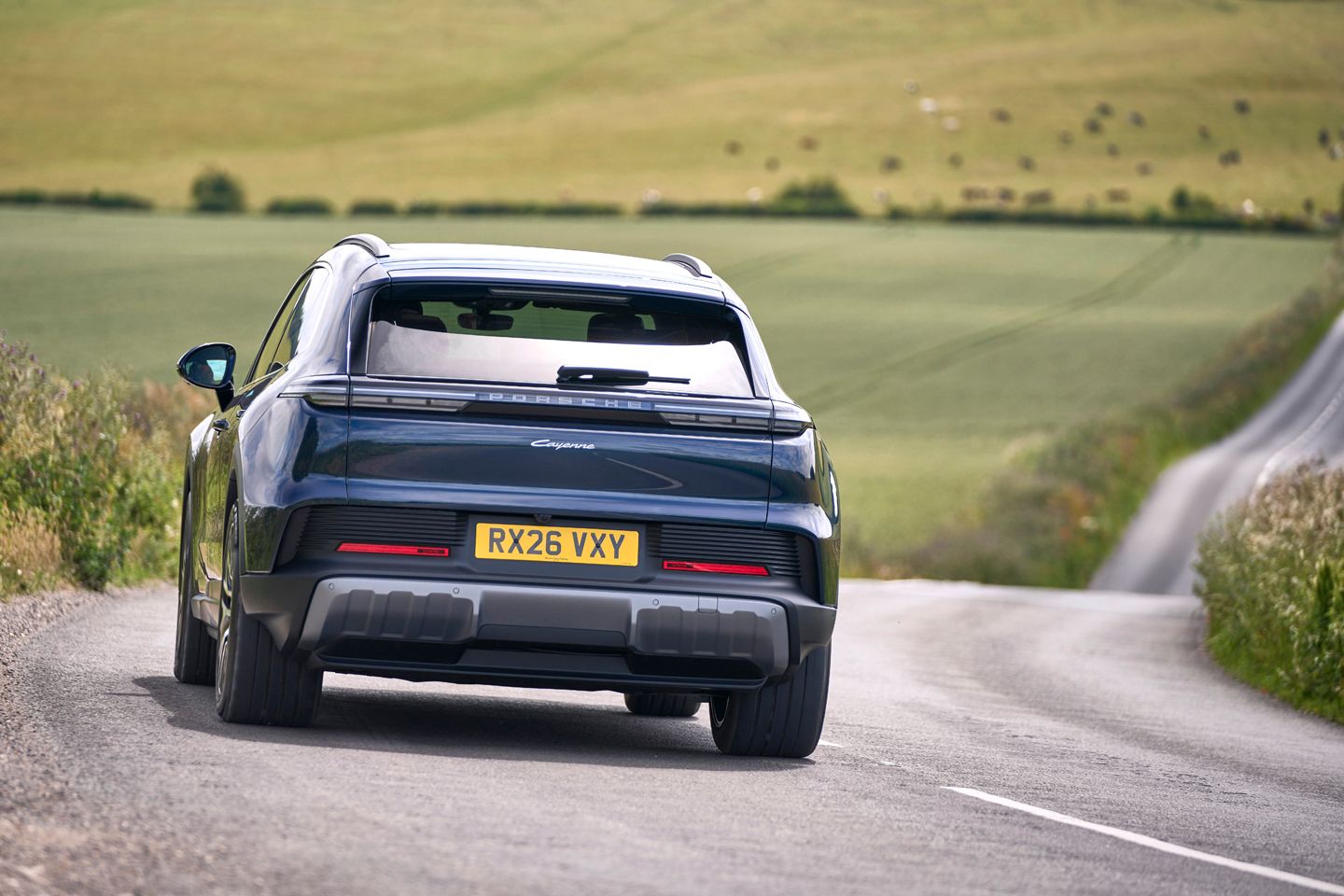
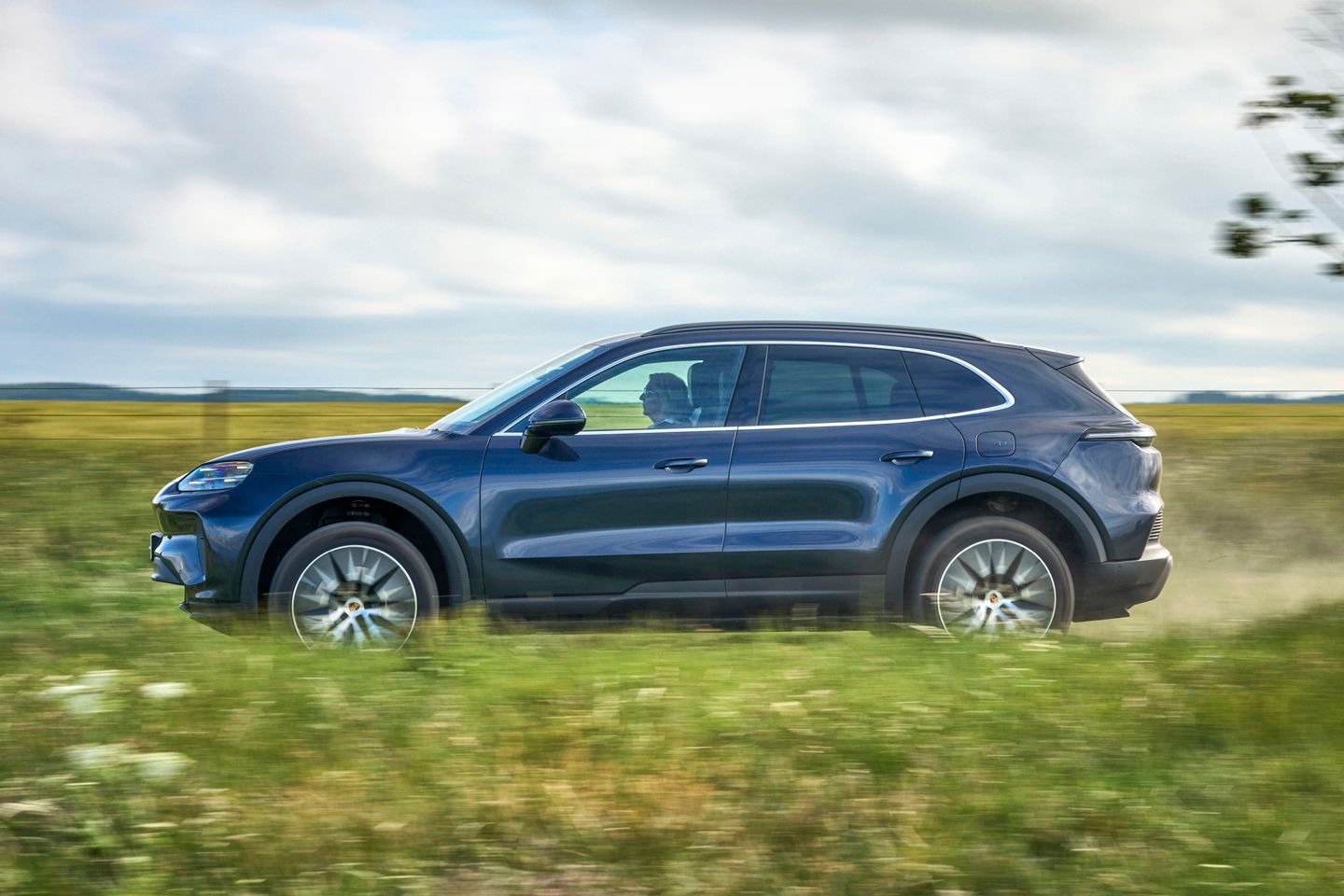
Commenting on how a Porsche SUV looks seems a bit redundant 25 years on. None of them has really been that beguiling to behold, yet here we are after a quarter of a century with bazillions of them having sold. This Electric sticks to the script, with familiar Porsche light signatures and design cues, but with mixed results overall. It looks a bit like a Ford Capri from the front, and is bulky even by the standards of XL SUVs. It isn't offensively ugly, though nor does it break new ground (in the way that the Taycan did for the fastbacks). By playing it safe, the Cayenne lacks a distinctive physical presence, which is not something typically associated with the nameplate. And the off-road package makes the Porsche look like it has a double chin. Maybe you do need a Turbo after all…
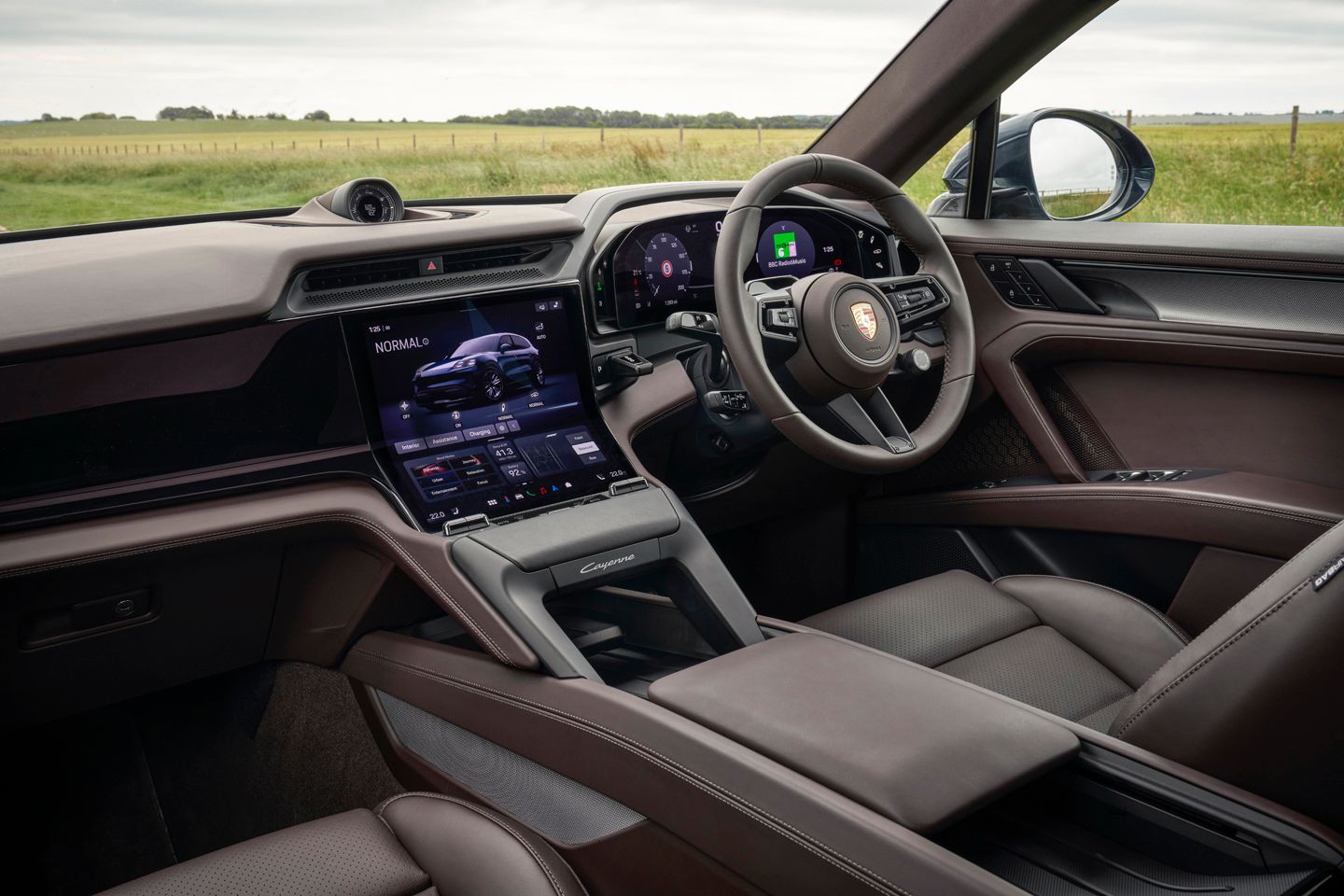
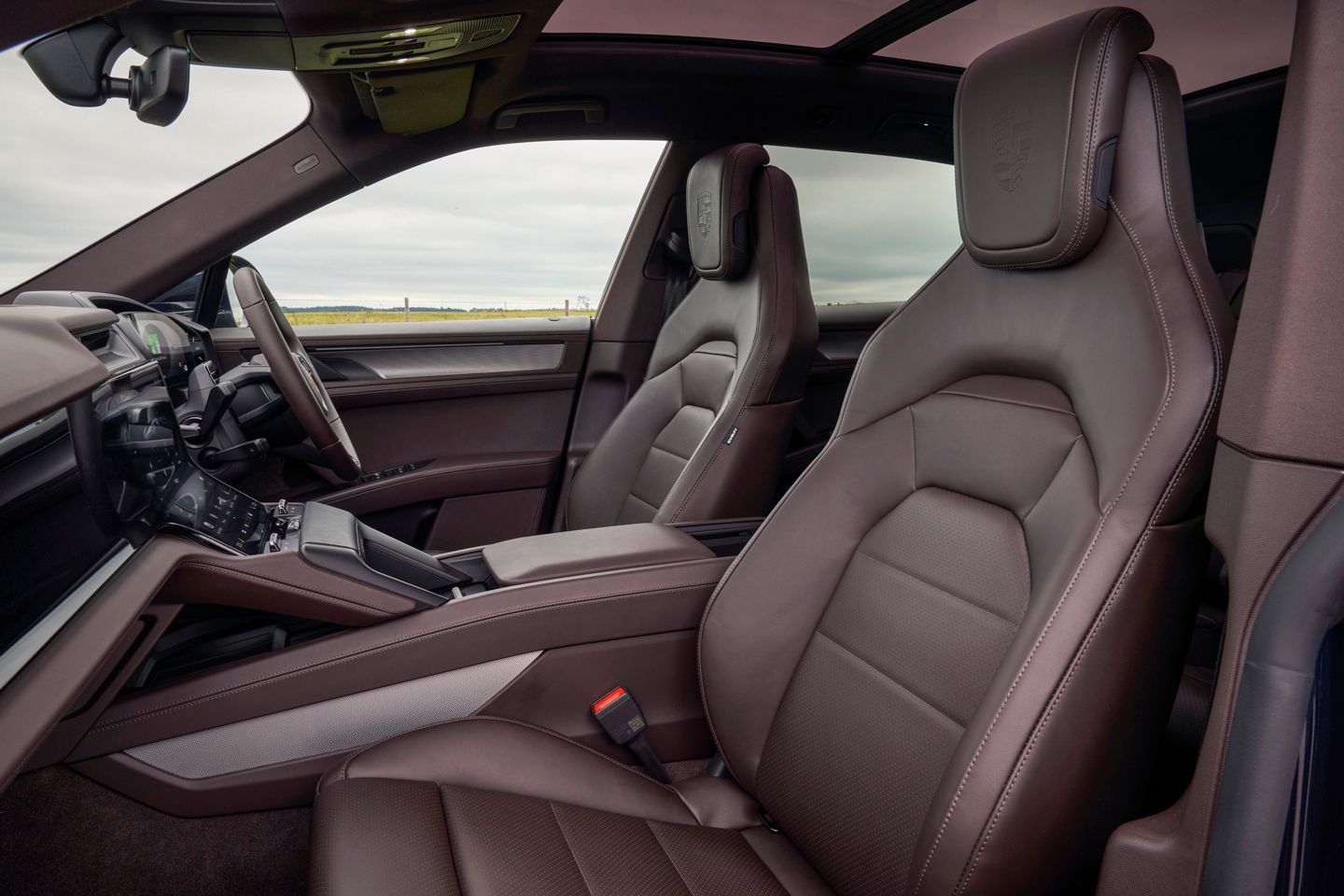
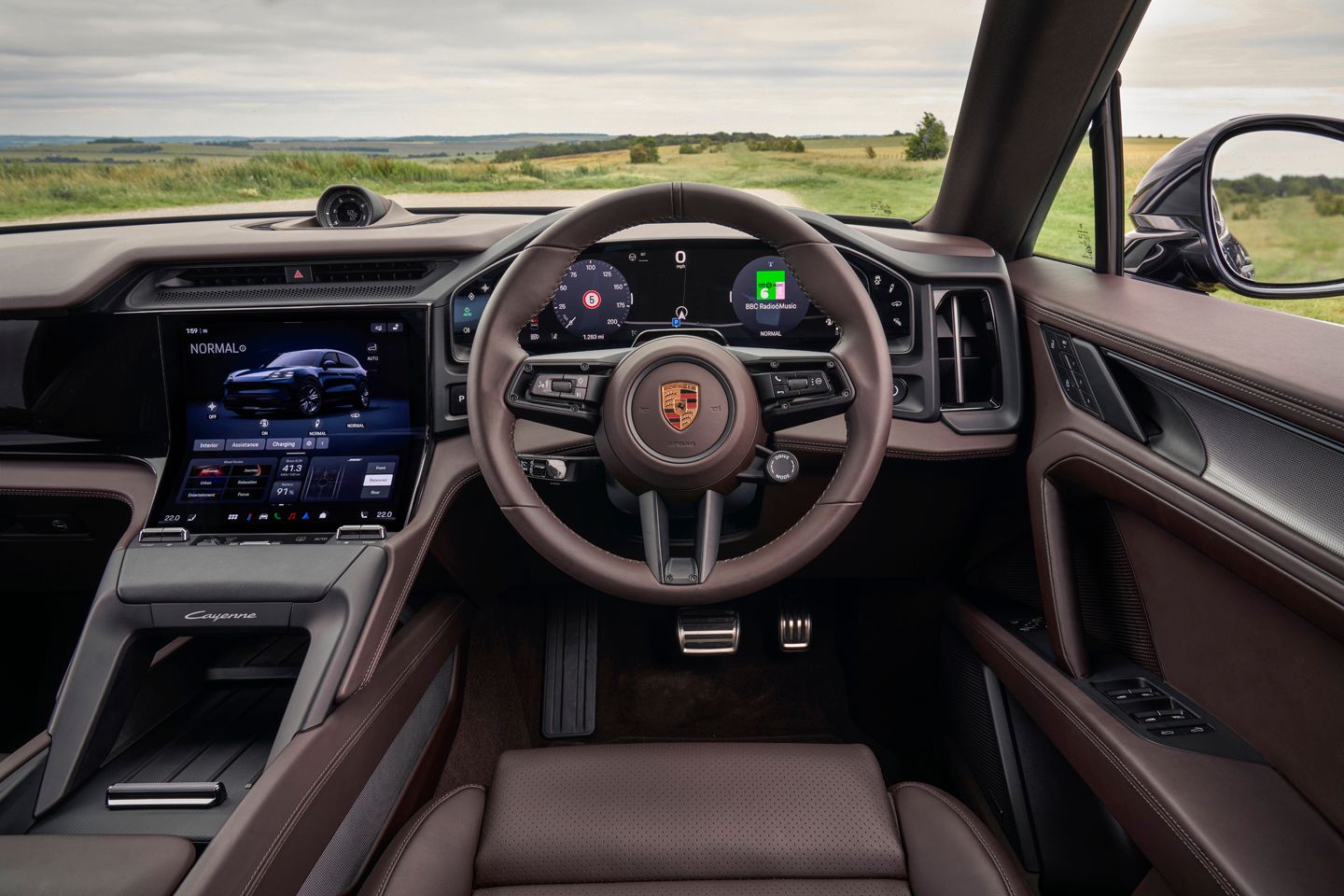
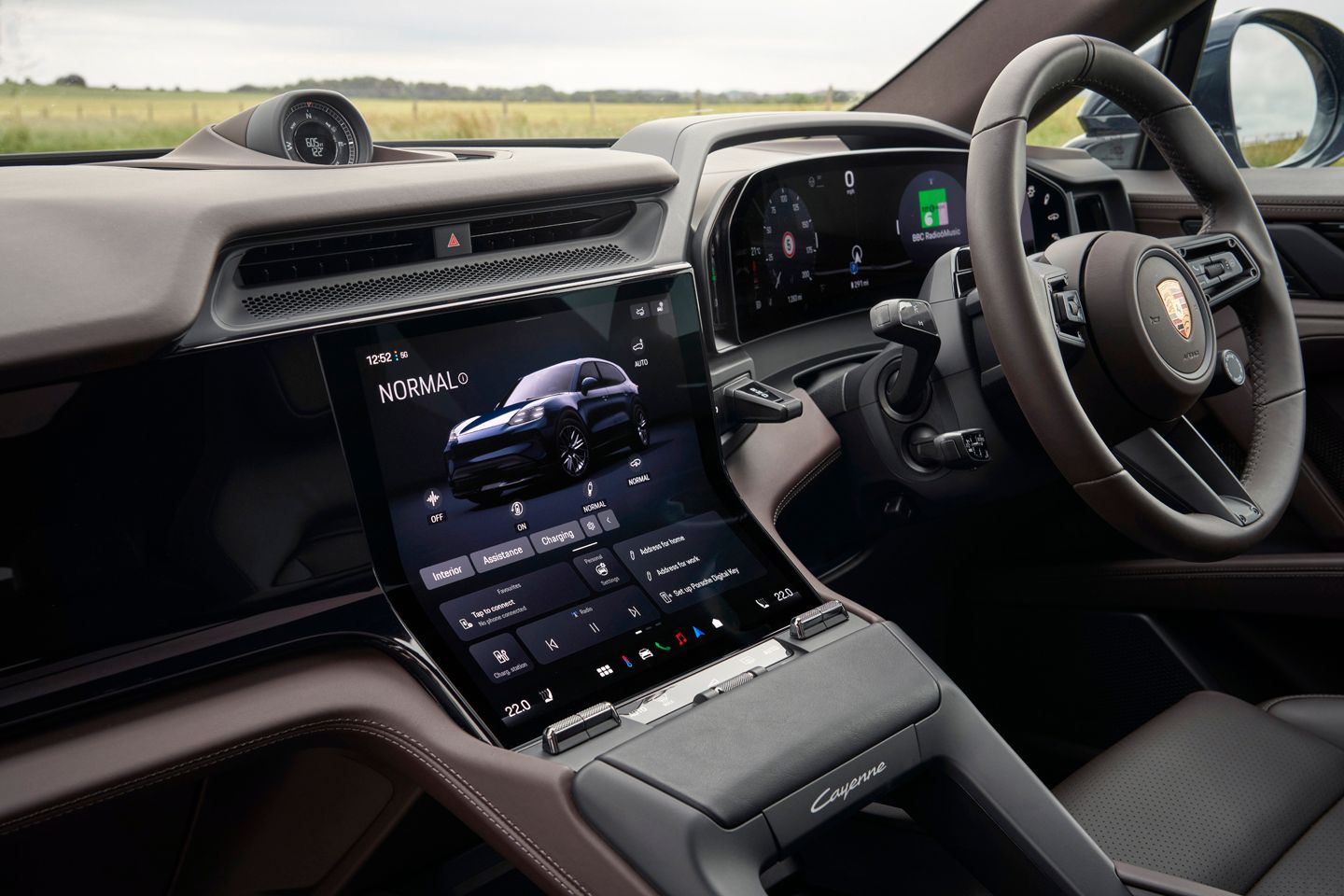
But without wishing to labour the point, odd looks never seemed to harm the Cayenne’s chances much. And inside is much more of a success: this is the interior of the future we were promised, with physical and digital controls almost perfectly incorporated. Here, at last, is a touchscreen that really feels like a phone in its responsiveness and clarity, with nice knurled controls for ventilation and a useful ledge for your hand. Driving characteristics are easily fiddled with on the screen or around the driver’s dials, from sound to stability control, and the Porsche calling cards - a great driving position and a good view out - are present and correct. It’s a new kind of Porsche, yet one that feels immediately identifiable as a Porsche, and that’s meant very much as a good thing.
If there is a nagging doubt, it is around cabin quality. By the very high standards to which Porsche is held, nothing quite felt as nice as it used to, from door handles to stowage lids. There was a bit more wear evident than might be expected on seat bolsters for a few thousand miles, too. It’s nicer than a similarly expensive Kia EV9 GT, though there’s a healthy options spend here; more relevantly, a Macan GTS V6 on test at around the same time felt more expensively assembled.
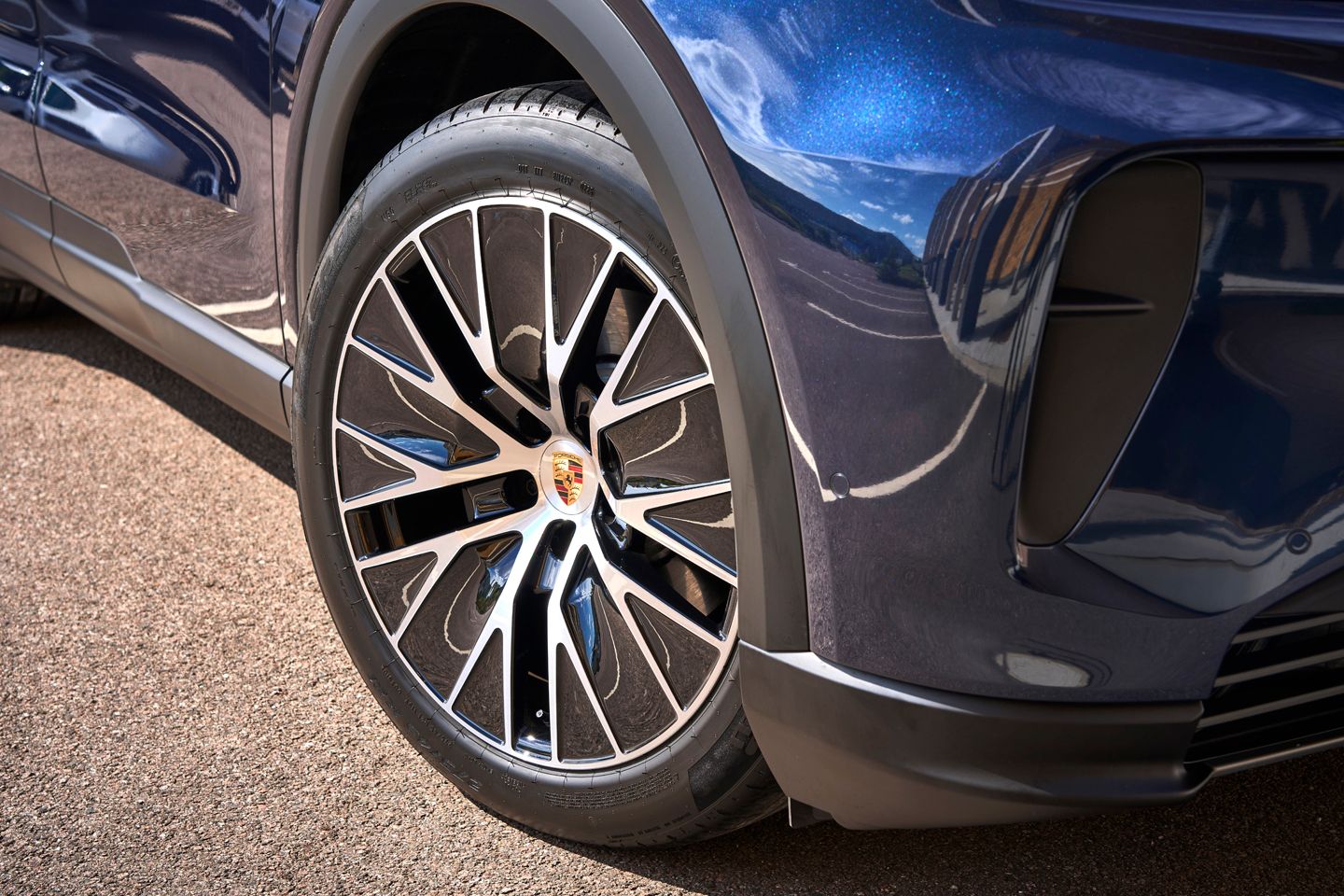
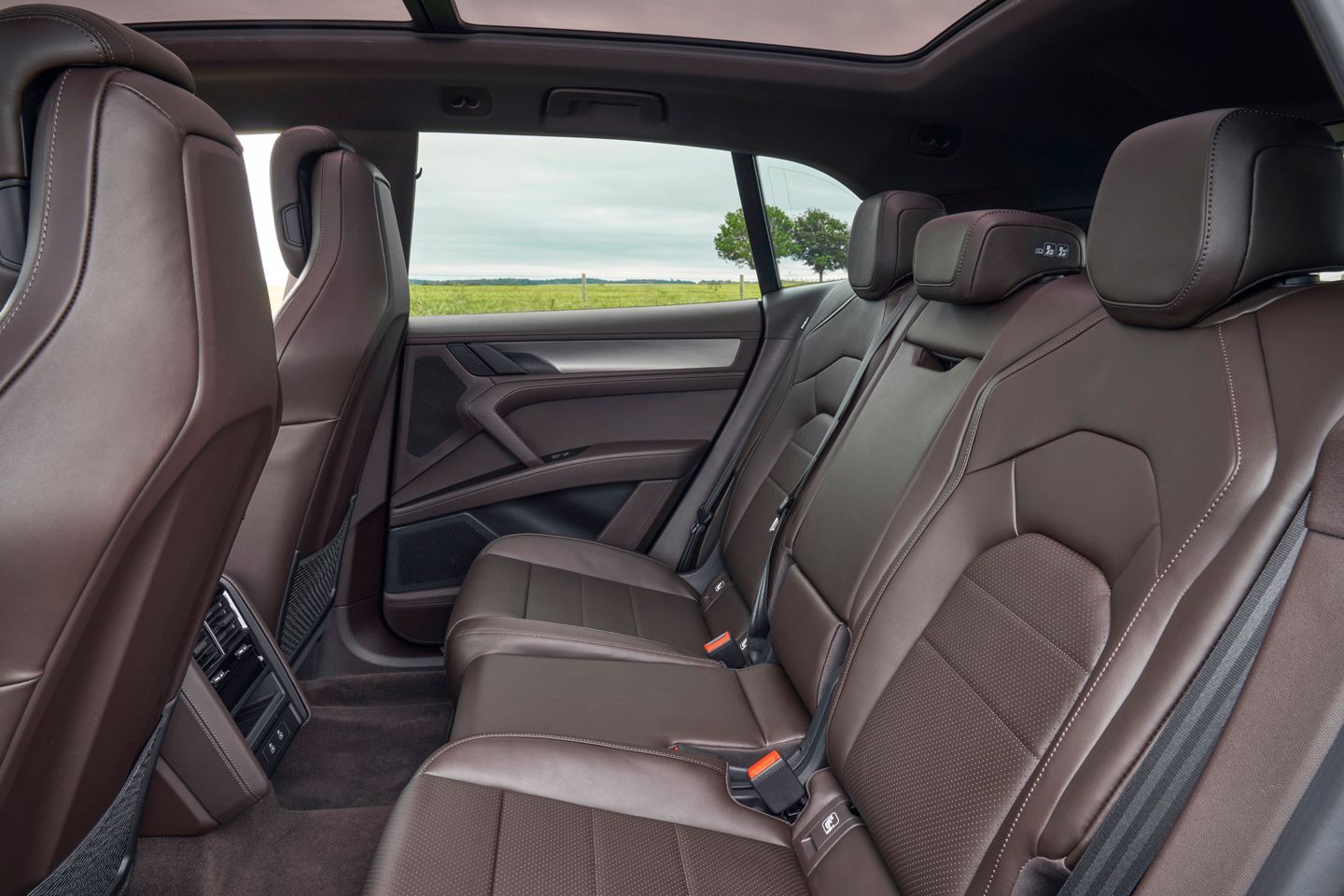
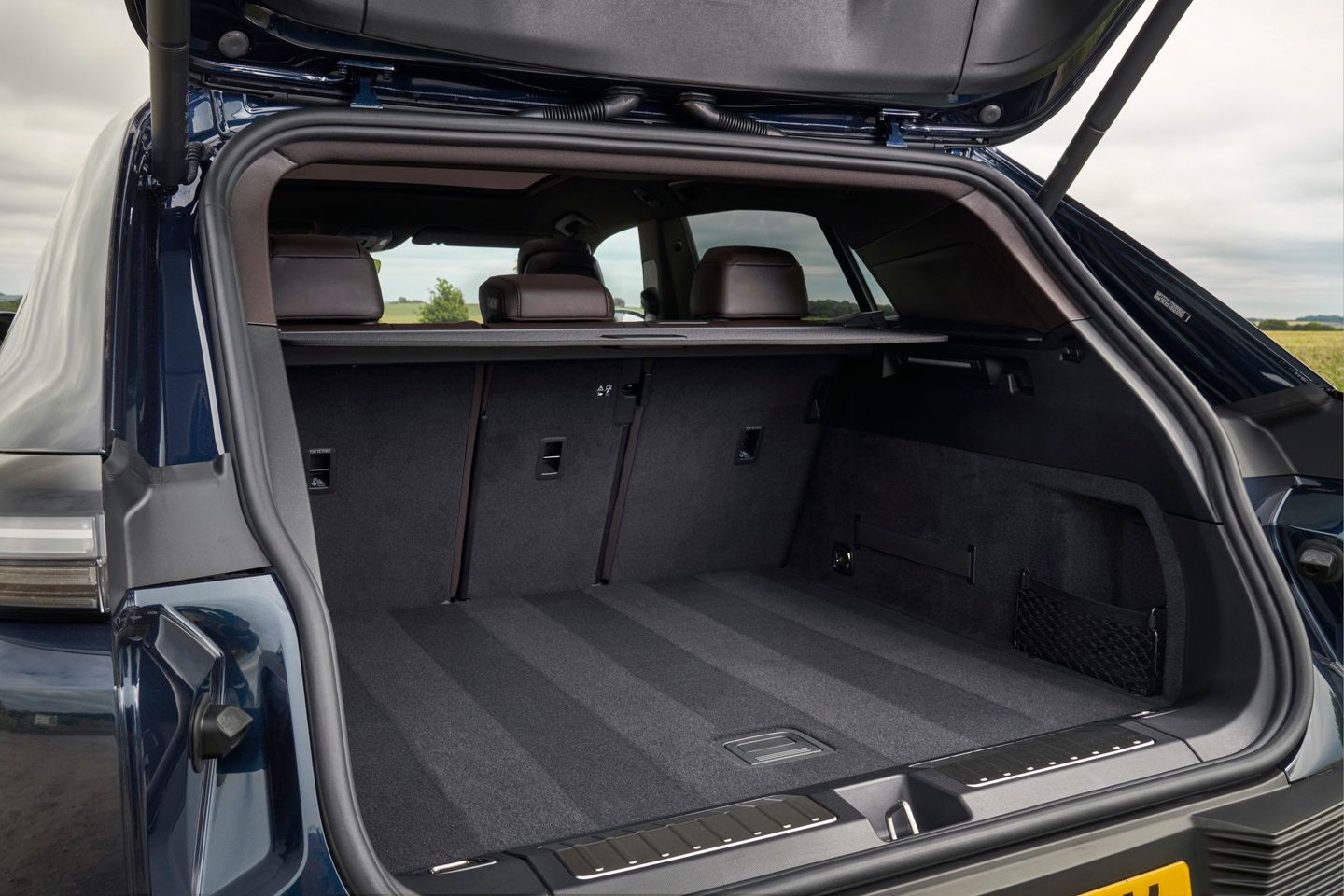
Even allowing for electrification that makes everything easier, the Cayenne is a cinch to drive slowly for such a chunky SUV. The view out with the humped front wings makes it easy to place, the four-wheel steer works as seamlessly here as in any other Porsche, and throttle response is as well judged as we’ve come to expect. With a good amount of space in the second row as well, it’s got the school run SUV job licked. Maybe if we're nit-picking again, the ride on the optional 21s - an inch up on standard - is a mite tough at commuting speed.
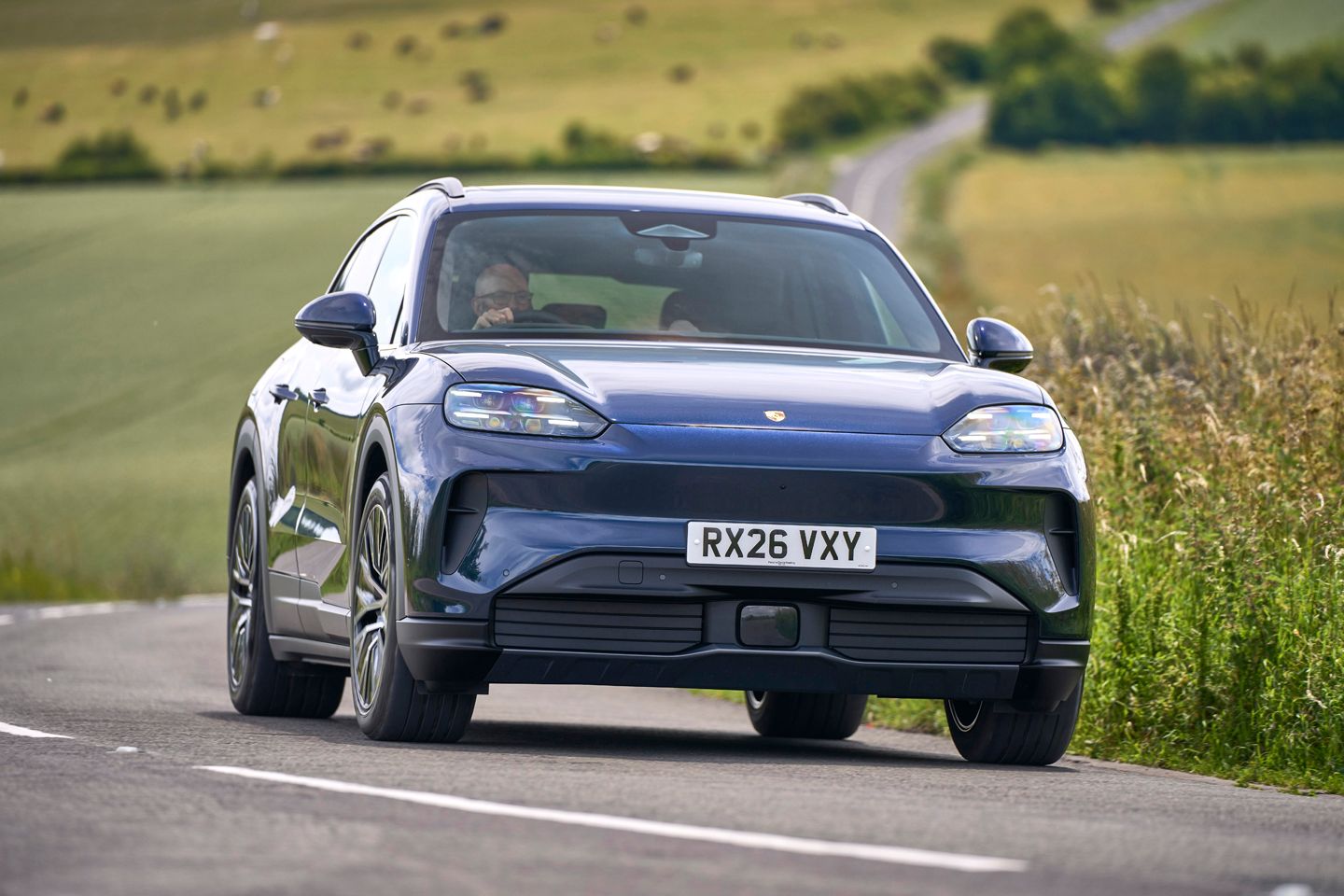
Most of our miles were on the M40, where the Cayenne excels. Chiefly by feeling like a Cayenne always has: commanding, comfortable, cosseting. Ski trips, booze cruises and destination weddings will pose no problem at all. Even at very un-EV-friendly M40 cruising speeds (it must be like Midnight Club when the sun goes down), efficiency only just dipped below 3mi/kWh; introducing some traffic and it’s back up. A usable battery capacity of more than 100kWh means more than 300 miles of cruising. Back when the Taycan was launched at the start of the decade (admittedly with a smaller battery) 200 miles was the typical guarantee, usually with a bonus handful on top. So progress is being made. With use more suited to battery-powered buses, a range figure around the claimed 378 sounds very doable. Which is probably an improvement on some combustion Cayennes.
The Cayenne is hardly alone, however, in offering up plush motorway manners and reasonable range with a big battery. What marks it out, for want of a better phrase, is the Porsche-ness, the way it makes covering distance of any kind such a pleasure. The control weights are bob on, so you can have complete confidence from the off, and pushing harder - even if it is just an ambitious slip road approach - only shows the car off better. There’s always grip, traction, control and compliance to spare, which makes it all too easy to explore. Brake a bit harder, turn a bit more urgently, chase the throttle sooner, and the Porsche really feels at its best. That the oversteering, paddle-shifting hi-jinks of an EV9 GT aren’t missed points to just how satisfying the Cayenne is to guide along. The weight distribution of EVs obviously helps with the handling balance, but the Porsche really is a cut above, as keen to corner as it is while away the miles. Maybe the option of a little more regen would be nice. But you'll struggle to find much else to complain about.
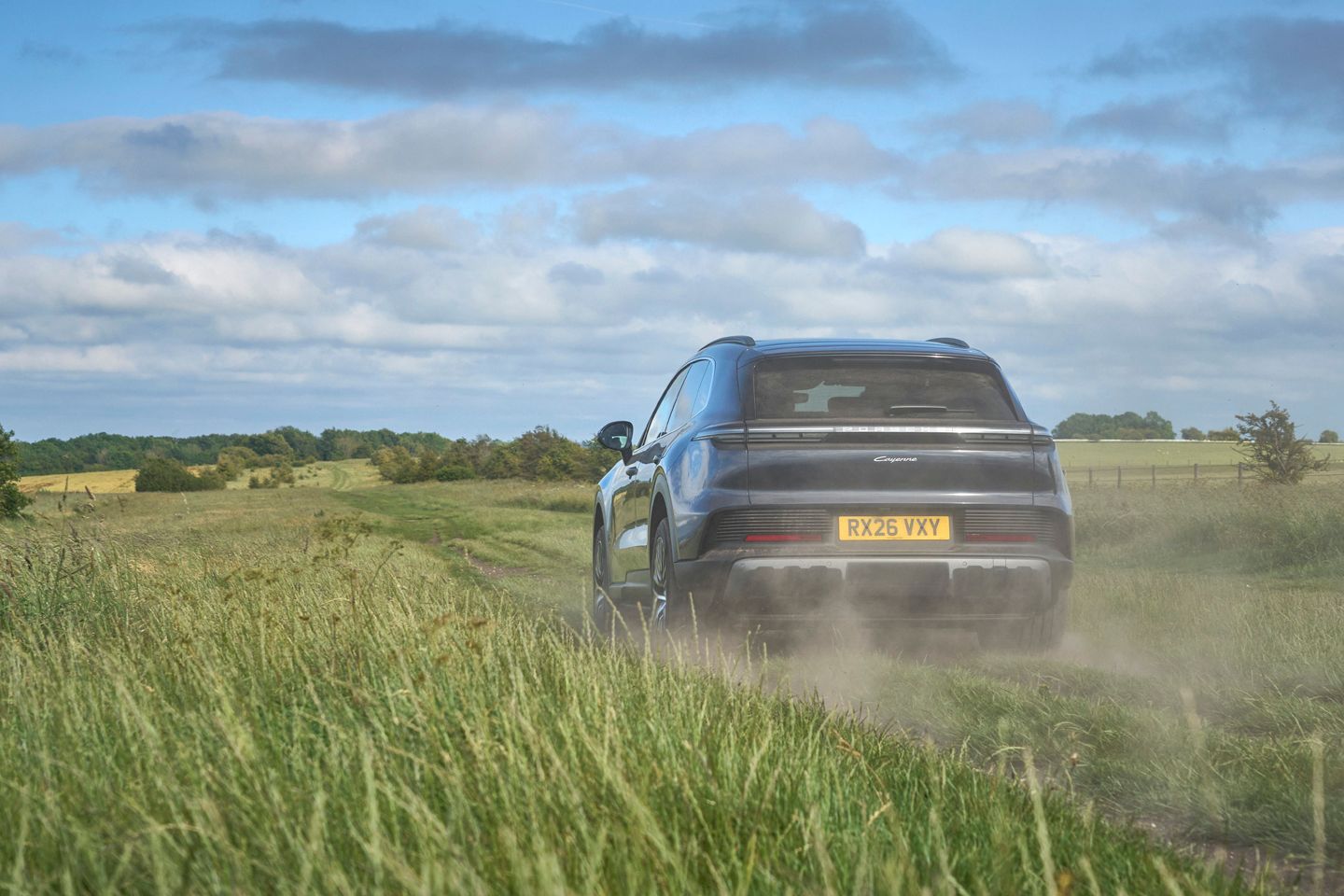
Probably that’s the greatest accomplishment of this regular Cayenne (if hardly an unpredictable one based on the running EV theme): it feels sufficiently complete that you don’t want for any more. Certainly in a way that was entirely beyond the V6, which (shock) couldn't hold a candle to the eight cylinders available further up the range. And all this without showing off charging capabilities or carrying a big load or venturing off the beaten track. Those coming from a Cayenne of any vintage will feel right at home, too, which sounds a lot like mission accomplished - right down to charging for extras that really should be included on a family-focused SUV. Obviously that won't convince anyone still clinging onto a V8, but for those after another crushingly complete Porsche EV - and one of the best battery SUVs out there - look no further.
SPECIFICATION | 2026 PORSCHE CAYENNE ELECTRIC
Engine: Twin permanent magnet synchronous electric motors
Transmission: Single-speed, all-wheel drive
Power (hp): 442 (with launch control, otherwise 408)
Torque (lb ft): 616 (with launch control)
0-62mph: 4.8 secs
Top speed: 143mph
Weight: 2,525kg (DIN)
Battery: 800V lithium-ion, 108kWh (useable) capacity
Efficiency/range: 3.0miles/kWh, 378 miles
Max DC charging: 390kW; 10-80% charge in 16mins
Price: £83,200 (price as standard; price as tested £104,389.99 comprised of Algarve Blue Metallic for £1,507, 21-inch Cayenne Turbo Sport Aero Wheel for £2,182, Club leather interior Espresso for £3,780, Comfort seats in front (14-way, electric) with memory package for £1,015, Surface heating including seat heating (front and rear) for £763, ISOFIX/I-Size mounting points on front passenger seat for £49, Offroad Package (Offroad lower front apron in Black (matt) with inlay painted in Vesuvius Grey, Wheel arch covers and side skirts in Black (matt), Offroad lower rear apron in Black (matt) with diffuser painted in Vesuvius Grey, Roof rails painted in Vesuvius Grey) for £2,036, Sliding panoramic roof for £1,468, Electrically extending towbar system for £1,041, HD-Matrix LED headlights for £1,842, Privacy glass for £423, Porsche Crest on headrests front seats for £243. GT Sports steering wheel in leather including steering wheel heating and Mode-Switch for £224, Rear-Axle Steering for £1,389, Sport Chrono Package and compass display on the dashboard for £699, Porsche Electric Sport Sound for £408, Drive Assist for £953, BOSE® Surround Sound System for £1,103, First Registration Fee and VED £65.)


 .
.My cheapo MG's steering wheel gets nice and warm and I definitely didn't pay anything extra for the privilege.
Would love the electric one but it won't fit in the bloody garage.
I stand to be corrected but it’s just another cosmetic doodah rather than anything mechanically meaningful to help yummy mummy’s negotiate high kerbs outside Peregrines boarding school.
I’m a Porsche fan (albeit of the 911) but it never ceases to amaze me how OPCs lift the customers leg with ‘extras’ that sir must have for when it comes to selling it back to them in the future..
Edit: the rear valance/diffuser looks incredibly cheap, I doubt Porsche would've signed that off on previous-gen models.
Heated seats seem almost a necessity on an EV as they can warm you up without sacrificing range, so that you can get the options on the base spec car is a sensible decision by Porsche even if some things that you think should be standard on an £80k car aren’t.
Gassing Station | General Gassing | Top of Page | What's New | My Stuff