
2027 Polestar 4 SUV Dual Motor | PH Review
More space, sharper handling and an actual rear window - is Polestar's new 544hp SUV a proper iX3 rival?
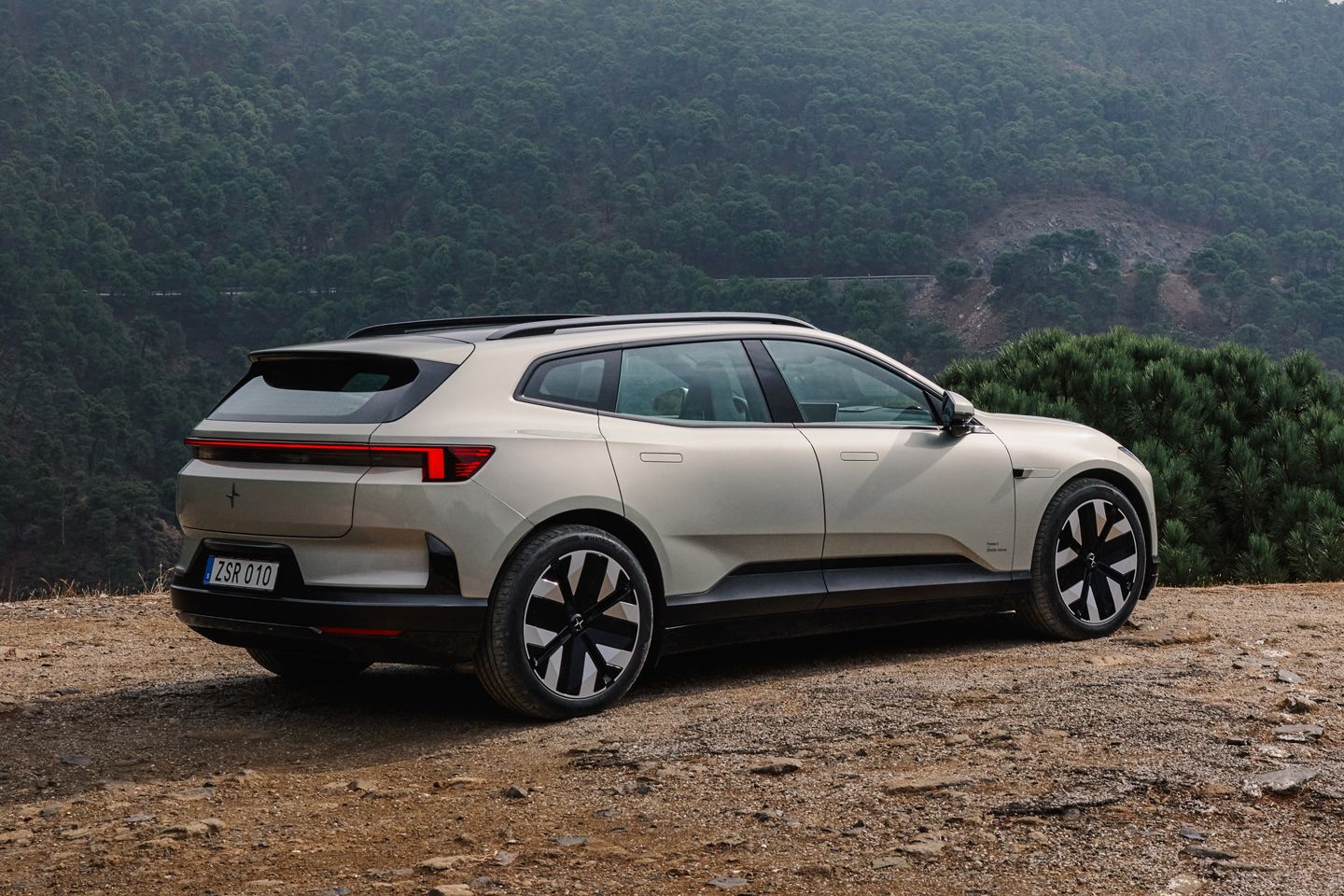
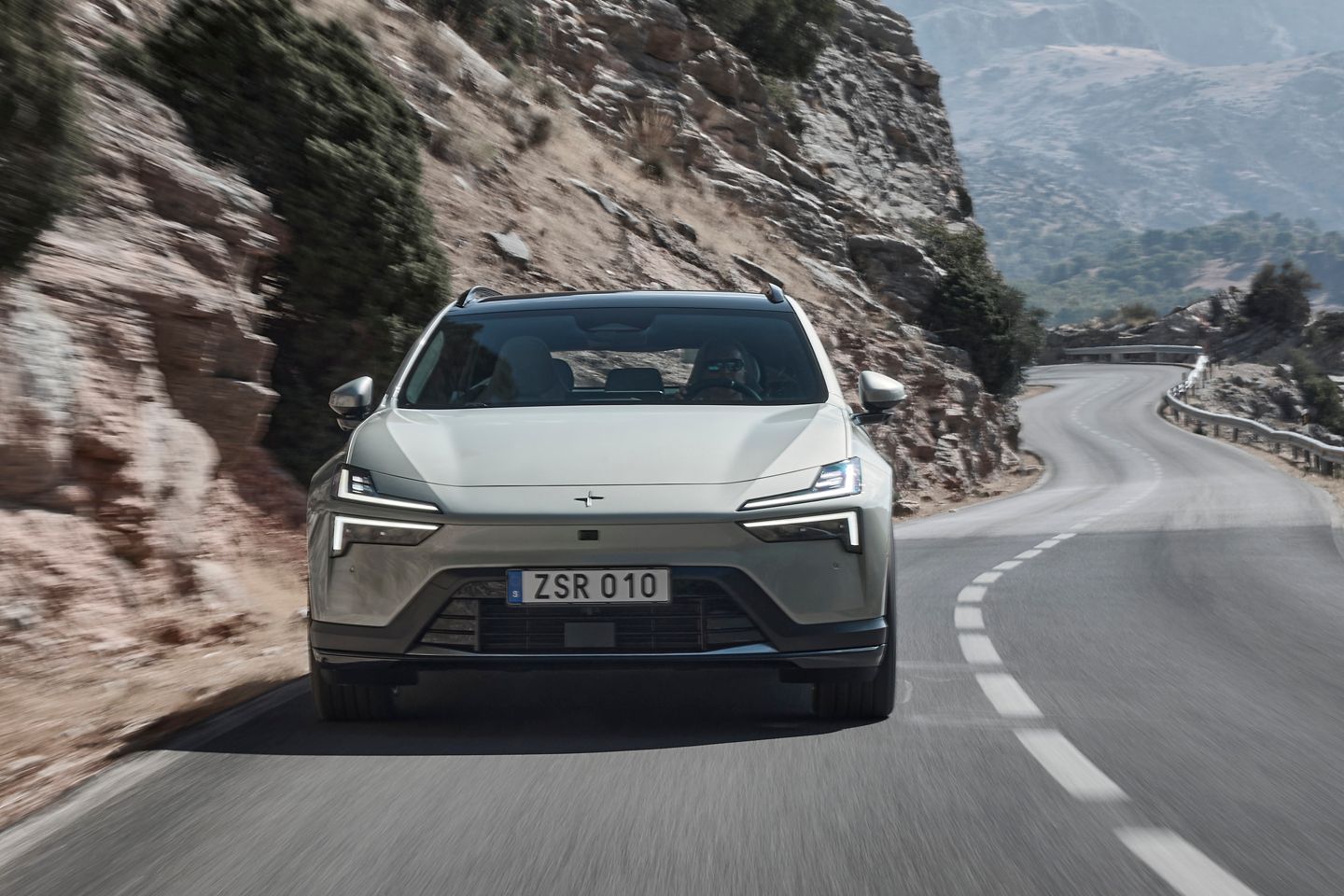
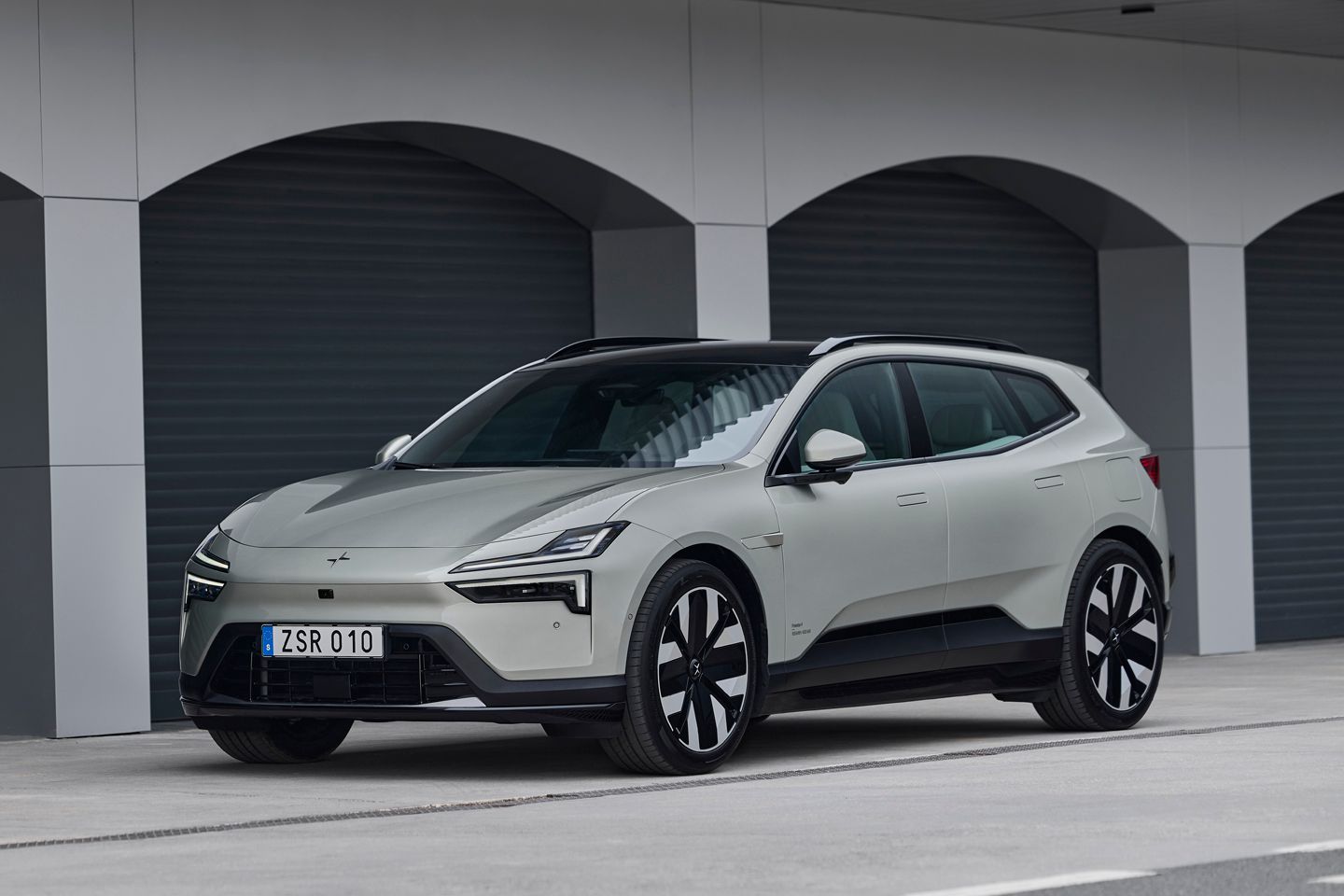
Polestar could very well be the Saab of the modern era. Not just because it’s Swedish (despite being Chinese-owned, it is still very much a Scandi firm), but because it produces handsome and understated performance cars that people who wear scarves year-round can appreciate. And while the new 4 SUV strays away from the formula slightly by trading its swooping roofline for something more mainstream, it does so while still managing to overdeliver in a very Saab-like way. In some ways, the newcomer ought to be considered the BMW iX3’s biggest threat.
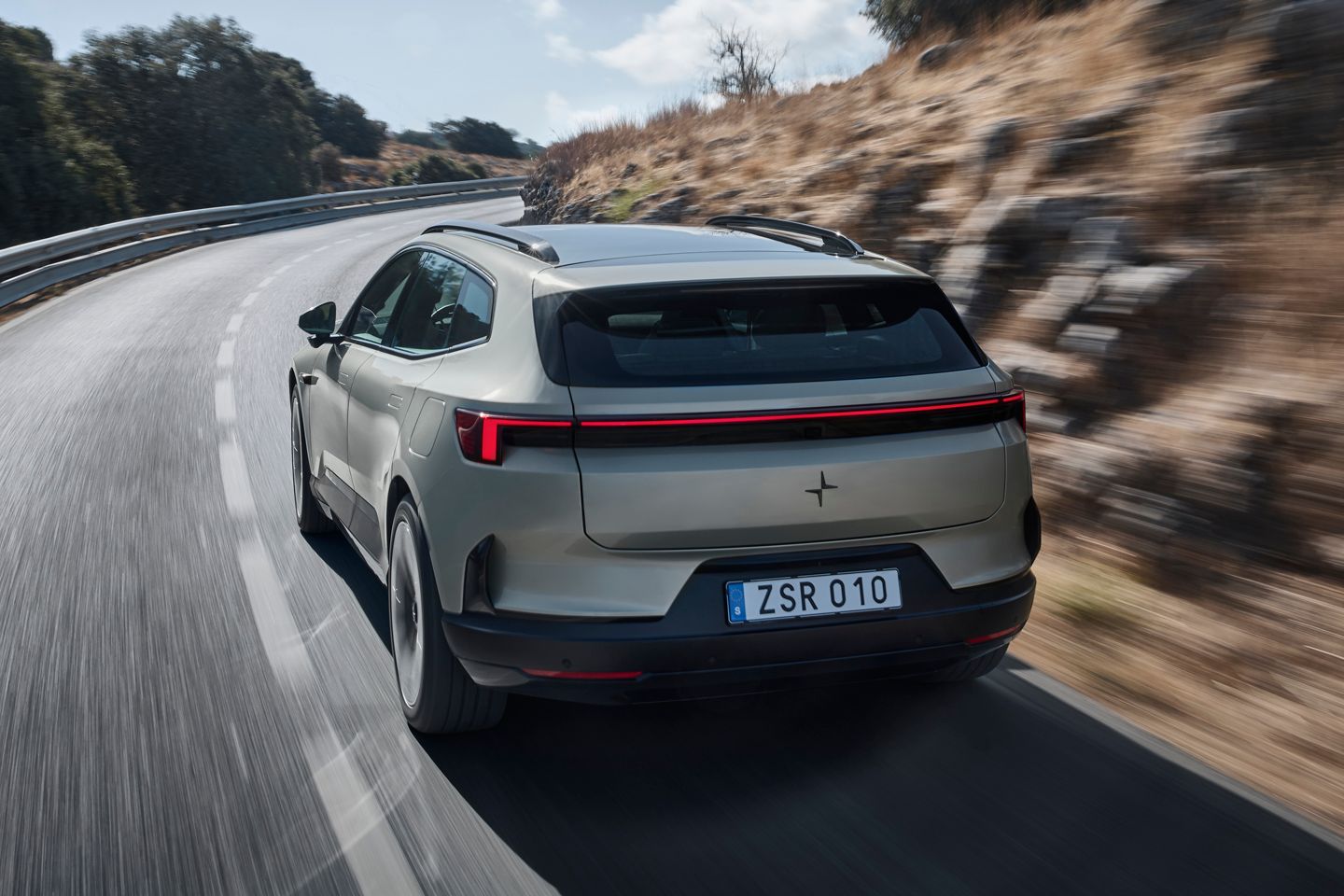
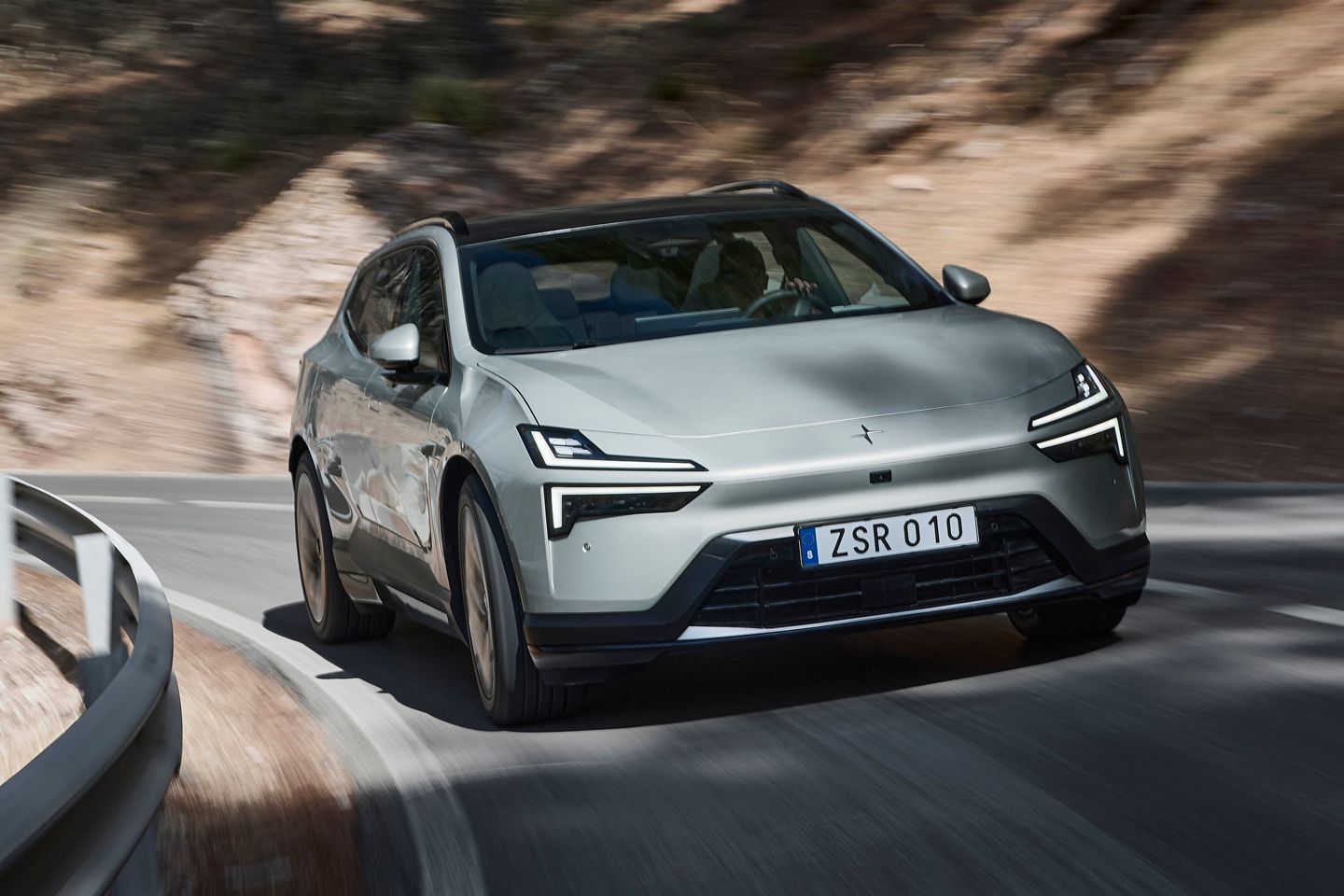
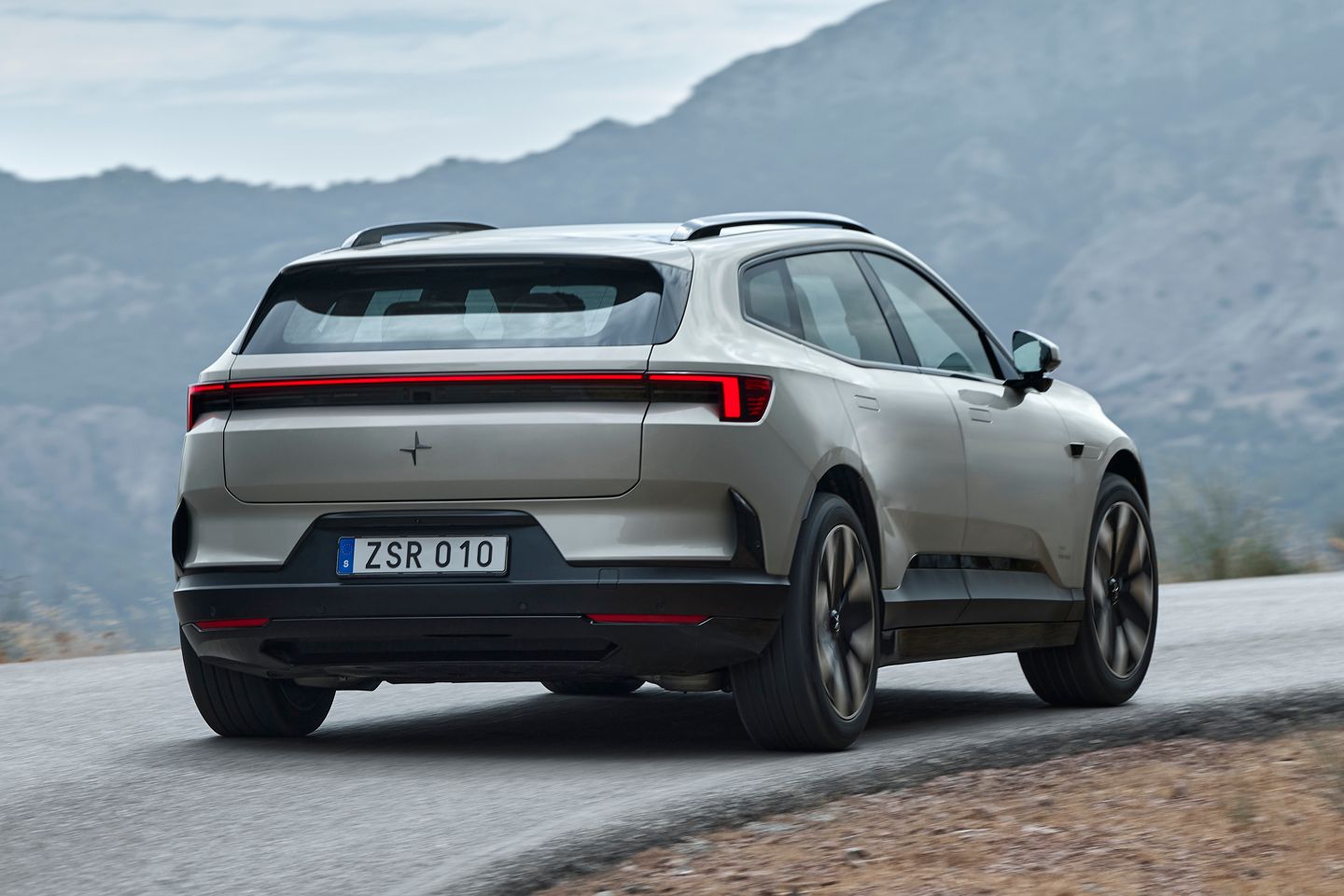
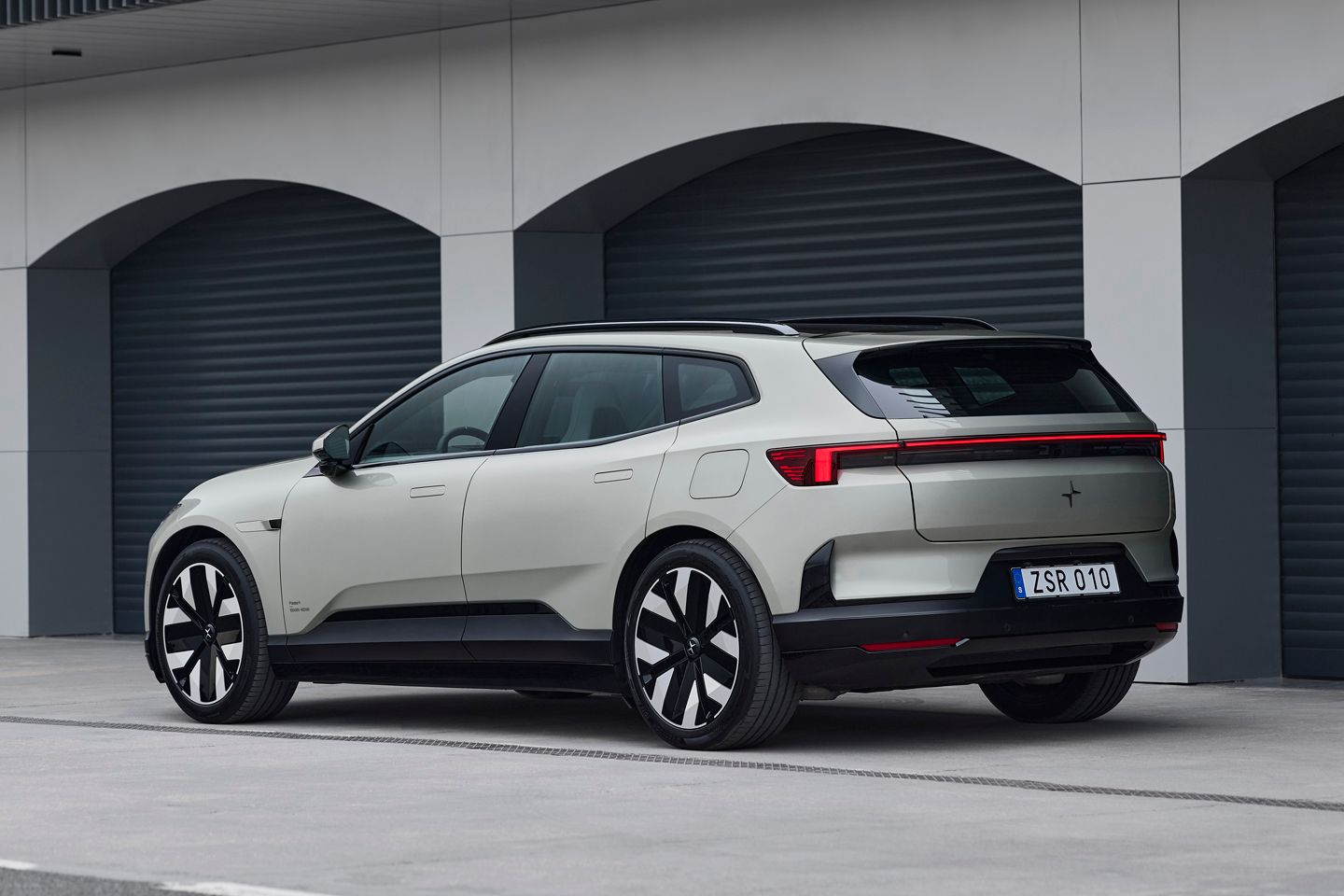
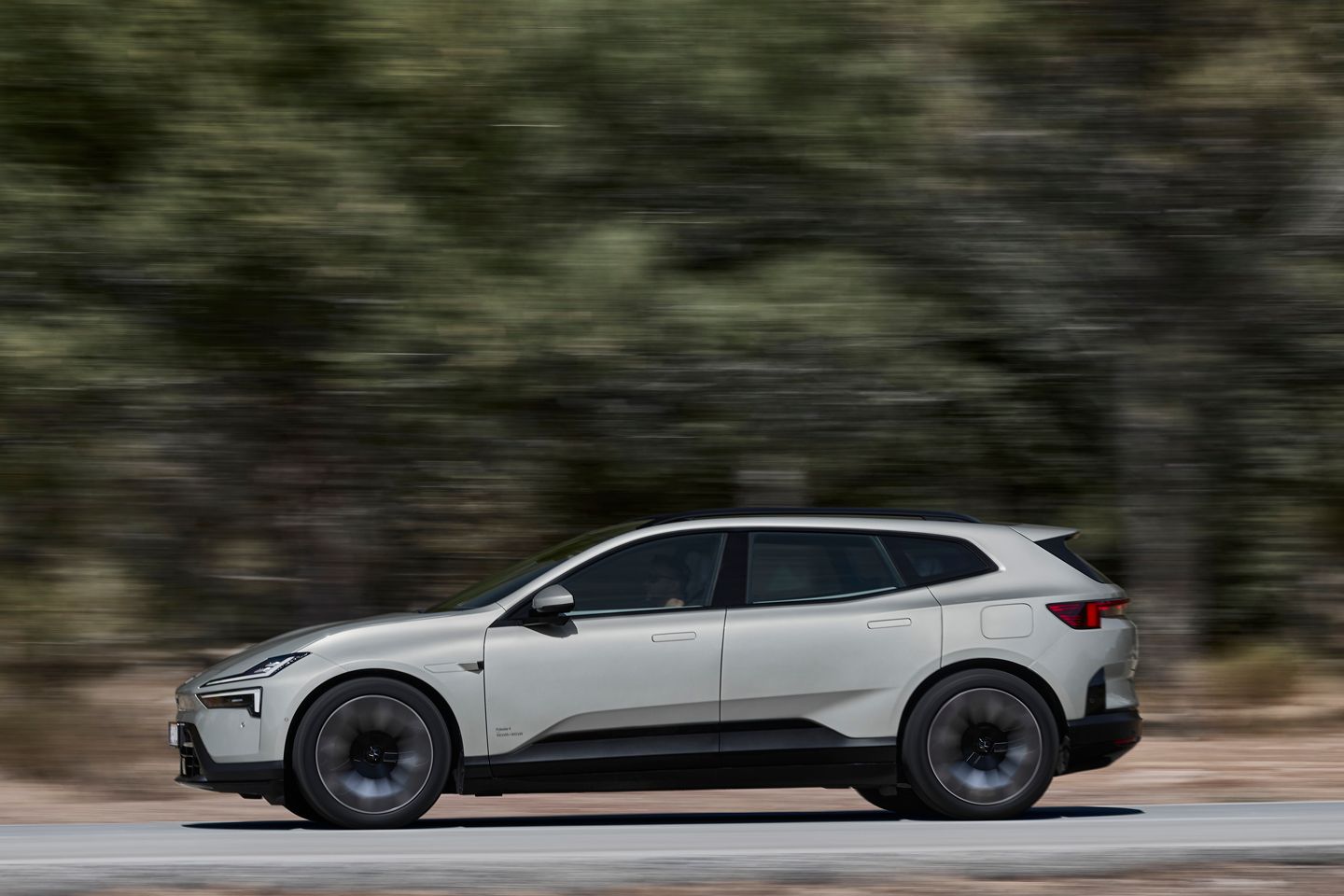
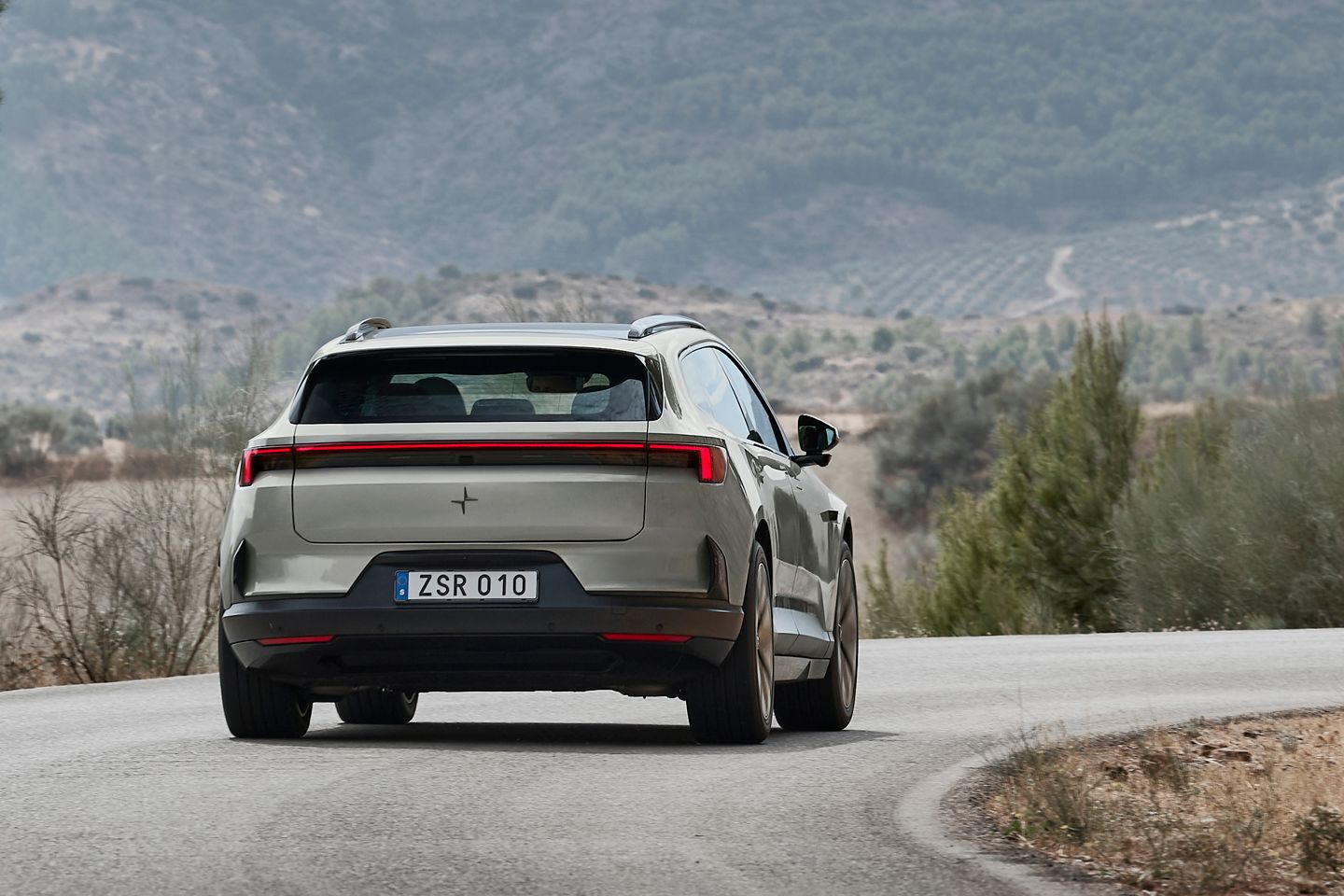
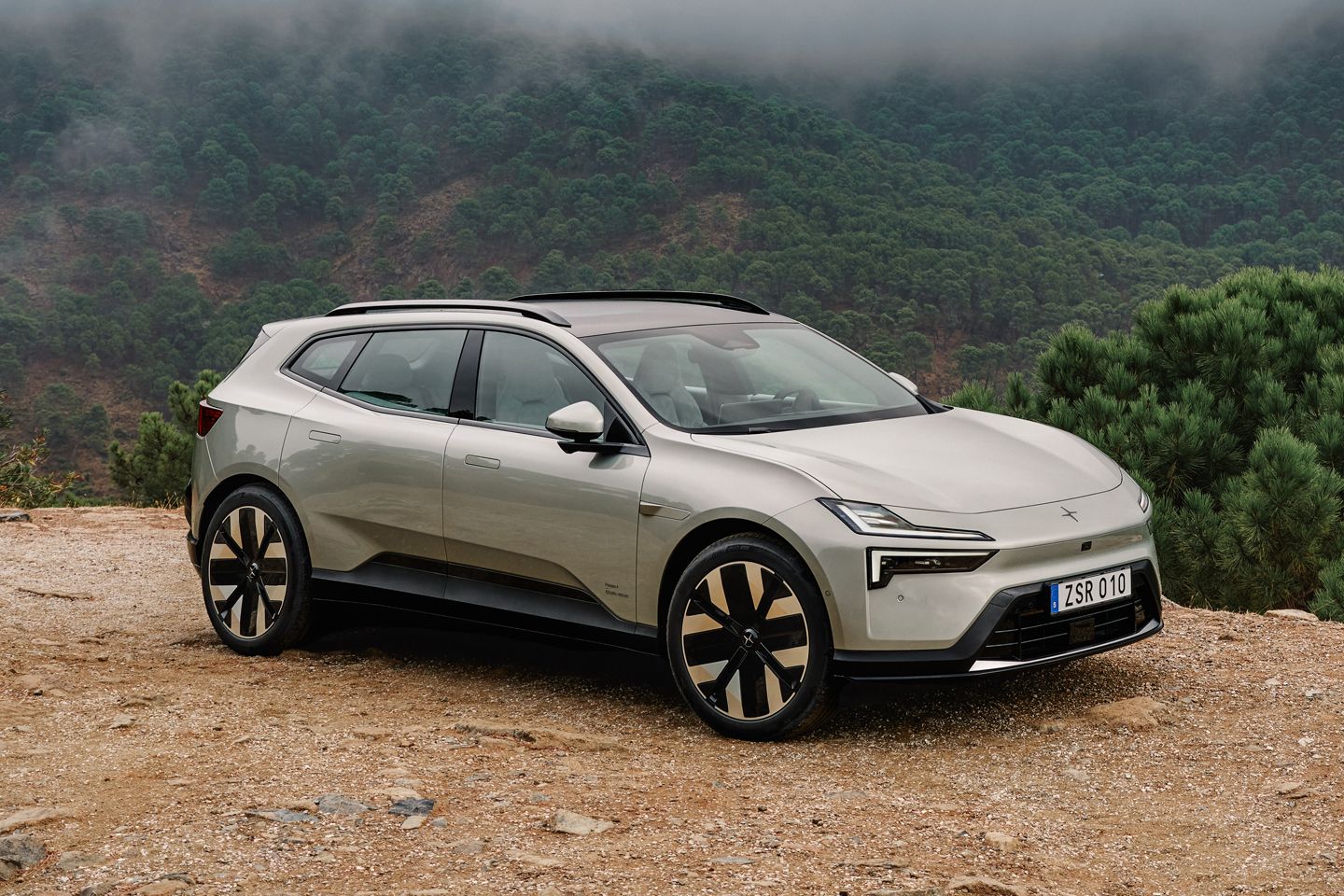
Okay, who’re we kidding? The Beemer and other German alternatives will always hold sway for the badge-obsessed masses, but for the Radio 6 listeners out there, there is a lot to like in Polestar’s alternative. For starters, its design is modestly handsome, with none of the confrontation its rivals seem to insist upon - and nor does it really look like an SUV, with a more Allroad-esque stance. Moreover, with a rear window in place of the Coupe’s unconventional cover, it’s unlikely to cause much of a stir outside the book club.
Then there’s the price. With the Rear Motor model starting at £54,750, the SUV actually undercuts the Coupe to present as the thinking man’s Polestar 4. Naturally, it sits right alongside most of its SUV rivals - and with an optional Performance Pack in the line-up, even the Alpine A390 faces a threat. There may also be some friendly fire for the Volvo EX60, although given how differently the 4 drives (as we’ll explain shortly), in reality, these are two notably different propositions for different people.
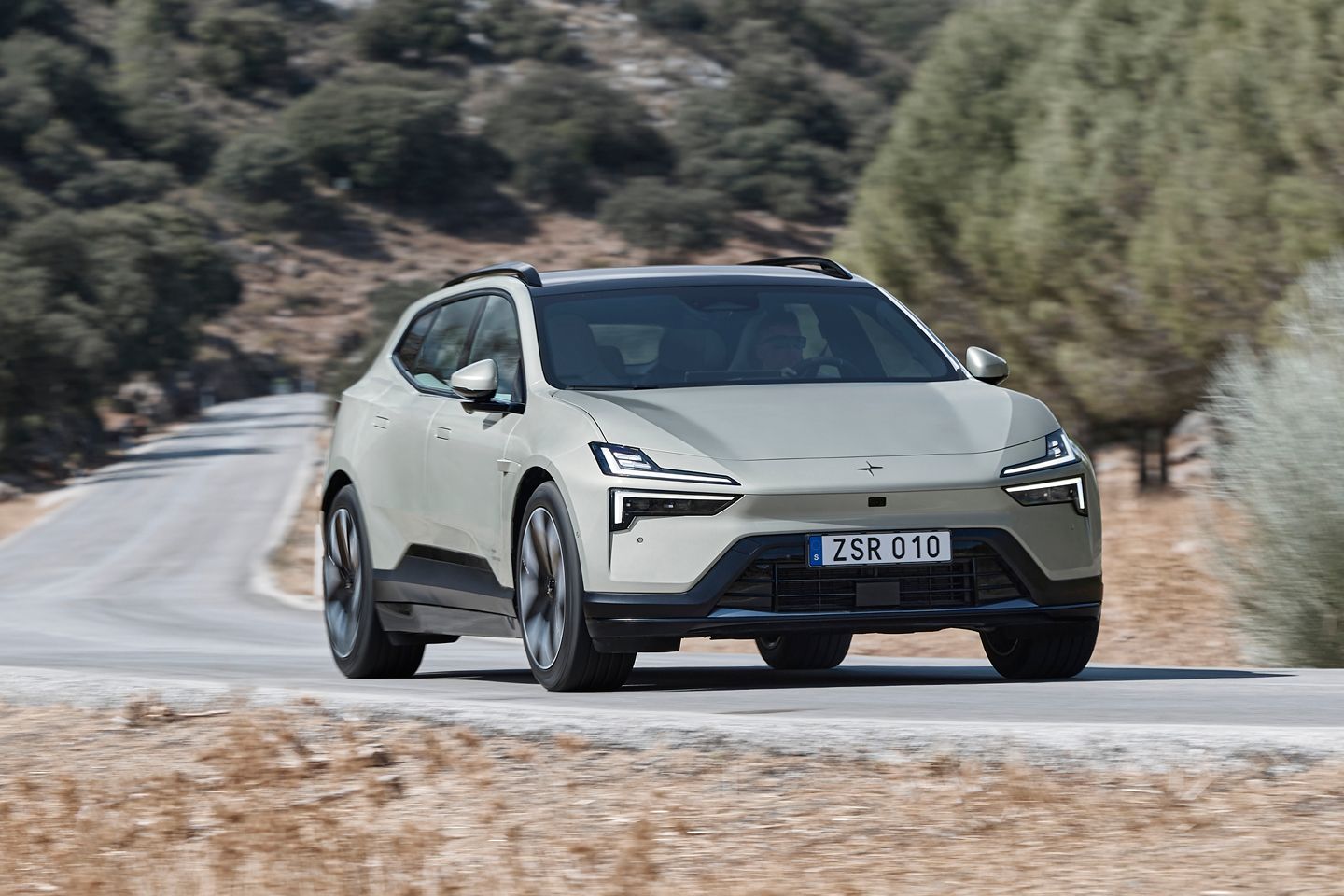
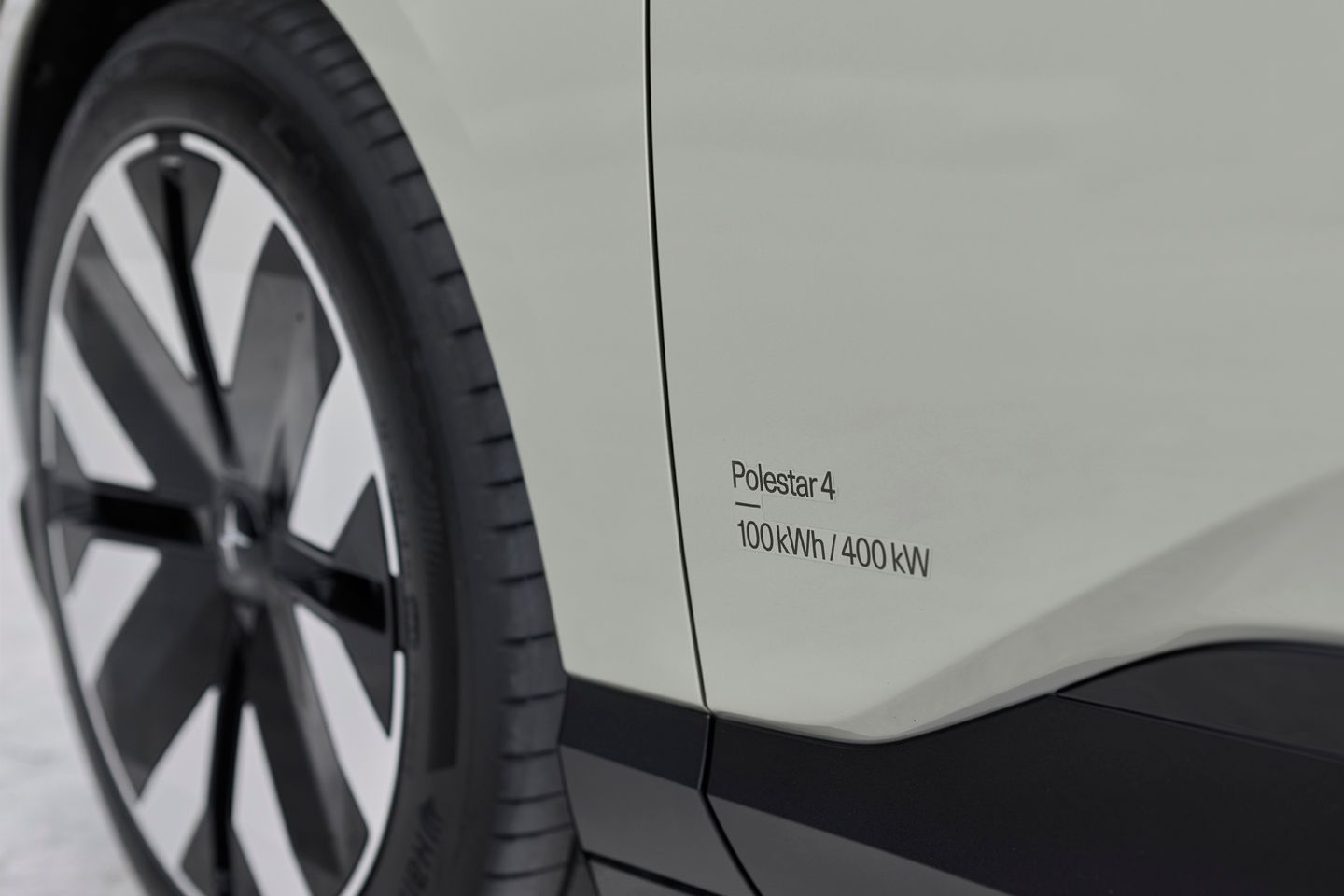
Predictably, what lies underneath the altered body of the 4 SUV is near-identical to the 4 Coupe, with the same mix of single- or dual-motor powertrains and 100kWh battery for sub-400-mile ranges. It’s that latter trait that does leave the 4 SUV lacking versus the iX3 and GLC Electric, which both come with 500-mile claims. But there are a plethora of efficiency-boosting systems aboard the Polestar, so the difference may not be so significant in reality. More on that in a moment.
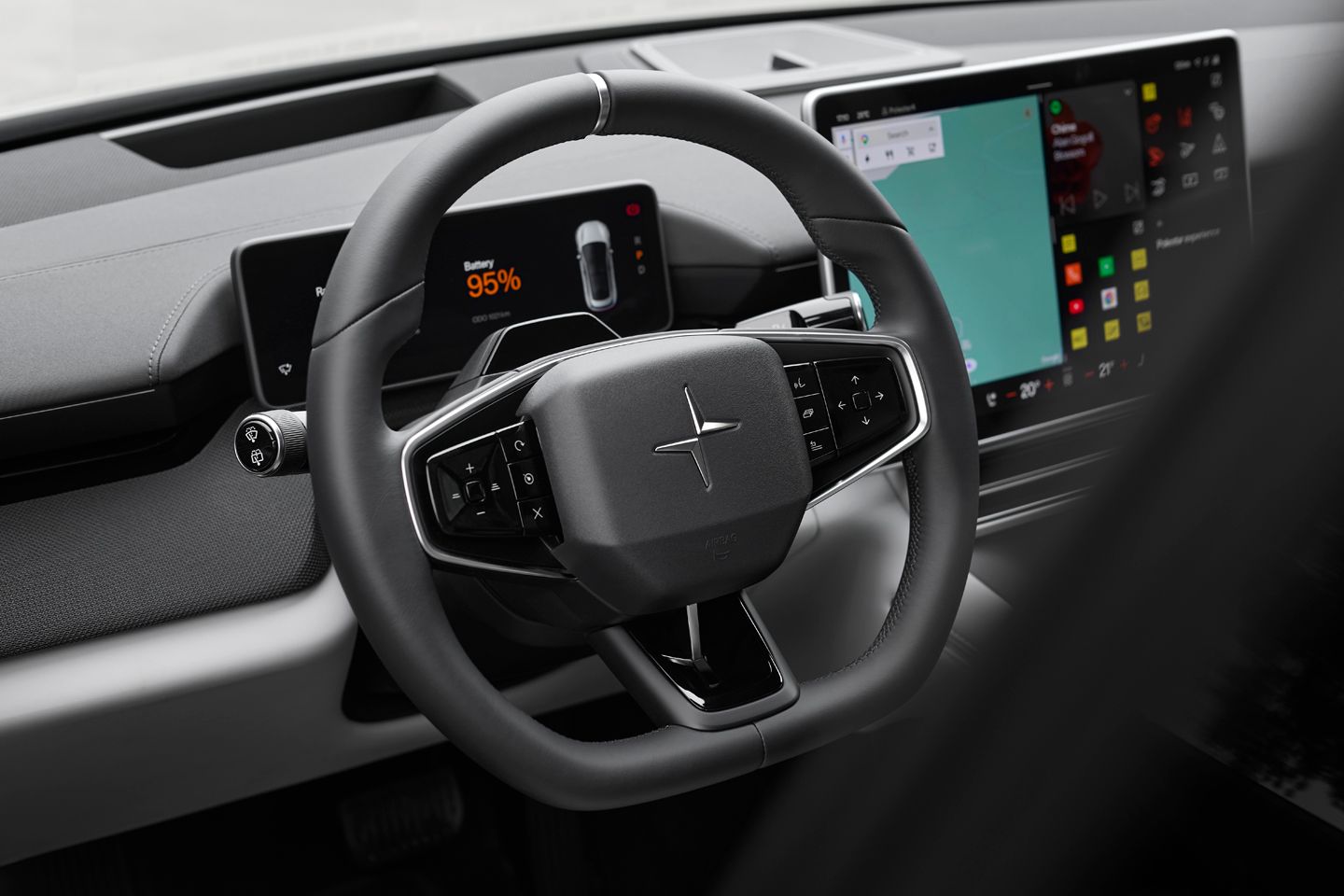
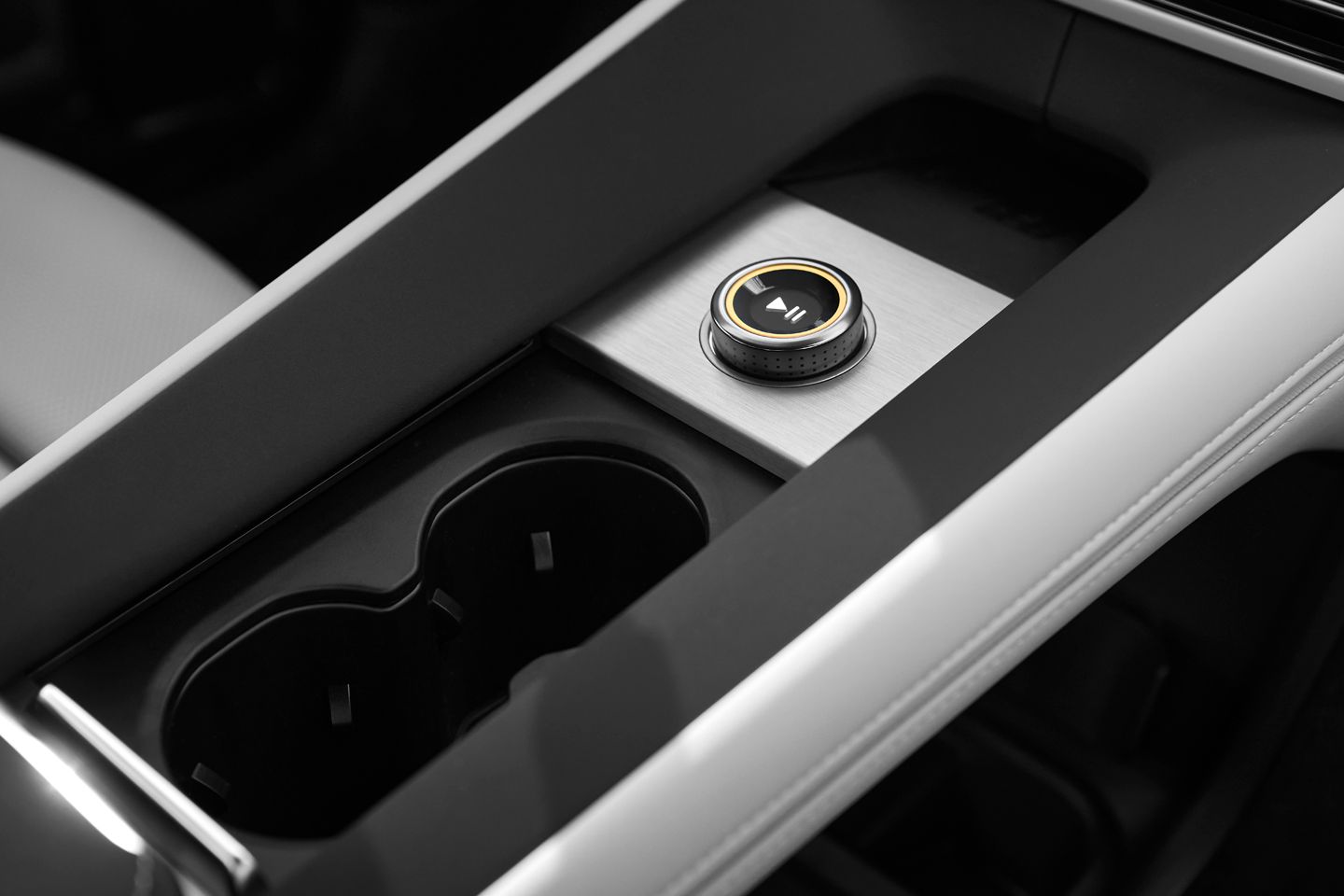
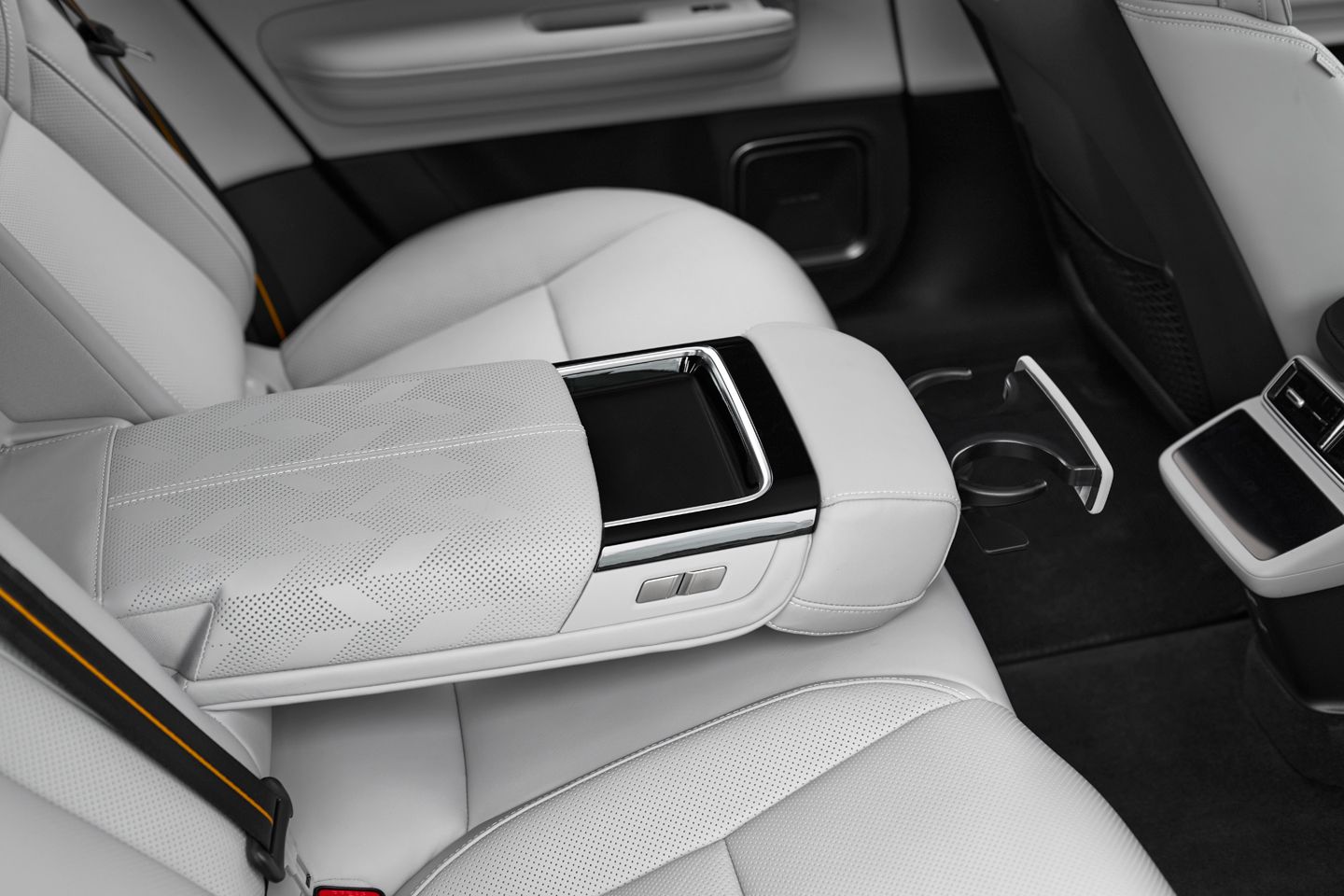
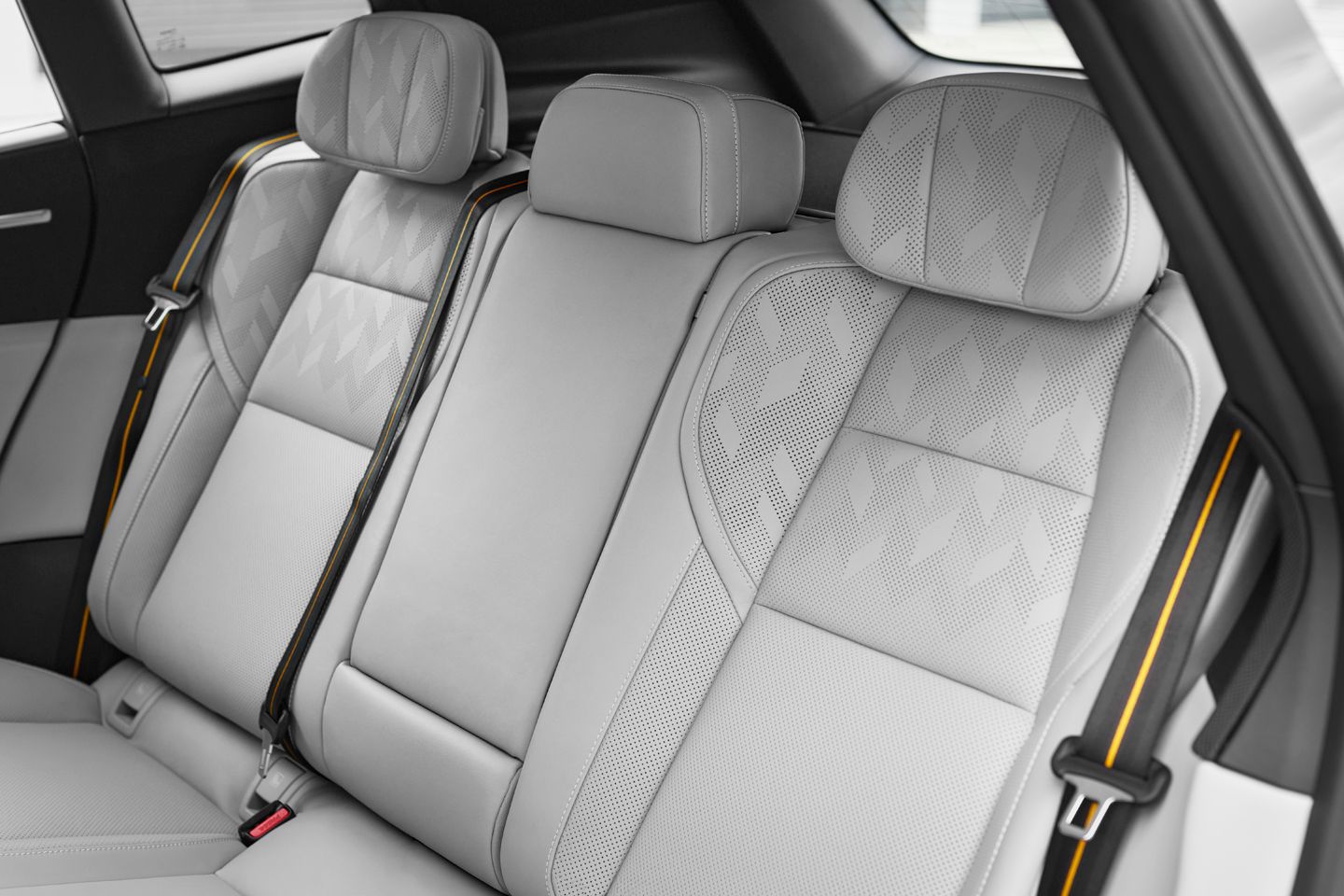
Inside, the dashboard is unchanged from the Coupe, although there is new Google Gemini tech for conversational voice control. Even with it, this remains a cabin that’s frustrating to operate at times due to a lack of key physical buttons - but once you get to grips with the layout, it’s a lovely place to be. With options like sustainably-sourced (from Scotland) Bridge of Weir leather, a useful 14.7-inch windscreen head-up display and powerful Harmon Kardon audio, it feels plush and pleasant in equal measure.
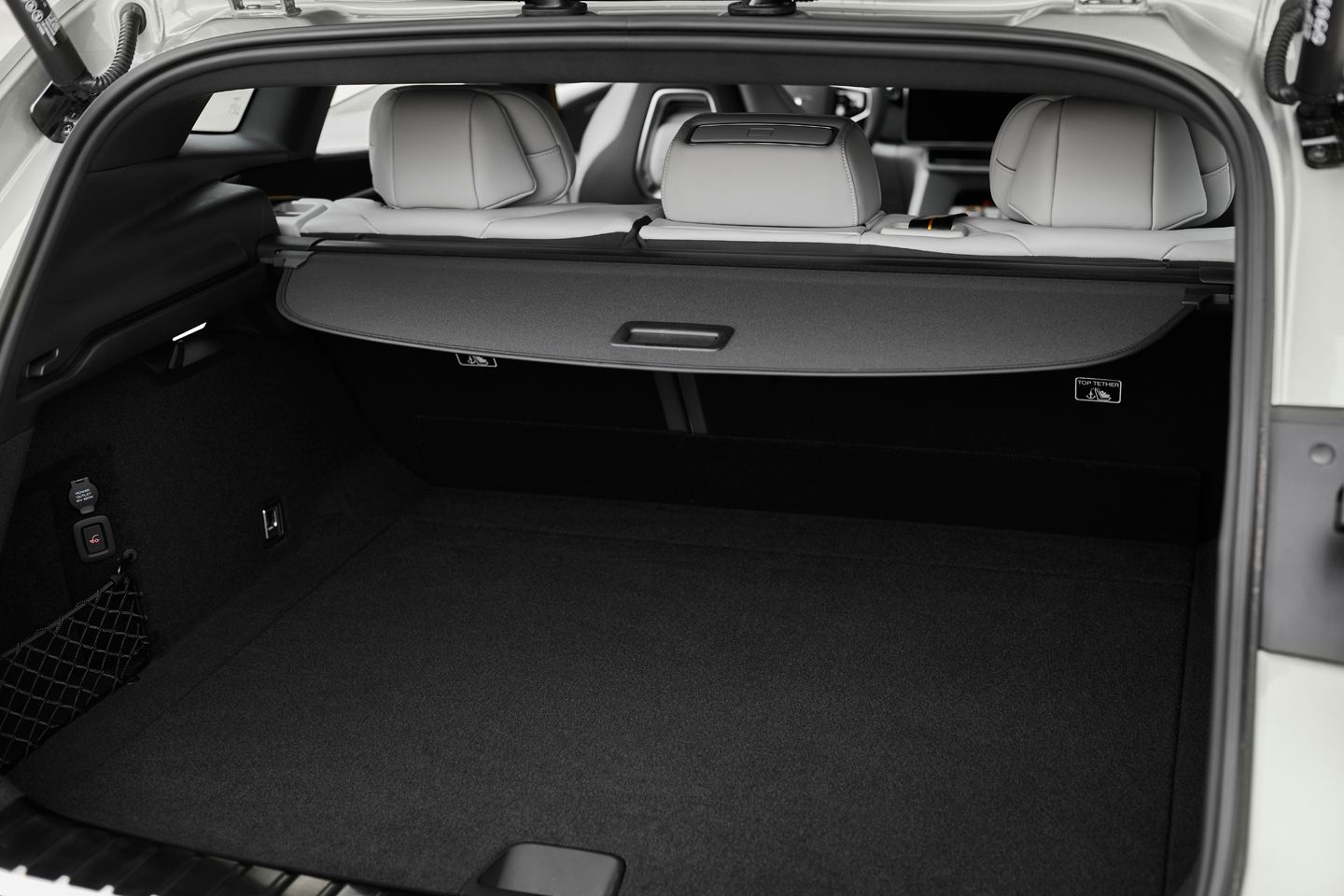
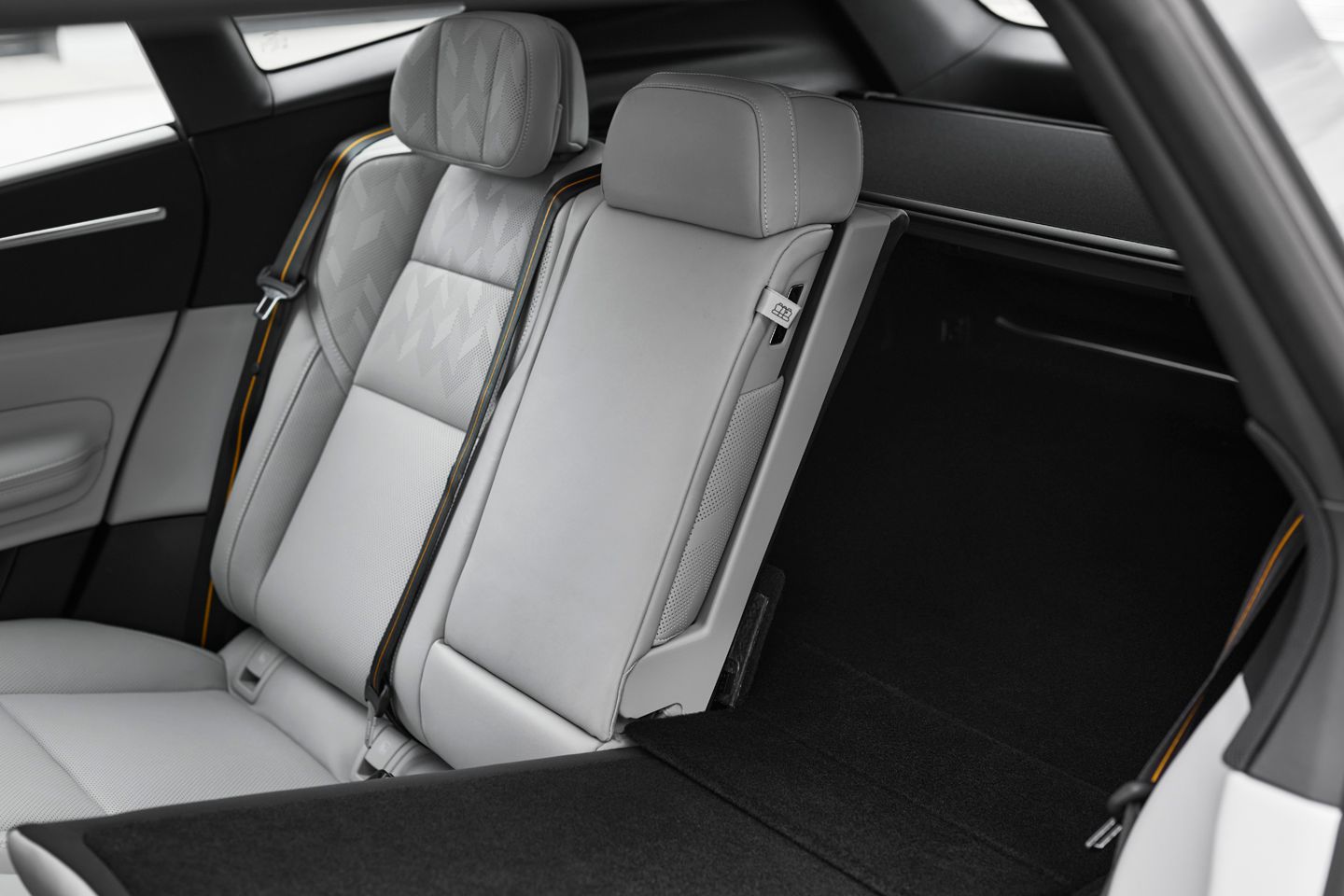
Obviously, the rear is where the real changes have come, because with that higher roofline there’s much more headspace to go with the already generous room for your knees. Plus, the boot has grown vertically from the Coupe to unlock 530 litres of space, which is more than the iX3 (although the GLC EV still wins here). For more storage, the car’s roof racks are a standard feature (and the only reason it’s 22mm taller than the Coupe), while a hidden tow bar maximises versatility. On that, the 4 SUV also introduces vehicle-to-load tech to Polestar’s ranks, which will be handy for the Glastonbury fairylights.
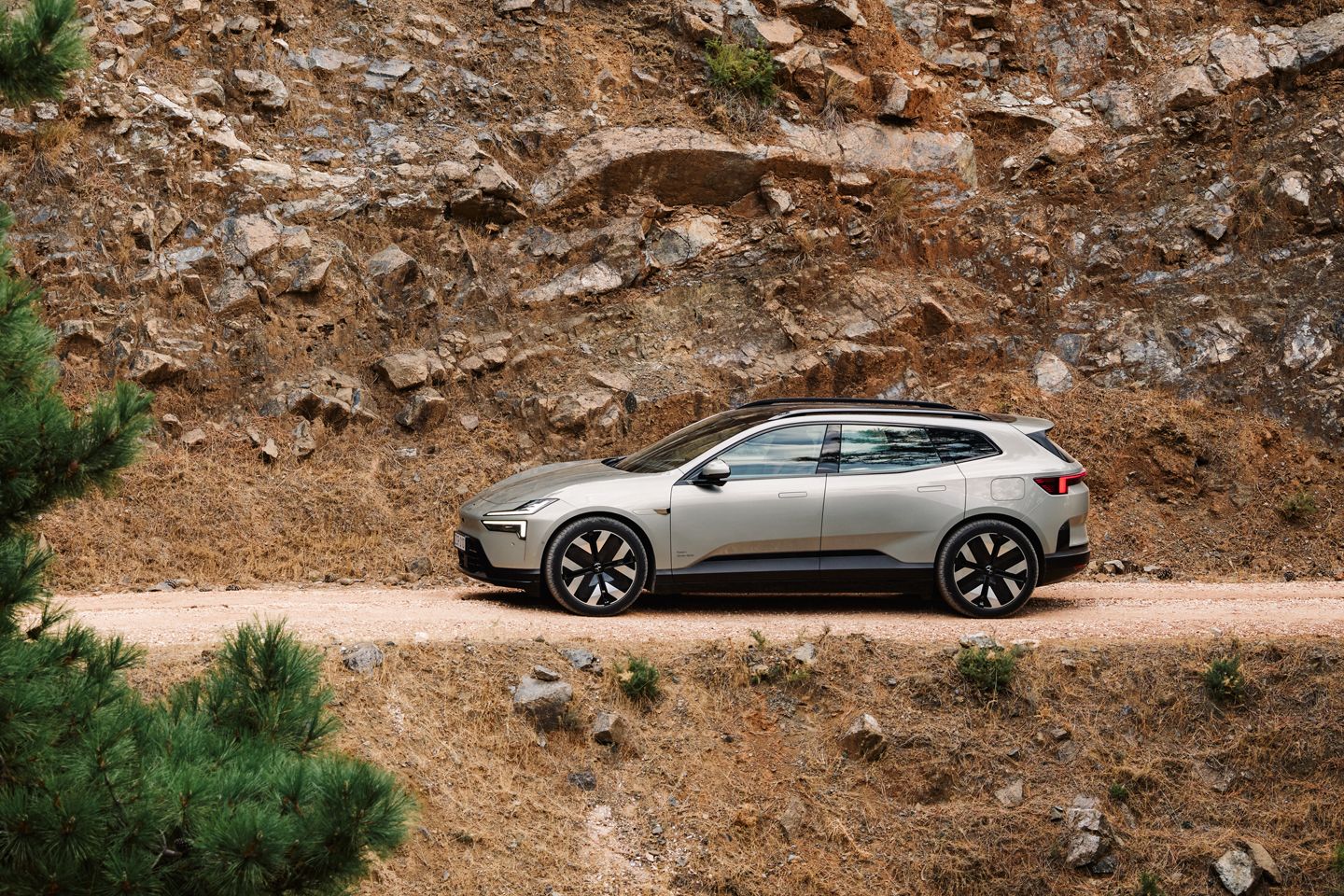
What really sets the 4 SUV apart from its rivals, however, is the chassis. Since this boxier version is 30kg heavier at the rear than the Coupe, its engineers had to tweak the suspension to handle higher loads accordingly. While doing that, they decided to alter the car’s dynamic character, chasing more agility and better precision. The dampers, springs and even anti-roll bars have been tweaked, while the steering ratio and suspension arms are SUV-specific. In the actively sprung Dual Motor, there are also different ZF struts with new internal valves.
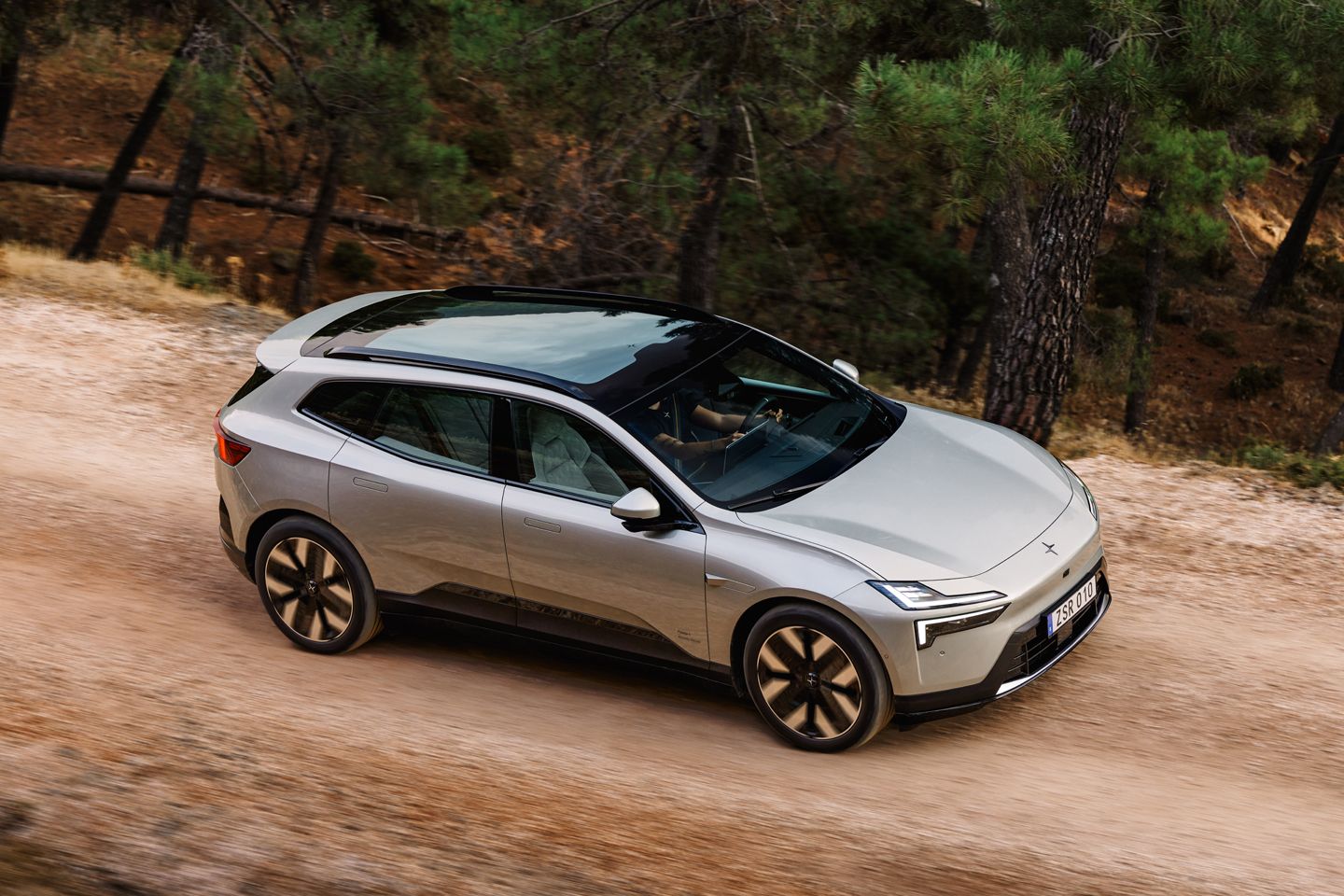
The result on the road is a car that rides on the bumpiest parts of our Spanish test route beautifully. Even in the Dual Motor’s ‘Nimble’ suspension setting, cracks and holes in the tarmac are dealt with effectively and the body control is superb. Factor in the car’s low centre of gravity, and it makes for another SUV that lives up to the ’Sport’ bit of its description - possibly more so than its rivals. On a warm and dry day, and with the Performance Pack’s Pirelli P Zero tyres, mechanical grip and traction are practically unbreakable.
That said, our test includes a stint on Spain’s fast and winding Ascari circuit, where it’s possible to unlock the 4’s willingness to rotate under power. But it’s never wild or snappy; instead, the chassis flows from an eager front end into a neutral mid-corner balance that can be encouraged into oversteer, should you get chasing the accelerator. The right pedal, by the way, is so sweetly in sync with the electric motors that even with 544hp at your disposal, your inputs can be accurately controlled and very precise.
It’s actually a pleasant surprise to find that the Rear Motor model - which trades the Pirellis and active dampers for eco-focused Hankooks and passive struts - has its own charms. On the road, its ride is still comfortable, although the lighter variant’s 2.3-tonne weight is less well controlled than the heavier Dual Motor, especially vertically at pace over crests and into dips. But the steering is even more precise and, predictably enough, the balance more adjustable - and while the ESC can only be partially switched off, you can get the car fully sideways (on track!) before it reins things in.
Granted, it’s not perfect. For starters, the Rear Motor is much less punchy, with 272hp giving it a modest 7.3-second 0-62mph time to the Dual Motor’s 3.9. And if you don’t think that particularly relevant in the real world, the range certainly is - not to mention the fact that the 4 SUV gets a maximum charging speed of 200kW, meaning it’s half as fast at the plug as the BMW. The model’s likeable capacity for flowing with the road does mean you can be brilliantly efficient with the battery life you’ve got, meaning there’s potential for the on-paper gap to be closed in real life, but that might not be recompense for more time spent staring into space at a public charger.
Still, with nicely-weighted controls, and a powertrain that faithfully obeys your commands (be they for power or indeed regenerative braking), the Polestar is genuinely satisfying to pilot - and not just to Waitrose either. So while on paper the 4 SUV might look like the less practical option, in reality, it might be the one you actually enjoy living with the most. And that, you could argue, is a very Saab-like thing indeed.
Specification | Polestar 4 SUV Dual Motor
Engine: Twin permanent-magnet synchronous electric motors
Transmission: Single-speed, all-wheel drive
Power (hp): 544
Torque (lb ft): 506
0-62mph: 3.9 secs
Top speed: 124mph
Weight: 2,375kg
Battery: 400V lithium-ion,100kWh capacity
Efficiency/range: 2.87 to 3.27 miles/kWh, 323 miles (373 without Performance Pack)
Max DC charging: 200kW; 10-80% charge in 30mins
Price: £64,250 (including £3,500 Performance Pack)


Such a shame that none of them have interiors without some significant flaw for your >£50k, but at least those of the PS4 and EX60 are not aesthetically offensive.
For me, it's the perfect balance between cost, space, spec, range, charging speed and performance available right now. It will be our eMTB & DH MTB load lugger to Wales & Scotland and with V2L we'll be able to recharge our e-bikes mid ride (lunch break) from the car

I considered a long list including Tesla Model Y, MG IM6, MG S6, Kia EV5, BMW iX3, Volvo EX60, Merc GLC, Alpine A390 and obviously the Smart #5.
The only downside of the P4 : 400v architecture means the DC charging is slower (200kW) than most of the above mentioned cars, 10-80% takes 28mins, compared to some of these on 800v, which only take 13mins. Still, it's not something I need regularly, so not so much of a negative impact.
I probably would have preferred a Zeekr 7GT, but they aren't available in the UK yet.
A couple of gripes; you feel the mass through the suspension, Adas is annoying but mercifully easily turned off, it s got a turn of pace as all EVs have, but nothing to write home about, it s a little tricky to manoeuvre, loads of cameras but nothing really beats mirrors, decent bulk and not a great turning circle.
I d love to try this, the extra poke and better suspension would make it seriously impressive. The dog would also be happier with the rear screen.
Whats even more impressive is the value on the used market, you can get barely used ones for huge discounts, it s a hell of a car for money being asked.
Chinese
SUV
Too heavy
Silly power
Touchscreens
If I was into 'enthusiastic' driving then I would get something like the Polestar 4 for daily and general use, and something more special for weekend drives out or track use.
Chinese
SUV
Too heavy
Silly power
Touchscreens
If I was into 'enthusiastic' driving then I would get something like the Polestar 4 for daily and general use, and something more special for weekend drives out or track use.
I think this may well be my next car, stepping up from a P2 DM. The way these BEVs smoothly pick up speed never gets old for me!


Gassing Station | General Gassing | Top of Page | What's New | My Stuff