
2027 BMW M350 xDrive (G50) | PH Review
Electric 3 Series not for you? Try the one with a 450hp straight six...
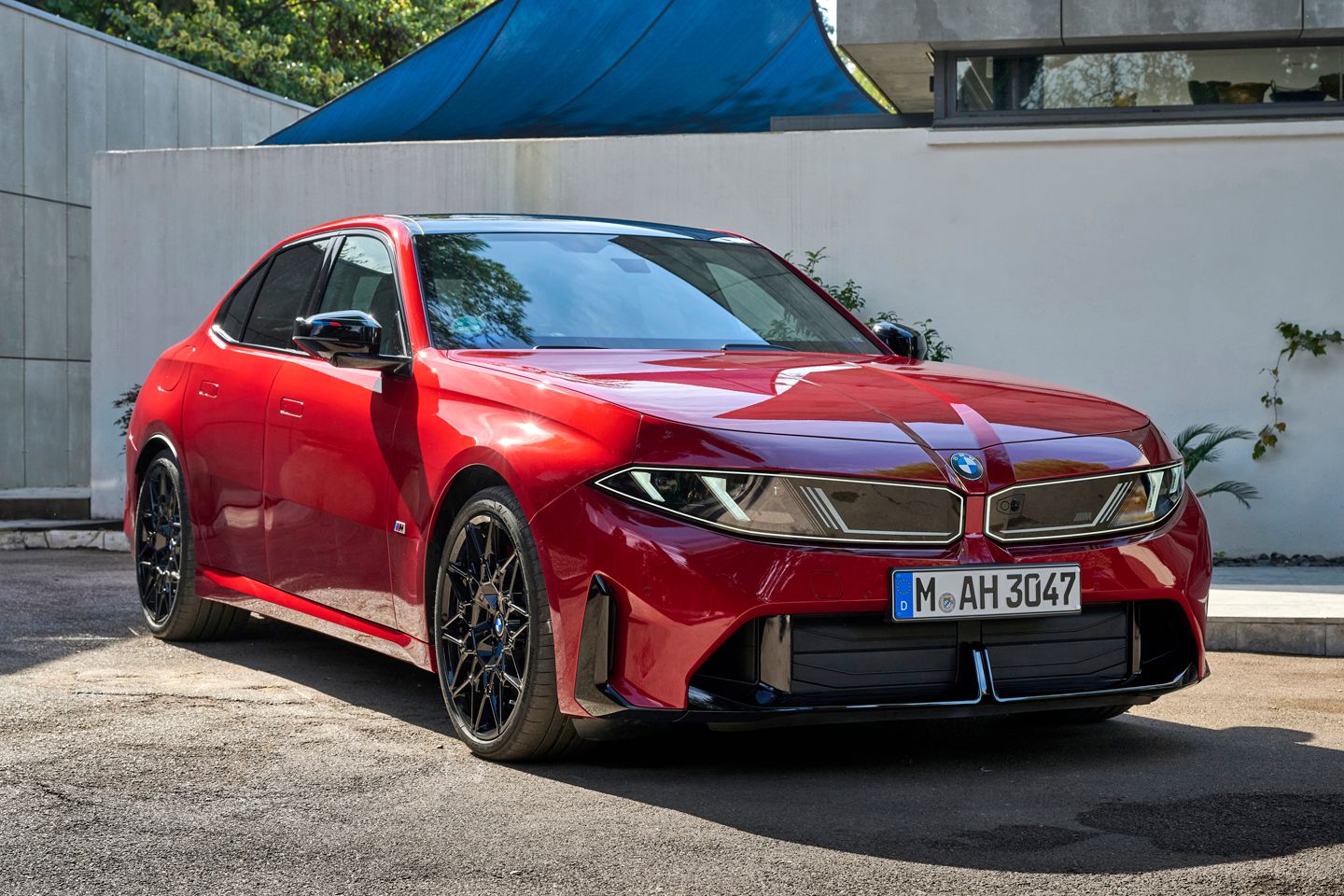
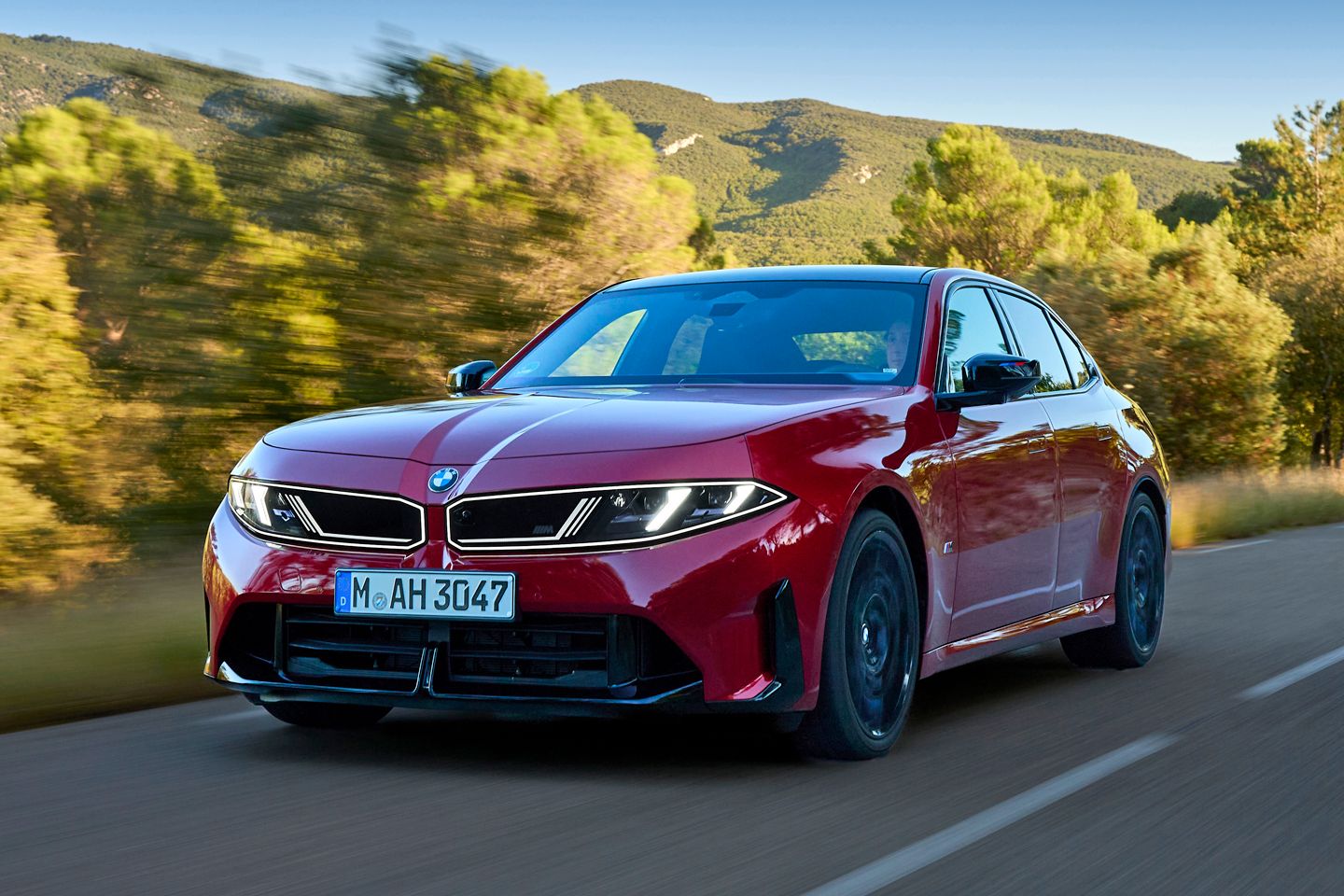
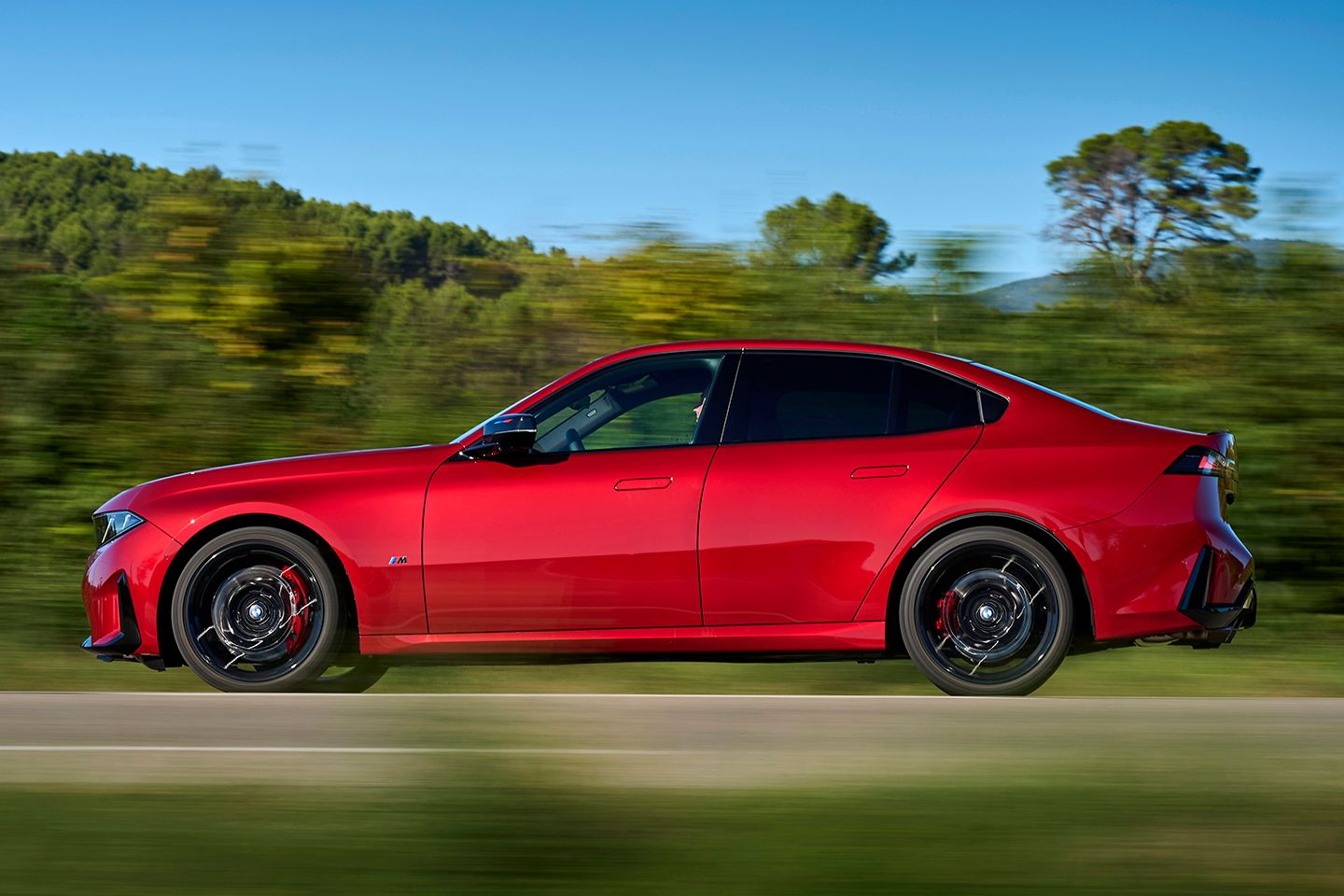
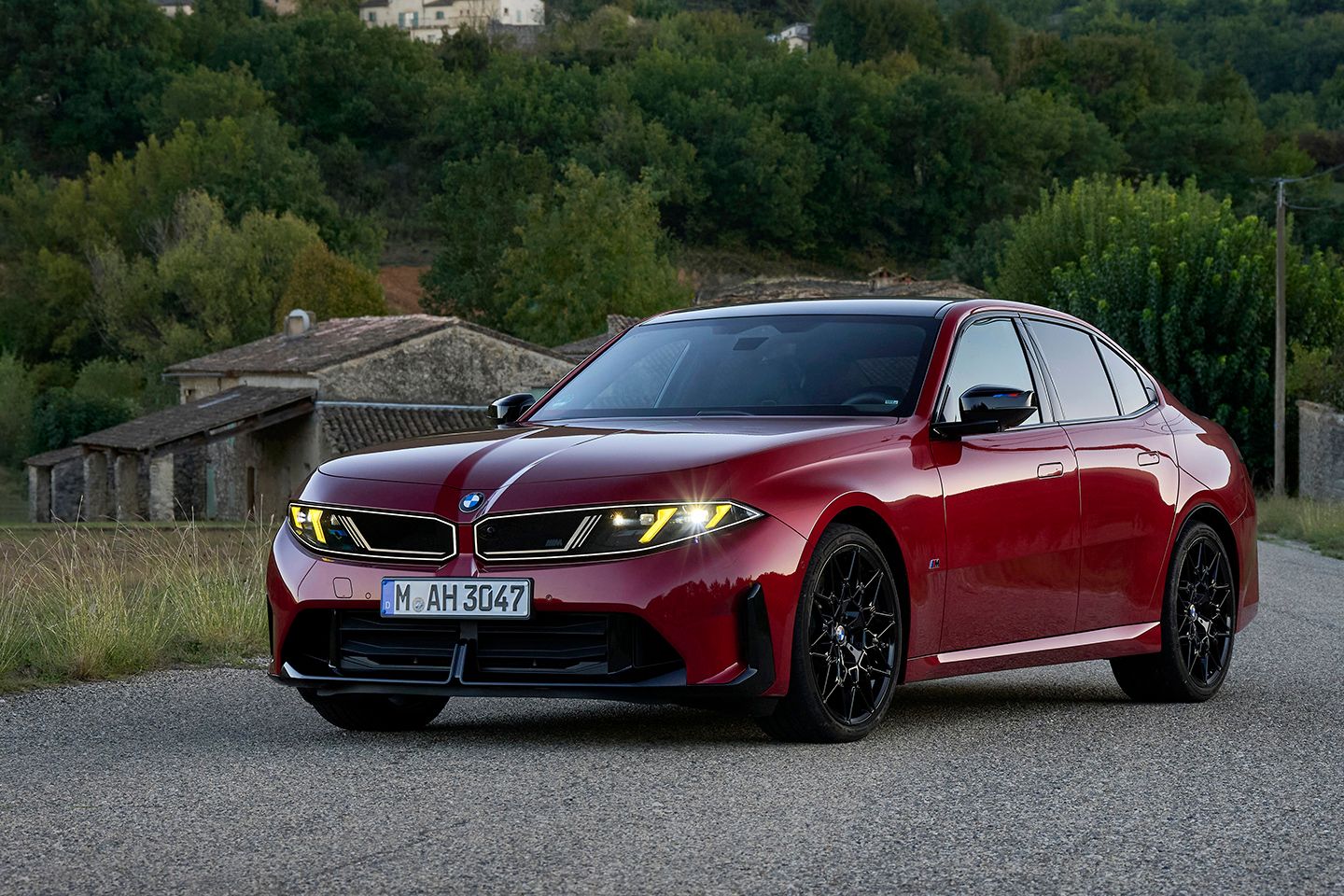
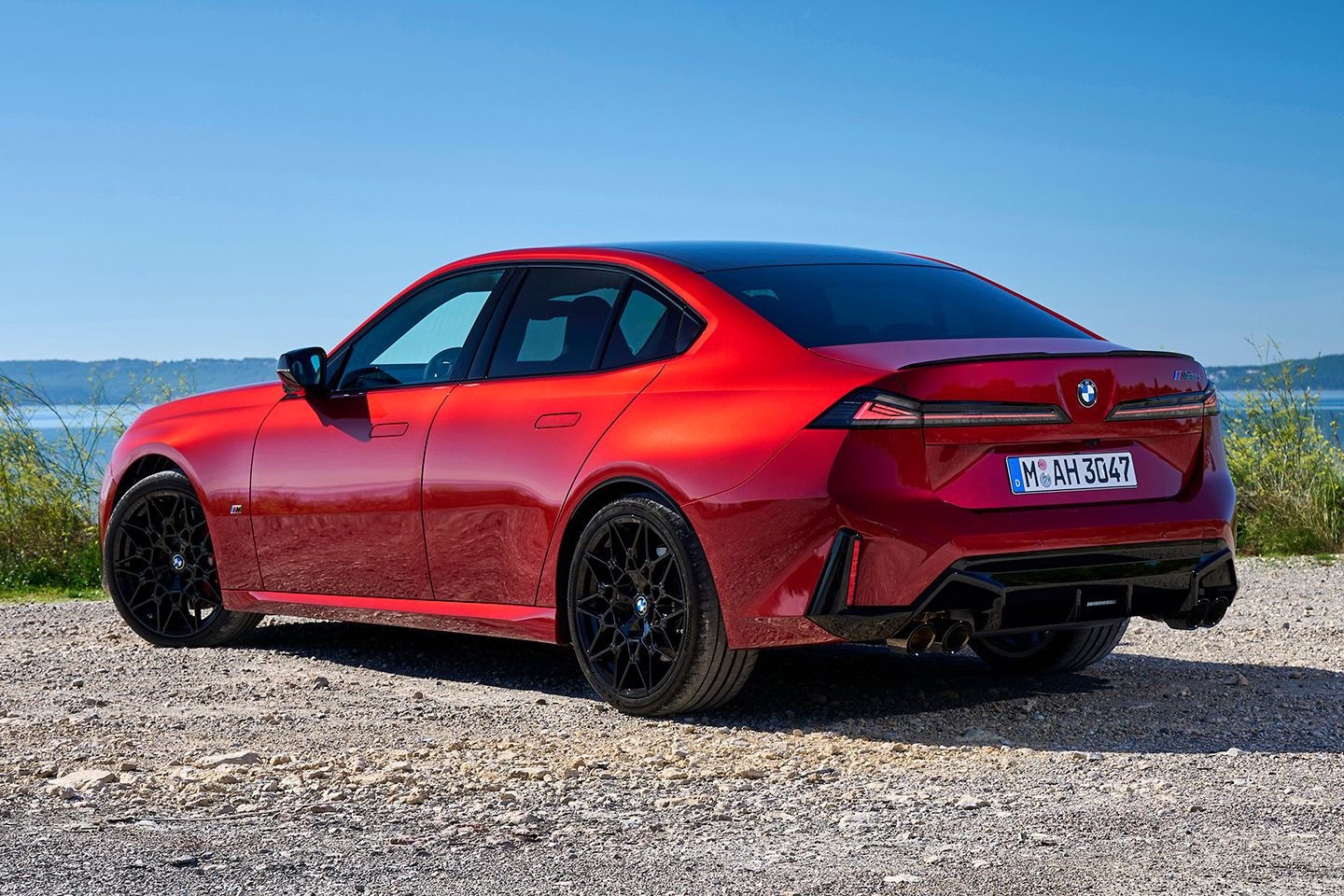
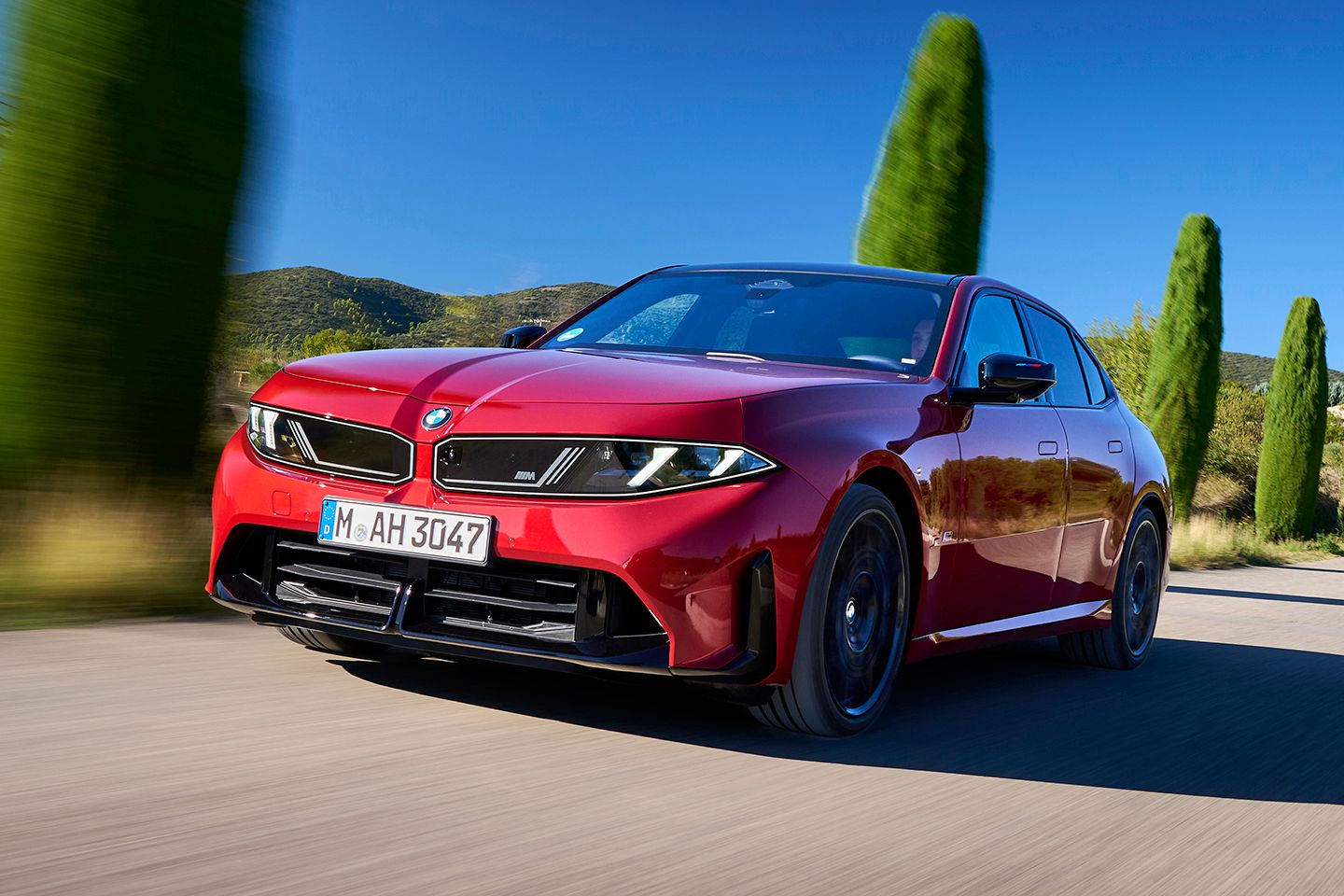
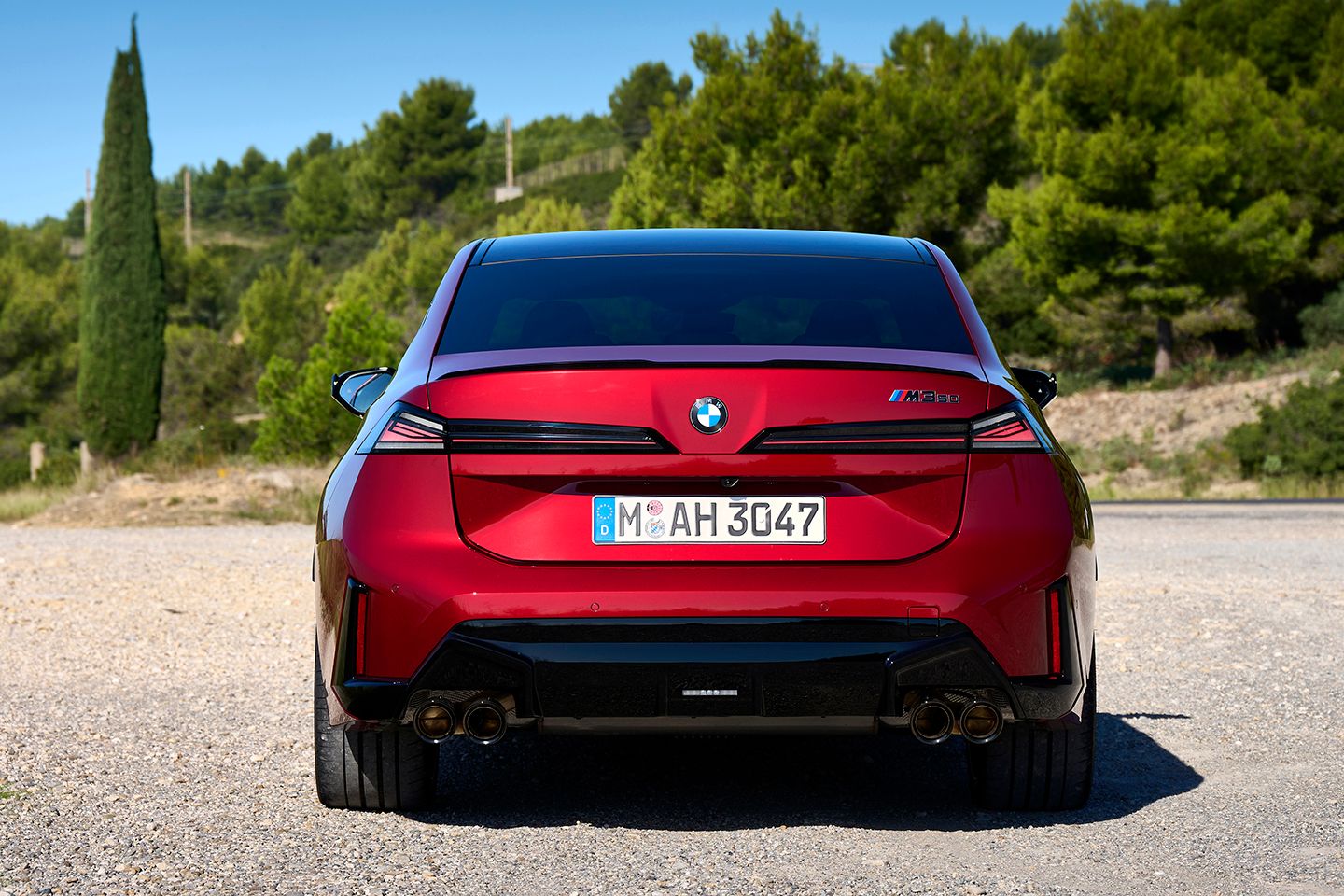
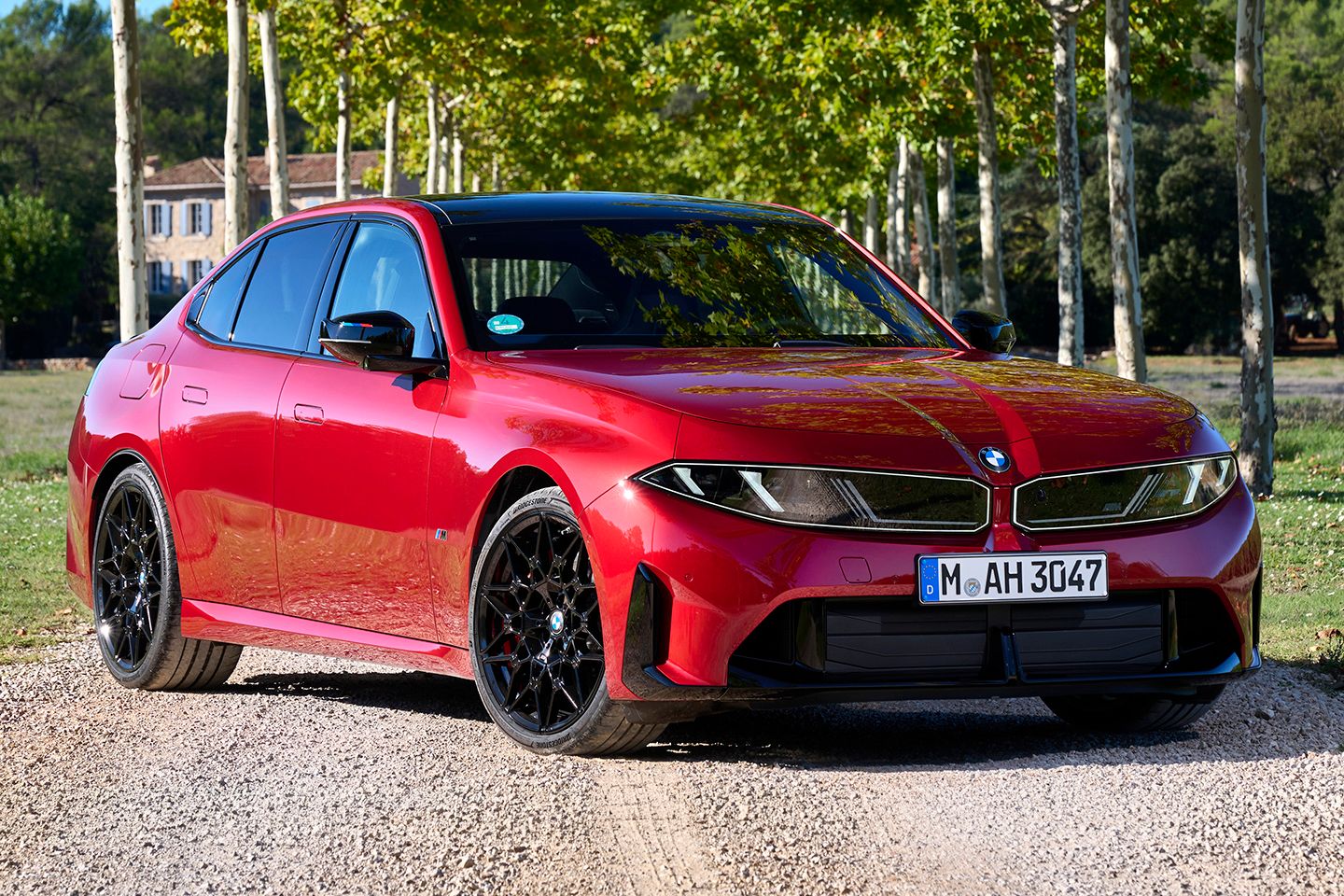
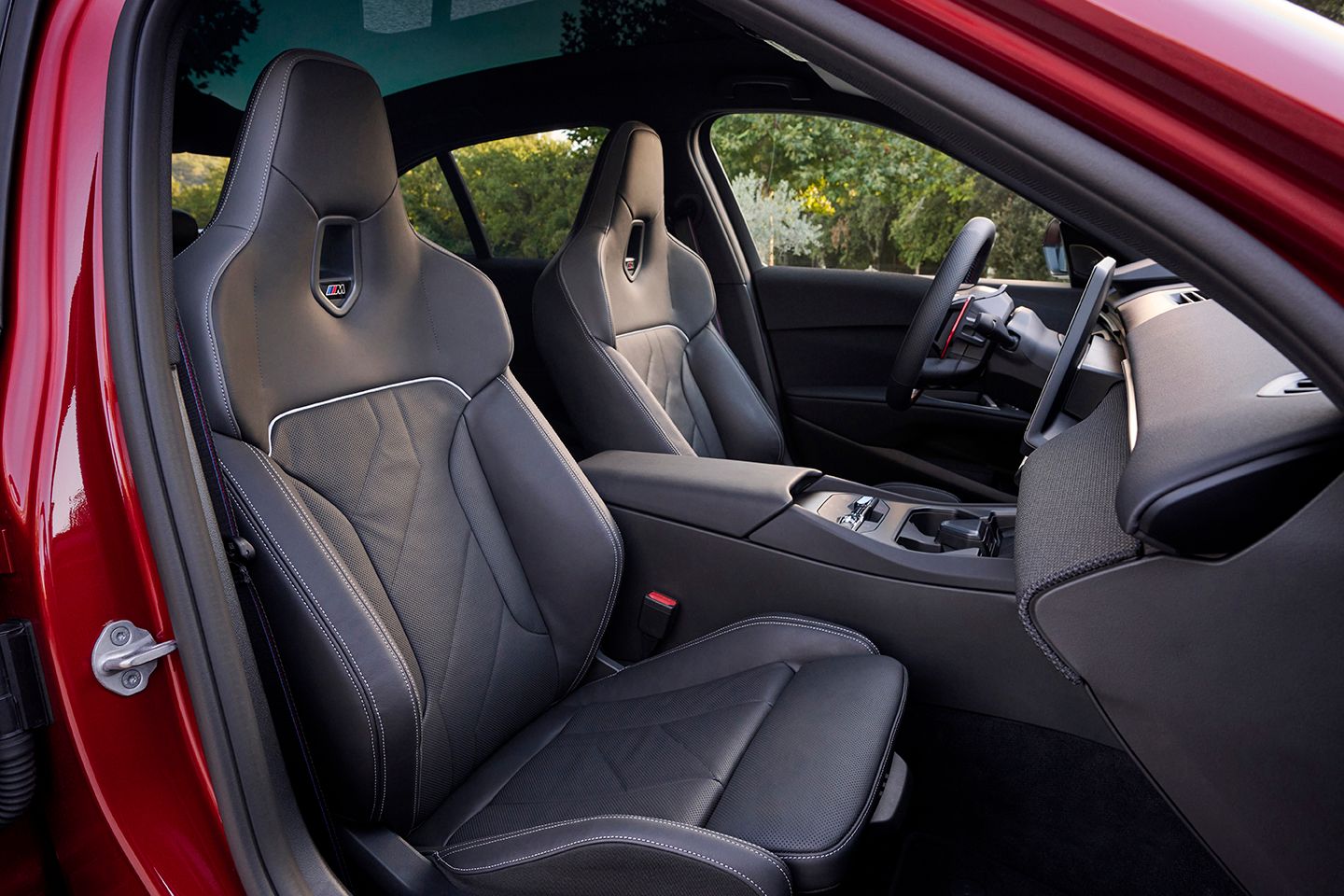
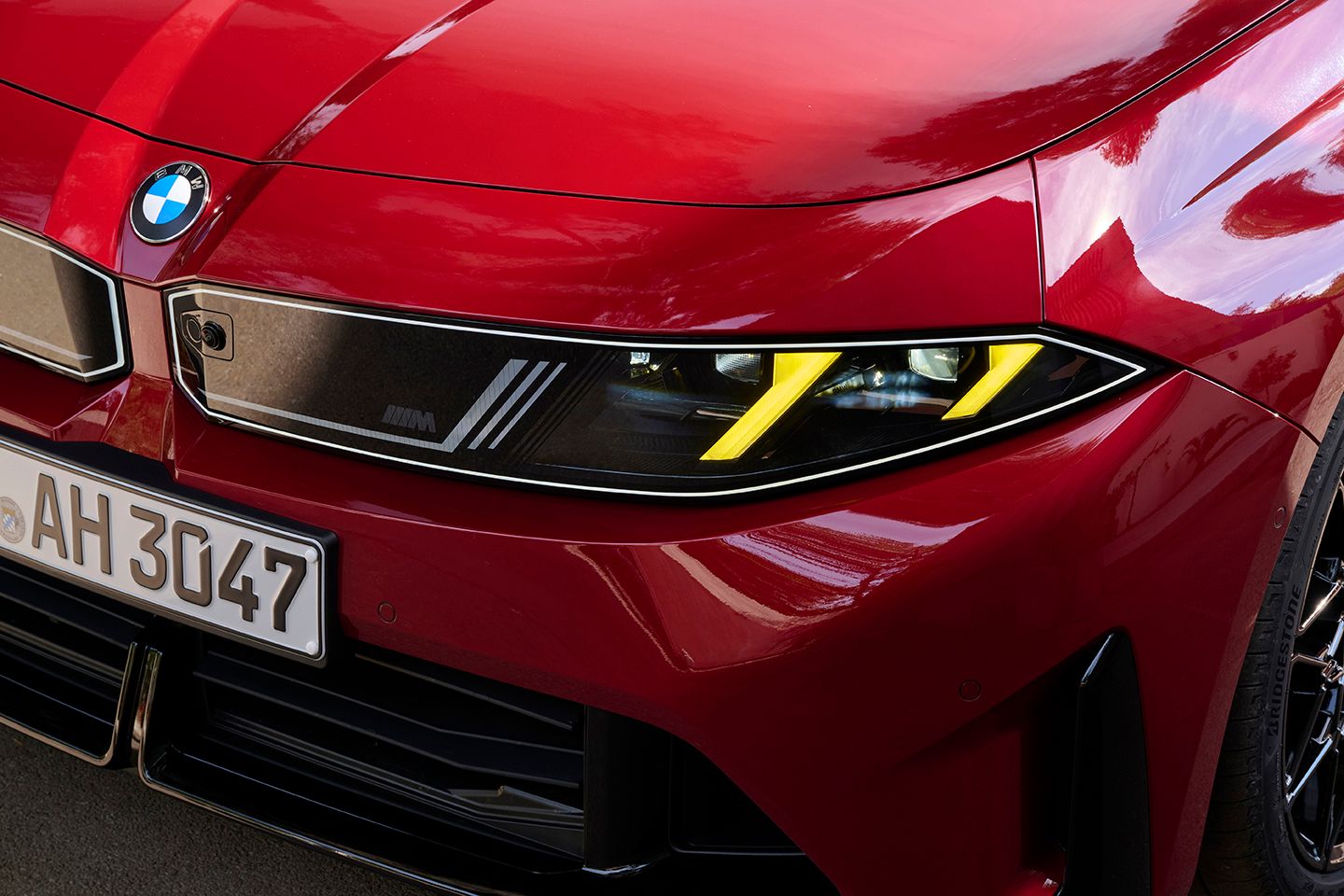
Amid the hoopla around the new BMW i3 it’s easy to overlook the fact that BMW has also revamped the original (and best?) 3 Series too, especially now that they’ve made it look as much as they can like the ‘Neue Klasse’ electric model, down to the new nose and funky new interior.
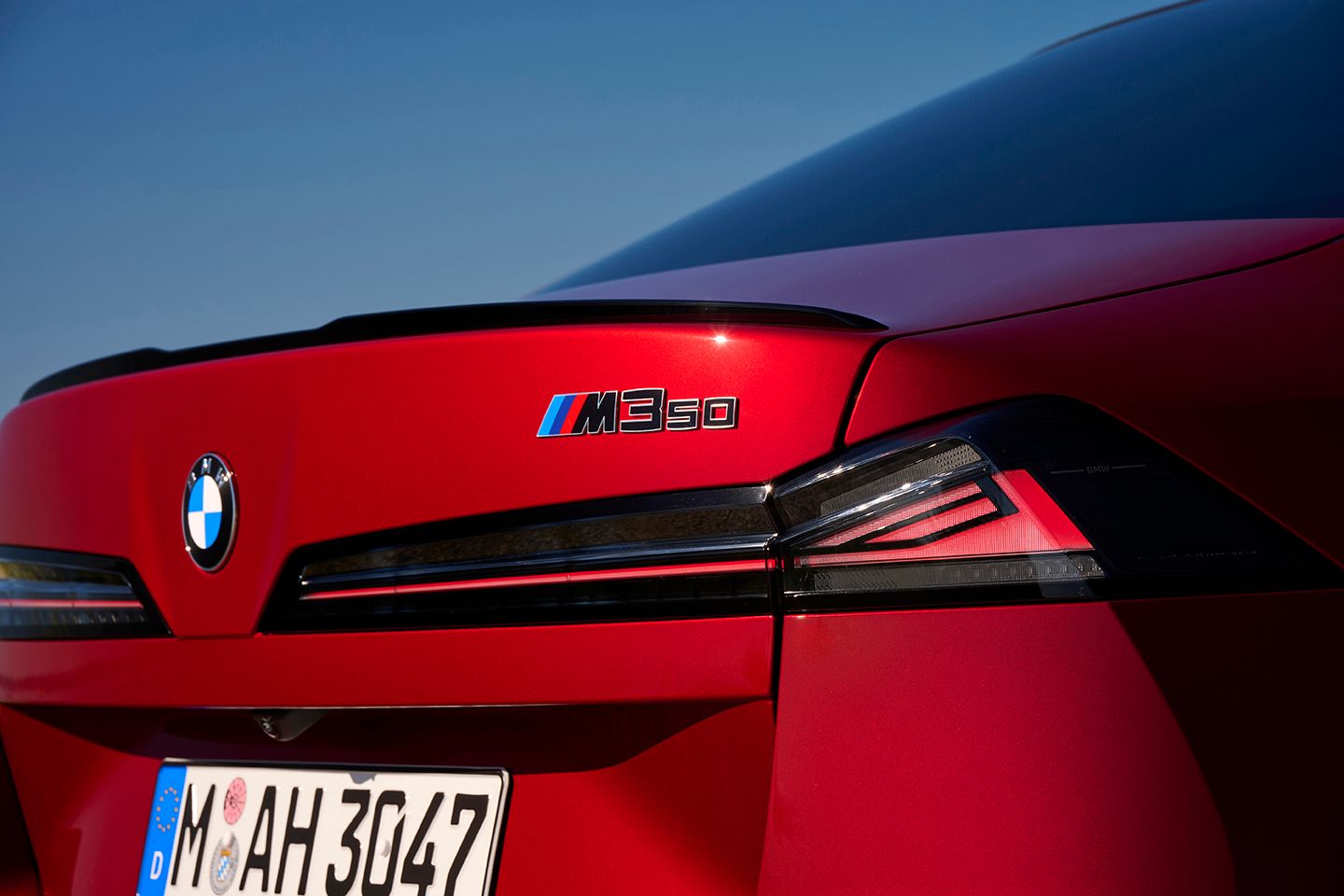
But here it is, a development of the existing car’s platform and available to test only in one version at the moment, which helpfully is the one most to our interest anyway. It’s an M350 xDrive, which means it has a straight-six cylinder petrol engine, 48v hybridised, with an eight-speed autobox and four-wheel drive, albeit dominantly driven to the rear, because BMW. It costs from £66,785.
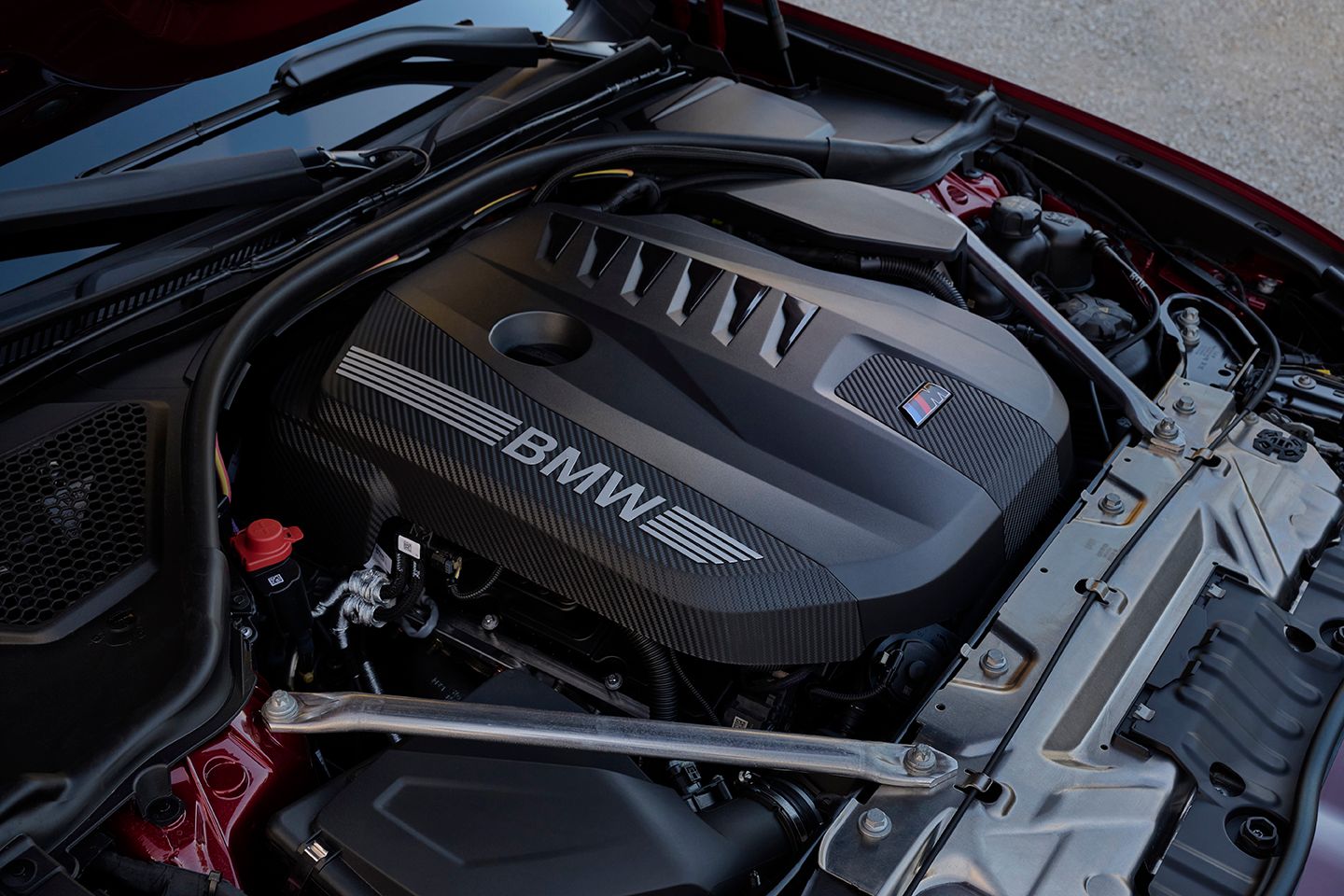
The performance numbers are really strong. I think electric cars have gotten us used to big outputs so whereas the previous M340i made 386hp, the new car arrives toting a wholesome 443hp and 428lb ft. Some 426hp of that comes from the B58 single-turbo (dual scroll) petrol engine, which has seen changes to the inlet ports, injection and ignition timing, cam timing and exhaust routing, plus the software that hangs all that together. There’s another 18hp from its mild-hybrid starter-generator too.
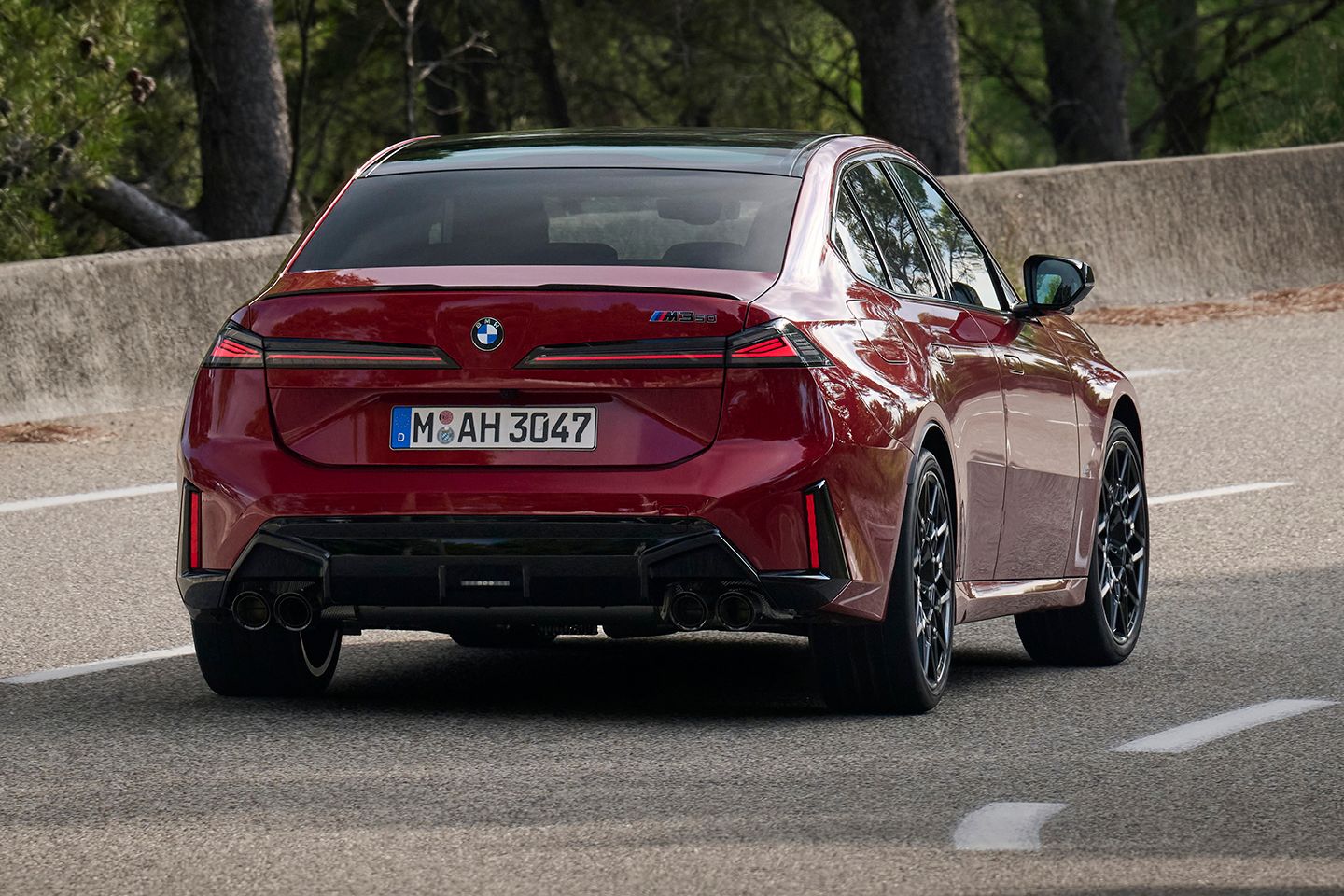
The total output might still look eclipsed by some electric would-be competitors - someone in a pub somewhere will surely tell you that you could go faster for less in a Tesla Model 3 - but the beauty of an old-fashioned compact executive sedan with a petrol motor is that it’s the right kinda size – 4.77m by 1.85m - and that it ‘only’ weighs 1,860kg. I know, that’s a lot for those of us who still think it’s possible to buy a Compaq computer and that in our heads a Nissan GT-R is a £50,000 car, but in today’s heavily electrified world it’s not so much at all. And isn’t 0-62mph in 4.1 seconds rapid enough?
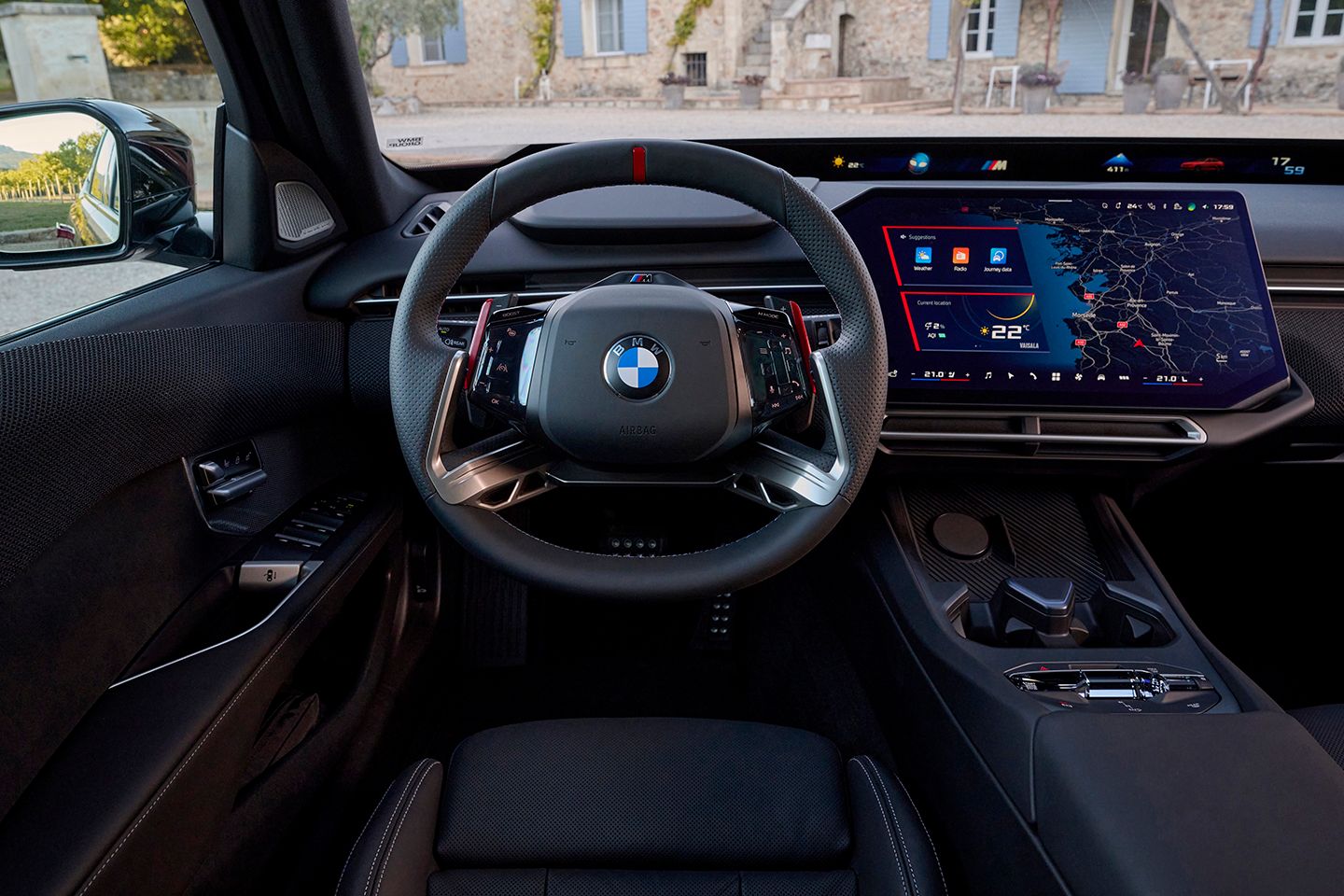
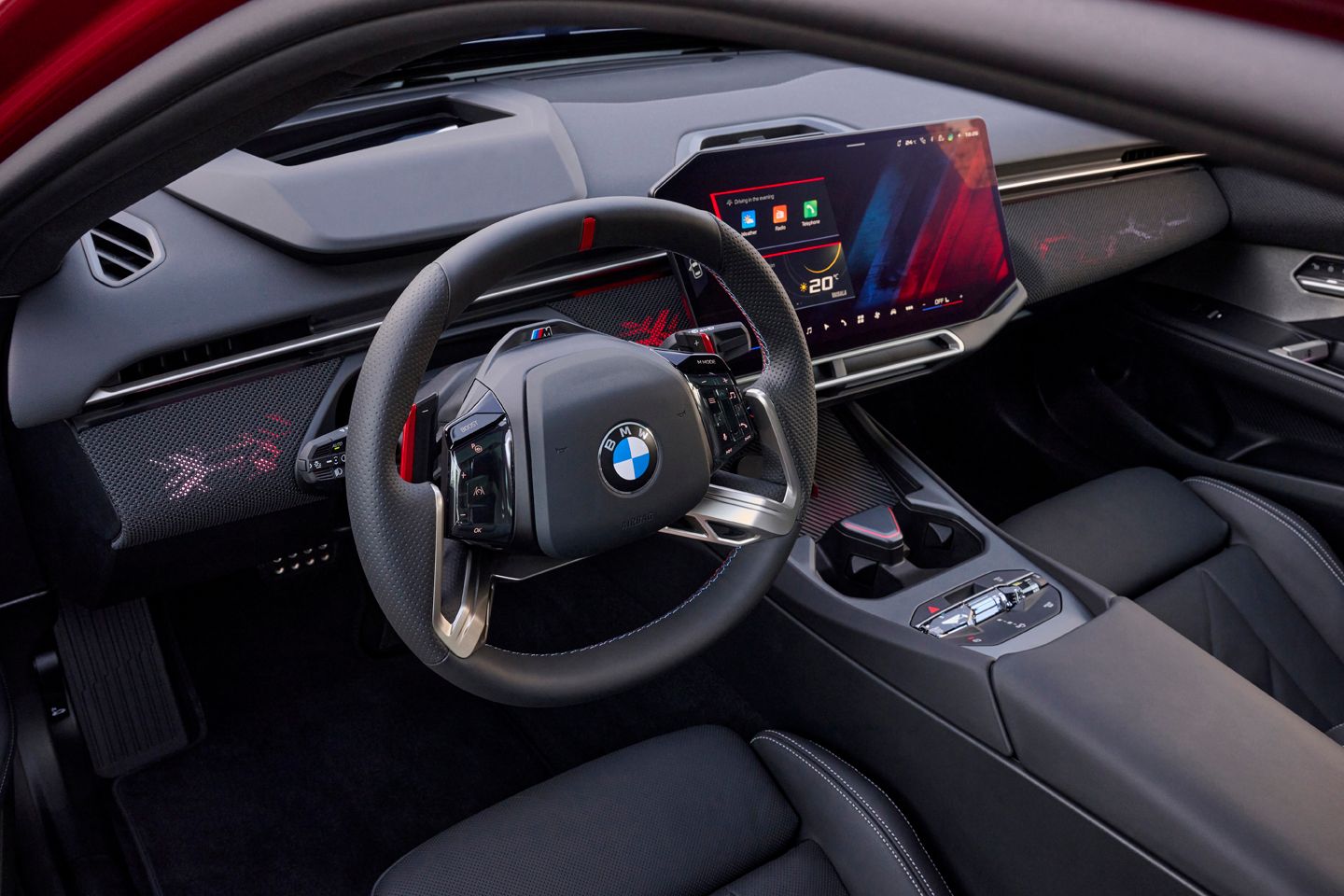
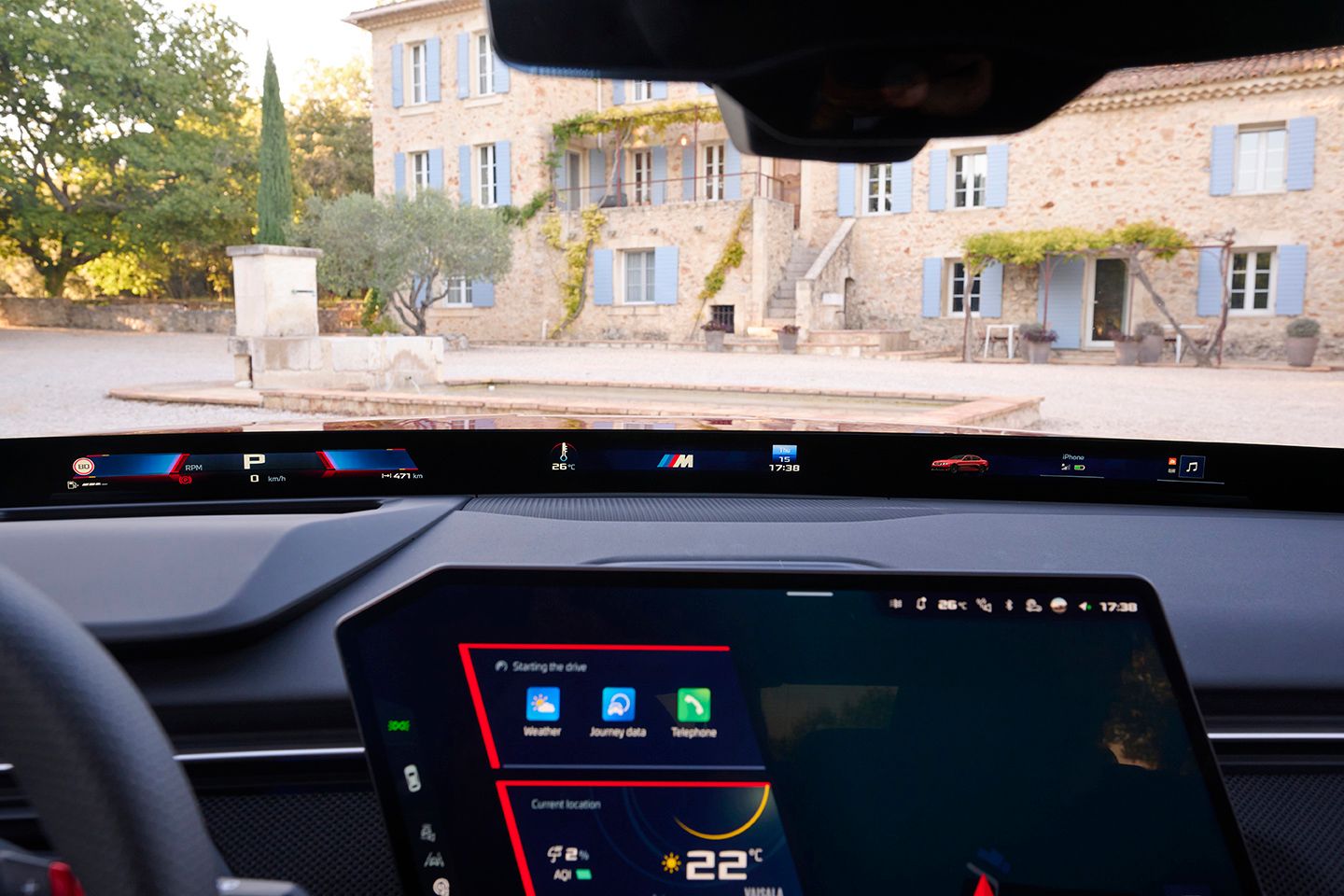
Inside the 3 Series, which will also come in 2.0-litre 318 and 320 petrol forms later, plus PHEVs (but no diesel, even where they’d be bought), is a Neue Klasse-like makeover. This involves that big panoramic instrument screen at the base of the windscreen, and a steering wheel designed to suit, too; heavily sculpted around the quarter to three, and optionally available with vertical spokes. They’ve binned off the rotary iDrive controller on the centre tunnel, a pity I think, but fitted new software to the touchscreen which is said to be easier to navigate. I’d want to spend some more time with it before saying for sure whether that’s successful.
Rear accommodation and boot space is as-you-were from the previous 3 Series, which means big enough for most. Where there’s a more notable difference between liquid fuel 3 and the new electric i3 comes in the driving position; without a 100kWh battery beneath your feet, the seat can be set as low as you could unreasonably want it, thereby looking out over a high dash and feeling truly buried deep into the car, in a classic BMW style.
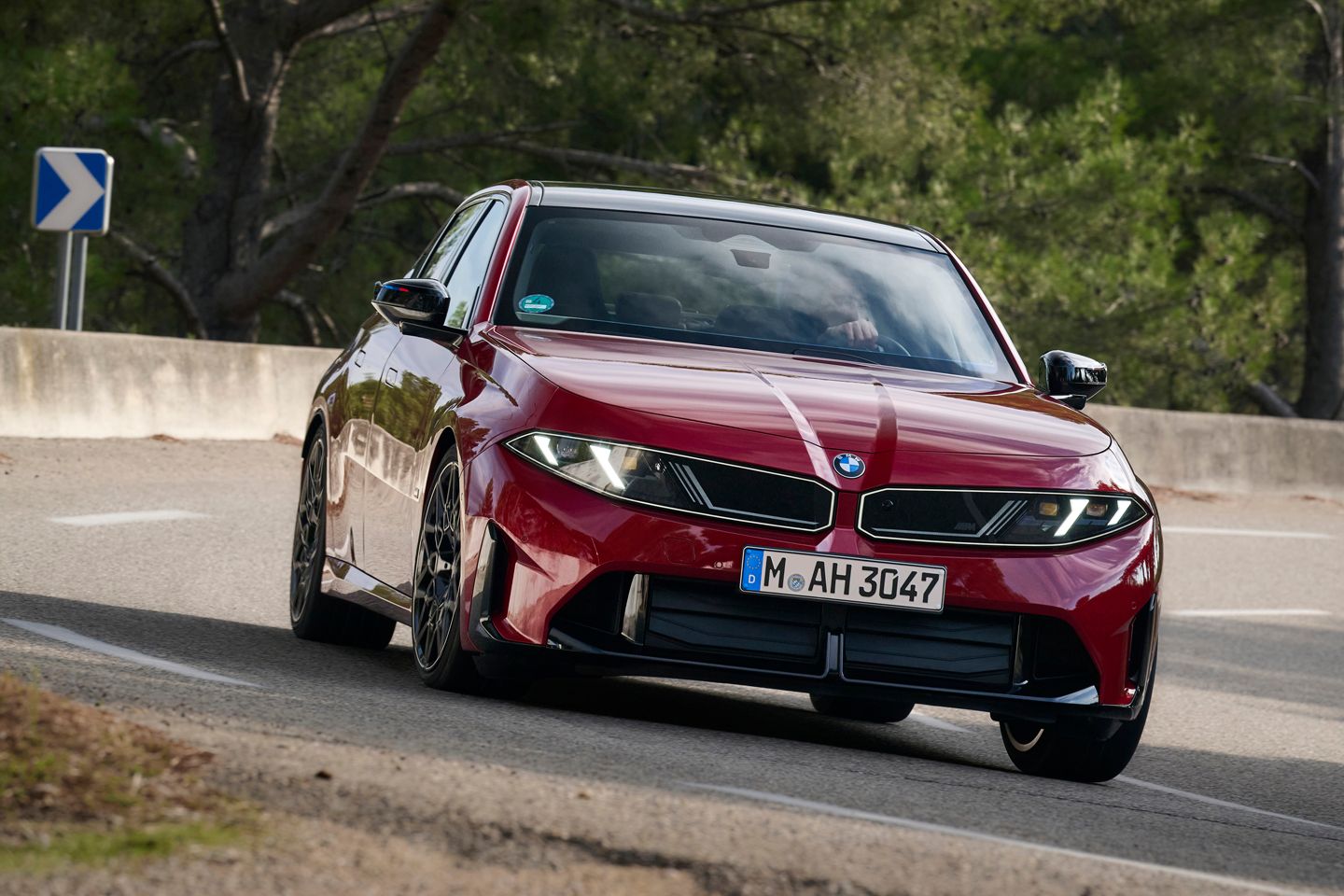
BMW’s primary attention might have been skewed towards the i3 and other ‘NK’ models recently, but it’s smart enough to know that the car the public engages with is, above all, just a 3 Series – so it wants electric and petrol ones to be thought of as slightly different versions of the same thing, even if they’re fundamentally different beneath. So it has tried not to forget what makes a 3 Series great, and why it’s not just the definitive car in its class, but arguably – in Europe at least – the definitive BMW as a whole.
So this petrol 3 still does all of the really good compact BMW saloon things. It rolls along comfortably, at least on some fairly smooth French tarmac, but we sought out the lumpiest bits we could find, too. And it settles gladly into high-speed cruises too, casting bad surfaces aside just as well, I think, as anything else in this sector – not that there are many cars in this somewhat old-fashioned big petrol sector these days.
The autobox is always looking to drop into the highest gear it can handle, because that way decent economy figures come, but the torque-filling boost of the mild hybrid motor means low-rev response is fine, which in turn makes cruising even better, because noise levels are low. Stability seems great, too. One can imagine getting on an autobahn and pointing the 3 at a city 500km away, and getting off at an exit having given the steering very little consideration in the interim.
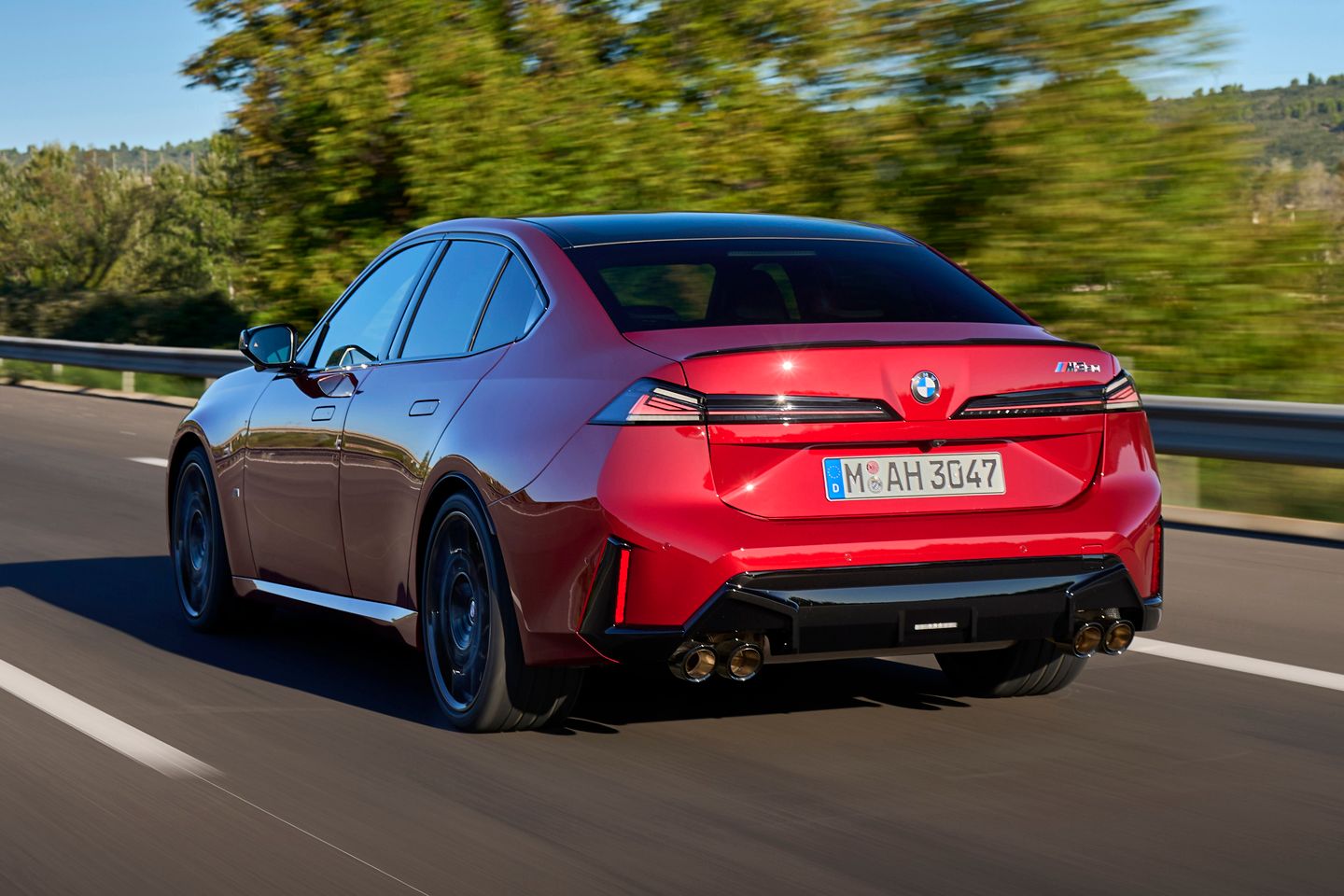
Want to make some noise? Then step this way. This six-cylinder engine has, over the years, been asked to make ever more power, but it’s a task it has seemingly ever-wilfully fulfilled, and there’s no exception now. The electric boost that makes it responsive in a high gear is also helpful in boosting response a few revs higher up the range, too. So even though there’s a heady specific output (for a family sedan) of 147hp-per-litre, it never feels like you’re waiting for the turbo to spool and for the urge to arrive. It’s just there all the time, combined with an easy revving, smoothly sonorous top end, and a ‘box that, if you put it into sport mode, keeps the revs usefully high. And if you take control yourself, does what you ask it to, whenever you ask (so long as you’re not unreasonable about it).
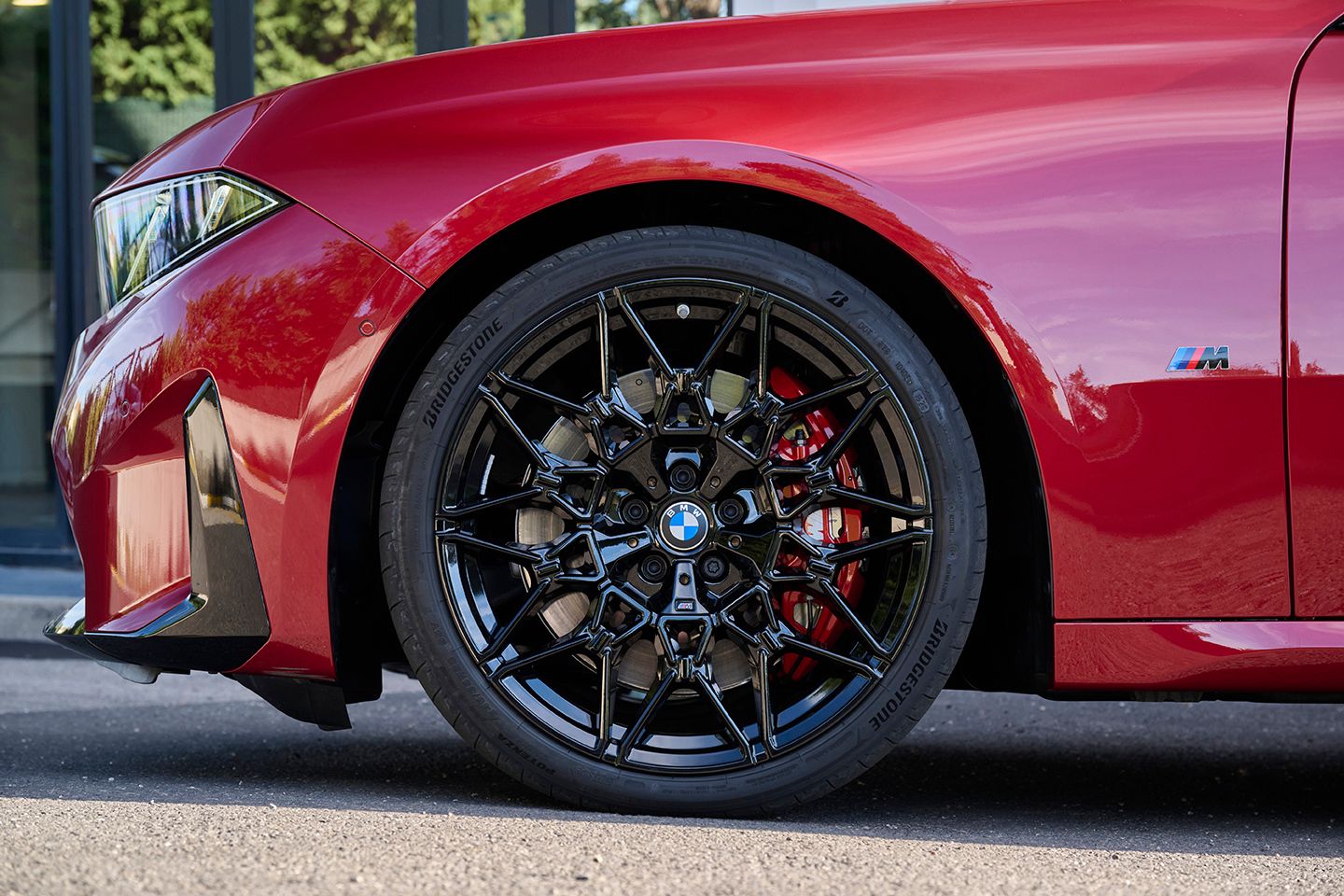
And it handles. Suspension is by double-wishbones (front) and five-link (rear) with, on this test car, adaptive dampers and 20-inch alloys, rolling inside 245/35 R20 front and 275/30 R20 rear tyres. I know EVs have a low centre of gravity and that manufacturers are learning to do very cool things controlling whatever mass they have, but there’s no mistaking the fact that this 3 weighs the best part of a third of a tonne less than the new electric i3. It really has some moves, turning in gleefully, giving subtle messages back through the fat new steering wheel rim, and prepared to (securely) deploy plenty of that power on the way out of bends. It must be pushing some torque to the fronts when the back end becomes loose, but I’m not sure how easily you’d notice it through the steering. I know I didn’t. It’s just a great handling, traditional, premium family-sized two-and-a-half box four-door with a soulful engine and a bucketful of driving character.
BMW says it’s ‘agnostic’ about powerplants – with petrol, diesel, plug-in hybrid, full electric and even hydrogen fuel-cell all in its wider line-up, now or soon. And for sure it’s the exclusively battery electric ones that are getting most of the attention, externally and you’d think internally at the moment. Yet under the radar, it’s making what we’d still rate as the best petrol car at this size and price. So there’s a new kind of 3 Series? Sure there is. Just don’t overlook this evolution of the old one.
SPECIFICATION | 2027 BMW M350 XDRIVE
Engine: 2,998cc, mild hybrid straight six turbo
Transmission: 8-speed automatic, four-wheel drive
Power (hp): 443 (engine 426 @5600-6500rpm, motor 18hp)
Torque (lb ft): 428
0-62mph: 4.1sec
Top speed: 155mph
Weight: 1,860kg
MPG: 37.7 (WLTP)
CO2: 171g/km
Price: £66,785


Gassing Station | General Gassing | Top of Page | What's New | My Stuff