
2027 BMW M3 prototype (ZA0) | PH Review
The first all-electric M3 is nearly upon us - can we learn to love it?
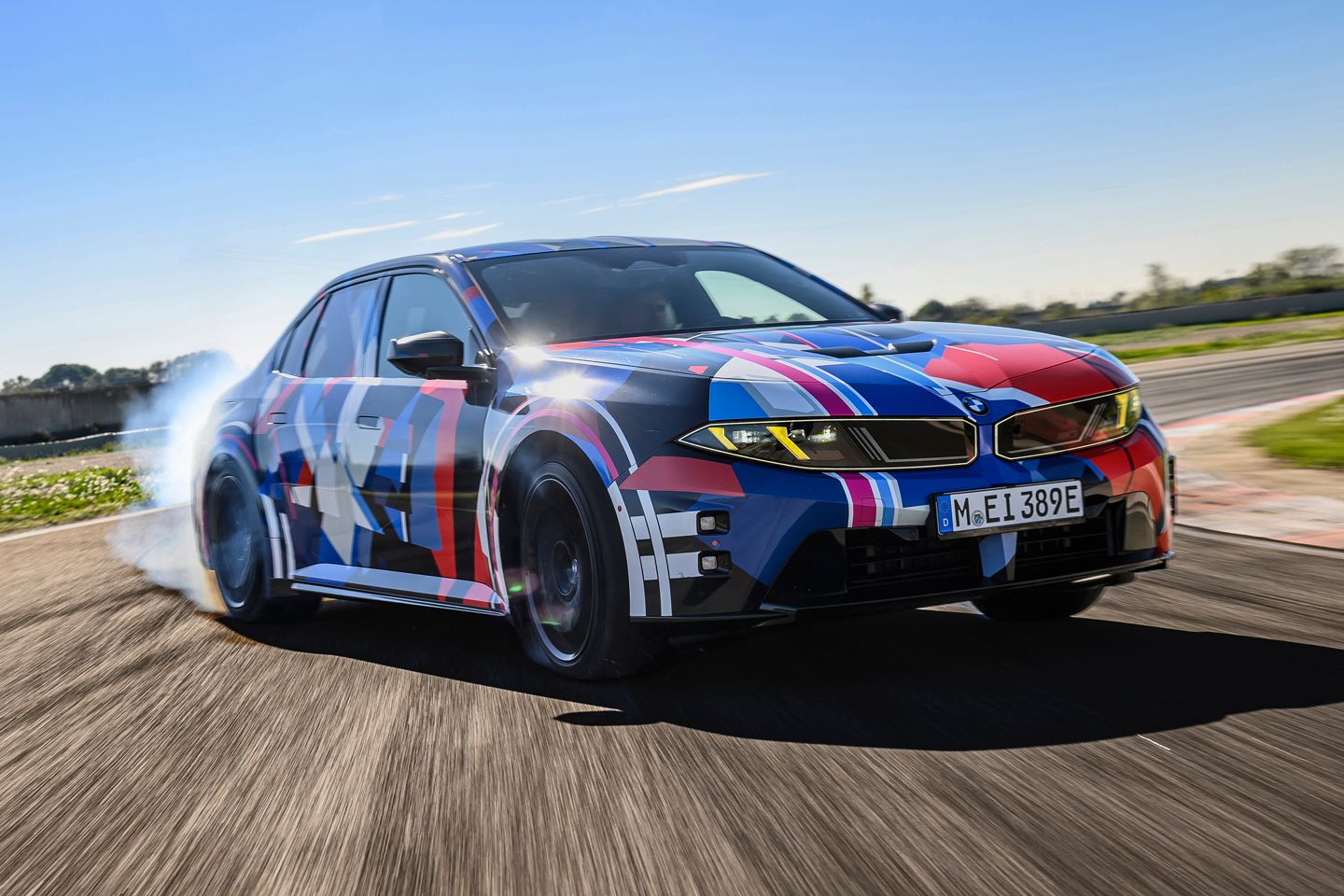
The BMW M3 is never far from controversy. To some extent, cars this popular, this successful and this lauded always tread a thin line, because they mean too much to too many people who all think a little bit differently. But BMW has made its fair share of audacious decisions when it comes to M3 development as well, from building a cabrio version and introducing one with a heavy V8, to ruthlessly getting rid of the manual and mandating xDrive. This latest move, however, feels like an even bigger deal than all of those put together. This is, after all, the new battery-powered BMW M3. A car so inextricably linked with combustion that people have children named S15, S54 and S85. (Well, maybe,) Yes, a straight six M3 will return in time, though it seems notable that all of the attention for now - the Le Mans reveal for a concept, an early prototype drive - is on the Neue Klasse machine. This really, really matters.
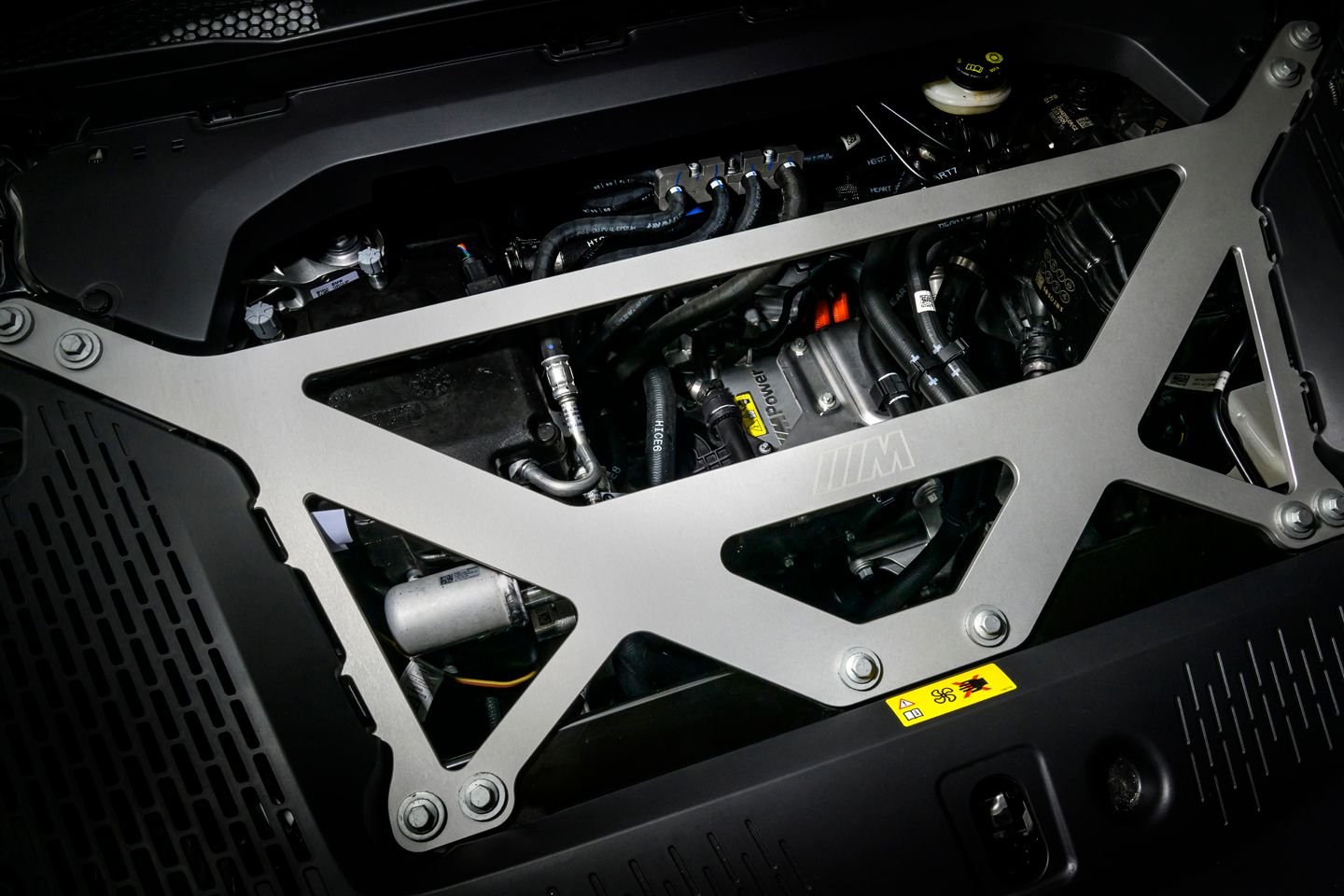
So, as befits anything M-badged, this flagship i3 will be significantly altered from the models we’ve seen thus far. While the 100kWh battery is retained, the cells now feature new chemistry for more power and an improved ability to sustain it over extended periods; cooling is beefed up, too, and there are new mounts for the high voltage battery. There are stiffening plates front and rear, plus new subframes at each axle with forged links, new carriers and control arms. BMW says the ‘body, chassis and high voltage battery are designed as a structural network.’ The bracing under the bonnet recalls previous generations quite neatly, aiming to give the EV the stiffest (and heaviest) foundation possible to work with.
It’ll need the help, too, as this will be by far the most powerful M3 in history. For all the talk of preserving the M car feel and not simply making a gratuitously fast EV, there’s no escaping the fact that an estimated 850hp is an enormous amount. It’s basically twice what the F80 launched with in 2014 (431hp); system torque is going to be in the region of 885lb ft, or another 400lb ft on top of today’s already-very-fast G80. Expect around 420kW of charging power and 400 miles of range.
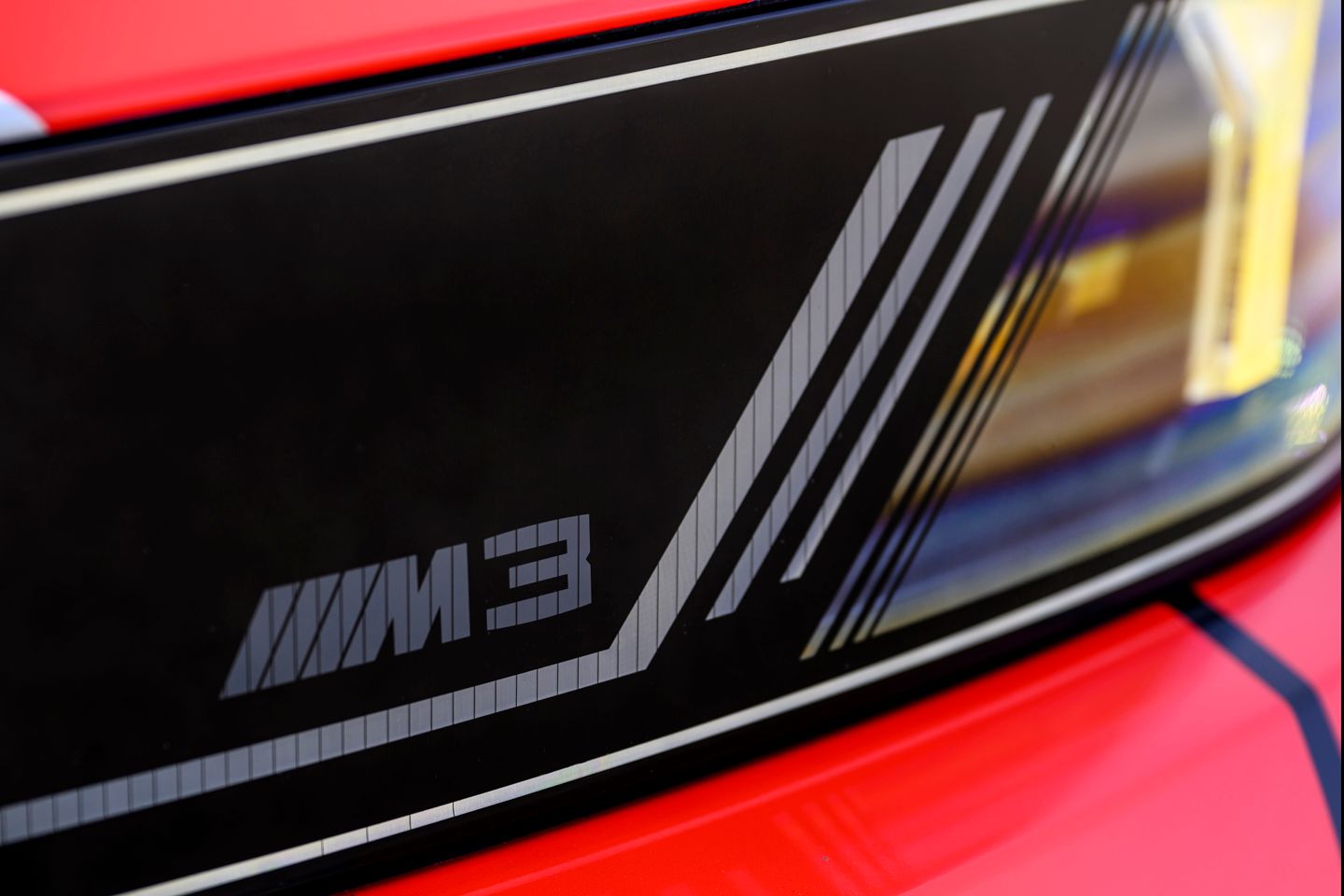
While it’s hard to get past the power figure once you know it, there’s plenty beyond just sheer welly to make an i3 into an M3. There’s now the M eSound for one thing, working in conjunction with M eDrive to deliver an ICE-style experience through ‘stages’ - or what you and I will recognise as artificial gears. The M3 can be driven as a regular EV with the eDrive off, a self-shifting M eDrive Auto mode or M eDrive Paddle Mode, complete with shift lights and a limiter.
Plenty more is bespoke, from springs and dampers to a stiffer steering column, battery preconditioning for track driving to natural fibre instead of carbon for some body parts. And long gone are the days of underbraked M cars: with up to 540kW of regen possible (thank that new cell chemistry again), it means that most of the braking is actually done without the friction system, even on track. Not only does that mean lots of ‘free’ energy (up to one lap in three can be done on recuperated energy, says BMW), it means lower temperatures and less wear on the discs and pads. Plus there are two very powerful braking sources to haul your M3 down from what’s going to be some crazy speeds.
The fundamentals that underpin the i3 - the Heart of Joy, most notably - are found again in the M3, now with M Dynamic Performance Control. Unsurprisingly, BMW is still keen to make a fuss about this, promising a smoother, more responsive driving experience because everything is designed and engineered in-house. The Heart of Joy communicates with a BMW battery, BMW motors, BMW inverters and so on - it’s not being compromised or held up by having to work with third-party bits.
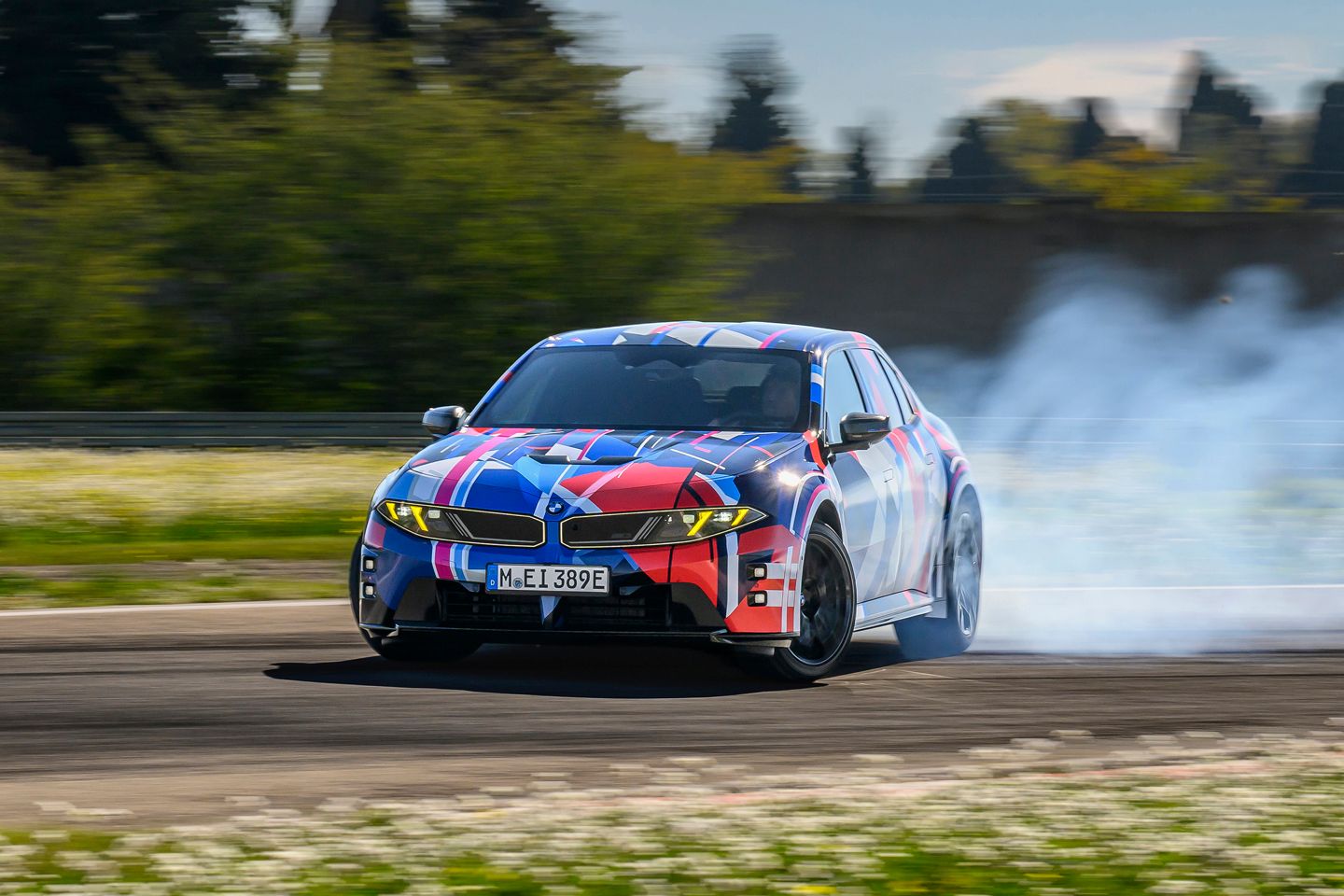
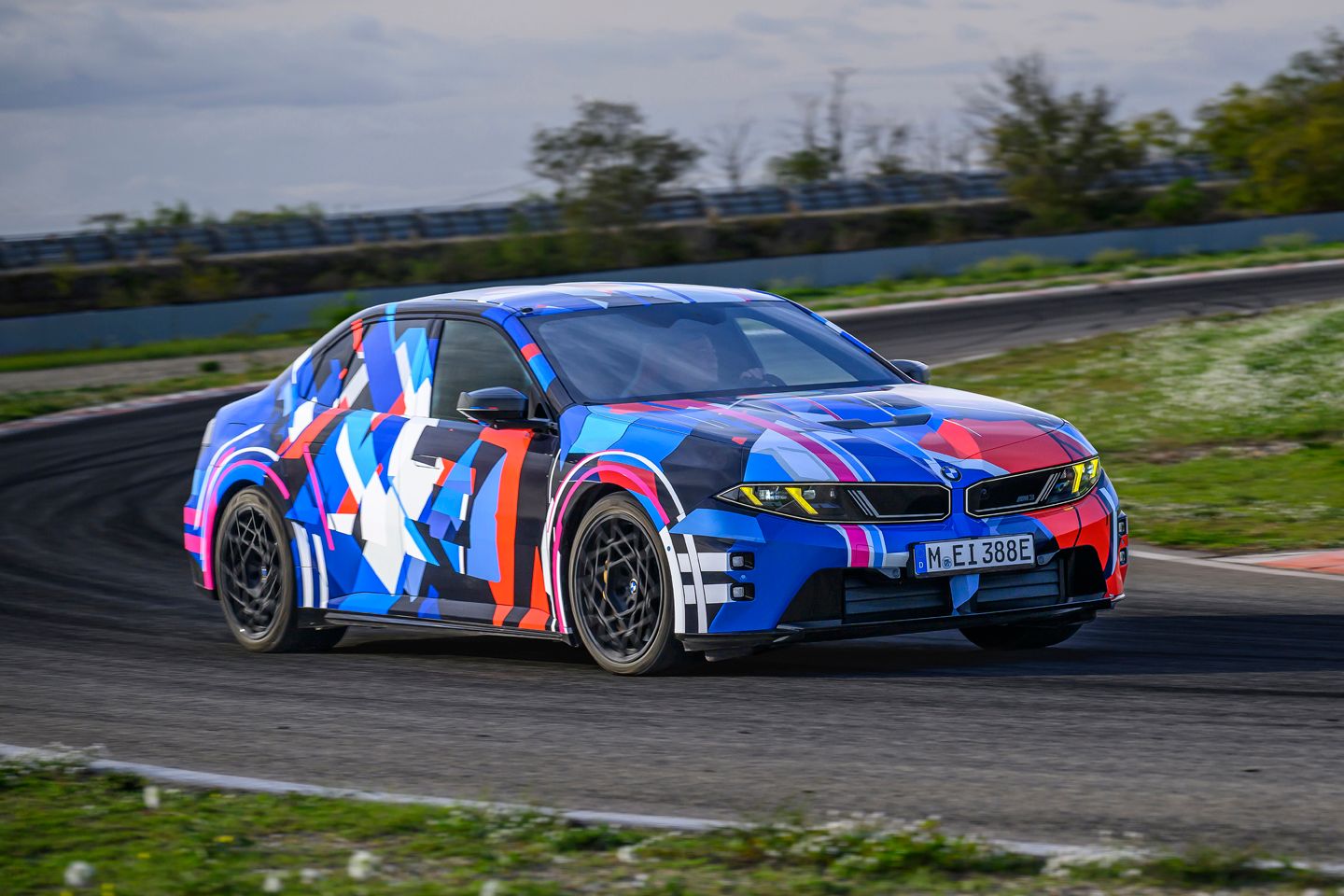
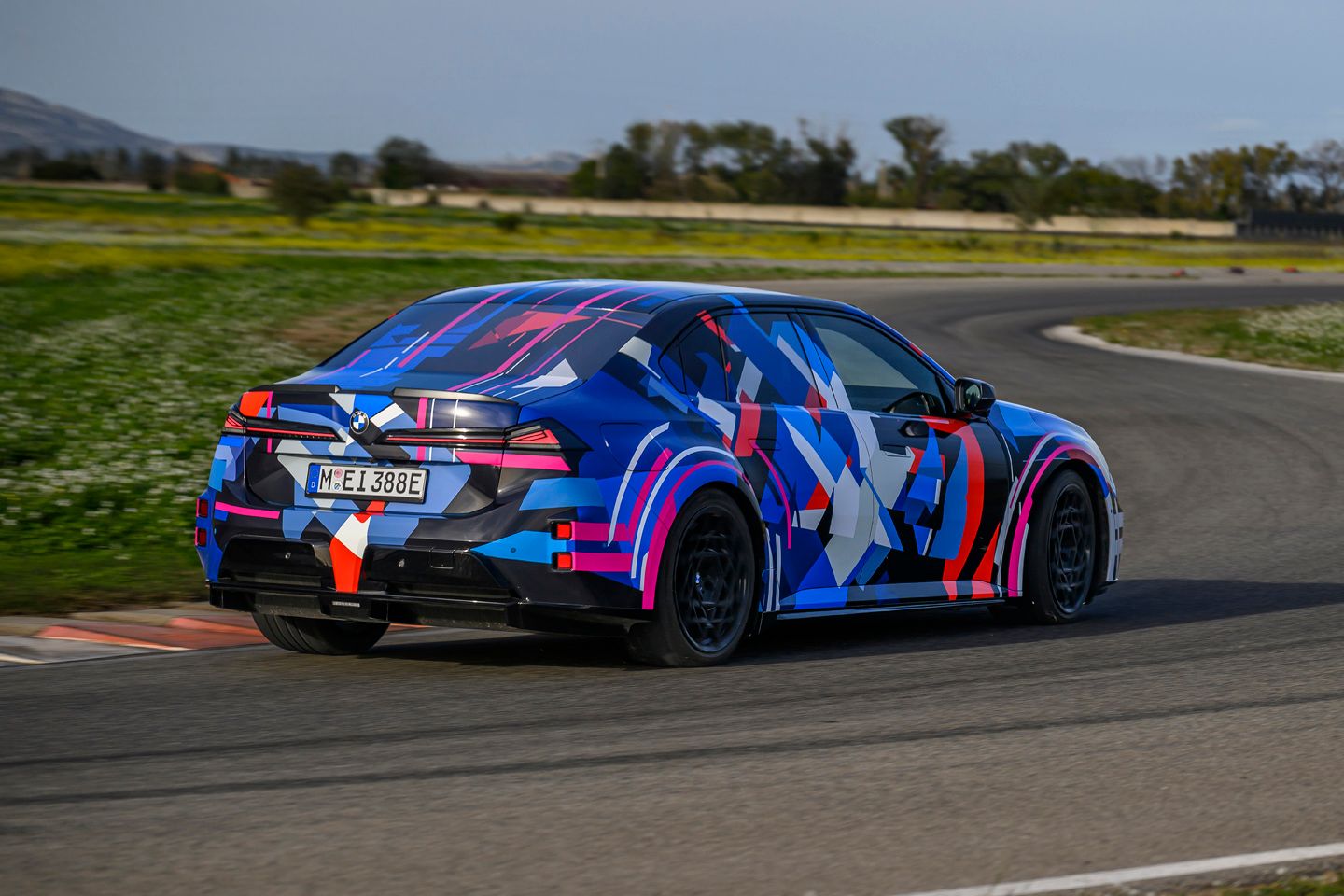
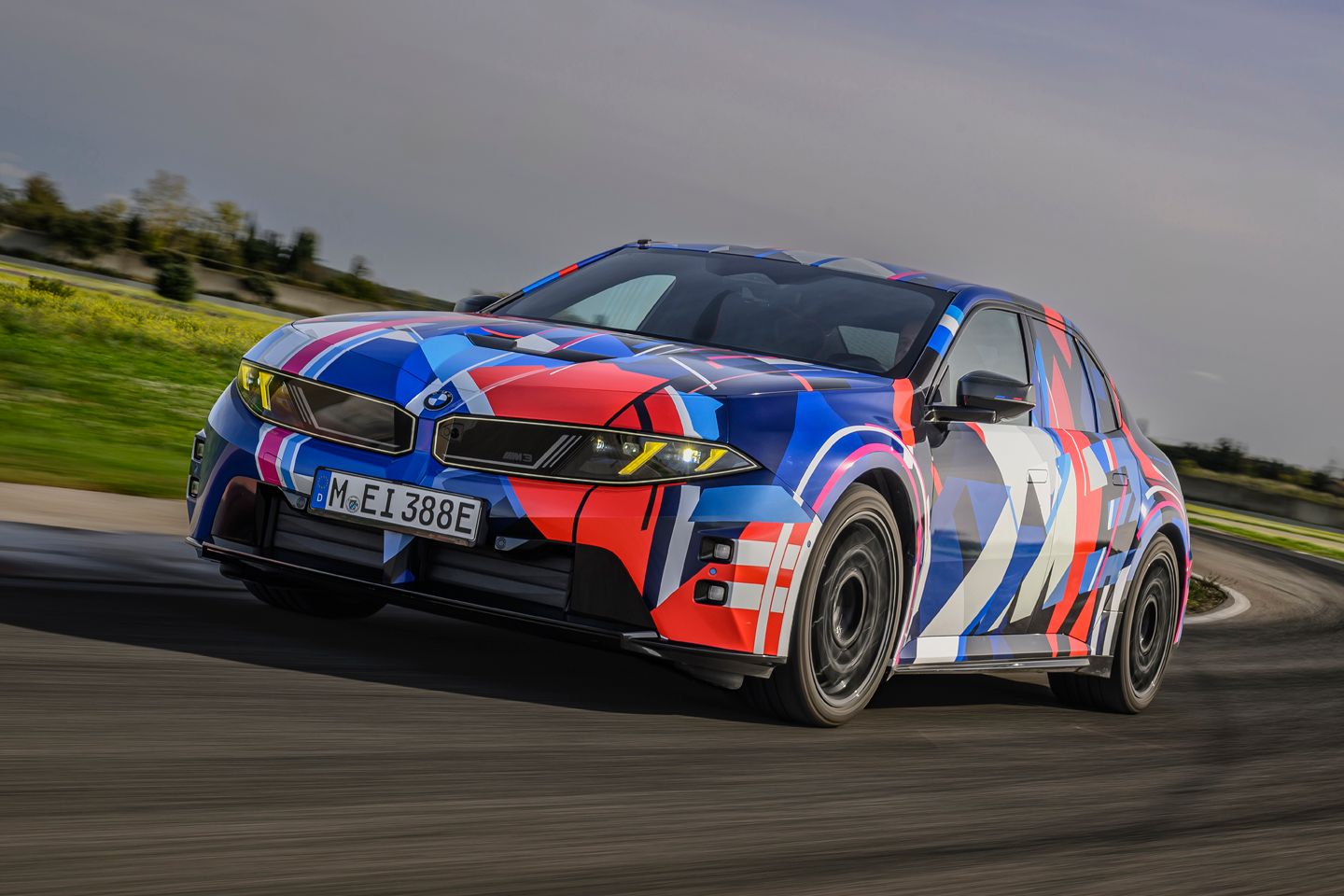
Speaking of which, motors are most definitely important to an M3, even if they’re rather different to what we’re used to. There are two sport drive units for the M3, one for the front and one behind, both containing a pair of motors - i.e. the quad motor setup that’s been talked about for so long. Makes 850hp a bit easier to understand, too, given what’s already been achieved with just a couple. BMW says the AWD configuration delivers ‘maximum traction and performance, while offering a rear-drive focus for ‘increased driving dynamics.’ It’ll still do skids, basically, as the pics ably demonstrate. Nobody will confirm whether a Drift Mode is coming, but given the front axle can be decoupled for range, it can hopefully be decoupled for mischief as well.
And if you’re thinking that this sounds like a jolly complicated M3 then, well, yes - you’re right. Proof is in the M Setup screen, a familiar innovation from recent M cars but now with even more to fiddle with. The M eDrive, Drivetrain, Energy Recovery, Chassis, Steering, Brake, DSC and Sound all have at least two settings to choose from (three in quite a few cases), so it’s little surprise to see that screen altered to make adjustment easier. The M1 and M2 buttons have been retained to save favourite presets, but it’ll come as no surprise to find even a simpler Setup screen more bewildering than ever.
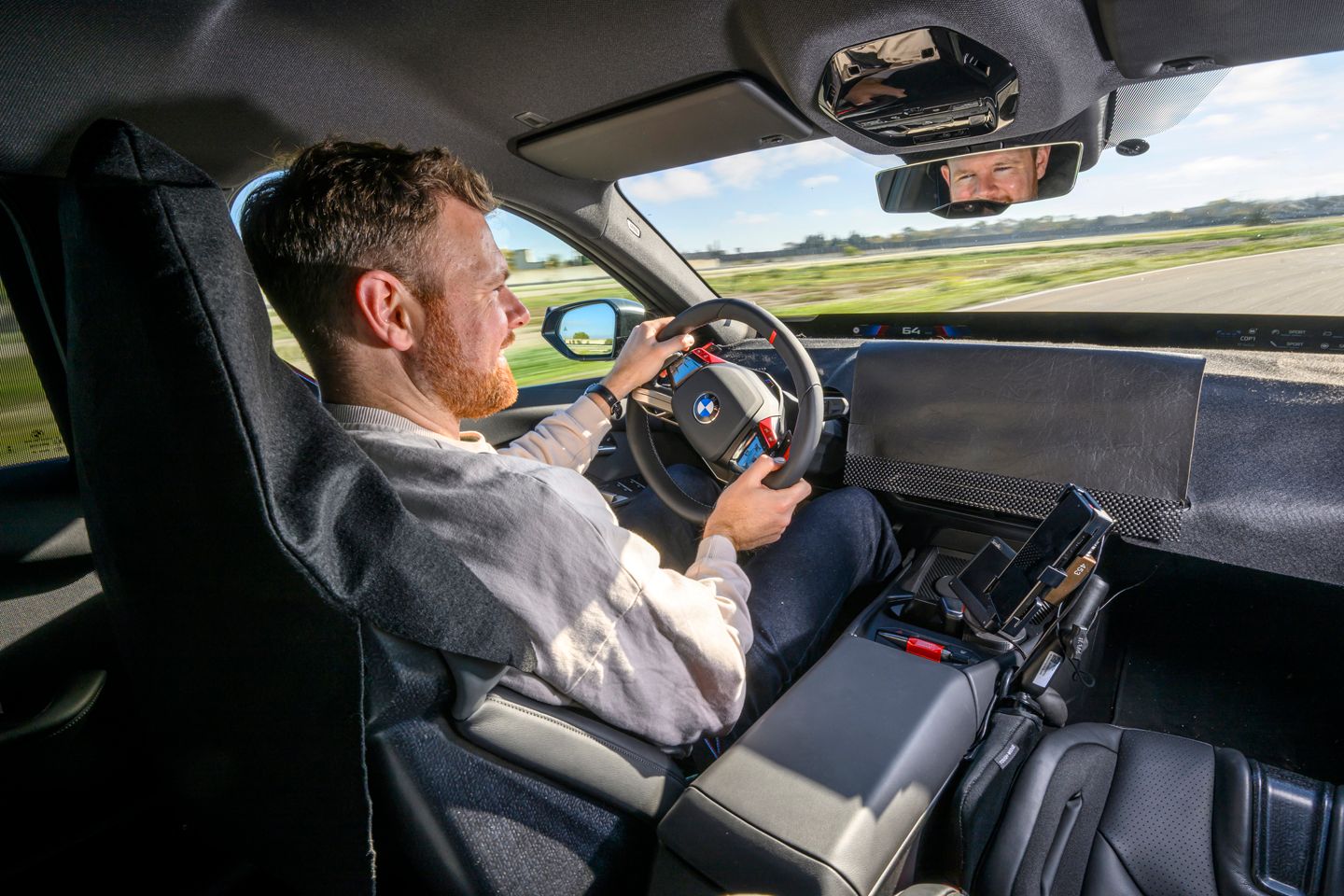
The rest of the interior features a great set of M seats, now with the ability for the cushion to be dropped separately from the seat. There’s an illuminated badge, of course, as is now M3 tradition, and more of the natural fibre they’re so keen on now. Anyone who liked the old M3 seats will feel right at home here. Perhaps not so much with the steering wheel, though it’s much nicer to grip than it is to look at.
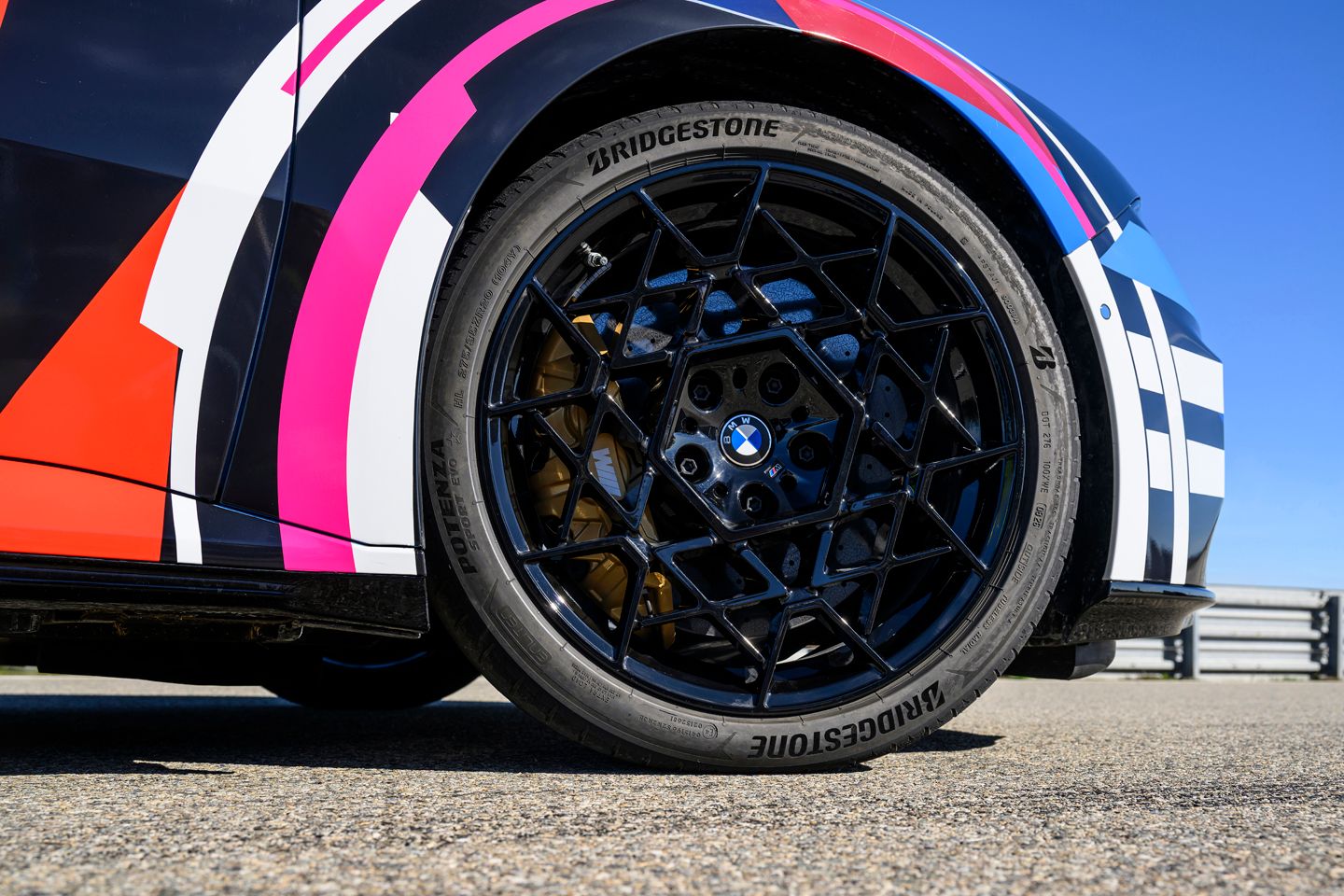
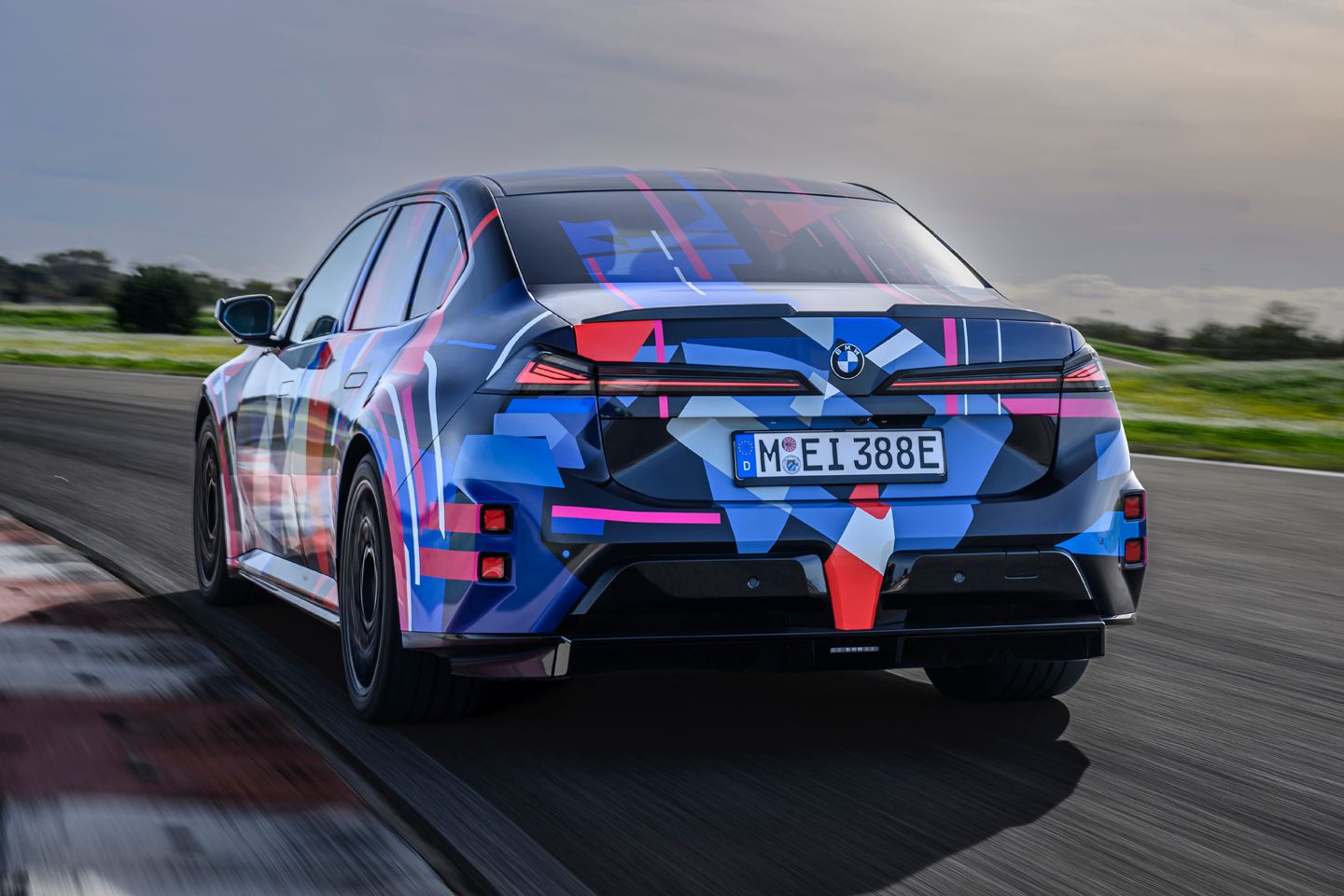
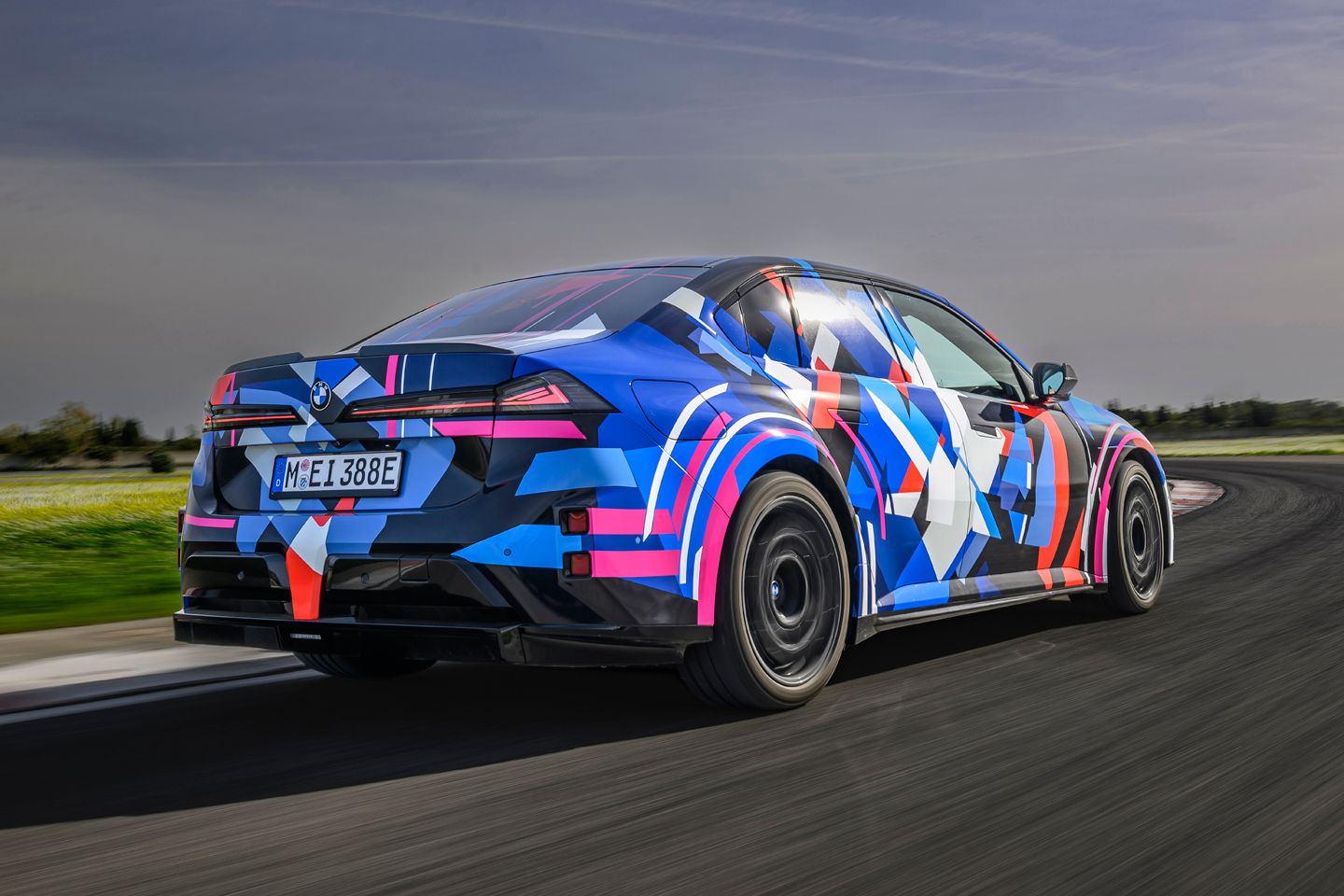
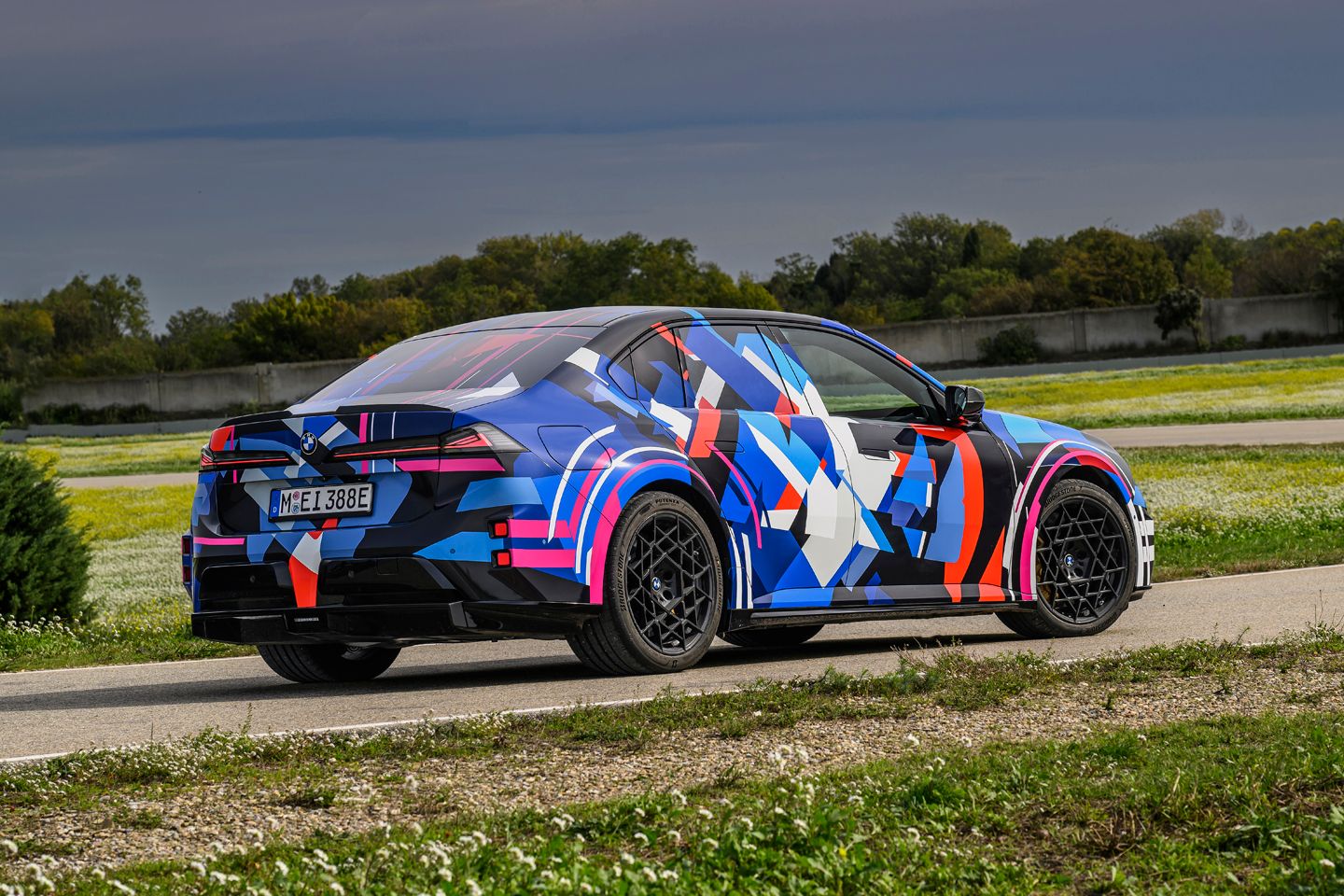
While talking of looks, there’s reason to be encouraged about the M3’s appearance. Or there will be more to discuss than just the grilles this time around, put it that way. The influence of the Le Mans concept is plain to see, even in disguise, a brawnier i3 but not a totally transformed one. Wheels, tyre and brakes will be bespoke to the flagship, of course. The yellow lights mean the outside lane of the M6 Toll will know the M status even during the day.
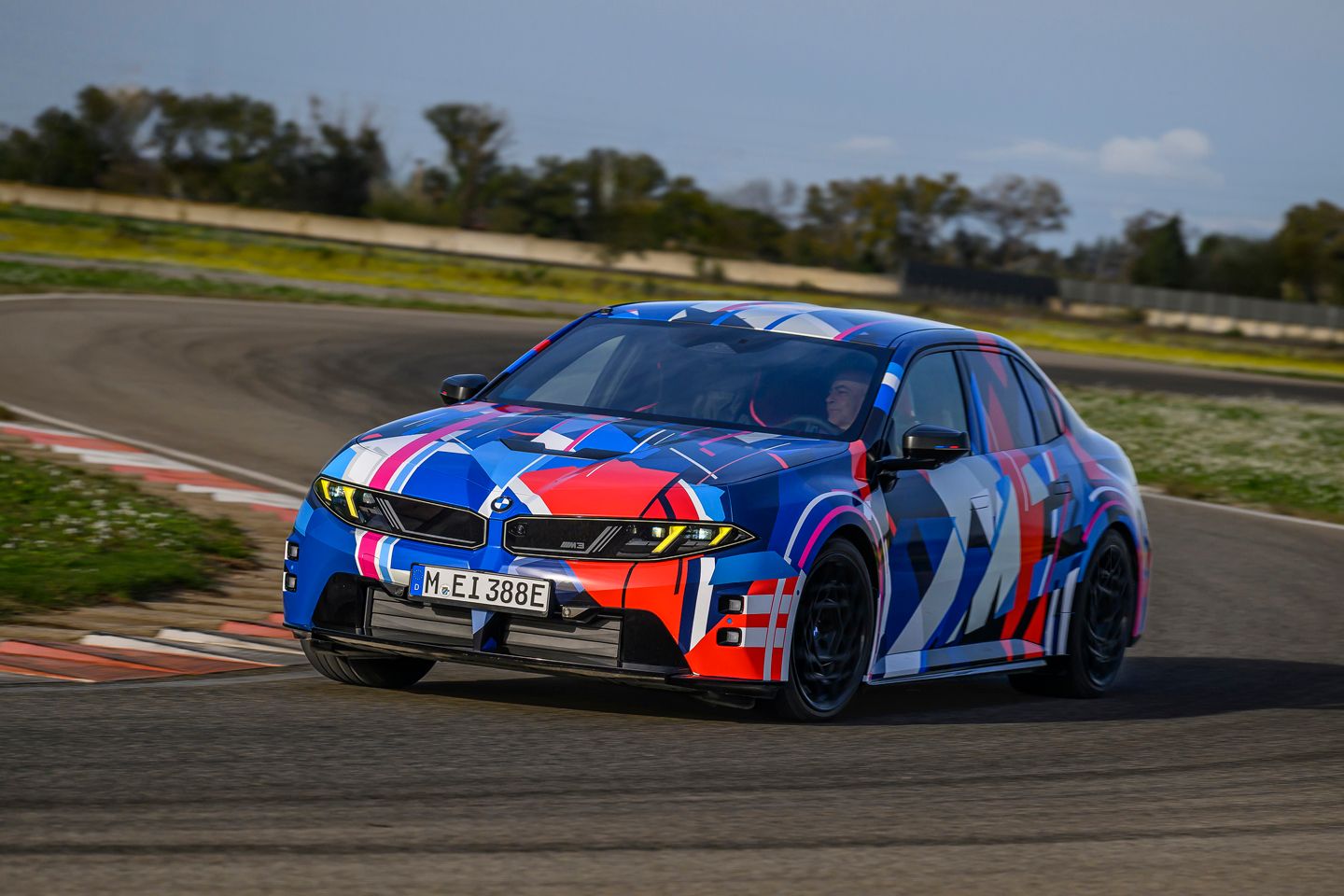
A lot to get your head around, then. And an awful lot to think about when driving the BMW test track at Miramas for the first time, across two five-lap sessions, each with a warm-up lap and half a cool down at the end (though the brakes really don’t need any time off because of the regen). The first stint uses an M1 preset that has most things in the mid-way mode if they have three settings, Sport for the steering and brake, plus DSC on. Round two would move to MDM for the DSC, then Sport+ drivetrain, Sport+ chassis and maximum energy recovery.
The good stuff? For all the complexity, innovation and advances, much of what you feel as a driver is recognisable from all-wheel drive M cars. The front end is direct, apparently unencumbered by its drive responsibilities; traction is strong, the sensation of being pushed out from the rear pair of motors than the front. The resistance and response of the steering is just about right in Comfort and then spoiled a bit in Sport, as modern M car tradition dictates. (Notably there isn’t four-wheel steer here, or any kind of active suspension, the logic being that setting up a car factoring in options always brings compromise. Imagine what might be possible if the driver couldn’t fiddle with all the other stuff…)
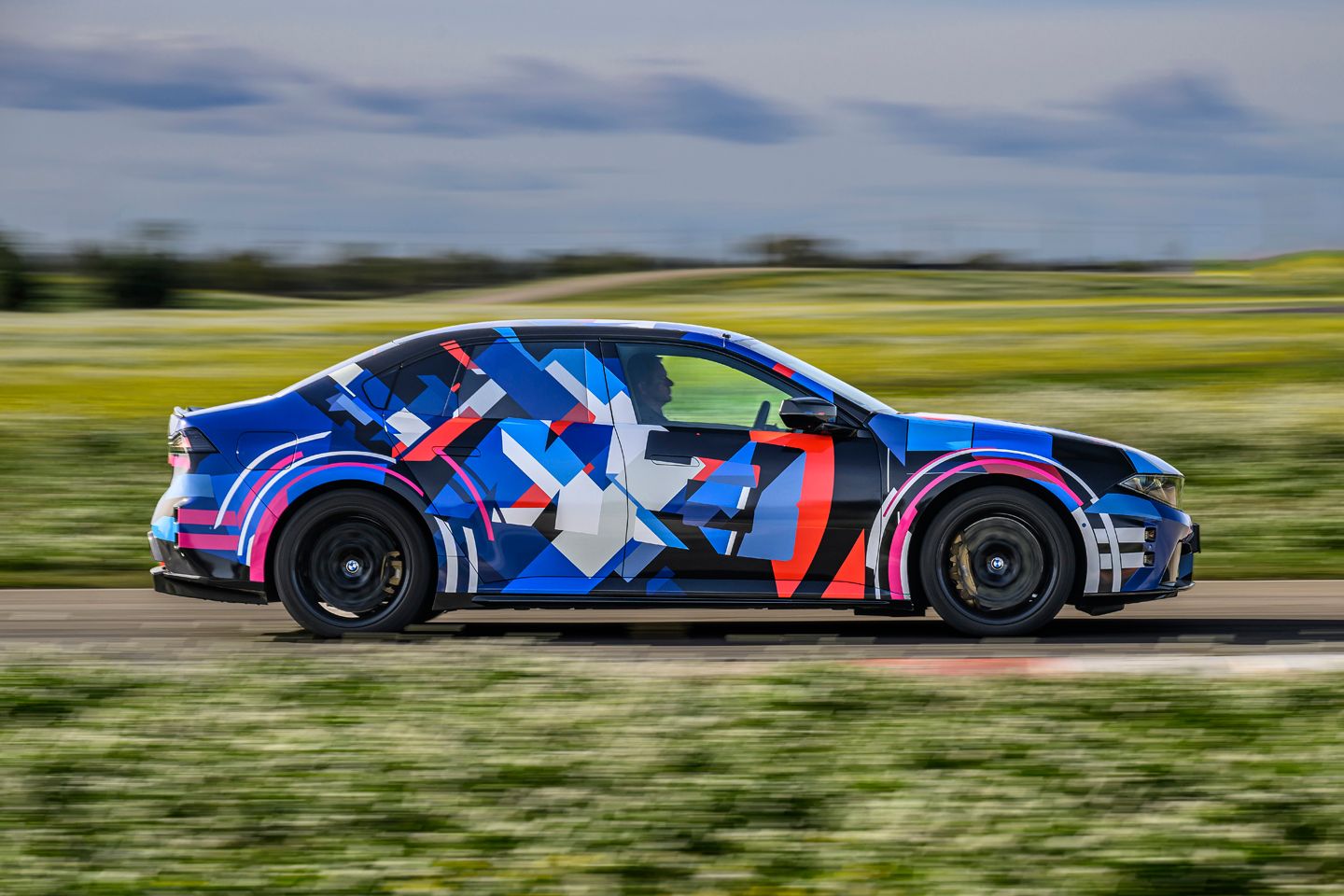
The performance is, as expected, completely obscene. It really isn’t comparable with anything else M-badged, such is the unabating violence of the acceleration. When first getting acquainted with it on track, you feather the throttle for fear of just where full beans will reach. On a circuit without many straight bits, 200kph (or 124mph) is never far away. By the second session, we’re lapping as fast as the BMW test drivers in the current car. And yours truly is nowhere near that level.
While some of that will be due to the power, there’s most certainly more at work than output. The braking power feels immense, but the pedal is extremely reassuring also, which is some achievement given the regen potential; where so many have struggled to blend two braking sources, the M3’s brake pedal is one to rely on. From confidence dabs to big stops, it’s very good indeed.
Ditto the suspension, which keeps everything on an even keel despite some dodgy driving. Whether misjudging kerbs or braking points, the M3 is supremely flat and controlled. Sport Plus, as so often happens, feels very stiff even on a track, and the EV always feels like a large car doing remarkable things rather than a true lightweight - there’s no official mass yet - but it’s mighty impressive nonetheless. Understeer, when it comes, is a useful reminder that you’re getting a bit carried away, usually thanks to entry speed. (The front tyres here are only as wide as an M2’s; much wider and they’ll meet in the middle.) This really feels like a car that belongs on a track, and not just the straight bits.
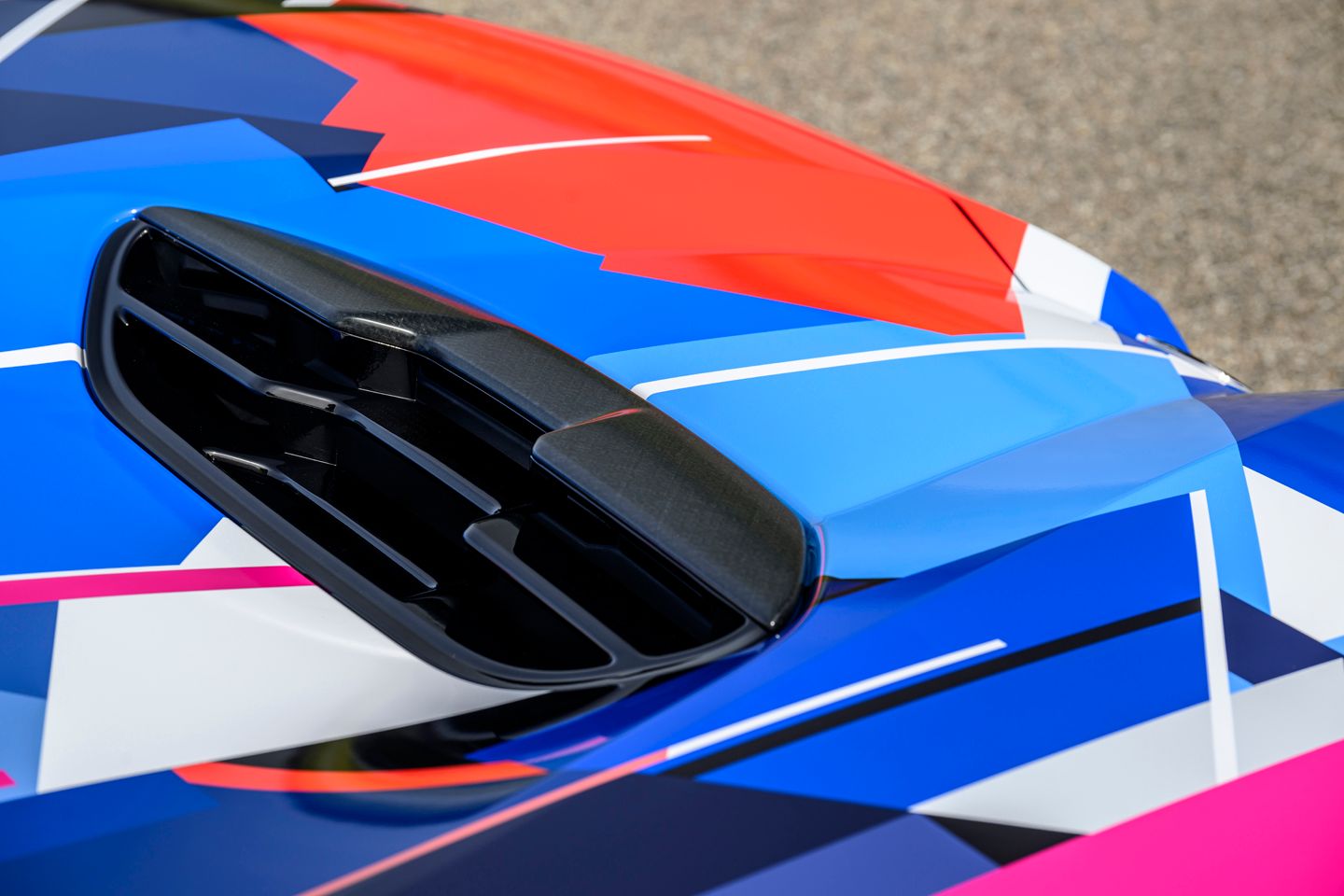
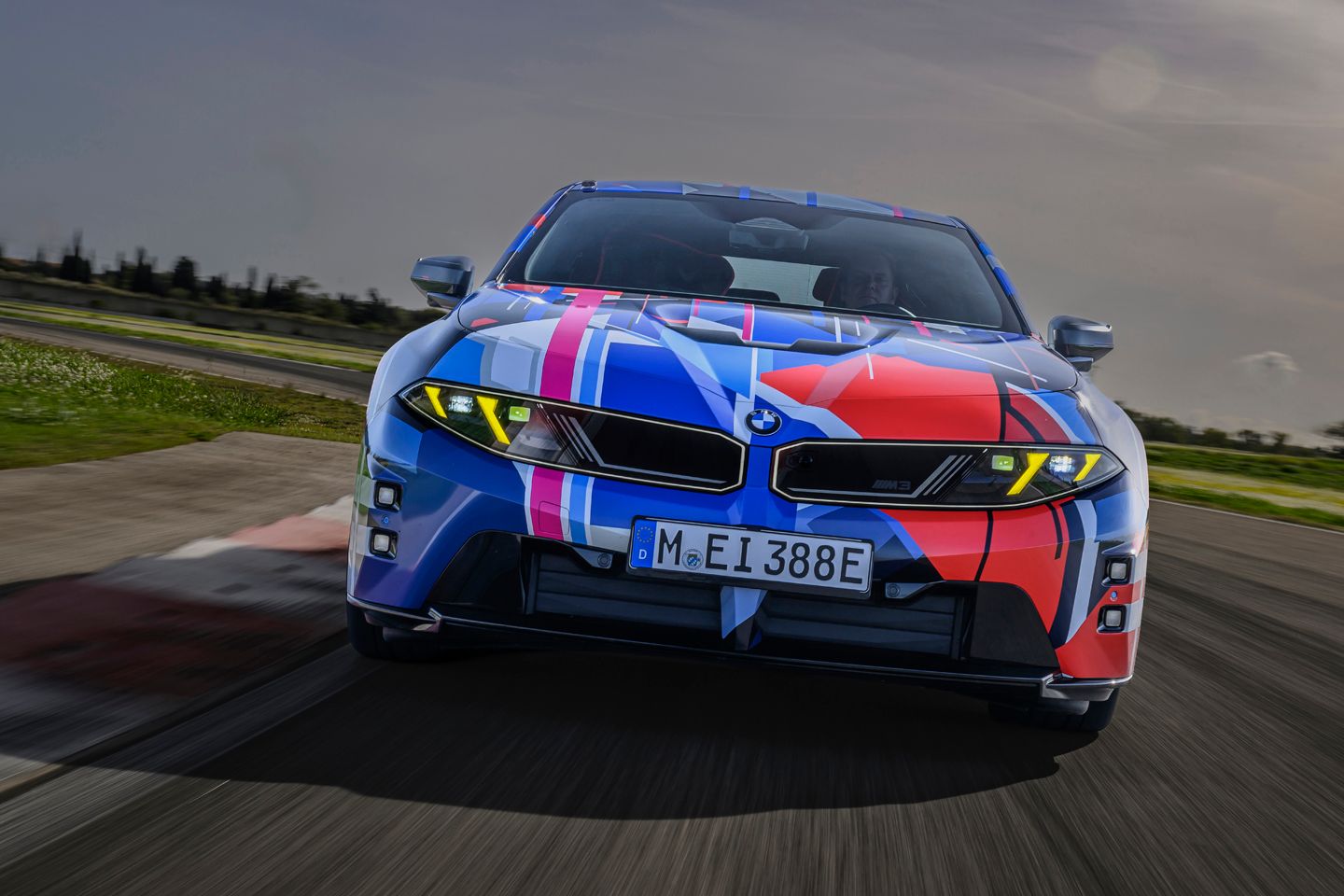
The quad motor stuff is undoubtedly very clever as well. The M3 is doing things you’d expect an xDrive M3 to do, smearing itself wide under power when MDM is engaged, but reacting so much faster and more precisely than anything combustion-powered would. Yet because there’s feedback through the seat (plus a bit from the wheel) and total faith in the controls, nothing is unexpected or unmanageable. It’s a very confidence-inspiring car, whether placing it on the brakes or getting on the power just a bit too early. Crucially, moreover, it feels like there’s scope to explore as well; partly thanks to all the ruddy modes, but also because of how the behaviour changes with different driving styles.
That’s probably the biggest compliment that can be paid to the M3 on this brief test: going without an engine hasn’t robbed this car of inimitable BMW M feel. For all the clever goings on underneath, from behind the wheel, there is simply the impression of a very well-sorted super-saloon. There’s no way an M5 would have been this fast, or this enjoyable, even without much weight difference - the move to offering pure electric (or mostly pure petrol M cars) looks smart, because this is mighty.
What a shame, then, that the sound is something of a disaster. In recent generations, the M3 has certainly had its problems in terms of aural joy, whether it be Active Sound Design or the drawl of an S58 exhaust. But the M eSound is significantly worse, the outcome being straight-up weird - like a UFO with a straight six diesel and a silly overrun - as well as too loud. In the Max setting, you can’t hear what a passenger is saying (or your own thoughts), which makes it unusable. Apparently the towering volume is there to ensure it can be heard through a helmet. While Mid is less infuriating, and the upshift explosions quite fun, it’s still not nice to listen to. And that's not good for an M3.
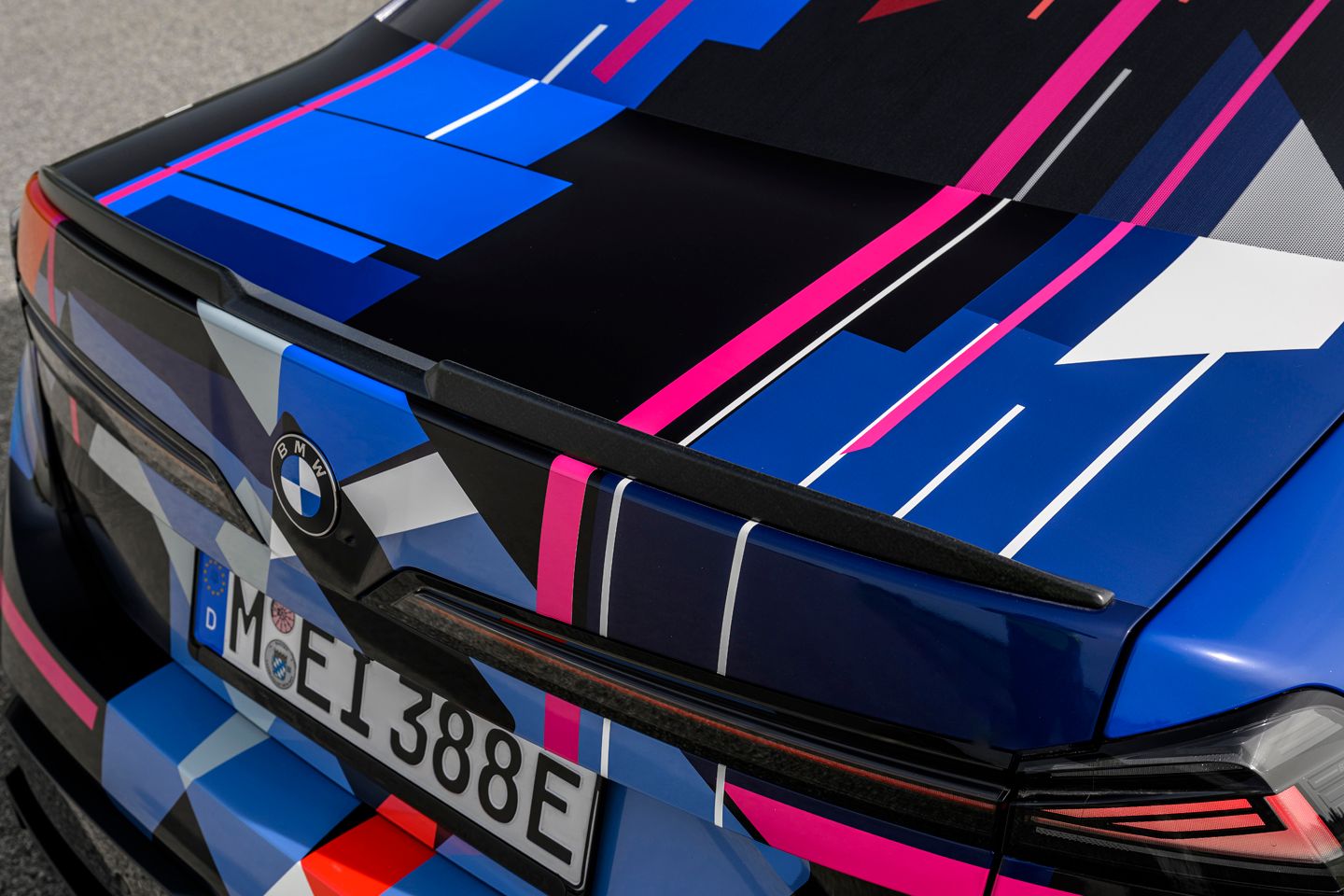
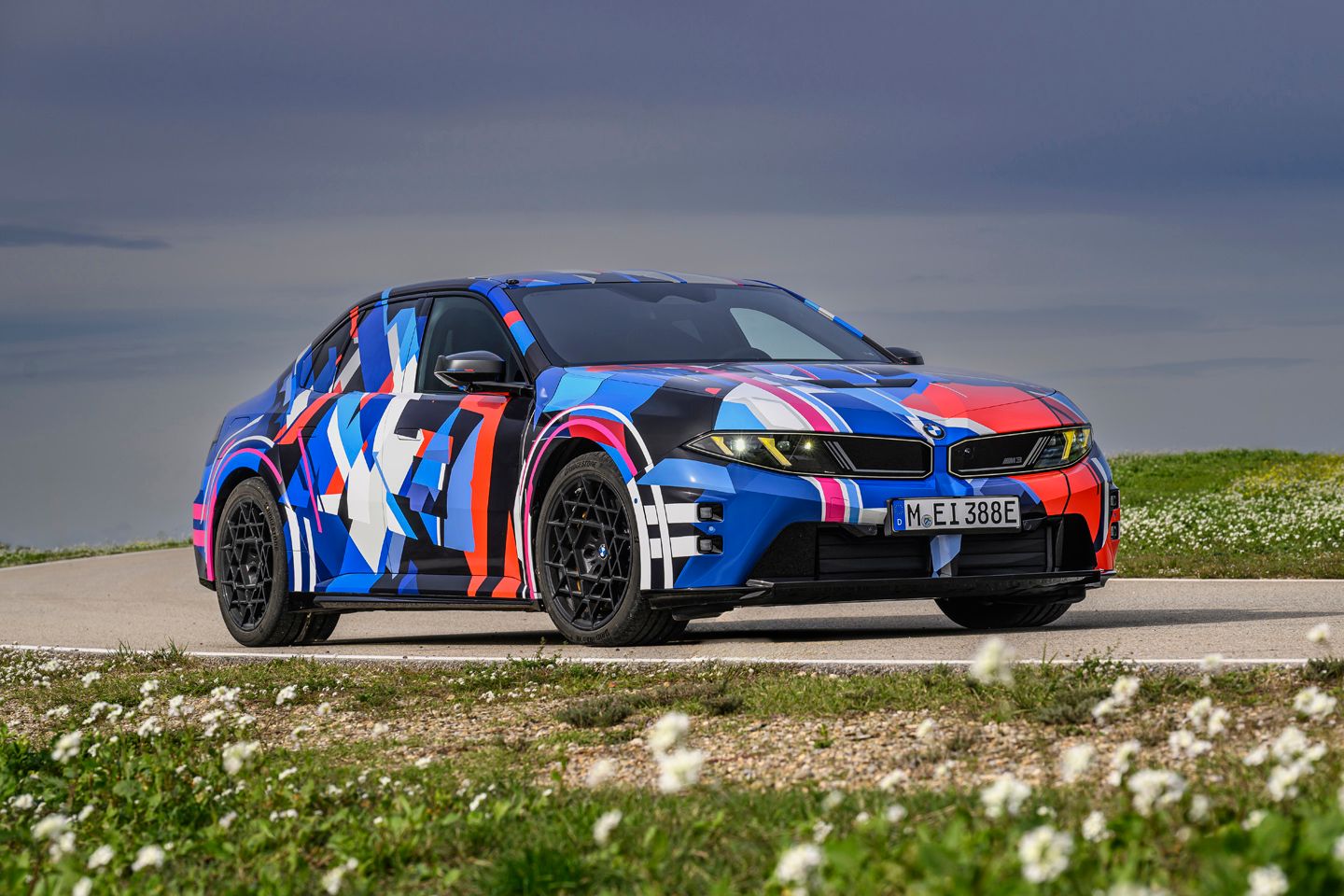
Nevertheless, the ZA0 (another one to add to your BMW product code glossary) has given a very good early account of itself. As a new M3 ought to on BMW’s own test track, of course. But the way it steers, brakes, rides bumps and spins its tyres points to something that’s going to feel pretty special at any circuit. The notion of an electric version is hugely more appealing having driven it rather than just hearing about it, which is obviously a very good place for the prototype to be. If you like how modern M3s drive, disciplined and capable but also with a wild side, there is plenty to like here.
Whether buyers actually want an electric M3 feels a trickier question to answer right now. For all the clever battery preconditioning available, it’s easier to find an avocado at a track day than it is a DC charger. An even heavier, 850hp, quad motor M3 is surely going to go through tyres more voraciously than ever. It’s hard to imagine this being less than £100,000, either - look at what an i5 M60 is currently worth for what the market thinks of an EV M car. This is a vastly more exciting BMW than the 5 Series, though even a casual observer would point to the uncertainty that persists around expensive, enthusiast-focused EVs. On this experience, the M3 certainly moves the game on in terms of driving engagement, not least because it manages, first and foremost, to be an M car regardless of how it sources its power. In other words, job number one done. And if buyers took to turbocharged, automatic, four-wheel drive and convertible M3s, who's to say they won’t want an electric one?
SPECIFICATION | 2027 BMW M3 PROTOTYPE
Engine: Four electric motors, 100kWh battery (approx)
Transmission: TBC, all-wheel drive
Power (hp): 850 (approx)
Torque (lb ft): 885 (approx)
0–62mph: 3 secs (approx)
Top speed: TBC
Weight: TBC
Efficiency: TBC
Electric range: 400 miles (approx), 420kW charging
Price: TBC


https://www.youtube.com/watch?v=ZUwRnBhtevE
Gassing Station | General Gassing | Top of Page | What's New | My Stuff