
Canon 350D.... eeek!
Discussion


Ok as some of you may or may not know i am going travelling for 6 months in October, so I wanted to get a decent camera for my trip. I was going round all the photo shops and it seems (according my buddy at work who knows a bit about cameras) that I got a bit of a bily bargain.
I bought a Canon 350D SLR....... trouble is I want to use it as best I can, i.e using the manual settings and no just bunging it on auto.
The trouble is I know nothing about cameras or photography, I dont even know what ISO means! haha
I really ant to get great photos but I didnt know if any of you guys have some helpful hints and tips you can give me, I would normally ask my mate at work but he has left the office today.
Also is the 350D a good beginners level camera?
I bought a Canon 350D SLR....... trouble is I want to use it as best I can, i.e using the manual settings and no just bunging it on auto.
The trouble is I know nothing about cameras or photography, I dont even know what ISO means! haha
I really ant to get great photos but I didnt know if any of you guys have some helpful hints and tips you can give me, I would normally ask my mate at work but he has left the office today.
Also is the 350D a good beginners level camera?
I'd certainly bung it on auto for the first few hundred shots... this will enable you to concentrate on the most important thing... composition.
Once you find something you want to change (like depth of field), that's when you should start reading the manual (or asking questions here).
eg... lots of depth of field (everything in focus)
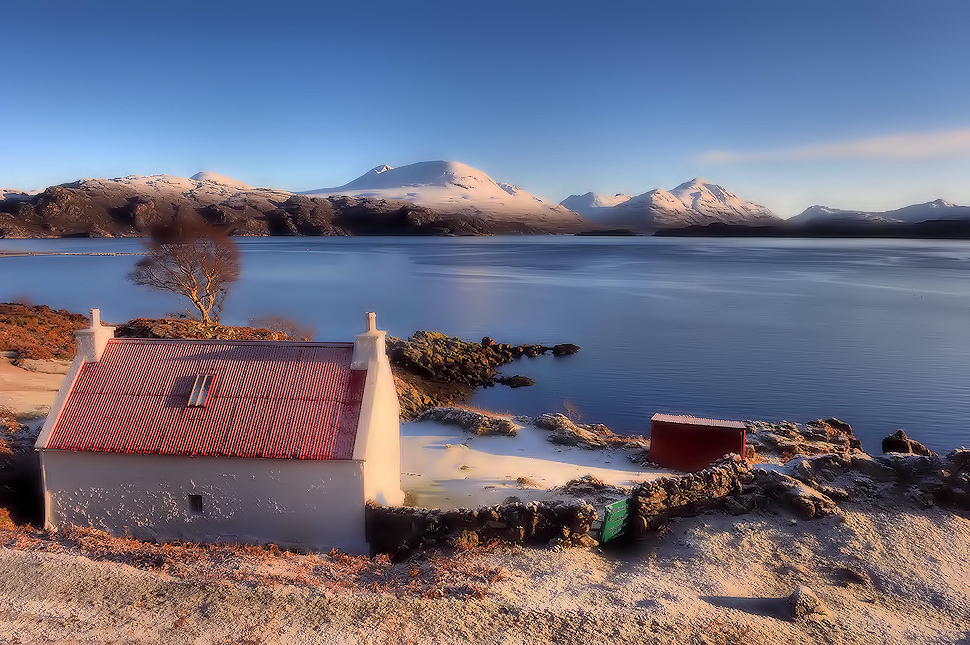
shallow depth of field (Only the subject in focus)

Once you find something you want to change (like depth of field), that's when you should start reading the manual (or asking questions here).
eg... lots of depth of field (everything in focus)
shallow depth of field (Only the subject in focus)
Edited by GetCarter on Monday 10th August 09:15
There must be a million basic guides to exposure (which is what the main manual settings are about) on the Internet, so try having a Google.
One tip would be not to expect to be taking great photos by October; most people don't take many, if any photos they consider to be great even after they've been practising for years. There was a thread about 'hit rates' recently and lots of people were talking about getting 1 in a 1000 or fewer really good photos. Going travelling for six months though, as long as you get a record of all the things you experience, it won't matter if you're photos aren't technically or artistically good.
One tip would be not to expect to be taking great photos by October; most people don't take many, if any photos they consider to be great even after they've been practising for years. There was a thread about 'hit rates' recently and lots of people were talking about getting 1 in a 1000 or fewer really good photos. Going travelling for six months though, as long as you get a record of all the things you experience, it won't matter if you're photos aren't technically or artistically good.
To the OP - Well there is a good way and a very simple way of describing depth of field. The good way is this http://en.wikipedia.org/wiki/Depth_of_field
The really simple way (and I get grief from others on here for this, but I don't want to start using words like appature, as they confuse).
Just think speed. Landscapes don't move, so take a nice long shot. Cars & birds & people move, so take a fast shot. If you can remember that....
...then: Put your camera into speed (aka shutter) priority mode, and take a slow shot (e.g 1/60th sec) for landscapes and a fast shot (e.g 1/500th sec) for moving subjects.
These are just example numbers, the amount of available light will make a big difference... but there is something for you to muck about with... take the same shot but with different shutter speeds and see the difference it makes.
The really simple way (and I get grief from others on here for this, but I don't want to start using words like appature, as they confuse).
Just think speed. Landscapes don't move, so take a nice long shot. Cars & birds & people move, so take a fast shot. If you can remember that....
...then: Put your camera into speed (aka shutter) priority mode, and take a slow shot (e.g 1/60th sec) for landscapes and a fast shot (e.g 1/500th sec) for moving subjects.
These are just example numbers, the amount of available light will make a big difference... but there is something for you to muck about with... take the same shot but with different shutter speeds and see the difference it makes.
Edited by GetCarter on Monday 10th August 09:45
GetCarter said:
Well there is a good way and a very simple way of describing depth of field. The good way is this http://en.wikipedia.org/wiki/Depth_of_field
The really simple way (and I get grief from others on here for this, but I don't want to start using words like appature, as they confuse).
Just think speed. Landscapes don't move, so take a nice long shot. Cars & birds & people move, so take a fast shot. If you can remember that....
...then: Put your camera into speed (aka shutter) priority mode, and take a slow shot (e.g 1/60th sec) for landscapes and a fast shot (e.g 1/500th sec).
These are just example numbers, the amount of available light will make a big difference... but there is something for you to muck about with... take the same shot but with different shutter speeds and see the difference it makes.
Thats what I am thinking, I went out to the country park the day i bought the camera and took some pictures of the Mrs. Didnt really play with the settings just took it out for a test run (I think a comment along the lines of "boys and their toys" was thrown in! hahaThe really simple way (and I get grief from others on here for this, but I don't want to start using words like appature, as they confuse).
Just think speed. Landscapes don't move, so take a nice long shot. Cars & birds & people move, so take a fast shot. If you can remember that....
...then: Put your camera into speed (aka shutter) priority mode, and take a slow shot (e.g 1/60th sec) for landscapes and a fast shot (e.g 1/500th sec).
These are just example numbers, the amount of available light will make a big difference... but there is something for you to muck about with... take the same shot but with different shutter speeds and see the difference it makes.
Edited by GetCarter on Monday 10th August 09:35
So its just a case of going out and playing with the settings then.
But thanks, that simple break down helped a lot

This is where I started: http://digital-photography-school.com/learning-exp...
Found it easy to understand and very useful
Found it easy to understand and very useful
rasputin said:
This is where I started: http://digital-photography-school.com/learning-exp...
Found it easy to understand and very useful
Wow brilliant Found it easy to understand and very useful
Thats ace thanks!Now I just have to wait for my manual to arrive so I know what all the knobs and dials do! lol
PDF online user manual at http://gdlp01.c-wss.com/gds/0900000278/EOSDRXT350D...
paul911 said:
PDF online user manual at http://gdlp01.c-wss.com/gds/0900000278/EOSDRXT350D...
nice one.... i want to get out of work now and play! hahaSo is the 350D a "good" camera for someone who does not have the feintest idea what he is doing.... yet lol
speed_monkey said:
paul911 said:
PDF online user manual at http://gdlp01.c-wss.com/gds/0900000278/EOSDRXT350D...
nice one.... i want to get out of work now and play! hahaSo is the 350D a "good" camera for someone who does not have the feintest idea what he is doing.... yet lol
Not that you need to spend megabucks to get decent pictures - a cheaper SLR with a decent photographer will tend to give better images than an expensive SLR with an average person behind the lens.
I own/use the 350D and it works fine for me. I started off in full automatic mode (green square), then started playing with the other settings as I got used to playing with the thing. This site will give you some basic understanding on the various shooting modes. http://web.canon.jp/imaging/enjoydslr/part2/2Ac.ht...


[quote=paul911]I own/use the 350D and it works fine for me. I started off in full automatic mode (green square), then started playing with the other settings as I got used to playing with the thing. This site will give you some basic understanding on the various shooting modes. http://web.canon.jp/imaging/enjoydslr/part2/2Ac.ht...
[quote]
When my boss moans at me for doing no work becasue i am on that site I am blaming you! hehe
That site is fantastic and is all put in lamens terms..... thank you very much
[quote]
When my boss moans at me for doing no work becasue i am on that site I am blaming you! hehe
That site is fantastic and is all put in lamens terms..... thank you very much
speed_monkey said:
So its just a case of going out and playing with the settings then.
In a word, yes. I think that's probably what most people on here did, certainly those that learned their trade properly in the digital era.You've less time, so you'll need to compress your learning somewhat. However I'd echo what GetCarter said - focus on your composition (i.e. the framing of the shot) first. No sense having a technically brilliant shot of an average scene...
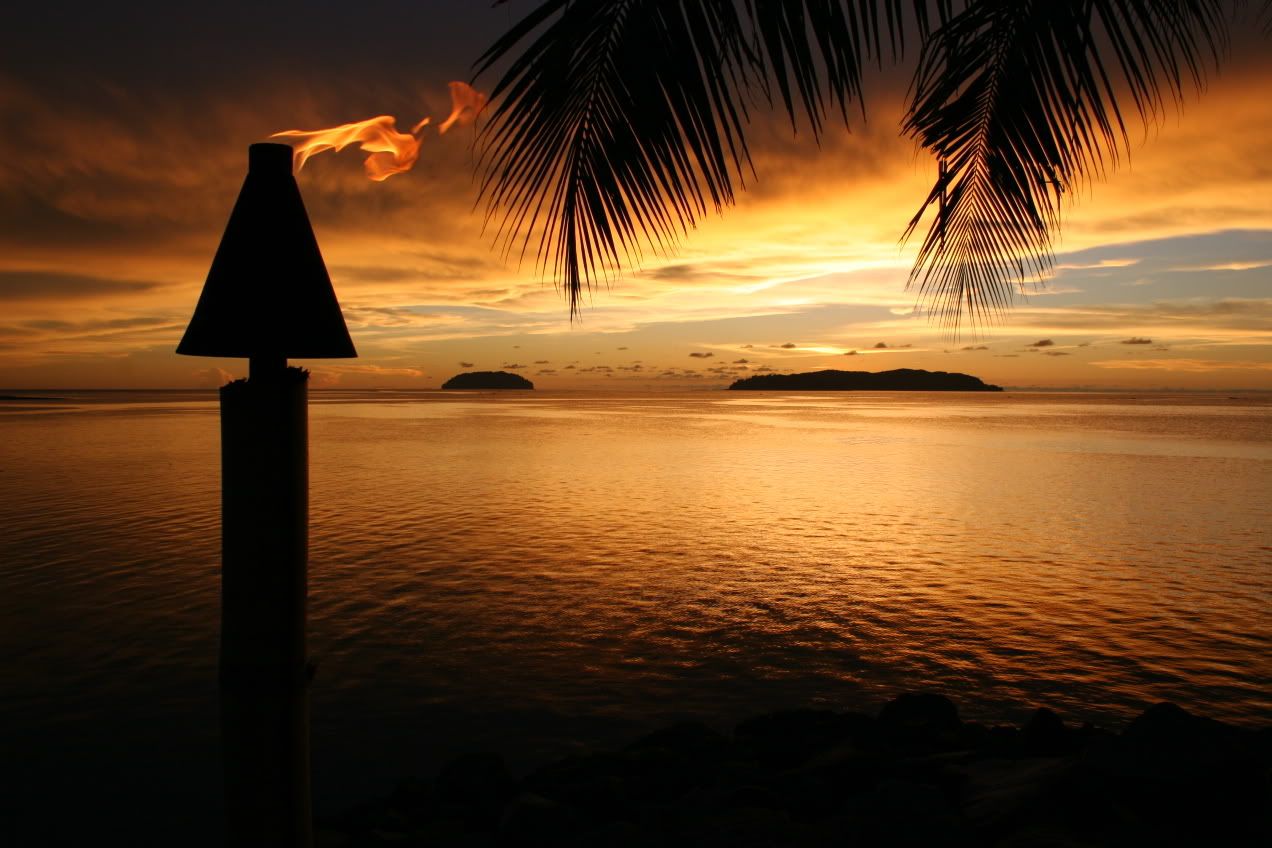
i.e. this shot was taken on honeymoon about 2 months after I'd bought the camera...a 20D which was set to 'auto'
 The sad thing is I'm still not sure I've bettered it...
...and (if possible) try and think about what's in the background - e.g. you can take a perfectly-angled shot of your car, but if you've a supermarket car-park behind it or a bright neon sign, then it's going to ruin the photo...

Update:
i have managed to get some very basic practise in playing with the aperture priority setting and the shutter priority settings
Thing is my mum wants me to take some pictures of her wedding she has got a friend who is really into photography to do some of the pictures, but has also asked me to help out.
Obviously i want to get the best pictures I can and the Av and Tv settings seem quite easy to play with to get good pictures. I haven't ventured onto the fully manual settings yet! lol. But I think I have made a bit of progress from the full auto setting
Cheers guys
i have managed to get some very basic practise in playing with the aperture priority setting and the shutter priority settings
Thing is my mum wants me to take some pictures of her wedding she has got a friend who is really into photography to do some of the pictures, but has also asked me to help out.
Obviously i want to get the best pictures I can and the Av and Tv settings seem quite easy to play with to get good pictures. I haven't ventured onto the fully manual settings yet! lol. But I think I have made a bit of progress from the full auto setting
Cheers guys
GetCarter said:
The really simple way (and I get grief from others on here for this, but I don't want to start using words like appature, as they confuse).
Just think speed. Landscapes don't move, so take a nice long shot. Cars & birds & people move, so take a fast shot. If you can remember that....
...then: Put your camera into speed (aka shutter) priority mode, and take a slow shot (e.g 1/60th sec) for landscapes and a fast shot (e.g 1/500th sec) for moving subjects.
/slapJust think speed. Landscapes don't move, so take a nice long shot. Cars & birds & people move, so take a fast shot. If you can remember that....
...then: Put your camera into speed (aka shutter) priority mode, and take a slow shot (e.g 1/60th sec) for landscapes and a fast shot (e.g 1/500th sec) for moving subjects.

Gassing Station | Photography & Video | Top of Page | What's New | My Stuff