
'Colourised' It's a wonderful life
Discussion


Never seen 'It's a wonderful life' before so decided to get it on Blu-ray.
I had a few options for purchasing it, but I'm getting a bit tired of havinbg stuff on LD so decided to 'settle' for the remastered version on Blu-ray (i'm always a bit wary of over-processed versions of old films, they can look terrible). This also includes a 'colourised' version, which was obviously going to be horrible. How dare they mess with it, and besides surely it messes up everything from the lighting to the cinematography. I decided to put it on for a laugh.
Wow. it looks pretty damn good. If I hadn't known it was a colourised version of a B&W film I'm not sure I could have told. How do they do that? I'll still watch the B&W version, (B&W lends it a certain charm for me, and I want to see it as intended at least the first time I watch it) but the colour version is amazing.

I had a few options for purchasing it, but I'm getting a bit tired of havinbg stuff on LD so decided to 'settle' for the remastered version on Blu-ray (i'm always a bit wary of over-processed versions of old films, they can look terrible). This also includes a 'colourised' version, which was obviously going to be horrible. How dare they mess with it, and besides surely it messes up everything from the lighting to the cinematography. I decided to put it on for a laugh.
Wow. it looks pretty damn good. If I hadn't known it was a colourised version of a B&W film I'm not sure I could have told. How do they do that? I'll still watch the B&W version, (B&W lends it a certain charm for me, and I want to see it as intended at least the first time I watch it) but the colour version is amazing.

I see that it was colourised by Legend films, who are apparently one of the best (if not the best) at colourising B&W film. The BBC had decided to use them for recolouring episode 3 of Doctor Who and the Planet of the Daleks, which only existed in black and white in the BBC archives. The Legend Films version was considered good enough to be released on DVD, before it was combined with the chroma-dot recovery process to produce staggaring results.
Below is a snippet from the Doctor Who Restoration Team website, which explains the process used by Legend Films:

Below is a snippet from the Doctor Who Restoration Team website, which explains the process used by Legend Films:
Doctor Who Restoration Team website said:
The Legend colourisation begins by the selection of a colour palette for each individual scene - the colour of walls, clothes, skin-tones, objects etc and the creation of single reference frames which are sent for client approval. Once the palette has been agreed, colour is applied manually to a single frame within the shot using a computer-based painting system and then powerful tracking algorithms in the software apply the colours to subsequent frames, tracking the outlines of moving objects through shot automatically. At certain points the system will fall down - when a new object enters frame for the first time or if the shape of the object changes so much that the software loses track - and manual intervention by the operator and the manual creation of a new reference frame are required.
Is it this ?
http://www.amazon.co.uk/Wonderful-Black-Colourised...
One of the better halfs favorite Christmas films and wouldn't mind getting it on blu ray for her
http://www.amazon.co.uk/Wonderful-Black-Colourised...
One of the better halfs favorite Christmas films and wouldn't mind getting it on blu ray for her
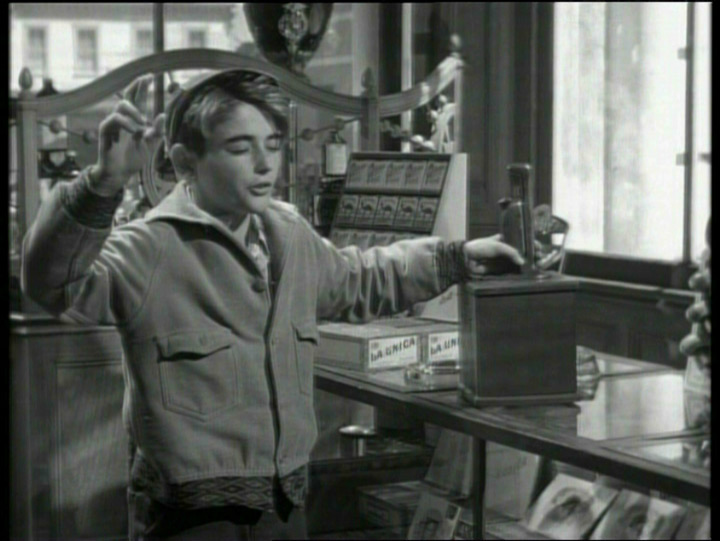
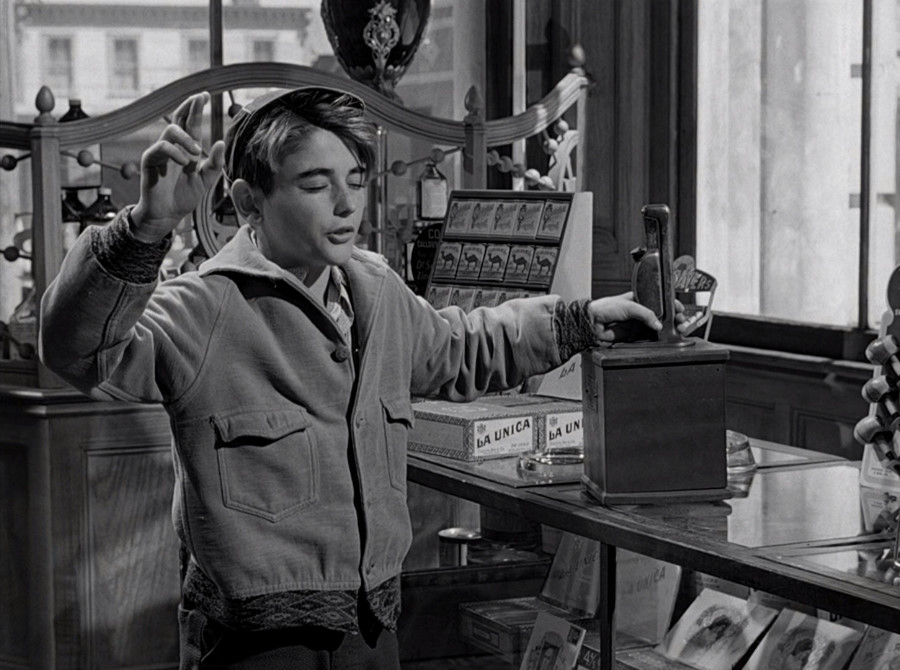
Frank Kapra must be spinning in his grave.
When this films was shot in black and white - deliberately I might add as there was plentiful colour stock available to directors of the stature of Kapra - Kapra would have lit and arranged his shots with black and white in mind. If he was shooting in colour, it would have been a very different film.
I detest the whole "colorisation" process, even when it done well from a technical point of view as it goes against the wishes of the people who made it originally.
I hope to God no one does this to "Some Like it Hot".
When this films was shot in black and white - deliberately I might add as there was plentiful colour stock available to directors of the stature of Kapra - Kapra would have lit and arranged his shots with black and white in mind. If he was shooting in colour, it would have been a very different film.
I detest the whole "colorisation" process, even when it done well from a technical point of view as it goes against the wishes of the people who made it originally.
I hope to God no one does this to "Some Like it Hot".
But some people will not watch a B&W film...when I was watching pleasentville in the cinema people (quite a few, I'd say 20% of the audience) walked out when it went to B&W. It is a shame that some people feel like that, and I do agree (as I said I will watch it in B&W) but the colourised version will let people see the film who would not have previously.
varsas said:
But some people will not watch a B&W film...when I was watching pleasentville in the cinema people (quite a few, I'd say 20% of the audience) walked out when it went to B&W. It is a shame that some people feel like that, and I do agree (as I said I will watch it in B&W) but the colourised version will let people see the film who would not have previously.
Which probably wouldn't sway Kapra's mind. If people didn't like his B & W original, he would have said, "That's their choice".Of course, this is all done as a profit making exercise by the owners of the film. If more get to see the film, I think that is neither here nor there from an artistic point of view as they are not really seeing the film that was actually made. They are seeing a bowdlerised version of it.
It will please the studio bosses no doubt.
As always, pandering to "anticipated audiences" makes you money - but most often doesn't progress your art.
Edited by Eric Mc on Tuesday 8th December 12:36
 and as for 'Colourising'
Eric Mc said:
Frank Kapra must be spinning in his grave.
When this films was shot in black and white - deliberately I might add as there was plentiful colour stock available to directors of the stature of Kapra - Kapra would have lit and arranged his shots with black and white in mind. If he was shooting in colour, it would have been a very different film.
I detest the whole "colorisation" process, even when it done well from a technical point of view as it goes against the wishes of the people who made it originally.
I hope to God no one does this to "Some Like it Hot".
Was he related the Frank Capra? The famous American film director?When this films was shot in black and white - deliberately I might add as there was plentiful colour stock available to directors of the stature of Kapra - Kapra would have lit and arranged his shots with black and white in mind. If he was shooting in colour, it would have been a very different film.
I detest the whole "colorisation" process, even when it done well from a technical point of view as it goes against the wishes of the people who made it originally.
I hope to God no one does this to "Some Like it Hot".
Eric Mc said:
varsas said:
But some people will not watch a B&W film...when I was watching pleasentville in the cinema people (quite a few, I'd say 20% of the audience) walked out when it went to B&W. It is a shame that some people feel like that, and I do agree (as I said I will watch it in B&W) but the colourised version will let people see the film who would not have previously.
Which probably wouldn't sway Kapra's mind. If people didn't like his B & W original, he would have said, "That's their choice".Of course, this is all done as a profit making exercise by the owners of the film. If more get to see the film, I think that is neither here nor there from an artistic point of view as they are not really seeing the film that was actually made. They are seeing a bowdlerised version of it.
It will please the studio bosses no doubt.
As always, pandering to "anticipated audiences" makes you money - but most often doesn't progress your art.
Edited by Eric Mc on Tuesday 8th December 12:36
Halb said:
Eric Mc said:
Frank Kapra must be spinning in his grave.
When this films was shot in black and white - deliberately I might add as there was plentiful colour stock available to directors of the stature of Kapra - Kapra would have lit and arranged his shots with black and white in mind. If he was shooting in colour, it would have been a very different film.
I detest the whole "colorisation" process, even when it done well from a technical point of view as it goes against the wishes of the people who made it originally.
I hope to God no one does this to "Some Like it Hot".
Was he related the Frank Capra? The famous American film director?When this films was shot in black and white - deliberately I might add as there was plentiful colour stock available to directors of the stature of Kapra - Kapra would have lit and arranged his shots with black and white in mind. If he was shooting in colour, it would have been a very different film.
I detest the whole "colorisation" process, even when it done well from a technical point of view as it goes against the wishes of the people who made it originally.
I hope to God no one does this to "Some Like it Hot".
Since the mid 1940s, whether colour or black and white was used was down to two factors - budgeting and the artistic choice of the director. As the years progressed, the cost difference has diminished and I would hazard a guess that black and white is probably the more expensive option these days.
Eric Mc said:
varsas said:
But some people will not watch a B&W film...when I was watching pleasentville in the cinema people (quite a few, I'd say 20% of the audience) walked out when it went to B&W. It is a shame that some people feel like that, and I do agree (as I said I will watch it in B&W) but the colourised version will let people see the film who would not have previously.
Which probably wouldn't sway Kapra's mind. If people didn't like his B & W original, he would have said, "That's their choice".Of course, this is all done as a profit making exercise by the owners of the film. If more get to see the film, I think that is neither here nor there from an artistic point of view as they are not really seeing the film that was actually made. They are seeing a bowdlerised version of it.
It will please the studio bosses no doubt.
As always, pandering to "anticipated audiences" makes you money - but most often doesn't progress your art.
Edited by Eric Mc on Tuesday 8th December 12:36
A win win for me ,we get it on a better medium than we have now and the Mrs gets another present under the tree

FourWheelDrift said:
Plenty of people watched Young Frankenstein, The Elephant Man, Raging Bull, Schindler's List, to most part Sin City and all the other films made using B&W film since the 1970s.
B&W helps to bring a sense of age to a film as well as a mood and atmosphere that colour cannot reproduce.
I'll ad In the Bleak Midwinter to that great listB&W helps to bring a sense of age to a film as well as a mood and atmosphere that colour cannot reproduce.
Eric Mc said:
Another reason for not bothering with Blue Ray then.
Just to clarify, you get both the colourised and B&W versions of the films on the BluRay. I don't want to get into a huge argument, but I think BluRay is a step forward over DVD, as much for the reduction in compression artefacts as the increased resolution. Is it perfect? Probably not, it's a bit expensive at the moment but it's still 'a good thing' IMHO.
Gassing Station | TV, Film, Streaming & Radio | Top of Page | What's New | My Stuff