
Tree damage question
Discussion


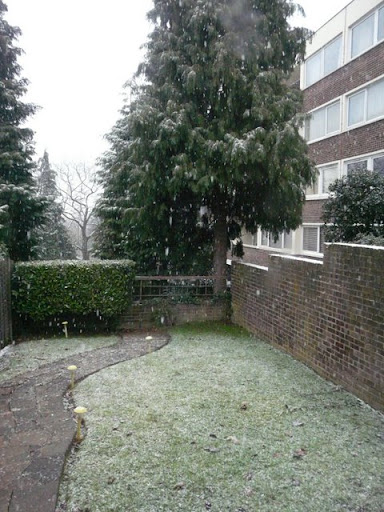
The tree in the picture is in the neighbouring property (a big block of private flats) to a house I am buying. I sent a surveyor round and his "firm recommendation" is that the wall needs to be replaced and the tree removed.
Two questions:
1) If the vendor has had the same insurance policy for 22 years, is he likely to be able to claim for the damage to the wall under his policy?
2) If the insurance won't cover the damage, does the vendor have a good claim on the neighbouring property to repair the damage caused and remove the tree?
Any advice would be very gratefully received. The surveyor estimated the cost to replace the walls only at £60-70k + VAT. This seems excessive, but assuming the walls need new foundations does anybody have a good guess at replacement cost?
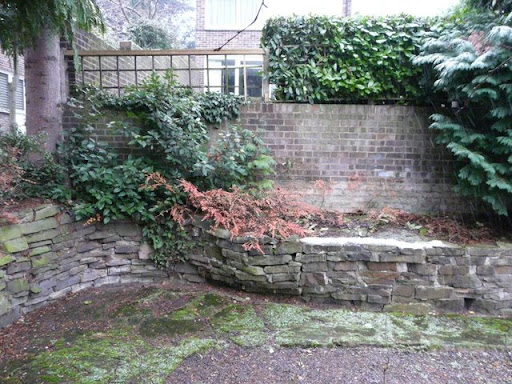
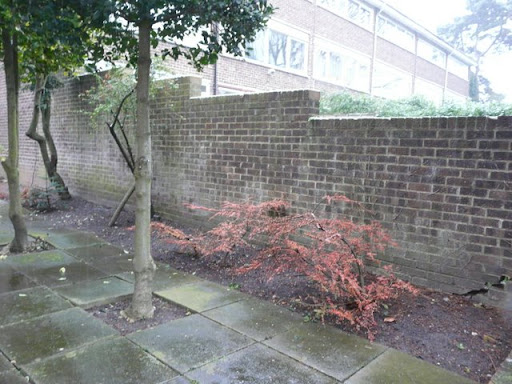
I'm asking here before speaking to a lawyer, but if there are any lawyers onboard, I'd be happy to have a discussion offline.
By coincidence I have just made a planning application to have removed several self seeding Holly trees, where both the trunks and roots have started to make a party wall start leaning.
This week I have also had quotations for correcting/preventing the party wall from collapsing, and been assured that walls need to move/lean by over a 1/3rd of their total width before collapsing.
Removal of trees roots can help, but removal some type of trees can increase the problem, so seek advice.
I would not have thought that insurance would cover any repair/incident, possibly a legal claim against the owner’s of the adjoining property. Lastly I am surprised that if there is any mortgage company involved in the purchase, that they have not imposed a redemption clause against the loan.
This week I have also had quotations for correcting/preventing the party wall from collapsing, and been assured that walls need to move/lean by over a 1/3rd of their total width before collapsing.
Removal of trees roots can help, but removal some type of trees can increase the problem, so seek advice.
I would not have thought that insurance would cover any repair/incident, possibly a legal claim against the owner’s of the adjoining property. Lastly I am surprised that if there is any mortgage company involved in the purchase, that they have not imposed a redemption clause against the loan.
Thanks for the advice.
As usual, Google is also my friend and after a bit of digging it appears that insurance companies have agreed, where subsidence to the damaged property is covered by the insured's contract, to meet the costs of repairing the damage, even if it is caused by a neighbour's tree.
It's a different matter if the vendor's insurance won't cover it (although they sent out an investigator, which must be a positive sign). Then I think the vendor has to take legal action against the neighbour.
As usual, Google is also my friend and after a bit of digging it appears that insurance companies have agreed, where subsidence to the damaged property is covered by the insured's contract, to meet the costs of repairing the damage, even if it is caused by a neighbour's tree.
It's a different matter if the vendor's insurance won't cover it (although they sent out an investigator, which must be a positive sign). Then I think the vendor has to take legal action against the neighbour.
Out of interest, are you purchasing a leasehold or freehold property/flat?
Whilst I don’t doubt your findings from your Google search, it does however surprise me, that what after all amounts to years of neglect, an insurance company is prepared to accept an insurance claim for damaged caused to a property/wall by continuous growth of a tree/trunk/roots. For whilst both the tree might have been growing for 20+ years, the occupants watch that said growth, the insurance company might only have been insuring the property for the first time in the past few months.
In fact I am also reminded that when insuring my home recently, many insurers required confirmation that there were NO trees within 15 metres of any property/walls, before accepting insurance cover.
Whilst I don’t doubt your findings from your Google search, it does however surprise me, that what after all amounts to years of neglect, an insurance company is prepared to accept an insurance claim for damaged caused to a property/wall by continuous growth of a tree/trunk/roots. For whilst both the tree might have been growing for 20+ years, the occupants watch that said growth, the insurance company might only have been insuring the property for the first time in the past few months.
In fact I am also reminded that when insuring my home recently, many insurers required confirmation that there were NO trees within 15 metres of any property/walls, before accepting insurance cover.
It's a freehold house. I agree with you about the fact that the owners have seen the tree grow and would have notice the wall damage, but the vendor has used the same insurance co for 22 years. I suspect the vendor didn't think it was a big problem because apart from the gap in the wall I don't think you'd look at it and say "that's going to fall over in a few years".
Fingers crossed the insurance co will accept the claim and we can move on with the purchase.
Fingers crossed the insurance co will accept the claim and we can move on with the purchase.
Wings said:
In fact I am also reminded that when insuring my home recently, many insurers required confirmation that there were NO trees within 15 metres of any property/walls, before accepting insurance cover.
They can't cover any housing estates then - most gardens are not 15m long or wide!Simpo Two said:
Wings said:
In fact I am also reminded that when insuring my home recently, many insurers required confirmation that there were NO trees within 15 metres of any property/walls, before accepting insurance cover.
They can't cover any housing estates then - most gardens are not 15m long or wide!Wings said:
Simpo Two said:
Wings said:
In fact I am also reminded that when insuring my home recently, many insurers required confirmation that there were NO trees within 15 metres of any property/walls, before accepting insurance cover.
They can't cover any housing estates then - most gardens are not 15m long or wide!So all they're doing is using the proximity of a tree within 15m to crank the premium up. I suspect the majority of houses have trees within 15m, so it's a simple bluff to increase profitability.
be aware that if the vendors insurance accept the claim under subsidence grounds, the property will be blighted with this claim, as no other insurer will then offer cover and you will have to use the same insurer for as long as you own the house at whatever premium they deem reasonable, and when you go to sell later on it will be picked up and may prove difficult for potential buyers to get a mortgage on
Been there done that
Been there done that
Top info. Thanks very much.
PAUL. S said:
be aware that if the vendors insurance accept the claim under subsidence grounds, the property will be blighted with this claim, as no other insurer will then offer cover and you will have to use the same insurer for as long as you own the house at whatever premium they deem reasonable, and when you go to sell later on it will be picked up and may prove difficult for potential buyers to get a mortgage on
Been there done that
Been there done that
Simpo Two said:
Wings said:
Simpo Two said:
Wings said:
In fact I am also reminded that when insuring my home recently, many insurers required confirmation that there were NO trees within 15 metres of any property/walls, before accepting insurance cover.
They can't cover any housing estates then - most gardens are not 15m long or wide!So all they're doing is using the proximity of a tree within 15m to crank the premium up. I suspect the majority of houses have trees within 15m, so it's a simple bluff to increase profitability.
My insurer has never asked about trees BTW.
I have lived in my home for approximately 29 years, possibly due to the increase in rain fall over the past 3 to 4 years, I have seen more tree growth, more movement in boundary walls (dry stone), than the previous 25 years.
Trees are hard work and should for the damage they can cause have a health warning, and both central and local government need to consider imposing legislation on where and where not certain trees can and can not be planted.
Trees are hard work and should for the damage they can cause have a health warning, and both central and local government need to consider imposing legislation on where and where not certain trees can and can not be planted.
Gassing Station | Homes, Gardens and DIY | Top of Page | What's New | My Stuff