
Rockets at tips of rotor blade
Discussion


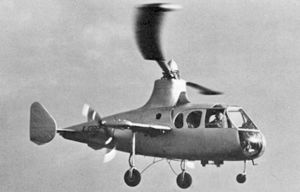
The Rotodyne had a pair of sod off big turboprops giving it the forward thrust so I suspect the induced forces from those on Fairey's big square box would tend to overcome any turn tendency
And she had a pair of tailfins too for directional stability
Probably over configured according to modern designs, but after all was said and done the intense howling from the tip jets made them un-user friendly
Shame, when I was a lad I'd have given an arm (either) for a flight in one, I loved the thing
And she had a pair of tailfins too for directional stability
Probably over configured according to modern designs, but after all was said and done the intense howling from the tip jets made them un-user friendly
Shame, when I was a lad I'd have given an arm (either) for a flight in one, I loved the thing
perdu said:
The Rotodyne had a pair of sod off big turboprops giving it the forward thrust so I suspect the induced forces from those on Fairey's big square box would tend to overcome any turn tendency
And she had a pair of tailfins too for directional stability
Probably over configured according to modern designs, but after all was said and done the intense howling from the tip jets made them un-user friendly
Shame, when I was a lad I'd have given an arm (either) for a flight in one, I loved the thing
Yep, probably an inertia thing stopping it rotating in vertical flight, with the other factors you mention taking over in forward flight.And she had a pair of tailfins too for directional stability
Probably over configured according to modern designs, but after all was said and done the intense howling from the tip jets made them un-user friendly
Shame, when I was a lad I'd have given an arm (either) for a flight in one, I loved the thing
dr_gn said:
perdu said:
The Rotodyne had a pair of sod off big turboprops giving it the forward thrust so I suspect the induced forces from those on Fairey's big square box would tend to overcome any turn tendency
And she had a pair of tailfins too for directional stability
Probably over configured according to modern designs, but after all was said and done the intense howling from the tip jets made them un-user friendly
Shame, when I was a lad I'd have given an arm (either) for a flight in one, I loved the thing
Yep, probably an inertia thing stopping it rotating in vertical flight, with the other factors you mention taking over in forward flight.And she had a pair of tailfins too for directional stability
Probably over configured according to modern designs, but after all was said and done the intense howling from the tip jets made them un-user friendly
Shame, when I was a lad I'd have given an arm (either) for a flight in one, I loved the thing
I wrote various bits n bobs about the Rotodyne here, but it is probably better if you just read the original Flight article here: http://www.flightglobal.com/pdfarchive/view/1957/1...
Edited by Zad on Friday 20th August 02:12
davepoth said:
dr_gn said:
perdu said:
The Rotodyne had a pair of sod off big turboprops giving it the forward thrust so I suspect the induced forces from those on Fairey's big square box would tend to overcome any turn tendency
And she had a pair of tailfins too for directional stability
Probably over configured according to modern designs, but after all was said and done the intense howling from the tip jets made them un-user friendly
Shame, when I was a lad I'd have given an arm (either) for a flight in one, I loved the thing
Yep, probably an inertia thing stopping it rotating in vertical flight, with the other factors you mention taking over in forward flight.And she had a pair of tailfins too for directional stability
Probably over configured according to modern designs, but after all was said and done the intense howling from the tip jets made them un-user friendly
Shame, when I was a lad I'd have given an arm (either) for a flight in one, I loved the thing
Of course if the rotors are small and light relatave to the fuselage, then inertia would presumably play the significant role.
dr_gn said:
davepoth said:
dr_gn said:
perdu said:
The Rotodyne had a pair of sod off big turboprops giving it the forward thrust so I suspect the induced forces from those on Fairey's big square box would tend to overcome any turn tendency
And she had a pair of tailfins too for directional stability
Probably over configured according to modern designs, but after all was said and done the intense howling from the tip jets made them un-user friendly
Shame, when I was a lad I'd have given an arm (either) for a flight in one, I loved the thing
Yep, probably an inertia thing stopping it rotating in vertical flight, with the other factors you mention taking over in forward flight.And she had a pair of tailfins too for directional stability
Probably over configured according to modern designs, but after all was said and done the intense howling from the tip jets made them un-user friendly
Shame, when I was a lad I'd have given an arm (either) for a flight in one, I loved the thing
Of course if the rotors are small and light relatave to the fuselage, then inertia would presumably play the significant role.

Gassing Station | Boats, Planes & Trains | Top of Page | What's New | My Stuff