
advise buying an XKR/XK8
Discussion


Seriously thinking about an XKR or XK8, love my current car but having probs with my left knee and this means that driving the car can become very painful around town or in traffic.
Any links to a buyers guide would be great :-)
Also opinions on this ? http://www.pistonheads.com/sales/2240859.htm please.
Any links to a buyers guide would be great :-)
Also opinions on this ? http://www.pistonheads.com/sales/2240859.htm please.
The XK range was revised in late 1999 for the 2000 model year.
Earlier cars sufferd in the past from Nicasil lining failure caused by a combination of short journeys and high Sulphur content fuel. Cars affected had new steel lined engines fitted under warranty. There is a very remote chance you may find a car showing the usual symptoms of rough idle and loss of compression but it's highly unlikley now. A quick check is to remove the air intake trunking and check for haevy oil deposits.
All cars from 1997 to 2002/3 will have the earlier plastic bodied - mk1 and 2 - secondary timing chain tensioners fitted at the factory. It's generaly considered these have a limited life and the mk2 version can fail without any warning. The metal bodied mk3 versions are far more durable and can be retro fitted to all V8 engines for around £400.
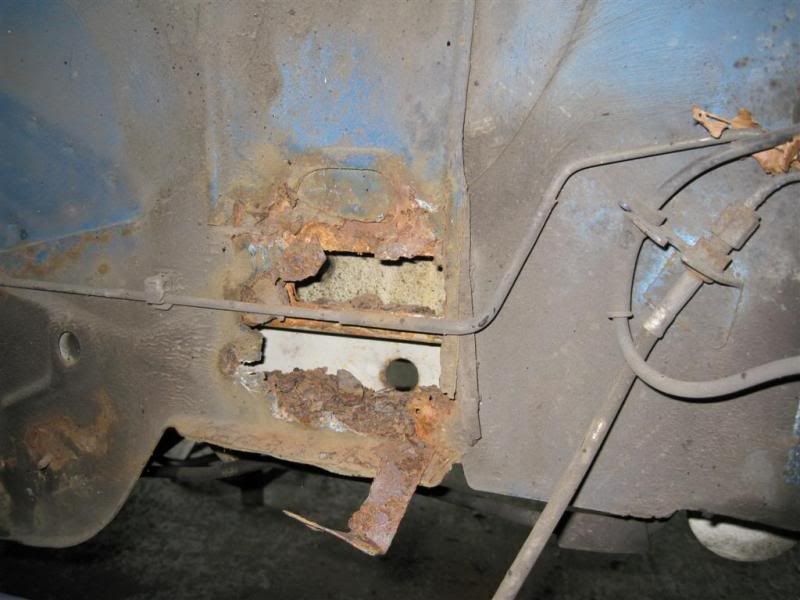
Some XKs suffer from serious floorpan corrosion. Get an early example checked by somebody you trust
There was a recall to change throttle bodies to a later design on all cars as these could fail. Check the service history to make sure any car you look at has been done.
Gearboxes are "sealed for life" components and several have failed due to lubrication breakdown. It's possible - though not easy or cheap - to change the oil on a semi regular basis. If the car's done over 50k on the original oil then it's overdue for a change. The XK and XKR have different gearboxes, the XK takes a very expensive Esso oil and is a tricky job, the XKR is easier and takes Dexron 111 which reduces the cost.
Gearboxes should be smooth and quiet in operation. Any jerk or thump when taking up drive or a shrill whine when accelerating indicates problems.
The XK and R are both big heavy cars and will eat brakes, tyres and suspension components if driven hard. Check and feel tyres very carefully for unusual wear patterns - which usualy indicate suspension wear problems on any Jaguar.
Hoods on the convertables suffer fron congealed actuating fluid which requires a full system flush.
Check the front very carefully for stonechips. If there's none then suspect accident repair or paintwork.
Check all the fluids are clean and to level. Low oil level is bad news, meaning there's the possibility of oil starvation on hard cornering.
Buy on condition and history and get the very best example you can find - ideally one that's been owned by an enthusiast who has had all the essential maintainence to preserve the car done.
Expect up to 28 MPG on a long gentle run, 20-24 or so with mixed driving and sub 20's in city centre stop start conditions.
If you're having knee problems make sure you can get in and out OK. The XK is a very low slung car and it's a bit cosy inside
Earlier cars sufferd in the past from Nicasil lining failure caused by a combination of short journeys and high Sulphur content fuel. Cars affected had new steel lined engines fitted under warranty. There is a very remote chance you may find a car showing the usual symptoms of rough idle and loss of compression but it's highly unlikley now. A quick check is to remove the air intake trunking and check for haevy oil deposits.
All cars from 1997 to 2002/3 will have the earlier plastic bodied - mk1 and 2 - secondary timing chain tensioners fitted at the factory. It's generaly considered these have a limited life and the mk2 version can fail without any warning. The metal bodied mk3 versions are far more durable and can be retro fitted to all V8 engines for around £400.
Some XKs suffer from serious floorpan corrosion. Get an early example checked by somebody you trust
There was a recall to change throttle bodies to a later design on all cars as these could fail. Check the service history to make sure any car you look at has been done.
Gearboxes are "sealed for life" components and several have failed due to lubrication breakdown. It's possible - though not easy or cheap - to change the oil on a semi regular basis. If the car's done over 50k on the original oil then it's overdue for a change. The XK and XKR have different gearboxes, the XK takes a very expensive Esso oil and is a tricky job, the XKR is easier and takes Dexron 111 which reduces the cost.
Gearboxes should be smooth and quiet in operation. Any jerk or thump when taking up drive or a shrill whine when accelerating indicates problems.
The XK and R are both big heavy cars and will eat brakes, tyres and suspension components if driven hard. Check and feel tyres very carefully for unusual wear patterns - which usualy indicate suspension wear problems on any Jaguar.
Hoods on the convertables suffer fron congealed actuating fluid which requires a full system flush.
Check the front very carefully for stonechips. If there's none then suspect accident repair or paintwork.
Check all the fluids are clean and to level. Low oil level is bad news, meaning there's the possibility of oil starvation on hard cornering.
Buy on condition and history and get the very best example you can find - ideally one that's been owned by an enthusiast who has had all the essential maintainence to preserve the car done.
Expect up to 28 MPG on a long gentle run, 20-24 or so with mixed driving and sub 20's in city centre stop start conditions.
If you're having knee problems make sure you can get in and out OK. The XK is a very low slung car and it's a bit cosy inside
Edited by Jaguar steve on Saturday 5th February 17:37
Jaguar steve said:
Most of the pictures I've seen show corosion inside the box sections by the transmission tunnel, visible with the carpet and seats out.
IIRC Norman D posted some pictures of his XK floorpan on here a while ago.
Hear we areIIRC Norman D posted some pictures of his XK floorpan on here a while ago.
Front foot wells

Along the transmission tunnel

Another place to look, behind the front suspension turrets
Good write ups chaps. Jaguar Steve created a one stop shop in that page of info.
The car in the PH advert looks good, if you want a soft top. Price seems good for the age and mileage and condition looks OK. However the car looks completely stock, so i'm not sure it will be enthusiast owned, check the history.
Its crying out for a chrome ring kit on the dash
Good colour tho, same as my coupe and surprisingly rare on these cars. At an XKEC meet i think from 100 cars only 2 or 3 were silver.
Have fun looking
The car in the PH advert looks good, if you want a soft top. Price seems good for the age and mileage and condition looks OK. However the car looks completely stock, so i'm not sure it will be enthusiast owned, check the history.
Its crying out for a chrome ring kit on the dash
Good colour tho, same as my coupe and surprisingly rare on these cars. At an XKEC meet i think from 100 cars only 2 or 3 were silver.
Have fun looking
Price I indicated was for having just the secondary tensioners changed. Providing the engine internals are bright and clean indicating the oil has been changed regularly and all the chains are tight with no significant wear on the guides and sprockets then IMO that's all you need to have done.
Most mechanics and garages will tend to play safe and insist that all the components are changed 'tho, and of course that'll cost a lot more.
Tensioners and bolt set is in the region of £100 + another £50 for a gasket kit and you shouldn't be charged more than a couple of hours labour. It's actualy a quite easy DIY job - you can hire the cam setting plate and crank timing tool from the JEC - and there's no real need to replace the gaskets either providing they are in good condition and still supple.
Most mechanics and garages will tend to play safe and insist that all the components are changed 'tho, and of course that'll cost a lot more.
Tensioners and bolt set is in the region of £100 + another £50 for a gasket kit and you shouldn't be charged more than a couple of hours labour. It's actualy a quite easy DIY job - you can hire the cam setting plate and crank timing tool from the JEC - and there's no real need to replace the gaskets either providing they are in good condition and still supple.
"no significant wear on the guides and sprockets" The guides can be a big problem hence the advice to do the lot 
Manual XKR I think lots of people would like to know how that's been done ? JC drove an XKR-R once that was a manual but the only car know to have been converted is an 8. I've heard it is not a great drive as the manual box feels very heavy. Biggest issue with converting to manual is getting it to communicate with the CAN bus system.
Manual XKR
I think lots of people would like to know how that's been done ? JC drove an XKR-R once that was a manual but the only car know to have been converted is an 8. I've heard it is not a great drive as the manual box feels very heavy. Biggest issue with converting to manual is getting it to communicate with the CAN bus system. P700DEE said:
Biggest issue with converting to manual is getting it to communicate with the CAN bus system.
Yes that is the problem, in the XKR everything talks to everything through the electronicsOK one could spend many £1,000s or even £10,000s of into it but that would then make it very un-economic
as far as rust underneath, if you get on your knees andhave a look at the square plates at the front of the footwells, if they are sound, then the rest should be ok. If there not, then have a prod around with a screwdriver.
Under the carpets wont be easy on a viewing.
Check for a rough idle
Check for service history
Check MOT's for mileage corroberation
Under the carpets wont be easy on a viewing.
Check for a rough idle
Check for service history
Check MOT's for mileage corroberation
Gassing Station | Jaguar | Top of Page | What's New | My Stuff