Expert opinion
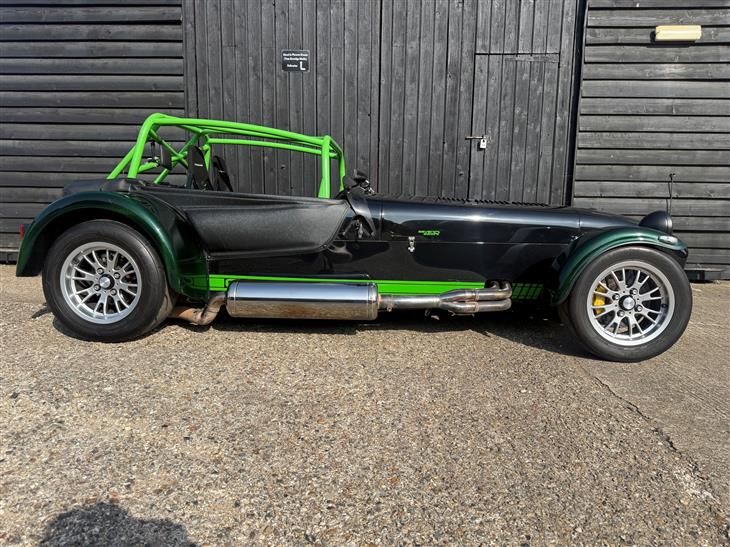
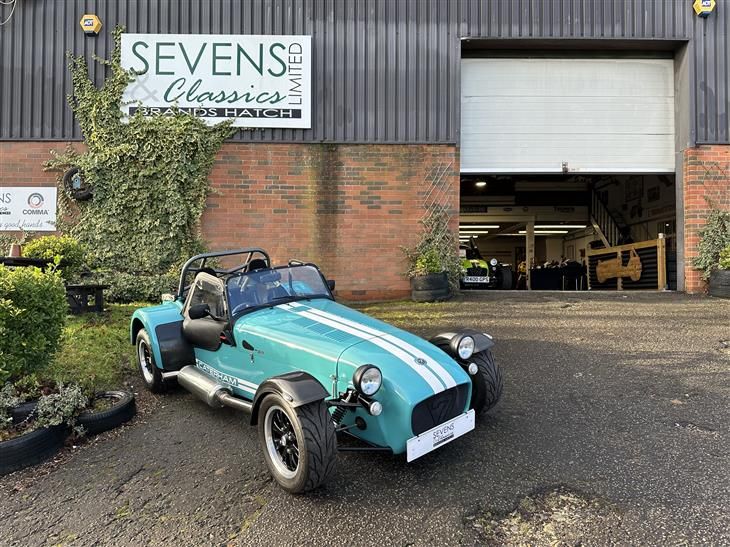
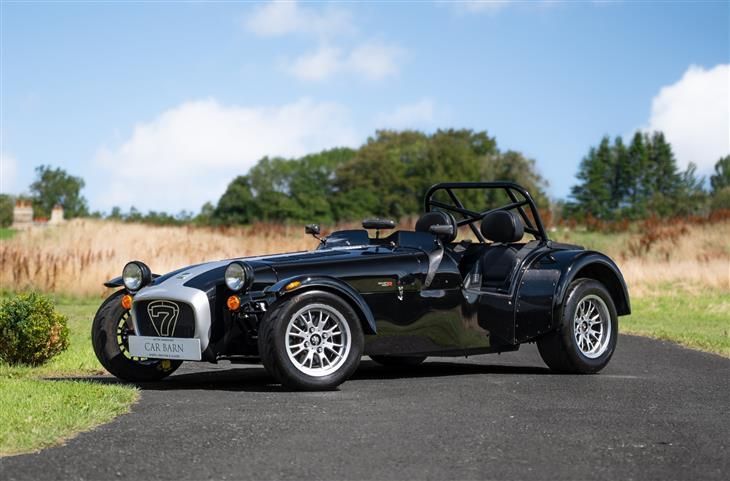
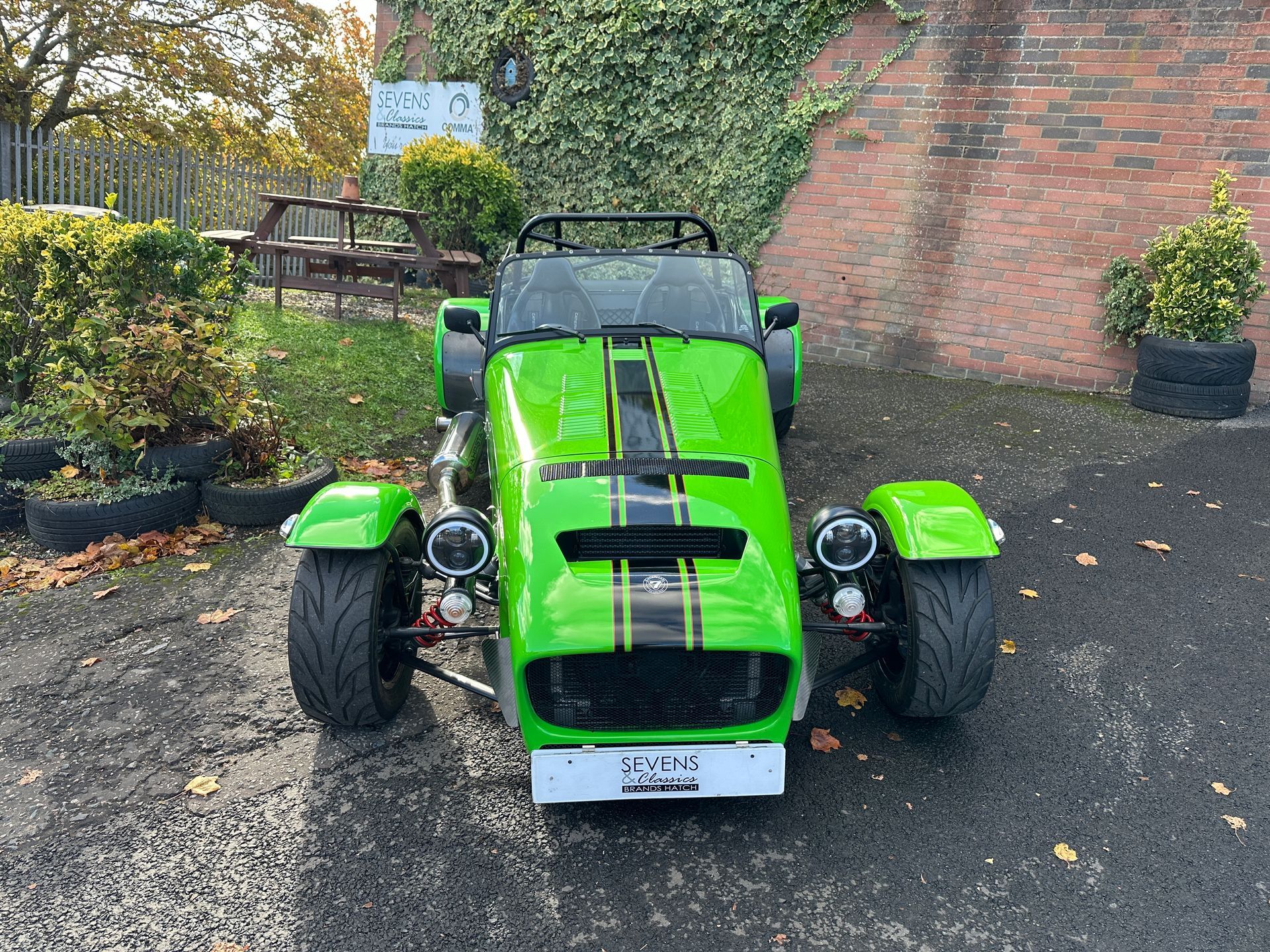
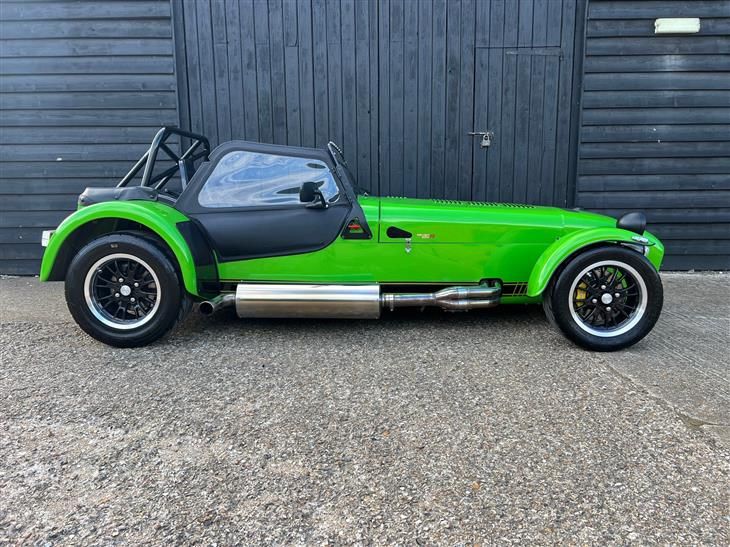
Few cars strip driving back to its essentials quite like the Caterham Seven. Born from the original Lotus-designed model, it has evolved over the years - but endeavoured to remain much as it ever was. Rover’s collapse in 2005 forced Caterham to move on from the mechanically edgy K-Series, but the Ford Sigma and Duratec engines that followed left the basic formula intact: minimal mass, direct feedback and vivid performance.
Whether fitted with the lightweight 1.6-litre Sigma or the stronger 2.0-litre Duratec, the Seven remained relentlessly pared back. At around 540kg, even a mid-range 135hp version felt properly quick. The chassis cornered flat and responded immediately, with either the traditional De Dion rear axle or the CSR’s more sophisticated independent pushrod arrangement. It demanded precise inputs but gave the driver enormous clarity in return.
The trade-offs were equally direct: a cramped footwell, little refinement and a hood that could make the cabin sweltering. Those shortcomings are inseparable from a car designed around lightness and driver involvement rather than everyday convenience. Engines and regulations changed, but the Seven’s focused character remained recognisably intact.