
Toyota GT86 & Subaru BRZ | PH Carbituary
Toyaburu production has ended. What are we left with? Overlooked gem? Or object lesson in not believing the hype?
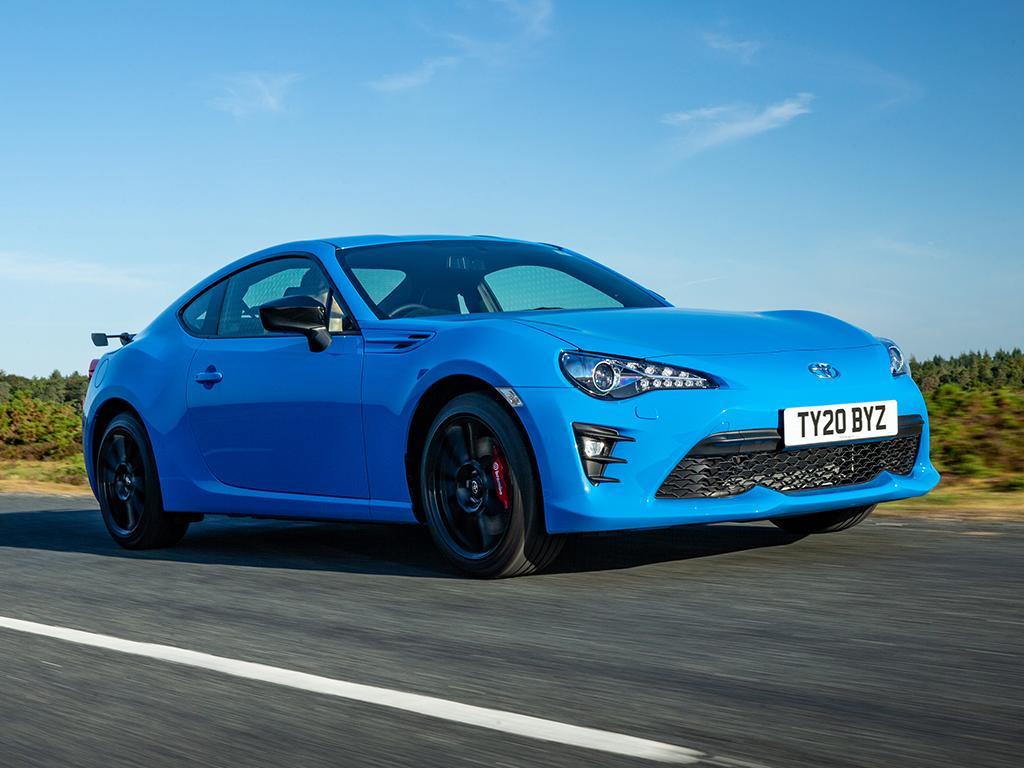
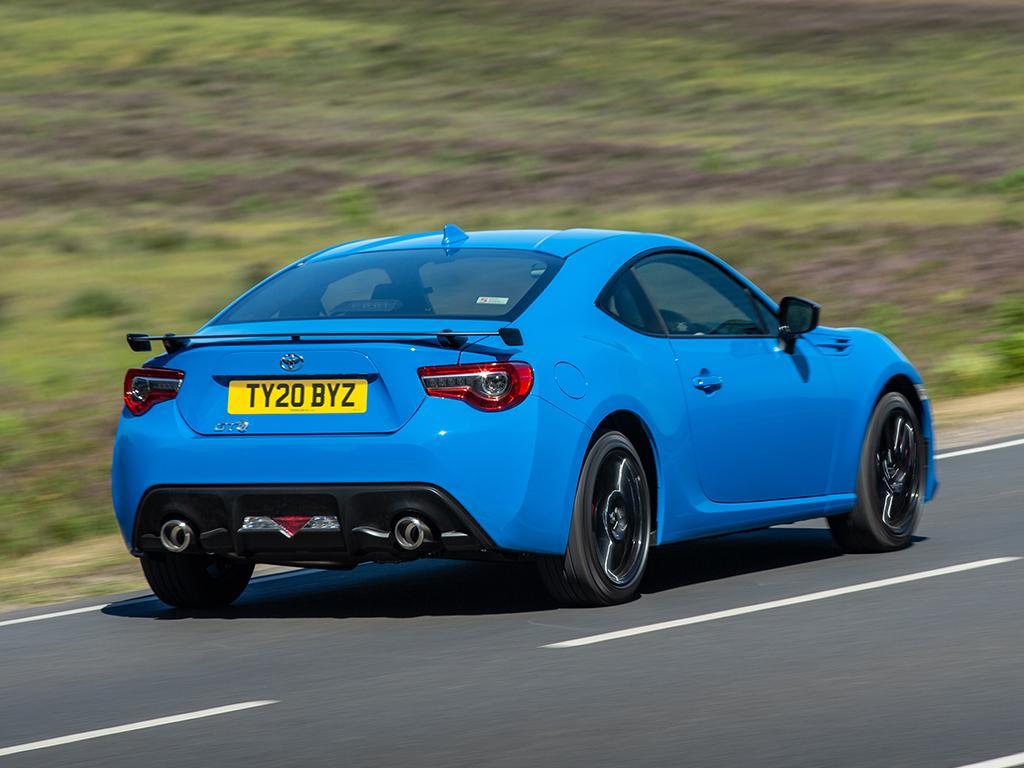
Early critical froth has always been a poor predictor of a car's success. The cruel gap between dreams and reality is perfectly demonstrated by the GT86, a car that arrived to the sort of adulation normally accompanied by the sound of heavenly choirs and predictions it would reinvent the accessible sportscar. Eight years later, and after missing its early sales targets by an embarrassing degree, it is getting a sparsely attended retirement party with a cheap cake and a low-rent clock purchased with a meagre whip-round.
Not that the GT86 is formally dead. Production of both it and its Subaru BRZ sister have ended in Japan, but Toyota says it has sufficient stock in the UK to meet the current level of demand for some time - quite possibly all the way to the arrival of the turbocharged second-gen model we are expecting to appear next year. A stark contrast for a car that had a waiting list when it first went on sale.
Because it all started so well. Toyota has long regarded sportscars as an important part of its corporate identity, but with the death of the 'A80' Supra in 2002 and the third-gen MR-2 five years later it was left without one. The desire for another was reflected in various concepts - the FT-HS that was shown at the 2007 Detroit Auto Show bears a strong resemblance to the styling of the finished car, although it was set to use what would be a much heavier and more complicated hybrid V6 powertrain. But ambitions ran up against the harsh reality of limited global demand for frill-free sportscars and the significant costs of development.
The obvious thing to do was to partner with a rival, although this would require a serious amount of diplomacy given the prickly pride of corporate Japan. Toyota owned a stake in Fuji Heavy Industries - which owns Subaru - but the smaller company actually rebuffed Toyota's first attempt to discuss co-developing a sportscar around a boxer engine. But when Subaru found itself facing a crisis following the 2008 financial crash the prospect of putting a significant number of its engineering staff onto somebody else's budget became irresistible. The division was a simple one: Toyota was responsible for design and product planning; Subaru would do the heavy lifting of engineering the new car and then producing it at its Ota plant.
From the beginning, the mission was to deliver unfiltered driving thrills rather than outright performance. That was a similar philosophy to the one behind the MX-5, but the desire to distinguish the new car from the world's most successful roadster meant it would be exclusively produced as a 2+2 coupe. Engineering was led by Subaru's Toshio Masuda, who had previously been in charge of the 2001 Impreza, the company's most successful car to that point. Clever construction produced both a lightweight structure - just 1200kg, making it lighter than most superminis - with the low-mounted engine helping give a 460mm centre of gravity, closer to the ground than that of the Ferrari 458. As much of the car's mass as possible was put in the centre of the car, with the a special saddle shaped resin fuel tank positioned under the rear seats.
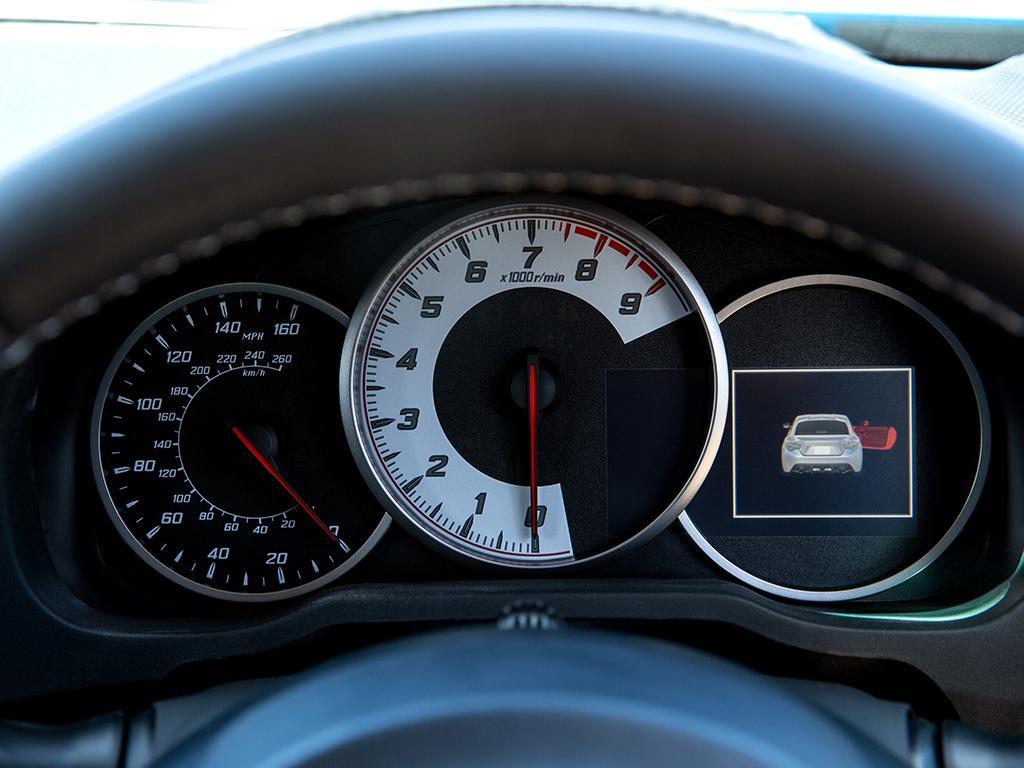
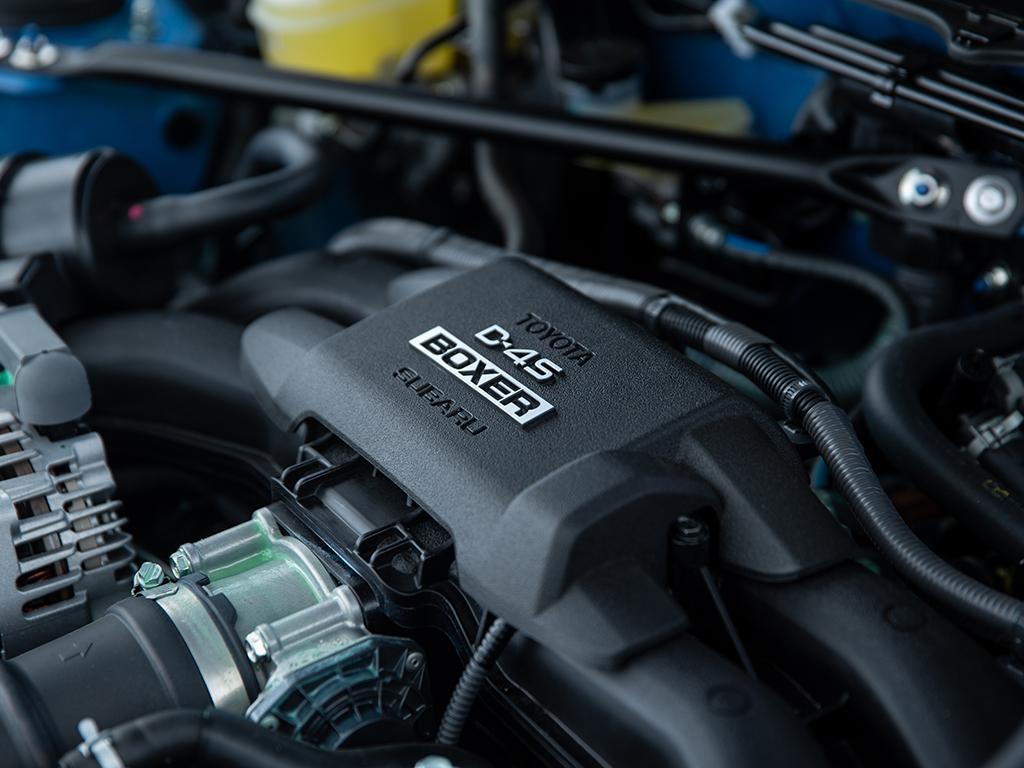
Well before driving either version, we knew that the Toyabaru wasn't going to be a rocket ship. The new 'FA20' 2.0-litre engine shared its layout and capacity with the existing Subaru flat-four but was more compact and lighter. It featured both a 12.5:1 compression ratio and an appetite for revs, with the peak 198hp arriving at 7000rpm and the spark-cut not calling time until 7,400rpm. Toyota's then pioneering D4S fuelling system was used, this featuring both direct and indirect injection to help boost economy.
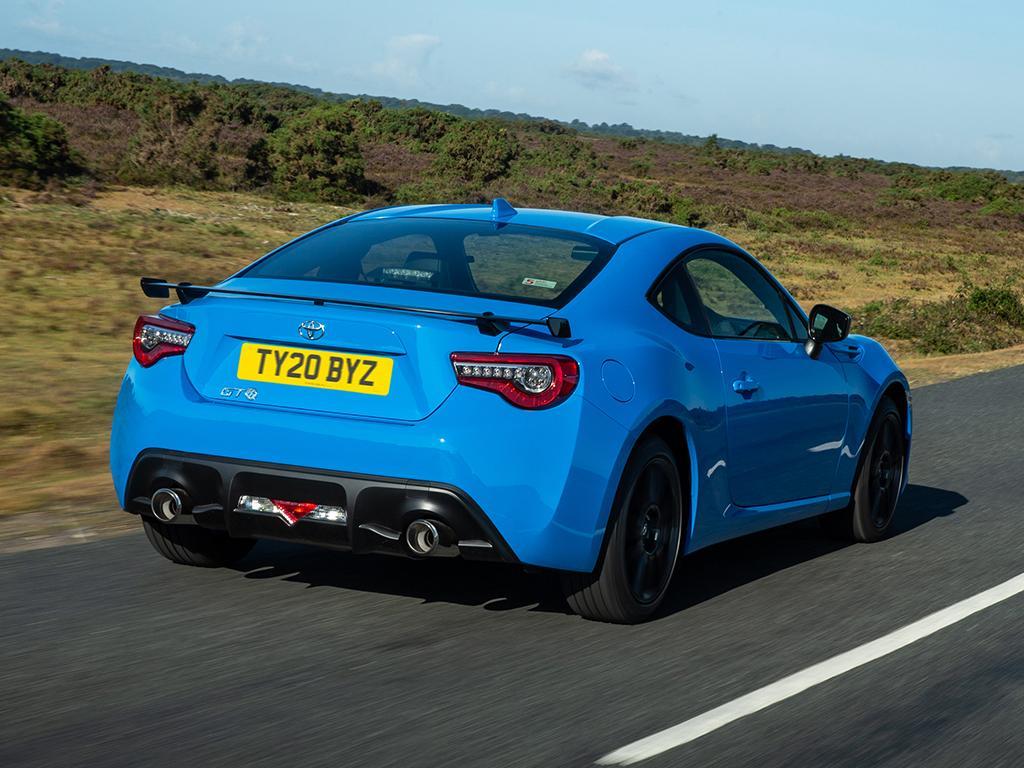
Toyota didn't exactly wear out the pencils distinguishing the two cars from each other; metalwork was identical and the only visual distinction beyond badging came from different bumpers and wheels. But while the substance of the finished car owed more to Subaru than Toyota, the BRZ was destined to be the minority partner in terms of volumes, something effectively dictated by the radically different sizes of the two company's global sales operations. Back in 2012 Toyota told journalists it was hoping to sell up to 4,000 GT86s in the UK each year; Subaru was aiming at 1,000.
Hindsight has delivered a Nelson Muntz "haw-haw" to those numbers, both of which proved to be woefully optimistic. British sales of the GT86 sales peaked at 1,700 in 2013, and had fallen to under 500 by 2018. The BRZ never managed over 150 in any single year, with total sales of under 1,000 making it rarer than many recent supercars. Those figures encapsulate the Toyabaru's critical problem: the difference between an idealized car and one with proper market appeal.
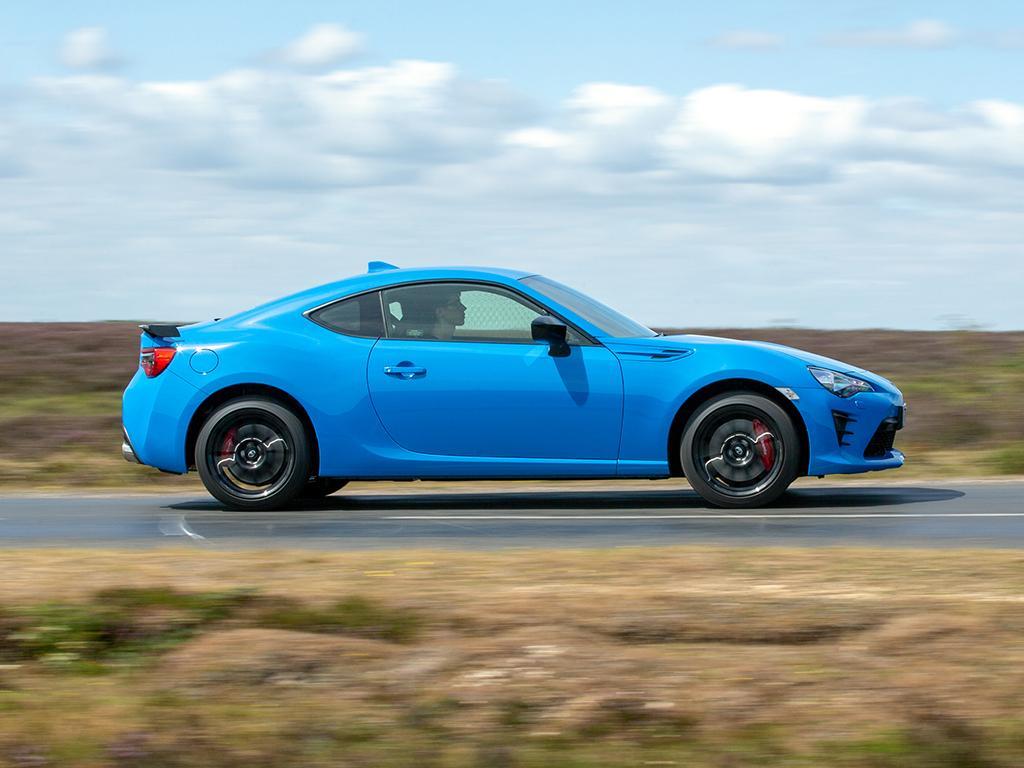
Early reviews were overwhelmingly positive; this was a hugely attractive car to motoring journalists almost everywhere. Although there were minor chassis differences between BRZ and GT86 the driving experience of both was effectively identical: light, agile and with outrageous throttle adjustability. This ranged from the ability to tighten or broaden a chosen line by a subtle change in toe pressure up to heroic oversteer. The engine sounded good, responses were almost surgically sharp and - as promised - the motor seemed happiest when being thrashed hardest. Steering was spot-on and the beautiful shift action of the standard six-speed manual box made the need for frequent changes to keep the engine fizzing a joyful part of the experience. (The optional six speed torque converter auto never felt like a 'right' choice in such a car.) Like the MX-5, the GT86 was huge fun at low speeds - and who didn't want that?
Most of the sports car market, as it turned out. While journalistic enthusiasm came from a positive place - wanting to celebrate something clever and different - the critical fervour did downplay some fairly obvious flaws. While great to drive hard, the GT86 wasn't actually very quick - a 7.6-second 0-62mph time and 140mph top speed meant it was slower on both benchmarks than a contemporary 'F30' BMW 320d. Nor did it have much in the way of raw adhesion, with the decision to use eco-grade Premacy tyres making for fun low-load transition from grip to slip, but meaning the overall levels were never more than modest.
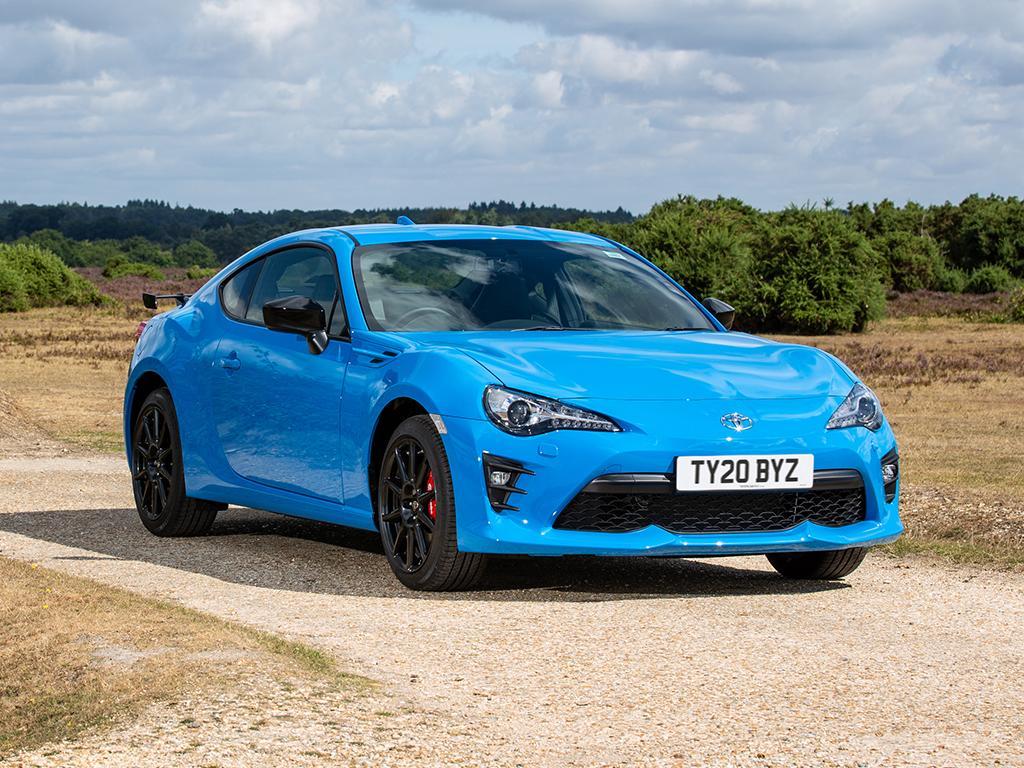
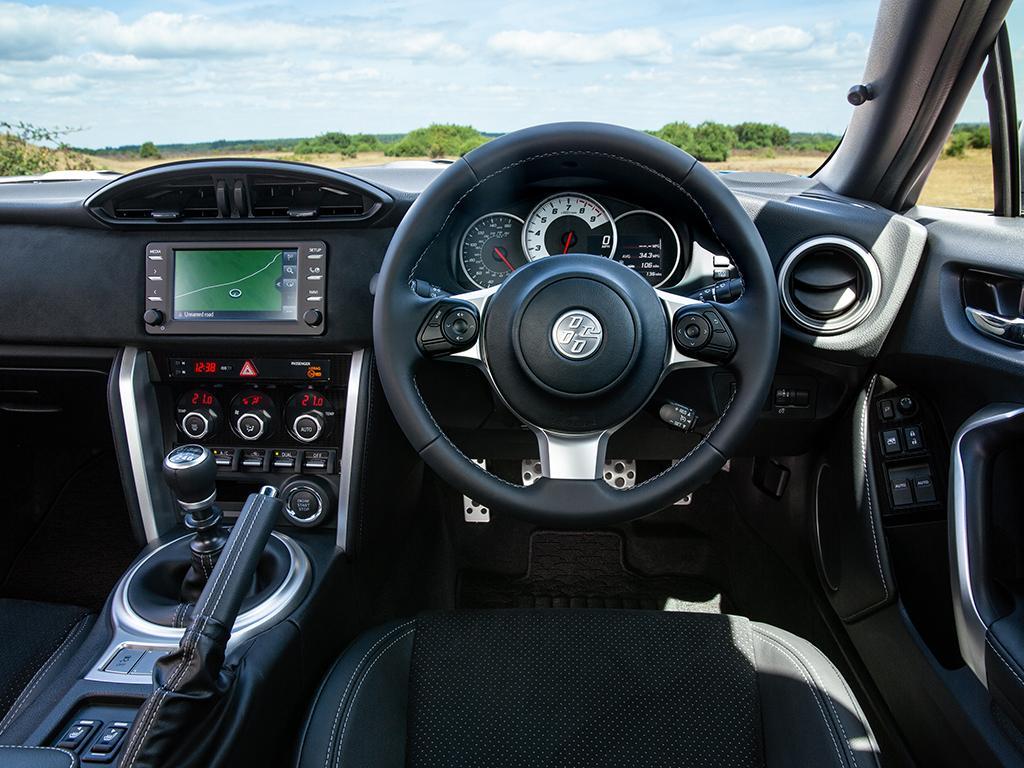
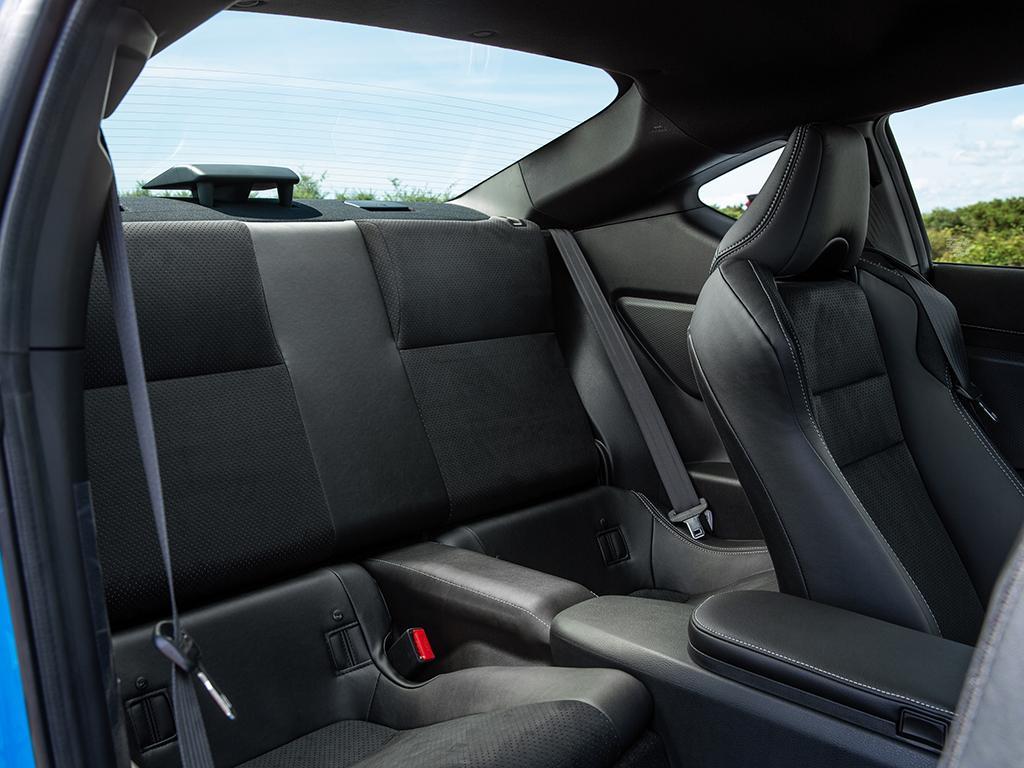
Aside from driving, there were some bigger issues. The most important of these was the obvious fact the Toyabaru had been designed to have a much lower price tag than the one it ended up receiving. The cabin was less than spacious - unsurprising given the car's modest dimensions - but also filled with low-rent plastics and utility grade switchgear. All of which could have been pretty easily forgiven if, as with the contemporary MX-5, the GT86 had been priced under £20,000. But thanks to both a slipping yen: pound exchange rate and the two companies' desire to actually make some money it began at £25,995 for the Toyota. That put it in direct competition with some very impressive hot hatches, several of which were both quicker and more practical.
It was a point made forcefully by my first encounter with a UK-spec BRZ, on a magazine comparison test that also featured a Megane 265 Trophy. We all had huge fun in the Subaru - despite it being an auto - sliding and scrabbling around favourite Welsh roads. But it could barely keep the Renault in sight let alone stay with it. At the end of the test and with the prospect of a four-hour drive home there was something close to an unseemly scrap for the keys to the not exactly plush Megane rather than the cramped, buzzy BRZ.
Perhaps the biggest surprise at waving off this generation of GT86 and BRZ is that they are set to be replaced. This isn't exactly a dynamic part of the market these days, and Toyota now has the Supra in the blended family, the result of a more recent collaboration with BMW. But work on a turbocharged successor GT86 is apparently well developed, one that should bring an increase in both performance and - if lessons have been learned - a nicer driving environment. Full credit to Toyota for keeping the faith, but for all the early love it received the first-generation GT86 seems set to be remembered as a miss rather than a hit.
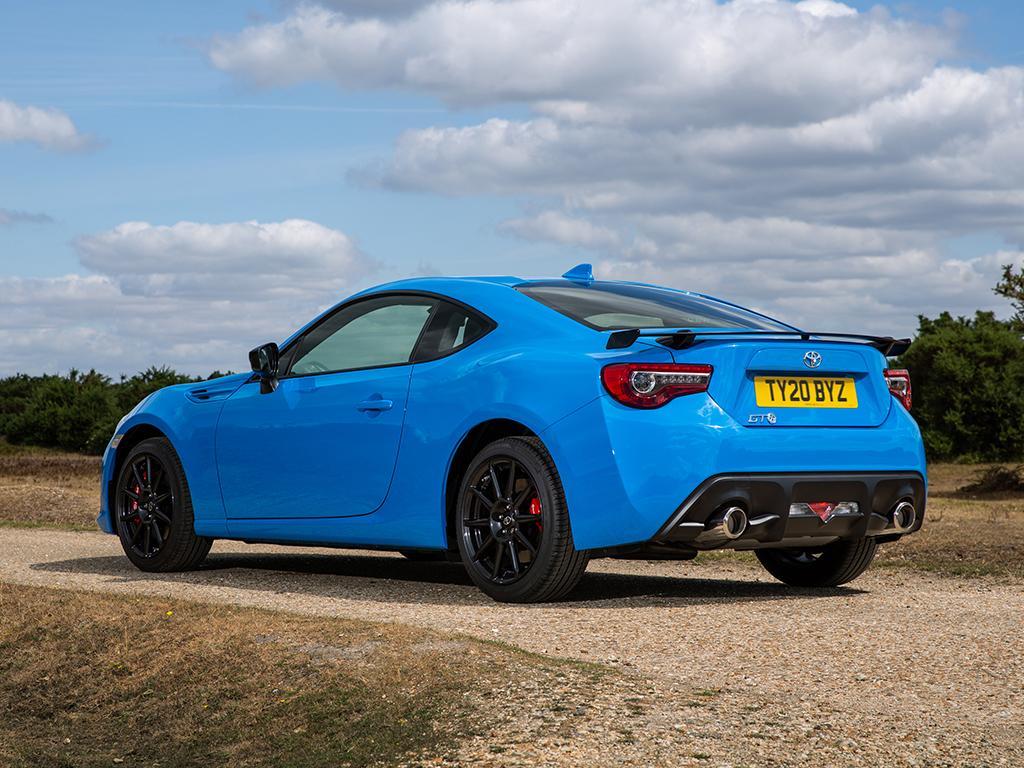
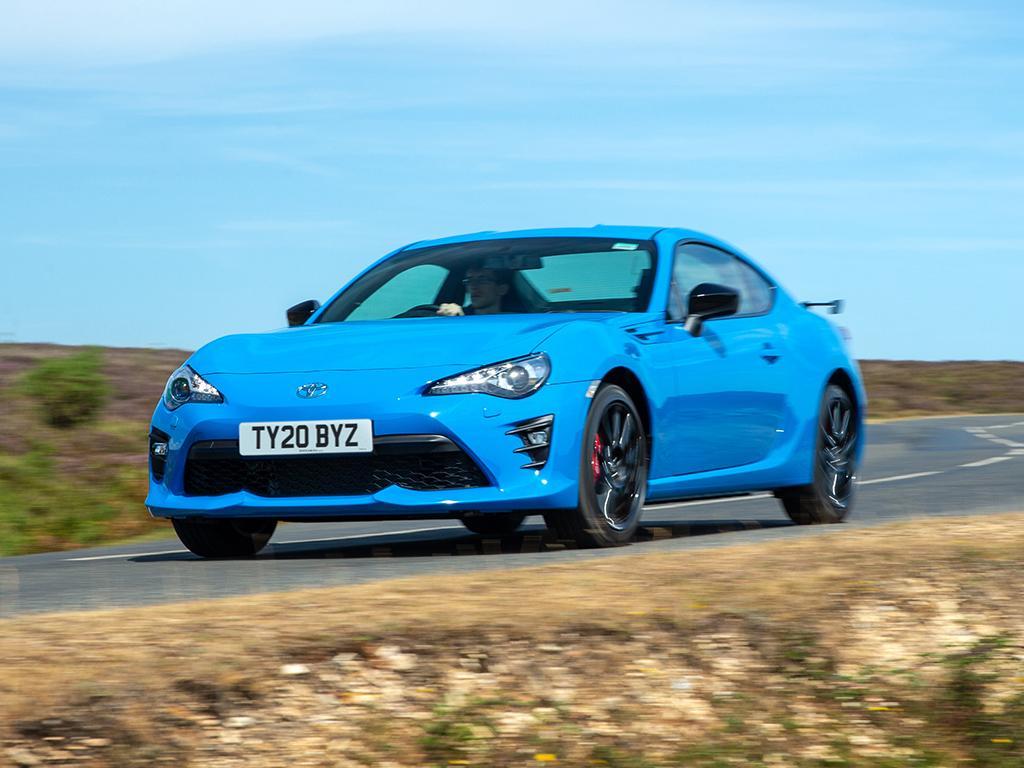
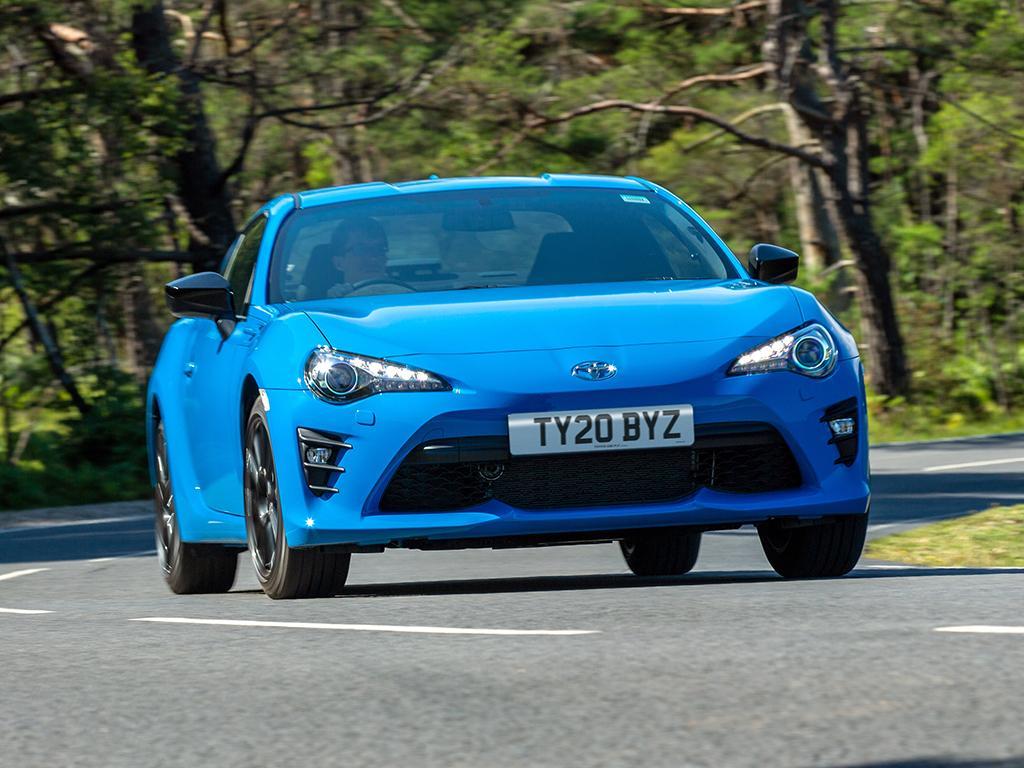


The general public doesn't care for delicate handling, a manual gearbox and adjustability, they want power, perceived build quality and an auto transmission for convenience as well.
I too, as the article says, am surprised that this car is getting replaced at all as I don't believe it will do any better second time around.
Very simply it wasn’t quick enough.
Had it got 250/300 ‘minimum’ horses as standard mated to a good double clutch affair box it may have been a different proposition and I could have one parked outside my house as my daily driver.
The interior I could have lived with after all I did have a Supra mk4 tt manual as a daily for 7 glorious years!
 tty interior or not, all at needed was another 100bhp to get the most out of the chassis.
This thing could have been offered with boot lid that included the rear window, you know a sort of hatchback type arrangement, whilst still keeping the look of a coupe, the same look as it currently has. The GT86 is not special enough to be a weekend car, but as a fun everyday car it could have been perfect, if only I could have got things I need to occasionally carry into and out of it with ease. Sadly with it's tiny boot opening this wasn't possible. Trick missed.
Then placing poor tyres on each corner to mask this point smacks of cost cutting rather than engineering genius.
No other sports car manufacturers have copied this concept of “excitement by ditch-finder”
We wanted a modern “Z-Car” but got a “warmed up Capri”.
I can’t believe they are bothering a second time.
Actually as Lotus teeter from the brink (unless bankrolled) it is clear the market for such cars is really very small.
But it also highlights how hard it is to say no - and how hard it is to know who to talk to.
Customers are a nightmare - endless survey's produce huge amounts of conflicting data and meeting the customer requirement has made some of the worst cars ever - Pontiac Aztek anyone? I mean if we believed the writings on PH the Rolls Royce Cullinan would have a hose out interior and manual box (kidding)
Most journalists seem to think they are driving gods (pop down to the press fleet garage to gauge the accuracy of that statement) and their writings can cause trouble - I often suspect they are one of the primary causes of the endless move to sport packs with rock hard suspension - after all if you only have a car for a week you want it to be really good fun, as you don't have to live with the dash thing on a wet M4 every day of the week - while the car company don't want their cars described as being too soft sprung and not 10/10ths handlers - when all the customer really wanted was the visuals and a comfy car.
And lastly we have the engineers - when working for one company a real head of steam developed for a car just like the GT86. Endless dialogue about how the market was enormous (yep 1975 Capri and Manta sales were probably pretty good) while the car could be built to be lightweight and amazing and fun and the market would be entranced and wow it would set the world on fire. It started in the back of the engineering department and I helped to bash it on the head, phew, then looked away and now it was the head of engineering (lots of pics of race cars on his wall) and I had to do a lot more work to show it was a dead duck but yes got it killed, went away on holiday and it was now proposed to send to the board for first gate review - it was like a weed in between paving slabs - turn your back and zap it was back. Of course it may have been a lovely car but the numbers were utter nonsense - Alfa, I suspect Renault and at the lower end Toyota/Subaru have all found this to their cost - and the cars get built probably because no one wanted to contradict someone senior who cited customer surveys and journalists lunches as the reason the idea would succeed.
Being a kill joy is never fun - but in a car company saying no can sometimes be more profitable than saying yes.
When it works it is indeed sublime but a proper manufacturer built reliable machine it is not.
He probably could have simply bought a Cayman and enjoyed it on track for three years with minimal depreciation but I guess that isn't the idea for those who build these.
As a used proposition though, with some decent suspension, a bit more power and some aftermarket seats and steering wheel, it might be quite a fun proposition?
I have spent a fair bit on it tweaking things and recently spent 5k to have a turbo fitted. This completely transforms the car, increases power to 280bhp which is more than enough for now.
Ref the comment above about the boot I haven’t found it an issue really the rear seats fold down flat and I have managed to get some surprising loads in mine.
I think Toyota are dropping a bomb though not going small engined turbo for the new model though as the sales figure show as great as NA is for fun and engagement in day to day use a turbo is so much better for the vast majority of drivers
Not helped I don’t think by the fact it’s so much harder to responsibly enjoy a performance car on the road these days, at any speed, especially if you live in or near a city, which increasingly people do.
I’m so glad these exist. I think those whose expectations around engine note, interior quality and outright speed aren’t too high must have a fantastic time in these. And I have no doubt that they have the right mindset.
Problem is I think most have been spoiled now, including myself. I couldn’t personally deal with a bum engine note in a sports car, the noise of the K series in my 111S was meant to be a highlight for an IL4 but it never sang for me, I feel this would be exactly the same and would effect my perception of the driving experience. For many a sports car has to feel like an event and the engine is a big part of that.

The original low resistance Michelin’s were entertaining in provoking the rear ending, but in the wet their braking performance was shocking. Swapped to some Eagle F1 and much improved all round.
At the time I thought the power was fine. That was going from a mk3 mx5. I’ve now been spoilt with turbo and supercharged minis and think as a comparison the gt86 would feel sluggish and slow. Interested to see about the new one with a turbo unit.
Being a kill joy is never fun - but in a car company saying no can sometimes be more profitable than saying yes.
Gassing Station | General Gassing | Top of Page | What's New | My Stuff