
Hyundai i20 N vs Ford Fiesta ST Edition
Finally, master meets apprentice
Had this been Hyundai's first proper hot hatch and not its second, expectations would probably be on the floor. As it is, the i20 N follows the excellent i30 N, meaning this new model arrives with some pressure on its narrow shoulders. Furthermore, it plonks itself cheerily into a class of car that also includes the mighty Ford Fiesta ST among its number.
I first drove the i20 N in prototype guise on the roads around the Nurburgring and on the Grand Prix track back in September. The car was far from finished but it showed lots of potential. I left expecting the finished production version to have a character all of its own, a sort of flinty-eyed seriousness that would be in complete contrast to the Fiesta ST's tendency to clown around. All these months later, I'm left wondering how my radar could have been so poorly calibrated.
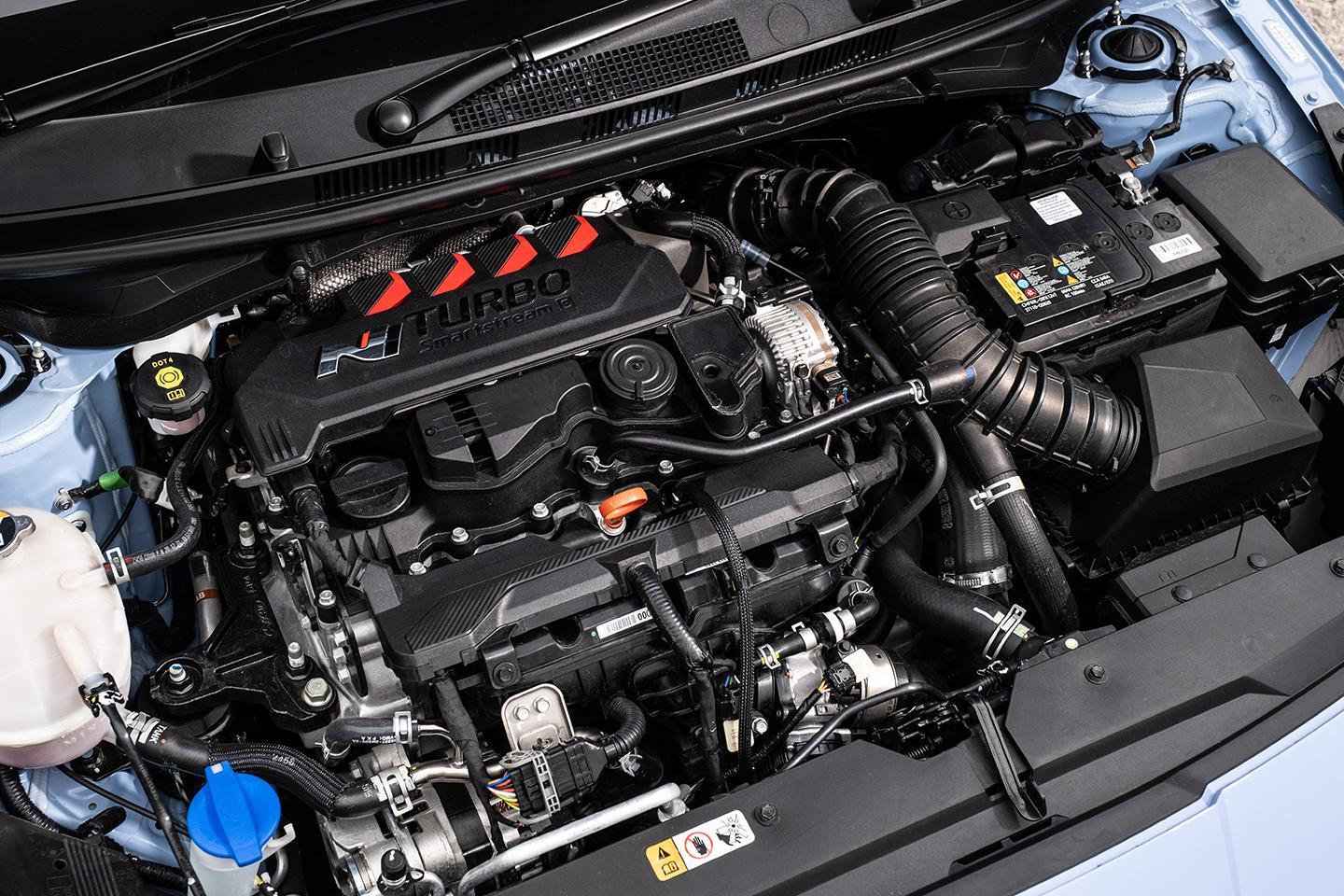
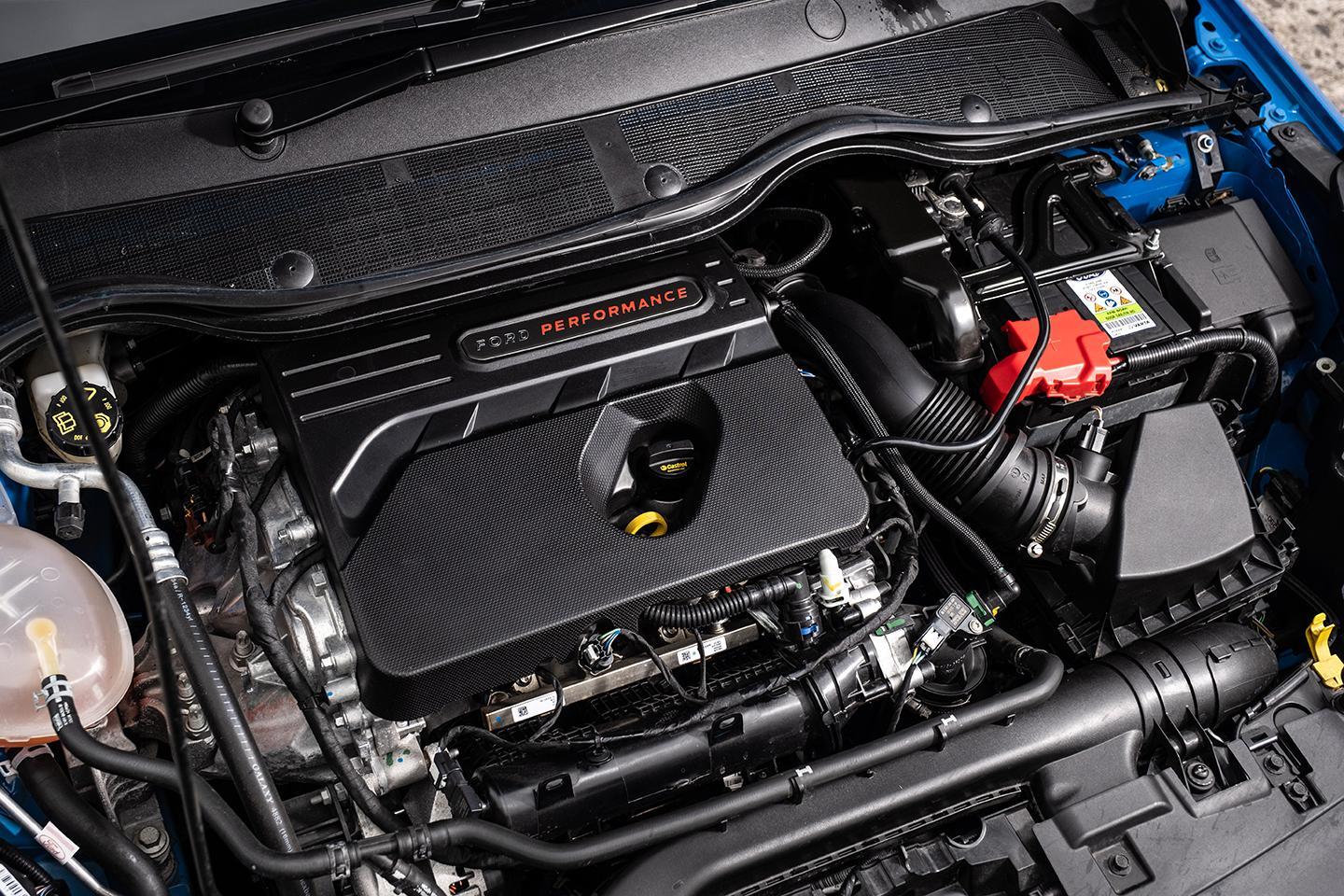
But first, the specs. The i20 N is the same size as the Ford but it's (potentially) a bit lighter, weighing from 1190kg where the Fiesta ST weighs 1262kg. The Hyundai's 1.6-litre turbocharged four-cylinder produces 204hp and 203lb ft of torque, while the Ford's 1.5-litre turbocharged three-pot manages 200hp and a muscular 214lb ft. Both have six-speed manual gearboxes, but while the i20 N gets an LSD as standard, you have to pay a little more to upgrade to the ST-3 to get one on the Fiesta.


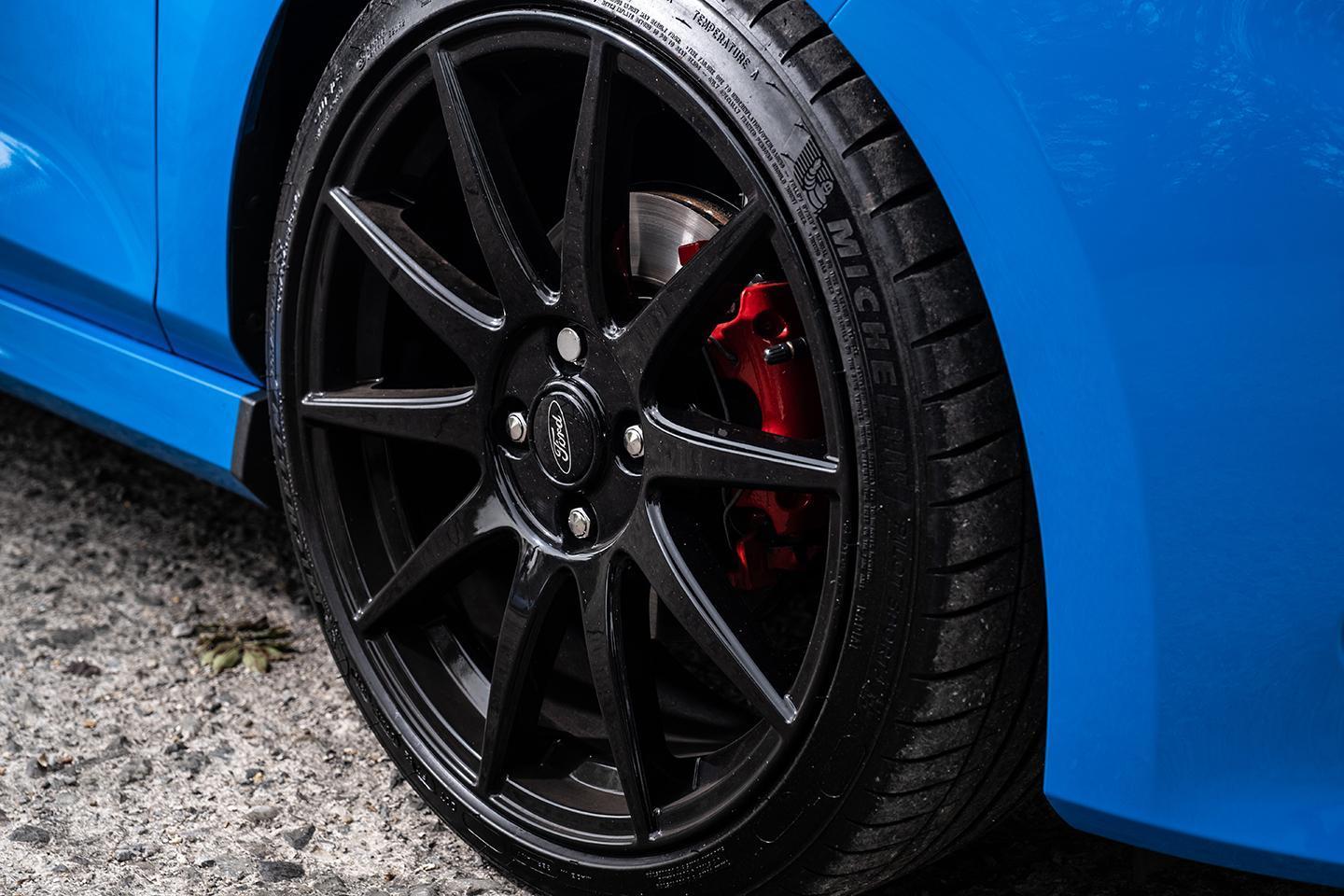
So don't be fooled by the ST's somewhat flattering £21,955 starting price. The ST-3 will set you back £24,580, while the Edition model you see here, complete with diff and manually adjustable coilovers, is more expensive still at £28,770. Meanwhile, the Hyundai is priced from £24,995.
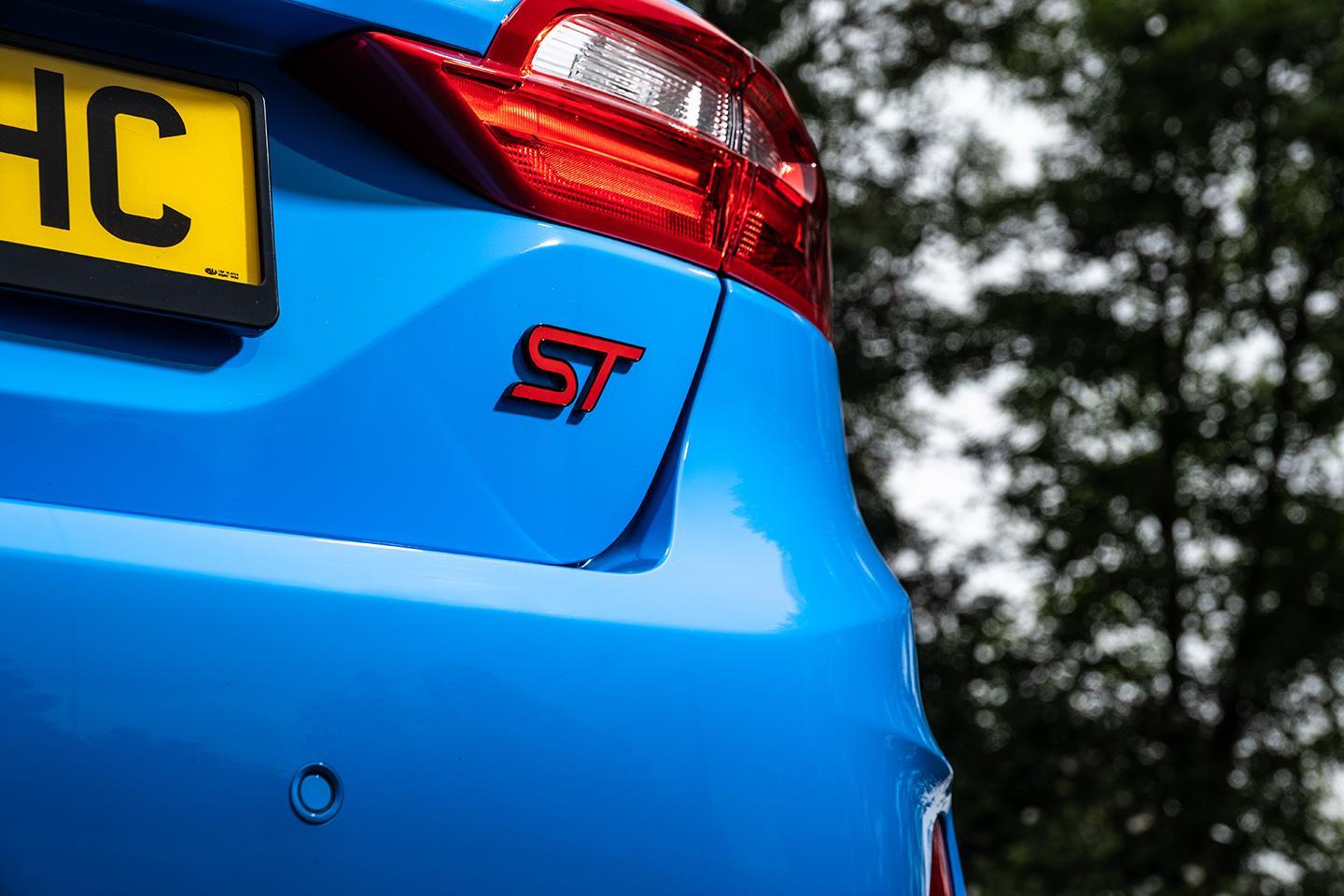
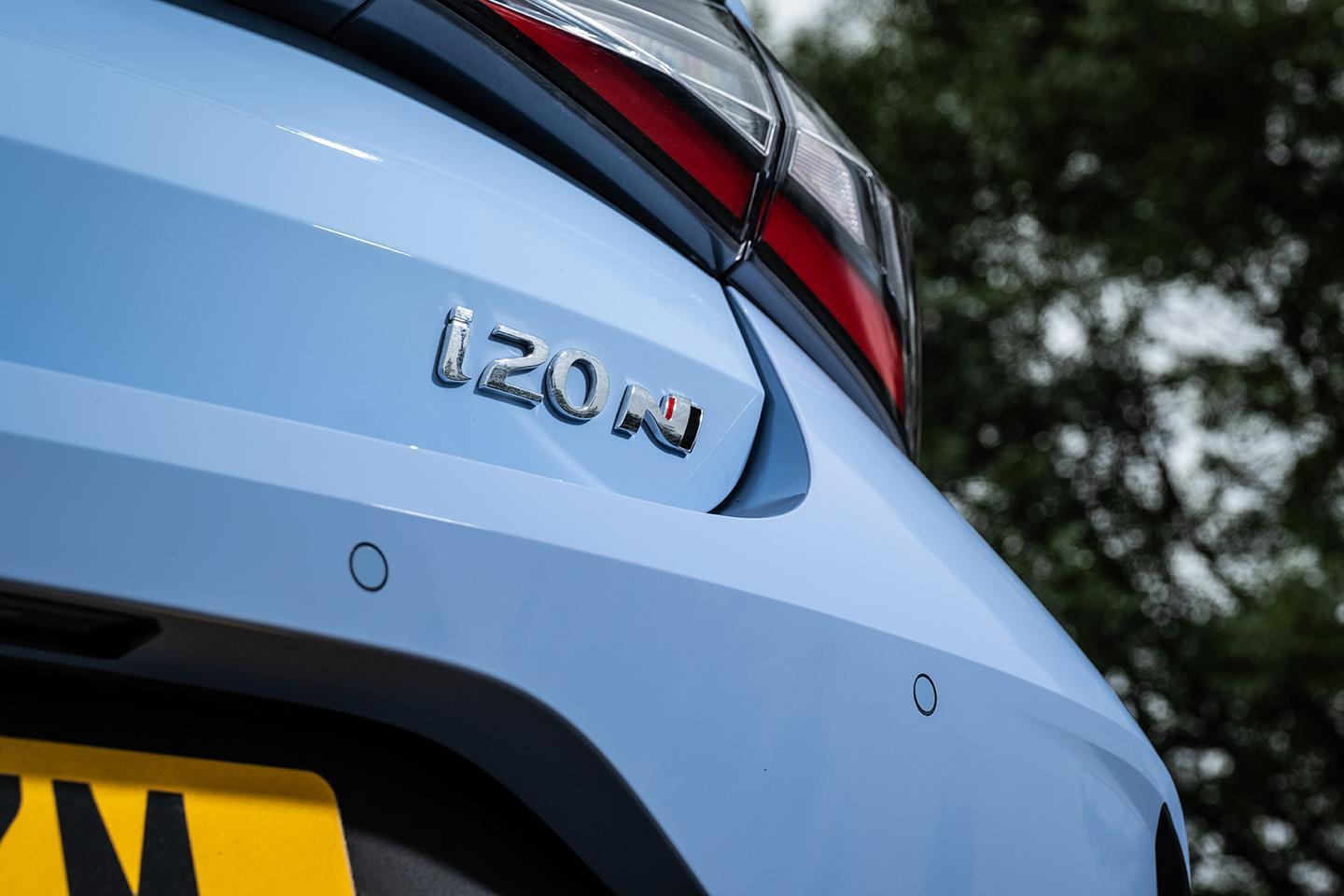
I won't allow appearances to cloud my judgement too much, but to my eye the i20 N looks over-styled, as though Hyundai's designers should have put their pencils down three months earlier. It's so angular it almost looks like it comes pre-crashed. I suppose there's no mistaking it for any other variant in the line-up, which perhaps isn't true of the Fiesta ST.
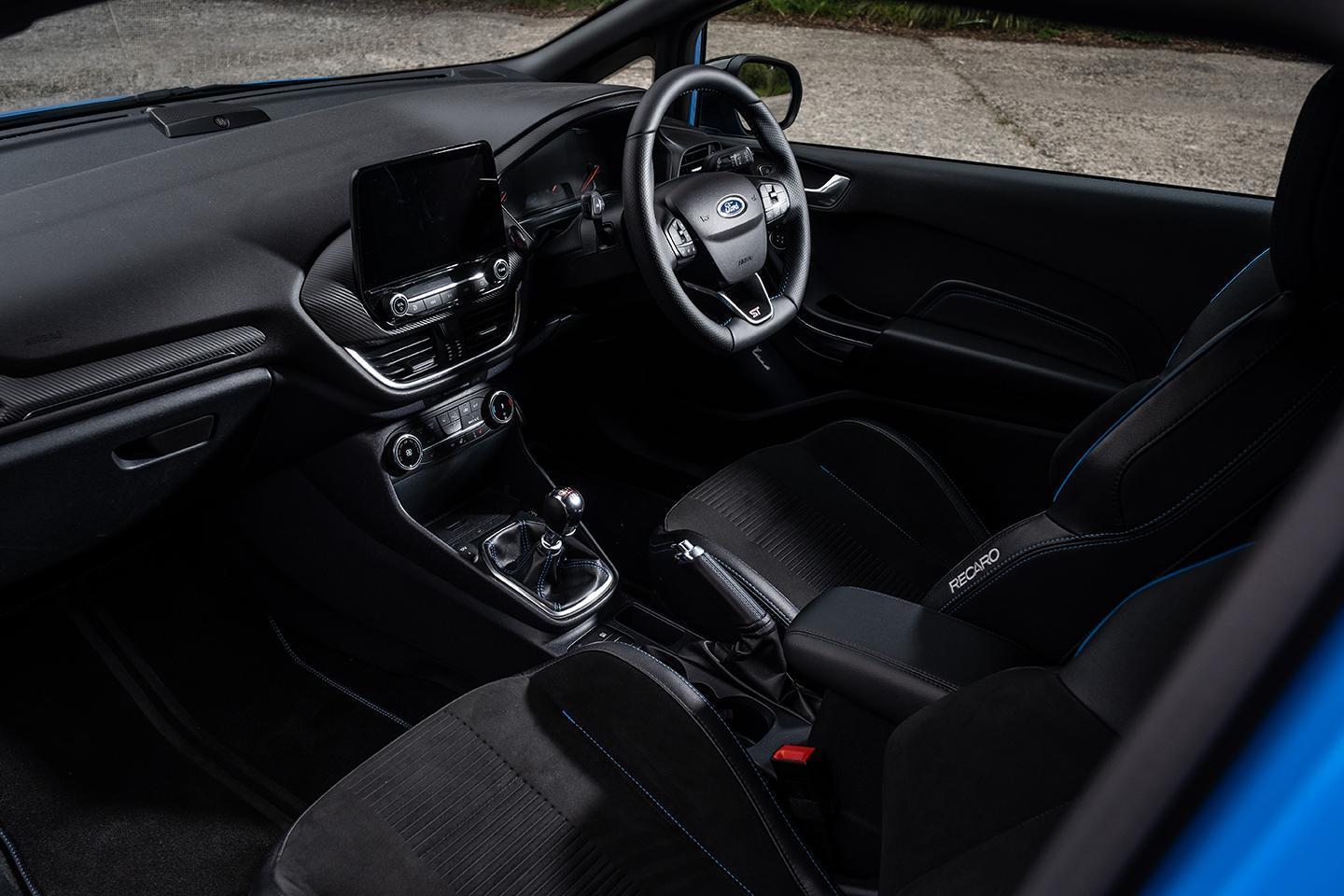
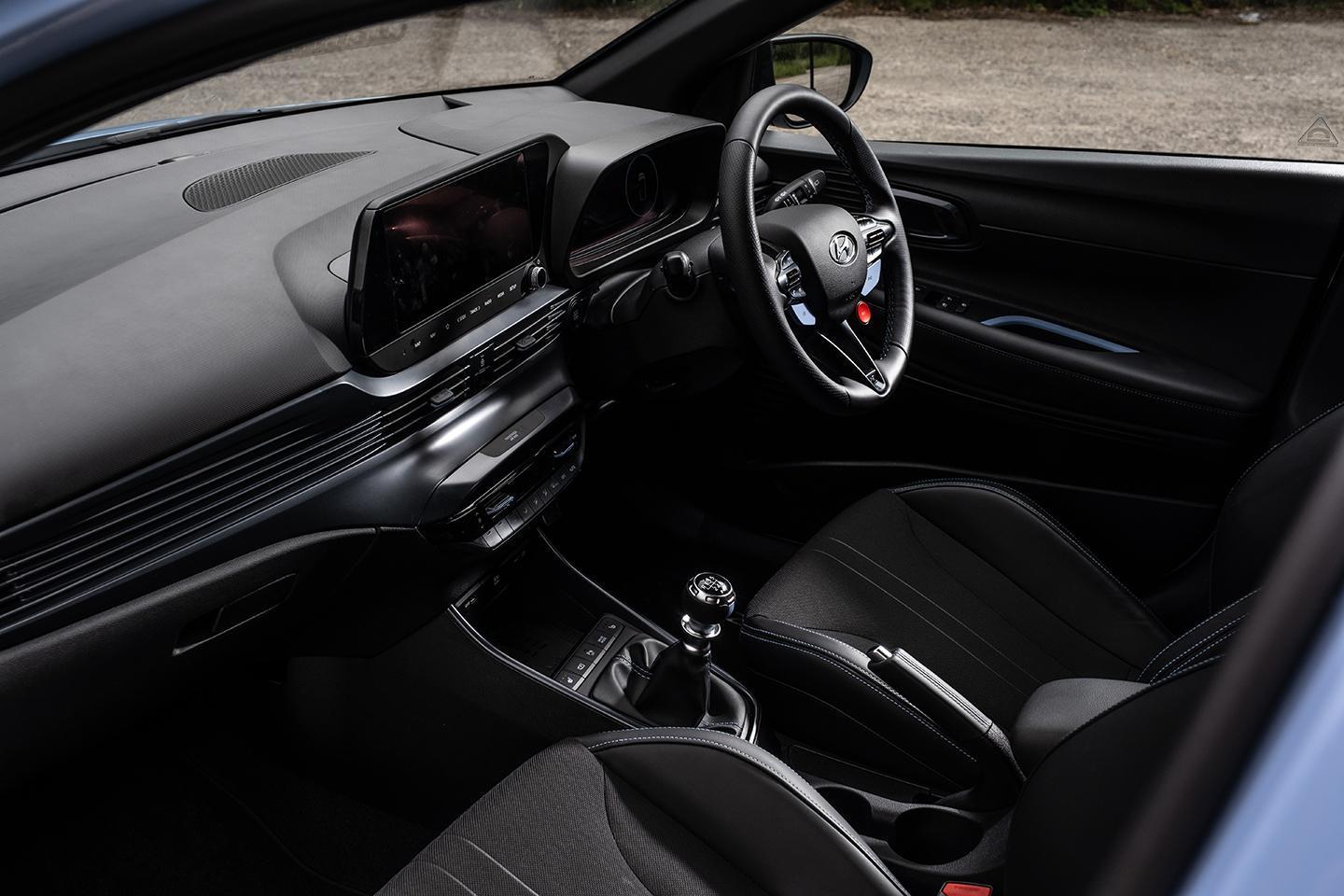
Their cabins are quite similar in appearance with free-standing rather than integrated touchscreens and ventilation controls low on the centre console. But the Ford's interior feels very slightly more upmarket with softer plastics and better fit and finish, plus very supportive seats and a steering wheel that extends further towards you to give a more natural seating position.
Any expectation that the i20 N would be the more studious of the two cars is well and truly torched by the ring of fire graphic that burns its way around the digital instrument display when you switch into one of the sporting drive modes. All of a sudden it's the Hyundai that seems like the joker, the Ford watching on from a distance, gently shaking its head. Hyundai has never taken its hot hatches too seriously - its N models are described as 'corner rascals' and you switch drive modes in this i20 N using the N Grin Control System - but that fire graphic is the clearest indicator of all that Hyundai wants its performance cars to be thought of as fun as much as anything else.
Which isn't what I was made to think at the Nurburgring last autumn. There Hyundai's engineers expressed a preference for crisp, honest dynamics - linear steering, a well-balanced chassis and predictable, progressive handling. They almost sneered at the Fiesta ST's contrived and very self conscious handling traits. That car has sharp off-centre steering that gives an impression of hyper-agility, plus a propensity to swing its tail around the instant you turn into a bend.
Ford's engineers baked that stuff into the car's dynamics very deliberately. It makes the ST huge fun to drive at road speeds, but it's almost entirely opposed to the more buttoned-down Porsche or Lotus methodology. For those most august of sports car makers, competency far outweighs forced fun. Both approaches have their place, but I bow to no one in my belief that Ford has executed its own strategy masterfully. It's why for me, the Fiesta ST is one of the most enjoyable cars on sale today, no matter the money.
I was expecting the i20 N to be firmly of the Porsche and Lotus school of thought, leaving the exaggerated turn-in oversteer and very responsive steering to the Ford. It took one 90-degree left hander in the Hyundai to realise how wrong I'd been. I steered into the turn, felt the immediate response from the front axle, sensed the rear axle swing around gently to rotate the car into the bend and noted the roll in the body as the weight shifted to the outside, after which I pinned the throttle once at the apex and felt the differential claw the car away from the corner, then looked down at the steering wheel to check I wasn't actually driving the Ford instead.
The similarities in how the two feel through a sequence of bends are so stark the i20 N almost appears to be imitating the Fiesta ST. I should have known the instant I saw those pixelated flames that the Hyundai would be more Monster Raving Loony Party than Speaker of the House.
So the question that rises here is which one does it better? The Ford certainly yaws more markedly on the way into a corner, though there isn't a great deal in it. And whereas the Fiesta ST's major control weights, plus their rates of response, are so finely attuned to one another that you feel you're driving one cohesive machine, the i20 N's controls are not so expertly matched.
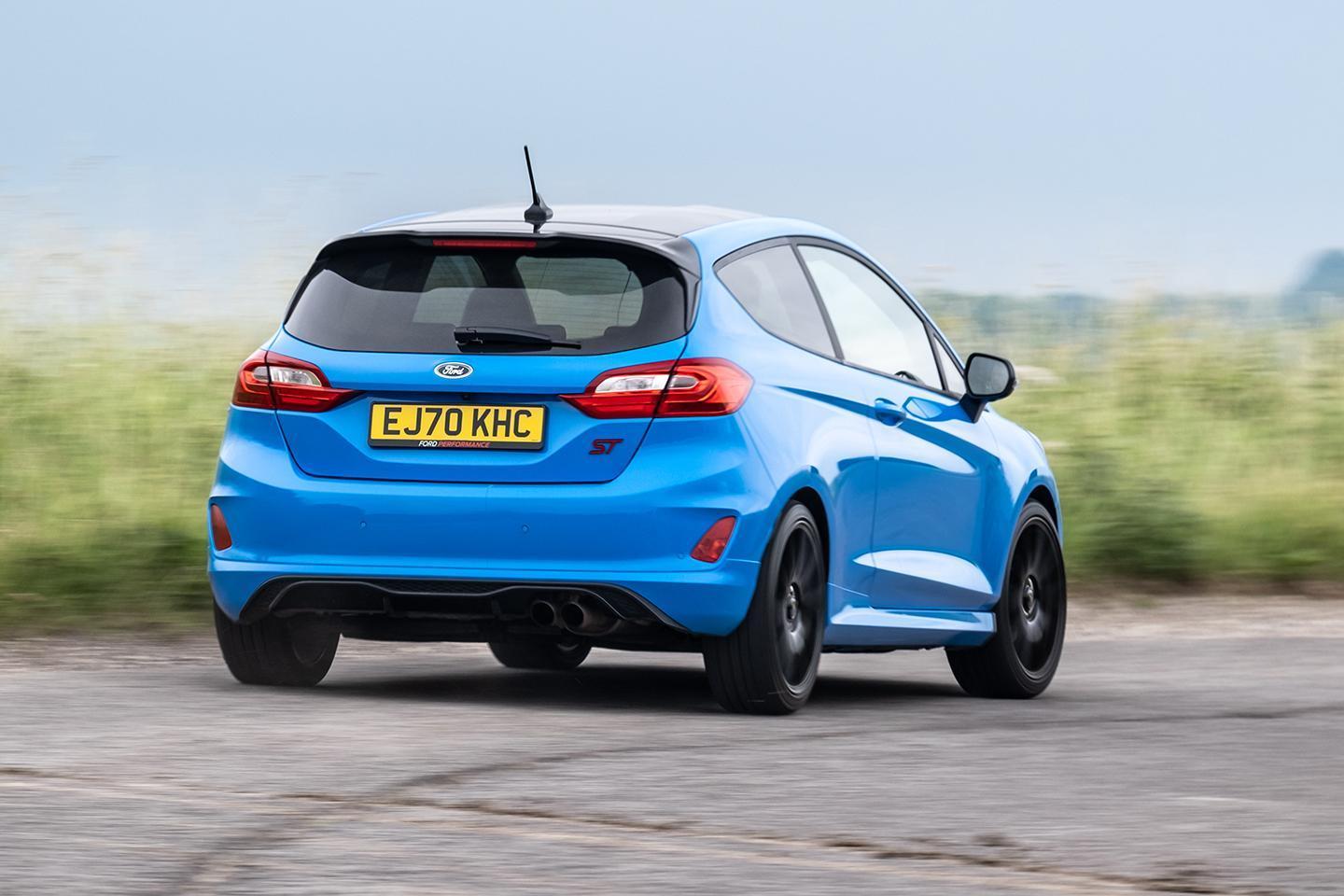
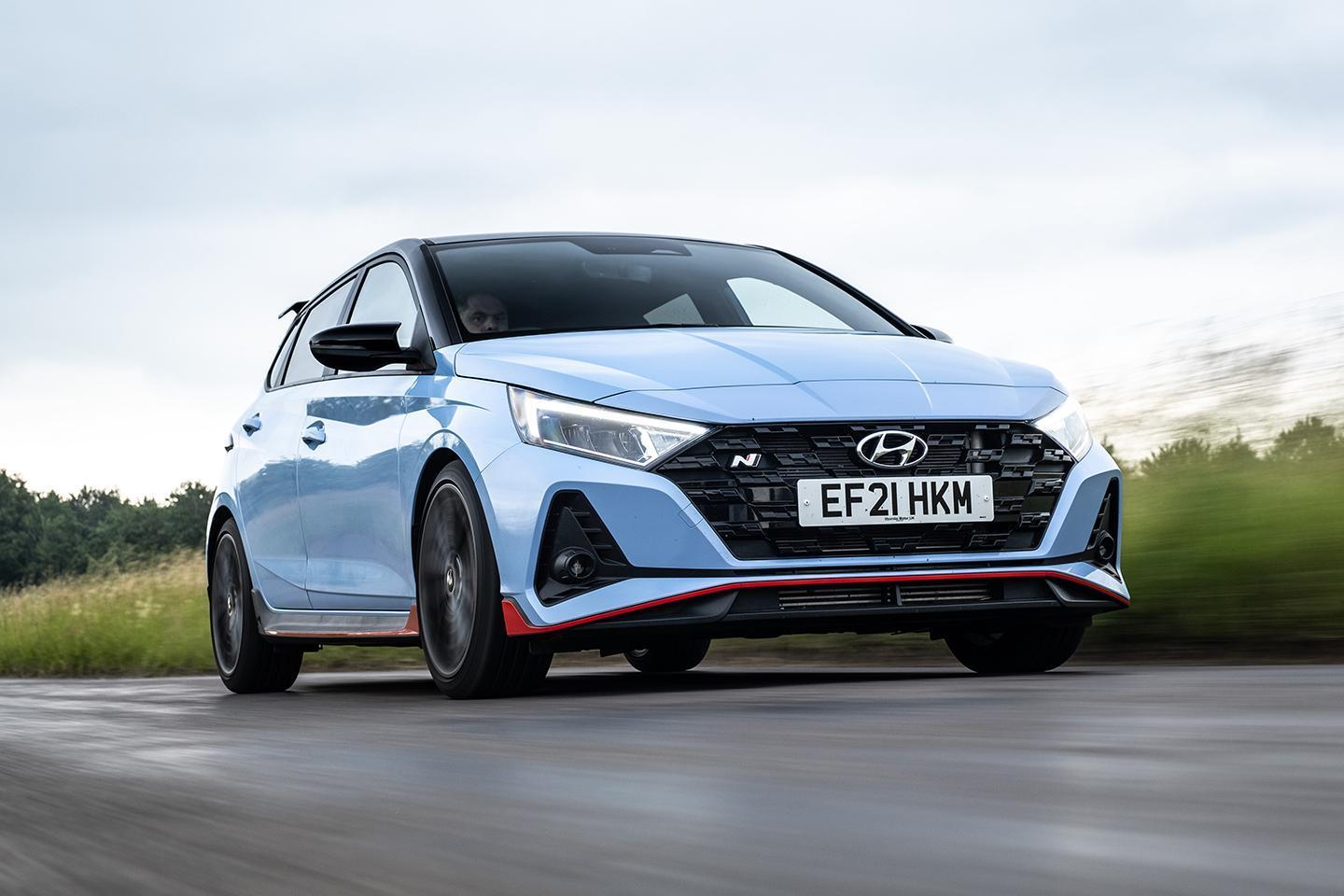
Both have the sort of bouncy ride that would grow tiresome if you only ever drove on very badly surfaced roads, but they each have enough give in their suspension over bumps that you don't feel as though you're being beaten up. It's the Ford that flows more elegantly along a stretch of B-road and it's more fun because of it.
Impressively, its smaller three-cylinder engine also revs more keenly than the Hyundai's four-pot, which appears to run out of enthusiasm as it nears its own redline. It also seemed to leave the throttle open an instant after lifting off on the way into a bend, so the car would continue accelerating for a split second longer than you expected it to. That could be quite alarming, particularly if you'd left your braking to the very last moment, though it may be an issue specific to the test car I drove.
Ultimately, I don't see any way in which the Hyundai is any better than the Ford. That's why it comes second in this test. But the margins are quite fine, which makes the i20 N a genuinely credible small hot hatch and at least a match for any other car in the class, bar the Fiesta ST. The Hyundai is quick, entertaining to drive and nothing like as serious as I expected it to be.
SPECIFICATION | 2021 HYUNDAI I20 N
Engine: 1,598cc, turbocharged four-cyl
Transmission: 6-speed manual, front-wheel drive
Power (hp): 204@5,500-6,000rpm
Torque (lb ft): 203@1,750-4,500rpm (224@2,000-4,000rpm on overboost)
0-62mph: 6.2 secs
Top speed: 142mph
Weight: 1,190kg
MPG: 40.4
CO2: 158g/km
Price: £24,995 (price as tested £26,545 comprised of £550 for Performance Blue special paint, £500 for Bose Premium Sound System Package and £500 for Black roof)
SPECIFICATION | FORD FIESTA ST EDITION
Engine: 1,497cc, turbocharged 3-cyl
Transmission: 6-speed manual, front-wheel drive
Power (hp): 200@6,000rpm
Torque (lb ft): 214@1,600-4,000rpm
0-62mph: 6.5sec
Top speed: 144mph
Weight: 1,255kg
MPG: 42.8 (WLTP)
CO2: 149g/km (WLTP)
Price: £28,770



Another five hundred pounds extra for another device to play music and stuff!!
Am I the only sane person left in the world?

New car option prices though really
They’re multiplied exponentially as the cost of the car increases until you get up to optional Alcantara carpets costing £3500 and steering wheels for an extra £3k on high end sports cars
Another five hundred pounds extra for another device to play music and stuff!!
Am I the only sane person left in the world?
Upgraded sound system price isn’t too bad I don’t think. Again, it’s not a must have.
Hyundai Warranty - 5yrs unlimited milage + 12yrs bodywork/paint anti-perforation
Sounds like there’s not a lot to split the two cars. That’s a good effort from Hyundai when you think about how long Ford have been refining the ST and the i20N is Hyundai’s second hot hatch.
The Fiesta is a bit more of a cohesive design. I like the i20N although the rear end is a bit fussy and over designed.
On the measurable stuff, the Hyundai seems the better buy, (better warranty, cheaper price, standard LSD, comparable performance, less lard etc)
And although it is irrelevant to anyone other than myself, looks-wise, I prefer the Hyundai to the slightly bland current gen Fiesta!
On the measurable stuff, the Hyundai seems the better buy, (better warranty, cheaper price, standard LSD, comparable performance, less lard etc)
The Fiesta is by most accounts better to drive, has a better driving position, sounds better and currently at least has a much wider array of aftermarket options (which is a big consideration since cars in this segment are often modified).
I think the i20 is a bit gimmicky/fussy as well. It's a little ripper of a hot hatch, does it really need three different settings for automatic rev matching?
The performance edition is nice, but you don’t need to pay that money for the experience IMO and would get 95% from a normal ST. This isn’t to say I don’t like the i20N, I would consider one in the future from past experience of the i30N.

Gassing Station | General Gassing | Top of Page | What's New | My Stuff