
Ford Racing Puma | PH Auction Block
Not museum-grade, nor extracted from a ditch - the perfect FRP?
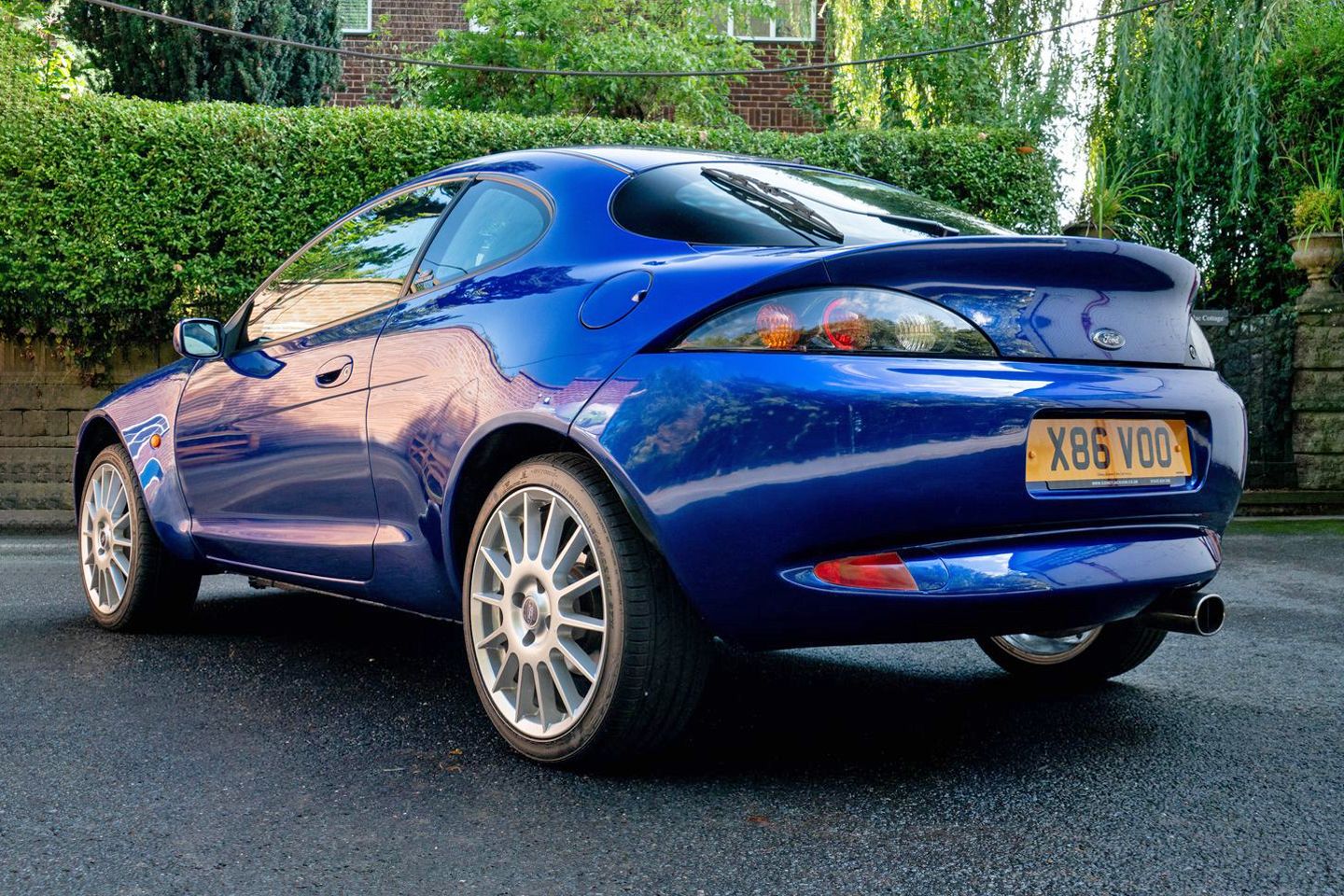
Interesting times for Ford. That much of its electrification plan is in tatters is hardly a shock: unlike European manufacturers, those based predominantly in the US toil under an administration openly resistant to EVs, making a cogent long-term strategy even trickier to navigate. But the firm has also suffered the same mediocre demand as most mainstream OEMs when it comes to its battery-powered models, a situation not helped by a decidedly lacklustre lineup. Rumours of the Mustang Mach-E’s premature demise persist; the less said about the Capri, the better…
Thank goodness then for the current Puma, which, as Britain’s best-selling car, is less a prop for everything else and more like the only visible mast. Mercifully, you can still buy it with a 1.0-litre Ecoboost (honestly - could it be any more of a proxy for the Fiesta?), which is presumably what virtually everyone does. This hero status within the brand is a long way from where it started, of course. Back in 2019, we could hardly have liked the car less.
This was mostly Ford’s fault. Its preoccupation with naming crossovers after famous performance cars was (and is) about as welcome as naming a verruca after your first-born child. As far as it goes, the Puma is actually a very decent compact crossover - yet it is certainly not a patch on the (again, Fiesta-based) coupe that preceded it. That model, with its smart looks and willowy handling, has entered Ford’s annals in much the same way that Sir David Attenborough will directly enter heaven.
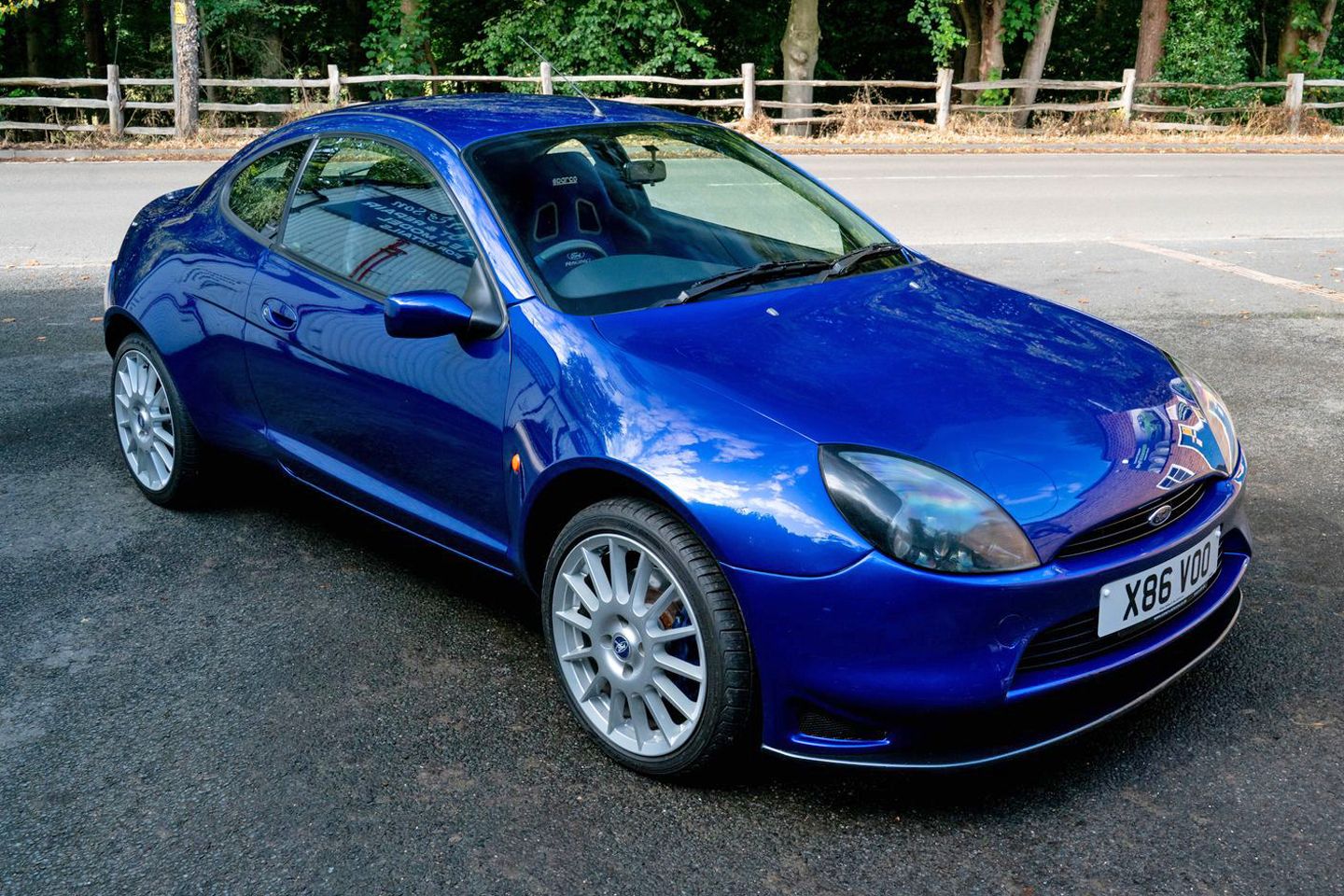
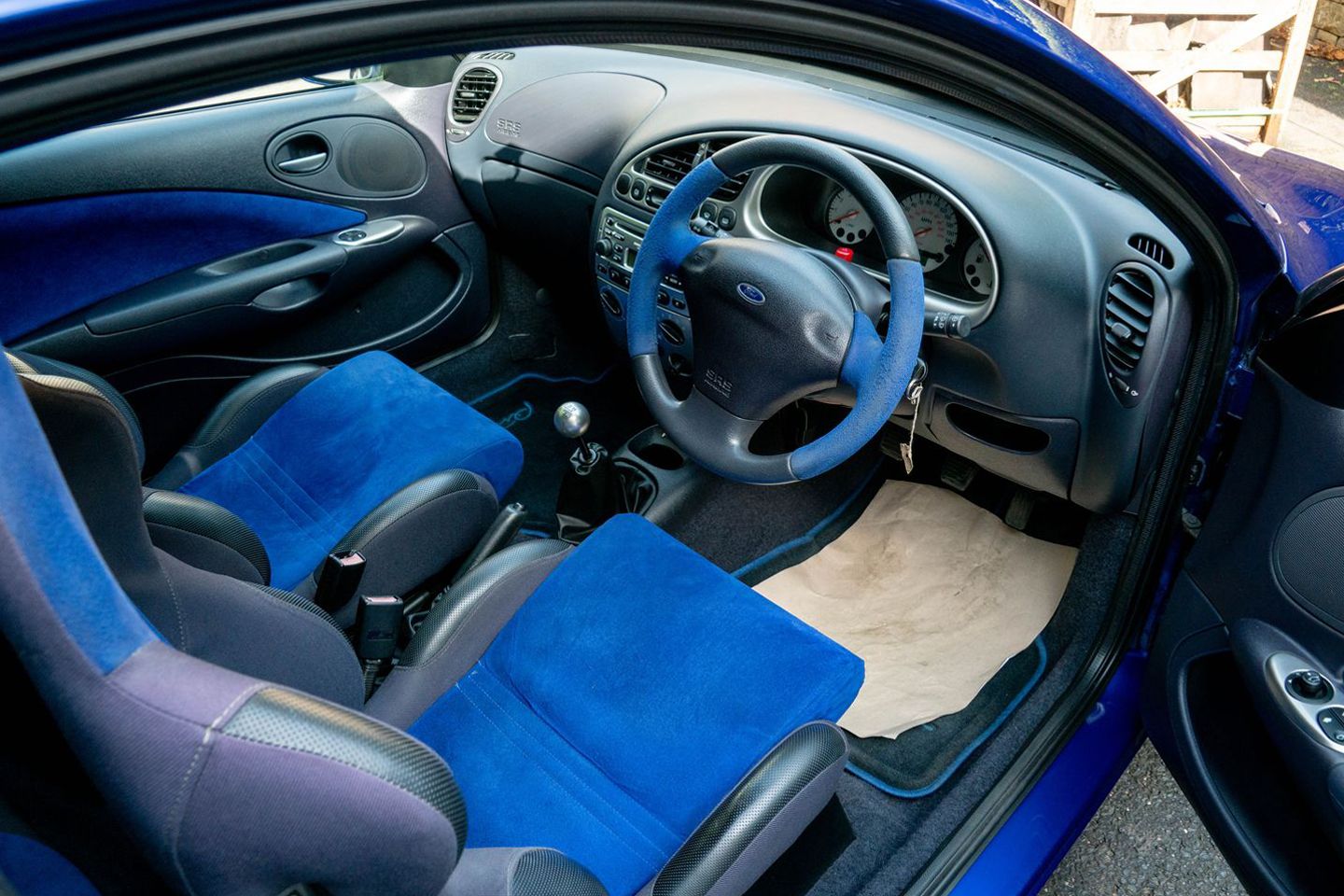
Even so, we could hardly have been prepared for the polished gem that is the Ford Racing version. Granted, this is a firm well accustomed to producing acutely good performance cars from often fairly humble beginnings, but the job done on developing the Puma at Boreham - partly courtesy of the labours of one Stig Blomqvist - resulted in an Imperial Blue tarmac rally-terrier that can hold its head high against any front-drive car in the world.
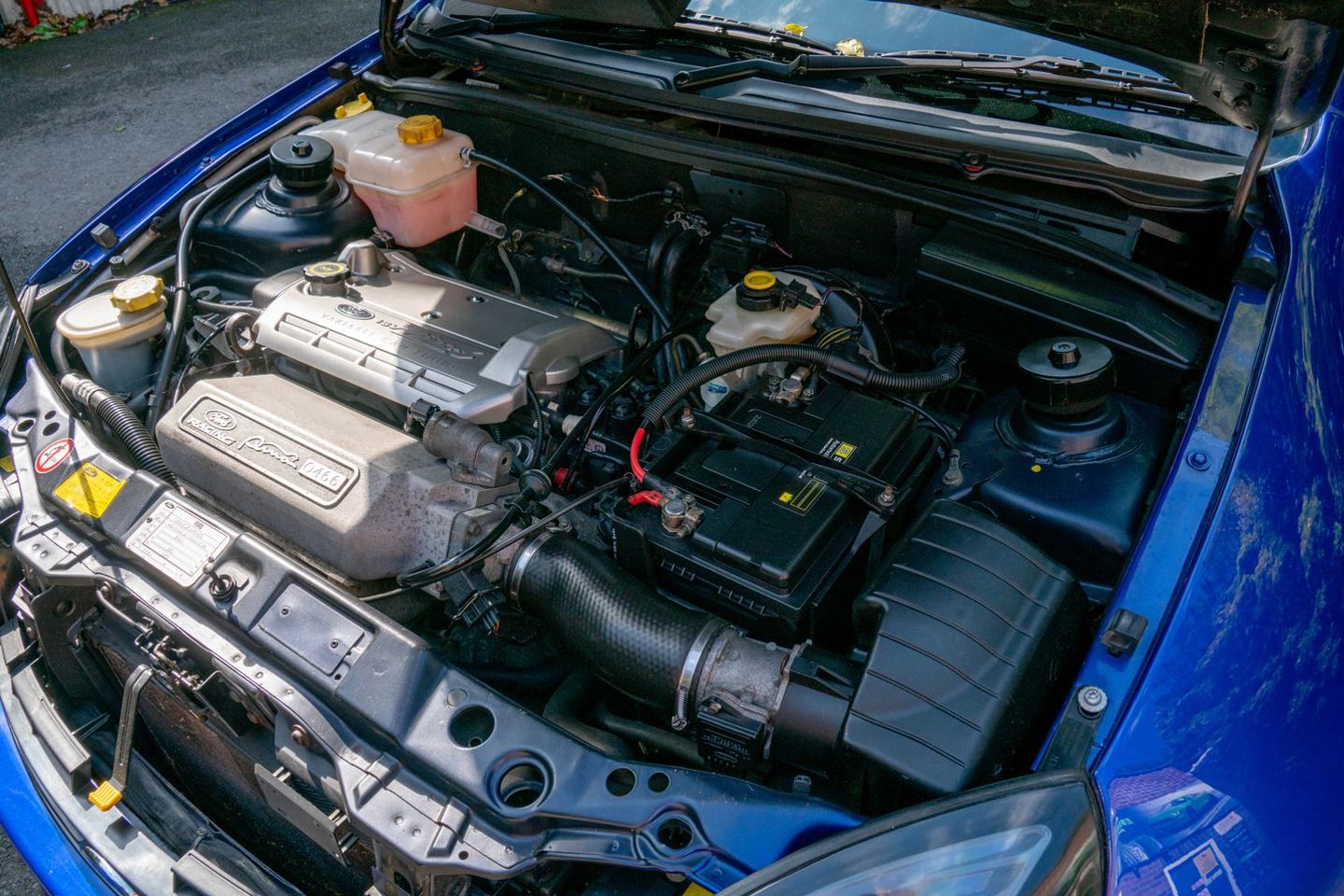
Granted, it should’ve had more power, as was intended - but by not receiving the turbocharger proposed for it, the FRP conceivably turned out even better. Or at any rate with the breathed-on 1.7-litre motor, upgraded to 155hp, it could be driven flat-out virtually everywhere, which honestly suited its puffed-out arches and wider tracks and overhauled suspension down to the ground. Few cars are so well-suited to a B road; even fewer are capable of generating so much joy at so little speed.
It says a great deal about the late ‘90s that the recipe didn’t make the FRP an instant hit beyond the critical response. Like much else viewed through a 2026 lens, were it launched today, it would be hailed as one of Ford’s defining triumphs. Still, a slow-blossoming reputation and its comparative rarity have made it supremely collectable. Little wonder then that this example, with less than 69k on the clock, and with a recent recommissioning under its belt, has already caused much swooning among the PH faithful. It goes under the hammer next Tuesday. Expect the response to exceed interest in an electric Capri by about a million per cent.


Anyway, the fact that they couldn't sell them, and they had a contract with Tickford to make a certain number so they had to get them registered and into the 2nd hand market so as a Ford Manager at the time I got to get one as a company car for the same monthly as a standard Puma
I had a great time hooning it around for the 4 or 5 months it look to put on 8k miles and then it was gone
Having said that, whilst it was hilarious on the right road, they had some questionable characteristics as well; camber pull, ferocious lift off oversteer in the wet, really loud road noise above about 50 MPH (I wore earplugs on motorway journeys) and approximately zero traction in snow with wide tyres and a light engine. Then as a 2nd hand car they rust for fun and the brakes are a bit of nightmare to maintain
So, as a fun, sunny day, thrash on your favourite road car - fabulous. But eyes wide open to their downsides as well would be my advice

Mr Bayjoo did a lot of the final software mapping on the Racing engine
 d.
d.Not that they exactly managed to shift them at the time, AFAIK a lot of the parts never went onto cars and they even sold off the prototype bits and preproduction cars to improve the numbers.
Though I do think the extra width of the S1600 makes it look better that the FRP. That said every wider version of the Puma did manage to look like it had been designed like that from the start, always a decent effort.

It was a big problem for them. Lovely looking car, but just doesnt have the performance to back it up.
I've generally liked cars that offer a decent performance per £ for example, and I thought both my 200SX(once tuned) and Cerbera were good at that as well for example.
My 370Z is affordable(cheap) too for example, but that has never "felt" all that quick to me though strangely. But "on paper" it definitely isn't slow though don't get me wrong.
I worked at Boreham (Ford Motorsport) for a while where at least some of the development of these took place. Apparently one of the main sticking points for the Ford Design Department (based at Dunton at the time) was exactly what shade of blue it should be...

I worked at Boreham (Ford Motorsport) for a while where at least some of the development of these took place. Apparently one of the main sticking points for the Ford Design Department (based at Dunton at the time) was exactly what shade of blue it should be...
No, they were not fast.
No, they were not built particularly well.
On an empty, flowing A road, or even better, B road they were absolutely fabulous - a car you could drive flat out at sensible speeds and have huge fun
Yes, I also owned an Integra Type R and preferred the Racing Puma - felt special in a way the Integra never did
Gassing Station | General Gassing | Top of Page | What's New | My Stuff